
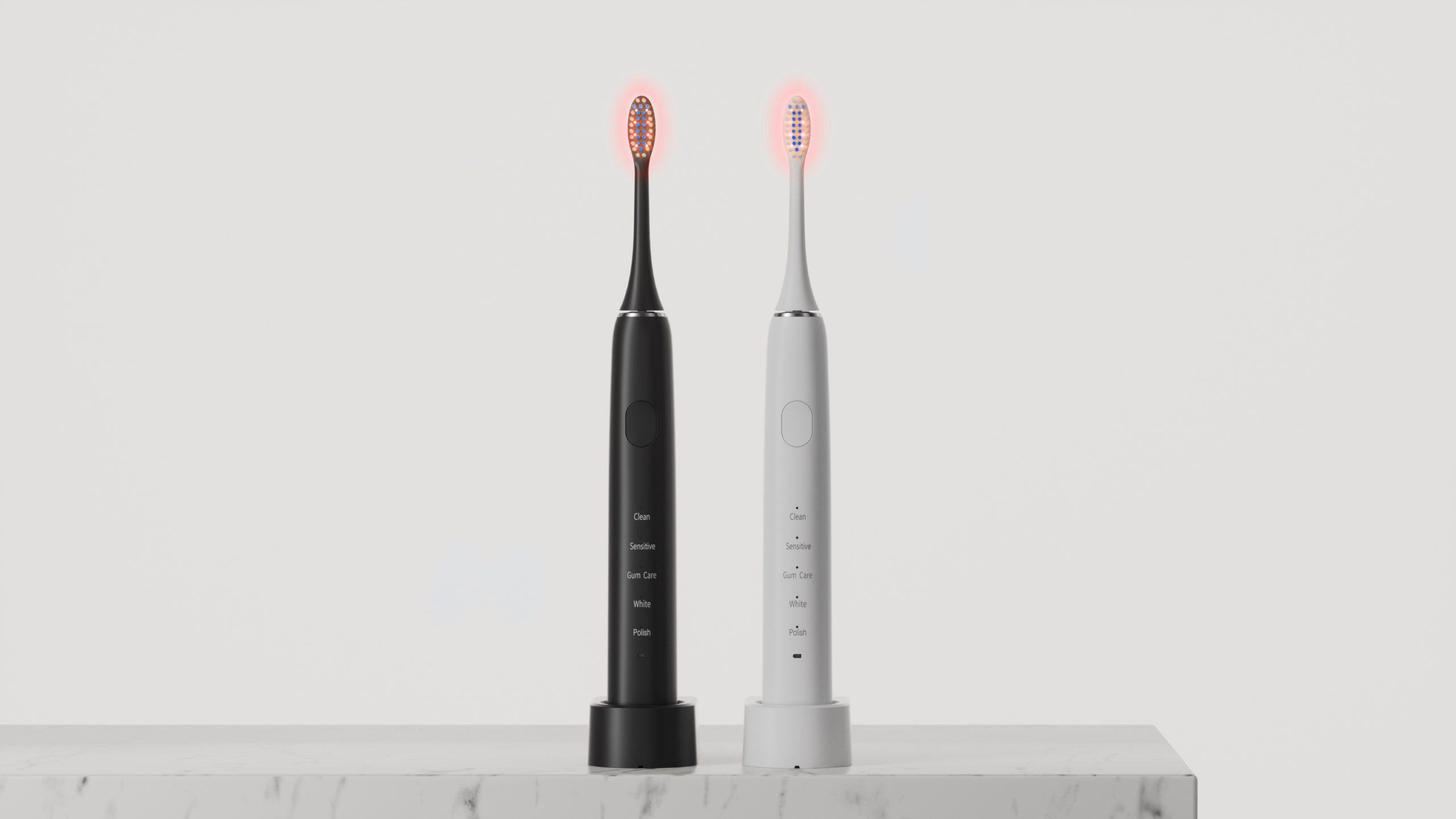
In recent years, phototherapy solutions have revolutionized the oral care industry, offering consumers faster, safer, and more effective ways to achieve whiter smiles. Among the most popular innovations, blue vs red light whitening technologies stand out as key differentiators for modern teeth whitening devices.
For brands exploring OEM technology choice, understanding the science behind these light wavelengths is crucial to selecting the right manufacturing partner and developing a product that truly performs.
Blue light whitening technology operates typically in the 450–495 nm wavelength range. This form of light activates hydrogen peroxide or carbamide peroxide gels, accelerating the breakdown of stains on the enamel surface.
Its strength lies in teeth whitening efficacy — delivering visible results in shorter treatment times. Blue light is widely used in professional dental clinics and is now being adapted into at-home whitening kits through advanced OEM manufacturing.
While blue light focuses on surface stain removal, red light therapy (around 620–750 nm) penetrates deeper into gum tissue, promoting cell regeneration and reducing inflammation.
For oral care devices, combining red light phototherapy solutions provides not only aesthetic benefits but also therapeutic ones — improving gum health and reducing post-whitening sensitivity. Many OEM technology providers now integrate both wavelengths to deliver a more comprehensive whitening experience.
The debate between blue vs red light whitening is not about choosing one over the other, but about leveraging their complementary effects.
Blue light enhances teeth whitening efficacy, while red light supports oral tissue recovery and comfort. A well-designed OEM device that incorporates both can offer dual benefits: whiter teeth and healthier gums.
For brands, this dual-wavelength approach represents a premium product opportunity that differentiates them in a crowded marketplace.
When selecting an OEM technology provider for light-based whitening devices, brands should evaluate several key factors:
Choosing the right OEM partner ensures consistent performance, brand credibility, and faster go-to-market success.
As consumer demand grows for professional-grade results at home, brands must carefully consider their OEM technology choice. The synergy of blue vs red light whitening represents the next frontier in oral care — merging science, aesthetics, and wellness.
Partnering with an OEM manufacturer that masters phototherapy solutions and prioritizes teeth whitening efficacy can transform your brand’s product line into one that truly shines in the competitive whitening market.
sonic toothbrush factory
-3-scaled-1.jpg)
Teeth Whitening Tech: Is LED Scientifically Superior to UV for OEM Applications?
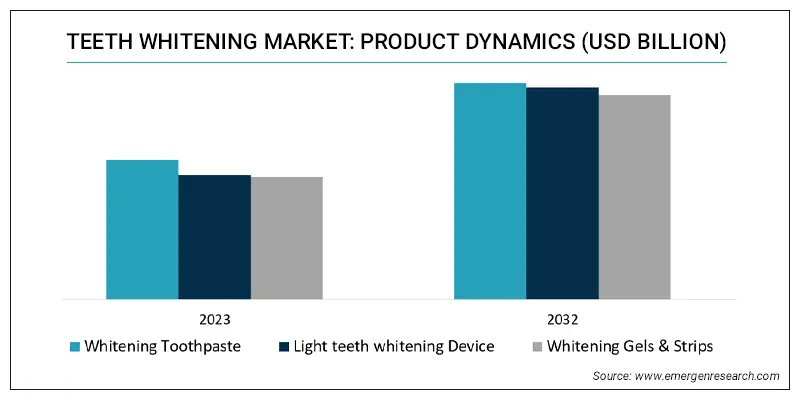
Analysis of Teeth Whitening Device Market Trends: The Functions and Designs That Consumers Will Pay Most Attention to in 2025
.jpg)
LED Whitening Mouthpiece | Fast-Acting Light Therapy for Teeth OEM/ODM Solution
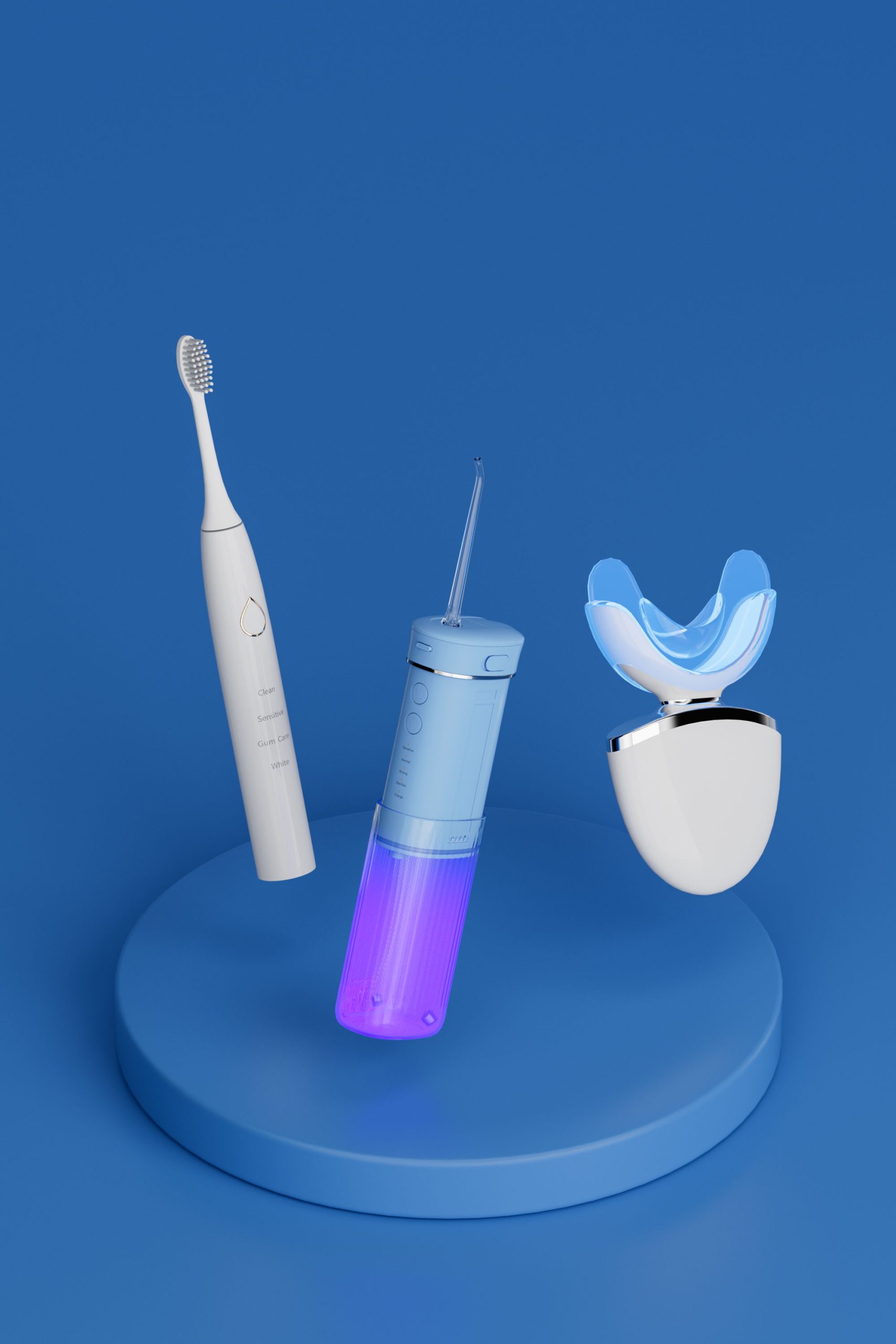
Private Label Teeth Whitening Kits with LED Technology: A Complete OEM Guide
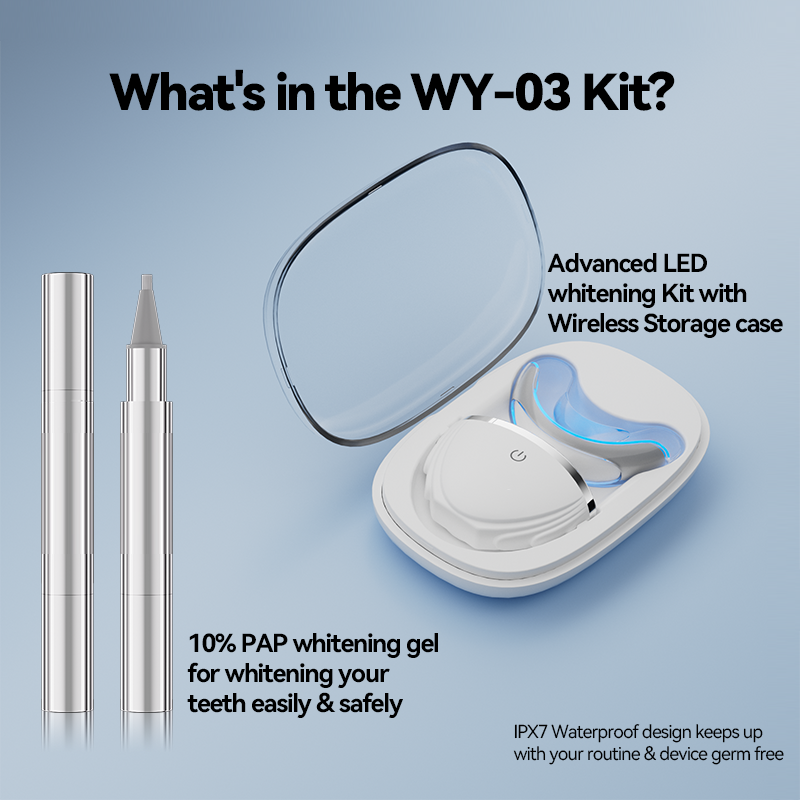
Red and Blue Light Teeth Whitening Device Aging Test Standard: 500 Hours of Continuous Working Reliability Verification
LED Whitening Toothbrush OEM | Advanced Oral Care Manufacturing Solutions
A Few Things You Need to Know Before and After Teeth Whitening
Wavelength of Whitening Teeth Device Blue Light (460–490nm) and Red Light (620–660nm)Configuration Guide
Benefits of Red & Blue Light Technology in Professional Teeth Whitening Kits

The Rising Market Potential of At-Home Teeth Whitening Devices

As Young People Pay More Attention to Their Teeth, What New Trends Are Emerging in Oral Care?
Precautions During Use – Maximize the Effectiveness of the Home Teeth Whitening Device
What Gives Some Teeth Whitening Devices Competitive advantage?
Analysis of Differences in Preferences for Teeth Whitening Devices in the European and American Markets vs. Asian Markets
Affordable Innovation: Unlocking OEM LED Teeth Whitening Kit Costs for Your Brand


.jpg)
.jpg)
.jpg)
.jpg)
.jpg)






.jpg)
