
As oral‐care devices evolve, ensuring child compatibility while addressing cold light sensitivity poses a unique challenge: devices must be gentle enough for young users yet powerful enough for effective phototherapy without triggering discomfort or tissue irritation. In this post, we’ll explore six key factors that B2B partners should consider when designing child-friendly, cold-light-based oral-care solutions.
Children’s teeth and gums are still developing and therefore require extra protection:
Child compatibility is not just a feature—it’s a safety imperative.
Cold light (typically 400–420 nm) is effective for whitening and disinfection but can cause cold light sensitivity if misapplied:
Balancing power output and exposure time is essential to minimize these risks.Company web: https://www.powsmart.com/product/electric-toothbrush/
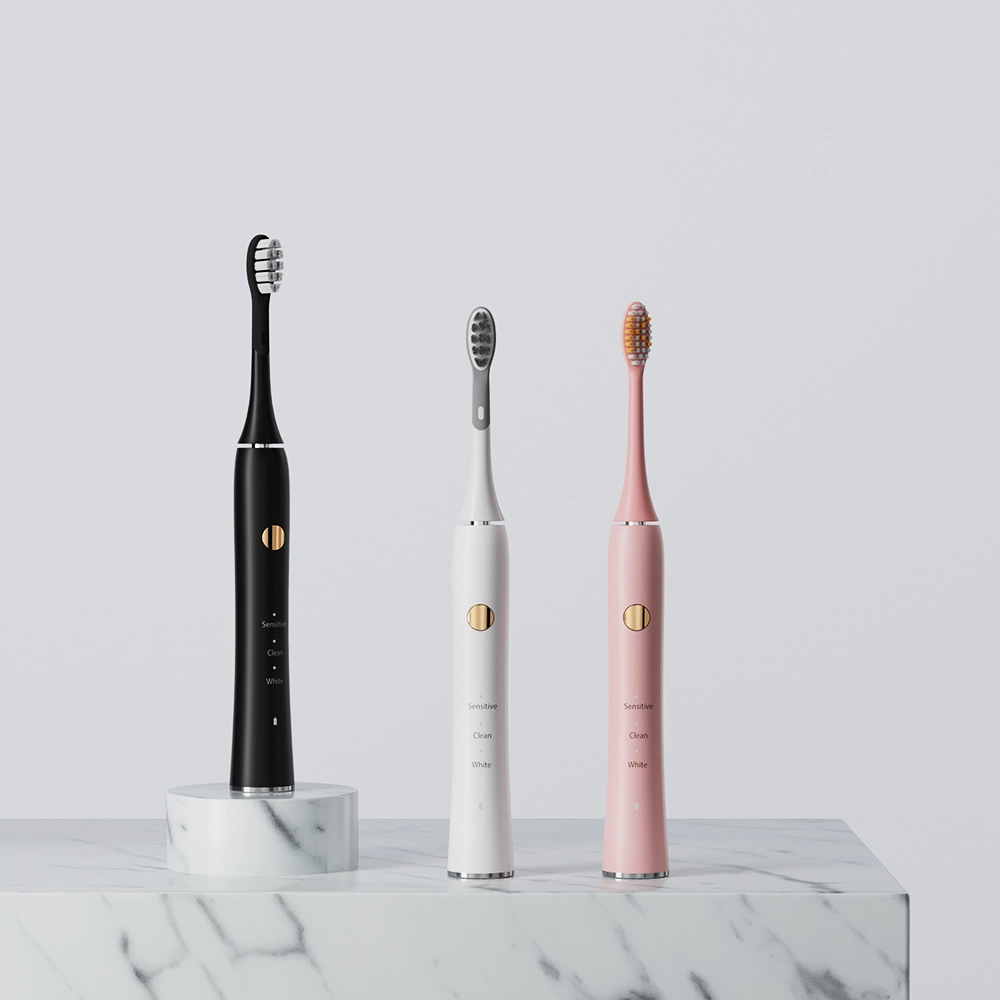
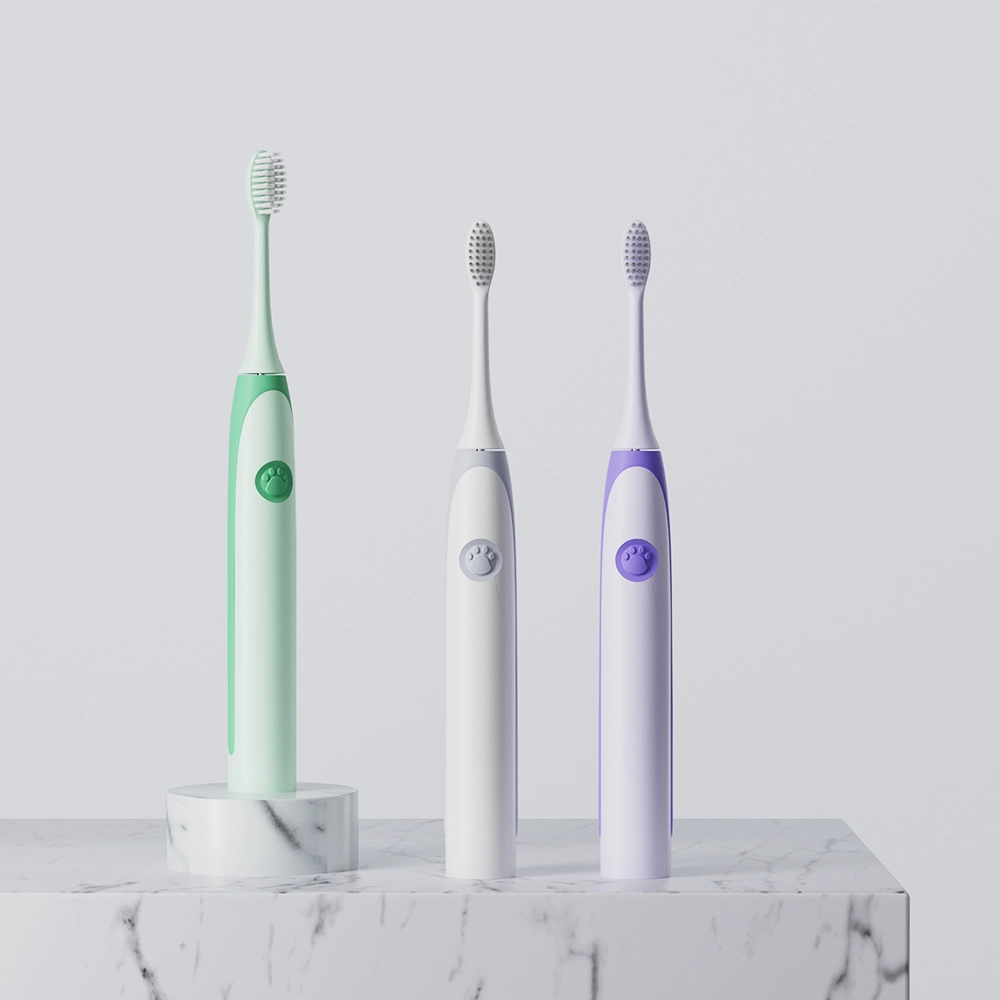
To reduce sensitivity, combine optical and mechanical controls:
This integrated approach soothes young users while maintaining efficacy.
Robust validation ensures both child safety and cold-light performance:
Thorough testing builds confidence for both B2B partners and end users.
Proper instruction is vital to safe, effective use:
Comprehensive guidance ensures every treatment stays within safe, comfortable limits.
Looking ahead, manufacturers can further enhance pediatric safety and comfort:
By embracing these innovations, B2B partners will lead the market in safe, child-friendly cold-light oral-care devices.
Conclusion
Achieving true child compatibility while mitigating cold light sensitivity requires a holistic approach: judicious power control, integrated cooling, rigorous testing, clear user guidance, and ongoing innovation. B2B manufacturers who master these elements can deliver pediatric oral-care solutions that are both safe and effective. For collaboration on child-safe cold-light device design, please contact our technical team!
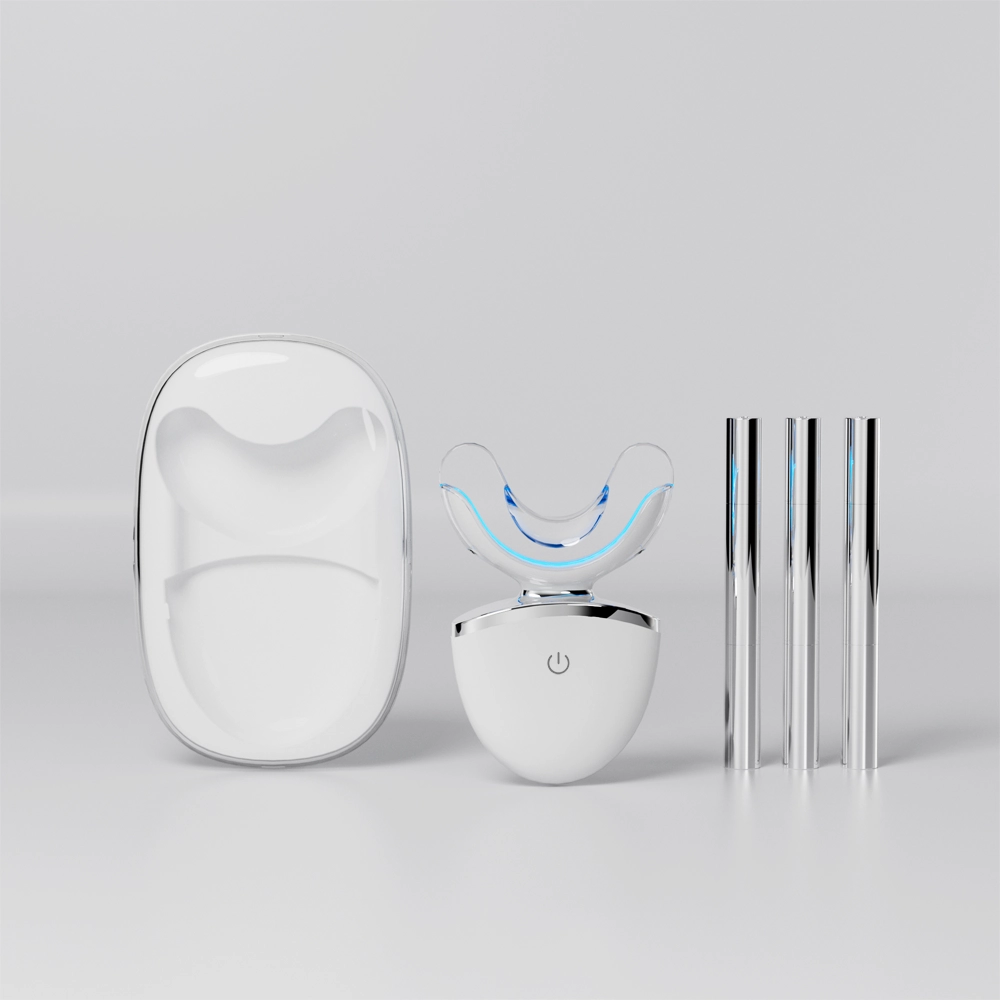
Uncovering Dentistry: Scientific Methods and Techniques for Whiter Teeth
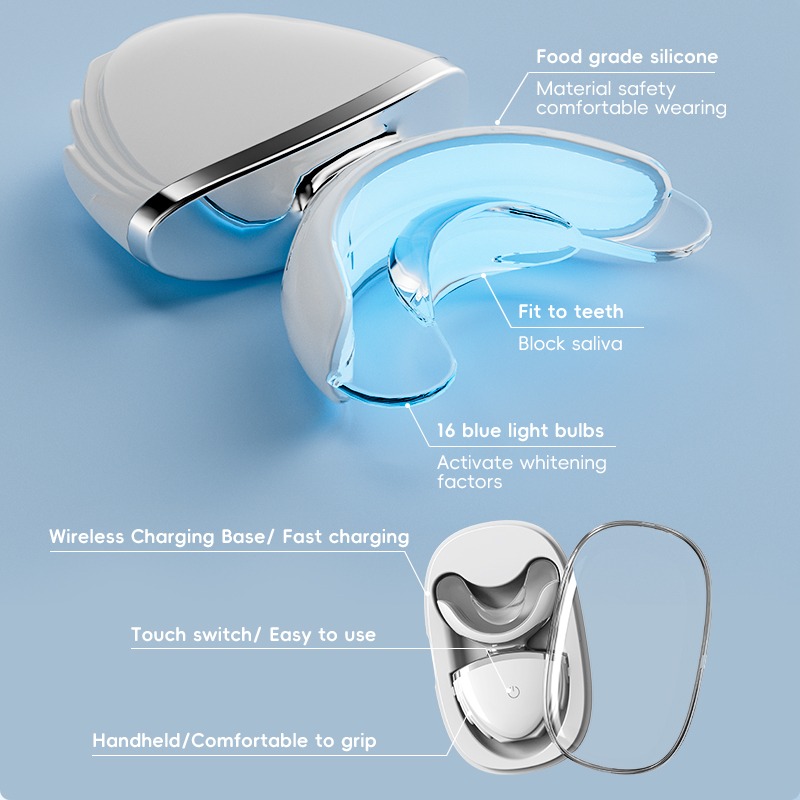
Do LED teeth whitening device trays need to be removed and cleaned frequently?
Optimizing the teeth whitening device production cycle: How Can Professional Manufacturers Shorten Delivery Time?
-3-scaled.png)
Home vs. Professional Red and Blue Light Teeth Whitening Devices: Wavelength Stability and Energy Density Comparison
How Does a Photobleaching Catalyst Interact with Optical Brighteners in Advanced Whitening Formulations?
.jpg)
Portable LED Teeth Whitening Device Supplier
How Teeth Whitening Devices Protect Dental Health and Enhance Smile Confidence
Case Study of Intelligent Upgrading of Dental Instrument Factory

How to Choose the Right Manufacturer Before Expanding Whitening Products
powsmart electric toothbrush factory
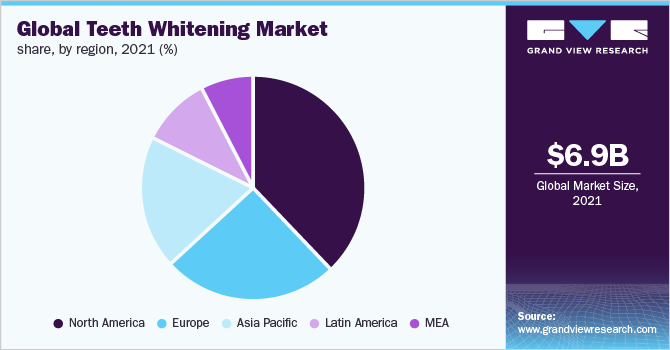
Analysis of Differences in Preferences for Teeth Whitening Devices in the European and American Markets vs. Asian Markets
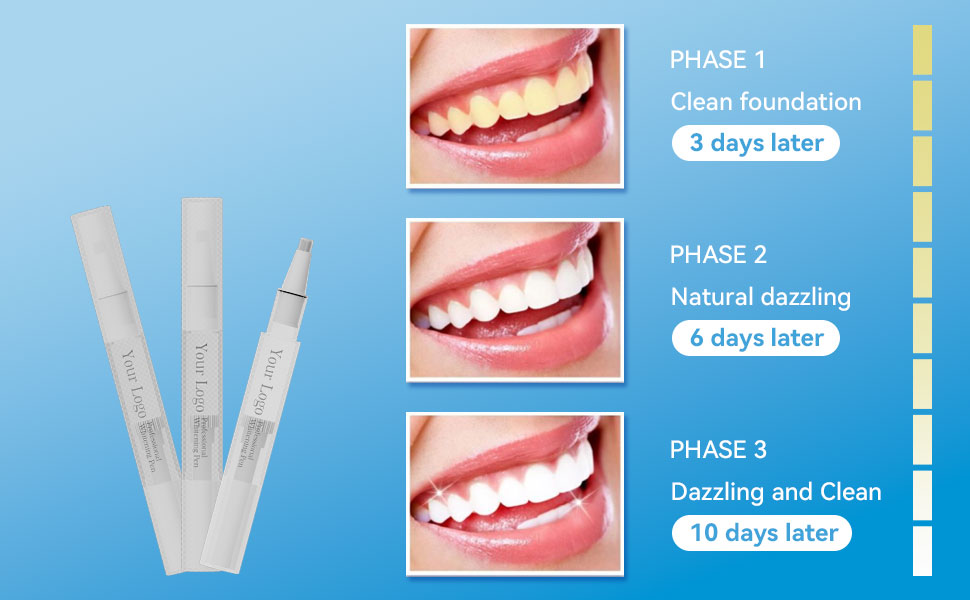
What is LED Teeth Whitening Kit and Usage Guide
Explaining the Teeth Whitening Device and How to Use It?
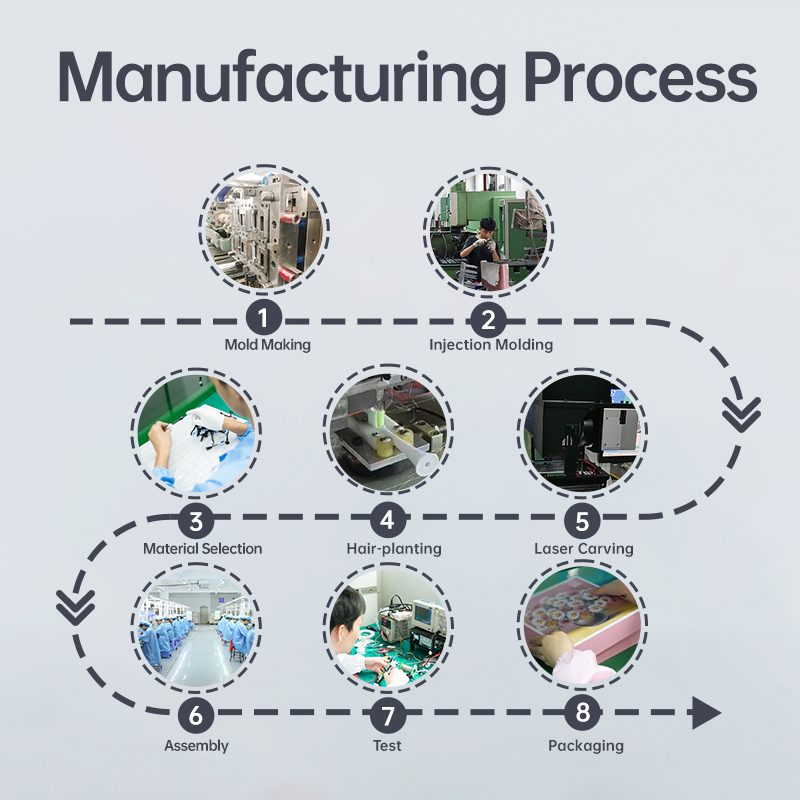
Reasons why brands should start teeth whitening kit business
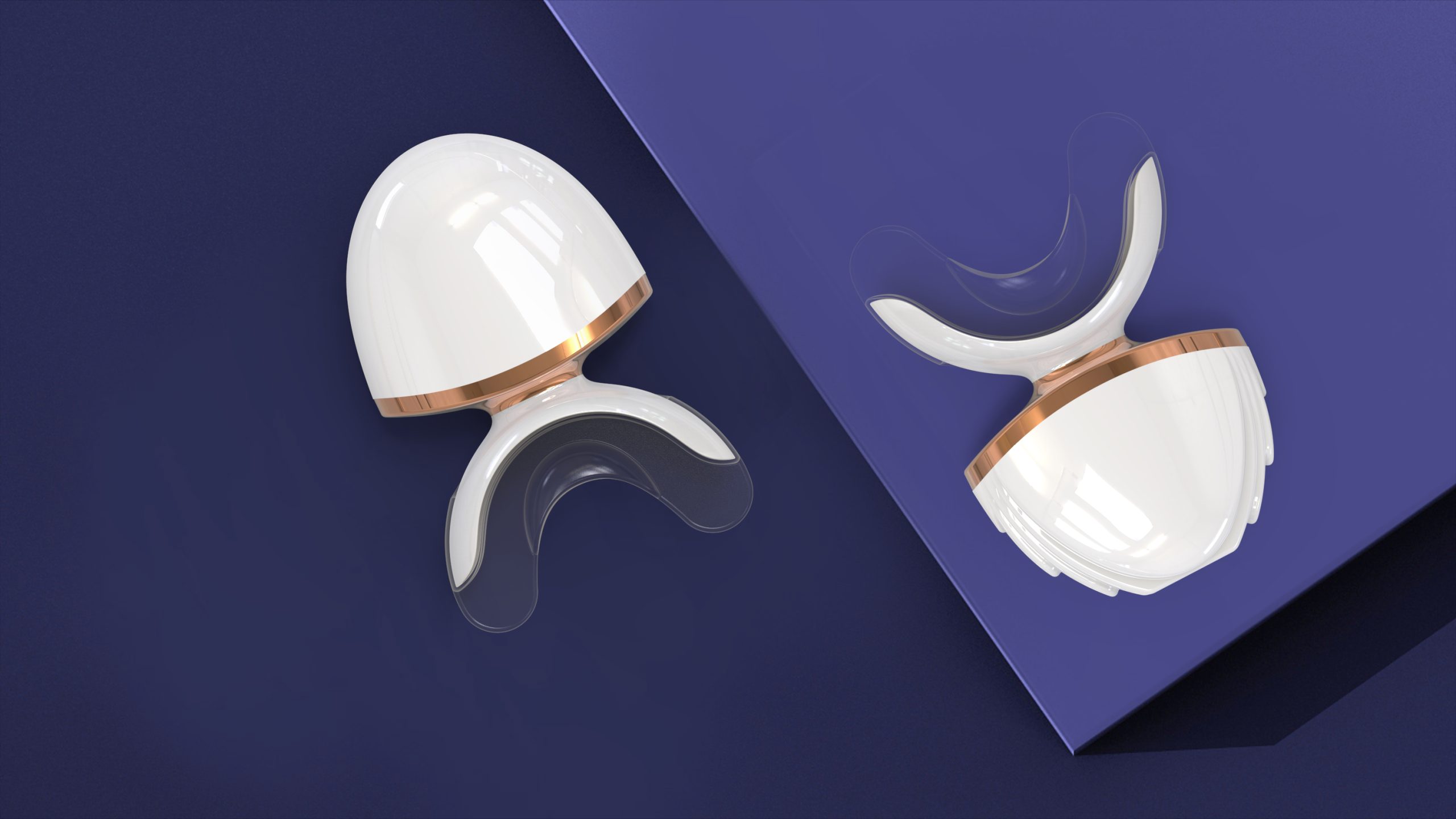
Dentist’s Guide: Choosing the Right LED Whitening Device for Stains
Wavelength of Whitening Teeth Device Blue Light (460–490nm) and Red Light (620–660nm)Configuration Guide


.jpg)
.jpg)
.jpg)
.jpg)
.jpg)






.jpg)
.jpg)