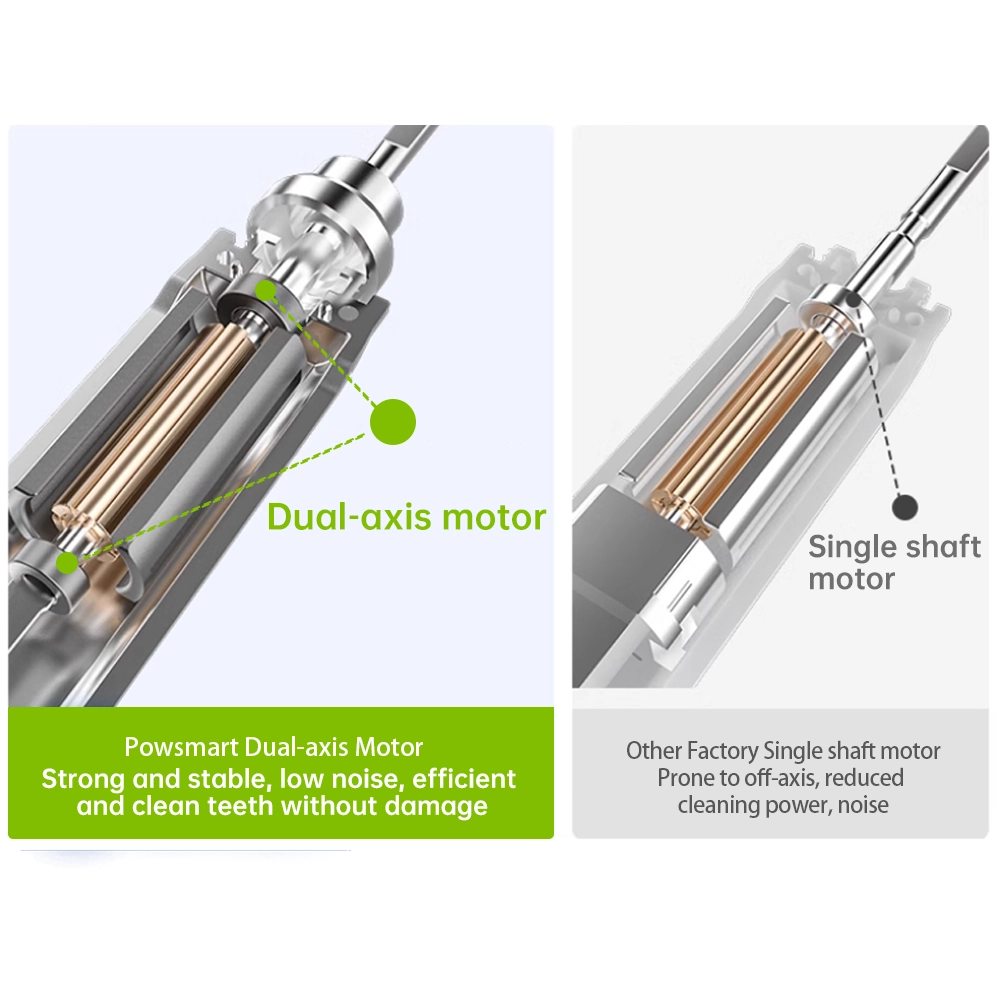
In the competitive water-flosser market, brands are increasingly focused on performance stability and long-term durability. Two core components—Hydro-mechanical Seal technology and optimized Turbine Impeller Design—play a decisive role in achieving reliable water-jet output while reducing maintenance requirements. Understanding how these engineering elements work together helps OEM and ODM buyers select the right manufacturing partner for high-quality oral-care devices.
A Hydro-mechanical Seal minimizes internal leakage within the pressure-generation chamber, allowing the Turbine Impeller Design to convert rotational energy into a stable, consistent water jet. For water flosser brands, this translates into smoother pulsation patterns and a more comfortable user experience.
Continuous high-speed impeller rotation can accelerate wear without proper sealing support. By integrating a robust Hydro-mechanical Seal, the turbine assembly is better protected against friction, moisture, and abrasive particle ingress—significantly extending motor and turbine lifespan.
An optimized Turbine Impeller Design paired with a precision Hydro-mechanical allows more efficient hydraulic energy transfer. Reduced drag and lower internal resistance lead to improved device efficiency, enabling manufacturers to deliver longer battery life or higher pressure levels without increasing power consumption.
Unstable impeller rotation is a common cause of operational noise in water flossers. By preventing micro-leakage and maintaining the correct axial alignment, the Hydro-mechanical Seal helps the impeller rotate more smoothly. This results in noticeably quieter operation—an increasingly important selling point for both home-use and premium models.
Water flossers operate under constant exposure to moisture. A durable Hydro-mechanical Seal protects the impeller housing and internal electronics from water intrusion, preventing premature failure. This reliability is essential for B-end buyers seeking long-term product stability and reduced warranty risk.
Brands looking to upgrade product performance—such as stronger water-jet output, multi-mode pulsing, or smaller pump sizes—benefit from improved sealing and impeller engineering. The synergy between an advanced Turbine Impeller Design.
A high-performance water flosser is only as reliable as its internal engineering. By combining precision Hydro-mechanical Seal technology with an optimized Turbine Impeller Design, manufacturers can deliver stronger pressure. For B-end buyers seeking dependable OEM/ODM partners, these two components are key indicators of product quality and long-term success.
.jpg)
.jpg)
.jpg)
sonic electric toothbrush Miami
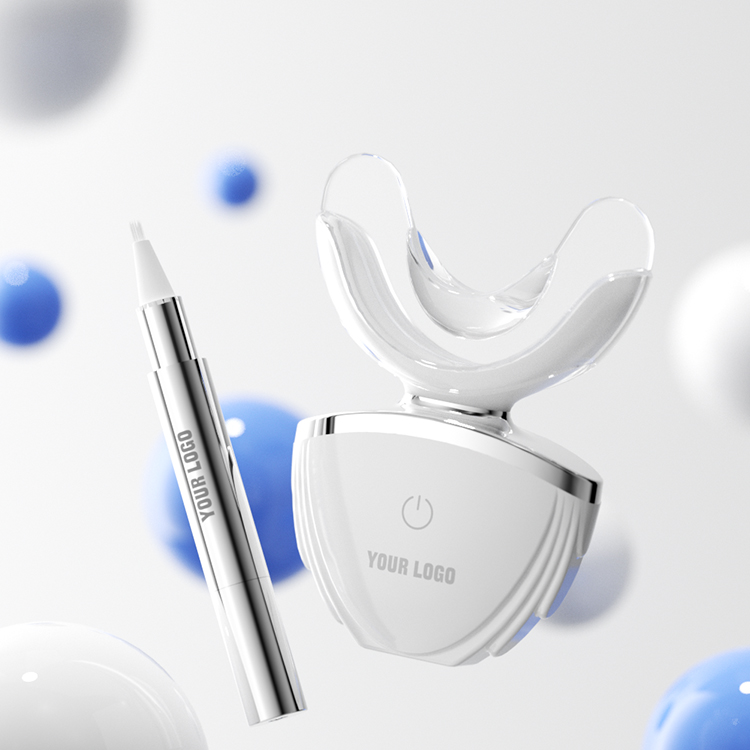
The Safe Way To Whiten Teeth: Dentist-Approved OEM Whitening Products

Why Is a Hydro-mechanical Seal Vital for Efficient Turbine Impeller Design in Water Flossers?
.jpg)
How Do CIE Whiteness Index Measurements Account for Hue Saturation Lightness in Whitening Results?
.jpg)
Children’s Smart Toothbrush | OEM Solutions for Pediatric Oral-Care Brands
Cordless Compact Water Flosser OEM | Portable Oral Irrigator Manufacturer
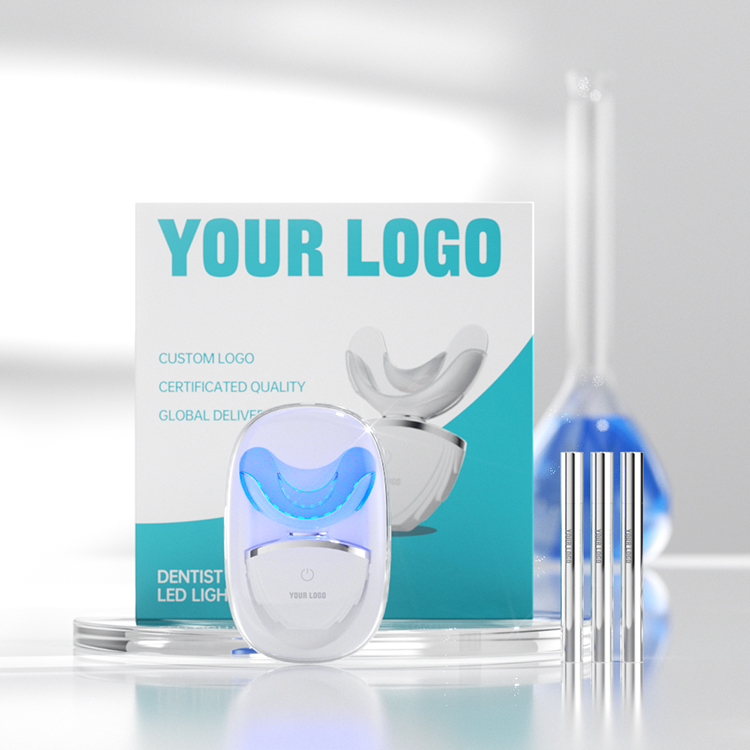
Is Your Water Flosser Saline Solution Compatible for Effective Calcified Deposit Remover?
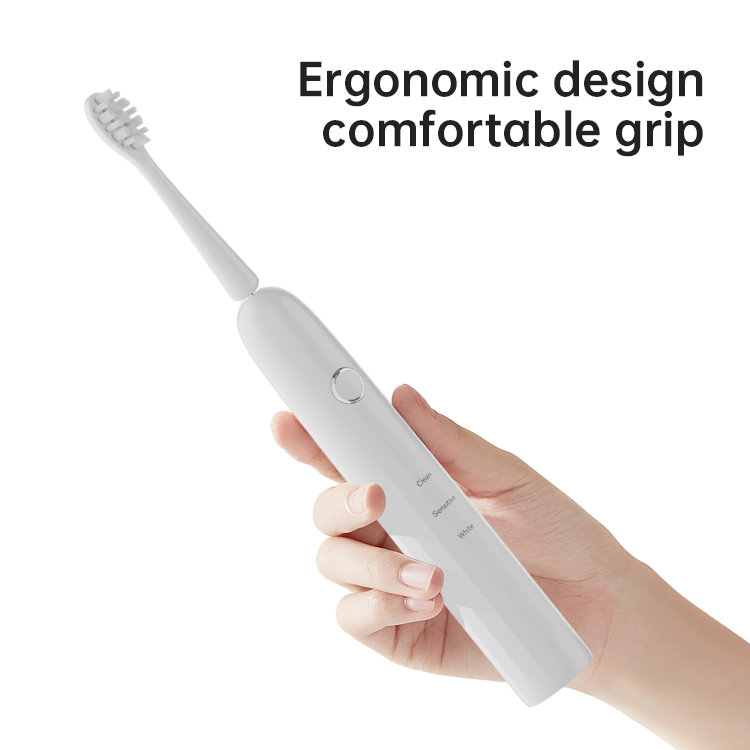
How to Prevent Electric Toothbrush Buttons from Coming Off: OEM Engineering Solutions
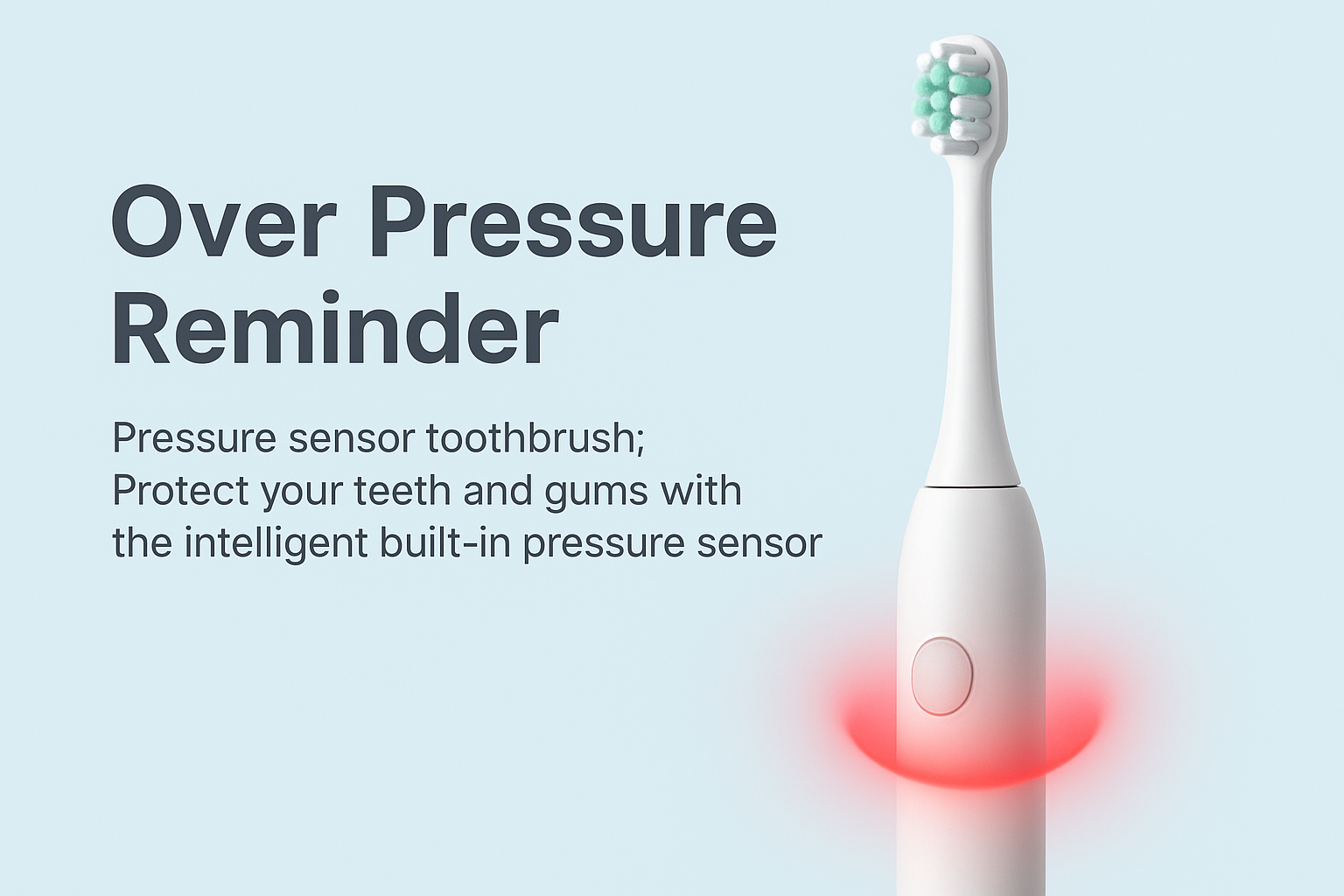
Why Is Regular Colorimeter Calibration Essential for Measuring Opalescence Enhancement in Whitening Treatments?
Electric Toothbrush OEM Capabilities for Global Brands
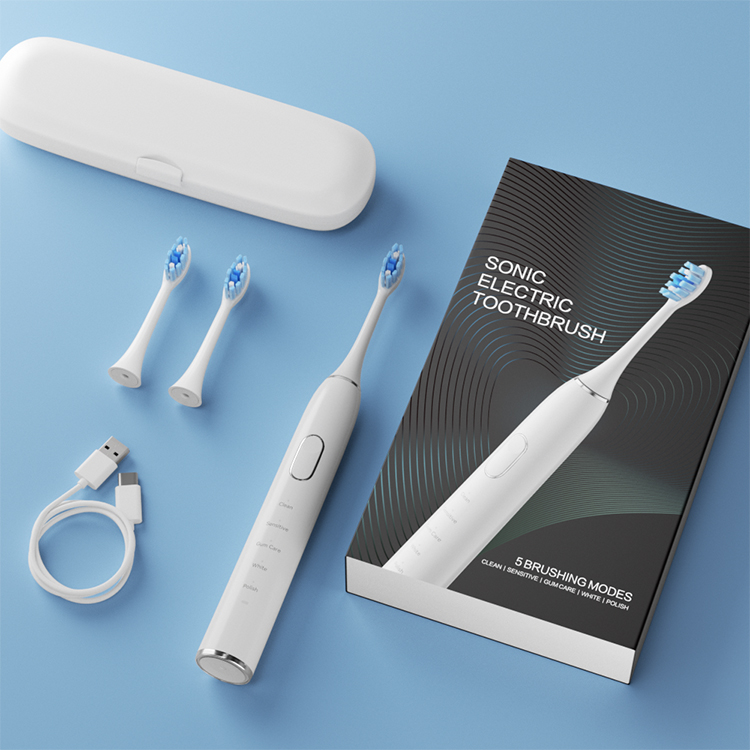
Can an Orthodontic Jet Tip Be Adapted for Use as a Periodontal Pocket Irrigator in Clinical Settings?
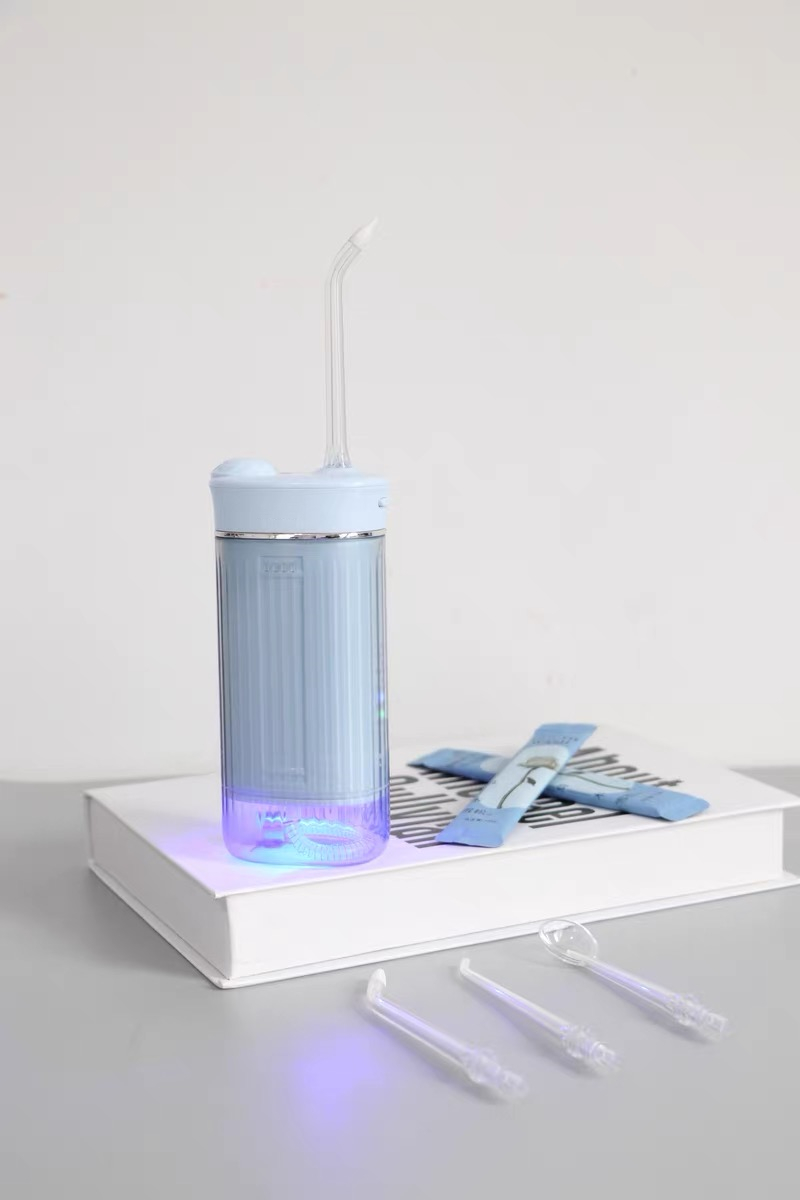
Water Flosser Power Settings: Balancing Cleaning Efficacy with User Comfort

How do Hydro-dynamic Bearings Optimize Flow Channel Geometry in High-Performance Water Flossers?
Soft Bristle Electric Toothbrush OEM Supplier | Sensitive-Care Toothbrush Manufacturer

How Does a Photobleaching Catalyst Interact with Optical Brighteners in Advanced Whitening Formulations?

How Do Surface Reflectance and Subsurface Scattering Measurements Improve Whitening Efficacy Evaluation?


.jpg)
.jpg)
.jpg)
.jpg)
.jpg)






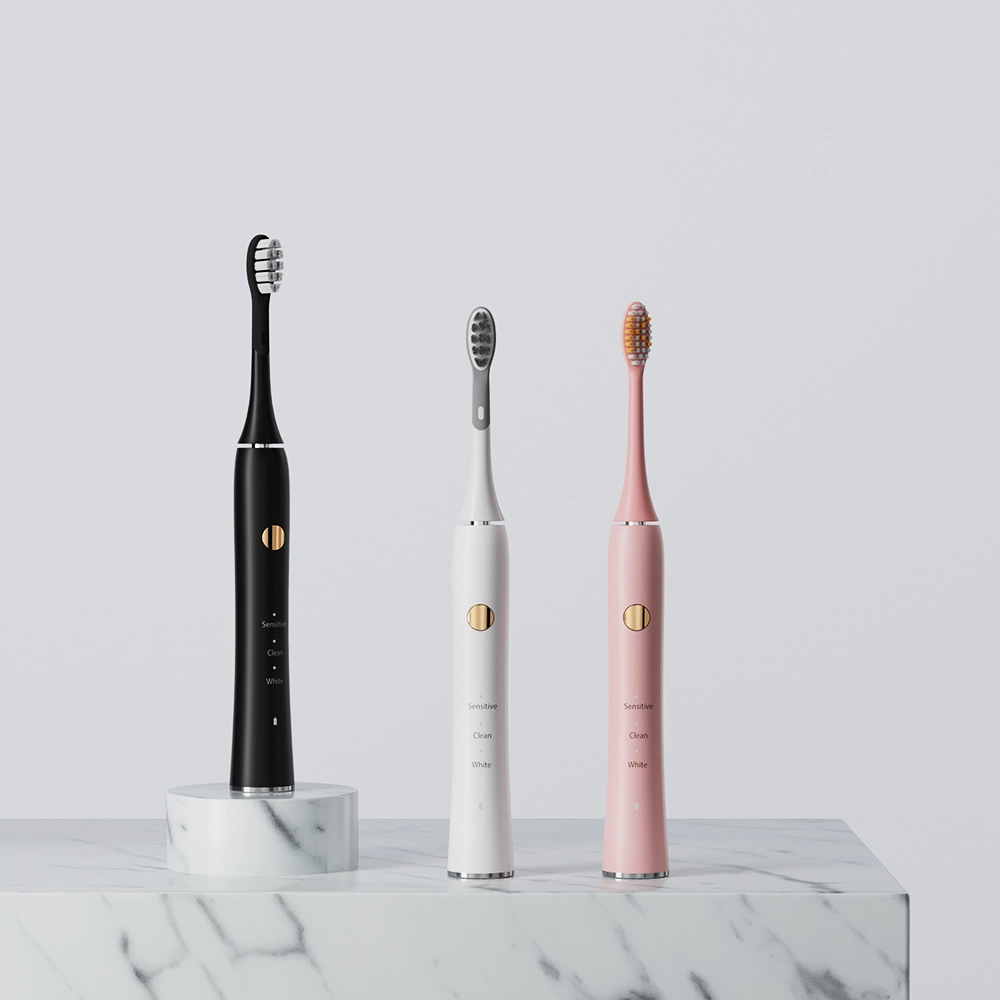
.jpg)
.jpg)