When users report inconsistent operation modes or sudden performance irregularities, two commonly overlooked root causes emerge: mode glitches and calibration drift. These two phenomena, though distinct in origin, often interact and compound each other, creating a confusing set of symptoms that frustrate users and burden support teams. Understanding the relationship between the two is key to ensuring product reliability in precision-driven devices.
Mode glitches refer to spontaneous or unintended switching, freezing, or misbehavior of a device’s operational modes. In products like water flossers, skincare devices, or precision cleaning equipment, these might include:
These glitches often stem from firmware instability, interference from internal sensors, or signal misprocessing, especially when real-time controls are involved.
Calibration drift happens when internal sensors or controllers gradually lose accuracy due to aging components, environmental exposure, or material fatigue. For example:
When calibration drift occurs, it skews the internal feedback loop, causing misalignment between expected vs. actual behavior—directly triggering mode inconsistencies.
The connection between the two is systemic. Calibration drift alters the baseline assumptions of the control logic. As a result:
Thus, mode glitches are not always bugs—sometimes they’re symptoms of degraded sensor trustworthiness.
In commercial or clinical use environments, mode glitching and calibration drift can be particularly disruptive:
These failures reduce customer confidence, increase training/support costs, and may even pose compliance issues in regulated markets.
To avoid this dual failure mode, B2B manufacturers should consider:
These steps significantly reduce long-term degradation, especially in high-use products.
Ignoring calibration drift today often results in escalated mode glitch complaints tomorrow. On the flip side, proactive drift management can deliver:
Addressing these interconnected issues is not just a technical necessity—it’s a competitive differentiator.
While mode glitches may appear random or user-induced, they frequently stem from deep calibration drift issues. Understanding this relationship empowers manufacturers to build smarter, more resilient systems that deliver stable performance across a product’s lifetime.
Looking to optimize your firmware, calibration protocols, or sensor systems? Reach out to our engineering team to explore tailored B2B solutions or advanced OEM collaboration opportunities. Contact us
Can a Rechargeable Battery Solution Efficiently Power an LED Display Module?
.jpg)
Battery Overheating Inducing Ear Discomfort – Dangerous?
.webp)
How Does Sonic Toothbrush Technology Integrate with a Smart Toothbrush App for Data-Driven Care?

Can Children Use Electric Toothbrushes?
IPX8 Waterproof Electric Toothbrush: Reduce RMA

How Does Pulse Water Technology Benefit from a Smart Multi-pressure Setting Chip?How Does Pulse Water Technology Benefit from a Smart Multi-pressure Setting Chip?How Does Pulse Water Technology Benefit from a Smart Multi-pressure Setting Chip?How Does Pulse Water Technology Benefit from a Smart Multi-pressure Setting Chip?How Does Pulse Water Technology Benefit from a Smart Multi-pressure Setting Chip?How Does Pulse Water Technology Benefit from a Smart Multi-pressure Setting Chip?How Does Pulse Water Technology Benefit from a Smart Multi-pressure Setting Chip?How Does Pulse Water Technology Benefit from a Smart Multi-pressure Setting Chip?

Can Blue Light Teeth Whitening Devices and Whitening Gels Be Used During Pregnancy?
Orlando Travel Toothbrush – Powsmart Travel Design with USB-C Charging
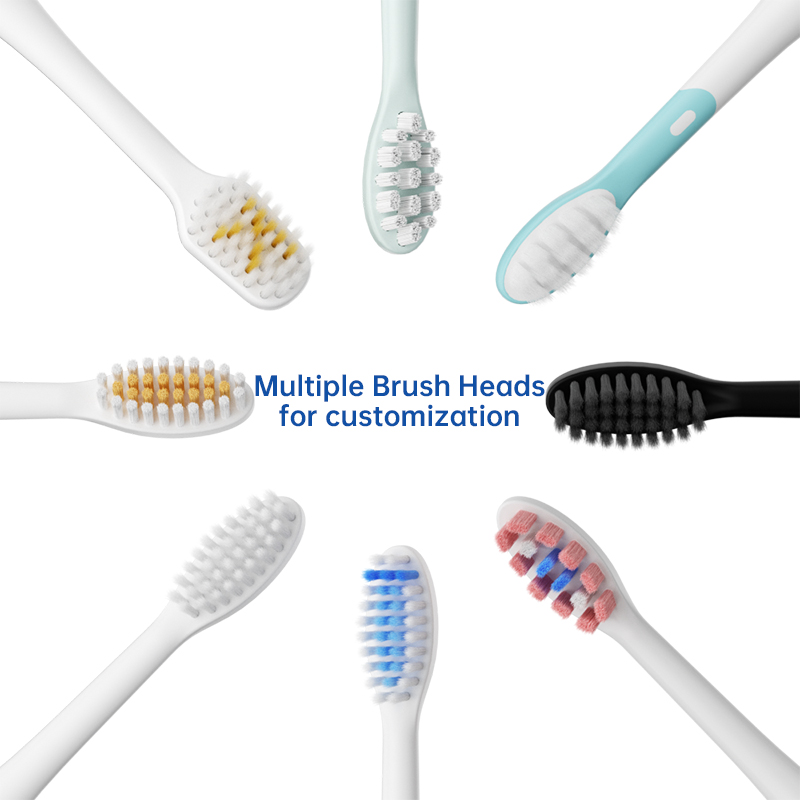
What Are Eco-Friendly Toothbrush Bristles Made Of? A Guide for OEM Brands
Sonic Toothbrush with Wireless Charging & Overcharge Protection: Smart Safety for Effortless Oral Care
Do You Offer Both Professional Water Flosser OEM and Smart Water Flosser OEM Services?
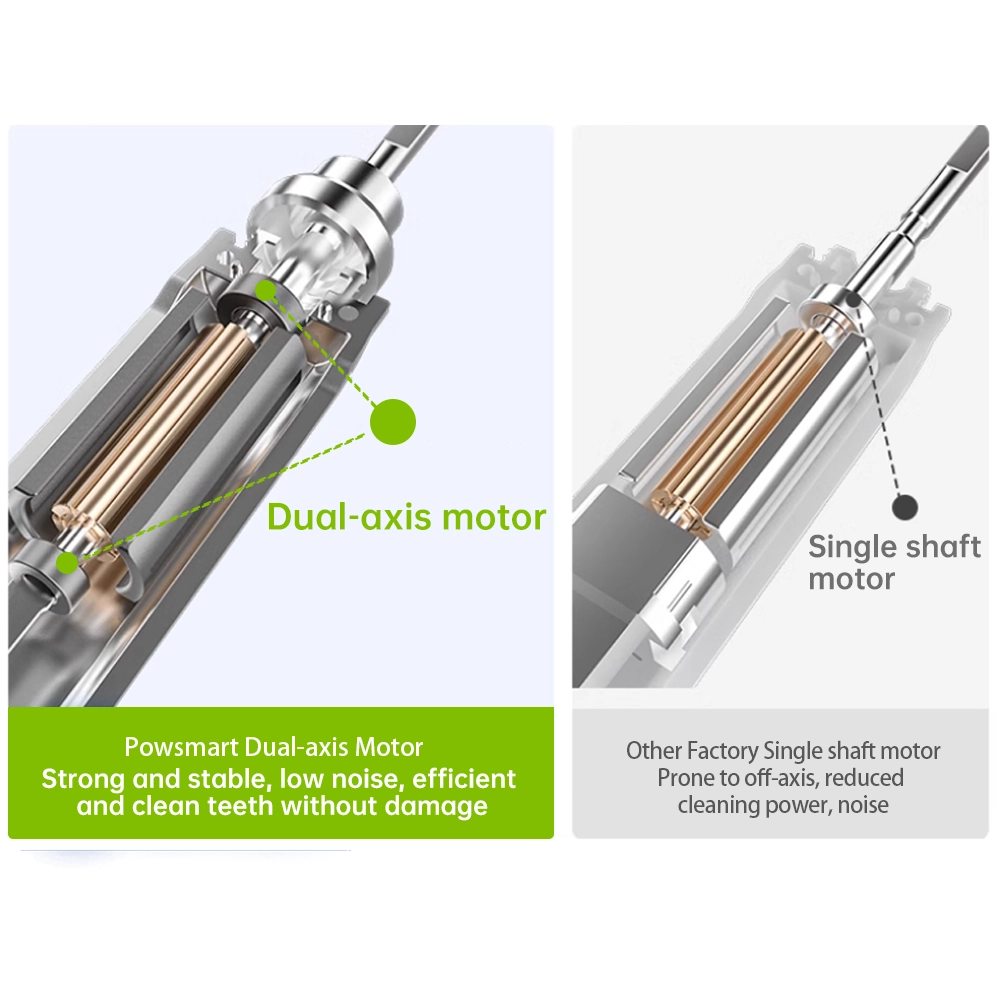
Magnetic Levitation Motor Toothbrush Technology Explained
Electric Toothbrush for Plaque Removal – Professional Cleaning for Dental Businesses
Waterproof Electric Toothbrush for Healthcare Workers Texas
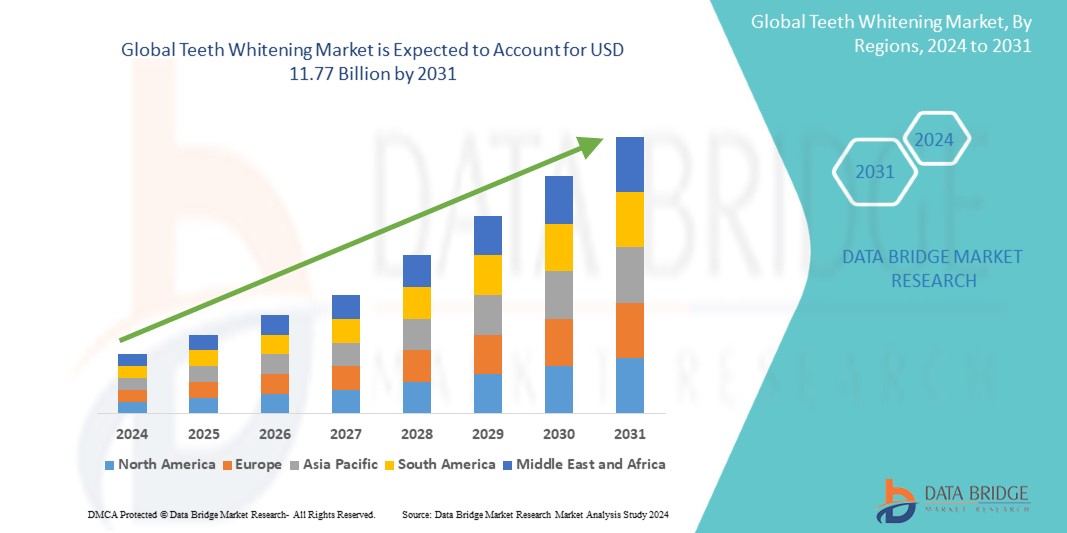
Global teeth whitening Device Market : Fastest Growing Regions and Consumer Group Portraits
.jpg)
Need an Electric Toothbrush Pressure Sensor Supplier for Electric Toothbrush for Sensitive Gums Bulk?


.jpg)
.jpg)
.jpg)
.jpg)
.jpg)