As B2B manufacturers and distributors in the oral care industry, ensuring the reliability and hygiene of water flossers is a top priority. A growing concern among users—and a crucial quality control point for suppliers—is reservoir mold growth and its potential to cause nozzle clogging. These issues not only impact user satisfaction but can lead to product returns, brand damage, and even health risks. In this blog, we explore the root causes, consequences, and solutions related to mold buildup in water flosser tanks and its impact on spray performance.
The reservoir of a water flosser is a moist, enclosed environment—ideal conditions for microbial growth. When users fail to regularly clean and dry the tank, residual water combined with oral debris creates a perfect breeding ground for reservoir mold. Over time, fungal growth adheres to the inner walls and base of the tank, especially in hard-to-reach crevices, leading to hygiene hazards and operational issues.
Mold growth doesn’t just affect the tank’s cleanliness—it poses a mechanical risk. Once fungal spores or biofilm fragments break free, they travel with the water through the flosser’s internal tubing and can result in nozzle clogging. The spray tip, designed to deliver a precise stream, becomes partially or completely blocked, degrading cleaning efficiency and pressure control. In severe cases, the device may stop working altogether.
From a consumer health standpoint, reservoir mold may introduce allergens, bacteria, or mold spores into the oral cavity. Immunocompromised users, children, or those with oral wounds are especially vulnerable. Repeated exposure can cause oral infections, bad breath, or even systemic issues. This makes regular cleaning and mold-resistant design a necessity—not a luxury.Company web: https://www.powsmart.com/product/electric-toothbrush/
Manufacturers must be aware that the following design and material flaws can accelerate mildew buildup:
These oversights can increase customer complaints and hurt product ratings.
-1024x1024.jpg)
To avoid post-market issues, it’s essential for B2B manufacturers to implement strict mold resistance and nozzle flow tests:
Such testing not only ensures reliability but also strengthens your pitch to safety-conscious retailers and markets.
Addressing mold and clogging issues involves a two-pronged approach:
Engineering Upgrades:
User Instructions & Packaging Enhancements:
By improving both product design and user habits, the risks of reservoir mold and nozzle clogging can be significantly minimized.
While often overlooked, reservoir mold is a real issue that can cause nozzle clogging, impact user health, and compromise brand trust. For B2B buyers and manufacturers, recognizing and solving this risk early in the production and design phase is vital. Implementing better materials, smarter designs, and clear aftercare guidance ensures higher product quality and greater customer satisfaction.
.jpg)
Perfect Pressure Every Time: Designing User-Friendly Water Flosser Settings for Your OEM Brand
.jpg)
Hose Cracks Causing Water Pressure Instability?
Electric Toothbrush for Plaque Removal – Professional Cleaning for Dental Businesses
.jpg)
Can Cartoons Improve Brushing Habits?
Is the Disinfection Stand for Electric Toothbrushes Useful? An OEM Analysis from the Factory
Red and Blue Light Oral Device | Dual-Wavelength LED Therapy
The Science of Electric Toothbrush Bristle Layout: How Do Cross-pattern, Wave-pattern, and Height Difference Affect Cleaning Power?
User Adaptation Struggles from Improper Angle Use? Device Design Matters!
Hollow Motors Cause Compatibility Issues? Industry Secrets Exposed!
Houston Electric Toothbrush Supplier
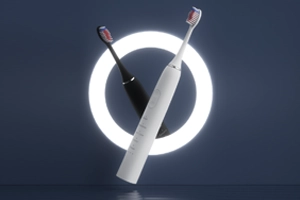
Boost Your OEM Sales: Top Complementary Electric Toothbrush Products for Every User Need
.jpg)
Real-Time Brushing Tracking: How Smart Toothbrushes Improve Oral Care
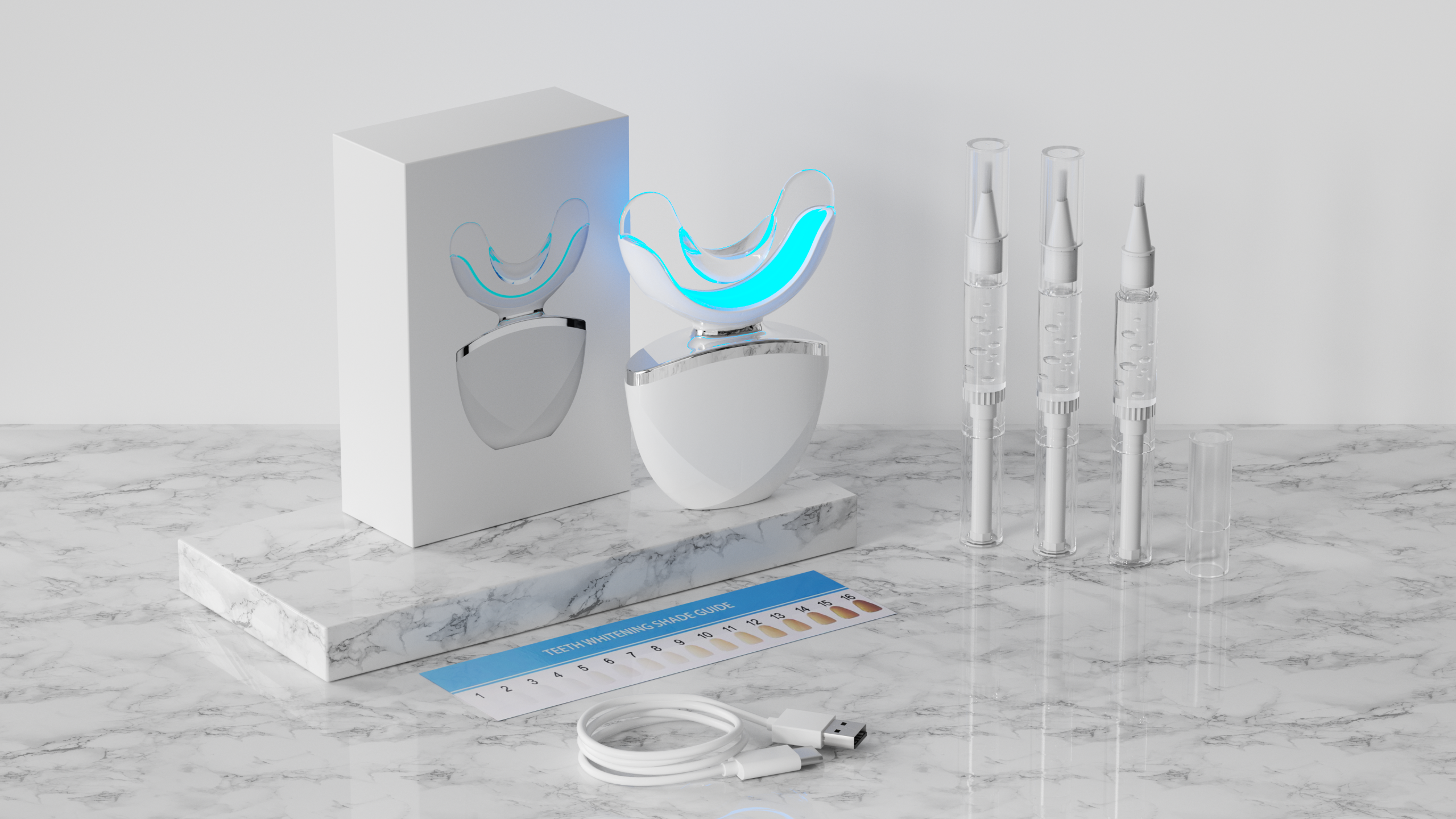
The Market Potential of Teeth Whitening: The Consumer Psychology Behind Annual Growth of Home Teeth Whitening Devices
Jet Stream Water Flosser – High-Pressure Oral Irrigator
.jpg)
Vestibular Stimulation Worsening Tooth Demineralization?
.jpg)
Travel-Friendly Water Flosser: From Foldable Nozzles to Globally Voltage-Compatible Solutions


.jpg)
.jpg)
.jpg)
.jpg)
.jpg)






.jpg)