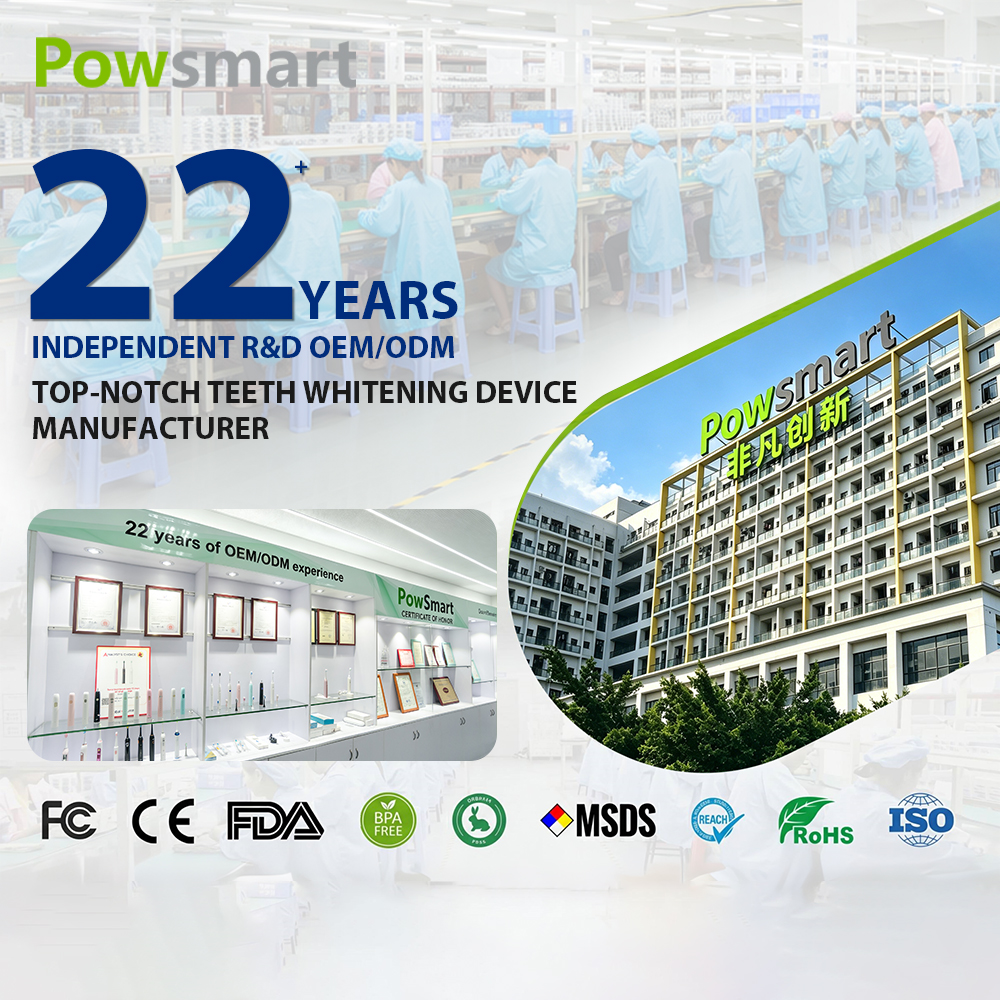
When sourcing teeth whitening products, buyers need to understand minimum order quantities and production schedules before launching a new project. A reliable manufacturer should provide clear information about MOQ whitening kit OEM requirements and the Leadtime whitening kit ODM process. These factors help distributors, retailers, and private-label brands plan their budgets, manage inventory, and coordinate product launches more effectively.
What Does MOQ Mean for Whitening Kit OEM Orders?
MOQ, or Minimum Order Quantity, refers to the smallest number of units a manufacturer accepts for a particular order. For whitening kits, the MOQ may depend on product configuration, packaging requirements, customization level, and component availability.
For MOQ whitening kit OEM projects, buyers should confirm whether the minimum quantity applies to the complete kit, individual components, or customized packaging. Understanding these details early helps avoid unexpected costs and ordering difficulties.
What Factors Affect the MOQ of a Whitening Kit?
Several factors can influence the minimum order quantity:
- Product configuration: Different combinations of whitening gel, trays, LED devices, and accessories may require different order quantities.
- Customization requirements: Customized colors, logos, and product structures may increase setup requirements.
- Packaging design: Private-label boxes, inserts, labels, and printed materials may have separate minimum quantities.
- Raw material availability: Supplier purchasing requirements can affect the minimum production batch.
- Production efficiency: Some manufacturing processes are more cost-effective when products are made in larger quantities.
Buyers should request a detailed quotation that separates product costs, packaging costs, and any additional setup fees.
What Is the Typical Lead Time for Whitening Kit ODM?
Lead time refers to the period required to complete a project, from design confirmation to production and shipment preparation. For ODM whitening kits, the schedule may include product selection, sample development, packaging design, sample approval, material preparation, and mass production.
The Leadtime whitening kit ODM schedule depends on the complexity of customization, order quantity, component availability, and factory production capacity. Buyers should request a project-specific timeline rather than relying on a general estimate.
Which Factors Can Cause Production Delays?
Several issues may affect the production schedule:
- Late design confirmation: Changes to product specifications or packaging can extend the development process.
- Sample revisions: Additional sample rounds may be needed before final approval.
- Material shortages: Delays in sourcing gel, trays, devices, or packaging materials can affect production.
- Testing requirements: Additional product evaluations may be necessary depending on the target market.
- Order changes: Adjustments to quantity or configuration after production begins can disrupt scheduling.
Providing complete requirements at the beginning of the project can help reduce unnecessary delays.
How Can Buyers Manage MOQ and Lead Time Together?
MOQ and lead time should be evaluated as part of the same purchasing plan. Buyers can begin by selecting a suitable standard product configuration, then add customization according to their budget and sales strategy.
For first orders, it may be practical to discuss standard components, available packaging options, and a manageable production quantity. Buyers should also confirm sample approval deadlines, payment milestones, material preparation time, and the expected mass production schedule.
A clear purchase agreement helps both parties coordinate responsibilities and delivery expectations.
What Should Buyers Confirm Before Placing an OEM/ODM Order?
Before confirming an order, buyers should obtain written details covering:
- Minimum order quantity for each product configuration.
- Unit pricing and additional customization charges.
- Sample development and approval procedures.
- Estimated production lead time.
- Quality inspection and product documentation.
- Packaging, shipping, and delivery arrangements.
For whitening products, buyers should also verify applicable ingredient, labeling, safety, and market-specific regulatory requirements. Any testing or certification claims should be supported by documentation relevant to the actual product and destination market.
Conclusion
Understanding MOQ and lead time is essential for successful teeth whitening product sourcing. By confirming MOQ whitening kit OEM requirements and planning the Leadtime whitening kit ODM schedule in advance, brands can control purchasing costs, coordinate customization, and prepare for a smoother product launch. Contact us