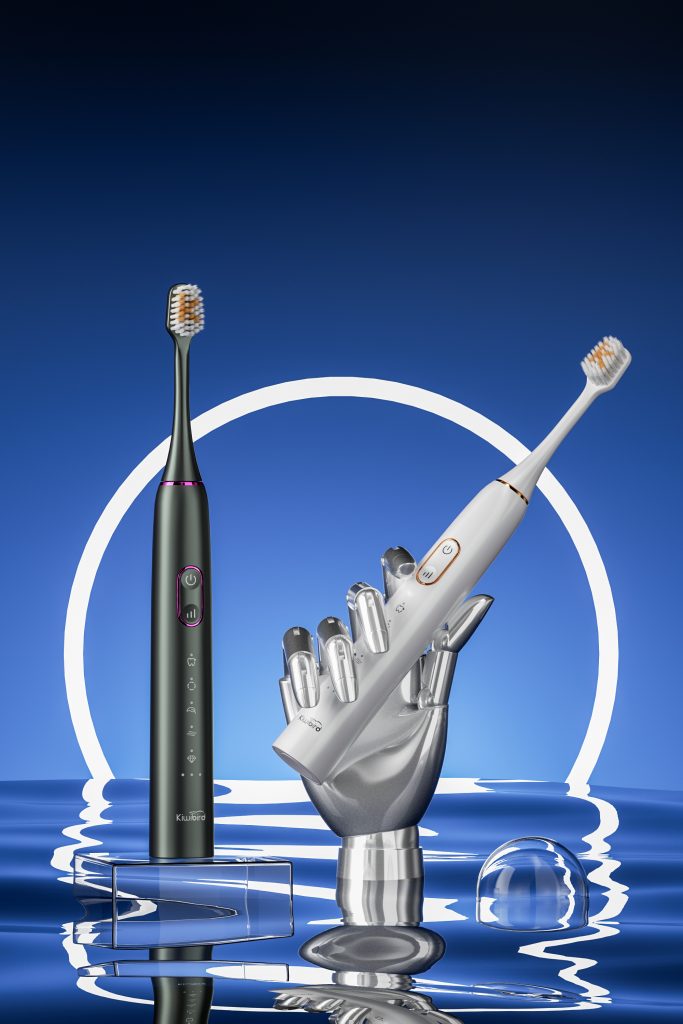
In today’s competitive oral care market, end-users are increasingly seeking low-noise dental care experiences that align with comfort, discretion, and advanced technology. As a result, brands are turning toward Ultra-Quiet Sonic Toothbrush solutions, particularly those operating below 60dB. For private labelers and oral care brands, partnering with a reliable quiet sonic electric toothbrush manufacturer is now a strategic necessity for premium product differentiation.
This blog explores how cutting-edge noise-reduction technology is shaping toothbrush development and what to look for when selecting a gentle and quiet cleaning OEM partner.
What Is Considered Ultra-Quiet in Sonic Toothbrushes?
For comparison, a normal conversation is around 60 dB, and a typical electric toothbrush often operates between 65–75 dB. However, modern silent brushing tech aims to bring that number down to below 60 dB—offering an almost whisper-quiet experience.
Features of an ultra-quiet sonic toothbrush include:
Noise level ≤ 60 dB during operation
Advanced motor suspension systems
Precision gear control to minimize vibration transfer
Enhanced user comfort without compromising brushing efficiency
Key Benefits of Low-Noise Dental Care Products
Why should brands and OEM partners focus on noise reduction?
User Comfort & Acceptance: Quiet devices reduce sensory discomfort, especially for children, elderly users, and those with noise sensitivity.
Premium Brand Perception: A quieter product is perceived as more advanced, refined, and premium—boosting brand value.
Market Expansion: Ultra-quiet operation opens opportunities in hospitality, travel, and luxury wellness sectors where noise levels matter.
By incorporating low-noise dental care features, brands can meet rising consumer expectations and command higher retail prices.
Technology Behind Silent Brushing Tech
Developing <60dB toothbrushes requires careful engineering. Leading quiet sonic electric toothbrush manufacturers leverage multiple techniques:
Brushless motors with balanced design reduce operational noise
Floating suspension structures isolate motor vibration from the handle
Seamless gear engagement minimizes clicking and friction sounds
AI feedback systems help users adjust pressure and movement, reducing mechanical stress
These innovations form the core of next-gen silent brushing tech, offering performance without acoustic trade-offs.
Choosing the Right Gentle and Quiet Cleaning OEM Partner
For oral care brands, working with the right gentle and quiet cleaning OEM is critical. Key qualities to look for include:
Proven expertise in low-noise motor engineering
In-house acoustic testing labs and <60dB certification
Customization capabilities for brush head design, handle ergonomics, and smart features
Support for small-batch prototyping and rapid scaling
Regulatory compliance (FDA, CE, RoHS)
Such OEMs not only provide the technology but also help optimize the supply chain for cost, consistency, and speed to market.
Conclusion: Lead the Market with Ultra-Quiet Innovation
As consumer preference shifts toward quieter, smarter, and more comfortable brushing experiences, investing in ultra-quiet sonic toothbrush technology is no longer optional for serious oral care brands. The combination of engineering precision and design refinement allows you to deliver true low-noise dental care that sets your brand apart.
Partnering with a skilled quiet sonic electric toothbrush manufacturer ensures your product meets the growing demand for silent brushing tech—and positions you at the forefront of innovation.
If you’re looking to develop a gentle and quiet cleaning OEM solution tailored to your brand, now is the time to start sourcing the right manufacturing partner.