
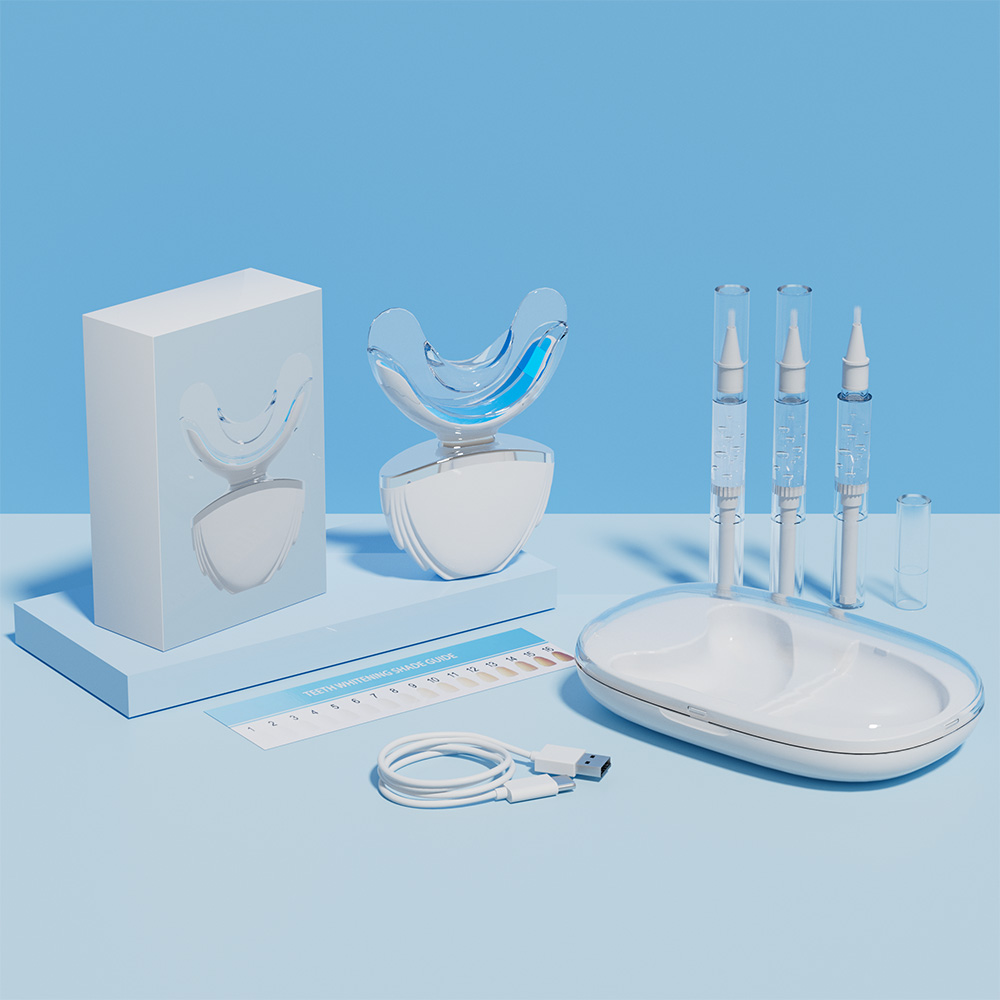
For modern households, managing countertop space and charging stations for multiple devices can be a daily struggle. When it comes to oral care, especially with a family pack bundle of four electric toothbrushes, the question arises: Can one shared charging base effectively power all units? The answer lies in smart power architecture, cross-device compatibility, and user-centered design. In this blog, we explore how a unified charging solution can simplify family routines while offering OEM brands a competitive edge. The Growing Demand for Family Oral Care Bundles The concept of a family pack bundle—typically including four toothbrush handles, matching brush heads, and color-coded rings—caters to households looking for value, consistency, and ease of organization. However, charging four devices individually creates clutter and inconvenience. To maintain a minimalist aesthetic and reduce electronic waste, families increasingly prefer shared charging base solutions. Is a Shared Charging Base Technically Feasible? Yes—advances in inductive and magnetic resonance charging allow multiple handles to charge from a single power source. These bases: Use adaptive voltage detection to identify connected models Feature time-sliced charging cycles to prevent overdraw Can support either simultaneous or sequential charging, depending on motor wattage and battery size For manufacturers, developing a universal base design…
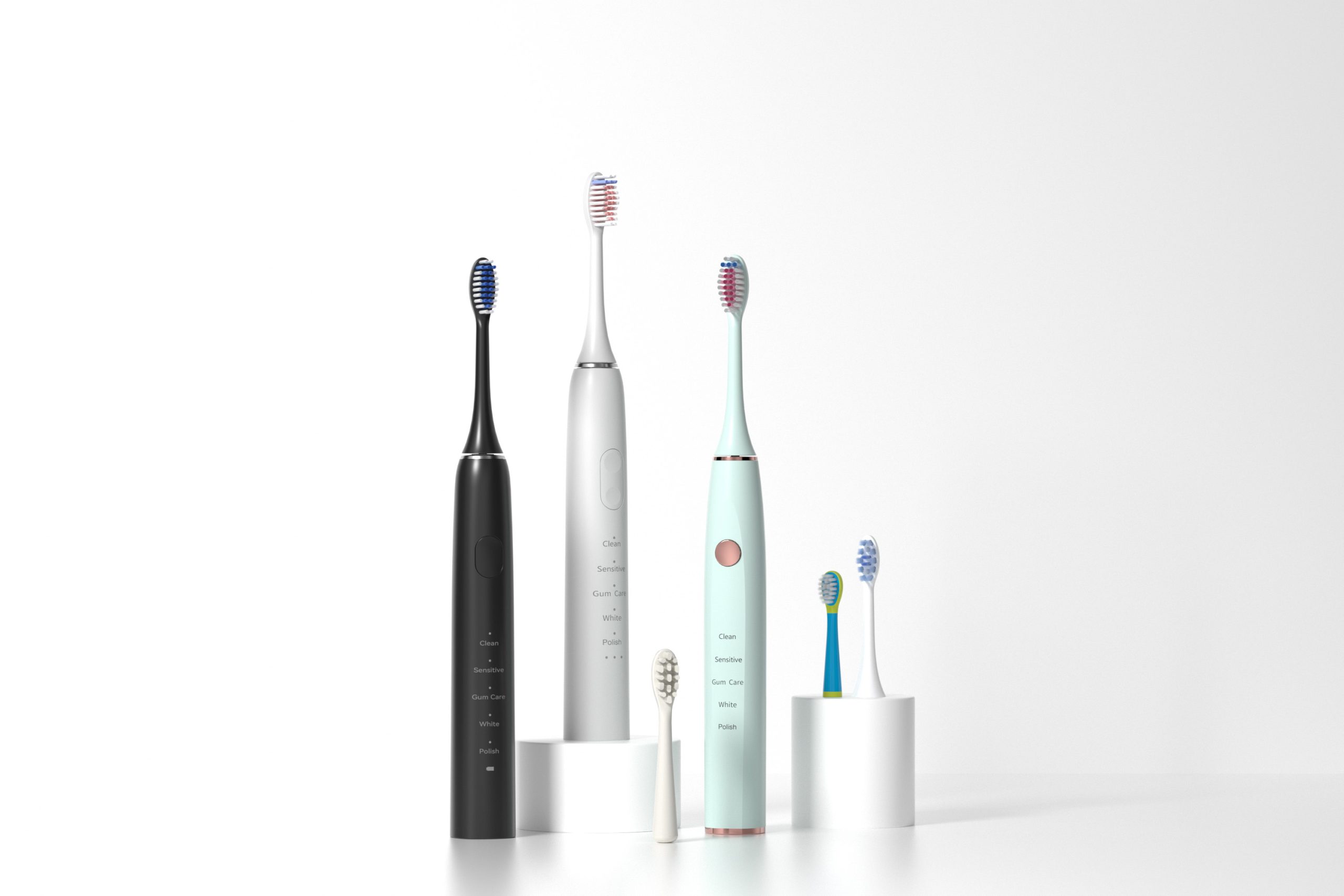
As oral health awareness grows, consumers with gum recession and sensitivity are actively seeking more tailored solutions. A Sonic Toothbrush for Receding Gums has become a popular product category, offering gentle yet effective cleaning for users with delicate oral conditions. For oral care brands, developing and sourcing the right receding gums toothbrush is crucial in capturing this specialized segment. In this article, we’ll explore what makes a toothbrush suitable for this use case—and how private-label manufacturing can help bring such products to market efficiently. Why Receding Gums Need Gentle Yet Thorough Cleaning Receding gums expose the tooth roots, making them vulnerable to decay, sensitivity, and further gum damage. A standard toothbrush can often be too harsh for such conditions, which is why a sensitive teeth electric brush is recommended. Key cleaning needs for users with receding gums include: Low-abrasion bristle technology Pressure control to avoid gum damage Gentle vibration with effective plaque removal Gum-massage modes to stimulate circulation without irritation Sonic technology addresses these needs by using high-frequency vibrations that gently clean along the gumline without aggressive scrubbing, making the Sonic Toothbrush for Receding Gums an ideal product for sensitive users. Features of an Ideal Receding Gums Toothbrush To deliver value to users with sensitive teeth and…
.jpg)
As we all know, the rise in conditions such as gingivitis, periodontitis, and, overall gum sensitivity has created strong demand for sensitive gums electric toothbrush products. In response, oral care brands are turning their attention to gum care electric toothbrush OEM opportunities to deliver targeted, effective solutions to their end users. In this blog, we explore the key manufacturing considerations, technology trends, and benefits of partnering with a factory that understands clinically proven oral care requirements for gum-focused electric toothbrushes. And, A periodontal toothbrush differs from standard models in both design and functionality. It’s engineered to deliver a gentle yet effective cleaning experience, ideal for users with inflamed, bleeding, or post-surgical gums. Soft, high-density bristles for less abrasion Low-frequency sonic vibrations to avoid irritation Pressure-sensitive sensors to prevent overbrushing Gum massage modes to stimulate blood circulation OEM manufacturers must be able to incorporate these features, while maintaining consistent quality and performance. What Makes a Gum Care Toothbrush Clinically Proven? To be labeled as a clinically proven oral care device, a gum care toothbrush must undergo rigorous testing. Brand owners looking to establish credibility in the market should prioritize manufacturers who offer: Access to independent clinical trials or in-house testing labs Compliance with international medical device standards (FDA, CE,…
With the rise in demand for compact and portable hygiene tools, the idea of a travel electric toothbrush that fits in a wallet may sound futuristic—but it’s closer to reality than many think. Manufacturers and OEM brands are now exploring advanced folding toothbrush design solutions to maximize portability without compromising on brushing performance. Why Portability Matters in Travel Oral Care Business travelers, minimalists, and digital nomads are increasingly seeking ultra-compact personal care devices. Traditional electric toothbrushes are often bulky and require a dedicated case or bag space. A folding toothbrush design offers a revolutionary answer to this challenge by minimizing dimensions without eliminating core features. Key user demands include: Pocket-sized or wallet-friendly form factor Built-in hygienic bristle protection Lightweight construction without fragile mechanisms This presents an opportunity for B2B innovation in the travel hygiene category. Design Mechanics Behind Folding Toothbrush Technology To make a travel electric toothbrush truly compact, folding technology must go beyond aesthetics. It needs to incorporate: A collapsible handle without compromising grip strength Hinge materials that resist corrosion and wear from moisture Magnetic or secure lock systems to ensure stability during use Advanced prototypes have shown that bristle heads can be flipped into the handle, or that…
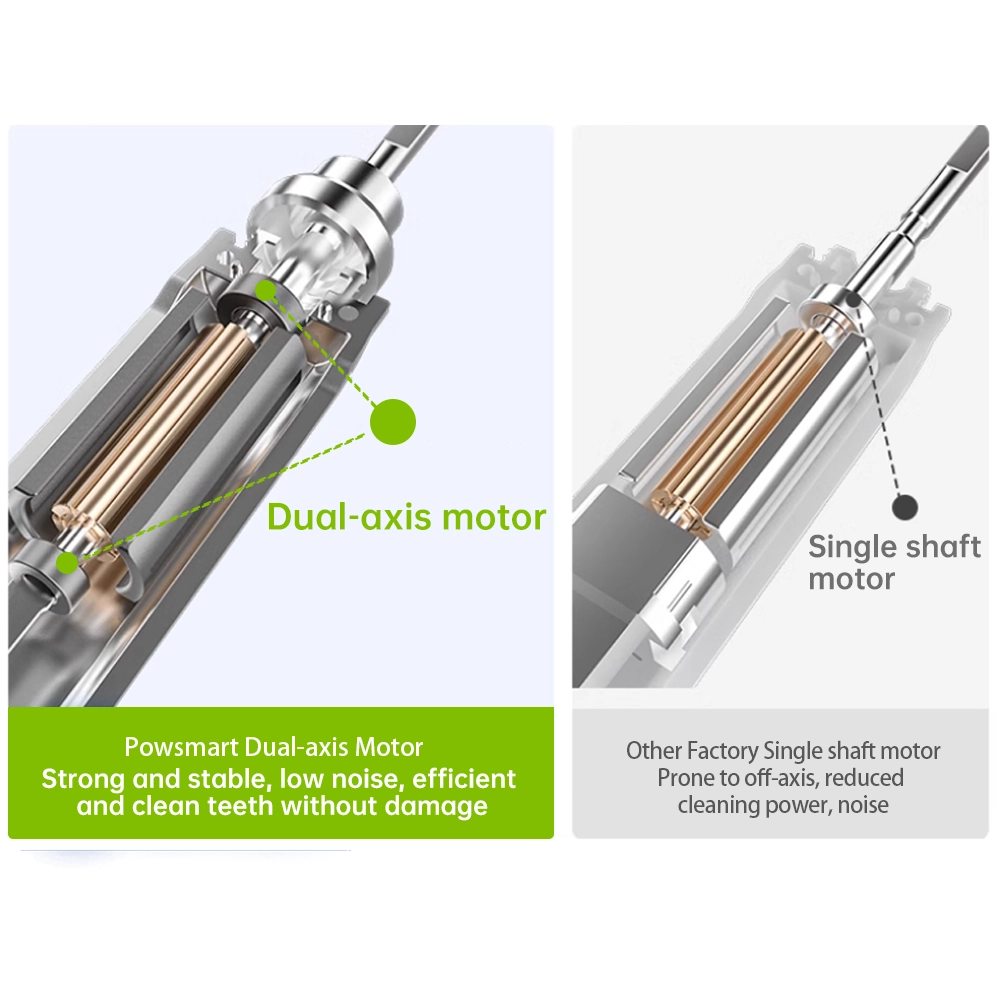
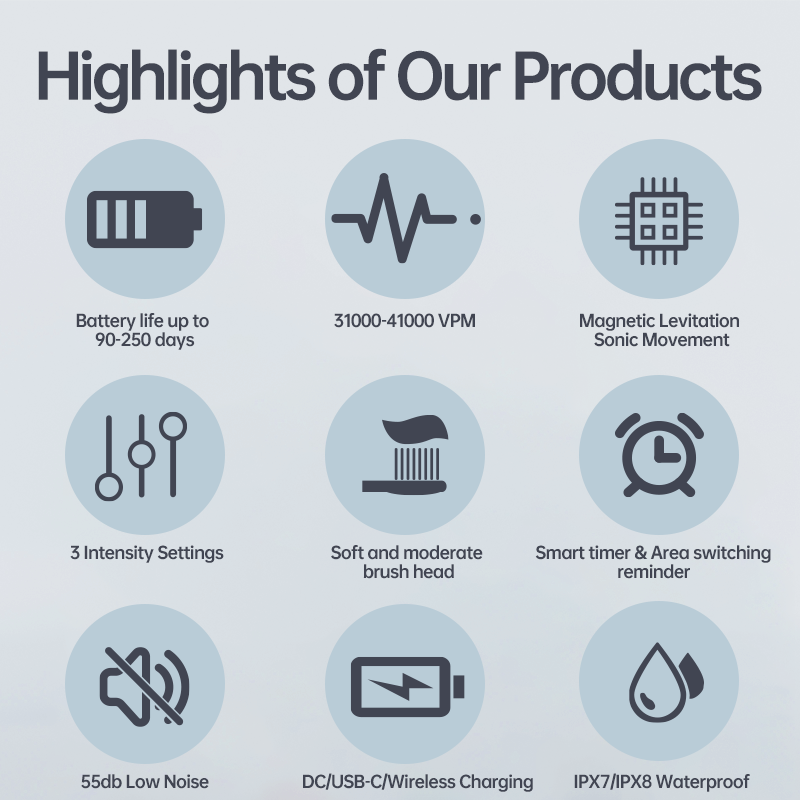
As the demand for smarter, quieter, and more effective oral care devices grows, magnetic levitation motor toothbrushes are emerging as the next big innovation. This advanced dental tech offers high-performance brushing, ultra-low noise, and minimal mechanical wear—key selling points in today’s competitive personal care market. For brands seeking innovative oral care products, understanding this breakthrough technology is essential. Whether you're a startup entering the market or an established brand looking to upgrade your lineup, partnering with an oral care products supplier specializing in levitation motor integration could be the key to staying ahead. What Is a Magnetic Levitation Motor Toothbrush? A magnetic levitation motor toothbrush utilizes a linear magnetic drive system, replacing traditional mechanical components with electromagnetic force to create high-frequency oscillations. Key Advantages: High-speed vibration (31,000–48,000 RPM) for superior plaque removal Quieter operation due to reduced mechanical friction Longer motor lifespan with minimal wear-and-tear Smooth, consistent performance even after prolonged use This cutting-edge magnetic levitation motor toothbrush technology has set new standards for performance and durability in electric oral care devices. Why Magnetic Levitation Motors Outperform Traditional Motors Traditional motors rely on gear systems or rotor-based designs. While effective, they create: More vibration noise Greater energy loss through friction Faster wear on internal parts In contrast, levitation motors use magnetic…
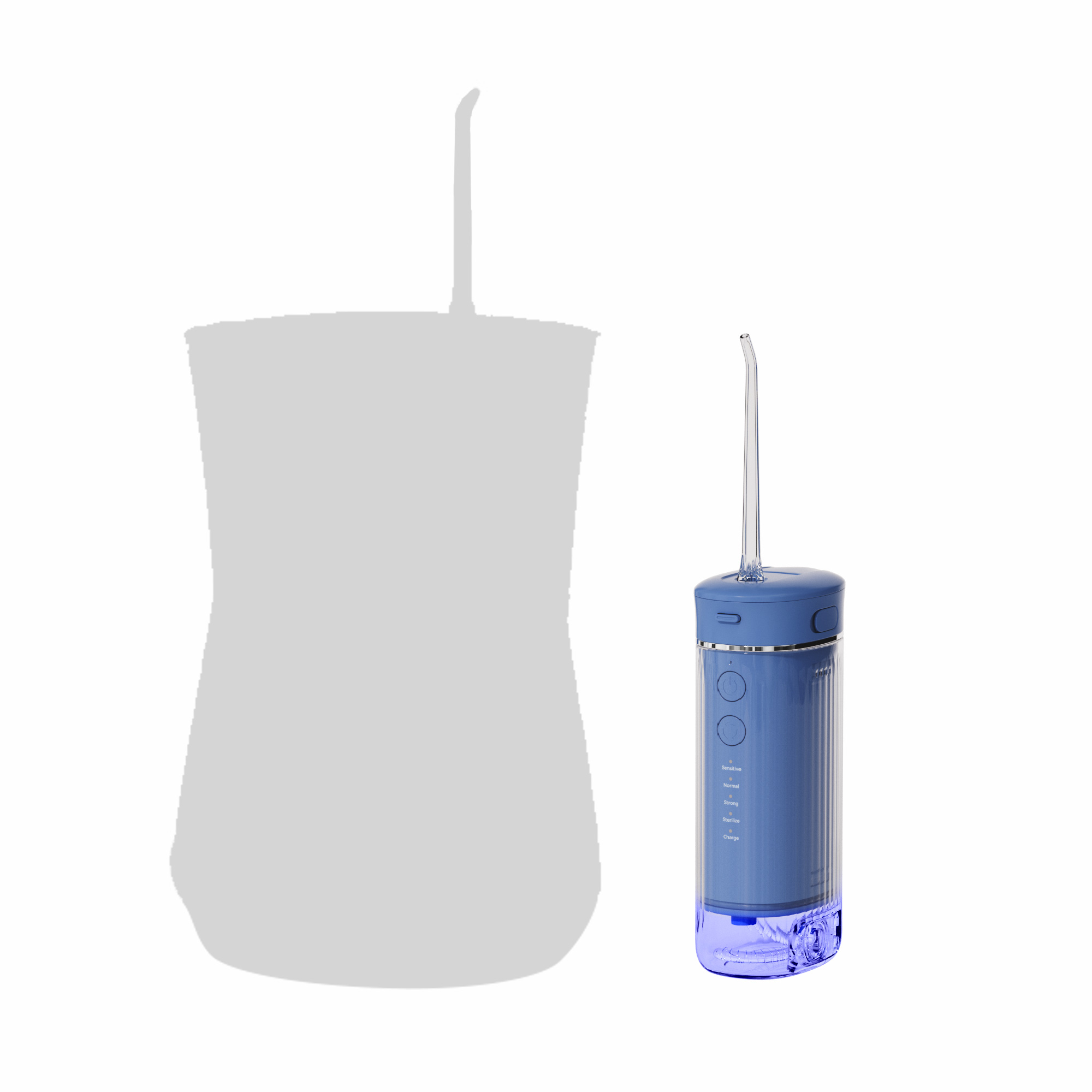
As modern consumers increasingly value portability and minimalist design, space-saving oral care solutions are becoming a core trend in the personal care industry. Among them, compact electric toothbrush models are gaining strong traction—especially among travelers, urban professionals, and younger demographics. This surge has led to growing market demand for travel-sized products, creating new opportunities for brand owners and private label businesses. This blog explores the innovation behind compact electric toothbrush designs, their role in space-saving dental care, and what brand owners should consider when sourcing from a reliable travel-sized oral care products supplier. Why Compact Matters: Consumer Shifts Toward Portability Consumers are demanding functionality in smaller formats. Whether it's for carry-on luggage, gym bags, or limited bathroom counter space, space-saving dental care has become a high-priority feature. Key drivers of this trend include: Growth of travel and remote work lifestyles Increasing adoption of health-conscious habits on the go Aesthetic preferences for clean, minimalistic personal items This shift toward travel oral care makes it essential for brands to offer smaller, more portable versions of core oral hygiene products—without compromising performance. Features of Compact Electric Toothbrush Designs Modern compact electric toothbrush designs are engineered for efficiency, style, and convenience. Leading features include: Slim body profiles and foldable or…
.jpg)
Introduction: Can Rotational Precision Clash with Fluid Consistency? As oral care devices evolve, the POWSMART Rotating Oscillating Toothbrush has earned a reputation for precision plaque removal and gum-friendly cleaning. However, some industry professionals and procurement teams have raised concerns about water pressure instability—especially when these brushes are used with built-in or connected water-flushing modules. Does this indicate a design flaw, or is it an integration challenge between mechanical and hydraulic systems? Understanding the Rotating Oscillating Mechanism The POWSMART Rotating Oscillating Toothbrush operates by spinning and pulsing the brush head alternately, often at 7,600 to 8,800 RPM. This motion enhances surface coverage and dislodges debris with less user effort. However, when this mechanical motion is integrated with water flushing functionality—such as in hybrid electric toothbrush-flosser designs—it introduces additional complexity to water pressure management. What Is Water Pressure Instability in This Context? Water pressure instability refers to fluctuations or sudden drops/spikes in water delivery, which can lead to: Inconsistent cleaning experience User discomfort (especially around sensitive gums) Malfunction of internal pump systems Increased wear on O-rings and sealing components For ODM/OEM buyers, this instability can lead to customer dissatisfaction and potential product returns. Causes Behind Pressure Instability in Hybrid Toothbrushes In the…
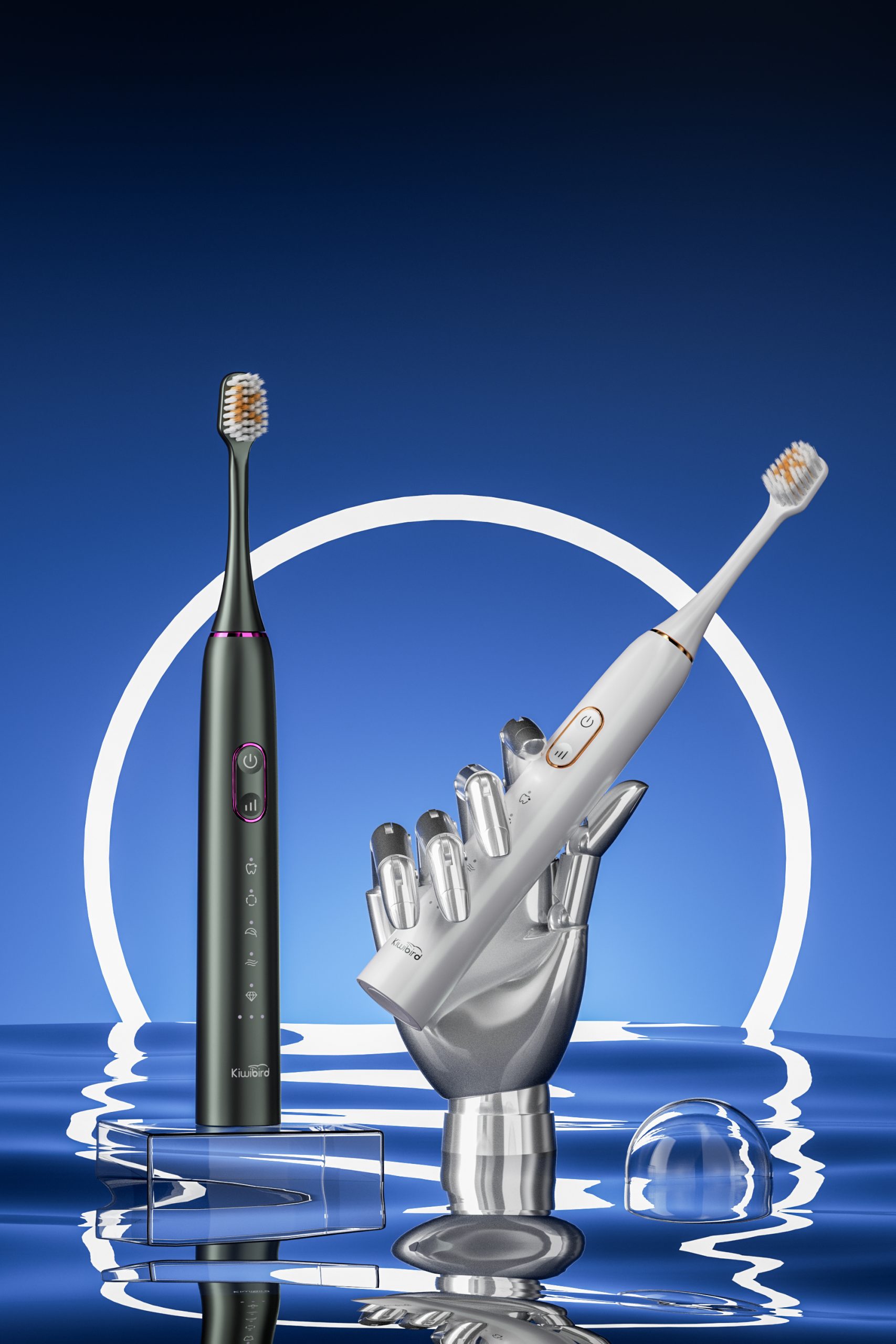
In today’s competitive oral care market, end-users are increasingly seeking low-noise dental care experiences that align with comfort, discretion, and advanced technology. As a result, brands are turning toward Ultra-Quiet Sonic Toothbrush solutions, particularly those operating below 60dB. For private labelers and oral care brands, partnering with a reliable quiet sonic electric toothbrush manufacturer is now a strategic necessity for premium product differentiation. This blog explores how cutting-edge noise-reduction technology is shaping toothbrush development and what to look for when selecting a gentle and quiet cleaning OEM partner. What Is Considered Ultra-Quiet in Sonic Toothbrushes? For comparison, a normal conversation is around 60 dB, and a typical electric toothbrush often operates between 65–75 dB. However, modern silent brushing tech aims to bring that number down to below 60 dB—offering an almost whisper-quiet experience. Features of an ultra-quiet sonic toothbrush include: Noise level ≤ 60 dB during operation Advanced motor suspension systems Precision gear control to minimize vibration transfer Enhanced user comfort without compromising brushing efficiency Key Benefits of Low-Noise Dental Care Products Why should brands and OEM partners focus on noise reduction? User Comfort & Acceptance: Quiet devices reduce sensory discomfort, especially for children, elderly users, and those with noise sensitivity. Premium Brand Perception: A quieter…
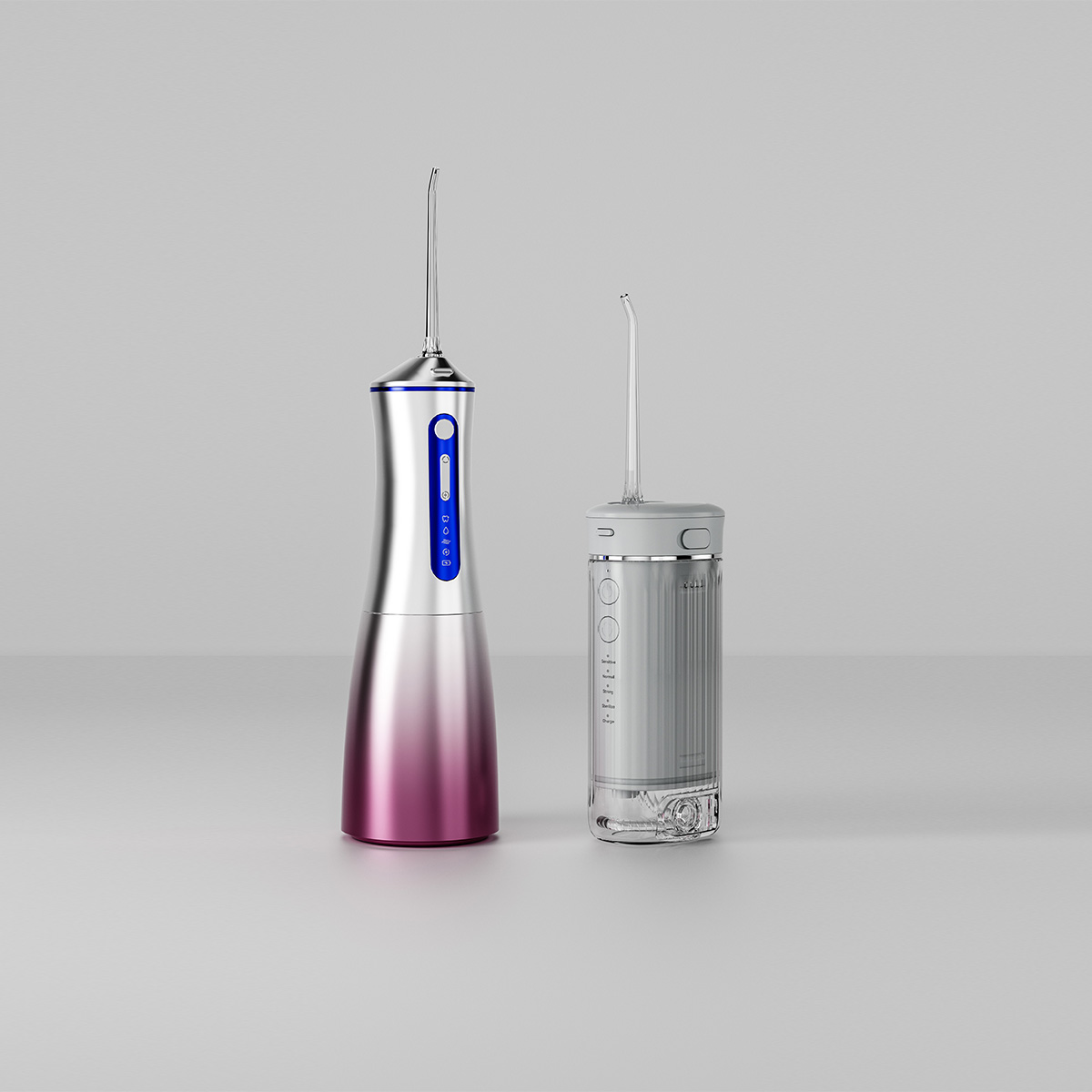
Introduction: Performance vs. Heat—A Critical OEM Question As the demand for high-frequency sonic toothbrushes continues to rise, many private-label brands turn to OEM manufacturers like POWSMART for scalable, customized solutions. While these POWSMART Sonic Brush OEM units are known for power and precision, questions are emerging about their long-term thermal stability. Are overheating risks something buyers and brands should be concerned about? This blog explores the factors that can lead to heat-related issues and how proper OEM design eliminates such concerns. Understanding Heat Generation in Sonic Brushes Sonic toothbrushes typically operate at high vibration rates—often exceeding 30,000 to 40,000 strokes per minute. This performance is made possible by compact magnetic motors, lithium batteries, and high-frequency PCB drivers. Naturally, these components generate heat. When properly managed, this is harmless. But when engineering tolerances are low, or material quality is compromised, overheating risks can lead to: Battery swelling or failure Degraded bristle head plastics Reduced motor efficiency User discomfort or safety concerns Manufacturers must especially prioritize this critical aspect when designing ODM/OEM models for global markets with varying power standards and user behavior. Key OEM Design Challenges Behind Overheating Several engineering decisions within the OEM manufacturing process can directly influence thermal stability:…
.jpg)
Introduction: Brush Shedding – A Critical Concern for Sensitive Gums For brands catering to oral care users with delicate needs, the Sensitive Gum Electric Toothbrush has become a flagship product category. However, reports of brush shedding—where bristles detach prematurely—are raising legitimate concerns across supply chains. Not only does bristle loss compromise cleaning performance, but for users with sensitive gums, it can trigger irritation, inflammation, or even accidental ingestion. This article explores why brush shedding happens, its implications for sensitive users, and how manufacturers can design toothbrushes that are both gentle and structurally sound. Why Sensitive Gums Require Specialized Design Consumers with sensitive gums are prone to bleeding, swelling, or discomfort when using standard brushes. As a result, soft bristles, low-pressure modes, and ergonomic head design are key selling features in any Sensitive Gum Electric Toothbrush. However, softness and flexibility must not compromise bristle retention strength. This fine balance is often where manufacturing shortcuts cause issues. Root Causes of Brush Shedding in Electric Toothbrushes Several technical and material-based factors can lead to premature bristle loss: Inconsistent bristle tufting depth or anchoring during assembly Low-grade PBT or nylon filament fatigue after limited use Overuse of ultrasonic welding without tuft-hole reinforcement Inadequate QC…
Introduction: A Small Leak, a Big Problem? As portability and convenience become key selling points in oral care, the Travel Electric Toothbrush is seeing a surge in demand across global B2B channels. However, with compact size and mobile usage comes a heightened reliance on waterproof integrity. A frequently overlooked but critical concern is: Can waterproof failure in a travel electric toothbrush lead to internal circuit corrosion? The short answer is yes—and the implications for reliability, safety, and brand credibility are severe. This blog dives deep into how waterproof failure occurs, its direct link to circuit corrosion, and how manufacturers can proactively address the issue. Understanding Travel Electric Toothbrush Construction A Travel Electric Toothbrush typically integrates a compact high-speed motor, lithium-ion rechargeable battery, microcircuit control board, and pressure-sensitive brushing feedback—all within a slim enclosure. Because these components are tightly packed and often exposed to water during brushing, waterproofing becomes not just a cosmetic feature, but a critical functional protection barrier. Failure in this area can compromise the entire device's integrity. Key Materials and Design Elements in Waterproofing To defend against moisture infiltration, quality toothbrush manufacturers employ: IPX7 or higher-rated sealing standards Ultrasonic welding at joint seams Silicone O-rings in charging ports…
.jpg)
The global oral care market is rapidly evolving, with smart technology becoming a key differentiator. Bluetooth-enabled electric toothbrushes are no longer niche—they’re a fast-growing category that blends health tech with everyday hygiene. For brands aiming to expand their product line or launch a new oral care venture, tapping into this trend through smart toothbrush customization and bulk manufacturing partnerships offers immense growth potential. This guide is designed to help brand owners and private label companies navigate the process of working with a B2B toothbrush supplier, including steps for customization, quality assurance, and how to secure the right oral care OEM factory for your needs. Understanding the Bluetooth-Enabled Electric Toothbrushes Market Opportunity Smart toothbrushes are transforming the oral care experience. Equipped with real-time feedback, brushing habit tracking, and app integration, Bluetooth-enabled models are especially attractive to tech-savvy consumers and parents alike. Key benefits driving market demand: Growing consumer interest in health-tech integration Subscription model opportunities via app platforms Competitive differentiation through smart features Now is the ideal time to explore Bluetooth-Enabled Electric Toothbrushes wholesale partnerships to stay ahead of market trends. Smart Toothbrush Customization: What Can Be Tailored? When partnering with a manufacturer, brands can go beyond just adding a logo. A capable oral care OEM can help…
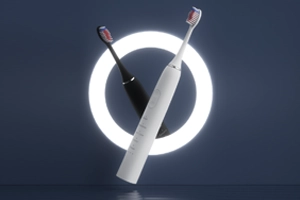
The student demographic presents a unique opportunity for oral care brands. Students are health-conscious yet price-sensitive, seeking quality hygiene products that fit within limited budgets. An affordable electric toothbrush recommendations for students provides the perfect entry point for this segment—balancing price, performance, and convenience. For oral care brands and product developers, targeting this group requires both the right product design and a reliable oral care products manufacturer that can deliver quality at scale and cost. What Makes an Electric Toothbrush Student-Friendly? When building or selecting products for students, the following criteria are key: Affordability: Price is a top concern. Keeping retail prices under $20–$30 is ideal. Portability: A slim, travel-ready design is essential for dorm life or on-the-go routines. Battery Life: Long-lasting rechargeable batteries or replaceable AAA battery options are highly favored. Basic Modes: Students usually don’t need high-end features. One to two brushing modes with a timer are sufficient. Durability: A water-resistant body and sturdy build ensure longevity. These factors help determine the best electric toothbrush recommendations for students, guiding both product design and marketing approach. Best Affordable Electric Toothbrush Features for Student Use For brands considering a student-targeted model, the following features strike a balance between function and cost:…
-2-scaled.png)
In today’s competitive personal care market, small business oral care has emerged as a promising niche within the broader health & household products category. Consumers are increasingly aware of the importance of dental hygiene, driving demand for specialized, effective, and sustainable products. For small brands looking to enter or scale within this space, finding the right manufacturing partner is key to delivering the best oral care products to the market. This blog outlines the essential steps and strategies to help small oral care brands connect with capable manufacturers and offer high-quality, affordable oral care solutions. Understanding the Small Business Oral Care Landscape The oral care industry is evolving beyond basic toothbrushes and toothpaste. Today’s consumers expect more from health & household products, including features like sonic brushing, eco-friendly packaging, and multi-functional oral hygiene kits. For small businesses, this creates opportunities to innovate, differentiate, and fill market gaps not addressed by major brands. Whether you’re launching a new electric toothbrush line or a curated set of whitening and gum care kits, the market rewards those who focus on quality and targeted problem-solving. Identifying the Best Oral Care Products for Your Brand Before approaching manufacturers, it’s essential to define your product range. Consider including…
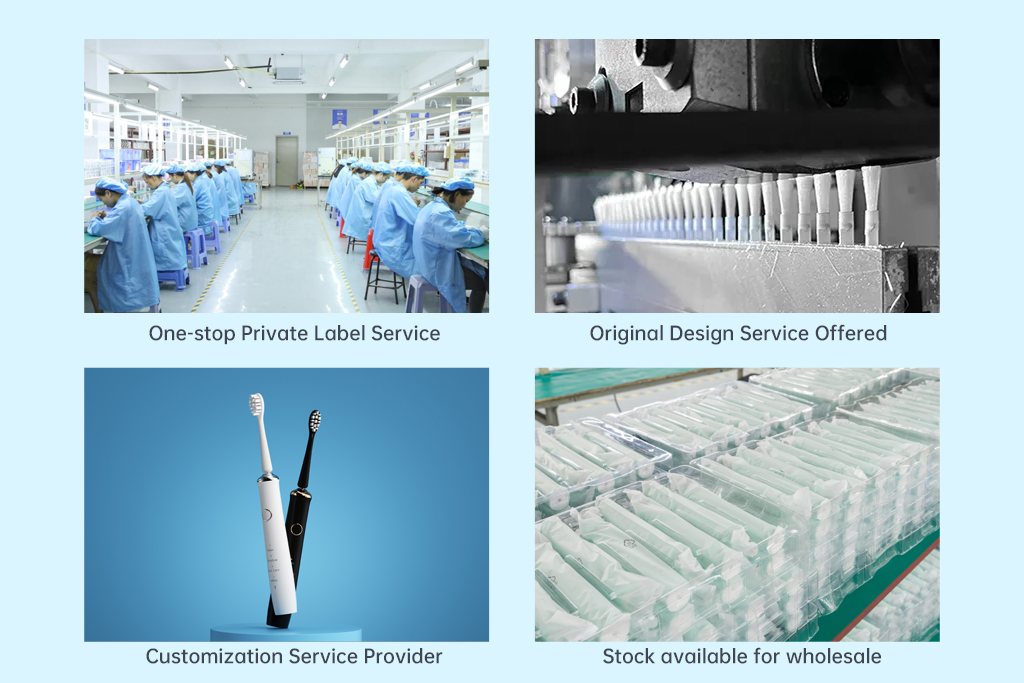
With the competitive dental care market growing rapidly, competition among oral care brands is fiercer than ever. To stand out, brands must understand which competitive oral care products are currently in demand and what consumers are looking for in their oral hygiene routines. From dental care market trends to oral hygiene innovations, this blog provides manufacturers and brand owners with a clear roadmap to product development and strategic sourcing. Understanding Dental Care Market Trends To succeed in today’s oral care industry, it’s critical to align with current dental care market trends. Key developments include: Increased awareness of preventative care Consumer demand for personalized and tech-enabled products Rising preference for eco-friendly and sustainable options Growth in at-home oral care routines, especially post-pandemic These trends are shaping the future of what qualifies as high-demand dental products, forcing manufacturers and brands to evolve beyond traditional brushes and pastes. Characteristics of Competitive Oral Care Products What makes a product truly competitive in this saturated market? Here are key characteristics: Functionality & Innovation: Products that integrate new technology or design for better results—think sonic vibration, pressure sensors, and AI feedback apps. User-centric design: Sleek, ergonomic, and easy-to-use products win user loyalty. Scientific validation: Backed by dental professionals…
.jpg)
China Adult Electric Toothbrush Factory – Powsmart 1. Introduction Powsmart is a leading China adult electric toothbrush factory, specializing in the design, manufacturing, and export of high-quality electric toothbrushes for global markets. With advanced production technology, strict quality control, and competitive pricing, we provide OEM/ODM services to brands worldwide. 2. Product Overview Our factory produces a wide range of adult electric toothbrushes, including: Sonic electric toothbrushes (30,000-40,000 vibrations per minute) Rotating electric toothbrushes (3D oscillation technology) Smart toothbrushes (Bluetooth connectivity & app integration) Travel-friendly models (USB charging & compact designs) Key Features: ✔ Multiple brushing modes (Clean, Whitening, Sensitive, Gum Care) ✔ Long battery life (up to 30 days on a single charge) ✔ IPX7 waterproof rating ✔ Replaceable brush heads & eco-friendly materials 3. Why Choose Powsmart? ✅ Professional OEM/ODM Services – Custom designs, logos, and packaging ✅ High-Quality Materials – FDA, CE, RoHS certified ✅ Competitive Pricing – Direct factory prices with no middlemen ✅ Fast Production & Delivery – MOQ as low as 500 pieces, 15-25 days lead time ✅ Strict Quality Control – 100% testing before shipment 4. Manufacturing Capabilities In-house R&D team for innovative designs Automated production lines for efficiency Compliance with international standards (ISO 13485, FDA, CE) Custom packaging options (retail boxes, eco-friendly materials) 5. Target Markets We supply adult electric toothbrushes to: Wholesalers & Distributors E-commerce Sellers…
In today’s competitive market, oral care brands must constantly innovate to remain relevant. With increasing consumer demand for comprehensive dental solutions, oral care product expansion is no longer optional—it’s a strategic imperative. From electric toothbrushes to trending oral devices like water flossers, tongue scrapers, and whitening tools, diversification opens the door to new market segments, higher customer retention, and stronger brand positioning. This blog will explore how dental brands can expand product line strategically, supported by smart OEM/ODM collaboration, and align with current market trends for long-term growth. Analyze Market Trends and Consumer Needs Before introducing new products, brands must begin with thorough market trend analysis. The oral care market is shifting rapidly due to factors like: Growing awareness of preventive dental care Rising demand for smart and connected devices Interest in eco-friendly and travel-friendly oral hygiene products Tracking trending oral devices—such as ultrasonic toothbrushes, cordless oral irrigators, and UV sterilizers—can reveal untapped opportunities. Matching these trends with specific consumer pain points ensures your product development is need-driven rather than guesswork. Identify Strategic Gaps in Your Current Product Line Successful dental brand diversification requires more than simply adding more SKUs. Brands should evaluate their current offerings to identify: Missing categories (e.g., floss alternatives…
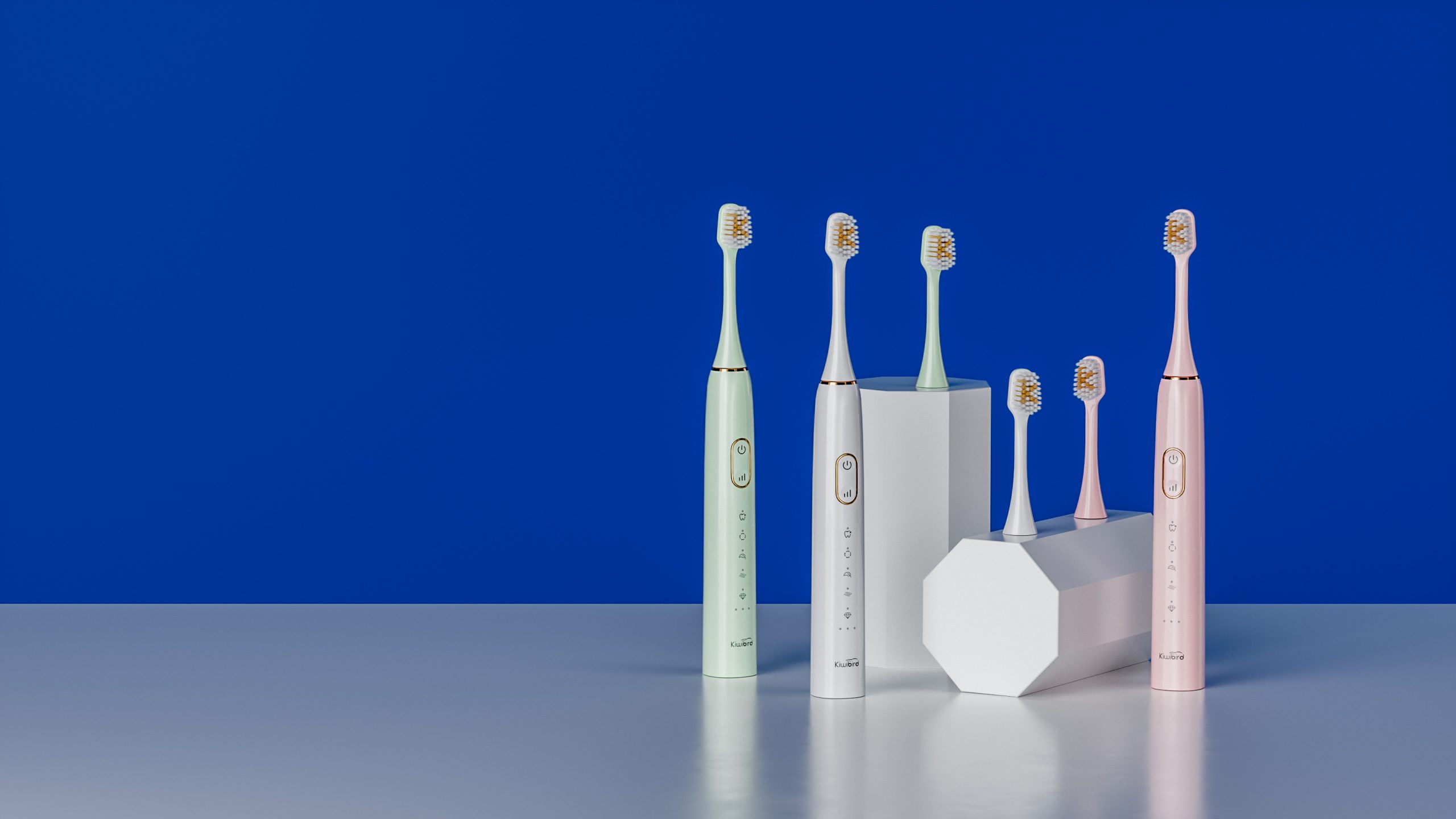
The global oral care market is experiencing rapid growth driven by rising health awareness, aesthetic demands, and the popularity of functional and personalized products. For oral care brands, product stagnation can quickly lead to a loss in market share. To stay relevant and profitable, continuous oral care product expansion is not just an option—it’s a strategic necessity. This blog explores why introducing new products regularly is vital for oral care brands expansion, how partnering with an oral care OEM can accelerate this process, and how innovation directly impacts sales and brand influence. Meeting Consumer Demand and Behavior Shifts Consumer expectations in oral care have moved far beyond basic hygiene. Today’s users are looking for: Whitening and sensitivity-targeted solutions Eco-friendly and natural ingredient formulations Smart and connected devices Compact, travel-friendly kits To keep up with these shifts, brands must proactively update their portfolios. Oral care product expansion—through both device and formulation innovation—is the key to capturing new customer segments and retaining existing users. Failure to innovate often results in loss of shelf space, declining customer loyalty, and reduced engagement. Boosting Brand Competitiveness Through Innovation Consistent innovation fuels brand relevance. Whether through advanced sonic technology in electric toothbrushes or water-saving systems in oral irrigators, innovation…
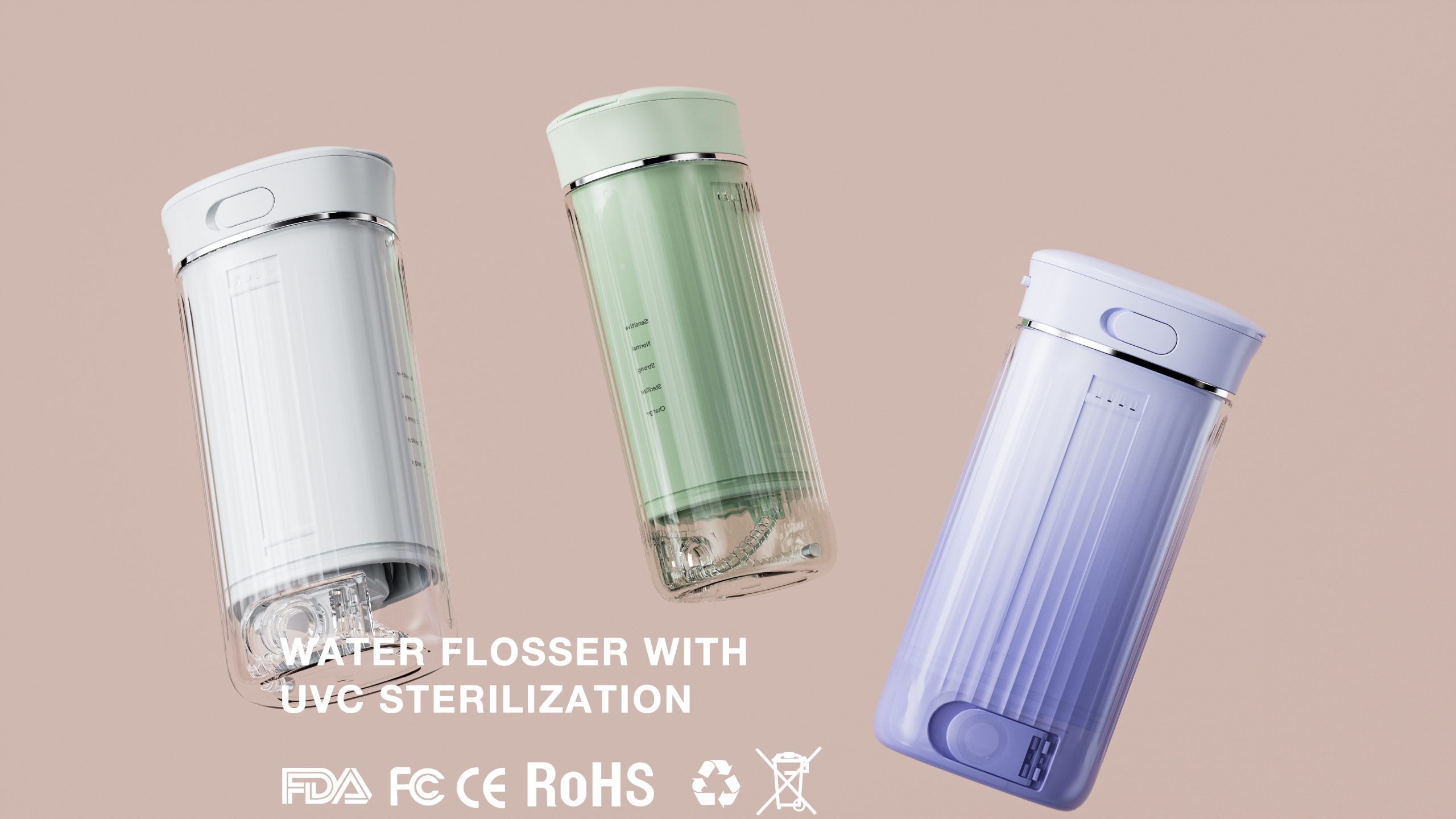
Waterproof failure is more than just a structural issue in water flosser design—it is a critical performance hazard that directly leads to pressure fluctuation, inconsistent water delivery, and ultimately, customer dissatisfaction. For OEM manufacturers and B2B distributors, understanding this chain reaction is essential for product optimization and market competitiveness. The Core Relationship: Waterproof Integrity and Internal Pressure Stability Water flossers rely on a closed-loop system to maintain stable water flow. When waterproof failure occurs—often due to weak seals, degraded adhesives, or poor housing integration—it compromises the vacuum and pressurization environment inside the device. The result? Rapid and unpredictable pressure fluctuation. Such instability not only disrupts cleaning effectiveness but can also confuse or frustrate users, especially those with sensitive gums or dental work. Root Causes of Waterproof Failure in Water Flossers Understanding the causes of waterproofing breakdown helps manufacturers prevent them at the source. Common contributors include: Low-grade sealing rings or gaskets Poor ultrasonic welding or adhesive bonding Overexposure to hot water or alcohol-based cleaners Micro-cracks from impact or drop tests Over time, even minor leaks allow air or moisture intrusion, destabilizing internal pump pressure and affecting spray consistency. How Pressure Fluctuation Affects User Experience When pressure fluctuation occurs, the user…
When frequency adjustment isn’t optimized, electric toothbrushes can underperform or over-stimulate—leading not only to poor plaque removal but also to thermal “hot spots” that risk chemical burns from fluoridated gels and aggravate gum bleeding. For B2B manufacturers, balancing vibration frequency is critical to safeguarding both cleaning efficacy and periodontal health. The Role of Frequency in Plaque Disruption Firstly, vibration frequency directly influences how effectively bristles dislodge plaque: Low Frequencies (<200 Hz) generate strong sweeping motions but may leave biofilm in interdental spaces. High Frequencies (>300 Hz) create micro-streaming in saliva, improving debris removal even between teeth. Misaligned Settings: Without precise calibration, mid-range frequencies can neither sweep nor micro-stream effectively, reducing cleaning efficiency. Thus, fine-tuning frequency settings maximizes both mechanical and fluid‐dynamic cleaning action. Excess Frequency and Thermal Risks Moreover, overly high frequencies can induce heat buildup in the brush head: Motor Overheating: Rapid oscillations generate friction inside the motor, elevating handle temperature. Gel Degradation: Heat can accelerate breakdown of whitening or fluoride gels applied concurrently, risking chemical burns on sensitive tissues. Localized Hot Spots: Users may feel sudden warmth at the gum line, leading to soft-tissue irritation. Controlled frequency limits and thermal cutoffs prevent these heat-related hazards.Company web:https://www.powsmart.com/product/electric-toothbrush/ Frequency-Induced Mechanical…


.jpg)
.jpg)
.jpg)
.jpg)
.jpg)







.jpg)
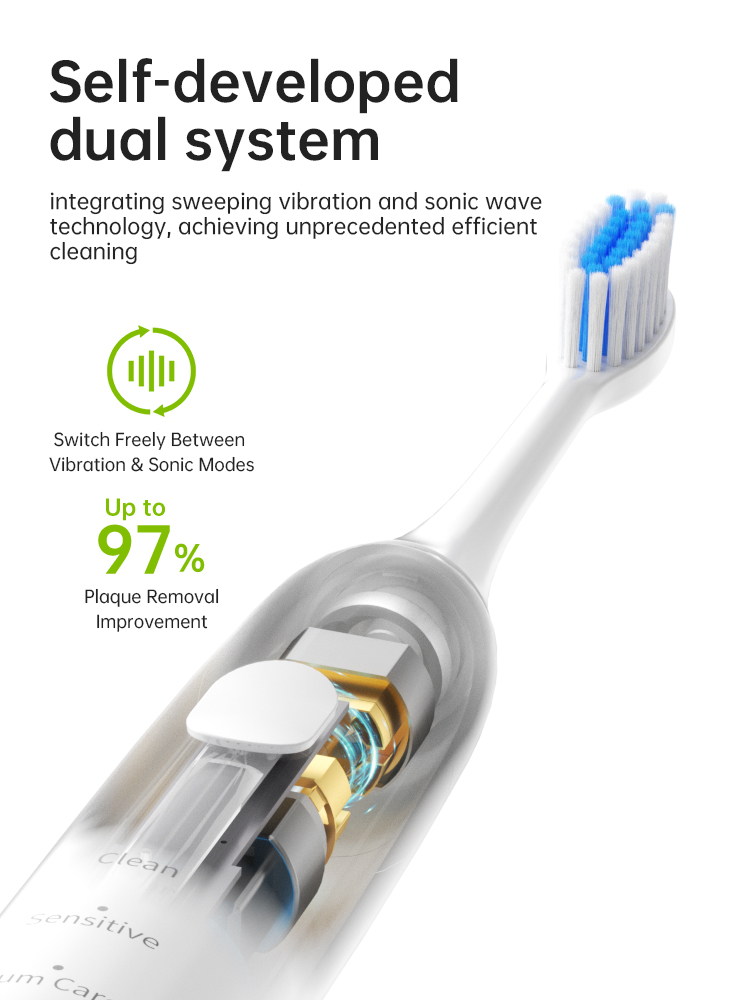

.jpg)
.jpg)