“Manual vs. Electric Toothbrush: Which is Better?”
“Manual vs. Electric Toothbrush: Which is Better?”
Introduction
Maintaining good oral hygiene is a key aspect of daily health, and selecting the right toothbrush can greatly impact dental care. One of the most common debates in oral care revolves around . Many consumers struggle to decide which option is better suited for their needs. both consumers and oral care manufacturers can make more informed choices. For instance, an electric toothbrush often provides advanced cleaning technology, such as oscillating bristles and built-in timers, while a manual toothbrush relies on the user’s brushing technique. Recognizing these distinctions helps ensure that individuals and companies alike can prioritize effective dental care solutions.
Manual Toothbrush: A Traditional Yet Effective Tool Cleaning Effectiveness of Electric Toothbrush
A manual toothbrush is the most common and accessible oral hygiene tool, widely used for decades.
Key Features:
- Affordability: Manual toothbrushes are cost-effective and widely available.
- Portability: No need for charging or batteries, making them convenient for travel.
- Variety: Available in different bristle types, handle designs, and sizes to cater to individual needs.
Pros and Cons:
✅ Easy to use and widely available ✅ Inexpensive and disposable ❌ Requires proper technique for effective cleaning ❌ No built-in timers to ensure adequate brushing time
Electric Toothbrush: Advanced Technology for Improved Oral CareTips for Using Manual Toothbrush https://www.powsmart.com/
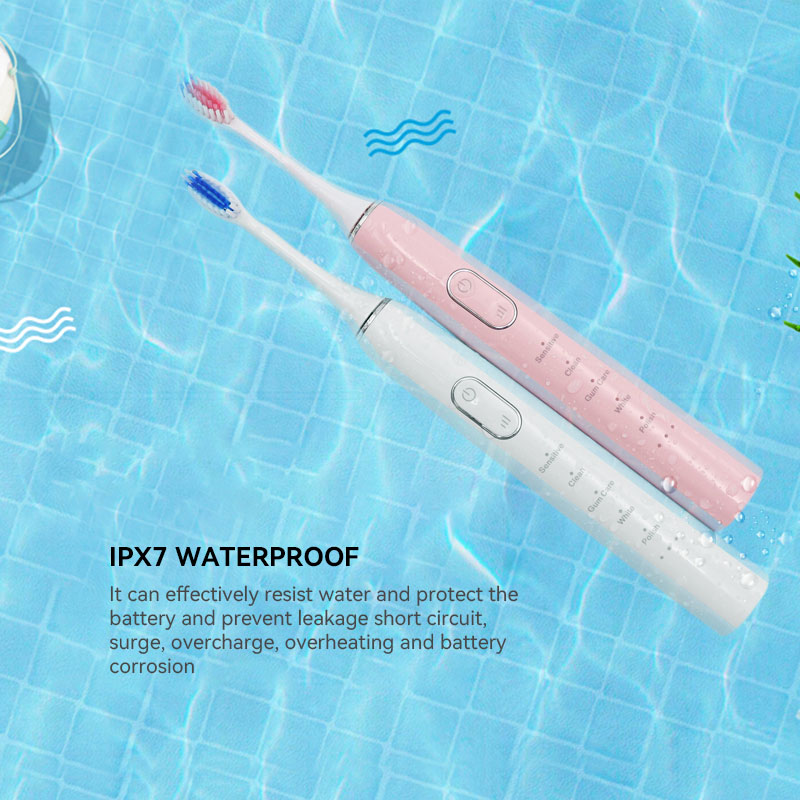
An manual toothbrushroperates with battery-powered or rechargeable oscillating, rotating, or sonic vibrations to enhance the brushing process.
Key Features:
- Automated Brushing: The brush head moves at high speeds to remove plaque efficiently.
- Built-in Timers: Helps users brush for the recommended two minutes.
- Multiple Modes: Some models include sensitivity, whitening, or gum care modes for personalized cleaning.
Pros and Cons:
✅ More effective in removing plaque and preventing gum disease ✅ Ideal for people with limited mobility (e.g., arthritis patients) ❌ More expensive than manual toothbrushes ❌ Requires charging or battery replacement
Key Differences Between a Manual Toothbrush and an Electric Toothbrushhttps://www.powsmart.com/
| Feature | Manual Toothbrush | Electric Toothbrush |
|---|---|---|
| Cost | Affordable | More expensive |
| Cleaning Efficiency | Dependent on technique | More effective due to automated movements |
| Convenience | No charging required | Requires charging or battery |
| Features | Basic | Includes timers, pressure sensors, and different modes |
| Portability | Lightweight and easy to carry | Heavier and requires power source |
Which Toothbrush is Better for Different Users Electric Toothbrush vs. Manual Toothbrush
- For Children: Electric toothbrushes can make brushing more engaging and effective.Electric Toothbrush vs. Manual Toothbrush
- For People with Braces: Electric toothbrushes provide a deeper clean around brackets and wires.
- For Travelers: Manual toothbrushes are more convenient and do not require charging.
- For People with Sensitive Teeth: Some electric toothbrushes come with gentle brushing modes to reduce sensitivity.
The Role of Manufacturers in Innovation
Toothbr manufacturers continue to innovate by improving bristle designs, integrating AI-driven sensors, and developing eco-friendly materials. The growing demand for smart toothbrushes is shaping the future of oral care products.
Conclusion
Both manual and power toothbrushes have their own advantages and are suitable for different users. The choice depends on individual preferences, budget, and specific oral health needs. By understanding the difference between power toothbrush and manual toothbrush, consumers and manufacturers can make well-informed decisions to enhance oral hygiene practices worldwide.

.jpg)
