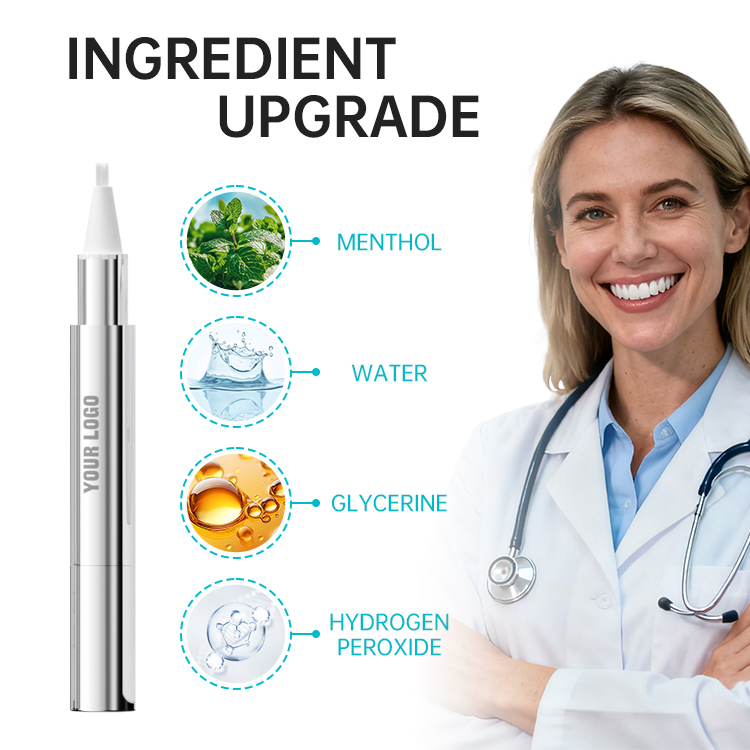
 Whitening gel compatibility device planning has become a critical success factor for brands that want to deliver reliable performance and a comfortable user experience in the oral beauty market. Since whitening systems combine chemistry with electronics, poor compatibility can easily lead to irritation complaints, inconsistent results, or even product failure. Therefore, international OEM buyers should integrate compatibility thinking into the development process from the very beginning, not only during late-stage testing.
First, product managers define consumer expectations and price positioning. In addition, engineering teams analyze gel viscosity, pH balance, peroxide levels, and flavoring ingredients. However, these elements interact with tray materials, temperature, and LED output. As a result, the design must stabilize the contact environment while still staying comfortable for the user. Moreover, factories that understand both device mechanics and gel properties can help accelerate validation and reduce market risk for B2B partners.
During development, laboratory testing plays a central role. Therefore, prototypes undergo stability checks, leak detection, and thermal cycling while different gel suppliers remain under evaluation. In addition, bite-tray geometry and silicone hardness affect how evenly gel spreads during use. Moreover, communication with gel manufacturers helps clarify tolerances, storage limits, and shelf-life expectations.
Retailers and regulators also expect clear labeling and instructions. Consequently, brands must document dosage advice, skin sensitivity warnings, and cleaning methods in a way that consumers easily understand. However, over-claiming or vague descriptions can create legal exposure, especially in developed markets such as the EU and North America. Therefore, internal legal teams should review every claim before launch.
To support B2B buyers, experienced OEM partners often share design insights and testing protocols. If you would like to explore collaboration options, you can visit https://powsmart.com/ for reference projects and capabilities. For general oral health knowledge, the American Dental Association at https://www.ada.org
In summary, treating whitening gel compatibility device engineering as a strategic pillar rather than a minor detail helps brands protect their reputation, deliver consistent results, and maintain strong long-term retail relationships in competitive global markets.