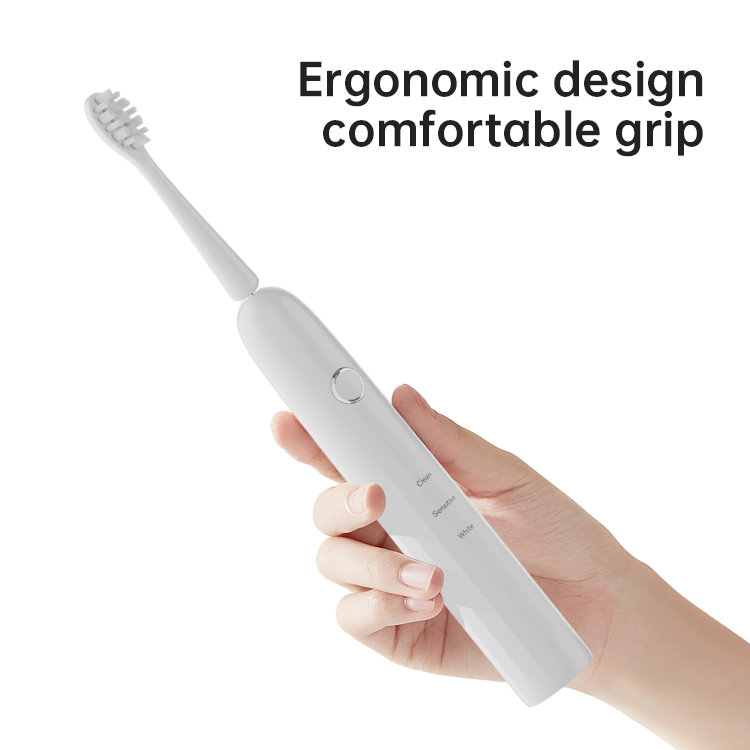
sFor consumers, replacing an electric toothbrush head is a simple routine. But for oral-care product brands, understanding the correct installation process—and the safety risks involved—is crucial when developing or sourcing OEM or private-label products. Ensuring OEM design safety, clear instructions, and robust structural engineering helps reduce user risks, enhance product quality, and build a trustworthy brand. Below, we outline the most important safety precautions to consider during electric toothbrush head installation, along with insights beneficial for brands working with manufacturing partners.
Ensure Compatibility Between Handle and Brush Head
Before installation, users must confirm that the brush head is fully compatible with the toothbrush handle. For brands, this means implementing clear labeling, standardized brush head attachment dimensions, and strong OEM testing to prevent forced installation that could damage motors or cause injury.
Inspect the Brush Head for Damage Before Use
Cracks, loose bristles, or deformed plastic components pose immediate safety concerns. Manufacturers should perform rigorous quality checks and provide tamper-proof packaging. Inform users to examine the brush head before attempting electric toothbrush head installation to avoid breakage during operation.
Install With Clean, Dry Hands
Moisture can make the installation slippery and lead to improper attachment. Brands should ensure ergonomic OEM design safety, including nonslip grip surfaces and intuitive alignment markers, so users can attach the head securely—even with minimal experience.
Apply Gentle, Even Pressure During Attachment
When users apply excessive force, they risk misalignment, cracked plastic joints, or motor damage. Manufacturers should design durable, reinforced connectors and provide clear instructions to guide proper brush head attachment without pushing or twisting too hard.
Listen and Feel for a Secure Click
A correctly designed toothbrush system will offer tactile or audible confirmation when the head is firmly attached. For brands sourcing from OEM factories, this “click” is not just a convenience—it’s a vital safety precautions that assures stability during high-speed operation.
Keep the Installation Area Clean and Free of Debris
Dust, toothpaste residue, or moisture at the connection point can cause mechanical wear or bacterial buildup. Brands should emphasize hygiene-focused engineering and provide user instructions for cleaning the attachment slot prior to installing the new head.
Conclusion
Safe and reliable electric toothbrush head installation requires both user awareness and strong manufacturer-side engineering. For oral-care brands, partnering with a capable OEM supplier ensures better OEM design safety, cleaner product packaging, and high-precision brush head attachment mechanisms. These factors not only protect consumers but also enhance long-term brand credibility and market competitiveness.

.jpg)
