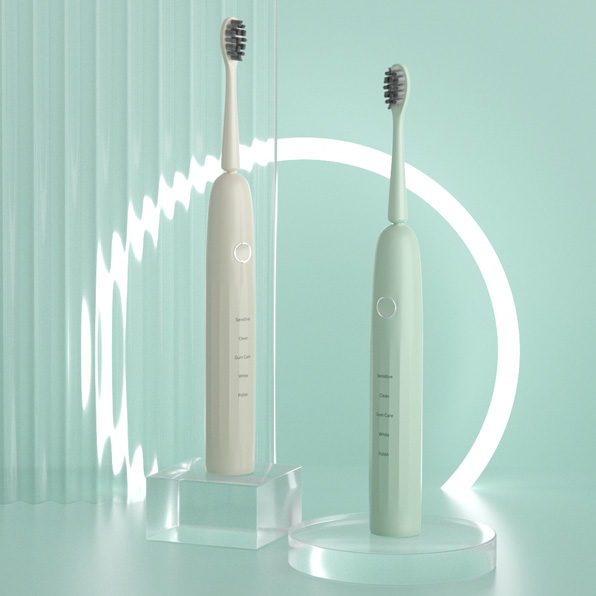
As electric toothbrushes increasingly become a bathroom essential, waterproofing is no longer an optional nice-to-have — it’s a product requirement that affects safety, durability, user experience and commercial performance. Below are six focused considerations for OEMs, brand managers and procurement teams to help decide how deeply to invest in waterproof design and how to communicate its value to channel partners.
User expectations and positioning
First, consumers treat an electric toothbrush kept on a sink, in a shower caddy or on a humid shelf as a true bathroom essential. Consequently, waterproof claims (and the confidence they signal) directly influence purchase decisions. Therefore, if your target audience expects shower use or travel convenience, a clearly validated waterproof design becomes a key market differentiator and justifies premium positioning.
Safety and regulatory risk mitigation
Moreover, sealing against water ingress reduces short-circuit and corrosion risks that can cause failures or safety incidents. Thus, designing to an appropriate ingress-protection level (and documenting test protocols) not only reduces warranty claims but also simplifies regulatory and retail approvals — an important consideration for large buyers and institutional contracts.
Reliability, longevity and lower total cost of ownership
Furthermore, robust waterproof engineering extends product life by protecting motors, PCBs and charging contacts from humidity and splashes. As a result, manufacturers who invest in proper sealing (gaskets, overmolding, ultrasonic welds or validated potting where appropriate) will see fewer returns and better long-term brand reputation — a tangible ROI in B2B procurement conversations.
Design trade-offs and manufacturing practices
In addition, waterproofing introduces specific design and process trade-offs: sealing methods can affect repairability, assembly time and unit cost. Therefore, choose the sealing approach that balances reliability and manufacturability for your volume: for example, precision-molded O-rings and tight-tolerance assembly for premium lines, or engineered ultrasonic welds and gasketing for mid-market volumes. Importantly, validate production-line leak-testing to avoid field failures.
Complementary features that amplify the bathroom-essential value
Consequently, pairing waterproof capability with related features increases perceived value. Examples include quick-dry ventilated brush heads, magnetic/inductive chargers with waterproof housings, and antimicrobial storage. Together these features make the device genuinely suitable as a bathroom essential and create upsell opportunities (premium kits, travel sets, subscription heads).
Claims, testing and go-to-market messaging
Finally, credible waterproof claims require documented testing and clear language. Therefore, publish the test standard used, the ingress-protection level or equivalent lab report, and simple usage guidance (e.g., “safe for shower use” or “do not submerge for more than X minutes” if limits apply). Clear, honest messaging reduces return friction for retailers and strengthens distributor confidence.
Conclusion (short):
In short, if your electric toothbrush is intended to live in humid environments, be used in the shower, or travel frequently, waterproof design is a strategic investment that protects users, reduces failures, and elevates the product to a true bathroom essential. Conversely, if your product is a low-cost, dry-use-only SKU, document the limitations clearly and design accordingly.
6-point action checklist for manufacturers & product teams:
- Define intended use cases (shower use, travel, sink-top) and set a target ingress-protection goal.
- Select sealing strategy (O-rings/overmolding/ultrasonic welds) that matches volume and repairability targets.
- Add production leak-testing (water spray, immersion, pressure decay) and retain test evidence for buyers.
- Combine waterproofing with complementary features (drying vents, magnetic charger protection) to increase value.
- Prepare clear, compliant marketing claims and a short user-care guide for channels and retailers.
- Model cost vs. warranty savings to demonstrate ROI to procurement teams and distributors.
If you’d like, I can convert this into a short spec sheet template (target IP level, suggested test protocols and assembly notes) tailored to your target price tier and manufacturing capabilities. Contact us
.jpg)
