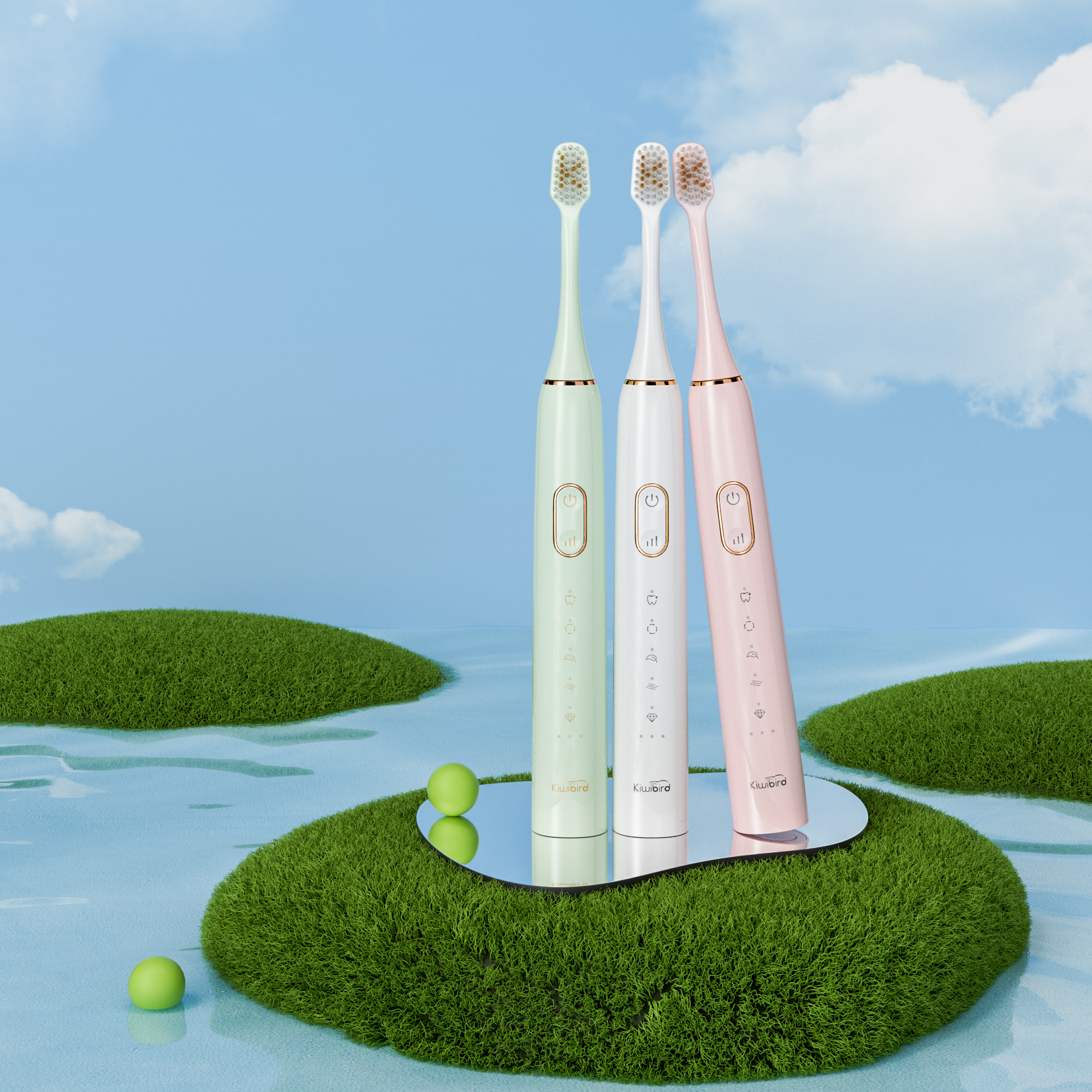
For OEMs, private-labelers and procurement teams, the question isn’t just whether a toothbrush looks big and bold — it’s whether a custom Texas brush can deliver the cleaning performance buyers expect from a big Texas brush. In the electric-toothbrush category, “big clean” means superior plaque removal, broad coverage, repeatable results and a user experience that drives compliance. Below are six manufacturer-focused pillars to design, spec and commercialize a product that lives up to that promise. Set the performance brief: what “big Texas brush clean” really means First, translate marketing language into measurable specs. A big Texas brush clean should include: higher plaque-removal efficacy (benchmarked vs manual brushing), full-mouth coverage per two-minute cycle, and a mode set that tackles stains, tartar-prone zones and gum-care without damaging enamel. Therefore, your R&D brief must define target metrics (e.g., % plaque reduction, head coverage area, VPM/oscillations, motor torque) so engineering and marketing sing from the same page. Head geometry & bristle engineering: the core of a custom solution Next, focus on brush-head design. A custom Texas brush can use a slightly larger or contoured head, mixed-density bristles (soft tips + firmer inner tufts) and tapered filaments to reach interdental zones and molars more effectively.…
Every premium electric toothbrush team asks the same question: can a handset’s Deep Clean Mode actually reach and loosen stubborn plaque where everyday brushing misses it — and moreover, can it play a credible role in broader Tartar Control strategies? The short answer for B2B product teams is: yes — but only when the mode is engineered as a system (motion + head + sensing + safeguards + validation) and positioned with conservative, evidence-backed claims. Below are six manufacturer-ready dimensions that explain what to build, how to test it, and how to communicate benefits responsibly. Mechanical principle — why “deep clean” works (when it does) First, understand the mechanism. A well-tuned Deep Clean Mode increases the device’s effective cleaning by combining: (a) slightly higher amplitude or tailored waveform, which intensifies fluid micro-streaming around bristle tips; and (b) dwell time on anterior surfaces where visible stains and dense plaque accumulate. Consequently, this physics-driven approach helps dislodge adherent plaque more effectively than a generic daily cycle. However, be clear: hardened calculus (tartar) is mineralized and generally requires professional scaling — a toothbrush cannot reliably remove existing tartar. Instead, position the feature as a tool that aids Tartar Control by removing plaque before…
High-level professionals often face intense schedules, long meetings, and frequent travel, leaving little time for self-care. Yet, maintaining strong oral hygiene is crucial because appearance and confidence play a big role in leadership. That’s why oral care for executives has become a key part of professional wellness. Why Executives Need Better Oral Care Executives are constantly in the spotlight, whether during board meetings, presentations, or client dinners. A confident smile reflects credibility and health. Moreover, dental issues like bad breath or stained teeth can negatively impact professional presence. According to the American Dental Association, consistent oral hygiene reduces the risk of cavities, gum disease, and confidence loss. Key Oral Care Solutions for Executives Electric Toothbrushes: Offer consistency and time efficiency. Whitening Tools: Maintain bright smiles for public appearances. Travel Kits: Compact options for professionals on the move. Smart Devices: App-based tracking for health-conscious leaders. Executives in India’s metro cities often look for reliable brands. Powsmart.com provides advanced toothbrushes with smart features tailored for busy lifestyles. Lifestyle and Convenience Long work hours can make oral care routines challenging. However, with devices that offer quick charging, long battery life, and travel cases, executives can maintain oral hygiene even while flying internationally. Therefore,…
In today’s fast-paced lifestyle, people across India are turning to modern technology to upgrade even the simplest parts of daily life—like brushing teeth. A smart toothbrush India is not just an electronic gadget; it represents a transformation in personal oral care. From app connectivity to personalized brushing modes, these innovative devices are changing the way families, students, and professionals look after their smiles. Why Choose a Smart Toothbrush in India Modern households are increasingly adopting advanced dental tools. A smart toothbrush provides real-time feedback, tracks brushing duration, and even reminds users to replace brush heads. For Indian consumers living in cities like Mumbai, Delhi, or Bangalore, convenience and health monitoring are crucial. Compared to manual brushing, these devices ensure plaque removal is more effective and consistent. Moreover, dental experts recommend adopting technology for oral care because it reduces the chances of gum diseases and cavities. According to the Indian Dental Association (source: IDA), preventive oral care is the most cost-effective way to maintain lifelong dental health. Smart Toothbrush Features for Indian Consumers A good smart toothbrush comes with Bluetooth-enabled apps, pressure sensors, and different brushing modes like sensitive, whitening, and gum care. Indian families, often living in joint households, can…
The demand for advanced teeth whitening products continues to grow as consumers seek professional-level results at home. For oral care brands, launching a private label whitening kit with LED technology presents a strong market opportunity. This guide explores how to collaborate with a One-Stop OEM factory to design, develop, and deliver a high-quality custom brand whitening solution. Understanding the Market Potential Teeth whitening is among the fastest-growing categories in the oral care industry. LED-assisted whitening systems provide faster, more effective results compared to traditional methods. Private label products allow brands to enter this lucrative segment without heavy upfront investment in R&D. Benefits of Private Label teeth Whitening Kits Quick market entry with pre-tested formulations and devices. Flexible customization for packaging, ingredients, and LED device design. Cost efficiency through bulk manufacturing and shared technology platforms. Example: A startup can launch a private label teeth whitening kit within months, supported by an OEM partner’s ready-made formulations. Choosing the Right LED Whitening OEM Partner Verify certifications (ISO, CE, FDA) for compliance and safety. Evaluate experience in producing advanced teeth whitening products. Check for in-house R&D and design capabilities for innovation. Ensure the OEM offers end-to-end services, from formulation to packaging. Customization Opportunities for Your Brand With the support of…
In recent years, oral care has moved beyond simple brushing and flossing. Consumers are seeking Advanced Oral Care Products that deliver clinical-grade results at home. Among these innovations, Red Light Therapy Boosts Gum Health has become a promising solution for both prevention and treatment of gum issues. For oral care brands, exploring periodontal care device OEM opportunities with manufacturers can help bring these technologies into mainstream products. The Rise of Red Lighting Therapy in Oral Care The use of red lighting therapy in oral care is no longer limited to dental clinics. This non-invasive approach uses specific wavelengths of light to stimulate tissue regeneration, enhance circulation, and reduce inflammation, making it ideal for consumers concerned about long-term gum health. Why Gum Health Matters More Than Ever Research shows that periodontal disease is not just an oral issue—it’s closely linked to systemic health, including heart disease and diabetes. As awareness grows, consumers are demanding products that go beyond surface cleaning. Devices designed for anti-inflammatory oral care are becoming essential for maintaining not only a healthy smile but also overall wellness. How Red Lighting Therapy Boosts Gum Health Mechanically The science behind this technology lies in its ability to penetrate soft tissues and trigger natural healing…
In recent years, At-Home Light Therapy Teeth Whiteners have become one of the fastest-growing categories in oral care. Consumers are curious: do they really work, or is the hype ahead of the science? For oral care brands considering an evidence-based whitening OEM partner, this question is not just about consumer confidence—it’s about market positioning. The Science Behind Light-Accelerated Whitening Traditional whitening relies on peroxide-based gels that gradually lift stains from enamel. Light therapy devices claim to enhance this process by accelerating whitening, using LED or blue light to trigger faster chemical reactions. While studies are mixed, many suggest that light exposure can improve the efficiency of peroxide, making effective light whitening possible with shorter application times. What Consumer Results Tell Us Consumers often share that they notice visible improvements within a week, especially when compared with strips or gels alone. However, results vary depending on enamel type, lifestyle, and consistency of use. Brands seeking differentiation should pay close attention to consumer results data. both in clinical testing and in real-world user feedback—to ensure claims align with reality. The Role of Device Design and Safety Factors like wavelength precision, gel formulation compatibility, and built-in safety features can make the difference between a product…
In today’s competitive oral care market, innovative technology plays a vital role in helping brands stand out. One of the most effective breakthroughs is the integration of red & blue light whitening technology. This combination not only enhances whitening results but also provides additional oral health benefits, making it a must-have feature for any brand seeking reliable professional whitening kit OEM partners. The Science Behind Red & Blue Light Whitening Blue light has long been recognized for its ability to accelerate whitening by activating whitening gels and breaking down stains on the tooth surface. Red light, on the other hand, promotes gum health by soothing sensitivity and encouraging tissue recovery. When combined, this red blue light whitening approach offers both cosmetic and therapeutic effects, ensuring a more comfortable and effective user experience. LED Light Benefits for Teeth Whitening Compared to older whitening methods, LED-based kits are safer, more energy-efficient, and highly effective. The LED light benefits include deeper stain removal, reduced treatment time, and lower risk of enamel damage. For brands, incorporating LED technology into a professional whitening kit OEM product means providing customers with cutting-edge solutions that are both effective and trustworthy. Accelerating Whitening with Technology Consumers today value quick, visible results. Thanks to…
Introduction — What “30-Day Battery Life” Really MeansMany consumers expect a long battery life from modern electric toothbrushes, and brands often promote a 30-day runtime. However, you should confirm what that claim entails. For example, a travel toothbrush marketed with 30-day endurance may rely on low-power modes; similarly, USB-C quick charge support can speed recharging but does not guarantee longevity. Therefore, when you evaluate potential partners, check how their OEM portable design balances battery capacity, charging speed, and real-world use. How manufacturers define “30 days” matters First, ask the OEM to define the test profile behind the “30-day” claim. Often, manufacturers base this on a specific usage pattern—such as two brushing sessions per day at a given intensity. Consequently, a toothbrush that advertises 30 days under a “one-minute per session” profile will behave differently if end users brush for two full minutes or use a whitening mode. Thus, require the OEM to provide the exact test parameters (sessions/day, minutes/session, mode used) alongside measured runtime. Key design factors that determine real battery life Next, consider the components that actually affect runtime. Motor efficiency, vibration amplitude, control electronics, Bluetooth or LED standby drains, and battery chemistry all play roles. Moreover, firmware and…
As consumers demand more portability and convenience, one question becomes increasingly relevant for toothbrush manufacturers: Can a device equipped with a high endurance motor realistically provide long battery life—say, up to 90 days—on a single charge? This is not just a user expectation; it’s a critical design benchmark in today’s competitive oral care market. In this article, we’ll break down the core engineering principles, the role of motor design, and battery efficiency to answer this question. What Defines a High Endurance Motor in Electric Toothbrushes? A high endurance motor is engineered to deliver consistent torque and vibration output while minimizing energy loss. Unlike standard motors, high-endurance models use: Precision-balanced magnetic rotors Low-resistance winding coils Friction-reducing bearings These features reduce internal stress and heat generation, allowing the motor to operate at optimal performance without drawing excessive power. The result? Smoother brushing, lower wear, and longer device longevity. The Power Consumption Challenge: Motor vs. Battery To evaluate whether a high endurance motor contributes to long battery life, we must analyze its energy draw relative to battery capacity. High-quality motors are designed to: Deliver stable RPM with minimal power spikes Operate efficiently under varied pressure loads Work seamlessly with smart brushing modes (e.g.,…
About Powsmart Powsmart is an experienced OEM and ODM contract factory for various companies, specializes in manufacturing oral care products, such as electric toothbrushes or teeth whitening devices. What can powsmart do for you? Based in Shenzhen, Powsmart offer flexible cooperation methods. Powsmart R&D and produces products as per your requirements or under your branding. If product design is needed, we can also provide you with Concept Sketching, 2D Renderings, 3D CAD Drawings etc services. We support small quantity stock supply if you wanna distribution or wholesale at the beginning to reduce your inventory and capital presure. 20+ Years OEM&ODM service Experience Manufacturer One-stop oral care brand customization Wholesale and Distribution are acceptable What makes Powsmart's products the best quality? Powsmart prioritizes delivering high-quality services to clients by understanding their needs, using top-notch materials and equipment, and having an experienced and passionate team of professionals. Experienced and professional workers 38 strict testing and quality conytrol rules First class quality management system as a former Apple manufacturer What's Powsmart's mission as an Oral care products factory? At Powsmart, we don't just manufacture products, we create high-quality solutions that exceed expectations. Our commitment to excellence is what sets us apart from the…
In the oral care device industry, light decay is often overlooked—yet it may be a hidden factor in undesirable gingival discoloration, particularly in devices equipped with light-emitting modules such as LED whitening brushes or UV sanitizing components. As oral health professionals and OEM manufacturers seek to enhance product safety and performance, the potential correlation between these two phenomena warrants deeper examination. Recognizing the Symptoms: When Discoloration Appears Unexpectedly Users have reported mild to moderate discoloration of gingival tissue after repeated exposure to illuminated oral care tools. Although most designs use low-intensity LEDs, gingival discoloration—manifested as darkening, uneven tone, or localized pigment patches—raises red flags about photochemical interactions. The possibility that light decay over time leads to spectral shifts or uneven energy output must be considered. What Is Light Decay – And Why It Matters Gingival discoloration Light decay refers to the reduction in luminous flux and spectral integrity of LEDs or light sources over time due to: Thermal stress on chip or substrate Material oxidation within the lens or encapsulation Current fluctuations or overdriving Aging of phosphor layers in white LEDs This decay not only reduces device effectiveness but can distort the wavelength emission profile—potentially shifting the spectrum into biologically…
The global oral care market is evolving rapidly. Today’s consumers are no longer satisfied with just clean teeth—they demand smarter, safer, and more sustainable solutions. For oral care brands looking to expand or diversify, understanding what’s driving the category today is essential. In this blog, we’ll explore the key oral care trends shaping the industry, from dental hygiene innovation and the rising electric toothbrush demand to the growing interest in sustainable oral care and advanced whitening technology. Electric Toothbrush Demand Is Surging One of the strongest signals of growth in driving the oral care category is the continued rise in electric toothbrush demand. Consumers across various demographics are upgrading from manual brushes to smart-powered devices due to their enhanced cleaning capabilities, built-in timers, pressure sensors, and app integration. This trend opens up major opportunities for product differentiation, especially for brands offering: Customizable brushing modes Sleek, ergonomic designs Connected app ecosystems For brands looking to launch or scale electric toothbrush lines, this trend emphasizes the need to partner with manufacturers experienced in precision electronics and high-speed injection molding. Whitening Technology Drives Consumer Desire Teeth whitening is no longer a luxury—it’s becoming a daily routine. New whitening technology is influencing product innovation across the board. From…
The global oral care business is undergoing a rapid transformation. This is driven by heightened consumer awareness, innovation, and demand for personalized hygiene solutions. No longer limited to basic toothbrushes and toothpaste, today's market includes a wide variety of oral hygiene products. Like electric toothbrushes, oral irrigators, teeth whitening kits, and more. As competition intensifies, many oral care brands are now looking for strategic manufacturing partners to meet the rising demand for quality, innovation, and scalability. This blog explores key oral care market trends, emerging opportunities in oral care. And why now is the ideal time for brands to invest in strong partnerships with reliable OEM/ODM manufacturers. Oral Care Market Trends: What’s Driving Growth? The dental industry growth is fueled by several critical trends shaping consumer behavior and product development globally: Increased awareness of preventive care: More people are proactively investing in oral hygiene products to prevent dental issues before they arise. Technological innovation: Smart toothbrushes, water flossers with multiple pressure modes, and app-connected devices are redefining oral care routines. Sustainability and personalization: Consumers demand eco-friendly materials, recyclable packaging, and customizable care options tailored to specific dental needs. These oral care market trends are creating significant demand for high-quality, differentiated products—offering manufacturers the…
In recent years, oral care has transcended its traditional role of hygiene and stepped into the spotlight of the beauty industry. No longer just about cavities and floss, oral care is now about smile aesthetics, digital integration, and luxury experiences. The rise of the oral care beauty trend has opened new doors for both product innovation and branding—making it one of the most dynamic and fast-growing beauty categories of the decade. This shift has created major opportunities for global beauty brands and up-and-coming oral care startups alike. Whether you're a distributor or private label brand owner, understanding the convergence of cosmetic dentistry and beauty-tech is the key to staying competitive—and finding the right manufacturing partner is step one. The Rise of Smile Aesthetics and Cosmetic Dentistry Thanks to social media and influencer culture, a bright, aligned smile is no longer just a health marker—it's a beauty statement. Consumers are seeking treatments and products that enhance their smile aesthetics, from teeth whitening pens to LED-powered whitening kits. As cosmetic dentistry becomes more mainstream, the at-home oral care market has boomed. Consumers are looking for non-invasive alternatives to clinical procedures, including enamel-safe whitening strips, sonic toothbrushes, and oral care serums—making the bridge between medical-grade care and…
In today’s fast-moving oral care market, consumers are increasingly looking for fast teeth whitening results with minimal hassle. As a teeth whitening brand or startup seeking reliable production partners, understanding the typical teeth whitening results timeline can help shape your product positioning, marketing, and supply chain expectations. This article provides a clear teeth whitening timeline, factors influencing results, and how to select the best teeth whitening device for your brand—along with tips on choosing a trustworthy teeth whitening supplier. What Is a Teeth Whitening Device and How Does It Work? Modern teeth whitening devices—typically LED-accelerated light systems used with whitening gels—work by breaking down stains on the enamel using active ingredients like hydrogen peroxide or carbamide peroxide. These devices vary in design and performance, with the best teeth whitening device usually offering a blend of safety, fast activation time, and visible results within a few sessions. Teeth Whitening Timeline: When Will Users See Results? A typical teeth whitening timeline depends on several factors, including the concentration of active ingredients, device design, session length, and user habits. First visible results: 1–3 sessions (within 2–5 days) Moderate whitening: Around 1 week of consistent use Full results: 2–3 weeks with daily use (depending on the formulation) Some premium systems…
In recent years, reports of gel crystallization coinciding with gingival discoloration in cosmetic oral devices have raised concerns among both manufacturers and end-users. Could crystallized whitening gels be contributing to visible gum color changes? More importantly, is this merely a cosmetic issue, or does it indicate a deeper formulation or process flaw? This article addresses why this combination should not be ignored in modern teeth whitening product design. Understanding Gel Crystallization in Teeth Whitening Products Gel crystallization occurs when whitening agents (such as carbamide peroxide or hydrogen peroxide) solidify into crystalline structures within the gel matrix. This usually results from: Improper temperature control during storage. Incorrect formulation ratios. Inadequate sealing or packaging integrity. Crystallized gels no longer provide consistent spreadability and may deposit uneven concentrations of active ingredients on teeth and soft tissues. Gingival Discoloration: A Consequence or Coincidence? Gingival discoloration is typically observed as darkened or patchy areas on the gum tissue after repeated whitening treatments. Potential causes include: Overexposure to concentrated peroxide from crystallized gels. Irritant-induced capillary constriction. Inflammatory response to accumulated gel residues. When gel crystallization alters the intended application, active agents can pool at the gingival margins, leading to tissue stress and discoloration over time. Company…
Light decay is an often-overlooked problem in oral care devices that incorporate LED or laser-based whitening systems. But could it be responsible for triggering allergic dermatitis in end-users? Growing reports from clinical feedback suggest a potential correlation. This raises an urgent question for manufacturers: is the interaction between degrading light components and skin irritation actually a toxic threat? What is Light Decay in Oral Care Devices? Light decay refers to the gradual reduction in output intensity and spectral stability of light-emitting components: LED diodes Laser modules Optical lenses This degradation is caused by: Prolonged heat exposure Internal material breakdown UV damage to protective coatings The consequence? Shifted wavelengths and unwanted heat emissions during operation. Company web: https://www.powsmart.com/product/electric-toothbrush/ Allergic Dermatitis: A Hidden End-User Risk? Allergic dermatitis manifests as skin redness, itching, or inflammation after exposure to certain allergens or irritants. In oral whitening systems, it may result from: Overheating of device surface areas Leakage of degraded materials Unstable light wavelengths causing phototoxic reactions When light decay destabilizes emission properties, photobiological safety can no longer be assured, potentially leading to skin irritation even in previously unaffected users. Could Light Decay Create a Toxic Risk? Unlike typical device wear, light decay can alter…
Biofilm regrowth is a persistent issue in oral care devices such as water flossers and whitening systems. What manufacturers often overlook is its direct impact on pH imbalance within the user’s oral environment. Could this be a vicious cycle compromising both hygiene and device longevity? Let’s explore in detail. Understanding Biofilm Regrowth in Oral Care Devices Biofilm forms when bacteria adhere to internal fluid pathways and surfaces within oral devices, especially: Water reservoirs Nozzle interiors Fluid channels Even post-sterilization, residual bacteria can repopulate surfaces, triggering biofilm regrowth. Factors like stagnant water, suboptimal mold venting, and poor surface finish accelerate this process. pH Imbalance: The Hidden Risk from Biofilms When biofilm regrowth occurs, acidic by-products of bacterial metabolism accumulate inside devices. This microbial activity gradually alters: Output water pH Oral cavity acidity after device usage A persistent pH imbalance leads to enamel erosion, promotes oral discomfort, and disrupts natural saliva buffering mechanisms. Company web: https://www.powsmart.com/product/electric-toothbrush/ How Biofilm Regrowth and pH Imbalance Reinforce Each Other Worryingly, pH shifts favor further biofilm regrowth: Lower pH environments support aciduric bacteria proliferation. Acidic residues inside devices create ideal conditions for microbial colonization. Thus, a self-reinforcing cycle emerges, where biofilm exacerbates pH imbalance, which in turn…
In modern teeth whitening systems, unexpected sync disruption coupled with tray deformation may signal deeper technology failures rather than isolated mechanical errors. As oral care device manufacturers, understanding these linked issues is essential to prevent compromised treatment outcomes and product recalls. What Is Sync Disruption in Whitening Devices? Sync disruption typically refers to the loss of synchronization between: LED light pulses and whitening gel activation cycles. Temperature control systems and timer sequences. Bluetooth or app connectivity for controlled whitening sessions. This breakdown in coordinated functions leads to inconsistent energy delivery and uneven whitening results, causing both user frustration and product inefficiency. Why Does Tray Deformation Matter? Tray deformation involves the distortion of the whitening tray’s shape, often due to: Excessive heating from embedded electronics. Poor material resilience during prolonged sessions. Flawed mold design or improper curing during manufacturing. Deformed trays disrupt gel distribution across teeth surfaces and compromise physical fit, directly impacting whitening performance. Are Sync Disruption and Tray Deformation Linked? Yes. Tray deformation can indirectly trigger sync disruption: Warped trays misalign sensors and heating elements, skewing data feedback loops. Distorted trays hinder optical coupling, interfering with LED pulse detection. Electronic components under mechanical strain may fail, breaking sync cycles.…
