In today’s rapidly evolving market, consumers are no longer satisfied with “basic” functionality in personal care products. The personal care industry upgrade is evident, with consumers demanding smarter, safer, and more aesthetically pleasing solutions. At the same time, inflationary pressures and competitive markets push brands to pay close attention to Consumption Upgrade and Cost control. The question becomes: How can oral care product brands deliver upgraded products while still maintaining healthy margins? This blog explores practical strategies from an Oral Care Products Factory Perspective to help brands navigate this dual objective. The Rise of Consumption Upgrade in the Oral Care Market The consumption of oral care is upgrading. Consumers now prioritize features such as: Sonic and ultrasonic cleaning technologies in electric toothbrushes Water pressure customization in oral irrigators Smart connectivity (Bluetooth tracking, AI brushing guidance) Eco-friendly and sustainable materials This consumption upgrade is not limited to high-end markets—mid-range and even entry-level consumers are showing willingness to pay for better value. For brands, this creates both opportunity and pressure to evolve their oral care product options. The Cost Control Dilemma While investing in better features and materials is critical to meeting upgraded demand, it also brings higher production costs. Brands need to manage: R&D…
.jpg)
In the increasingly competitive smart oral care market, reliability and consistency are expected as the baseline. However, users and industry auditors alike are raising concerns about simultaneous mode confusion and timer malfunction in some electric toothbrush models. These issues not only disrupt user experience but can severely impact brand trust and compliance in clinical and export markets. Understanding the Dual Problem: Mode Confusion + Timer Malfunction Most high-end electric toothbrushes offer multiple brushing modes—whitening, sensitive, gum care, etc.—alongside built-in timers to guide users toward optimal brushing time. Yet, when brushing modes switch erratically or timers fail to signal accurately, the entire brushing session becomes ineffective or even uncomfortable. This dual malfunction often goes unnoticed in early QC but becomes highly visible during consumer use, leading to frequent complaints and high return rates. Root Causes Behind Mode Confusion Mode confusion refers to inconsistent behavior in brushing patterns: skipping modes, randomly switching intensity levels, or failing to respond to user input. The common technical triggers include: Unstable PCB logic or firmware conflicts Cross-interference in button circuits due to poor internal layout Low-quality tactile switches that trigger unintended inputs Incomplete mode memory logic, causing resets after each use These malfunctions not only disrupt…
Post-surgery risks in dental and oral care are highly sensitive issues, and unexpected jaw discomfort caused by oral care devices can significantly complicate recovery. This is a growing concern for medical professionals and device manufacturers alike, as seemingly minor discomfort may exacerbate healing complications or delay tissue regeneration. Understanding this link is crucial for designing safer, surgery-compatible oral hygiene products. Why Jaw Discomfort Matters More in Post-Operative Recovery After oral or maxillofacial surgery—whether wisdom tooth extraction, implant placement, or jaw alignment—patients are in a delicate healing phase. Devices that apply unnecessary pressure to the jaw, such as electric toothbrushes with aggressive vibration, can: Aggravate inflammation at surgical sites Trigger TMJ (temporomandibular joint) flare-ups Cause bruxism-like pain or cramping during brushing Extend the patient’s recovery timeline Therefore, even light jaw discomfort becomes a serious contributor to post-surgery risk profiles. Design Features That May Intensify Jaw Pressure Many post-operative patients report that certain electric toothbrushes and oral irrigators inadvertently worsen their condition. Key design flaws include: High amplitude vibration motors that create side pressure Heavy or non-ergonomic brush handles that require extra grip force Large brush heads that require wider mouth opening Poorly balanced weight distribution, increasing strain on jaw joints Manufacturers…

In today's image-driven society, oral care is no longer just about hygiene—it's about personal confidence enhancement. A bright, healthy smile improves not only dental health but also how we carry ourselves in professional and social settings. From a factory perspective, oral care product manufacturers must understand that users are now seeking both functional effectiveness and emotional satisfaction—especially in home teeth whitening devices and everyday oral tools. The Psychological Power of a Bright Smile A radiant smile often serves as an instant confidence booster. The teeth whitening effect is not just cosmetic—it supports the idea of being your best self. In fact, many consumers embrace whitening as part of a broader lifestyle trend tied to the idea of being kind to oneself. Offering reliable whitening results can significantly enhance product value and brand reputation. For brands, choosing a manufacturer that specializes in effective whitening technology—whether through LED-based devices, safe peroxide formulas, or sonic-powered toothbrushes—can make or break product success. High-Level Appearance Design as a Strategic Differentiator Today’s consumers judge a product first by its look and feel. High-level appearance design is no longer a luxury—it's a necessity. The design of oral care products, from sleek electric toothbrush handles to premium packaging for whitening kits,…
Hose cracks in water flosser devices are an often underestimated issue that can silently lead to water pressure instability, user dissatisfaction, and even safety concerns. For manufacturers and OEM/ODM suppliers, understanding and preventing this problem is essential to maintaining product performance, quality reputation, and customer trust. What Causes Hose Cracks in Water Flossers? Hose cracks typically result from a combination of mechanical stress and environmental degradation. Common contributing factors include: Repeated bending and torsion from daily usage Poor-quality thermoplastic elastomers or PVC materials Exposure to high water temperatures or disinfectants Aging and material fatigue in long-term storage conditions Over time, these cracks may begin microscopically, eventually leading to visible rupture or sudden hose failure under pressure. How Do Hose Cracks Lead to Water Pressure Instability? Once hose integrity is compromised, water pressure instability becomes inevitable. The internal pressure becomes uneven, resulting in: Interrupted or weak water pulses, affecting flossing efficiency Backflow or leakage around cracked areas Fluctuating spray that fails to reach target zones in the mouth Increased motor strain, potentially reducing device lifespan This undermines the core functionality of the device and leads to higher customer complaints or returns.Company web: :https://www.powsmart.com/product/electric-toothbrush/ Early Warning Signs Manufacturers Should Not Ignore Detecting…
Material degradation in oral care devices, such as electric toothbrushes and water flossers, is an often-overlooked issue. Yet, it can quietly lead to the release of harmful chemical residue into the user’s mouth, raising significant health concerns. For B2B manufacturers, this is not just a matter of consumer trust but also a critical compliance and product lifecycle issue. This blog will dissect the causes, risks, and prevention strategies related to material breakdown and chemical contamination in oral hygiene devices. What Is Material Degradation in Oral Devices? Material degradation refers to the physical or chemical breakdown of components over time due to factors like: Repeated exposure to moisture, heat, and friction Reaction with active ingredients in whitening gels or toothpaste Poor-quality plastics or elastomers that are not food-grade compliant As the material degrades, microscopic particles or chemical residue may leach from brush heads, water tanks, seals, or internal tubing—especially in low-cost devices or poorly stored stock. How Chemical Residue Poses Safety Risks When chemical residue enters the mouth, it may: Cause allergic reactions or mucosal irritation Alter oral pH and contribute to enamel erosion Be ingested, leading to potential systemic toxicity Affect taste or lead to bad odor, impacting user experience…
As water flossers gain popularity for daily oral care routines, concerns around battery leakage and overheating risks have started surfacing across consumer platforms and return reports. For B2B manufacturers, these issues are more than isolated defects—they represent systemic challenges tied to design, assembly, and quality control. This blog explores the engineering and safety implications behind battery-related failures and what proactive steps can be taken to mitigate them. Why Battery Safety Matters in Compact Oral Devices Water flossers rely on rechargeable lithium-ion or NiMH batteries for portability and power. However, due to the compact, moisture-prone environments these devices operate in, battery integrity becomes highly vulnerable. Unlike larger electronics, there's limited room for heat dissipation, and inadequate sealing can directly contribute to battery leakage and overheating risks, often simultaneously. Root Causes of Battery Leakage in Water Flossers Battery leakage typically results from: Poor sealing or waterproof failure in the internal housing Low-quality cell materials that degrade over cycles Exposure to high humidity inside the tank compartment Improper charging behavior not safeguarded by BMS (Battery Management System) Once a battery starts leaking, it not only reduces device performance but may also corrode circuit boards, damage surrounding components, and cause unpleasant odors—leading to a…
In today's smart personal care devices, features like the travel lock are designed to enhance user safety and convenience. However, recent engineering reports and field failures have exposed a surprising vulnerability: travel lock failure may inadvertently trigger a power surge, leading to electronic malfunctions, battery degradation, or even fire hazards. For B2B manufacturers, this risk demands urgent attention—not only to uphold product reliability but also to maintain compliance and market trust. What Is a Travel Lock and How Does It Work? The travel lock is a safety function built into electric toothbrushes and grooming devices to prevent accidental activation during transport. It’s typically engaged by holding a button for a few seconds, disabling the power function until manually released. However, when poorly implemented or damaged during manufacturing or transit, this lock can fail—causing the device to activate unexpectedly while packed in a confined space, such as luggage. How Travel Lock Failure Leads to Power Surges Unexpected activation of a device inside a sealed environment causes the motor to run without ventilation or resistance, potentially leading to: Internal component overheating Prolonged, unmonitored power draw Battery stress and swelling Faulty circuit load distribution This excessive, irregular power consumption can result in a…
Gum recession is a growing concern in oral health, often attributed to factors like aggressive brushing or periodontal disease. However, recent user feedback and clinical observations point to an overlooked culprit: pulse inconsistency in electric oral care devices, especially water flossers and sonic toothbrushes. For manufacturers in the B2B market, understanding and mitigating this issue is vital to product safety, user trust, and long-term brand reputation. What Is Pulse Inconsistency and Why Does It Matter? Pulse inconsistency refers to irregular or fluctuating pressure and frequency in electric toothbrushes and water flossers. Instead of delivering a stable, rhythmic action, the device may spike or dip unpredictably. This can occur due to: Inadequate motor regulation Inconsistent power supply Poor-quality control in pulse generator circuits Software glitches in smart devices While seemingly minor, such irregularity can have a significant cumulative effect on gum tissue. How Pulse Inconsistency Leads to Gum Recession Gums are highly sensitive to mechanical force. Consistent, gentle stimulation can promote circulation and health, but unpredictable pulses act like micro-traumas. Over time, the repeated application of uneven pressure may cause the gum line to shrink or detach from the tooth, leading to gum recession. Clinical professionals have begun to associate irregular…
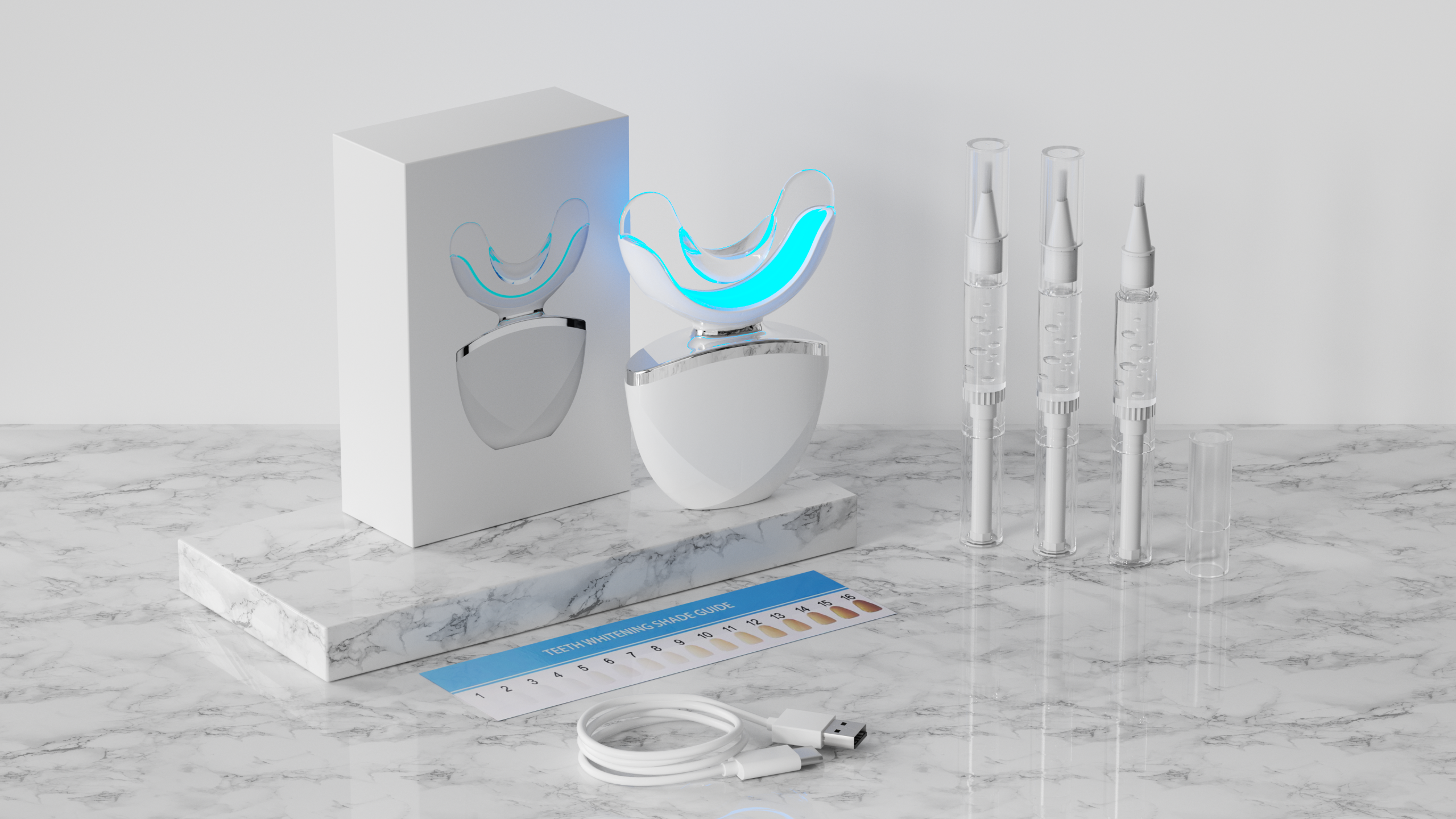
In recent years, the oral care segment has seen a surge in demand for home teeth whitening devices, driven by the consumer’s growing attention to aesthetics, health, and self-image. The market potential and growth of home teeth whitening continues to expand as consumers increasingly prefer at-home solutions that are both cost-effective and convenient. For oral care product brands, understanding what drives this trend — particularly the consumer psychology behind it — is essential. From a strategic oral care products factory perspective, aligning with these consumer needs opens up new avenues for product development, innovation, and market penetration. Understanding the Consumer Psychology: More Than Just White Teeth Personal confidence enhancement: A whiter smile is strongly associated with attractiveness, youthfulness, and professional appeal. Consumers believe that improving their teeth color can boost their self-confidence and social presence. Social media influence: In the age of selfies and video calls, visible appearance — especially smiles — has become a focus area for consumers of all ages. Health association: Many consumers equate white teeth with good health, even if that perception is largely aesthetic. These emotional motivators play a critical role in purchase decisions. Brands that tap into this mindset can better position their products for long-term success.…
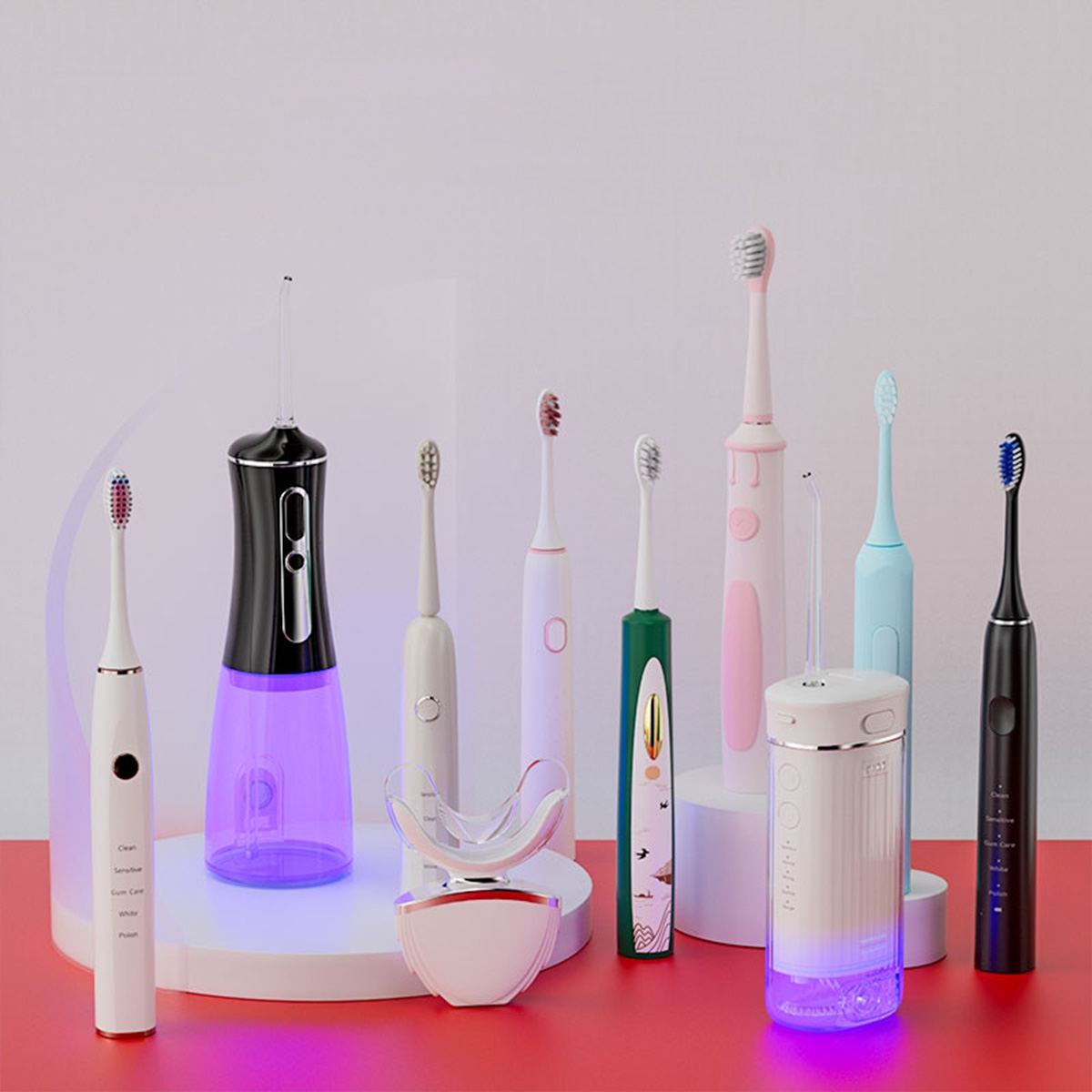
The global oral care industry is undergoing rapid transformation. With rising awareness of preventive dental hygiene, consumers no longer look for single-function products—they seek complete care solutions. This shift is creating exciting new opportunities for oral care brands. One such opportunity lies in offering Electric toothbrush & water flosser combination sets, a product format that not only meets diverse consumer needs but also helps increase the average transaction value. In this blog, we explore how scenario-based oral care product design, combined with strategic product bundling, is unlocking significant business potential for brands—and what this means from an oral care products factory perspective. The Market Potential of Oral Care: More Than Just Brushes and Flossers The market potential of oral care products is immense. According to industry research, global demand for electric toothbrushes and oral irrigators is growing at a CAGR of over 5%. However, what sets leading brands apart is not just quality—it's the ability to sell solutions, not just products. Consumers are upgrading: They’re moving from manual brushing to comprehensive oral care routines. Retailers want value packs: Multiproduct bundles lead to higher shelf presence and consumer spend. E-commerce favors sets: Online platforms reward bundled products with better visibility and upselling…
In recent years, water flosser technology trends have evolved rapidly, driven by consumers’ growing awareness of hygiene and health. One significant development is the integration of antibacterial water flosser technology into product design—especially the application and importance of UV sterilization systems for water tank disinfection. From an oral care products factory perspective, this innovation not only meets consumer expectations but also offers product differentiation opportunities for brands. Why Water Tank Hygiene Matters More Than Ever While water flossers are known for their effectiveness in removing food debris and reducing gingivitis, few users consider the cleanliness of the device itself. However, the water tank—which stores the liquid used for oral irrigation—can become a breeding ground for bacteria if not properly cleaned. Ensuring water tank hygiene assurance is no longer optional; it’s a necessity. This is especially relevant in humid or warm environments, where microbial growth is more likely. Poor hygiene in the tank can negate the benefits of using the device and potentially introduce pathogens into the mouth. The Importance of UV Sterilization in Water Flossers UV sterilization is a proven, chemical-free method to eliminate bacteria, viruses, and fungi. When integrated into a water flosser's design, UV light ensures the water tank stays clean between uses…
As B2B manufacturers and distributors in the oral care industry, ensuring the reliability and hygiene of water flossers is a top priority. A growing concern among users—and a crucial quality control point for suppliers—is reservoir mold growth and its potential to cause nozzle clogging. These issues not only impact user satisfaction but can lead to product returns, brand damage, and even health risks. In this blog, we explore the root causes, consequences, and solutions related to mold buildup in water flosser tanks and its impact on spray performance. How Does Mold Form in Water Flosser Reservoirs? The reservoir of a water flosser is a moist, enclosed environment—ideal conditions for microbial growth. When users fail to regularly clean and dry the tank, residual water combined with oral debris creates a perfect breeding ground for reservoir mold. Over time, fungal growth adheres to the inner walls and base of the tank, especially in hard-to-reach crevices, leading to hygiene hazards and operational issues. The Direct Link Between Reservoir Mold and Nozzle Clogging Mold growth doesn’t just affect the tank's cleanliness—it poses a mechanical risk. Once fungal spores or biofilm fragments break free, they travel with the water through the flosser’s internal tubing and…
When it comes to child safety, the materials used in kids' electric toothbrushes play a critical role. With increasing concern around material toxicity, parents are more cautious than ever, and brands that manufacture or supply children's oral care products must meet rising standards. For B2B buyers—whether you're sourcing for retail, OEM, or private label—understanding the safety implications of materials is no longer optional, it's essential. Why Child-Specific Material Standards Matter Children’s oral tissues are more sensitive, and their immune systems less developed than adults'. A brush head made from substandard plastic or pigment may leach harmful chemicals into the mouth during brushing. This is especially risky for children who tend to chew on brush heads. That’s why child safety begins with choosing certified, non-toxic, BPA-free, and phthalate-free materials that are compliant with FDA, LFGB, or EU EN71 standards. Common Risks: What Does “Material Toxicity” Really Mean? The term material toxicity refers to the potential for a material to release harmful substances under normal or stressed use. In kids' toothbrushes, this can involve: Plasticizers like DEHP used in flexible components Heavy metals in colored plastics or paint Low-grade adhesives that release formaldehyde Flavored coatings that don’t meet food-grade standards These substances…
.jpg)
As global travel resumes and consumers become more health-conscious, the demand for travel-friendly water flosser has surged. Modern users are no longer satisfied with bulky home-only devices. Instead, they seek portable designs that match their on-the-go lifestyles—whether for business trips, vacations, or remote work. This shift reflects a broader personal care industry consumption upgrade, where convenience, smart features, and aesthetic appeal now matter as much as performance. From a brand’s point of view, this is a strategic opportunity—but only if the right oral care products factory can be found to turn concept into reality. Foldable Nozzles & Compact Structure: Innovation for Portability One of the most significant trends in portable design is the use of foldable or retractable nozzles. These minimize storage space, reduce leakage risk, and enhance user experience during travel. Some factories are already developing all-in-one compact models that collapse into palm-sized units, making them ideal for carry-on luggage or handbags. For brands looking to launch new SKUs, partnering with a factory that can provide engineering solutions for these foldable designs is essential. Globally Voltage-Compatible Solutions: A Must for International Markets Nothing frustrates international users more than incompatible charging systems. That’s why forward-thinking manufacturers are now integrating globally voltage-compatible solutions, allowing water flossers to operate…
When electric toothbrushes exhibit brush shedding—that is, filaments falling out prematurely—and simultaneous sensor failure, the problem may be deeper than just poor-quality materials. These two faults are often interconnected, and for B2B buyers sourcing private-label or OEM dental devices, the hidden risks behind such issues deserve close attention. This article explores six essential dimensions of this dual failure mode, and how manufacturers can proactively prevent it through better design, testing, and material selection. What Is Brush Shedding and Why Does It Matter? Brush shedding refers to the premature detachment of bristles from the brush head. In commercial-grade devices, shedding is more than a cosmetic or hygienic problem—it signals quality inconsistency, compromised bonding, or mechanical instability. Excessive shedding not only shortens product lifespan but can lead to consumer distrust, especially if loose filaments are swallowed or cause gum irritation. Furthermore, shedding can interfere with optical or pressure sensors inside the brush that rely on stable bristle density to gauge brushing force or angle. How Brush Shedding Leads to Sensor Malfunction The correlation between brush shedding and sensor failure lies in physical and signal disruption: Pressure Sensors: These sensors often rely on even force distribution through the bristles. As filaments fall out,…
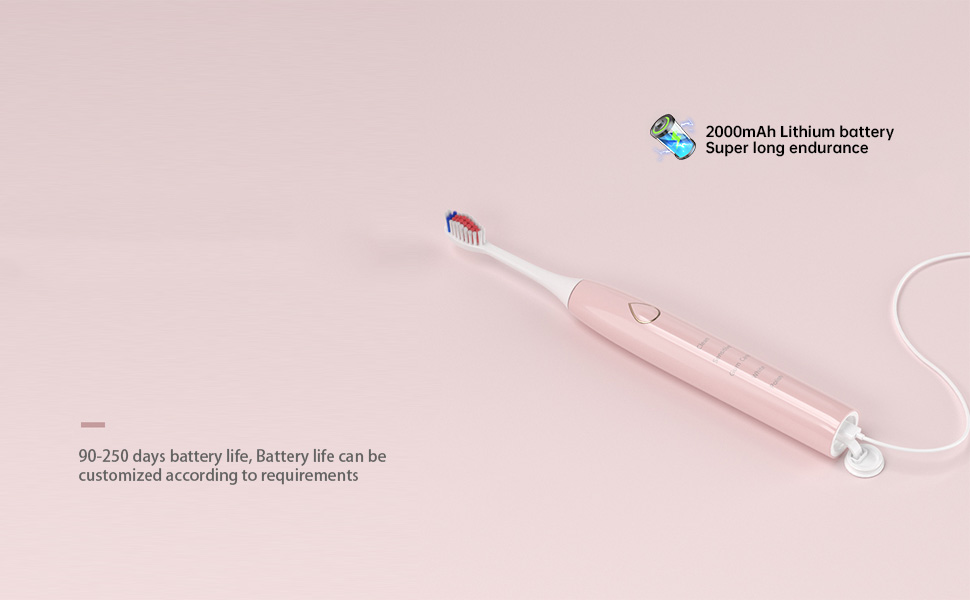
In today’s rapidly evolving personal care industry, consumer expectations are shifting. With the ongoing consumption upgrade, high-end users now demand not only superior cleaning performance but also long-lasting battery life from their devices. This is especially true for the high-premium oral care products market, where convenience and reliability are essential. This article explores how long-endurance electric toothbrushes are becoming the new standard in the premium segment—and what role factories and manufacturers must play in meeting this demand. The Growing Demand for Long-Endurance Electric Toothbrushes Consumers are no longer satisfied with electric toothbrushes that require frequent recharging. Market research shows a strong preference for models that can operate for 30 to 90 days on a single charge. This trend is particularly significant in the high-premium oral care products market, where travelers, busy professionals, and tech-savvy users demand reliable, long-lasting performance. From a factory perspective, this shift represents both a challenge and an opportunity to differentiate through battery technology and innovation. Lithium Battery Capacity Options: Balancing Power and Form Factor One of the core technical components behind long-endurance electric toothbrushes is the battery itself. Manufacturers must carefully select from various lithium battery capacity options, ranging from 600mAh to over 2000mAh, depending on product design, size constraints,…
The global personal care industry is undergoing a shift. Consumers are no longer just looking for functional products—they are investing in experiences that reflect a lifestyle of self-respect and elevated standards. This consumption mindset, often described as the business idea of “Treating Yourself Well,” is rapidly influencing the oral care consumption upgrade trend. From smart electric toothbrushes to spa-like oral irrigators, oral care is becoming a premium and personalized wellness category.But how can oral care brands turn this shift into a competitive advantage? The answer lies in working closely with a manufacturing partner who understands both the emotional appeal of High-premium oral care products and the practicalities of product development. Here's how to bring this vision to life. Understand the Essence of “Treating Yourself Well” in Oral Care At its core, the business idea of Treating Yourself Well means designing oral care products that go beyond hygiene—they must offer comfort, personalization, and a sense of luxury. High-end packaging, smart features, skin-safe materials, and ergonomic design are all part of the user experience that supports this philosophy. These aren't just toothbrushes or flossers—they're lifestyle accessories. From an oral care products factory perspective, this requires a deep understanding of consumer psychology and the ability to align…
When an electric toothbrush’s internal components succumb to motor corrosion, the resulting debris and altered electrical pathways can interfere with the device’s Bluetooth radio, leading to intermittent app connectivity or complete pairing failures. Six moisture damage pathways cascade into wireless communication failures. How Motor Corrosion Develops in Oral-Care Devices First, it’s crucial to understand why motors corrode in the oral‐care environment: Moisture Ingress: Even with IPX ratings, repeated exposure to water—especially hot, soapy water used for cleaning—can overwhelm seals, allowing condensation to reach motor windings. Electrochemical Reactions: Saliva residue and toothpaste chemicals create a humid, slightly acidic atmosphere inside the handle; over time, metal components oxidize. Material Vulnerabilities: Motors with unprotected steel shafts or low-grade copper windings lack corrosion inhibitors, making them prime targets for rust and pitting. Once corrosion begins, it accelerates as moist ions migrate through micro‐cracks, undermining the motor’s mechanical and electrical integrity. Corrosion’s Direct Impact on Motor Performance Next, consider how corrosion transforms motor behavior under load: Increased Electrical Resistance: Rust build-up on coils elevates resistance, forcing the motor to draw higher current to maintain torque—and generating more heat. Mechanical Jamming: Corroded bearings or shaft surfaces create frictional drag, causing irregular rotational speeds and vibration spikes.…
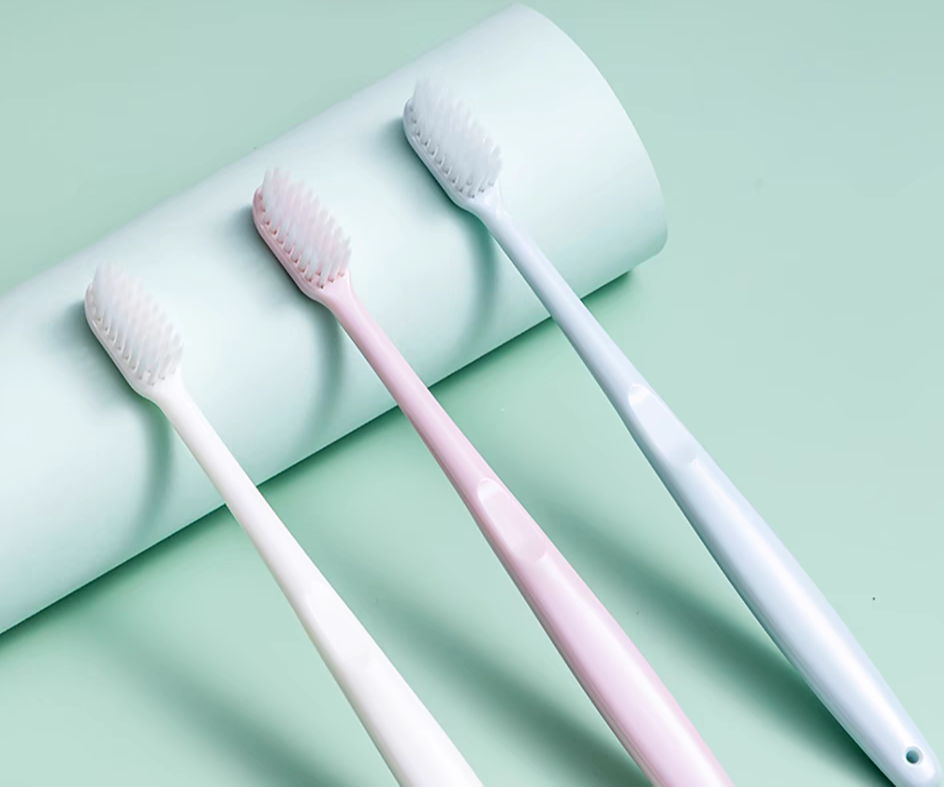
As oral care devices become more personalized and technology-driven, electric toothbrush head customization is gaining traction, especially among brand owners and private label clients. For OEMs and B2B buyers, understanding the range of customization options available is essential to meeting diverse consumer demands. In this blog, we explore the complete toothbrush head OEM solution, covering materials, structure, compatibility, and performance — to help you develop a product line that stands out in today’s competitive oral care market. OEM Customization Options: Materials, Shape, and Branding A successful toothbrush head OEM project starts with selecting the right materials and defining core parameters. Manufacturers can customize: Head shape (round, oval, diamond-cut) Base material (ABS, PP, or eco-friendly alternatives) Color schemes to align with brand identity Logo imprinting on the neck or base of the brush head By offering complete control over design and aesthetics, OEM partners can help businesses establish unique product lines. Nylon Wire Specifications: Performance Meets Comfort The type of bristles used greatly influences brushing efficiency and comfort. Customizing nylon wire specifications involves selecting: Diameter (commonly 0.15mm to 0.22mm) Hardness (soft, medium, or hard) Tip processing (tapered, end-rounded, polished) Material types (Dupont Tynex®, PBT, antibacterial filaments) Adjusting bristle specs not only supports brand differentiation but also tailors the user experience for different…


.jpg)
.jpg)
.jpg)
.jpg)
.jpg)






.jpg)
.jpg)
.jpg)