Info Center
  • How to Choose a Professional ultraviolet sterilized water flosser Manufacturer?

    With the rapid evolution of oral hygiene technologies, the UVC sterilized water flosser has become a standout product in the global market. As consumers demand higher levels of cleanliness and smart features, oral care brands are seeking reliable partners to bring these advanced solutions to life. For any company aiming to enter or expand in this space, choosing the right water flosser factory is crucial. In this article, we provide a comprehensive guide to help brand owners and sourcing managers make informed decisions when selecting a professional ultraviolet sterilized water flosser manufacturer. From product capability and quality standards to OEM services and production scale, we cover all key factors. Understand the Core Capabilities of the Manufacturer Before partnering with any water flosser factory, it's important to evaluate their core competencies: Do they have experience in oral care manufacturing? Can they handle UVC sterilization technology effectively? Do they offer a full range of water flosser manufacturing services, from tooling to assembly? A professional manufacturer should demonstrate in-depth technical expertise, especially in the integration of UVC sterilization modules — a critical and safety-sensitive component in modern water flossers. Evaluate the Manufacturer's OEM and Customization Capabilities For brands looking to stand out, finding a partner that offers…

    2025-06-16
  • How to Find an Electric Toothbrush Factory with Strong Comprehensive Capabilities

    As global demand for high-quality oral care devices continues to grow, more brands are looking to sourcing electric toothbrush factories that can offer full-spectrum support—from product design to mass production. Whether you're a startup brand or an established oral care company, finding a factory with strong comprehensive capabilities is crucial for ensuring product quality, consistency, and market success. This guide will help you identify the key qualities to look for in an electric toothbrush factory, and what makes a manufacturer stand out in the competitive oral care OEM and electric toothbrush ODM space. Define Your Business Needs First Before you begin searching for a manufacturing partner, it's essential to clearly define your needs. Are you looking for a partner who can support you through end-to-end electric toothbrush manufacturing, or are you only looking for a white-label solution? Here are a few points to consider: Customization needs (design, features, packaging) Product volume and scale (MOQ and production capacity) Certifications and compliance (FDA, CE, RoHS, ISO, etc.) Support for branding and private labeling Clarifying these aspects helps narrow down the list of suitable electric toothbrush ODM or OEM factories. Key Qualities of a Factory with Strong Comprehensive Capabilities When evaluating an electric toothbrush factory, prioritize those with proven, broad capabilities across…

    2025-06-16
  • Can Short Tank Runtime Delay Oral Ulcer Care?

    In the development and manufacturing of oral care devices, especially water flossers and similar equipment, ensuring long and reliable usage time is vital. However, Short Tank Runtime remains a common issue in many products, directly affecting their usability and effectiveness. For users managing sensitive oral conditions such as Oral Ulcers, this problem can become more than an inconvenience—it can compromise care quality. This article explores how short tank capacity impacts oral ulcer treatment, the causes behind this issue, and what manufacturers can do to resolve it. Why Short Tank Runtime Matters in Oral Ulcer Care Oral Ulcers require special attention during daily cleaning routines. These small but painful sores can worsen with improper hygiene or insufficient cleaning, leading to delayed healing and potential infections. When a water flosser suffers from Short Tank Runtime, the device may not provide sufficient continuous water flow to properly rinse the ulcer area. This interruption forces users to stop mid-cleaning to refill the tank, breaking the cleaning process and potentially leaving bacteria or food particles behind. Inadequate rinsing due to runtime limitations may reduce the effectiveness of oral ulcer treatment and prolong discomfort or recovery times. Causes of Short Tank Runtime in Water Flossers Several…

    2025-06-13
  • Why Does Poor Cleaning Leave Fiber Residue?

    In the competitive field of personal care and electronic product manufacturing, maintaining component cleanliness is not just a matter of aesthetics—it’s a crucial factor affecting product performance and customer satisfaction. One persistent challenge many manufacturers face is Fiber Residue resulting from Poor Cleaning processes. This unnoticed issue can lead to quality defects, reduced durability, and even functional failure in final products. In this article, we will explore the causes, consequences, and solutions related to fiber residue caused by inadequate cleaning procedures. Understanding Fiber Residue in Manufacturing Fiber Residue refers to tiny threads or lint particles that remain on product surfaces after manufacturing or assembly. These fibers can originate from various sources such as operator gloves, cleaning cloths, packaging materials, or environmental dust. When Poor Cleaning practices fail to remove these fibers, they remain embedded in device joints, surfaces, or inner components—posing both cosmetic and functional problems. In high-precision industries such as electronics, oral care devices, and medical tools, even microscopic fiber residues can negatively impact device sealing, heat dissipation, or movement tolerances. Causes of Poor Cleaning in Production Lines Several common factors contribute to Poor Cleaning and the resulting accumulation of Fiber Residue: Inadequate Cleaning Equipment: Using outdated or inefficient…

    2025-06-13
  • Comparison of Sonic Vibration and Rotary Electric Toothbrush Technology

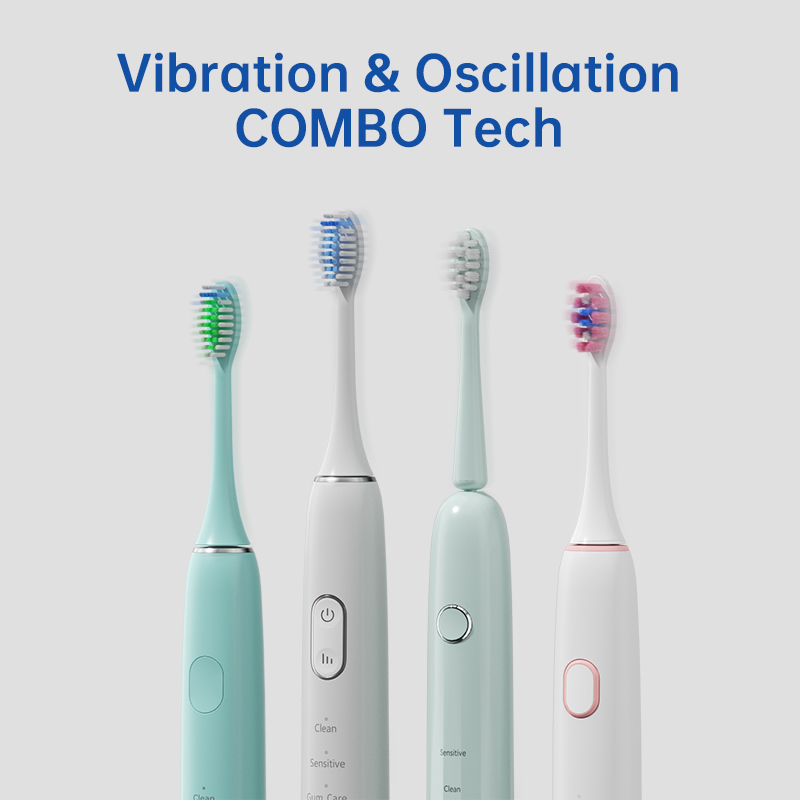
    As the global demand for electric toothbrushes continues to grow, selecting the right technology for your brand’s product line is more critical than ever. Whether you are launching a new oral care brand or expanding your existing portfolio, understanding the differences between sonic vibration and rotary vibration technology is essential for aligning with both market trends and user expectations. This technology comparison will explore the performance, user experience, and manufacturing implications of both electric toothbrush vibration technologies, helping brand owners make informed sourcing decisions. https://www.powsmart.com/product/electric-toothbrush/ Overview of Electric Toothbrush Vibration Technologies In the electric toothbrush market, two main types of vibration mechanisms dominate: comparison of sonic vibration and rotary vibration technology. Sonic Vibration uses high-frequency side-to-side movements—usually at 20,000 to 40,000 strokes per minute. This technology relies on fluid dynamics to clean beyond direct contact, reaching between teeth and along the gumline. Rotary Vibration Technology involves oscillating or rotating brush heads, typically at a lower frequency (around 5,000 to 10,000 rotations per minute). These brushes often clean by direct mechanical action and are particularly effective at polishing tooth surfaces. Understanding these foundational differences is the first step in evaluating product strategy and manufacturing options. Cleaning Efficiency and User Experience From a consumer perspective, both technologies offer…

    2025-06-13
  • Do Noisy Water Flossers Pose Aspiration Risk?

    As water flossers continue to grow in popularity across global markets, manufacturers are focusing not only on cleaning performance but also on the safety and user experience of these devices. Two often-overlooked but critically linked factors are Excessive Noise and the potential for Aspiration Risk. While noise levels may seem like a minor inconvenience at first glance, excessive sound can directly contribute to unsafe usage conditions—especially among sensitive user groups. This article explores how these two issues are related, and why B2B suppliers should pay close attention. The Relationship Between Excessive Noise and Aspiration Risk Excessive Noise produced by water flossers can lead to multiple unintended consequences, one of which is the increased possibility of Aspiration Risk—the accidental inhalation of water droplets or debris into the respiratory tract. When a device operates loudly, it can startle or distract the user, disrupting the careful coordination required to maintain correct oral posture during use. For elderly users, children, or individuals with reduced motor control, this distraction can make it easier to lose concentration or improperly tilt the device, raising the likelihood of aspiration incidents. Therefore, manufacturers cannot ignore the link between noise output and user safety. Causes of Excessive Noise in Water…

    2025-06-13
  • How to Avoid Legal Risks in the OEM Process of Electric Toothbrushes

    As demand for smart and innovative oral care products continues to rise, many brands are turning to electric toothbrush OEM cooperation to speed up production and enhance competitiveness. However, engaging in OEM partnerships without a proper risk assessment and preventive measures can lead to serious legal consequences, including quality risk and intellectual property risk. In this blog, Powsmart offer a comprehensive guide to help brands identify and avoid legal risks in the OEM process and share best practices to mitigate them. Clarify Contractual Obligations from the Beginning One of the most common legal pitfalls in OEM cooperation stems from vague or incomplete contracts. All terms—including product specifications, pricing, delivery timelines, quality standards, and penalties for non-compliance—should be explicitly defined. Key preventive measures: Use bilingual contracts if working with overseas factories. Specify testing standards and inspection responsibilities. Include confidentiality and exclusivity clauses when necessary. Clear contracts serve as the foundation for legal protection and reduce the possibility of disputes later in the manufacturing process. Conduct a Thorough Risk Assessment of the Manufacturer Before entering into a partnership, brands must perform due diligence to identify and avoid Legal Risks associated with the chosen OEM factory. A surface-level evaluation is not enough. Factors to assess include: Legal registration and…

    2025-06-13
  • Can Unstable Vibration Worsen Tooth Sensitivity?

    In the highly competitive world of oral care device manufacturing, ensuring product comfort and safety is essential to maintaining brand credibility and customer satisfaction. Two critical factors that directly impact user experience are Tooth Sensitivity and Unstable Vibration. When a sonic toothbrush exhibits inconsistent vibration patterns, it may not only reduce cleaning efficiency but also exacerbate tooth sensitivity issues for end-users. This article explores how these factors are interrelated and what manufacturers must consider to mitigate potential risks. Understanding Tooth Sensitivity in the Context of Oral Care Devices Tooth Sensitivity refers to discomfort or pain that occurs when teeth are exposed to certain stimuli such as cold, heat, pressure, or vibrations. Users with enamel erosion, gum recession, or exposed dentin are particularly vulnerable to this problem. For these individuals, even standard oral care routines can trigger unpleasant sensations if not carefully managed by the product design. Sonic toothbrushes are designed to deliver high-frequency vibrations for effective plaque removal. However, when these vibrations become Unstable, they may deliver uneven forces to the tooth surface, contributing to microscopic enamel wear or nerve irritation, ultimately worsening Tooth Sensitivity. Causes of Unstable Vibration in Electric Toothbrushes Unstable Vibration in toothbrushes usually stems from design…

    2025-06-13
  • What Services Can Electric Toothbrush Manufacturers Provide in Terms of After-Sales Service for Their Products?

    In today’s competitive oral care market, product quality alone is not enough. For brands working with an electric toothbrush manufacturer, comprehensive and reliable after-sales service is essential to build long-term trust with consumers. Especially in electric toothbrush OEM partnerships, strong post-sale support can enhance brand reputation, minimize return rates, and boost customer satisfaction. This blog outlines the core after-sales service content and commitment a professional manufacturer should offer to brand partners. Warranty Coverage and Service Timelines A reliable electric toothbrush manufacturer will offer clear warranty terms that protect both the brand and the end consumer. Key elements include: Standard warranty period (usually 12–24 months depending on product type) Coverage for manufacturing defects, battery issues, and electronic failures Clear service timelines, with commitments to respond to warranty claims within a defined period (e.g., 48 hours) This transparency helps OEM partners confidently communicate with end users and reduce disputes. After-Sales Maintenance and Technical Support Plan for Electric Toothbrushes Maintenance and technical support are critical components of a manufacturer’s after-sales infrastructure. A good after-sales maintenance and technical support plan for electric toothbrushes may include: Repair services or product replacement protocols for defective units Remote troubleshooting and firmware updates (especially for smart toothbrushes) Spare parts provision: replacement brush heads, batteries, or charging…

    2025-06-13
  • Research on Consumers’ Preferences for the Functions and Prices of Electric Toothbrushes – From the Perspective of Suppliers

    In today’s increasingly competitive personal care market, consumers' preferences of electric toothbrushes are becoming more discerning, not only about the features of the product but also the price point. For brands and suppliers aiming to remain competitive and relevant, it is essential to understand how consumers weigh functions and prices of electric toothbrushes in their purchasing decisions. This blog provides a strategic look at demand preference and analysis, helping brands align with the right electric toothbrush manufacturer who can meet evolving market expectations. Core Consumer Expectations: Smart, Efficient, and Affordable Modern consumers prioritize electric toothbrushes that are not just effective, but also intelligent and user-friendly. Based on recent consumer research, the most requested features include: Multiple brushing modes (sensitive, whitening, gum care) Smart timers and pressure sensors Long battery life and fast charging Quiet operation and compact design However, while many users desire advanced features, a large portion of consumers' preferences of electric toothbrushes remain price-sensitive. This is where the balance between functionality and affordability becomes crucial in product planning and sourcing. Demand Preference and Analysis: Features vs. Cost Demand preference and analysis reveal three major consumer segments: Premium Users: Willing to pay over $80 for AI-enabled brushes, Bluetooth connectivity, and ultra-sonic vibration technology. Mid-Market Consumers:…

    2025-06-13
  • Why Do Design Flaws Cause Gum Injury in Water Flossers?

    In the development and manufacturing of oral care devices such as water flossers, two critical concerns often overlooked by many brands are Design Flaw and the resulting risk of Gum Injury. While these products are intended to improve dental hygiene and user comfort, improper design choices can inadvertently harm sensitive gum tissue. This risk not only impacts end-user health but also poses severe challenges to manufacturers in terms of product liability, brand reputation, and market competitiveness. The Connection Between Design Flaws and Gum Injury A Design Flaw in a water flosser can manifest in several ways, including incorrect nozzle shape, improper water pressure calibration, and inadequate control interfaces. These flaws may lead to excessive water force or an uneven spray pattern that directly impacts the gums, causing tissue irritation, bleeding, or long-term sensitivity—collectively known as Gum Injury. For example, if the nozzle tip is too sharp or angled improperly, it may focus pressure on a narrow gum area, increasing the risk of damage. Similarly, if water pressure levels are poorly regulated, even a brief exposure to an overpowered jet can injure soft gum tissue, particularly for users with sensitive or receding gums. Common Design Flaws Leading to Gum Injury Several…

    2025-06-12
  • How Do High-Quality Electric Toothbrushes Enhance the Brand Image of Oral Care?

    In today’s competitive oral care market, brand differentiation is more important than ever. Consumers are not just looking for basic hygiene—they’re looking for smart, effective, and safe oral care solutions that reflect modern health values. For brand owners, partnering with the right oral care product manufacturer is critical. High-quality electric toothbrushes are no longer optional—they are strategic assets that can enhance the brand image of oral care, attract loyal customers, and justify a premium price. Scientific Cleaning Power + Gingival Protection: Why It Matters Modern consumers are increasingly aware of the importance of gum health and deep cleaning. A high-quality electric toothbrush must deliver both scientific cleaning power + gingival protection technology. This means: Advanced motor performance for efficient plaque removal Soft, adaptive brush heads to avoid gum damage Pressure sensors to alert users to excessive force By delivering more scientific and effective oral health solutions, your product will naturally rise above low-end, generic alternatives. Consumers associate these features with quality and reliability—two cornerstones of strong brand identity. Stand Out: Different from Low-End Competitors Mass-produced, low-cost electric toothbrushes flood the market, but they often fail to meet real user needs. They may look similar on the outside, but lack the internal…

    2025-06-12
  • How Do Dock Failure and Battery Swelling Threaten Safety?

    In the landscape of modern consumer and professional electronics, two hardware concerns are becoming increasingly critical—Dock Failure and Battery Swelling. While often regarded as separate reliability issues, these malfunctions can work in tandem to compromise device performance and user safety. From portable grooming tools to medical diagnostics equipment, manufacturers must recognize how these risks interact and what they imply for overall product safety in demanding real-world use scenarios. Understanding Dock Failure: More Than Just a Connection Problem Dock Failure refers to the malfunction of the charging dock or connection base that facilitates power transfer and often data synchronization. Causes range from poor contact design and corrosion to mechanical wear or foreign matter ingress. In B2B use cases, docks are often subjected to repeated cycles of docking and undocking, increasing the chances of degraded alignment or loose connections over time. When a dock fails, not only does it interrupt charging, but it can also lead to unexpected power drops, incomplete firmware updates, and unsafe charging conditions—especially if the dock fails mid-cycle. The situation becomes more severe when Battery Swelling is involved, compounding both mechanical and thermal stresses. What Triggers Battery Swelling? Battery Swelling occurs when a lithium-ion battery builds up internal…

    2025-06-12
  • The Advantages of the Brush Head Subscription Service for Oral Care Brand Growth

    With the rising awareness of dental hygiene and the growing adoption of electric toothbrushes, oral care brands are actively seeking new ways to build loyalty and grow sustainably. One of the most effective strategies in recent years is the brush head subscription service. More than just a convenience, it represents a long-term opportunity for oral care brand growth, boosting both customer retention and brand visibility. In this article, we will explore the advantages of the brush head subscription service, and how it can help increase brand influence and sales in an increasingly competitive market. What Is the Brush Head Subscription Service? A brush head subscription service is a business model where users receive new replacement heads for their electric toothbrushes automatically, typically every 3 months. This service eliminates the hassle of remembering to replace brush heads and ensures customers maintain optimal oral hygiene. Brands offering this service can integrate it directly into their e-commerce platforms, apps, or even through third-party marketplaces. When combined with a high-quality oral care product manufacturer, the subscription model can become a seamless part of the customer’s oral care routine. Advantages of the Brush Head Subscription Service for Oral Care Brands A. Recurring Revenue & Predictable Sales One…

    2025-06-12
  • The Ultimate Checklist for Evaluating an Oral Care Product Manufacturer

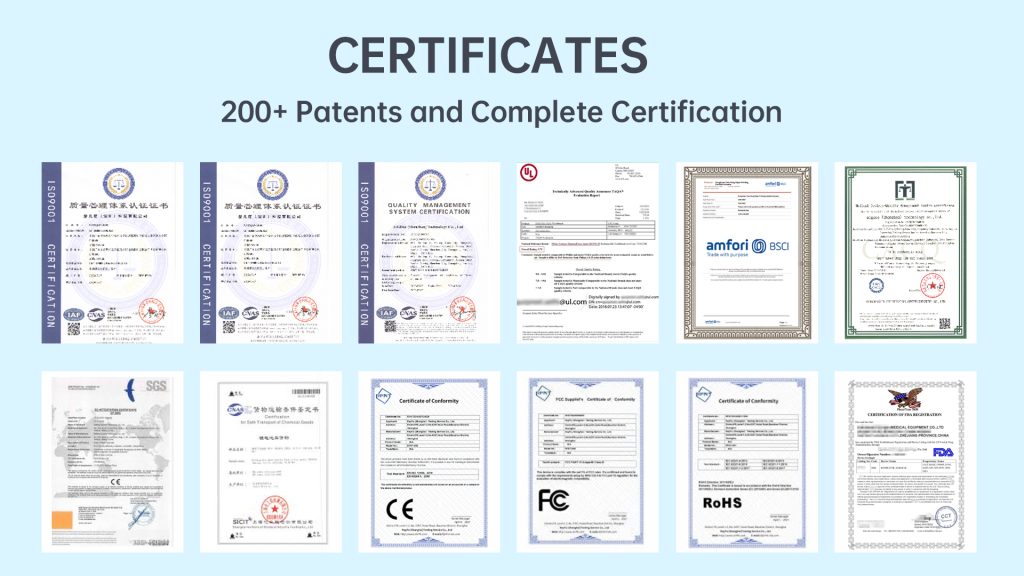
    In the highly competitive oral care market, finding the right Oral Care Product Manufacturer is critical for any brand seeking to deliver safe, effective, and market-ready products. Whether you’re launching a new line of electric toothbrushes, oral irrigators, or whitening solutions, the choice of manufacturing partner can determine your product’s success—or failure. To streamline your decision-making process, we’ve created the ultimate checklist for evaluating a manufacturer, helping you identify quality dental suppliers who can act as your reliable OEM partner. Certification and Compliance: Look for an FDA-Certified Factory The first item on your checklist should be regulatory compliance. A reputable manufacturer should operate an FDA-certified factory and adhere to ISO standards relevant to medical or oral care devices (e.g., ISO 13485 for medical-grade production). What to check: FDA registration or certification documentation ISO certifications (especially ISO 13485 or ISO 9001) CE, RoHS, or other region-specific compliance (if targeting global markets) These certifications ensure that the manufacturer meets the legal and hygiene standards required to produce oral care products safely. Manufacturing Capabilities and Specialization Not every factory that makes beauty or healthcare products is optimized for oral care. You need a manufacturer that specializes in producing oral care devices such as electric toothbrushes or oral…

    2025-06-12
  • How Oral Care Brands Can Expand Product Line Strategically

    In today’s competitive market, oral care brands must constantly innovate to remain relevant. With increasing consumer demand for comprehensive dental solutions, oral care product expansion is no longer optional—it’s a strategic imperative. From electric toothbrushes to trending oral devices like water flossers, tongue scrapers, and whitening tools, diversification opens the door to new market segments, higher customer retention, and stronger brand positioning. This blog will explore how dental brands can expand product line strategically, supported by smart OEM/ODM collaboration, and align with current market trends for long-term growth. Analyze Market Trends and Consumer Needs Before introducing new products, brands must begin with thorough market trend analysis. The oral care market is shifting rapidly due to factors like: Growing awareness of preventive dental care Rising demand for smart and connected devices Interest in eco-friendly and travel-friendly oral hygiene products Tracking trending oral devices—such as ultrasonic toothbrushes, cordless oral irrigators, and UV sterilizers—can reveal untapped opportunities. Matching these trends with specific consumer pain points ensures your product development is need-driven rather than guesswork. Identify Strategic Gaps in Your Current Product Line Successful dental brand diversification requires more than simply adding more SKUs. Brands should evaluate their current offerings to identify: Missing categories (e.g., floss alternatives…

    2025-06-12
  • Do Bluetooth Disconnect and Stream Splitting Affect Device Precision Together?

    In today’s smart electronic devices—whether in personal care, medical equipment, or industrial tools—two frequently underestimated problems, Bluetooth Disconnect and Stream Splitting, can silently compromise device precision. These issues, when occurring separately, already pose performance challenges; when they appear together, they create a hidden but serious threat to the accuracy and reliability of data transmission, sensor feedback, and user control. Manufacturers must understand this dual risk to ensure consistent product quality and maintain customer trust. What is Bluetooth Disconnect? Bluetooth Disconnect refers to the unexpected interruption of wireless communication between devices, such as a main unit and its controller, a smartphone, or other smart accessories. Such disconnections can be triggered by signal interference, insufficient firmware stability, or limited antenna performance. When Bluetooth Disconnect happens during real-time data exchange—like streaming sensor readings or sending control commands—the device may enter error states, lose synchronization, or require a reset. In high-precision products like health monitors, grooming devices, or smart industrial tools, these disruptions directly reduce functional accuracy. Understanding Stream Splitting Stream Splitting is a less obvious but equally dangerous issue, describing the unintentional separation or fragmentation of a continuous data stream into disjointed packets or signals. This may result from bandwidth overload, buffer mismanagement,…

    2025-06-12
  • How Do Indicator Error and Seal Deterioration Mislead Users?

    In the world of electronic and electro-mechanical devices, two often-overlooked factors—Indicator Error and Seal Deterioration—can silently mislead users, resulting in improper operation, reduced product trust, and premature failure. For OEM and ODM manufacturers, understanding the interaction of these two failure modes is essential for improving user experience and maintaining product reliability. Surprisingly, these issues not only affect functionality but also influence customer perception and satisfaction. Understanding Indicator Error Indicator Error refers to the failure or inaccuracy of status indicators—such as LEDs, display screens, or battery level indicators—which are designed to inform users of a device’s operational or charging state. When these indicators provide false or misleading information (e.g., showing full charge when the battery is low), users can make incorrect decisions such as overusing, undercharging, or mishandling the product. Such errors often stem from sensor malfunction, aging components, firmware bugs, or environmental stress such as heat and moisture. In battery-powered or liquid-resistant products, these mistakes become more critical because they may mask internal problems like Seal Deterioration. What is Seal Deterioration? Seal Deterioration describes the gradual loss of effectiveness in gaskets, O-rings, adhesives, or molded joints that protect the device's internals from water, dust, and other contaminants. This degradation occurs…

    2025-06-12
  • Can Charging Overheat Worsen Joint Leakage?

    In the manufacturing of modern electronic and electro-mechanical devices, unexpected failures such as Charging Overheat and Joint Leakage can greatly reduce product reliability and shorten service life. Although these two issues appear to belong to different system domains—thermal management versus sealing integrity—they are in fact closely interrelated. For OEM and ODM manufacturers, understanding this hidden connection is critical to preventing costly after-sales failures and maintaining customer satisfaction. What is Charging Overheat? Charging Overheat occurs when a device's battery or charging circuit generates excessive heat during the charging process. This heat can be the result of design inefficiencies, poor component quality, or misuse by the end-user—such as charging in a high-temperature environment or using incompatible chargers. Excessive heat during charging not only threatens battery safety but also impacts surrounding structural components, especially plastic joints, seals, and adhesives that are sensitive to temperature rise. Understanding Joint Leakage Joint Leakage refers to the loss of sealing effectiveness at the device's assembly seams, gaskets, or bonded areas. Leakage points often allow moisture, dust, or other contaminants to enter the device interior, potentially damaging sensitive electronics or reducing mechanical performance. For devices like electric toothbrushes, grooming appliances, or medical instruments, maintaining watertight or airtight joints…

    2025-06-11
  • How Do Handle Cracking and Connector Corrosion Affect Device Lifespan?

    In the manufacturing of consumer electronics and precision appliances, problems such as Handle Cracking and Connector Corrosion are often underestimated, yet they play a critical role in determining the overall lifespan and reliability of the device. For OEM and ODM partners, understanding how these two failure modes impact product durability is essential to optimizing design, reducing warranty claims, and maintaining market competitiveness. What is Handle Cracking? Handle Cracking refers to the development of visible or internal fractures in the plastic, rubber, or composite material used in the handle of a device. This issue is common in products that are subjected to repeated mechanical stress, exposure to moisture, UV radiation, or temperature cycling. When cracks form in the handle structure, they compromise both the mechanical strength and the sealing capability of the device. Over time, handle cracking can lead to water ingress, contamination of internal components, or a loss of structural integrity—all factors that contribute to premature product failure. The Risks of Connector Corrosion Connector Corrosion occurs when metal contacts in electrical connectors are exposed to moisture, salts, or corrosive environments. This leads to oxidation or material degradation that increases electrical resistance, causes intermittent connections, or even total circuit failure. Connector…

    2025-06-11