
In the competitive field of personal care and electronic product manufacturing, maintaining component cleanliness is not just a matter of aesthetics—it’s a crucial factor affecting product performance and customer satisfaction. One persistent challenge many manufacturers face is Fiber Residue resulting from Poor Cleaning processes. This unnoticed issue can lead to quality defects, reduced durability, and even functional failure in final products. In this article, we will explore the causes, consequences, and solutions related to fiber residue caused by inadequate cleaning procedures.
Fiber Residue refers to tiny threads or lint particles that remain on product surfaces after manufacturing or assembly. These fibers can originate from various sources such as operator gloves, cleaning cloths, packaging materials, or environmental dust. When Poor Cleaning practices fail to remove these fibers, they remain embedded in device joints, surfaces, or inner components—posing both cosmetic and functional problems.
In high-precision industries such as electronics, oral care devices, and medical tools, even microscopic fiber residues can negatively impact device sealing, heat dissipation, or movement tolerances.
Several common factors contribute to Poor Cleaning and the resulting accumulation of Fiber Residue:
Failure to eliminate Fiber Residue due to Poor Cleaning can lead to multiple product risks:
These effects not only result in product returns or customer complaints but can also lead to costly rework or recalls in severe cases.
The financial consequences of Poor Cleaning extend far beyond the factory floor:
Thus, what may seem like a minor cleaning oversight can have a major impact on profitability and long-term customer relationships.
To eliminate Fiber Residue caused by Poor Cleaning, manufacturers should adopt comprehensive countermeasures:
These steps not only improve product quality but also reduce the hidden costs of rework and complaints.
The problem of Fiber Residue due to Poor Cleaning highlights the importance of meticulous attention to production environment and process design. Manufacturers who overlook this detail risk undermining the functionality, durability, and market reputation of their products. Conversely, those who prioritize fiber-free manufacturing not only improve product reliability but also enhance customer trust and competitiveness in the B2B marketplace.
For suppliers aiming at premium markets such as medical devices, oral care electronics, or high-precision tools, mastering cleaning processes is no longer optional—it is essential for long-term success.Contact us
.jpg)
-1024x1024.jpg)
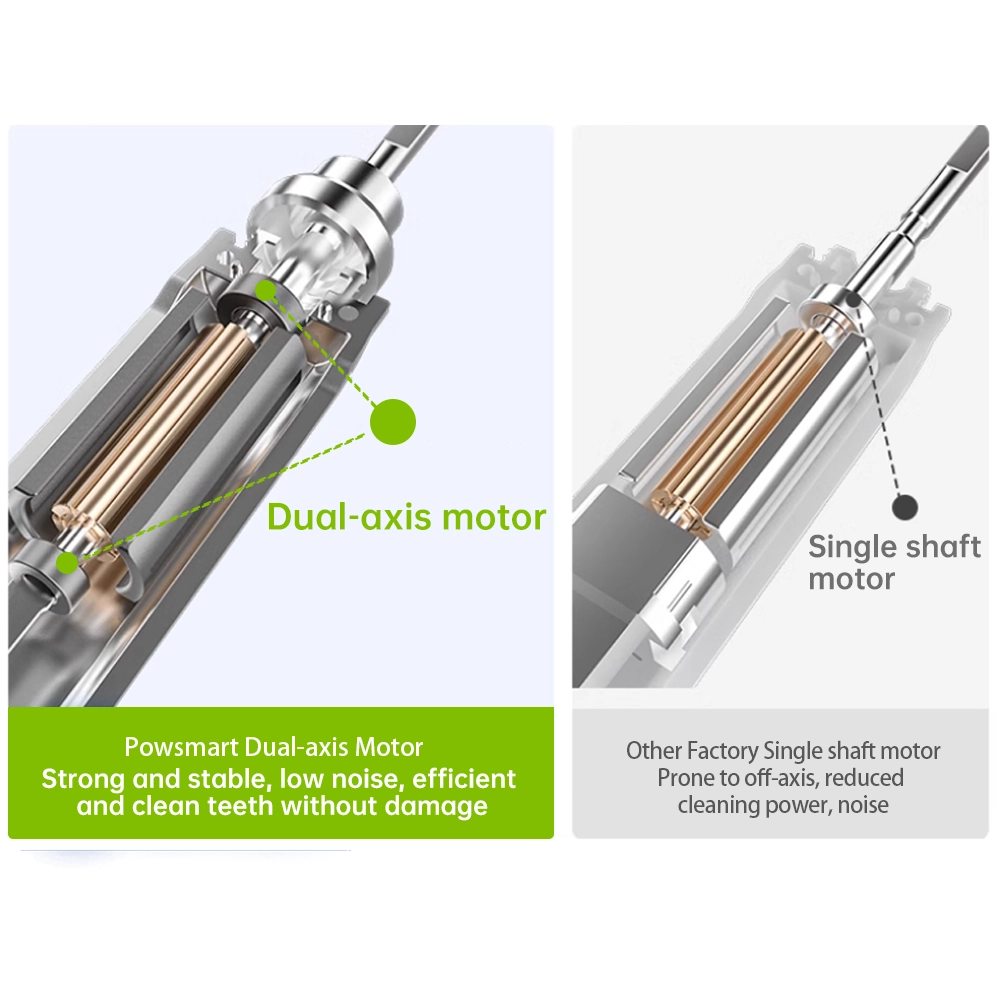
Comparison of Sonic Vibration and Rotary Electric Toothbrush Technology
.jpg)
Why Is Allergen Testing Critical for Post-Whitening Diets?
Why Post-Whitening Diets Need Gum Inflammation Cautions?
Can Short Tank Runtime Delay Oral Ulcer Care?

Can an Electric Toothbrush Help Relieve Tooth Sensitivity?
Why Do Efficacy Comparisons Focus on Bleach Breakdown?
How Does Cold Light Wavelength Affect Bleach Decomposition?
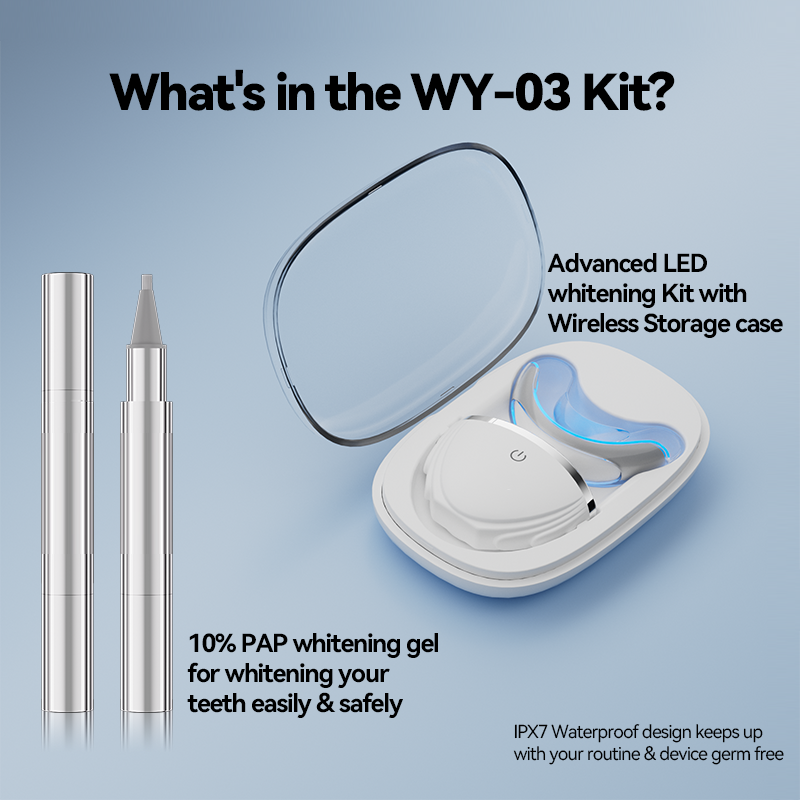
OEM of Teeth Whitening Device: A Complete Solution from LOGO Printing to Light Wave Mode Customization
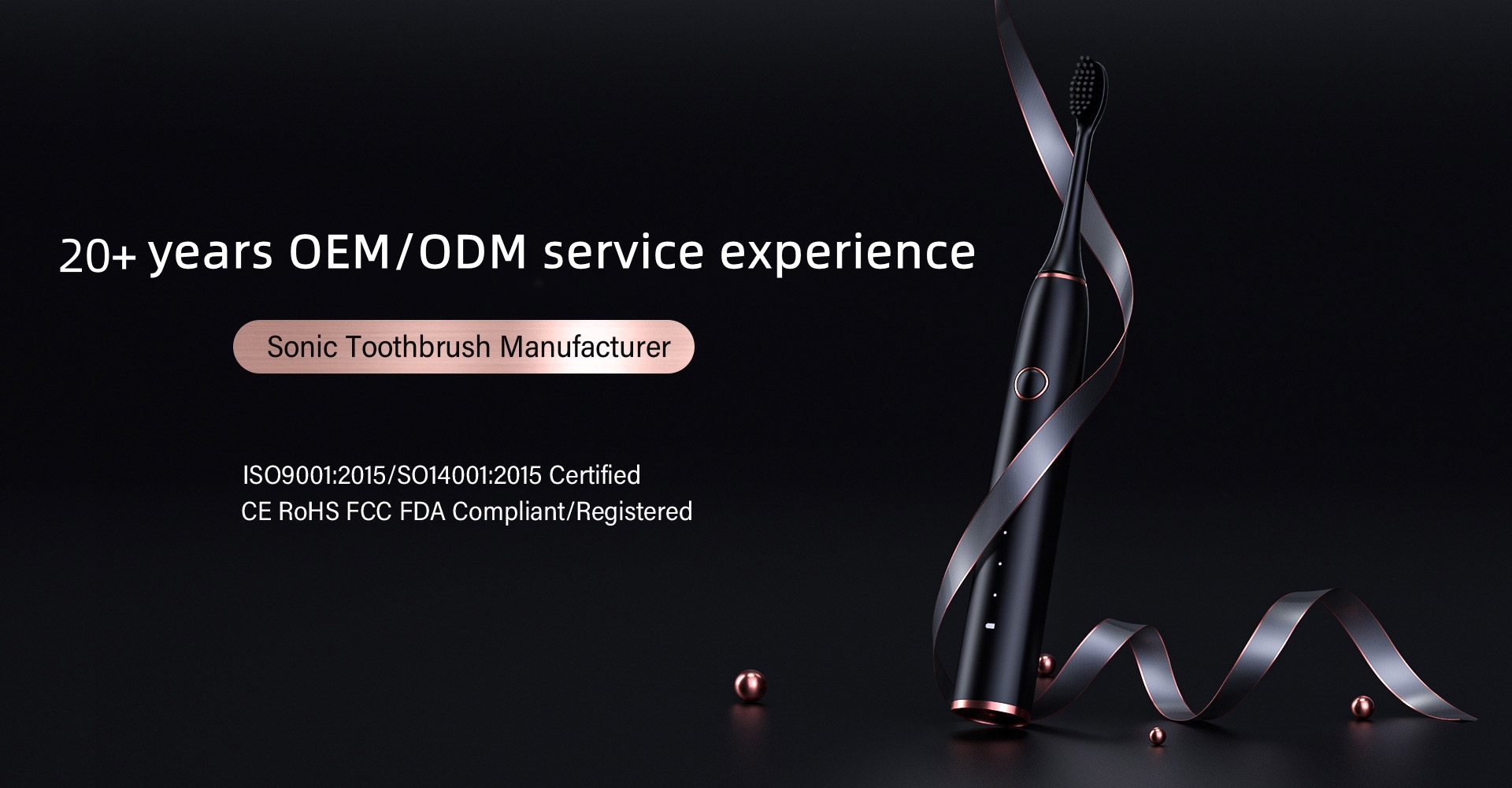
How to Avoid Legal Risks in the OEM Process of Electric Toothbrushes
How Does Gum Recession Relate to Maintenance Complexity?
Do Bluetooth Disconnect and Stream Splitting Affect Device Precision Together?
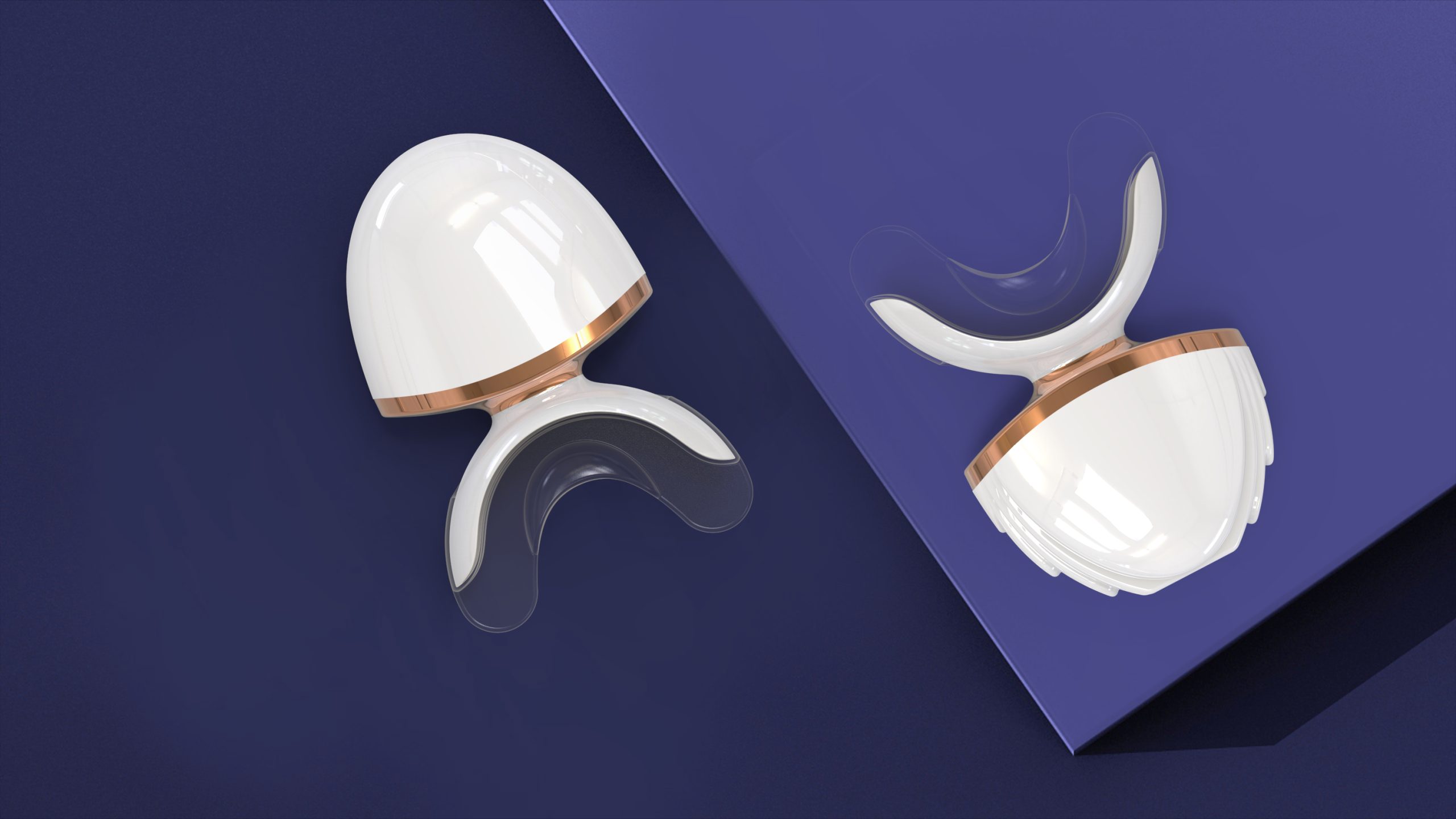
Does Space-Saving Flosser Combo Cause Pulse Inconsistency?
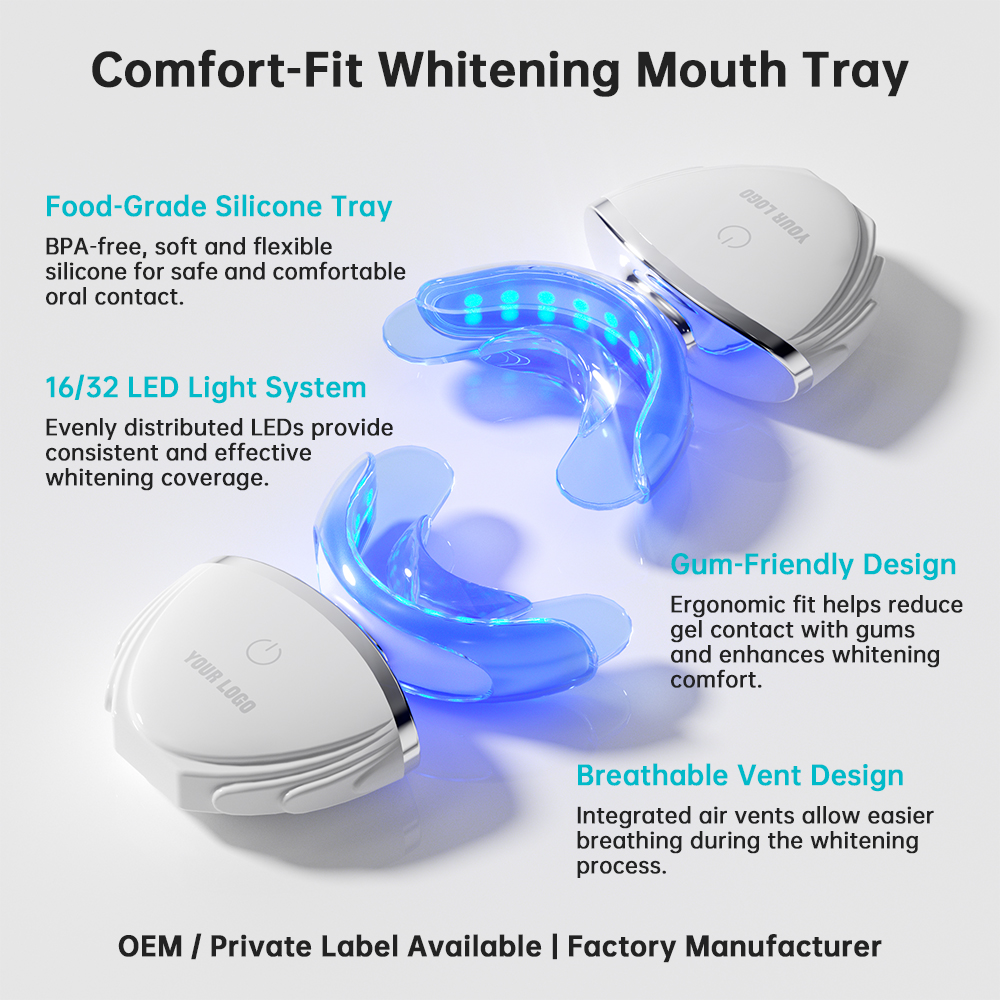
Can Custom Tray Design services coexist with Whitening Pen OEM production in a portfolio?
What Services Can Electric Toothbrush Manufacturers Provide in Terms of After-Sales Service for Their Products?
Why Should Restricted Users Avoid Stain Residuals?
Why Do Pediatric Warnings Address Bleach Residuals?


.jpg)
.jpg)
.jpg)
.jpg)
.jpg)




.jpg)

.jpg)