
In the field of oral care product manufacturing, user comfort is just as critical as device performance. One increasingly reported issue in water flossers and similar products is nerve sensitivity triggered by inconsistent spray patterns. This phenomenon, often dismissed as a minor user discomfort, can in fact indicate deeper engineering and quality control challenges. In this blog, we’ll explore the root causes, implications, and solutions for this overlooked problem.
Inconsistent spray occurs when water pressure fluctuates during operation, producing bursts or weak streams in a non-uniform pattern. It is typically caused by:
Though it might seem trivial, the impact of an inconsistent spray on oral tissue—especially near sensitive nerve endings—can be quite significant.
The human mouth contains a dense network of nerve endings, particularly around the gums, roots, and inside the cheeks. Abrupt or pulsating pressure spikes from an inconsistent spray can overstimulate these nerves, leading to:
This nerve sensitivity often lingers, deterring users from continuing regular use of the product. Company web:https://www.powsmart.com/product/electric-toothbrush/
At a mechanical level, fluctuations in pressure result in uncontrolled energy release at the nozzle tip. These uncontrolled microbursts:
If unaddressed, these patterns compromise both cleaning efficacy and user comfort.
The primary root causes of inconsistent spray often stem from:
Without high-precision assembly processes and rigorous QC testing, such defects frequently go undetected until after shipment.
To minimize the risk of nerve sensitivity complaints caused by inconsistent spray, B2B manufacturers should:
A focus on consistent hydraulic performance not only enhances comfort but also boosts perceived quality—critical for B2B clients and end users alike.
Ultimately, what separates a premium oral care product from a generic one is not just function—it’s how gentle and precise that function feels. Reducing inconsistent spray issues ensures safer, more comfortable use and positions your brand as a leader in user-centric design. Addressing the risk of nerve sensitivity proactively turns a potential complaint into a marketing advantage.
Ignoring the connection between inconsistent spray and nerve sensitivity is a mistake that could lead to negative user experiences and high return rates. By implementing better fluid control design, tighter tolerances, and more robust QA practices, manufacturers can protect users’ comfort and ensure long-term product success in a highly competitive market. Contact us
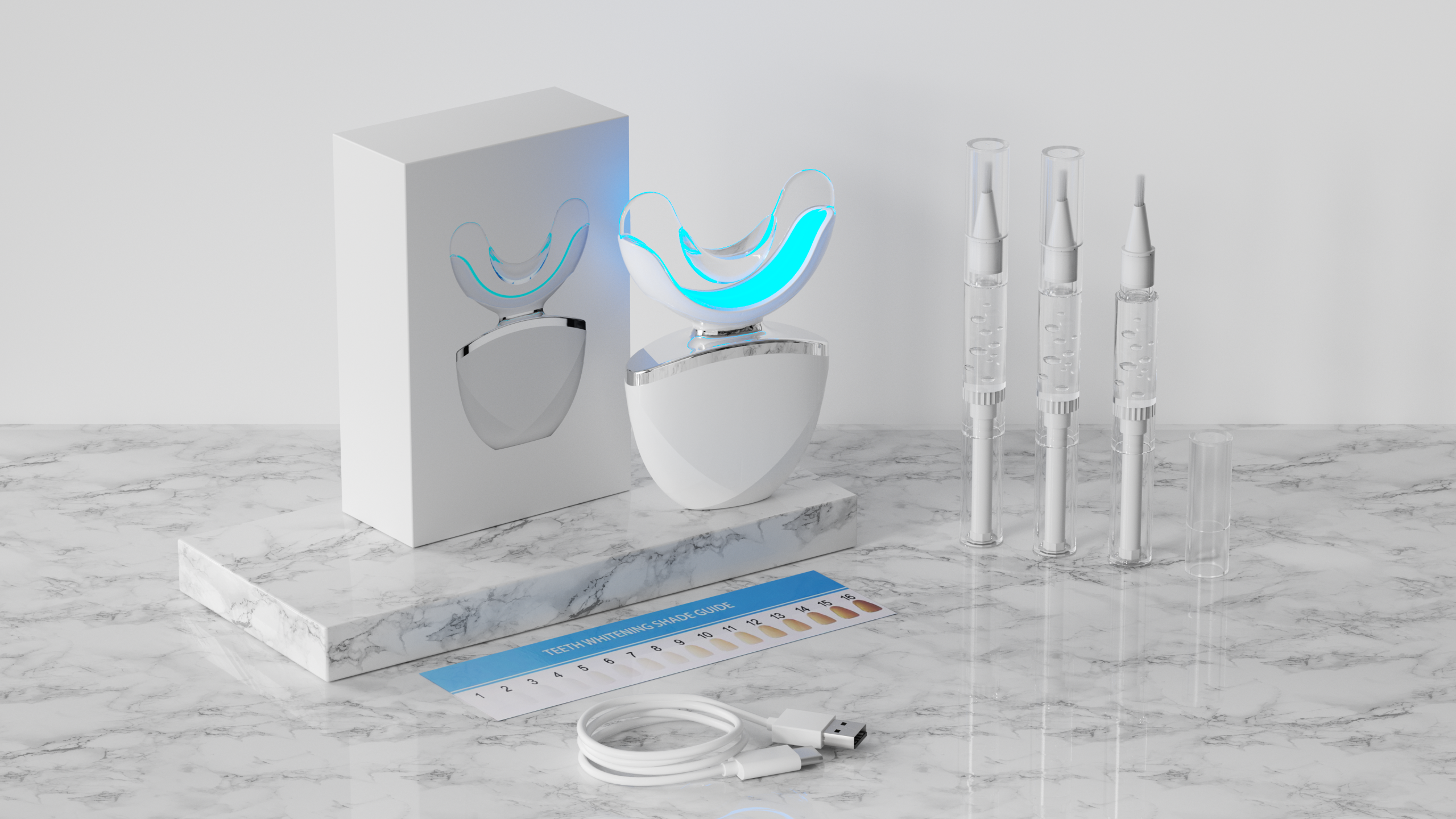
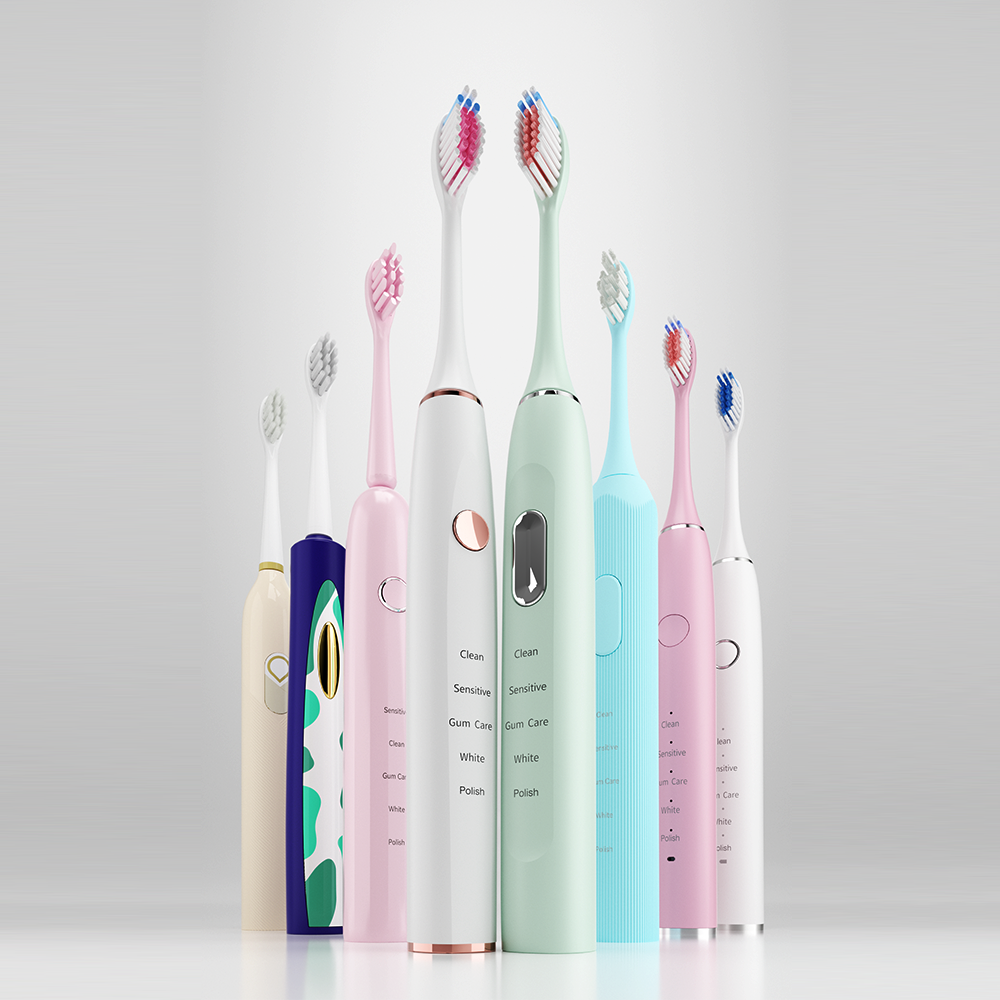
Difference between sonic toothbrush and sweeping electric toothbrush
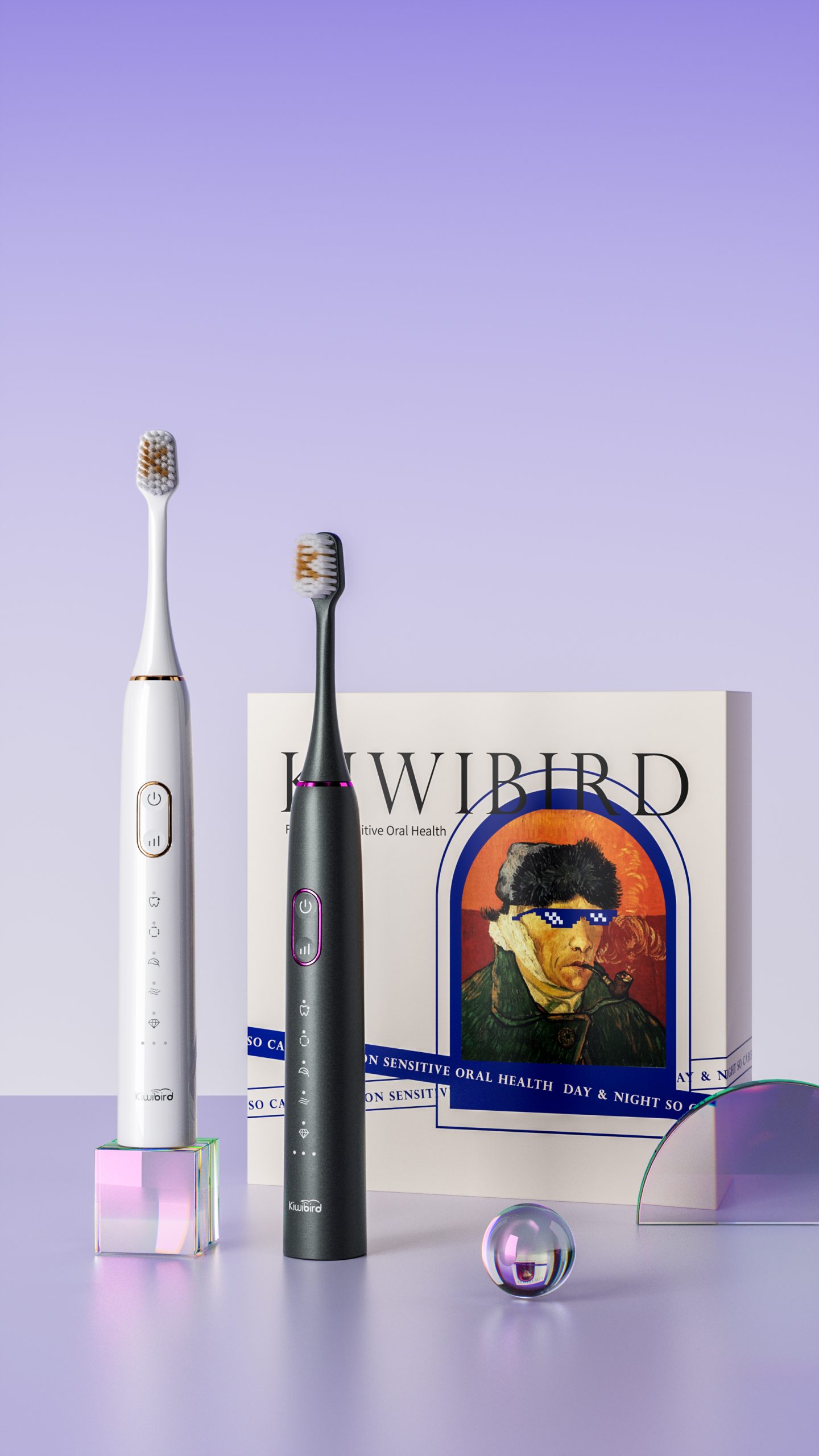
Why the Seattle quiet toothbrush is the best Seattle apartment toothbrush?
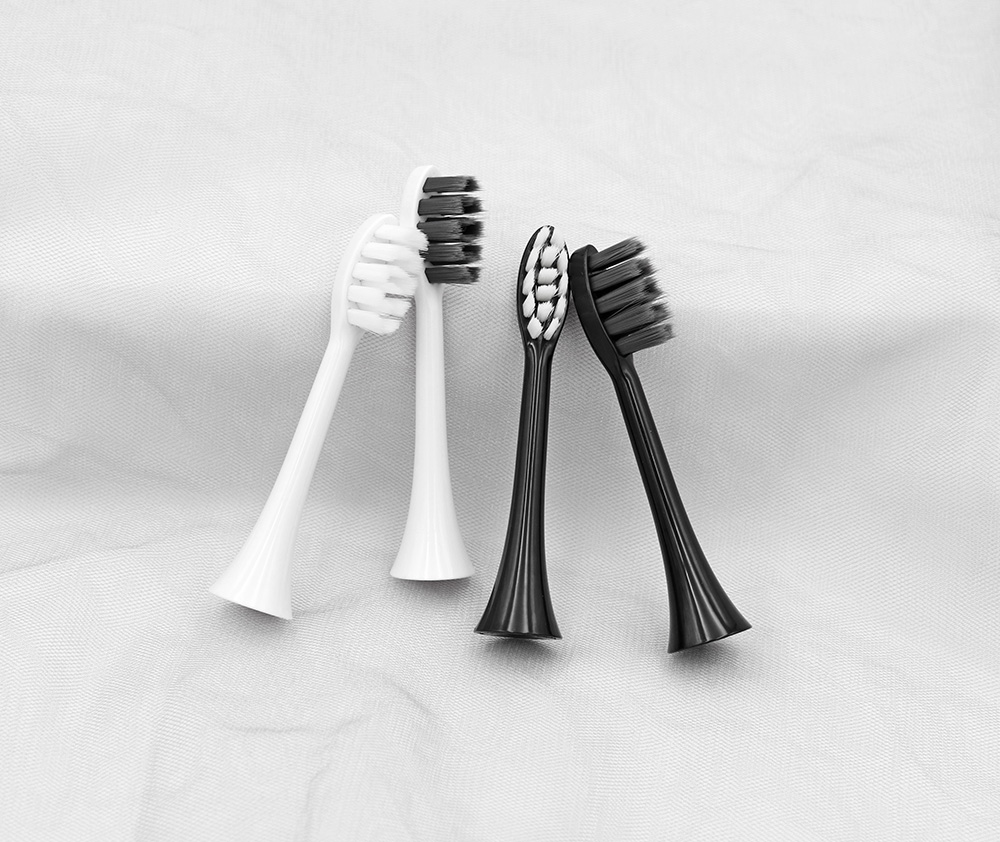
Electric Toothbrush Manufacturers Tell You the Truth About Charcoal Toothbrush Heads
.jpg)
Is the tongue cleaner on the back of the toothbrush useful?
How Does a Key Account Management Platform Deliver In-Service Training Modules?
.jpg)
Multi-Speed Electric Toothbrush Supplier | Customizable Oral Care Innovation
Is Your GDPR-Compliant Data Hub Built for Anonymized Data Aggregation?
Flow Inconsistency plus Tooth Loosening – Alarming?
How to Choose Professional Electric Toothbrush Factory Customization Service?
Whitening Sensitiveh Promote Whitening and Sensitive Populations
Powsmart-Soft Bristle Electric Toothbrush OEM Manufacturer for Sensitive Care
.jpg)
Does Your Water Flosser OEM Partner Guarantee ADA Certification?
Electric Toothbrush Brush Head Replacement Supplier: Reliable OEM Supply
Noise Disturbance plus Sensitivity Spikes – Unbearable?
Ordering USB-C Charging Dock Bulk?
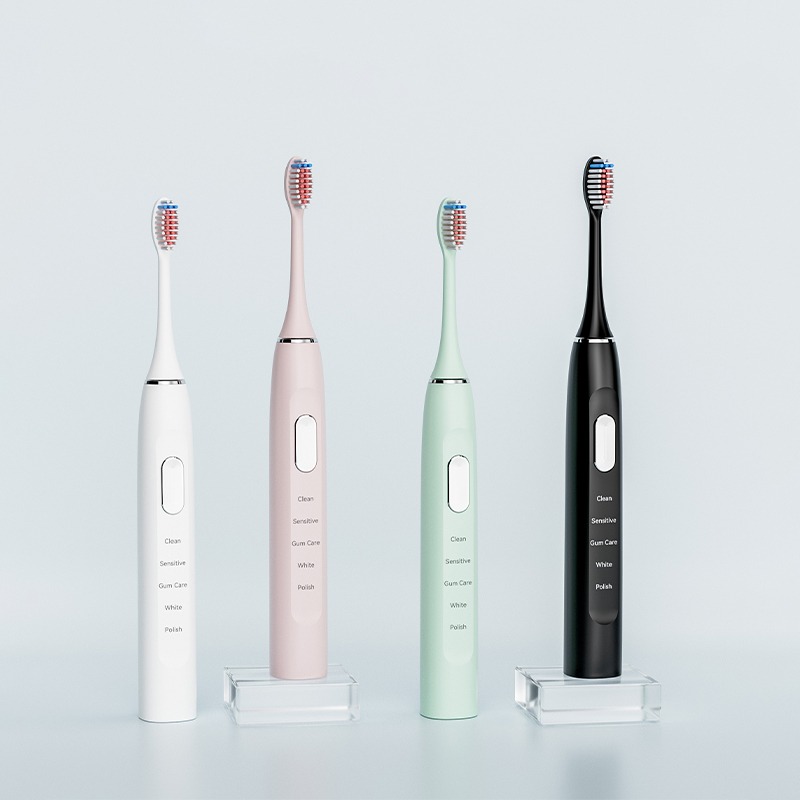
Minimalistic Design Style Electric Toothbrush Manufacturers


.jpg)
.jpg)
.jpg)
.jpg)
.jpg)






.jpg)
.jpg)
.jpg)
.jpg)
.webp)