In today’s fast-paced market, battery life has become a critical issue for many portable devices. When your product struggles with short battery life, it directly impacts user satisfaction and overall performance. In this blog, we explore how Maglev Motor Tech is revolutionizing the industry by addressing energy efficiency and extending battery life through innovative motor design. Below, we break down the key aspects into six detailed sections.
Battery longevity is one of the most common pain points in electronic devices. For many products, the root cause of short battery life lies in inefficient energy conversion and high internal friction in traditional motors. When components waste energy through unnecessary heat or mechanical resistance, the battery depletes much faster than expected. Recognizing these challenges is the first step in addressing the problem head-on.
Conventional motor systems often struggle with energy losses that contribute to short battery life. High friction, mechanical wear, and energy conversion inefficiencies mean that a significant portion of battery power is wasted rather than used for the intended work. This inefficiency not only reduces operational time but also increases maintenance costs and limits product reliability. The quest for improved efficiency has driven the search for alternative motor technologies.
Maglev Motor Tech represents a breakthrough in motor design by utilizing magnetic levitation principles to minimize friction and energy loss. In a maglev motor, critical moving parts are suspended using magnetic fields, virtually eliminating physical contact. This innovation drastically reduces mechanical resistance and heat generation, allowing devices to operate more efficiently and prolonging battery life. By converting more of the stored battery energy into useful work, Maglev Motor Tech addresses the core issue of short battery life.
The key advantage of Maglev Motor Tech is its ability to achieve near-frictionless movement. With traditional motors, friction between moving parts consumes energy and accelerates wear. In contrast, maglev motors use magnetic forces to maintain separation between components, reducing energy loss and extending operational time. This efficient energy conversion means that devices can run longer on a single charge, improving overall performance and user satisfaction.
Implementing Maglev Motor Tech in your product line involves more than just a switch in components—it requires a holistic approach to design and manufacturing. By integrating maglev motors into devices, manufacturers can not only enhance battery performance but also reduce maintenance and increase product durability. The real-world benefits include:
As consumer expectations continue to rise, adopting Maglev Motor Tech will become a critical competitive differentiator. Manufacturers that invest in this technology stand to benefit from improved energy efficiency, extended battery performance, and a reduction in overall operational costs. Looking ahead, advancements in magnetic levitation and energy management promise even greater efficiency gains, paving the way for a new generation of products that outlast current standards. Embracing this innovation now positions companies at the forefront of industry trends and sets the stage for long-term success.
In summary, the persistent issue of short battery life in electronic devices can be effectively addressed by adopting Maglev Motor Tech. This cutting-edge technology minimizes energy loss through near-frictionless operation, significantly extending battery performance and improving overall device efficiency. For manufacturers seeking to enhance product reliability and gain a competitive edge, integrating maglev motor systems offers a promising solution that aligns with future industry advancements.

.jpg)
Red Blue Light Teeth Whitening Device OEM Manufacturing
smart electric toothbrush OEM | Custom Smart Sonic Toothbrush Manufacturer

Oral Care and Personal Confidence Enhancement: A Dual Strategy from Whitening Effect to Product Appearance Level
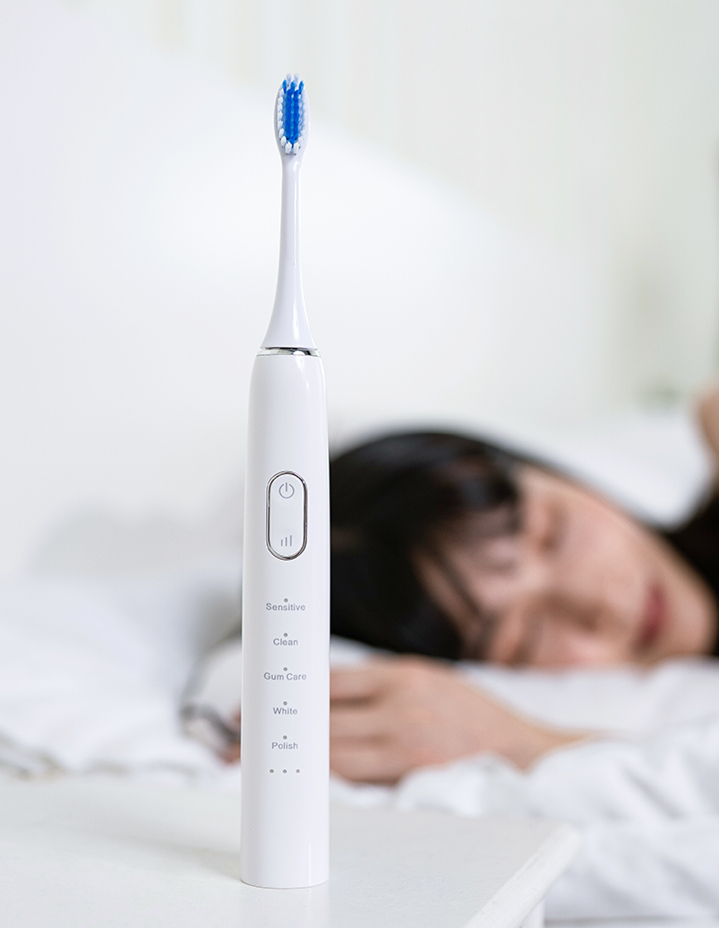
Electric Toothbrush Noise Reduction Technology: How to Achieve Silent Cleaning?
Electric Toothbrush Motor Performance
Electric Toothbrush Durable for Long Term Use: OEM Design, Materials, and Manufacturing Strategy
The Influence of the Use of Oral Irrigators on Periodontal Health
Private Label Electric Toothbrush – OEM Branding for Global Sellers
Electric Toothbrush Modern Design Trend OEM: Industrial Design, Aesthetics, and Market Strategy
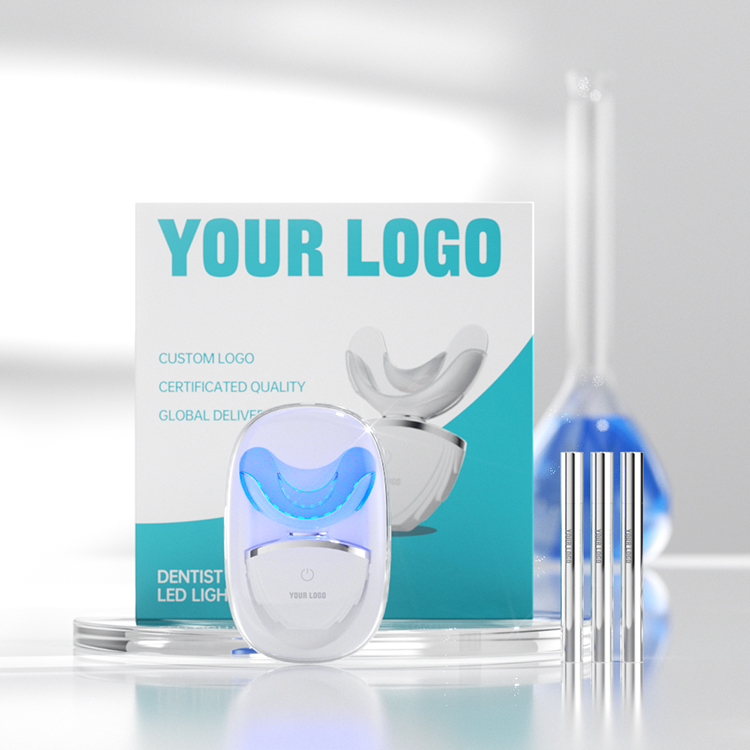
A Comparison of Different At-Home Teeth Whitening Options for OEM Product Development
Electric Toothbrush for Canker Sores | Mouth Ulcers Brushing Guide
.jpg)
Why combine Micro Bubble Technology with Colorimeter Calibration for accurate whitening?
Water Flosser for Interproximal Cavities
Electric Toothbrush Charging Safety OEM: Reliable and Secure Power Design
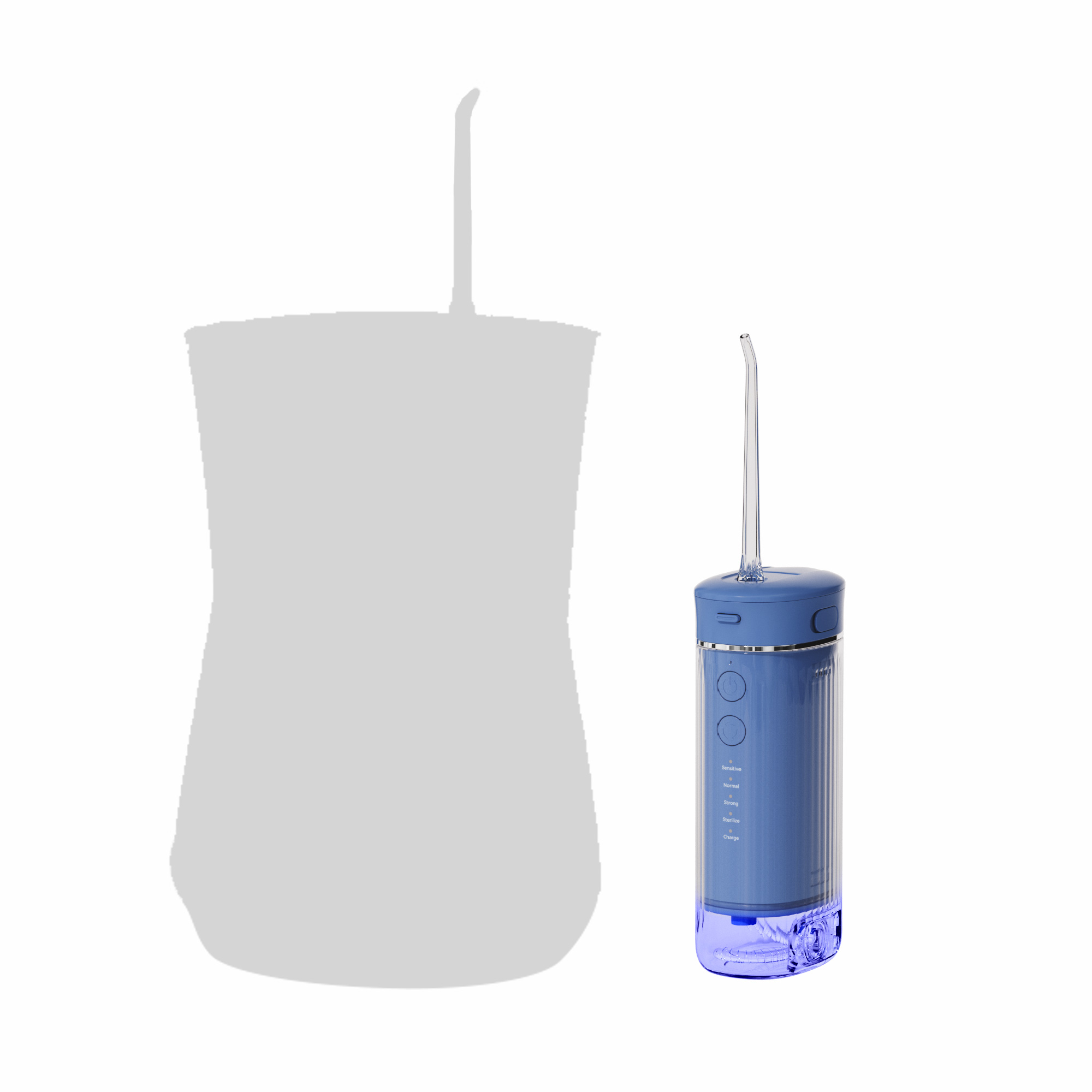
Water Flosser Working Principle Explained by a Direct OEM Factory
How Can a Smart Timer Chip Feature Be Highlighted Through Packaging Customization Service?


.jpg)
.jpg)
.jpg)
.jpg)
.jpg)