In high-frequency oral care devices, unexplained taste alteration during or after use is an increasing concern. Surprisingly, recent engineering investigations suggest that sync disruption within device control systems might be a hidden driver behind this sensory side effect. Could this be a minor tech glitch, or is it a critical product design oversight? Understanding this connection is key for manufacturers seeking to eliminate customer complaints and enhance product safety.
Sync disruption refers to the loss of synchronized control between various functional components in electronic oral care devices, including:
Typical causes of sync disruption include:
While often overlooked, these disruptions directly alter how energy, fluids, or light are delivered during use.
Though seemingly unrelated, taste alteration can indeed stem from sync disruption, through several pathways:
Thus, unstable device control impacts the chemical and sensory environment within the mouth, resulting in distorted taste perception during or after use. Company web:https://www.powsmart.com/product/electric-toothbrush/
Based on manufacturing reports, devices particularly at risk include:
In these multi-system products, poor electronic control integration increases the chance of sync disruption leading to taste alteration.
Typical design and production issues contributing to the problem include:
These result in devices operating out of sync, destabilizing both mechanical and chemical delivery.
To prevent sync disruption and the resulting taste alteration, manufacturers should implement:
Additionally, conducting synchronization stress tests during QA ensures consistency under varying operating conditions.
From a B2B procurement perspective, resolving this issue offers distinct advantages:
Proactive mitigation of sync-based taste alteration becomes a competitive advantage.
Is taste alteration caused by sync disruption simply a tech glitch? Evidence suggests it is a genuine design flaw rooted in control system instability. For oral care manufacturers, treating synchronization as a core quality parameter—rather than a secondary control feature—is critical to ensuring consistent product performance and consumer satisfaction. Contact us
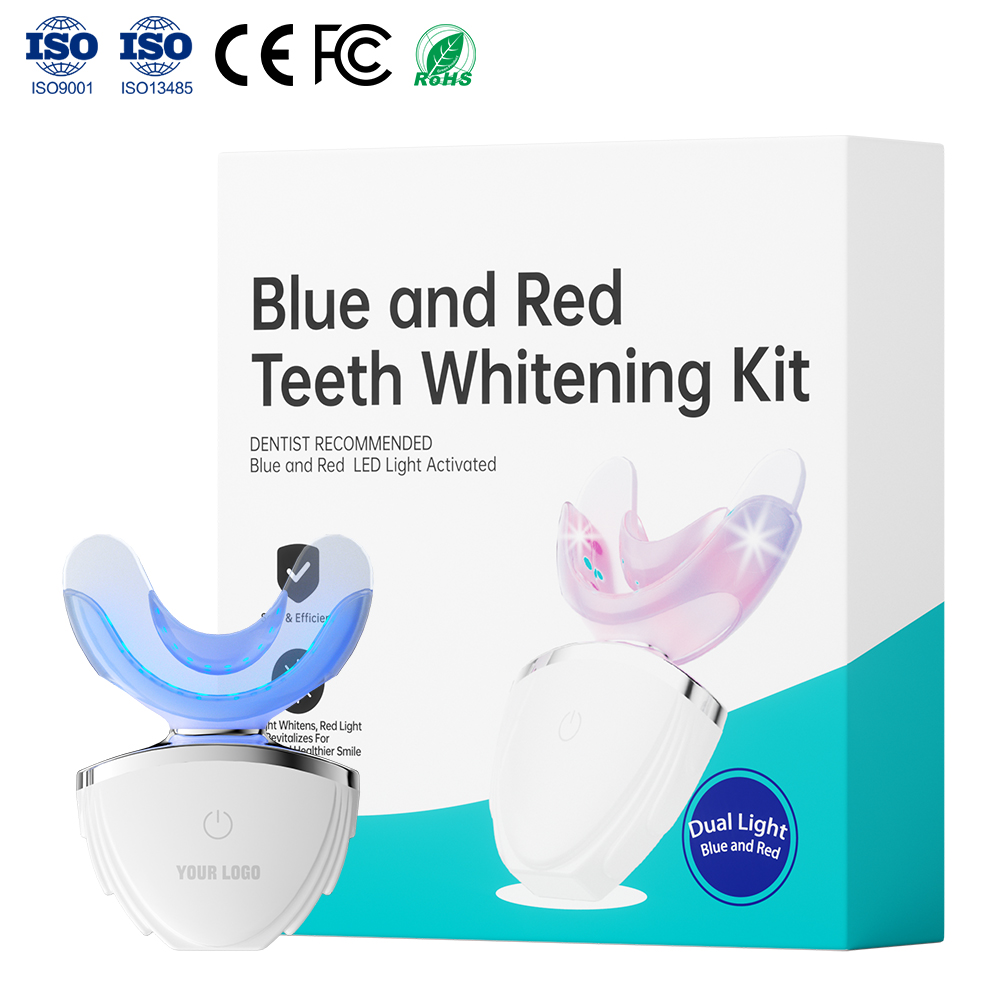
What Is the Role of Blue Light LED Module in LED Mouthpiece Design for Teeth Whitening?

Does Your White-Label Cloud Portal Come with an Interoperability Hub API?
.jpg)
High Vibration Electric Toothbrush Factory
Travel Electric Toothbrush Packing Tips: Protect Your Brush On the Go
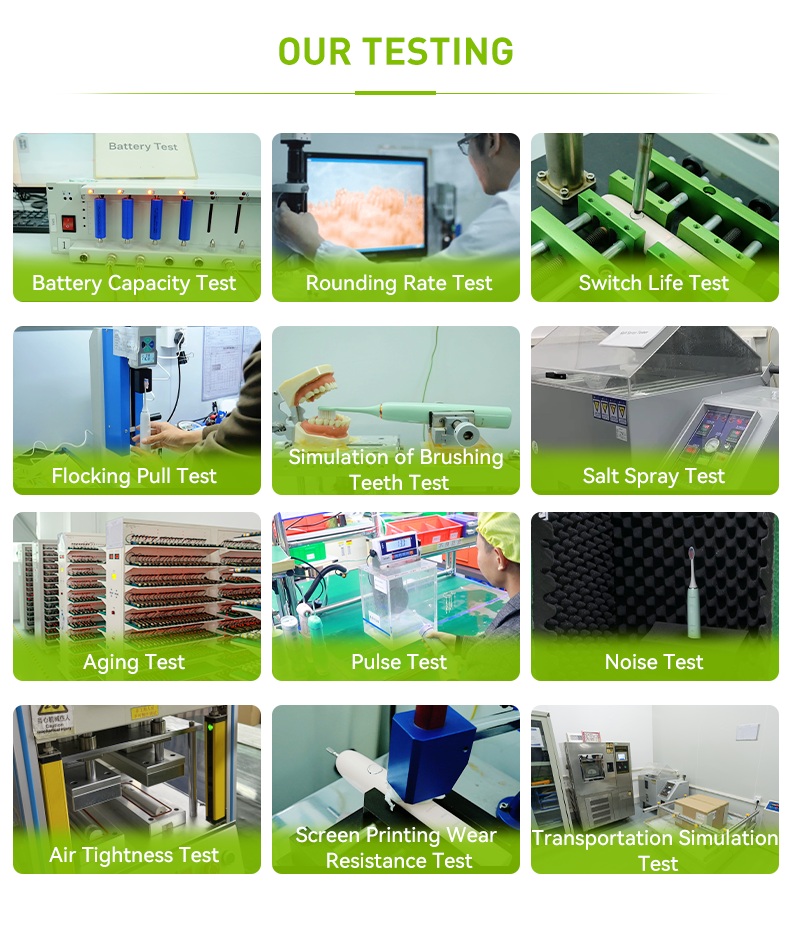
How Does Micro-molding for Nozzles Relate to Insurance Reimbursement Code Support?
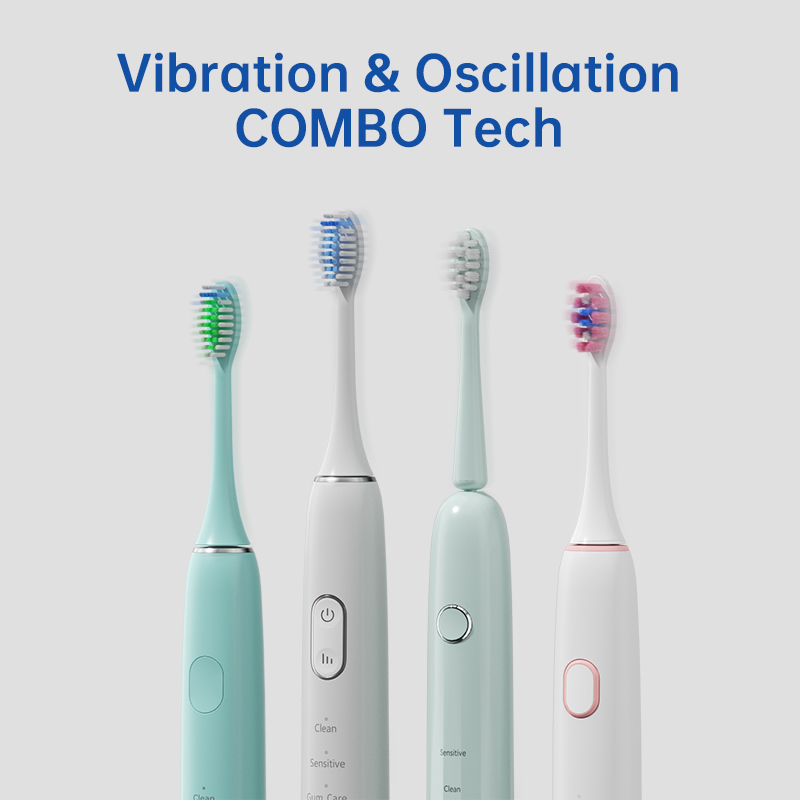
Oral care wholesaler Bristol
Electric Toothbrush for Acid Erosion
Eco-Friendly Oral Care Product Switches: Sustainable Routine Swaps
Water Flosser Pressure Adjustment Guide: Find the Right Setting for Comfort
Electric Toothbrush for Lip Ties
Electric Toothbrush Vibration Amplitude vs Frequency: How to Balance Performance for Better Cleaning
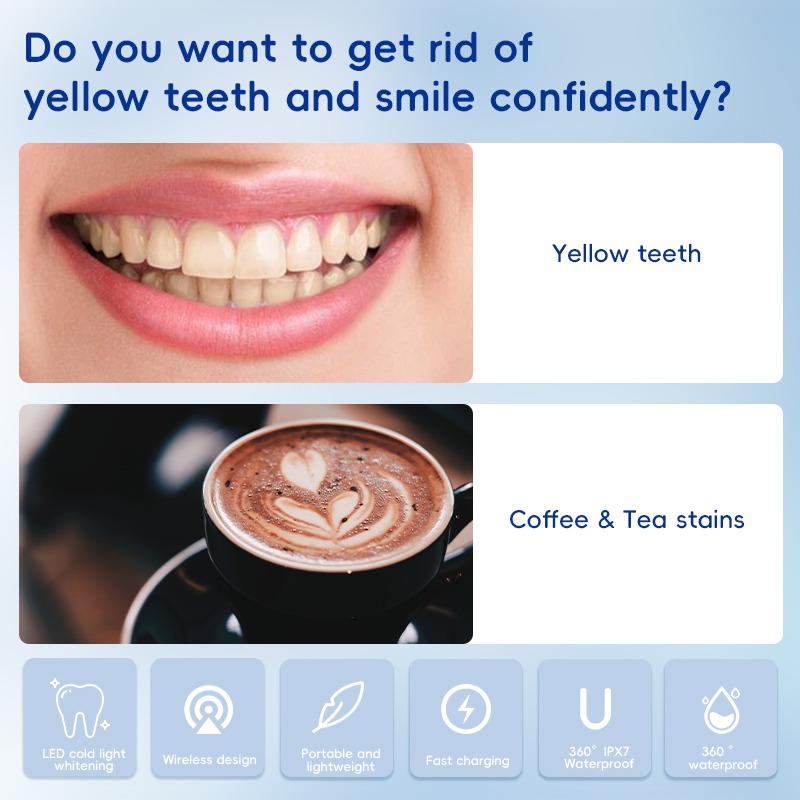
How many times a day is it recommended to use LED teeth whitening kits?
Electric Toothbrush for Gum Recession | Gum Recession Progression Prevention
nicotine teeth whitening guide: smoker solutions

Cordless Electric Toothbrush Supplier – Powsmart OEM & Global Wholesale
Electric Toothbrush Quality Control Process: OEM Manufacturing Standards


.jpg)
.jpg)
.jpg)
.jpg)
.jpg)






.jpg)