
In the realm of oral care manufacturing, complaints about nozzle clogging combined with tray deformation are increasingly common. Though seemingly unrelated, these two failures often occur together, suggesting deeper systemic design weaknesses. Is this coincidence, or does the root cause lie within product architecture? In this blog, we explore why nozzle clogging and tray deformation may both point to a preventable design flaw.
In devices like water flossers and whitening applicators, nozzle clogging is a frequent issue that directly impacts user experience and product efficacy. Clogging is typically caused by:
Blocked nozzles result in inconsistent spray patterns, uneven gel delivery, and eventual product failure, leading to end-user dissatisfaction and increased warranty claims.
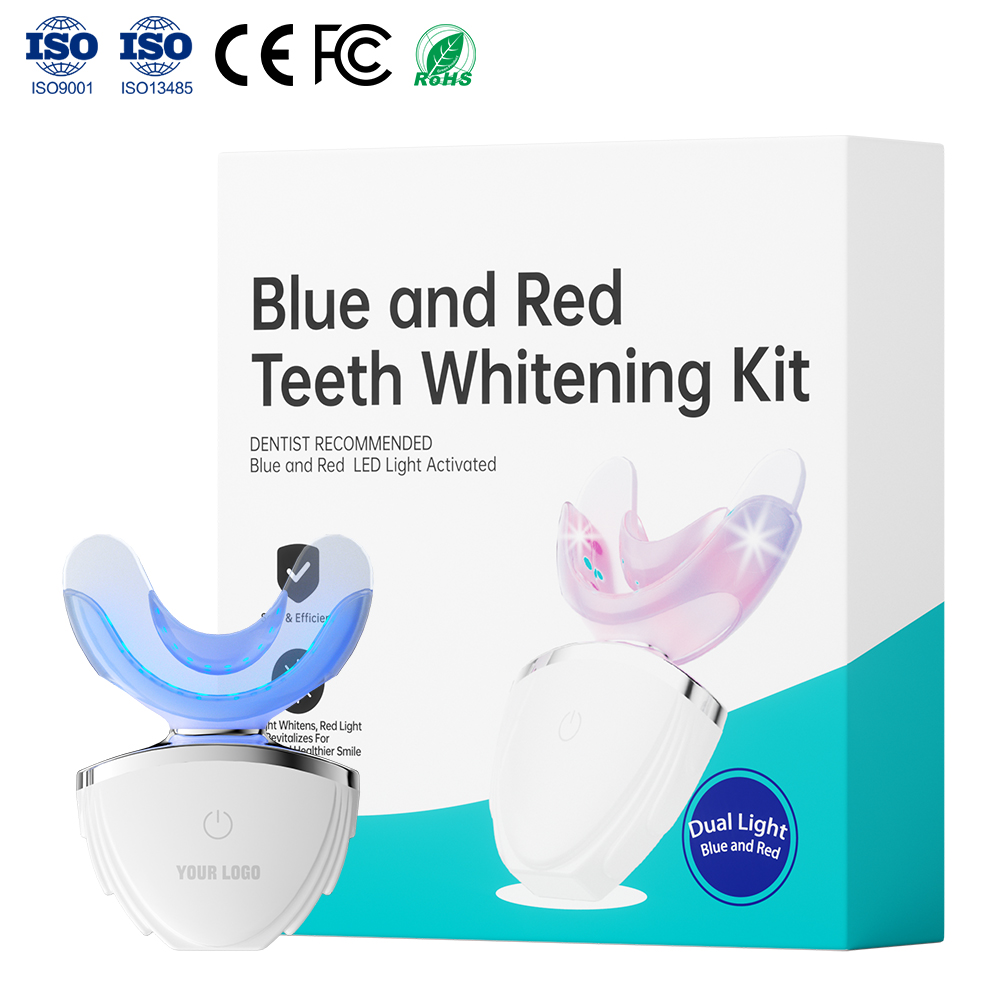
Tray deformation, commonly reported in whitening trays or holding fixtures, usually stems from:
Once deformed, trays fail to hold gels or position correctly in the oral cavity, compromising both comfort and treatment efficacy. Company web:https://www.powsmart.com/product/electric-toothbrush/
Although nozzle clogging and tray deformation appear distinct, they frequently share common triggers:
Together, these failures indicate fundamental design oversights rather than isolated material defects.
To eliminate tray deformation and nozzle clogging simultaneously, manufacturers must address both:
Material and structural decisions during R&D phase directly dictate downstream defect rates.
Beyond material upgrades, introducing design innovations can significantly lower clogging and deformation risks:
Simple structural changes often yield disproportionate improvements in real-world reliability.
From a B2B sales perspective, resolving these linked failures offers key advantages:
Ultimately, recognizing the interconnection between nozzle and tray failures allows for holistic product improvement.
Are nozzle clogging and tray deformation signs of a hidden design flaw? In many cases, yes. What may seem like unrelated issues are, in fact, linked by shared material weaknesses and flawed fluid dynamic design. By addressing these together at the design and engineering stages, manufacturers can prevent dual-mode failure, reduce operational risks, and deliver a superior, reliable user experience. Contact us
.jpg)
.jpg)
How is Finite Element Analysis Utilized within a Joint Development Agreement for a New Motor?
.jpg)
Why Use Chromophore Targeting Gel With a Dental Water Jet for Enhanced Stain Removal?
.jpg)
Gum Irritation or Throat Irritation – What’s the Culprit?

Prospects of Dental Instruments in the Oral Care Industry
Rechargeable Sonic Toothbrush Factory for OEM Production
Periodontal Pockets Cleaning Guide: Electric Toothbrush Features for Deep Care
Electric Toothbrush for Gum Recession | Gum Recession Progression Prevention
Electric Toothbrush for Canker Sores | Mouth Ulcers Brushing Guide
Electric Toothbrush Ergonomic Design Importance for User Experience and Market Success
Is Optogenetic Sensitivity Relief a Viable Path to FDA Breakthrough Device Designation?
Why Use a Phase-Change Thermal Material in a Device Offered Through a Luxury Concierge Refill Service?
Mucosal Irritation with Chemical Residues – Toxic?
Can an Embedded Finance for Distributors Feature Accelerate Your Franchisee Onboarding Platform Adoption?
GERD Teeth Protection Guide: Brushing Strategies for Acid Reflux Sufferers
Gel Leakage Plus Enamel Erosion – Double Damage?

Electric Toothbrush Minnesota | Powsmart Professional Manufacturer


.jpg)
.jpg)
.jpg)
.jpg)
.jpg)






.jpg)