Dealing with a toothache can be excruciating, and while seeing a dentist is the best long-term solution, you may need quick relief before your appointment. Whether it’s due to a cavity, gum irritation, or sensitivity, these toothache remedies can help alleviate discomfort fast. 1. Salt Water Rinse – A Natural Disinfectant A salt water rinse is one of the simplest and most effective ways to reduce inflammation and kill bacteria. Mix half a teaspoon of salt in a glass of warm water and swish it around your mouth for 30 seconds before spitting it out. This helps cleanse the affected area and promotes healing. 2. Cold Compress – Reduce Swelling & Numb Pain If your toothache is accompanied by swelling, applying a cold compress to the outside of your cheek can help. The cold constricts blood vessels, reducing inflammation and temporarily numbing the pain. Wrap an ice pack in a cloth and hold it against the sore area for 15-minute intervals. 3. Hydrogen Peroxide Rinse – Fight Bacterial Infection A diluted hydrogen peroxide rinse (equal parts 3% hydrogen peroxide and water) can disinfect the mouth and relieve pain caused by infections. Swish the solution for about 30 seconds, then rinse thoroughly with water. Avoid swallowing it, as hydrogen…
In recent years, water flosser popularity has surged as more consumers recognize their benefits for oral hygiene. Traditionally, dental floss was the primary method for interdental cleaning, but technological advancements and changing consumer preferences have led to a shift toward more convenient and effective solutions. In this blog, we will explore the reasons behind this trend, analyze the impact on the oral care industry, and provide key water flosser manufacturing insights from industry experts. Consumer Demand: Why Water Flossers Are Becoming a Preferred Choice The increasing demand for water flossers is driven by several factors: Enhanced Cleaning Efficiency: Water flossers use pressurized water to remove food debris and plaque from between teeth and along the gum line, offering a more thorough clean compared to traditional floss. Gentle on Gums: Many users find traditional flossing uncomfortable or even painful, especially those with sensitive gums. Water flossers provide a gentler alternative, reducing irritation while maintaining effectiveness. Convenience & Ease of Use: Unlike traditional floss, which requires precise hand coordination, water flossers are user-friendly and ideal for people with braces, implants, or dexterity issues. These advantages contribute to the growing preference for water flossers, reinforcing their position in the oral care industry. Industry…
As consumers become more aware of oral hygiene, the demand for advanced oral care products, including water flossers, has significantly increased. In this competitive landscape, water flosser brands must continuously innovate to differentiate their products and maintain their water flosser competitiveness. This blog explores the key strategies that manufacturers adopt to stay ahead in the rapidly evolving flossing industry. Innovation and Market Trends in the Flossing Industry To remain competitive, manufacturers must align their products with the latest innovation and market trends in the flossing industry. Some key trends shaping the market include: Smart Technology Integration: Water flossers equipped with Bluetooth connectivity, AI-powered usage tracking, and personalized cleaning modes. Sustainability Initiatives: Eco-friendly materials and energy-efficient designs to meet consumer demand for sustainable products. Compact and Travel-Friendly Designs: Portable water flossers catering to busy lifestyles and frequent travelers. By embracing these trends, water flosser brands can ensure they remain relevant in a market driven by evolving consumer needs. Advanced Technology: The Key to Water Flosser Competitiveness Innovation in water flosser technology plays a crucial role in differentiating products. Leading manufacturers invest in: Adjustable Pressure Settings: Allowing users to customize water pressure for different oral care needs. Pulse Modulation Technology: Enhancing the…
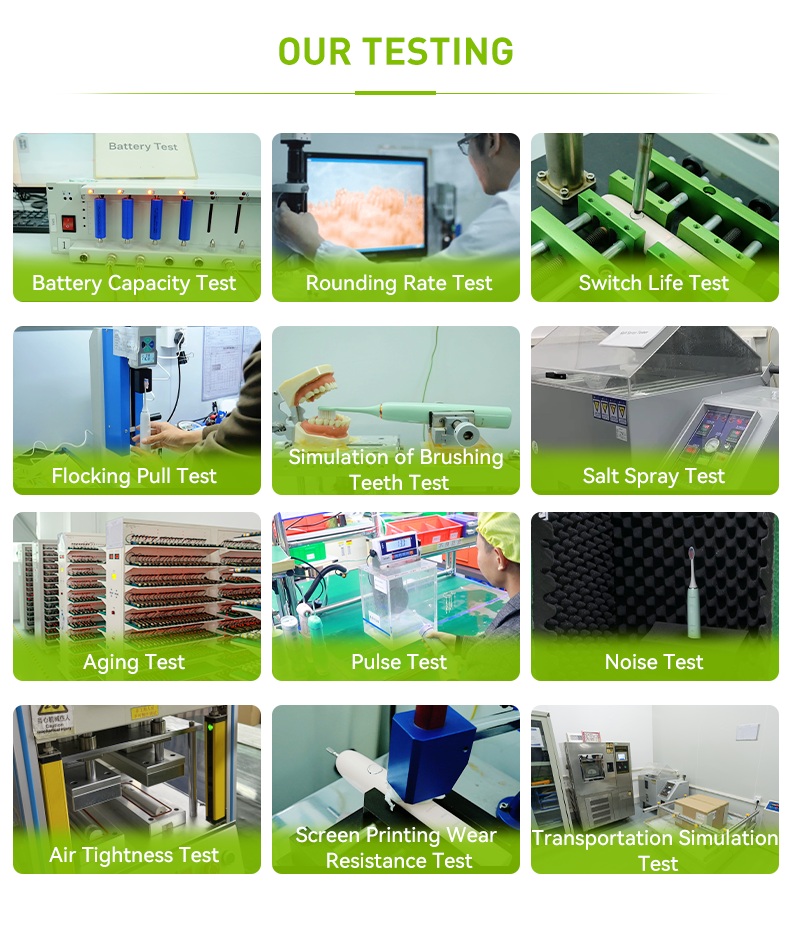
A high-quality water flosser is not just about advanced functionality—it also depends on the materials used in its construction. The right materials enhance durability and performance, ensuring the device remains effective and long-lasting. Manufacturers must carefully select materials that withstand water pressure, frequent use, and potential wear and tear. This blog will explore the key material choices that contribute to a high-quality water flosser, focusing on their impact on durability and performance. https://www.powsmart.com/about-powsmart/ Key Components and Their Material Requirements A water flosser consists of several essential components, each requiring specific material properties to ensure durability: A. Water Reservoir Material Choice: High-quality BPA-free plastic (such as Tritan™ or ABS). Why It Matters: The reservoir must be leak-proof, resistant to cracking, and safe for long-term water storage. BPA-free materials ensure health safety, while durable plastics prevent wear and breakage over time. B. Pump and Motor System Material Choice: Stainless steel or high-grade polymer components for internal mechanisms. Why It Matters: The motor and pump are responsible for generating the required water pressure. Using corrosion-resistant materials ensures consistent performance and durability, even with frequent exposure to water. C. Nozzles and Tips Material Choice: Medical-grade plastic or stainless steel. Why It Matters: The nozzles…
In today's fast-paced manufacturing environment, achieving high-quality finishes and vibrant aesthetics is essential to stay competitive. Innovative processes like Electrostatic Spray Coating and Multi-Color Dual Molding are at the forefront of this evolution, offering Powsmart technology co., ltd advanced solutions that enhance both product performance and visual appeal. In this blog, we explore six critical aspects of these technologies and how they are reshaping the industry. Embracing Innovation in Brush Coating Modern production demands smarter, more efficient processes. Electrostatic Spray Coating is an innovative technique that utilizes electrically charged paint particles to achieve a uniform and durable finish. This method minimizes overspray, reduces waste, and ensures that every brush receives an even, high-quality coating. Manufacturers are increasingly adopting this technology as it not only elevates product quality but also supports environmentally responsible practices. The Art and Science of Multi-Color Dual Molding Parallel to coating advancements, Multi-Color Dual Molding is transforming how products are designed and produced. By integrating two distinct color systems within a single molding cycle, this process allows for seamless color transitions and intricate designs without additional assembly. This technique not only enhances the aesthetic appeal of smart brushes but also improves functional performance by reducing the need…
In today's competitive manufacturing environment, optimizing every component of your process is crucial. One factor that is often overlooked is the quality of contact points within your systems. For companies relying on Sonic Pulse Tech for high-precision operations, even a minor issue such as Poor contact can lead to significant performance setbacks. This article delves into six key areas to understand, diagnose, and address these challenges to ensure maximum efficiency and reliability. The Critical Role of Sonic Pulse Tech in Modern Manufacturing Sonic Pulse Tech has revolutionized the way industries monitor and manage material integrity and system dynamics. By using ultrasonic energy to assess components, this technology enhances process control and product quality. However, its effectiveness depends largely on proper signal transmission. A disruption—often caused by Poor contact between sensor interfaces or connection points—can compromise data accuracy and operational reliability. Understanding Poor Contact: Causes and Consequences Poor contact refers to the inadequate connection between components where energy, signals, or information is exchanged. In the context of Sonic Pulse Tech, this might occur due to: Inadequate surface preparation or cleaning Degradation over time because of wear or corrosion Misalignment or improper installation during setup Consequently, even small gaps or irregularities can…
Electric toothbrushes are widely praised for their superior cleaning performance, but when it comes to children, parents often wonder: Are electric toothbrushes harmful to children? As a leading B2B manufacturer of dental care products, we believe it’s important to address this concern by analyzing potential risks and disadvantages. In this blog, we’ll explore three major hazards—aggravates existing dental problems, chronic tooth damage, and tooth enamel wear—while also discussing issues like lack of age-specific design, improper brushing method, low oral tolerance, and the risks of choosing low-priced and low-quality goods. 1. Aggravates Existing Dental Problems One potential risk of electric toothbrushes for children is that they may aggravate existing dental problems. For example, children with sensitive teeth, gum disease, or orthodontic appliances like braces may find the vibrations of an electric toothbrush too intense. Without proper guidance or a gentle mode, the high-speed movements could irritate sensitive areas or worsen existing conditions. It’s crucial to consult a dentist before introducing an electric toothbrush to a child with known dental issues. 2. Risk of Chronic Tooth Damage Another concern is the possibility of chronic tooth damage caused by improper use. Children who apply too much pressure or use an electric toothbrush incorrectly may experience long-term damage to their teeth and gums. Over time,…
In today's competitive industrial landscape, efficiency and reliability are more crucial than ever. For Powsmart technology co., ltd relying on advanced machinery, a small hiccup can lead to significant operational costs. One such challenge is a Mode malfunction in your Dual Bearing Drive system—a problem that, if left unaddressed, could severely impact your productivity and bottom line. This blog explores six key aspects of this issue and offers insights into preventing costly disruptions. Understanding the Role of Dual Bearing Drives Dual Bearing Drives are at the heart of many industrial applications, delivering smooth motion and precise control. They are designed to handle high loads while maintaining balance and reducing wear. However, even the most robust systems can experience issues, and understanding how these drives work is the first step in diagnosing problems like a Mode malfunction. Clear comprehension of the drive’s function allows operators to detect early signs of trouble and take preventative measures. Recognizing the Signs of Mode Malfunction A Mode malfunction can manifest in several ways. For instance, you might observe inconsistent speed, unexpected vibrations, or abnormal noise levels during operation. These symptoms often serve as early warnings of deeper issues within the Dual Bearing Drive. By monitoring…
Electric toothbrushes have become an essential tool for maintaining oral hygiene, but one often overlooked feature is their waterproof rating. As a leading B2B manufacturer of dental care products, we understand the critical role waterproofing plays in the durability and safety of electric toothbrushes. In this blog, we’ll explore why waterproof ratings matter, focusing on their impact on the internal structure, including the motor, motherboard, and battery, as well as their relevance to the usage environment. 1. Protecting the Internal Structure The internal structure of an electric toothbrush is complex, housing critical components like the motor, motherboard, and battery. Without proper waterproofing, water can seep into these components, causing corrosion, short circuits, or even permanent damage. A high waterproof rating ensures that the internal structure remains intact, extending the lifespan of the toothbrush and maintaining its performance over time. 2. Safeguarding the Motor The motor is the heart of an electric toothbrush, responsible for generating the vibrations or rotations that clean your teeth. However, motors are highly sensitive to moisture. Even a small amount of water infiltration can disrupt the motor’s functionality, leading to reduced performance or complete failure. A strong waterproof rating protects the motor from water damage, ensuring consistent and reliable operation. 3. Preserving the Motherboard The motherboard is the brain of the electric toothbrush, controlling its…
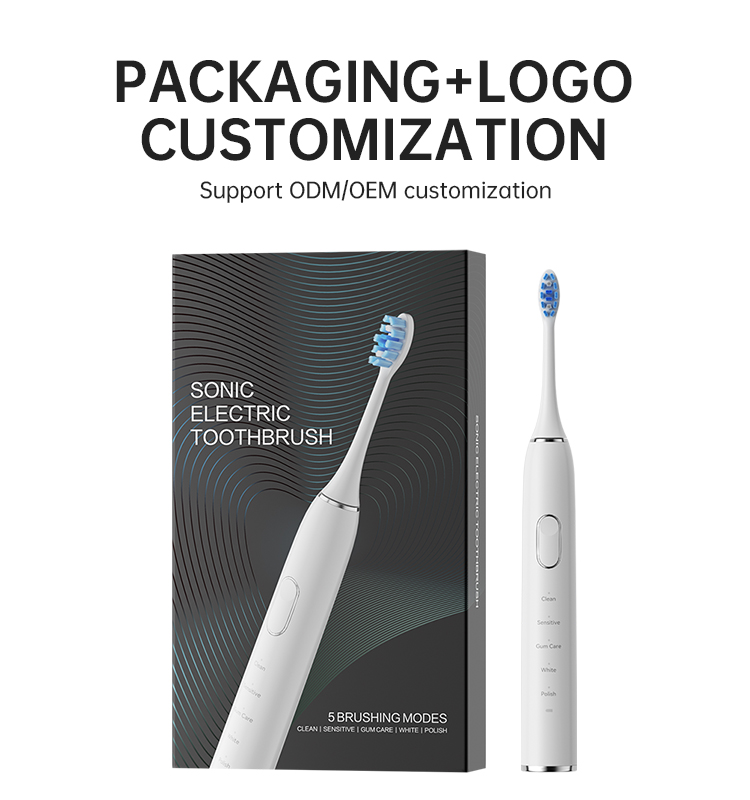
To maximize electric toothbrush benefits, it’s essential to use them correctly and follow proper precautions. As a leading B2B manufacturer of dental care products, we’re here to guide you on how to use electric toothbrushes effectively, covering key points like correct installation, charging according to the instructions, brushing at a 45-degree angle, keeping it clean, and replacing brush heads regularly 1. Correct Installation of the Brush Head The first step in using an electric toothbrush is ensuring correct installation of the brush head. Most electric toothbrushes have a simple click-on mechanism for attaching the brush head. Make sure it is securely fastened to avoid any wobbling or detachment during use. A properly installed brush head ensures optimal performance and prevents potential damage to the toothbrush or your teeth. 2. Charge According to the Instructions To keep your electric toothbrush functioning at its best, always charge it according to the instructions provided by the manufacturer. Overcharging or using incompatible chargers can reduce battery life and affect performance. Most electric toothbrushes come with a charging base and indicator lights to show the charging status. Ensure the toothbrush is fully charged before first use and recharge it as needed to maintain consistent performance. 3. Brush Your Teeth at a 45-Degree…
In today’s manufacturing industry, product durability and sustainability have become key competitive factors. Particularly in the brush head product sector, manufacturers often face the issue of Brush Head Frying—a phenomenon where prolonged usage and high-temperature processing lead to material degradation, fragility, or premature failure of the brush heads. At the same time, finding ways to reduce resource consumption and achieve environmental goals while enhancing product durability has become a focal challenge for the industry. This article explores the prospects of using a high Recycled Plastic Ratio to improve durability and sustainability from various angles, including technological breakthroughs, material optimization, and process innovation, while covering the following six key points. The Current Challenge of Brush Head Durability Firstly, many manufacturers encounter the problem of Brush Head Frying during production. Over time, intensive use causes brush head materials to age, deform, and sometimes fracture. Experts in the industry believe that the durability of brush heads depends not only on the quality of the raw materials but also on the manufacturing process and product design. In this context, choosing more environmentally friendly materials and reducing production costs without compromising performance has become an urgent issue to resolve. The Technological Advantages of a High…
In today's fast-paced market, battery life has become a critical issue for many portable devices. When your product struggles with short battery life, it directly impacts user satisfaction and overall performance. In this blog, we explore how Maglev Motor Tech is revolutionizing the industry by addressing energy efficiency and extending battery life through innovative motor design. Below, we break down the key aspects into six detailed sections. Identifying the Battery Life Challenge Battery longevity is one of the most common pain points in electronic devices. For many products, the root cause of short battery life lies in inefficient energy conversion and high internal friction in traditional motors. When components waste energy through unnecessary heat or mechanical resistance, the battery depletes much faster than expected. Recognizing these challenges is the first step in addressing the problem head-on. The Impact of Inefficient Motor Systems Conventional motor systems often struggle with energy losses that contribute to short battery life. High friction, mechanical wear, and energy conversion inefficiencies mean that a significant portion of battery power is wasted rather than used for the intended work. This inefficiency not only reduces operational time but also increases maintenance costs and limits product reliability. The quest for…
Oral hygiene is a critical aspect of personal care, and flossing plays a key role in maintaining healthy teeth and gums. Traditionally, dental floss has been the go-to method for removing food particles and plaque between teeth. However, with technological advancements, water flossers have emerged as an innovative alternative. From a manufacturing perspective https://www.powsmart.com/, both water flosser dental floss have unique production processes, cost structures, and material requirements. In this blog, we will conduct a Water Flosser vs. Traditional Dental Floss comparison, analyzing their differences in design, functionality, and production challenges. Traditional Dental Floss: Simplicity in Manufacturing Material Composition and Production Traditional dental floss is typically made from nylon or Teflon, coated with wax or fluoride for improved performance. The manufacturing process involves: Extrusion and Stretching: Nylon or PTFE fibers are stretched to achieve the right thickness and durability. Coating and Cutting: The floss is coated with wax, flavoring, or antibacterial agents and then cut into appropriate lengths. Packaging: The floss is spooled and placed into plastic or cardboard containers with built-in cutters. Manufacturing Advantages Low production cost: Raw materials are inexpensive, and the production process is highly automated. Compact design: Easy to store and transport. Eco-friendliness: Many brands now offer biodegradable floss options, reducing plastic waste. Limitations Manual…
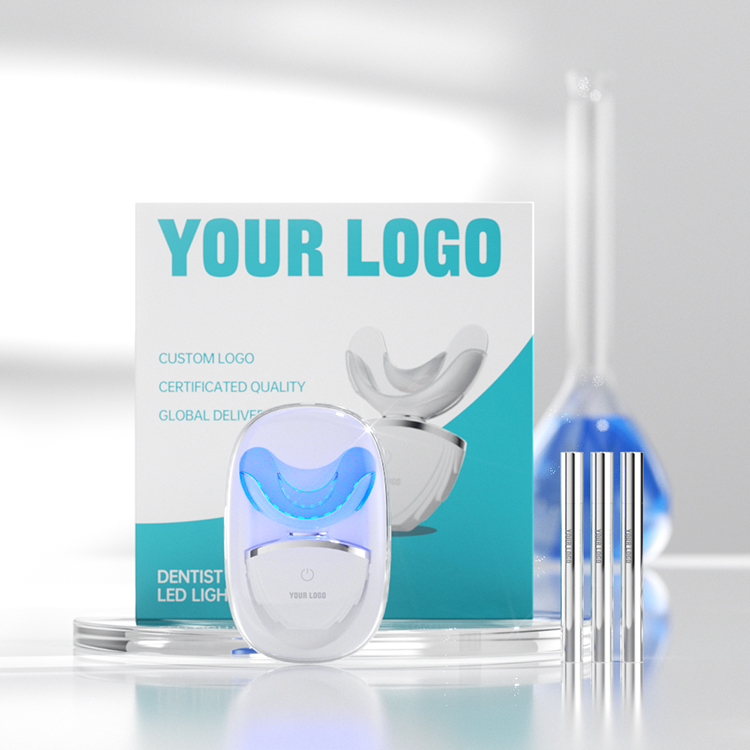
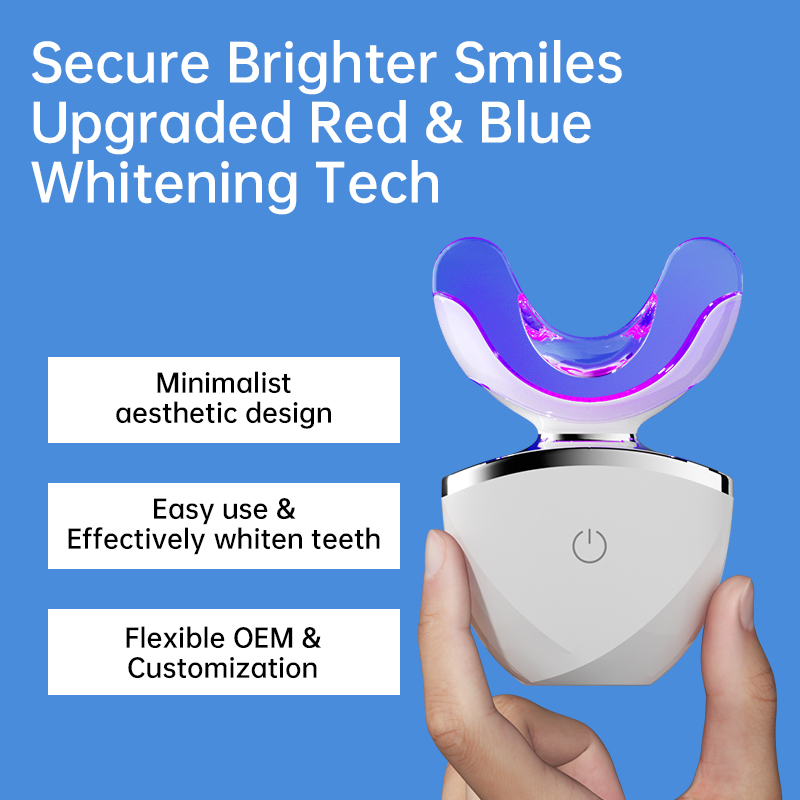
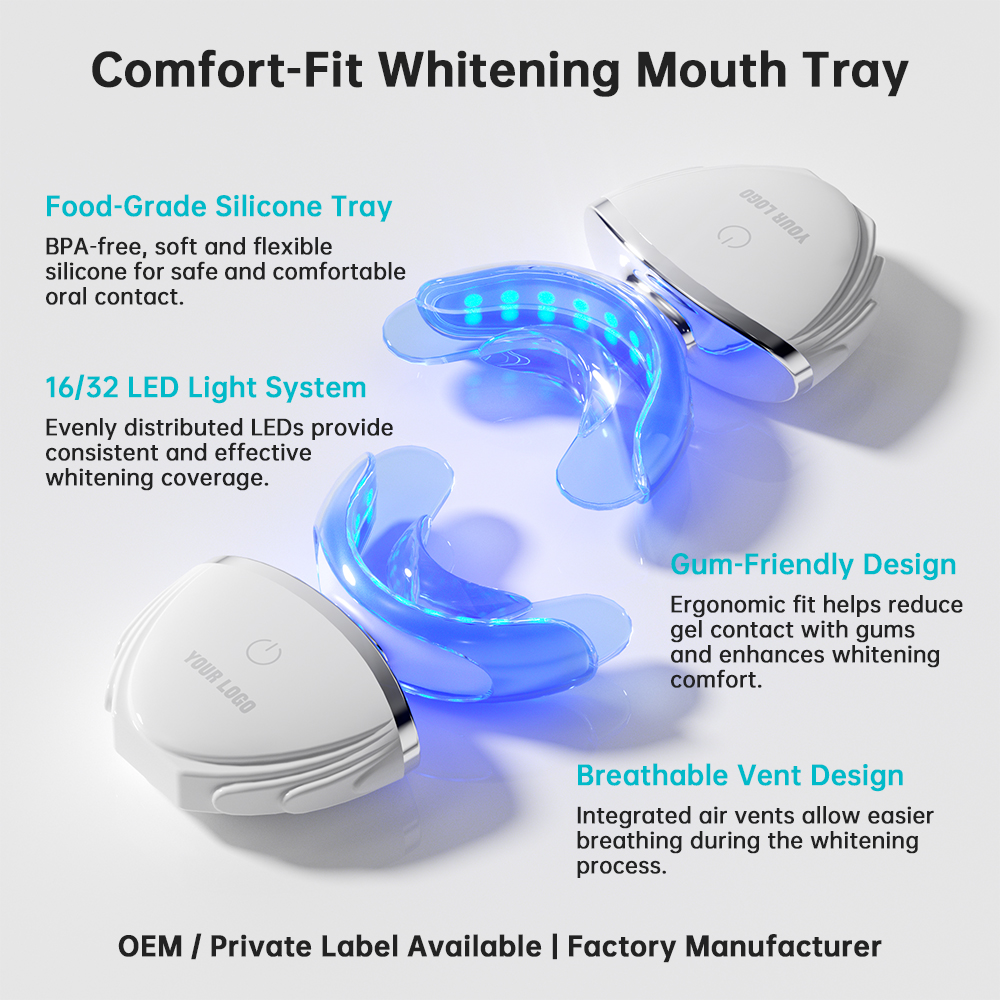
In recent years, the global oral care market has seen significant growth, with teeth whitening devices gaining immense popularity. Consumers are increasingly seeking convenient, at-home solutions for achieving a brighter smile, driving innovation in the industry. For manufacturers, staying ahead of teeth whitening devices manufacturing trends is crucial to maintaining competitiveness. This blog explores the latest trends and innovations in teeth whitening manufacturing, highlighting key advancements shaping the future of the industry. Smart Technology Integration in Whitening Devices With the rise of smart technology, modern teeth whitening devices are no longer just simple LED mouthpieces. Manufacturers are integrating AI-powered features, Bluetooth connectivity, and mobile app controls to enhance user experience. These innovations allow consumers to personalize their whitening treatments, track progress, and receive real-time feedback—features that set advanced whitening device factories apart from traditional manufacturers. Key Smart Innovations: AI-based whitening adjustments for customized treatments Bluetooth-enabled devices for progress tracking UV and LED light technology to optimize whitening effects Eco-Friendly and Sustainable Manufacturing Practices As environmental concerns grow, teeth whitening device factories are adopting sustainable materials and eco-friendly production processes. Consumers are now more inclined to choose products made with biodegradable plastics, rechargeable batteries, and non-toxic whitening gels. In response, manufacturers are innovating to balance effectiveness with sustainability. Sustainable Manufacturing…
Maintaining good oral hygiene goes beyond just brushing your teeth. A water flosser is an effective tool that helps remove food particles, plaque, and bacteria from between teeth and along the gumline. For those new to this device, understanding the proper usage is essential to maximizing its benefits. This guide will provide water flosser beginners with essential oral care tips and usage tips from the factory to ensure optimal performance. Understanding How a Water Flosser Works A water flosser uses a pressurized stream of water to clean areas where traditional flossing might be difficult. Unlike string floss, which can be harsh on gums, a water flosser provides a gentler yet effective way to clean between teeth, especially for people with braces, implants, or gum sensitivity. Key Benefits: Deep Cleaning: Removes food debris and plaque more efficiently than traditional floss. Gum Health Improvement: Reduces inflammation and bleeding for people with sensitive gums. Easy to Use: A great option for those who find string flossing uncomfortable or difficult. Step-by-Step Guide: How to Use a Water Flosser for Beginners Step 1: Fill the Water Reservoir Use lukewarm water to avoid sensitivity. For additional antibacterial benefits, consider adding a mouthwash (if recommended by your dentist). Step 2: Choose the Right Nozzle…
Mold errors in manufacturing can lead to costly defects, production delays, and a compromised product experience. For water flosser manufacturers, ensuring Flosser Anti-Misoperation features and implementing a robust Mold Maintenance strategy are crucial steps toward achieving high product quality and production efficiency. This blog explores how these two factors can help overcome mold-related challenges and ensure smooth manufacturing operations. The Challenge of Mold Errors in Water Flosser Production Mold errors occur due to various factors, including wear and tear, improper handling, and inadequate maintenance. These errors can result in defects such as warpage, dimensional inconsistencies, or surface imperfections, all of which negatively impact the Flosser Anti-Misoperation mechanisms. A poorly molded component may fail to fit correctly, leading to assembly failures or operational malfunctions in the final product. Understanding these challenges is the first step toward implementing effective solutions. How Anti-Misoperation Features Reduce Defective Production A well-designed Flosser Anti-Misoperation system ensures that components fit and function correctly, minimizing user errors and operational failures. If the mold produces defective parts, the anti-misoperation mechanism may fail to align properly, leading to performance issues in the flosser. By integrating smart design solutions, such as precise locking mechanisms and sensor-based detection, manufacturers can mitigate these…
Choose the right electric toothbrush for your children is an important decision that can impact their oral health and brushing habits. With so many options available, it’s essential to consider factors like age and stage, gentle vibration, and whether the brush head is small and moderate in design. As a trusted B2B manufacturer of dental care products, we’re here to guide you through the process of choose the perfect electric toothbrush for your children. 1. Consider the Child’s Age and Stage When choose an electric toothbrush for your children, the first factor to consider is their age and stage. Electric toothbrushes are generally recommended for ages 3 and up, as younger children may not have the motor skills to use them effectively. For toddlers, look for models specifically designed for their age group, with features like smaller brush heads and softer bristles. Older children can use more advanced models with additional features, such as timers and multiple brushing modes. 2. Opt for Gentle Vibration Children’s teeth and gums are more sensitive than adults’, so it’s important to choose an electric toothbrush with gentle vibration. Many electric toothbrushes for kids come with adjustable speed settings or specialized modes for sensitive teeth.…
With the growing popularity of electric toothbrushes, many parents wonder: can children use electric toothbrush? As a trusted B2B manufacturer of dental care products, we’re here to provide clarity on this topic. In this blog, we’ll explore whether electric toothbrushes are suitable for children, focusing on concerns like toothbrushing control is not very flexible, their effectiveness in plaque removal, and why they are recommended for ages 3 and up when the enamel is basically fully developed. 1. Toothbrushing Control Is Not Very Flexible in Children One common concern about children using electric toothbrushes is that their toothbrushing control is not very flexible. Young children may struggle to maneuver the brush properly or apply too much pressure, which could lead to gum irritation or enamel wear. However, many electric toothbrushes designed for kids come with smaller brush heads and softer bristles, making them easier to handle. Additionally, parental supervision can help children learn the correct technique and ensure safe use. 2. Superior Plaque Removal for Kids Electric toothbrushes are highly effective at plaque removal, even for children. Their rapid brush strokes can clean teeth more thoroughly than manual brushing, reaching areas that kids often miss. This is especially important for children, as they are still developing their brushing habits and…
When shopping for an electric toothbrush, one of the most common questions is: Are more expensive models really better? As a leading B2B manufacturer of dental care products, we understand that price is an important factor for both businesses and consumers. In this blog, we’ll explore whether higher-priced electric toothbrushes are worth the investment by examining key features such as vibration mode, pressure sensors, partition reminders, and battery capacity. 1. Advanced Vibration Modes One of the standout features of more expensive electric toothbrushes is their variety of vibration modes. These modes cater to different oral care needs, such as daily cleaning, gum care, whitening, and sensitive teeth. While budget models may offer only one or two modes, premium toothbrushes often include multiple settings, allowing users to customize their brushing experience. If you have specific dental needs, such as sensitive gums or a desire for whitening, investing in a higher-end model with diverse vibration modes can be beneficial. 2. Pressure Sensors for Safer Brushing Many premium electric toothbrushes come equipped with pressure sensors, a feature that alerts users when they’re brushing too hard. Excessive pressure can damage enamel and irritate gums, so this feature is particularly useful for those who tend to brush aggressively. While some mid-range models may include basic…
With increasing awareness of oral aesthetics, the demand for teeth whitening devices has surged. Manufacturers are continuously innovating to provide more effective and convenient solutions for consumers. However, with multiple options available, how do manufacturers decide which type of whitening device to produce? This article provides a detailed comparison of different types of teeth whitening devices, highlighting whitening device pros and cons to help businesses make informed production decisions. LED Teeth Whitening Kits LED teeth whitening kits use a combination of a whitening gel (typically containing peroxide) and LED light to accelerate the whitening process. The light activates the whitening agents, breaking down stains faster. https://www.powsmart.com/product/teeth-whitening-kit-device/ Pros Effective for deep stains – Can remove long-term discoloration from coffee, wine, and smoking. Non-invasive – No drilling or scraping involved, making it a safe option for most users. Popular in the market – High consumer demand due to visible results within a few uses. Cons Requires multiple applications – Not an instant solution; users must apply the treatment over several sessions. May cause sensitivity – Some users experience gum irritation or tooth sensitivity due to peroxide content. Whitening Strips Whitening strips are coated with a peroxide-based gel and applied directly to the teeth. Over time, the gel penetrates the enamel…