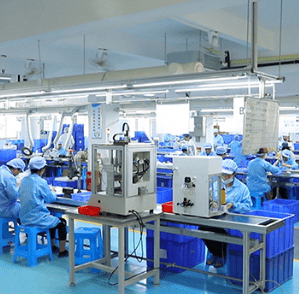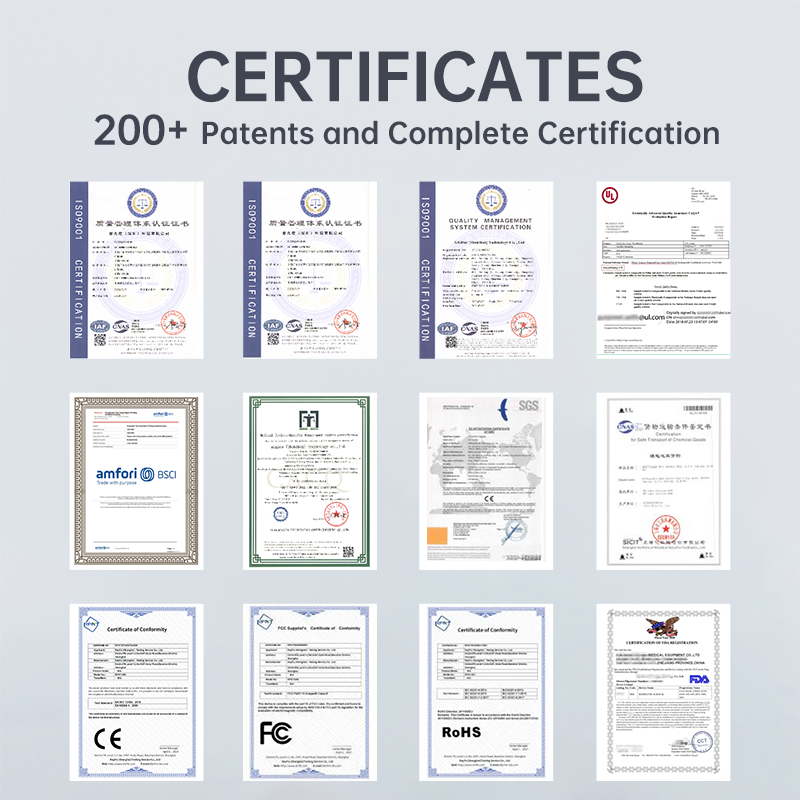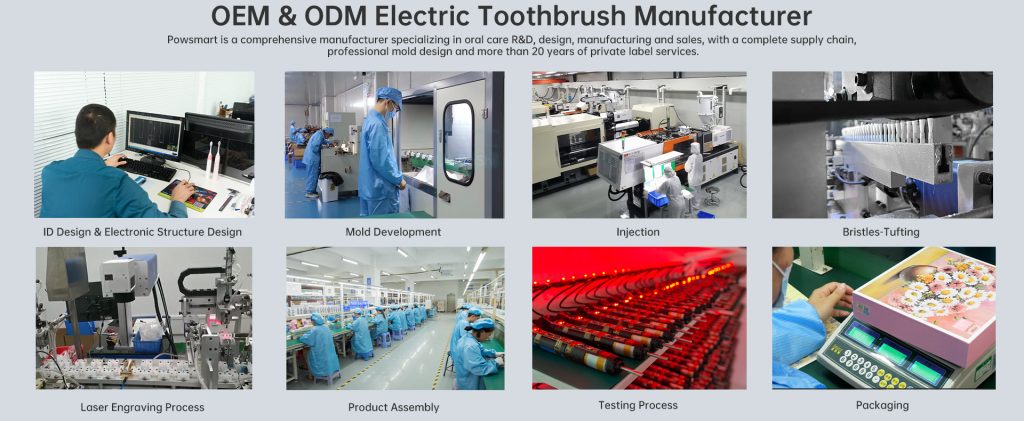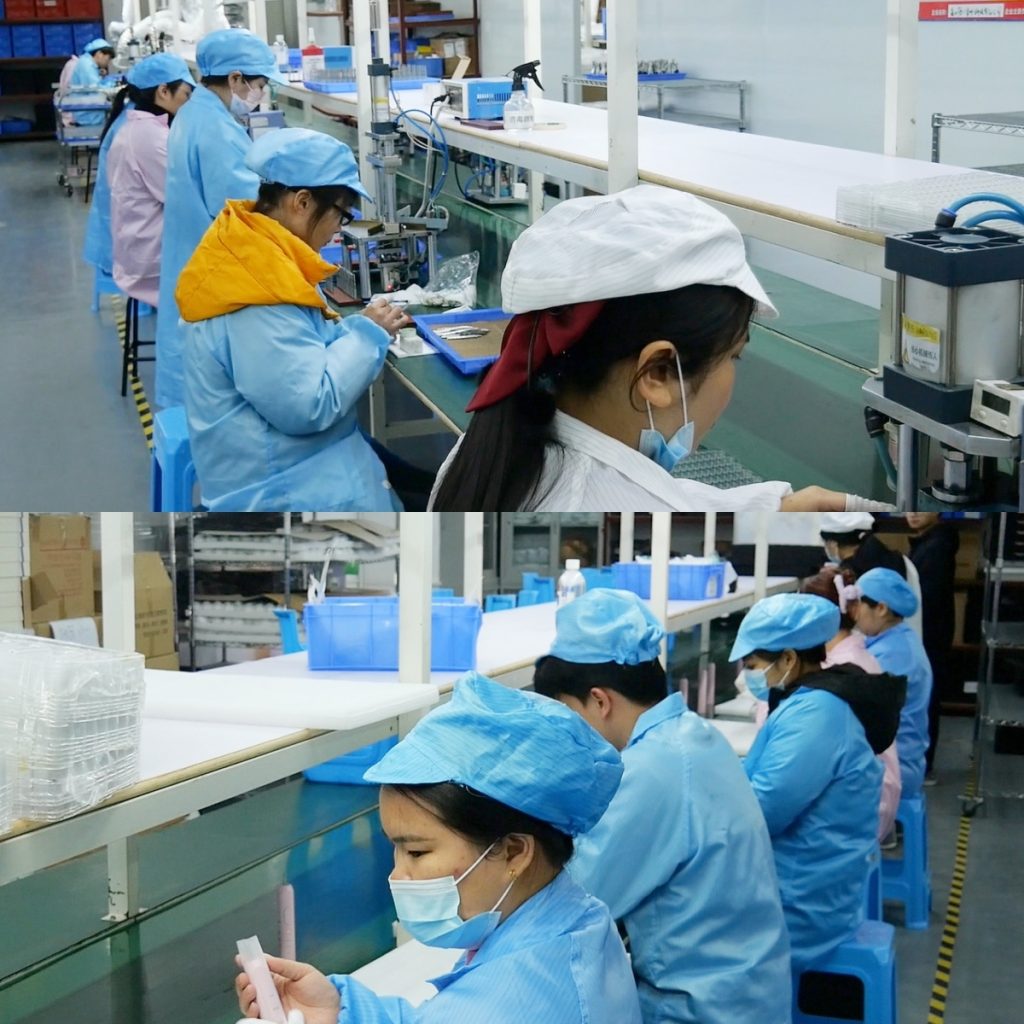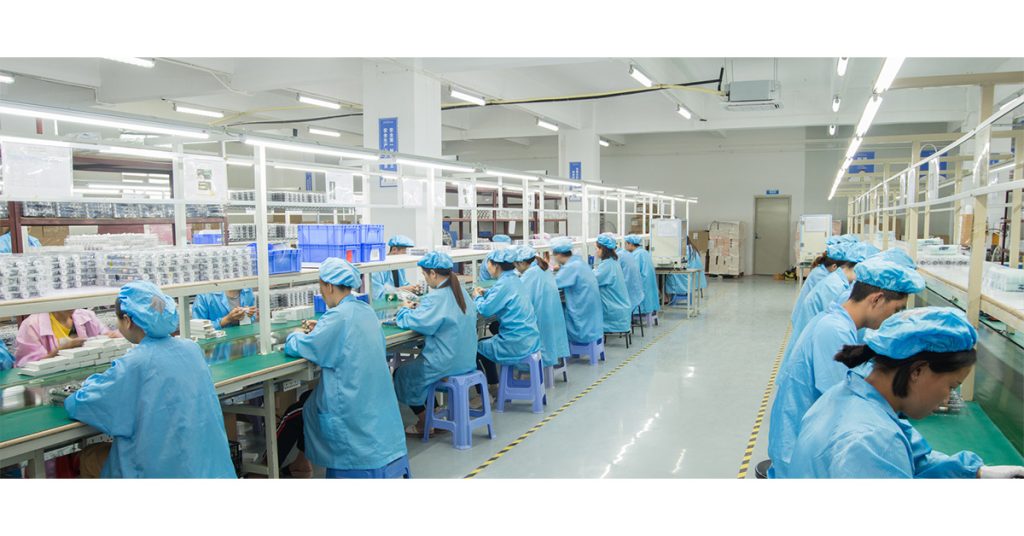
When sourcing products from China, especially electric toothbrushes, it’s essential to consider several factors to ensure you select the right supplier. The global demand for electric toothbrushes has grown significantly, making it a lucrative market. However, identifying reliable suppliers can be challenging without a clear strategy. Here are the six most important aspects to pay attention to when looking for electric toothbrush suppliers in China. Supplier’s Manufacturing Capabilities Understanding a supplier’s manufacturing capabilities is crucial. Ensure they have the capacity to meet your order quantity within the required timeline. Evaluate their production facilities, the technology they use, and their ability to handle customizations or new product designs. A visit to the factory or a third-party audit can provide valuable insights. Product Quality and Compliance Quality assurance is one of the most important aspects when selecting an electric toothbrush supplier. Look for suppliers who adhere to international quality standards like ISO 9001. Verify whether their products meet certifications such as CE, FCC, or RoHS, which ensure safety and environmental compliance. Request samples to evaluate the performance and durability of their electric toothbrushes. Supply Chain and Logistics Management Efficient supply chain management can significantly affect your business operations. A reliable supplier should…
Orthodontic treatment is an investment in a healthier and more confident smile. However, it also requires diligent oral care to prevent potential complications such as cavities, gum disease, or decalcification of the teeth. In this blog, Powsmart will share essential oral care tips for people under orthodontics treatment to maintain optimal oral health throughout the journey. Brush Thoroughly but Gently Brushing is the cornerstone of oral hygiene, especially for individuals with braces. Use a soft-bristled toothbrush or an orthodontic toothbrush designed for cleaning around brackets and wires. Ensure you brush: Above and below the brackets: Angle the brush at 45 degrees. For at least two minutes: Cover all surfaces of your teeth and braces. Twice daily, or after every meal to remove trapped food particles. An electric toothbrush with a small head can also be a helpful tool for effective cleaning. Don’t Forget to Floss Flossing is vital for removing plaque and food debris between teeth, which your toothbrush can’t reach. Special tools like floss threaders or orthodontic floss can make the process easier for people under orthodontics. Alternatively, consider using an interdental brush or a water flosser to clean between your teeth and brackets. Rinse with Mouthwash An antimicrobial or fluoride mouthwash…
When it comes to industrial or consumer-grade appliances, the water pump is a critical yet often overlooked component. Its functionality spans across various domains, from oral care devices like oral irrigators to heavy-duty industrial machinery. In this blog, we will delve deep into the knowledge of the water pump, covering six essential aspects to enhance your understanding.https://www.powsmart.com/ What Is a Water Pump? At its core, a water pump is a mechanical device that moves water from one point to another. In devices like an oral irrigator water pump, its role is to ensure a consistent, pressurized flow of water for optimal functionality. Water pumps come in different types, such as centrifugal pumps, diaphragm pumps, and peristaltic pumps. Key Components of a Water Pump A typical water pump consists of the following essential parts: Impeller: Responsible for creating the flow by spinning and moving the water. Motor: Powers the pump to operate. Seal or Gasket: Prevents leaks and ensures airtight operation. Inlet and Outlet: Entry and exit points for the water. In high-precision devices like oral irrigators, the oral irrigator water pump use with advanced materials and compact components to ensure reliability and durability. Applications of Water Pumps The applications of water pumps are vast and…
Water flossers have become an essential tool for maintaining oral hygiene, offering an efficient and gentle way to clean between teeth and along the gumline. However, one critical question often arises among users: Does the nozzle of the water flosser need to be changed regularly? The short answer is yes. Below, As a professional water flosser manufacturer, Powsmart will explore why this maintenance step is crucial and how to ensure you’re getting the most out of your device. The Role of the Water Flosser Nozzle in Oral Hygiene The nozzle of a water flosser is the primary component that directs water to remove plaque, food debris, and bacteria. Over time, the efficiency of this essential part can decline due to wear and tear. Regularly changing the nozzle ensures that your water flosser continues to perform at its best, helping you maintain optimal oral health. Accumulation of Bacteria and Mineral Deposits Like any tool exposed to moisture, the nozzle of the water flosser can become a breeding ground for bacteria if not replaced. Additionally, mineral deposits from water can build up inside the nozzle, restricting water flow and reducing cleaning effectiveness. Regular replacement minimizes these risks and ensures a hygienic cleaning process.…
With increasing consumer awareness about dental health and rapid technological advancements, oral care manufacturers are set to play a pivotal role in shaping the future of the sector. As an experienced manufacturer with over 20 years OEM/ODM experience, let’s explore the key trends that will define the future of oral care industry with Powsmart from innovative products to sustainable practices. Personalized Oral Care Solutions The future of the oral care industry is increasingly leaning toward personalization. Consumers are seeking products tailored to their unique dental needs, such as tooth sensitivity, whitening, or gum health. Advances in technology, including AI and machine learning, allow oral care manufacturers to design customized solutions. For example, smart toothbrushes equipped with sensors can analyze brushing habits and provide real-time feedback, creating a personalized oral care experience. Besides, Powsmart is also offering one type of sweep sonic toothbrush, which is the replica of BASS brushing method. With this technology, cleaning capacity increased by more than 10 times. Sustainability in Oral Care Sustainability is no longer an option but a necessity. As environmental concerns grow, consumers are demanding eco-friendly products and packaging. Oral care manufacturers are responding by introducing biodegradable toothbrushes, toothpaste tablets, and refillable mouthwash containers. The shift toward…
One key feature often discussed is the frequency of electric toothbrush—how many strokes or vibrations it produces per minute. But does a higher frequency always mean better cleaning ability? Let’s explore this topic in-depth to understand the relationship between frequency and cleaning performance. Understanding the Frequency of the Electric Toothbrush Frequency refers to the speed at which an electric toothbrush vibrates or oscillates. High-frequency toothbrushes can generate tens of thousands of strokes per minute, far surpassing what is achievable with manual brushing. For example, sonic toothbrushes typically operate at 30,000 to 40,000 strokes per minute, providing users with a more efficient cleaning process. But what does this mean for actual plaque removal and oral hygiene? How Frequency Affects Cleaning Ability The cleaning ability of toothbrushes depends on several factors, including frequency. Here’s how frequency contributes: Increased Plaque Removal: High-frequency vibrations help dislodge plaque and food particles from hard-to-reach areas. Fluid Dynamics: Sonic toothbrushes create dynamic fluid motion, propelling water and toothpaste between teeth and along the gum line for a deeper clean. Gentle on Gums: While high-frequency brushes are effective, their movements are designed to be gentle, reducing the risk of gum damage compared to aggressive manual brushing. However, frequency alone doesn’t guarantee better…
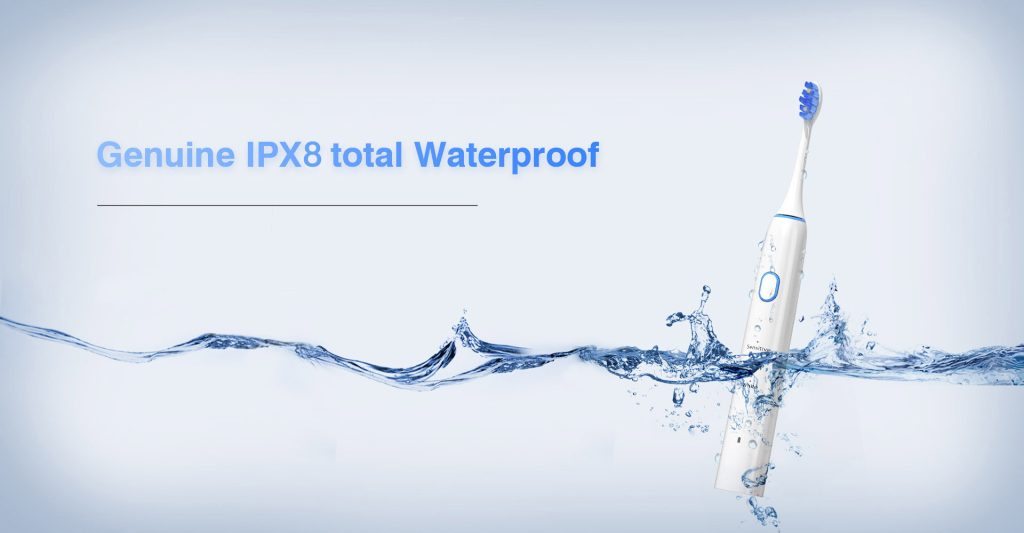
Ensuring product quality and durability is essential, especially when it comes to electric toothbrushes. As a factory specializing in the production of these devices, Powsmart understand the critical importance of the waterproofing process of electric toothbrush in ensuring the safety and longevity of our products. Here, Let’s take a closer look at how we approach waterproofing and the key steps involved. https://www.powsmart.com/ Why Waterproofing Is Essential for Electric Toothbrushes Electric toothbrushes are designed to operate in a wet environment, such as bathrooms, where exposure to water is inevitable. Without proper waterproofing, moisture can penetrate the device, leading to electrical malfunctions, reduced lifespan, and potential safety hazards. At our electric toothbrush factory, we prioritize waterproofing to ensure both performance and user safety. Key Waterproofing Standards To meet international quality standards, our factory adheres to industry-recognized waterproofing certifications, such as IPX7 and IPX8 ratings. These certifications guarantee that our electric toothbrushes can withstand water immersion for extended periods without compromising their functionality. The waterproofing process involves rigorous testing to ensure compliance with these standards. Steps in the Waterproofing Process Waterproofing an electric toothbrush is a meticulous process that combines advanced technology and precision manufacturing. Here are the primary steps we follow: Sealing Critical…
Oral hygiene is an essential part of maintaining overall health. While dental floss has long been a go-to tool for cleaning between teeth, water flossers are emerging as a superior alternative. But why is it important to use a water flosser instead of dental floss? Let’s dive into the key reasons.https://www.powsmart.com/simples/x6-cordless-uv-water-flosser/ Gentle on Gums Traditional dental floss can sometimes cause irritation or even damage to sensitive gums, especially if not used correctly. Water flossers, on the other hand, use a gentle stream of water to clean between teeth and along the gumline, reducing the risk of bleeding or inflammation. For individuals with sensitive gums, braces, or implants, water flossers are a more comfortable option. Superior Cleaning Power While dental floss is effective at removing food particles and plaque from tight spaces, it often struggles to reach deep periodontal pockets. Water flossers excel in this area, providing a thorough cleaning by flushing out bacteria and debris that traditional floss might miss. This makes water flossers an excellent choice for preventing gum disease and maintaining oral health. Ease of Use One of the main reasons people neglect flossing is because it can be time-consuming and awkward to handle. Water flossers simplify the…
When it comes to teaching kids good oral hygiene, parents often find themselves navigating a maze of options. One tool that's been gaining popularity is the water flosser. But is it the right choice for your child? In this blog, as a professional water flosser manufacturer with over 20 years OEM/ODM service, Powsmart will explore the benefits, considerations, and tips for introducing your little one to this innovative dental device. Here’s everything you need to know: What Is a Water Flosser? A water flosser is a device that uses a targeted stream of water to clean between teeth and along the gumline. Unlike traditional string floss, it’s gentle and effective, especially for kids who find flossing tedious or uncomfortable. As a trusted water flosser manufacturer, we ensure that these devices are designed with safety and ease of use in mind for every age group. Benefits of a Water Flosser for Kids Gentle on Gums: Young children often have sensitive gums, and water flossers can clean effectively without causing discomfort. Improved Compliance: Kids are more likely to stick to their dental routine when it involves an engaging, fun device like a water flosser. Comprehensive Cleaning: Water flossers can reach areas that traditional floss might…
Bleeding gums can be a concerning sign, often hinting at underlying oral health issues such as gingivitis or improper dental care. However, addressing this problem doesn’t have to be intimidating. Water flossing, a revolutionary approach to oral hygiene, offers a gentle yet effective solution to improve gum health and prevent bleeding. Let’s dive into the benefits of water flossing and why it’s a game-changer for your dental care routine. What Causes Bleeding Gums? Before exploring solutions, it’s essential to understand the root causes of bleeding gums. Poor oral hygiene often leads to plaque buildup, which irritates gum tissue and causes inflammation, also known as gingivitis. Other factors such as using hard-bristled toothbrushes, improper flossing techniques, or underlying health conditions can exacerbate the problem. Identifying these triggers is the first step toward healthier gums. The Drawbacks of Traditional Flossing While traditional string flossing is effective, many individuals find it challenging or uncomfortable. Missteps in flossing technique can aggravate sensitive gums and even contribute to bleeding. This is where water flossing provides a modern alternative that’s not only easier to use but also more comfortable for people with gum sensitivity. What Is Water Flossing? Water flossing uses a handheld device that directs…
The oral care industry is experiencing a significant shift towards sustainability, with manufacturers focusing on eco-friendly materials and practices. Among these advancements, the use of recyclable TPU material in sonic toothbrush heads has emerged as a game-changing innovation. This approach not only addresses environmental concerns but also maintains the high performance consumers expect from modern toothbrush heads. Benefits of Recyclable TPU Material Thermoplastic polyurethane (TPU) is a versatile material known for its durability, flexibility, and recyclability. When applied to sonic toothbrush heads, recyclable TPU material provides several benefits: Eco-friendliness: Unlike traditional plastic, TPU is easier to recycle, reducing waste. Durability: TPU offers excellent wear resistance, ensuring longer-lasting toothbrush heads. Gentle Care: The soft yet resilient nature of TPU is ideal for creating bristles that are effective yet gentle on gums and teeth. By integrating recyclable TPU, manufacturers can appeal to environmentally conscious consumers while delivering high-quality oral care solutions. Types of Toothbrush Heads and TPU’s Role The market offers a variety of toothbrush head types to suit different needs, from sensitive cleaning to deep plaque removal. TPU's adaptability allows it to be molded into various designs, including: Standard sonic toothbrush heads: Engineered for optimal cleaning with minimal vibration discomfort. Specialized heads: TPU is aim…
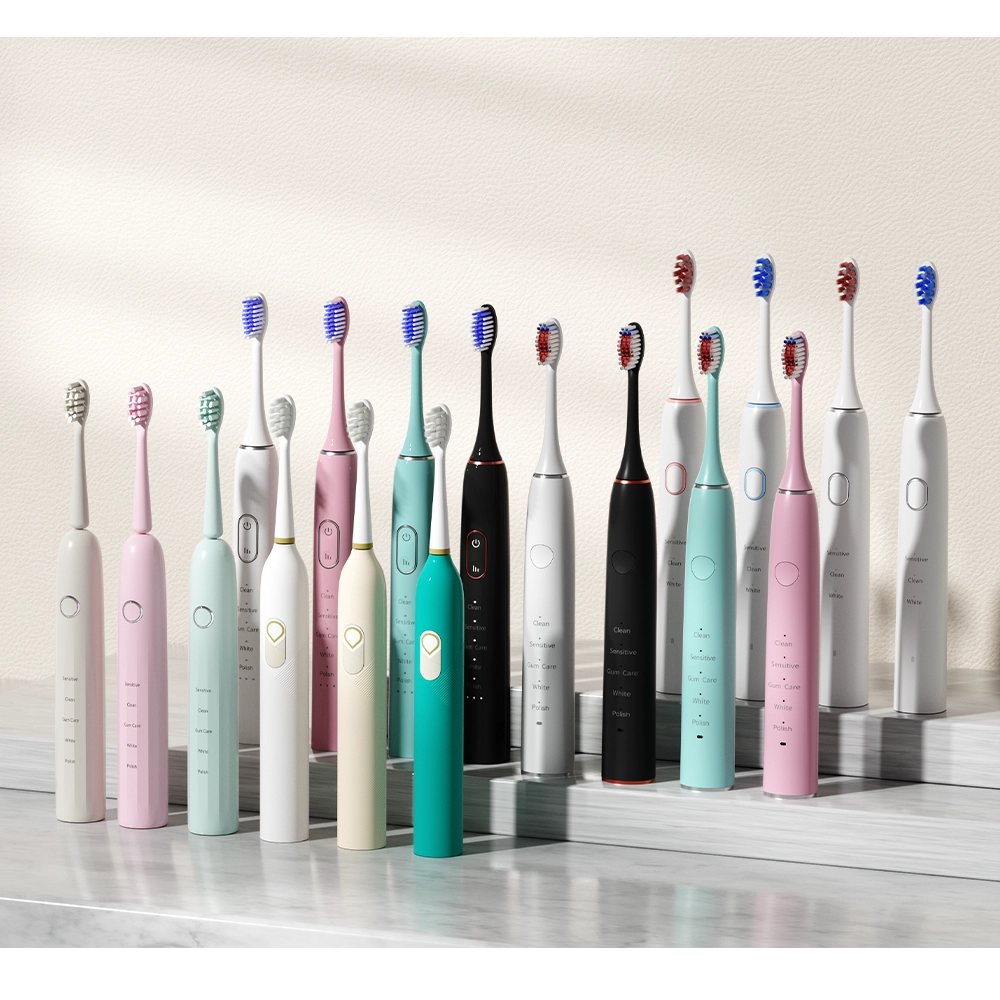
The oral care industry is rapidly evolving, with Private label water flossers emerging as a popular choice among businesses looking to enter the market or expand their product lines. These devices combine innovation and customization to meet consumer demand for effective oral hygiene solutions. This blog will explore the benefits of private labeling, the features of customizable water flossers, and the oral irrigator customization process. Why Choose Private Label Water Flossers? Private label water flossers offer businesses the flexibility to create unique, branded products without the high costs of in-house production. Here are the key benefits: Brand Differentiation: By customizing features, packaging, and aesthetics, you can create a product that stands out in the crowded oral care market. Cost-Effective Production: Partnering with a reliable manufacturer helps you save on production costs while maintaining high-quality standards. Consumer Trust: Offering branded products tailored to your target market’s needs fosters loyalty and enhances credibility. These advantages make Private label water flossers a strategic investment for businesses aiming to succeed in the oral care industry. Features of Customizable Water Flossers Modern consumers demand both functionality and style in their oral care tools. Customizable water flossers allow brands to meet these expectations with features such as: Adjustable Pressure…
As oral care trends evolve, water flossers have become an essential tool for maintaining dental hygiene. The demand for high-quality oral irrigators has increased significantly, placing Water Flosser Manufacturing at the forefront of innovation. This blog will explore how cutting-edge manufacturing techniques, rigorous water flosser quality control, and precise oral irrigator inspection are revolutionizing the industry. Advancements in Water Flosser Manufacturing Modern Water Flosser Manufacturing integrates state-of-the-art technology to produce efficient and reliable products. From high-pressure pumps to compact, ergonomic designs, manufacturers are continually innovating to meet consumer needs. The integration of smart features, such as adjustable pressure levels and UV sterilization, reflects a commitment to both convenience and advanced oral care. The Importance of Quality Control High standards of water flosser quality control are crucial to delivering safe and effective products. Quality assurance processes often include pressure testing, leakage assessments, and durability checks. By employing advanced tools like AI-powered sensors, manufacturers can detect minute defects during production, ensuring that each unit meets stringent quality standards. A notable case study highlights a manufacturer that implemented AI-based inspections, reducing customer complaints by 20% and improving brand reputation in global markets. Precision in Oral Irrigator Inspection Oral irrigator inspection goes beyond standard quality checks to ensure optimal…
Choosing the right brush head is essential for effective oral hygiene. As an electric toothbrush manufacturer, we understand the importance of high-quality materials and designs to meet diverse consumer needs. Among these, the Toothbrush filament recommended for various types of users plays a critical role in delivering an optimal cleaning experience. Different Types of Brush Heads There are numerous brush head types available in the market, each designed to serve specific purposes: Soft Bristle Brush Heads: Ideal for individuals with sensitive gums. These heads feature soft filaments that gently clean teeth while preventing gum irritation. Powsmart offers charcoal, soft transparent and double layers bristles for sensitive gums’ option. Medium and Hard Bristle Heads: Designed for users who prioritize robust cleaning. These filaments remove stubborn plaque but should be used carefully to avoid gum damage. Powsmart offers Dupont and diamond clean bristles for normal gums. Interdental Brush Heads: Equipped with thin, tapered filaments, these heads target hard-to-reach areas, making them highly effective for thorough cleaning. Specialized Sonic Brush Heads: Tailored for electric toothbrushes. These heads use advanced filaments to amplify sonic vibrations, providing superior plaque removal. Each of these brush head types caters to specific cleaning needs, making them popular choices for toothbrush brands. If you do…
The electric toothbrush industry has undergone a significant transformation in recent years, with advancements in manufacturing processes driving efficiency, innovation, and quality. In this blog, we explore the revolution in electric toothbrush manufacturing and its impact on the industry, shedding light on new technologies, streamlined production, and sustainable practices shaping the future of oral care products. Smart Automation in Electric Toothbrush Manufacturing Automation has been a game-changer in the production of electric toothbrushes. From precision assembly lines to robotic quality control, smart technologies have enhanced efficiency while minimizing human error. Manufacturers now employ advanced machines capable of handling intricate components such as motor assemblies and bristle configurations, accelerating production rates and ensuring consistent quality. This technological leap exemplifies how electric toothbrush manufacturing continues to evolve. Integration of Sustainable Practices Sustainability is becoming a core focus in the industry. Companies are exploring eco-friendly materials, such as biodegradable plastics, and energy-efficient manufacturing methods to reduce carbon footprints. For example, some manufacturers have adopted closed-loop systems to recycle water and energy during production, aligning with global efforts toward environmental responsibility. This shift underscores how the revolution in electric toothbrush manufacturing is addressing modern sustainability challenges. Customized Production and Private Labeling Another hallmark of this manufacturing revolution is…
Electric toothbrushes have become a staple in oral care routines worldwide, thanks to their superior cleaning capabilities and advanced features. However, few consumers understand what goes into the making of these devices. By exploring the materials and processes used in electric toothbrush manufacturing, we can gain insight into how these essential tools combine durability, safety, and efficiency. Key Materials Used in Electric Toothbrushes a. Plastics for Housing and DesignThe outer casing of an electric toothbrush is typically made from durable and lightweight plastics such as ABS (Acrylonitrile Butadiene Styrene) or polycarbonate. These materials ensure the toothbrush is water-resistant and safe for prolonged use. High-quality plastics also provide a sleek finish, enhancing the aesthetic appeal of the toothbrush. b. Metals for Motors and ComponentsElectric toothbrushes rely on small, precision-engineered motors, which are often made of stainless steel or other robust metals. These materials are essential for creating the vibrations or rotations needed for effective cleaning, a hallmark of the electric toothbrush manufacturing process. c. Soft Nylon for BristlesSoft nylon to ensure effective cleaning without damaging enamel or gums. In many cases, manufacturers use different grades of nylon for varied cleaning modes, such as sensitive or deep-cleaning options. The Role of Advanced Materials…
Sonic toothbrushes have become a significant part of the oral care market due to their superior cleaning technology and increasing consumer demand. For businesses considering entering this market, one critical question arises: Is manufacturing sonic toothbrush cost-effective? In this blog, Powsmart is gong to analyze key factors such as production costs, scalability, and competitive advantages, while integrating insights on electric toothbrush manufacturing cost and the role of an electric toothbrush factory. Key Cost Factors in Manufacturing Sonic Toothbrushes Manufacturing a sonic toothbrush involves several cost components: Material Costs: The primary materials include high-quality plastics, silicone for bristle heads, and advanced sonic motors. These materials can raise the electric toothbrush manufacturing cost, but sourcing in bulk or partnering with trusted suppliers can help reduce expenses. Technology and Design: The integration of sonic motor technology, battery efficiency, and ergonomic designs are key cost drivers. However, investing in superior technology is essential to remain competitive. Regulatory Compliance: Meeting international safety and quality standards requires rigorous testing, adding to the initial production cost. Role of an Electric Toothbrush Factory An electric toothbrush factory plays a pivotal role in determining the cost-effectiveness of manufacturing sonic toothbrushes. Efficient factories employ advanced machinery, automated production lines, and skilled labor to streamline…
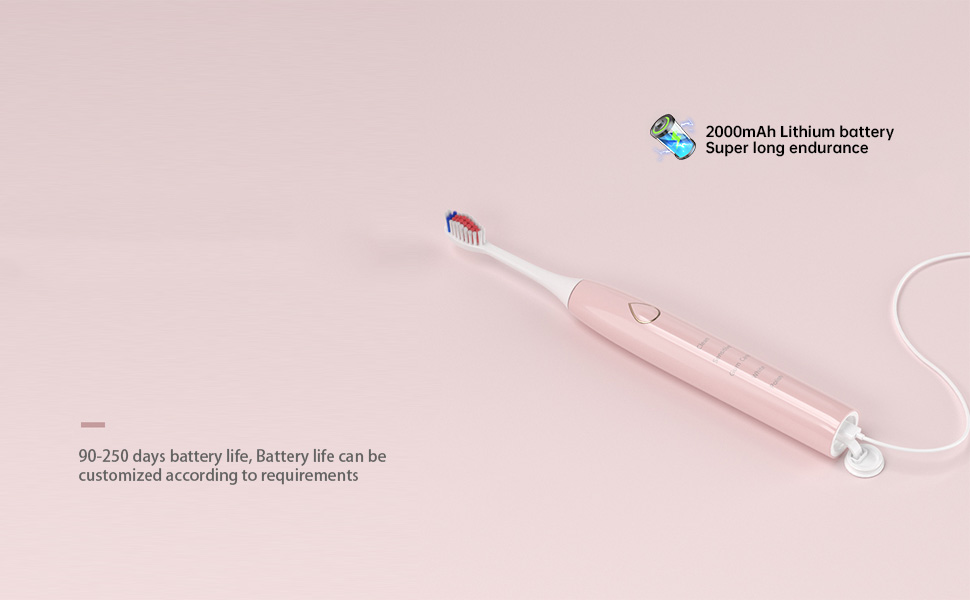
Understanding the life cycle of an electric toothbrush is essential for manufacturers, retailers, and consumers alike. From its initial design and production at an electric toothbrush factory to its disposal and potential recycling, the journey of an electric toothbrush offers insights into innovation, sustainability, and consumer behavior. Design and Development The first stage of the life cycle begins with design and development. Manufacturers at an electric toothbrush factory focus on creating ergonomic, efficient, and feature-rich products that appeal to diverse consumer needs. Key considerations include motor efficiency, battery life, waterproofing, and brush head compatibility. As an electric toothbrush manufacturer, Powsmart invests in research and development to integrate features such as smart brushing sensors and app connectivity to stay competitive. Production and Assembly After finalizing the design, production takes place in specialized electric toothbrush factories. These facilities handle the assembly of components, including brush heads, motors, batteries, and casings. Automation and quality control play a crucial role in ensuring consistency and reliability. Advanced factories also adopt sustainable manufacturing practices, such as minimizing waste and using recyclable materials, to align with global environmental standards. Distribution and Consumer Use This stage in the life cycle of an electric toothbrush involves logistics, marketing, and user adoption. For consumers, regular use and…
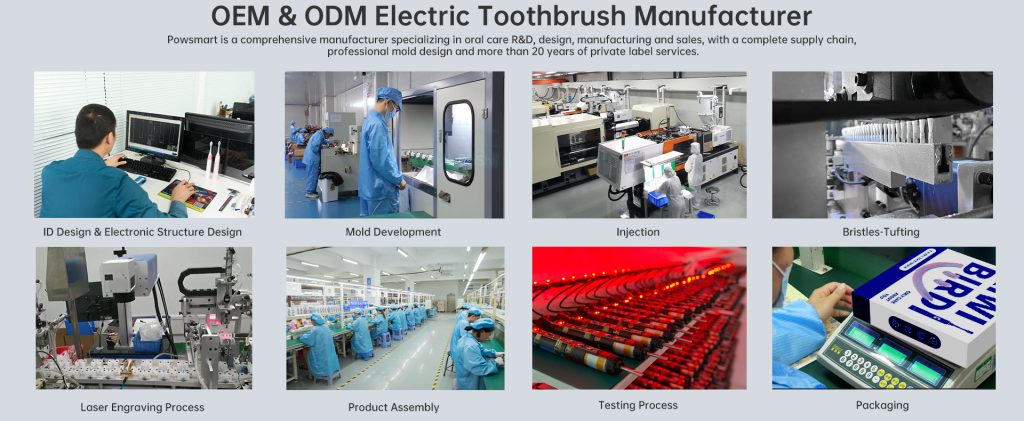
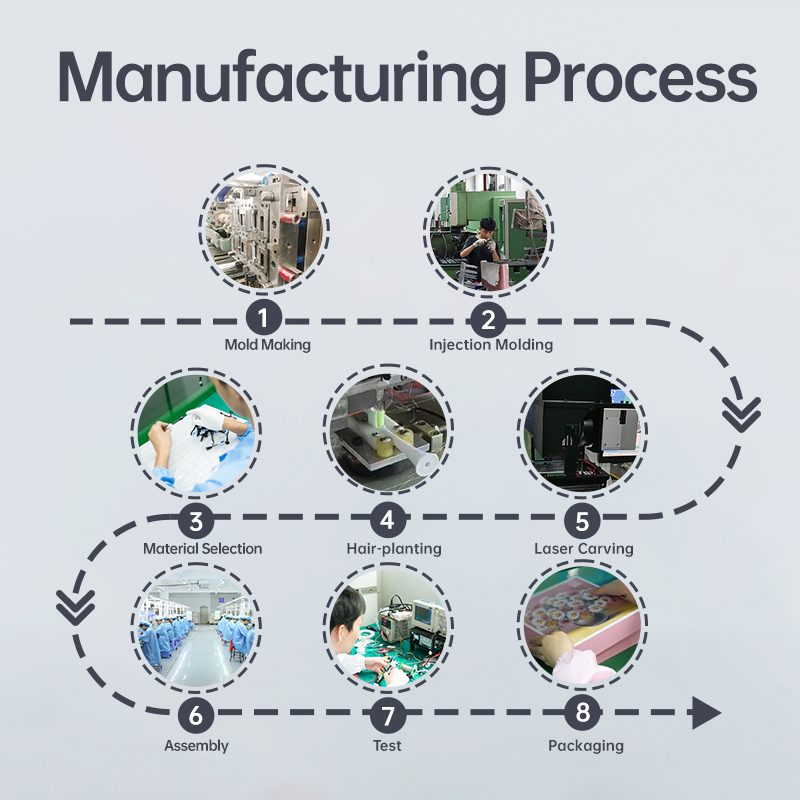
Manufacture electric toothbrush equires precision, efficiency, and advanced technology. One of the most critical steps in this process is inserting bristles into the brush head, which is handled by a bristle tufting machine. In this blog, Powsmart will explore the manufacturing process for electric toothbrushes, highlight the role of tufting machines, and discuss how an electric toothbrush factory operates efficiently to meet market demands. The Electric Toothbrush Manufacturing Process The process to manufacture electric toothbrush involves several key steps: Design and Material Selection: Factories start by finalizing the ergonomic design and selecting safe, durable materials for the brush body and bristles. Injection Molding: The toothbrush body and head are using precision molds to ensure consistency. Bristle Tufting: Using a bristle tufting machine, bristles are inserted into the brush head, ensuring uniform placement for effective cleaning. Assembly and Quality Control: Components like motors, batteries, and circuit boards are added, followed by thorough quality checks to ensure the brush meets performance standards. Packaging and Shipping: Finished toothbrushes are packed and distributed worldwide. This streamlined process ensures that every electric toothbrush meets consumer expectations for durability and functionality. Importance of Bristle Tufting Machines The bristle tufting machine is at the heart of toothbrush production. It automates the…
For businesses looking to partner with an electric toothbrush manufacturer, understanding their production capacity is a critical factor in making informed decisions. Ensuring that the factory can meet your volume requirements while maintaining quality standards is essential for a successful partnership. In this blog, we’ll explore key steps to assess the production capacity of an electric toothbrush factory and why it matters for your business. Assessing Manufacturing Facilities and Equipment The first step is to examine the factory’s facilities and equipment. High-quality machinery often correlates with higher production capacity. For instance, automated assembly lines and advanced testing systems can significantly improve efficiency and consistency. Ask the factory for a walkthrough or video demonstration of their operations to evaluate: The number of production lines. The speed and capacity of their equipment. Their maintenance schedule to prevent downtime. Covering an area of 3000 ㎡, Powsmart has industry-leading automated equipment and standardized production process. Monthly production capacity reaches 300,000+ pcs. We can not only shorten the delivery time for brand owners but also provide off-the-shelf branded products for wholesaler and distributor.https://www.powsmart.com/about-powsmart/ Reviewing Factory Certifications and Standards A reliable electric toothbrush manufacturer will have certifications that reflect their adherence to industry standards. Look for ISO certifications, which…