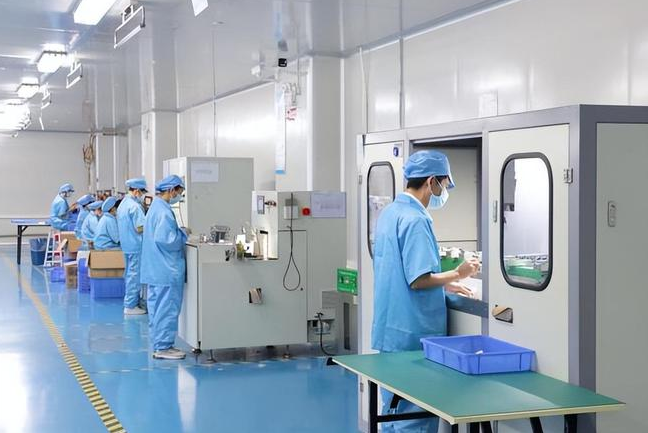
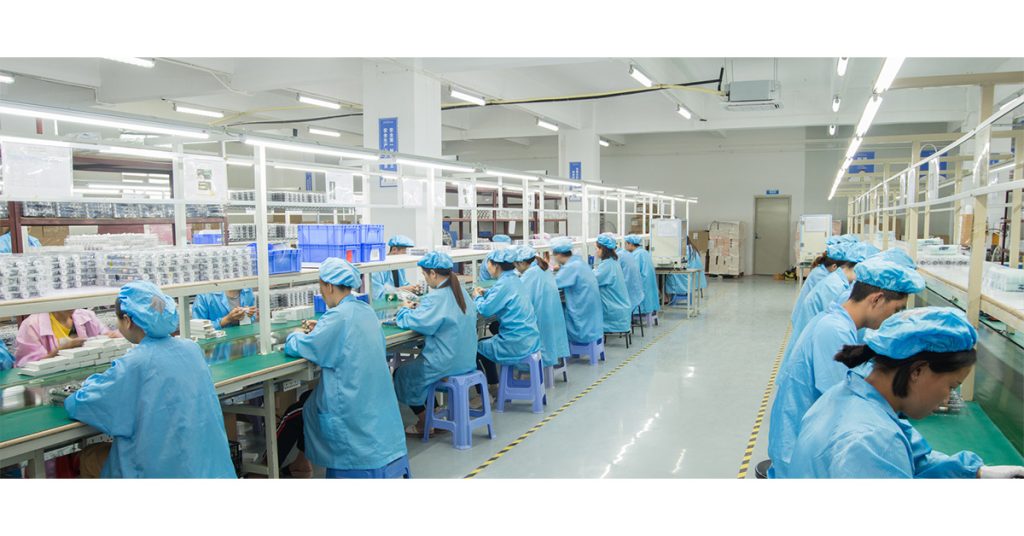
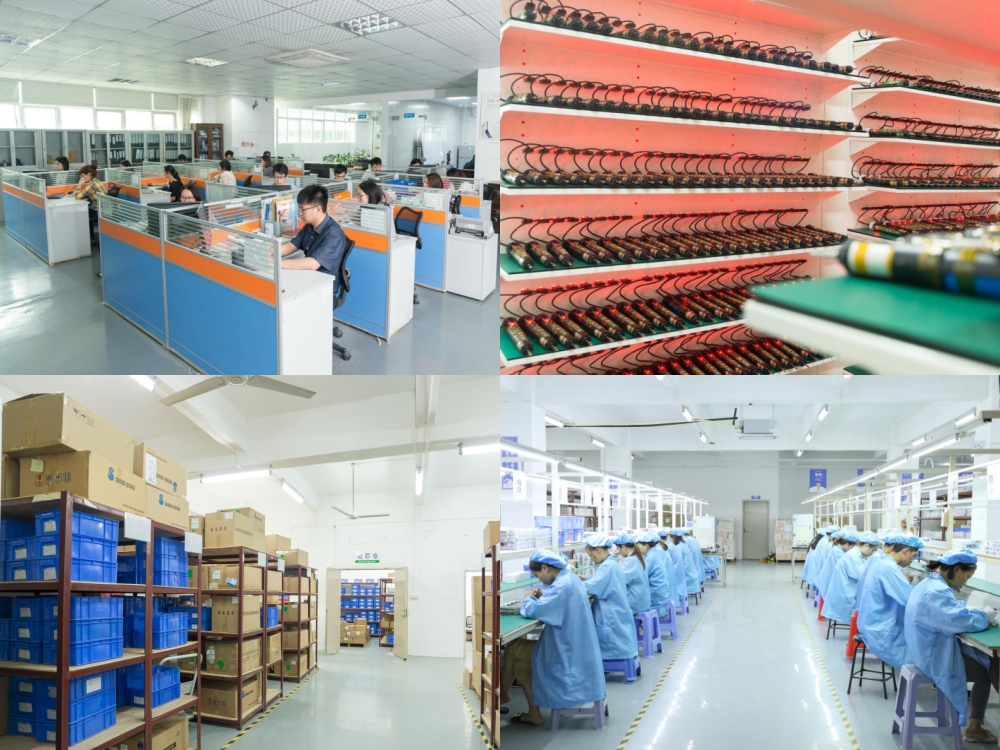
In the rapidly evolving oral care market, the competitiveness of your oral brand is crucial for standing out among competitors. As consumers become more discerning and aware of product quality, your brand must offer more than just good products; it must provide innovative solutions, reliable partnerships, and targeted marketing. Powsmart is an oral care products manufacturer, covering the production of electric toothbrushes, water flossers and teeth whitening devices with over 20 years OEM/ODM service experience. Partner with a Reliable Oral Care Factory One of the most effective ways to improve the competitiveness of your oral brand is to collaborate with a reliable oral care factory. A dependable manufacturing partner ensures consistent product quality, timely delivery, and compliance with safety standards. It also allows you to scale production quickly and efficiently, which is critical in meeting the growing demands of the market. As a factory with proven experience in oral care product manufacturing, Powsmart can help your brand maintain a competitive edge by offering advanced formulations, packaging innovations, and technical support. A brand that partners with a factory known for its cutting-edge research in dental products can bring new and improved solutions to market faster, strengthening its position within the industry. By choosing a…
When it comes to electronic personal care devices, especially electric toothbrushes and water flossers, two terms frequently appear in quality failure analysis: seal degradation and circuit corrosion. While they might seem like isolated issues, are they actually interconnected, forming a hidden failure chain? In this blog, we explore how deteriorating seals can directly lead to internal circuit corrosion, threatening product reliability and safety. What Is Seal Degradation? Why Does It Matter? Seal degradation refers to the loss of integrity in sealing components, such as: Silicone or rubber gaskets Ultrasonic weld joints Adhesive or thermal bonds Over time, exposure to heat, humidity, chemical residues, and mechanical stress can cause these seals to harden, crack, or shrink. As a result, once-waterproof enclosures allow moisture ingress—an early sign of potential circuit corrosion. Understanding Circuit Corrosion in Moist Environments Once moisture penetrates the housing, circuit corrosion risk increases: Water vapor condenses inside the device. Metal traces and contact points oxidize or rust. Ionic contaminants accelerate electrochemical reactions. Signal disruptions or electrical shorts eventually occur. Subtle at first, corrosion silently spreads until it triggers performance failures or total breakdown. The Direct Link Between Seal Degradation Seal degradation acts as the gateway event for circuit corrosion:…
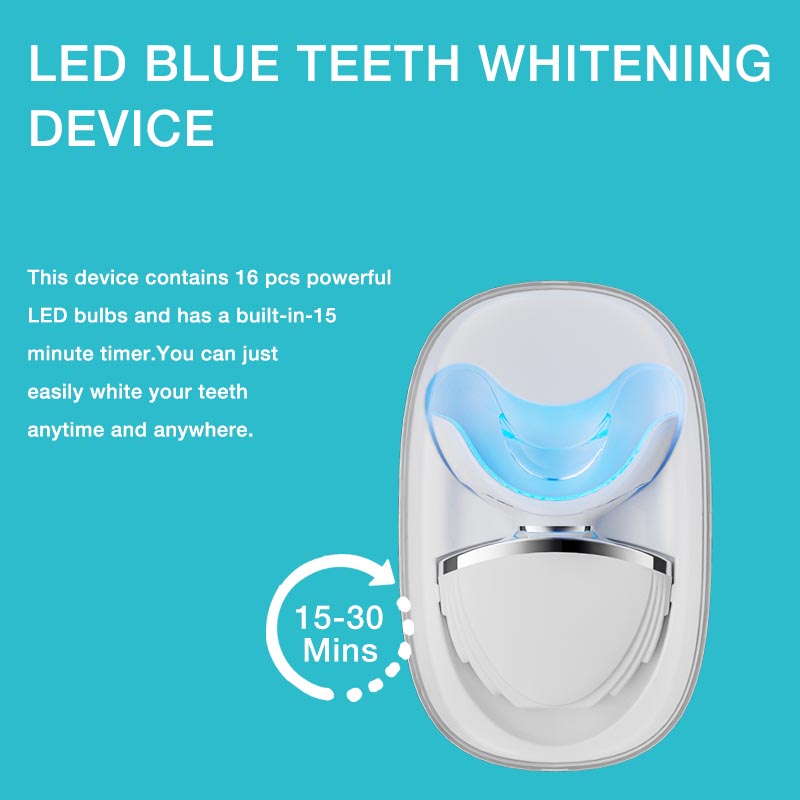
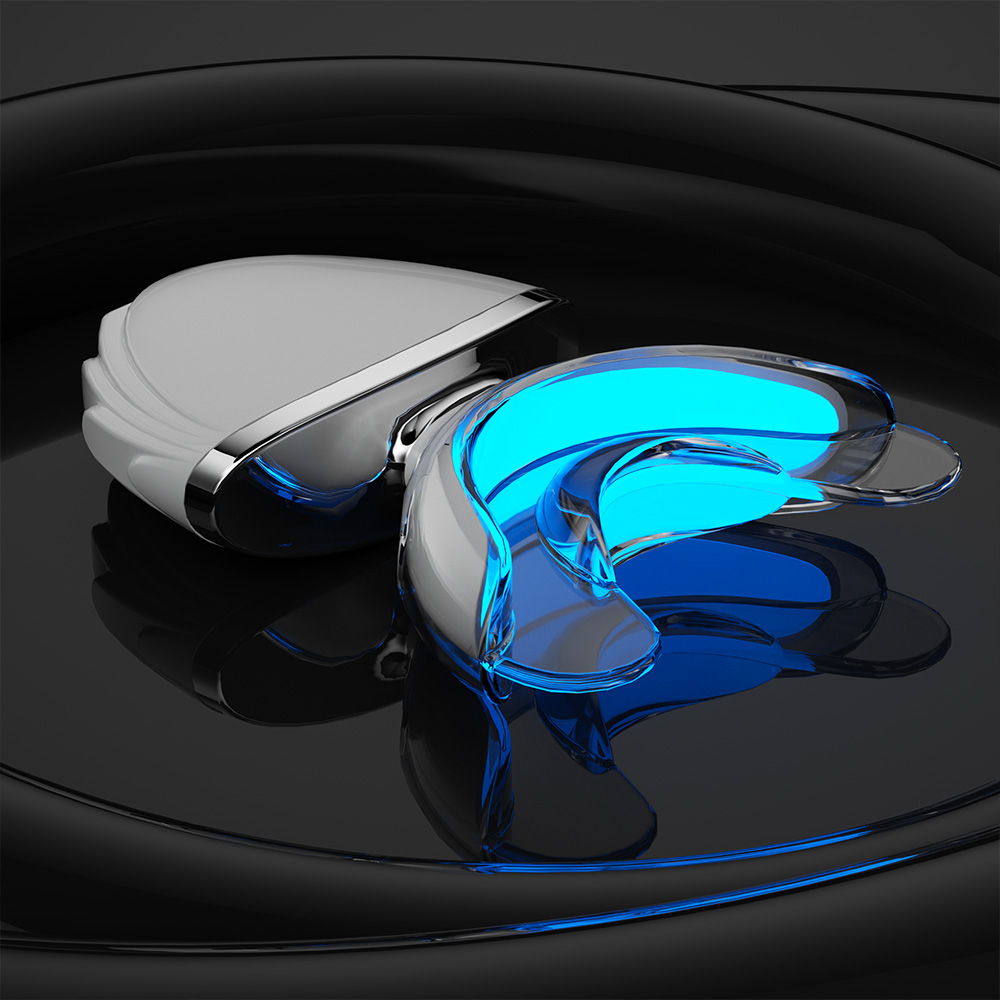
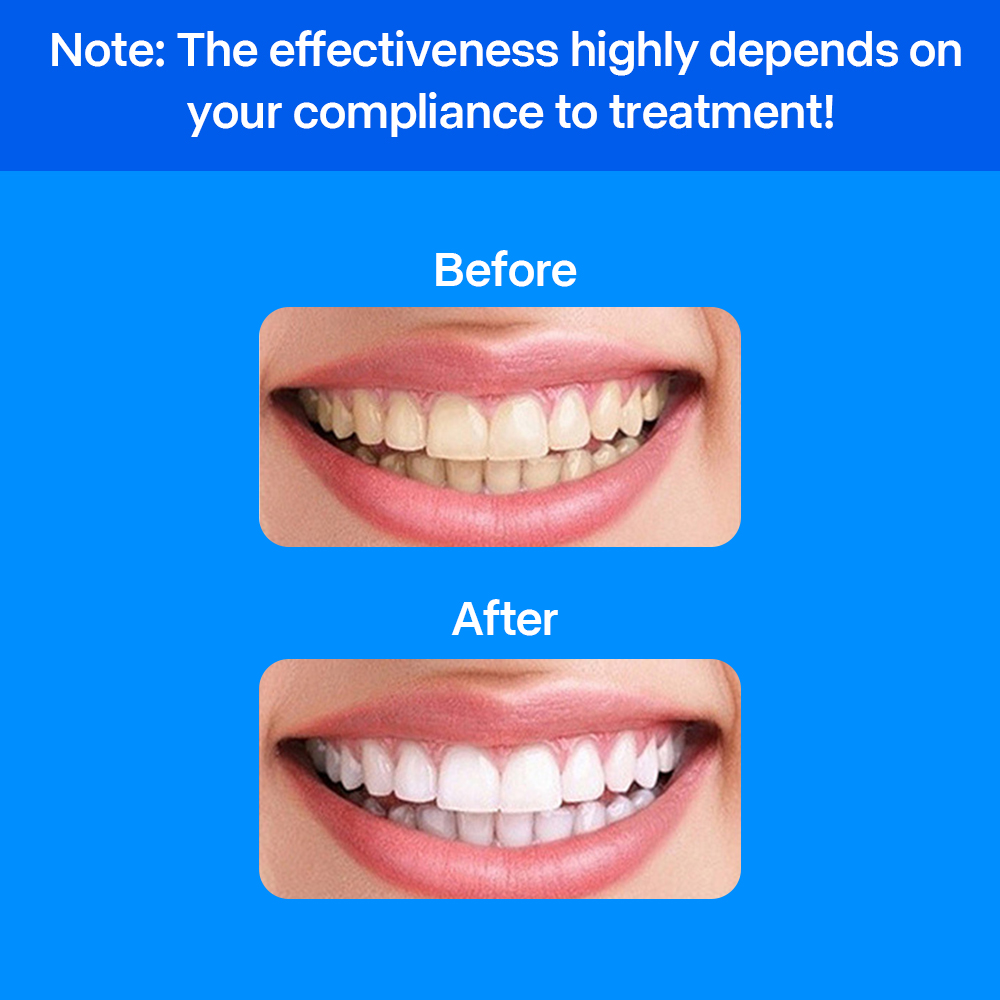
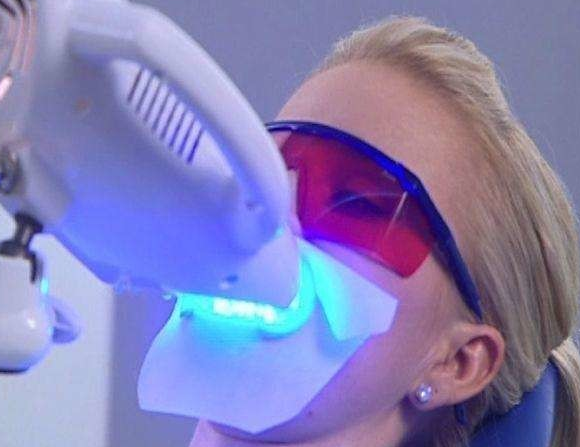
The teeth whitening industry continues to evolve with new innovations designed to help people achieve brighter, more radiant smiles. Among the most popular options are teeth whitening kits, which offer both convenience and effectiveness for consumers seeking professional-level results at home. In this blog, we’ll explore the latest advancements in teeth whitening kits and dive into the pros and cons of these products, while also uncovering the wonders of teeth whitening kit bring to the oral care market. Powsmart is an experienced oral care products manufacturer with over 20 years OEM/ODM service experience. We mainly produce electric toothbrush, water flosser and teeth whitening kit. The Latest Advancements in Teeth Whitening Kits Over the past few years, teeth whitening kits have become more sophisticated, incorporating cutting-edge technology to enhance results and make the process easier. From LED light-powered systems to more powerful whitening gels, the latest kits are designed to reduce sensitivity and improve overall whitening efficiency. Some of the most notable advancements include: LED Technology: Many modern whitening kits now use blue LED lights to accelerate the whitening process, providing results in as little as 10-20 minutes per session. Whitening Gel Formulas: Advances in whitening gel formulations have led to faster, more effective results,…
Teeth whitening light kits have become a popular choice for achieving a brighter smile at home. However, there is a wide range of products available, from budget-friendly options to high-end kits. This blog will explore the key distinctions, their implications, and how working with the right LED teeth whitening kit factory can influence product quality. Material and Quality One of the most noticeable differences between expensive and cheap teeth whitening light kits is the materials used. High-end kits often feature durable, medical-grade materials, ensuring safety and longevity. Cheaper kits might use lower-quality plastics or electronics, which could compromise the user experience or even lead to safety concerns. For buyers, partnering with a reliable LED teeth whitening kit factory that prioritizes quality materials is essential to ensure customer satisfaction. As a formal manufacturer of Apple, Powsmart continues previous strict production quality control and performs 100% aging test on each product. Light Technology and Effectiveness The effectiveness of an LED teeth whitening kit largely depends on the light technology used. Expensive kits usually employ advanced LED light systems with precise wavelengths to enhance the whitening process. They may also offer multiple light settings for customized treatments. Conversely, cheaper kits often use basic LEDs, which may not deliver…
The demand for convenient and effective oral care solutions has led to the rise of the Wireless teeth whitening device. This innovative technology eliminates the hassle of cords and offers users an enhanced experience, making it a popular choice for modern consumers. As a teeth whitening manufacturer, Powsmart is going to reveal the key advantages of teeth whitening devices in this blog and its growing appeal in the market. Enhanced User Convenience One of the most significant benefits of Wireless teeth whitening devices is the convenience they provide. Traditional teeth whitening kits often come with cords that limit movement, but wireless devices allow users the freedom to carry on with other tasks during their whitening sessions. This added flexibility has made wireless devices a favorite among busy individuals seeking efficient solutions for brighter smiles. Innovative Wireless Charging Method A standout feature of teeth whitening devices is their wireless charging method. Unlike older models that rely on plug-in charging, these devices use inductive charging technology to ensure ease of use and a sleek, modern design. The absence of charging ports also enhances the durability of the devices by reducing the risk of wear and tear. This cutting-edge technology reflects the growing sophistication of products from leading…
With the increasing focus on early dental hygiene, more parents are exploring advanced tools like water flossers to enhance their kids’ oral care routines. While children water flosser products can be beneficial, they require careful consideration during design, marketing, and usage. For oral care brands and OEM partners, understanding kids oral care safety is crucial when targeting the pediatric market. This article offers insights into the water flosser precautions brands should consider when developing or recommending products for young users, including expert-driven pediatric dental tips. Age Appropriateness: Understand Water Flosser Age Recommendations One of the first things to address is the water flosser age recommendation. Most dental professionals agree that water flossers are suitable for children around age 6 and up—once they are capable of understanding basic instructions and managing oral care independently.Brands should: Clearly label the recommended age group. Avoid marketing to toddlers or very young children who may not have the motor skills for safe operation. Child-Friendly Design for Safety and Comfort To ensure kids oral care safety, water flossers for children must be ergonomically designed. Key features include: Soft water pressure modes to prevent gum irritation. Smaller, easier-to-hold handles tailored to children’s hands. Fun, attractive designs that encourage consistent use.…
In modern oral care device usage, reports of occlusal discomfort combined with unexpected salivary alteration are becoming more frequent. While seemingly unrelated, these two symptoms may indicate a serious underlying design flaw in oral care systems. From water flossers to electric toothbrushes, understanding whether this combination is an isolated irritation or an alarming trend is essential for manufacturers seeking to uphold product safety and comfort. What Is Occlusal Discomfort in Device Usage? Occlusal discomfort refers to pain or pressure sensations in the bite zone (occlusal surfaces) following device use. In oral care products, this can result from: Overaggressive vibration transmission to molars during brushing Excessive water pressure from flossers directed at interdental spaces Poorly calibrated pulsed jets impacting occlusal surfaces directly Misalignment of device output relative to tooth surface While often mistaken for user error, device design directly contributes to discomfort during repeated use. Understanding Salivary Alteration: Subtle but Concerning Salivary alteration describes changes in: Saliva viscosity (becoming too thick or too watery) Taste perception within saliva Saliva production rates (either dryness or excessive flow) Such changes can stem from: Chemical residue introduced by device cleaning agents Thermal effects from LED or heating elements Mechanical overstimulation of salivary glands by…
In oral care device manufacturing, bristle splay is often dismissed as a natural sign of toothbrush wear. However, uncontrolled bristle splaying could directly contribute to gum recession, leading to long-term oral health complications. Is ignoring premature bristle deformation a form of manufacturer negligence? Let’s explore how poor brush head design exacerbates gum damage and what solutions can prevent it. What Is Bristle Splay and Why Does It Matter? Bristle splay occurs when toothbrush filaments bend outward or lose their alignment after repeated use. While all bristles deteriorate over time, rapid splaying results from: Inferior filament material lacking fatigue resistance Poor bristle end-rounding, increasing localized stress Improper tufting angles or filament length mismatches Excessive brush head pressure or inadequate stiffness control When splayed, bristles no longer clean effectively. Worse, their sharp or angled tips can abrade gum tissue, triggering damage. Understanding Gum Recession: The Hidden Risk Gum recession is the progressive exposure of tooth roots due to gum tissue erosion. It can be accelerated by: Mechanical abrasion from aggressive brushing or misaligned bristles Chronic inflammation aggravated by residual plaque due to ineffective cleaning Overstimulation of gingival tissues from filament microtrauma Splayed bristles not only fail to remove plaque effectively but also…
In recent user feedback reports, unexpected adapter overheating and subsequent sinus discomfort have been observed, particularly in compact oral care devices like water flossers and electric toothbrushes. While at first glance these issues appear unrelated, closer technical analysis suggests potential connections between heat management failures and user health complaints. This raises a critical question for manufacturers: Is adapter overheating indirectly causing sinus discomfort? What Is Adapter Overheating and Why Does It Occur? Adapter overheating refers to excessive temperature buildup within the power adapter or charging module during device operation or charging. Contributing factors include: Undersized power supply units unable to handle prolonged current loads Poor heat dissipation design or lack of thermal cutoffs Low-quality internal wiring or contact resistance buildup Absence of temperature monitoring or over-temperature protection Prolonged adapter overheating can elevate the surface temperature of oral care devices, which may pose user safety concerns. Understanding Sinus Discomfort in Oral Device Users Sinus discomfort in users often manifests as: A sensation of facial pressure or congestion Dryness or irritation in the nasal passages Headaches triggered post-use Possible causes include: Warm airflow or device-generated heat reaching the nasal area Thermal irritation exacerbating existing sinus sensitivity Off-gassing from overheated plastics contributing to…
Patients undergoing orthodontic treatment face unique oral hygiene challenges. Braces, wires, and aligners create hard-to-reach areas that are prone to plaque buildup, gingivitis, and enamel demineralization. As a result, the demand for orthodontic oral care solutions has surged—pushing brands to develop effective, targeted products. In this blog, we explore key product categories, essential features, and manufacturing insights to help oral care brands source the right solutions for their orthodontic product lines. Understanding the Needs of Orthodontic Patients The primary challenge for patients with braces or aligners is maintaining consistent and effective orthodontic hygiene. Food particles and plaque easily accumulate around brackets and between wires. Therefore, these patients require a combination of braces-friendly products that offer enhanced precision and gentleness without compromising cleaning efficiency. Key needs include: Deep cleaning between wires and brackets Gum protection and stimulation Prevention of white spots and enamel damage Portability for on-the-go care Specialized Toothbrushes for Orthodontic Patients One of the most critical tools in any orthodontic oral care routine is a toothbrush designed specifically for orthodontic appliances. Specialized toothbrushes for orthodontic patients typically include: V-shaped bristle patterns to clean around brackets Soft or ultra-soft bristles to protect enamel and gums Compact brush heads for better access in tight areas…
In today’s oral care market, consumers are increasingly seeking gentle oral hygiene solutions that do not compromise comfort. A large segment of users experiences sensitivity—whether from gum recession, dental treatments, or chronic oral conditions—making them ideal candidates for Sensitive Oral Cavity products. For oral care brands, this growing demand represents a valuable niche with strong market potential. But to serve this segment successfully, brands must focus on developing and sourcing the right products that maintaining hygiene without discomfort. This article explores product features, materials, and manufacturing considerations that brand owners should understand when looking for reliable OEM/ODM suppliers of gentle oral care products. Understanding the Needs of Users with Sensitive Oral Cavities Consumers with sensitive oral tissues require extra care in their hygiene routine. Traditional oral care tools can often cause irritation, micro-abrasions, or discomfort. The ideal Sensitive Oral Cavity products must meet several key criteria: Ultra-soft materials to avoid tissue damage Non-abrasive designs for daily use Gentle, yet effective cleaning performance Hypoallergenic and non-irritating formulations in toothpaste or mouthwash Understanding these user pain points is the first step toward developing product lines that meet genuine, unmet needs in the market. The Importance of the Soft Bristle Toothbrush One of the cornerstone products in…
In professional and consumer whitening devices alike, whitening rebound—the rapid re-staining of teeth after treatment—remains a frustrating concern. Increasingly, technical analysis reveals a link between light decay in LED systems and premature loss of whitening results. Is whitening rebound after light decay inevitable, or can manufacturers mitigate this hidden flaw? Let’s examine the critical factors. Understanding Whitening Rebound: Why Results Fade Too Fast Whitening rebound refers to the gradual reversal of tooth whitening, often within weeks of treatment. Common causes include: Incomplete oxidation of chromogens during whitening Inconsistent energy delivery during treatment Re-mineralization surface irregularities re-attracting stains Inadequate gel activation, leading to superficial results For brands, whitening rebound undermines product promises and reduces customer satisfaction. Light Decay: Hidden Weakness in Whitening Systems Light decay in LED-based whitening devices refers to: Gradual reduction in emitted light intensity over repeated usage cycles Degradation of LED lens clarity due to thermal damage or residue buildup Internal circuit wear reducing current stability, weakening photon output As whitening relies heavily on photo-activation, light decay directly reduces gel activation efficiency—making even high-quality gels less effective. Company web:https://www.powsmart.com/product/electric-toothbrush/ The Direct Link: How Light Decay Triggers Whitening Rebound Light decay and whitening rebound are closely linked via: Suboptimal…
As the global demand for aesthetic dental care increases, more consumers are looking for ways to improve their smile while undergoing orthodontic treatment. This creates a unique product opportunity for brands: orthodontic treatment teeth whitening. But a common question arises—can people with braces safely use home teeth whitening products? The answer is nuanced, and it opens the door for braces-safe whitening products that cater to this growing market. This blog serves as both a product insight and a development direction guide for oral care brands working with manufacturers or OEM/ODM partners. The Challenges of Teeth Whitening During Orthodontic Treatment Whitening teeth while wearing braces is not a simple process. Traditional brackets cover parts of the tooth, making teeth whitening during orthodontics uneven and sometimes ineffective. Common issues include: Whitening only the visible surfaces, leaving unbrushed areas discolored once braces are removed Increased tooth sensitivity from whitening agents interacting with exposed enamel Potential damage to orthodontic adhesives if incompatible whitening gel for braces is used Understanding these limitations is crucial for brands looking to develop safe and effective whitening solutions for orthodontic users. Current Whitening Options for Orthodontic Patients Patients with braces typically have limited access to professional whitening treatments during treatment. As a result, many turn…
In recent production defect analyses, gel crystallization combined with pH imbalance has raised concerns among oral care manufacturers. Not only does this combination affect whitening performance, but it also triggers questions about possible toxicological risks. Could such defects compromise product safety? This blog explores the answer from a manufacturing and formulation perspective. What is Gel Crystallization in Oral Care Products? Gel crystallization refers to the unintended solidification or crystal formation within gel-based formulations, especially whitening gels. This typically results from: Improper storage temperatures Inaccurate formulation blending Presence of ionic contaminants Incorrect polymer cross-linking ratios Crystallized gels lose uniform texture, reducing application consistency and risking uneven contact with enamel surfaces. Understanding pH Imbalance: A Silent Quality Concern pH imbalance arises when the gel's acidity or alkalinity drifts outside the intended safe range, usually between pH 5.5 and 7.5 for oral contact products. Causes include: Inaccurate acid-base component mixing during production Migration of ingredients during storage Reaction between active agents and packaging materials pH imbalance exacerbates enamel sensitivity and could damage soft oral tissues during use. Company web:https://www.powsmart.com/product/electric-toothbrush/ How Gel Crystallization and pH Imbalance Are Interconnected Interestingly, gel crystallization and pH imbalance often occur simultaneously: Crystallization can cause localized pH shifts as…
In the manufacturing of oral care appliances, seal degradation has increasingly been identified as a hidden yet critical factor leading to biofilm regrowth inside devices. When sealing components lose integrity, moisture retention and microleakage create conditions ideal for bacterial colonization. Is this risk unavoidable? Or can manufacturers take strategic steps to prevent it? This blog analyzes root causes and technical solutions. Why Seal Degradation Matters in Oral Care Devices In water flossers, electric toothbrushes, and similar appliances, seal degradation typically involves: Cracking or hardening of rubber or silicone seals Loss of elasticity due to chemical exposure Material fatigue from thermal cycling or mechanical stress Incomplete sealing from poor mold precision Once seals degrade, devices lose their waterproof barriers, allowing microleaks that compromise hygiene and performance. How Seal Degradation Leads to Biofilm Regrowth Biofilm regrowth refers to the resurgence of bacterial colonies adhering to inner surfaces of oral appliances. Seal degradation accelerates this process by: Allowing water ingress into dead spaces Creating moist, oxygen-poor environments ideal for anaerobic bacteria Trapping residual fluids that become nutrient sources for microbes Enabling bacteria to bypass cleaning cycles, forming persistent biofilms This not only affects product hygiene but also risks user health through repeated bacterial…
In the realm of electric toothbrush production, the correlation between brush head blockage and motor stalling is a significant issue that manufacturers cannot ignore. While consumers often attribute power interruptions to battery issues, internal evaluations reveal that clogged or obstructed brush heads are a leading cause of motor stalling, directly affecting product reliability and customer satisfaction. Is this problem avoidable? Let’s explore its origins and potential solutions. Understanding Brush Head Blockage in Daily Use Brush head blockage occurs when: Foreign matter such as toothpaste residue, hair, or debris accumulates around bristle bases. Improper cleaning leads to hardened deposits around the rotating axis or oscillating arms. Manufacturing residues like flash or uncleaned burrs restrict brush head movement. Assembly misalignment causes improper seating of the brush head, reducing rotational clearance. Over time, these factors create mechanical resistance that the motor cannot overcome, leading to system failure. How Blockage Leads to Motor Stalling Mechanically When brush head blockage occurs: The drive shaft experiences abnormal torque loads. Friction increases drastically at brush coupling interfaces. The motor’s load current spikes, triggering overcurrent protection circuits or thermal shutdown protocols. In extreme cases, unprotected motors may sustain coil overheating, permanently damaging the motor. From the user's perspective,…
For oral care brands, offering the right mix of kid-friendly oral care products is crucial to winning over families. Parents are seeking effective, safe, and engaging at-home dental care solutions to build lifelong dental hygiene habits for their children. From colorful toothbrushes to playful flossers, there's growing demand for fun oral care products for kids that combine function and enjoyment. In this blog, we explore 7 high-potential kids dental care products that can help your brand stand out in the market, and provide direction for sourcing the right children's dental hygiene manufacturers. Colorful Electric Toothbrushes with Built-in Timers Electric toothbrushes specifically designed for children—with smaller brush heads, soft bristles, and fun characters—make brushing more exciting. A built-in 2-minute timer helps kids brush long enough without supervision. These are ideal for brands looking to expand their at-home dental care range with smart, engaging technology.Manufacturing Tip: Look for suppliers offering customizable designs (cartoon characters, LED lights, music, etc.) with CE/FDA certifications. Fruit-Flavored Fluoride Toothpaste Traditional mint flavors don’t always appeal to kids. Toothpaste with fruity flavors like strawberry, watermelon, or bubblegum makes brushing less of a chore. The key is maintaining effective fluoride levels while using safe, kid-approved ingredients.Keyword Match: A strong contender among kid-friendly oral care essentials. Gentle Silicone Finger…
When people are on the go—whether for business, vacation, or long-haul travel—oral hygiene routines often get disrupted. However, maintaining dental hygiene while traveling is just as important as at home. Poor habits can quickly lead to plaque buildup, gum issues, and discomfort. For oral care brands and product manufacturers, this presents a unique opportunity: develop travel oral care solutions that are compact, efficient, and easy to use anywhere. In this blog, we’ll provide practical oral hygiene tips for travelers and highlight the kinds of products that meet their on-the-go needs. The Essentials of a Travel-Friendly Dental Kit One of the best ways to ensure consistent dental hygiene while traveling is to carry a well-designed travel-friendly dental kit. For brands, there’s a growing demand for compact, functional kits that include: A portable toothbrush (preferably electric with USB charging) Travel-size toothpaste (fluoride-based) Compact dental floss or floss picks Disposable mouthwash sachets A small travel pouch for organization Kits that are TSA-compliant and lightweight are especially appealing to frequent flyers. Manufacturers can focus on producing all-in-one kits or modular options with refillable components. Choosing the Right Portable Toothbrush A portable toothbrush is at the core of any traveler’s oral hygiene routine. It must be compact, durable, and easy to…
The global dental care market has experienced significant growth over the past decade, fueled by increasing awareness of oral hygiene, technological advancements, and the rise of self-care culture. But for emerging entrepreneurs, a key question remains: Is there space for startups in the dental care products market? The answer depends on understanding the landscape, identifying untapped dental niches, and deploying smart startup entry strategies. In this article, we explore the opportunities and challenges within the oral health industry competition and what newcomers can do to succeed. Dental Care Market Trends: Momentum and Opportunities The market is far from saturated. Recent dental care market trends indicate a surge in demand for smart, sustainable, and personalized oral hygiene products. Key trends include: Growing popularity of electric toothbrushes and oral irrigators Increased consumer preference for eco-friendly and refillable oral care items Rising use of mobile-connected devices for real-time brushing feedback Expansion of premium and subscription-based dental care models These trends create fertile ground for agile startups to differentiate themselves—especially with the right manufacturing partner who can support flexible, small-batch production. Untapped Dental Niches: Finding the White Space While established brands dominate mainstream markets, there are numerous untapped dental niches waiting to be explored, such as: Pediatric-focused oral…
Teeth whitening gels have become a popular product in the oral care market. Due to their ability to effectively whiten teeth with minimal effort. As more consumers seek brighter smiles, providing customized solutions that meet a variety of customer needs. In this blog, we will explore the key ingredients in whitening gels, how customization plays a role in the industry, and why understanding these factors is crucial for any business looking to enter the market. Understanding Teeth Whitening Gel Ingredients The effectiveness of teeth whitening gel largely depends on its ingredients. The most common active ingredient is hydrogen peroxide, which works by breaking down stains on the tooth enamel. Carbamide peroxide is a slower-acting compound that can be gentler on the teeth. Other ingredients may include fluoride, which helps to remineralize the teeth, and potassium nitrate, which can help reduce sensitivity. Knowing the key teeth whitening gel ingredients is essential for businesse. In order to ensure the product’s safety, efficacy, and compliance with local regulations. How Teeth Whitening Gel Works Teeth whitening gels work by penetrating the enamel to break down or oxidize the molecules that cause stains. The gel is typically applied to the surface of the teeth using a tray,…