In today's fast-paced manufacturing environment, achieving high-quality finishes and vibrant aesthetics is essential to stay competitive. Innovative processes like Electrostatic Spray Coating and Multi-Color Dual Molding are at the forefront of this evolution, offering Powsmart technology co., ltd advanced solutions that enhance both product performance and visual appeal. In this blog, we explore six critical aspects of these technologies and how they are reshaping the industry. Embracing Innovation in Brush Coating Modern production demands smarter, more efficient processes. Electrostatic Spray Coating is an innovative technique that utilizes electrically charged paint particles to achieve a uniform and durable finish. This method minimizes overspray, reduces waste, and ensures that every brush receives an even, high-quality coating. Manufacturers are increasingly adopting this technology as it not only elevates product quality but also supports environmentally responsible practices. The Art and Science of Multi-Color Dual Molding Parallel to coating advancements, Multi-Color Dual Molding is transforming how products are designed and produced. By integrating two distinct color systems within a single molding cycle, this process allows for seamless color transitions and intricate designs without additional assembly. This technique not only enhances the aesthetic appeal of smart brushes but also improves functional performance by reducing the need…
To maximize electric toothbrush benefits, it’s essential to use them correctly and follow proper precautions. As a leading B2B manufacturer of dental care products, we’re here to guide you on how to use electric toothbrushes effectively, covering key points like correct installation, charging according to the instructions, brushing at a 45-degree angle, keeping it clean, and replacing brush heads regularly 1. Correct Installation of the Brush Head The first step in using an electric toothbrush is ensuring correct installation of the brush head. Most electric toothbrushes have a simple click-on mechanism for attaching the brush head. Make sure it is securely fastened to avoid any wobbling or detachment during use. A properly installed brush head ensures optimal performance and prevents potential damage to the toothbrush or your teeth. 2. Charge According to the Instructions To keep your electric toothbrush functioning at its best, always charge it according to the instructions provided by the manufacturer. Overcharging or using incompatible chargers can reduce battery life and affect performance. Most electric toothbrushes come with a charging base and indicator lights to show the charging status. Ensure the toothbrush is fully charged before first use and recharge it as needed to maintain consistent performance. 3. Brush Your Teeth at a 45-Degree…
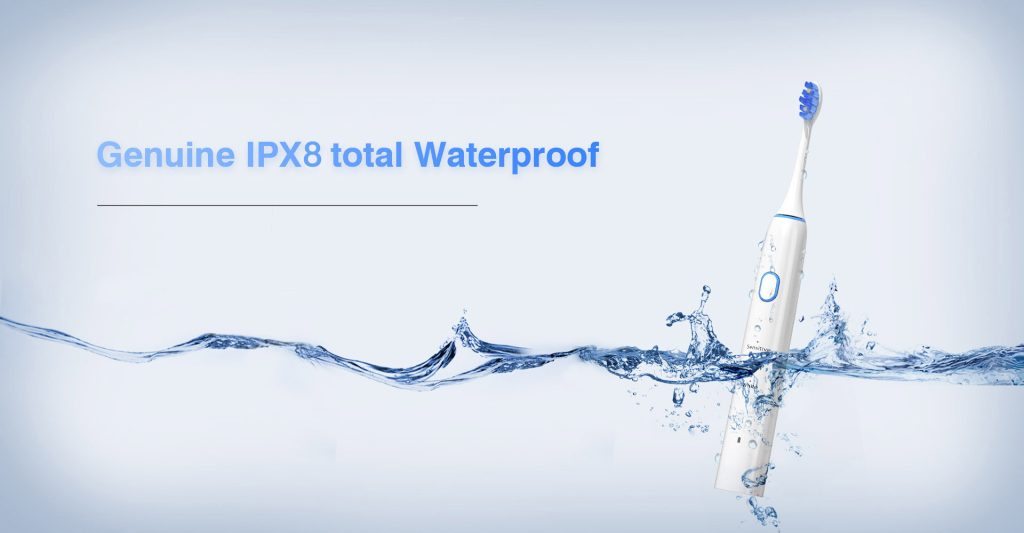
Electric toothbrushes have become an essential tool for maintaining oral hygiene, but one often overlooked feature is their waterproof rating. As a leading B2B manufacturer of dental care products, we understand the critical role waterproofing plays in the durability and safety of electric toothbrushes. In this blog, we’ll explore why waterproof ratings matter, focusing on their impact on the internal structure, including the motor, motherboard, and battery, as well as their relevance to the usage environment. 1. Protecting the Internal Structure The internal structure of an electric toothbrush is complex, housing critical components like the motor, motherboard, and battery. Without proper waterproofing, water can seep into these components, causing corrosion, short circuits, or even permanent damage. A high waterproof rating ensures that the internal structure remains intact, extending the lifespan of the toothbrush and maintaining its performance over time. 2. Safeguarding the Motor The motor is the heart of an electric toothbrush, responsible for generating the vibrations or rotations that clean your teeth. However, motors are highly sensitive to moisture. Even a small amount of water infiltration can disrupt the motor’s functionality, leading to reduced performance or complete failure. A strong waterproof rating protects the motor from water damage, ensuring consistent and reliable operation. 3. Preserving the Motherboard The motherboard is the brain of the electric toothbrush, controlling its…
A high-quality water flosser is not just about advanced functionality—it also depends on the materials used in its construction. The right materials enhance durability and performance, ensuring the device remains effective and long-lasting. Manufacturers must carefully select materials that withstand water pressure, frequent use, and potential wear and tear. This blog will explore the key material choices that contribute to a high-quality water flosser, focusing on their impact on durability and performance. https://www.powsmart.com/about-powsmart/ Key Components and Their Material Requirements A water flosser consists of several essential components, each requiring specific material properties to ensure durability: A. Water Reservoir Material Choice: High-quality BPA-free plastic (such as Tritan™ or ABS). Why It Matters: The reservoir must be leak-proof, resistant to cracking, and safe for long-term water storage. BPA-free materials ensure health safety, while durable plastics prevent wear and breakage over time. B. Pump and Motor System Material Choice: Stainless steel or high-grade polymer components for internal mechanisms. Why It Matters: The motor and pump are responsible for generating the required water pressure. Using corrosion-resistant materials ensures consistent performance and durability, even with frequent exposure to water. C. Nozzles and Tips Material Choice: Medical-grade plastic or stainless steel. Why It Matters: The nozzles…
As consumers become more aware of oral hygiene, the demand for advanced oral care products, including water flossers, has significantly increased. In this competitive landscape, water flosser brands must continuously innovate to differentiate their products and maintain their water flosser competitiveness. This blog explores the key strategies that manufacturers adopt to stay ahead in the rapidly evolving flossing industry. Innovation and Market Trends in the Flossing Industry To remain competitive, manufacturers must align their products with the latest innovation and market trends in the flossing industry. Some key trends shaping the market include: Smart Technology Integration: Water flossers equipped with Bluetooth connectivity, AI-powered usage tracking, and personalized cleaning modes. Sustainability Initiatives: Eco-friendly materials and energy-efficient designs to meet consumer demand for sustainable products. Compact and Travel-Friendly Designs: Portable water flossers catering to busy lifestyles and frequent travelers. By embracing these trends, water flosser brands can ensure they remain relevant in a market driven by evolving consumer needs. Advanced Technology: The Key to Water Flosser Competitiveness Innovation in water flosser technology plays a crucial role in differentiating products. Leading manufacturers invest in: Adjustable Pressure Settings: Allowing users to customize water pressure for different oral care needs. Pulse Modulation Technology: Enhancing the…
In recent years, water flosser popularity has surged as more consumers recognize their benefits for oral hygiene. Traditionally, dental floss was the primary method for interdental cleaning, but technological advancements and changing consumer preferences have led to a shift toward more convenient and effective solutions. In this blog, we will explore the reasons behind this trend, analyze the impact on the oral care industry, and provide key water flosser manufacturing insights from industry experts. Consumer Demand: Why Water Flossers Are Becoming a Preferred Choice The increasing demand for water flossers is driven by several factors: Enhanced Cleaning Efficiency: Water flossers use pressurized water to remove food debris and plaque from between teeth and along the gum line, offering a more thorough clean compared to traditional floss. Gentle on Gums: Many users find traditional flossing uncomfortable or even painful, especially those with sensitive gums. Water flossers provide a gentler alternative, reducing irritation while maintaining effectiveness. Convenience & Ease of Use: Unlike traditional floss, which requires precise hand coordination, water flossers are user-friendly and ideal for people with braces, implants, or dexterity issues. These advantages contribute to the growing preference for water flossers, reinforcing their position in the oral care industry. Industry…
Maintaining optimal oral hygiene requires more than just brushing—it demands the right tools. Sonic electric toothbrushes have revolutionized dental care, offering superior cleaning power and advanced features that manual brushes simply can’t match. In this blog, we’ll explore how these innovative devices contribute to long-term dental care and why they should be a staple in every oral hygiene routine. 1. Deep Cleaning for a Healthier Mouth Unlike manual brushing, which relies on inconsistent motion, sonic electric toothbrushes use high-frequency vibrations (up to 31,000 strokes per minute) to dislodge plaque and debris effectively. This deep cleaning action reaches between teeth and along the gumline, areas often missed by traditional brushing. The result? A cleaner mouth and reduced risk of cavities and gum disease. 2. Enhanced Gum Health with Gentle Yet Effective Cleaning One of the biggest advantages of sonic toothbrushes is their ability to improve gum health. The oscillating bristles stimulate blood flow in the gums while gently removing plaque buildup—a leading cause of gingivitis. Many models include pressure sensors to prevent over-brushing, ensuring a safe and effective clean every time. 3. Customizable Brushing Experience for Personalized Care Not all mouths are the same, and neither should brushing routines be. Modern sonic electric toothbrushes offer a customizable brushing experience with multiple modes (such as…
In the competitive world of consumer electronics, the reliability of every component is crucial. When it comes to electric toothbrushes, even minor issues can lead to significant operational challenges and customer dissatisfaction. In this blog, we explore six key areas to understand and address common problems—specifically Charging failure and Head loosening—that may be undermining your product quality and overall brand reputation. Overview of Common Electric Toothbrush Issues Electric toothbrushes combine advanced technology with everyday functionality. Despite their popularity, manufacturers often encounter two recurring problems: Charging failure and Head loosening. These issues can arise during production, from design shortcomings, or through prolonged use. Understanding these challenges is the first step in formulating an effective strategy to enhance product reliability and customer satisfaction. Delving into Charging Failure: Causes and Impact Charging failure in electric toothbrushes can result from various factors. For instance, suboptimal battery management systems, poor quality charging circuits, or even environmental factors like moisture can contribute to inconsistent power delivery. This problem not only disrupts the user experience by causing unexpected downtimes but also increases service costs and potentially harms the brand’s image. Manufacturers must investigate the root causes—from electrical component selection to circuit board design—to ensure a robust and…
In the competitive market of oral care devices, maintaining consistent performance and product integrity is crucial. Recently, several clients have reported issues with their oral irrigators that are leading to product returns. Two primary concerns—Pressure drop and Tank mold—have emerged as critical factors affecting user satisfaction and operational efficiency. This article explores six essential areas to help manufacturers diagnose, prevent, and resolve these challenges. Understanding the Impact on Product Performance The oral irrigator is designed to deliver a powerful yet gentle cleaning experience, ensuring optimal oral hygiene. However, when users experience a Pressure drop during operation, it compromises the effectiveness of the device. Simultaneously, the appearance of Tank mold not only affects the device’s aesthetics but also raises significant hygiene and durability concerns. Recognizing how these issues influence overall performance is the first step toward effective troubleshooting. Analyzing the Causes of Pressure Drop A significant drop in water pressure during operation can be traced to various factors. For instance, design flaws in the fluid pathway, blockages within the internal tubing, or wear and tear of critical components may lead to a Pressure drop. Furthermore, inconsistent manufacturing processes or substandard parts can exacerbate this issue. By identifying the root causes—such as…
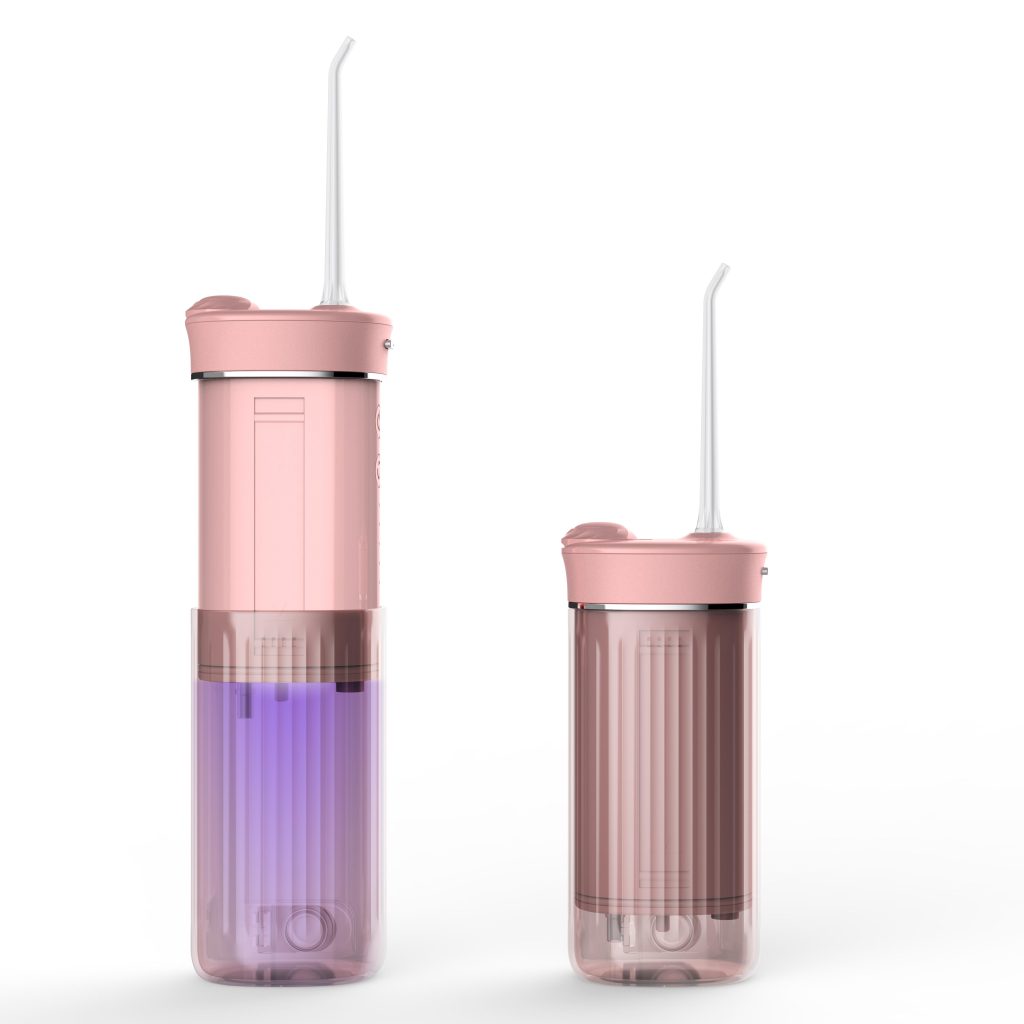
Water flossers have become an essential part of oral hygiene, providing an effective way to clean between teeth and along the gumline. However, like any electronic device, they may encounter issues over time. As a leading expert in Water Flosser manufacturing, we understand these common problems and how to address them efficiently. Below, we highlight the most frequent Common Water Flosser Problems and provide step-by-step solutions to fix them. Water Flosser Not Turning On A non-functional water flosser can be frustrating. This issue may arise due to several reasons: Battery Depletion: If the flosser is rechargeable, ensure it is fully charged. Power Connection Issue: For plug-in models, check if the power cord is securely connected. Internal Malfunction: If none of the above works, the internal components may need repair or replacement. How to Fix: Recharge the battery or try a different outlet. Inspect the power cord and adapter for damage. Contact the manufacturer if the issue persists. Weak or No Water Pressure A weak stream of water reduces the effectiveness of flossing. The possible causes include: Clogged Nozzle: Mineral deposits or debris might be blocking the water flow. Low Water Level: Ensure the reservoir is sufficiently filled. Air Bubbles in the…
In the competitive landscape of oral care, selecting the right electric toothbrush technology for your brand can be a critical decision. Two dominant technologies, sonic vs rotary technology, offer unique benefits that cater to different consumer needs. Understanding their differences will help you determine which one aligns best with your brand strategy. How Sonic and Rotary Technologies Work Sonic toothbrushes operate at high frequencies, typically above 30,000 strokes per minute, generating fluid dynamics that help clean beyond the bristles' reach. Rotary toothbrushes feature a smaller, round brush head that oscillates and rotates to remove plaque effectively with a mechanical scrubbing action. Cleaning Efficiency and Effectiveness Sonic toothbrushes are known for their ability to clean between teeth and along the gumline, thanks to their high-speed vibration and fluid action. Rotary toothbrushes provide a direct scrubbing motion that is particularly effective for plaque removal on the tooth surface. Studies indicate both technologies significantly reduce plaque, but sonic toothbrushes may offer a gentler approach for sensitive gums. Consumer Preferences and Market Demand Sonic electric toothbrushes are often favored by consumers looking for a premium brushing experience with an emphasis on deep cleaning. Rotary toothbrushes are typically more affordable and cater to users who prefer a more traditional brushing sensation. Understanding your…
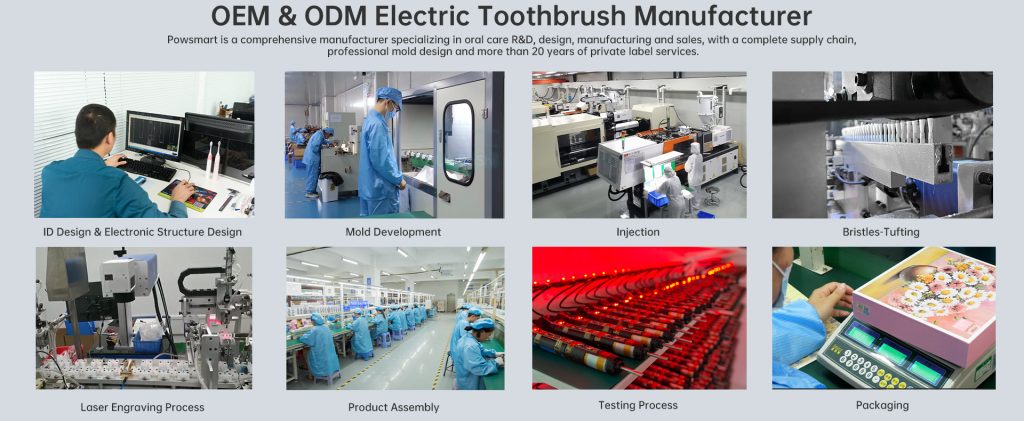
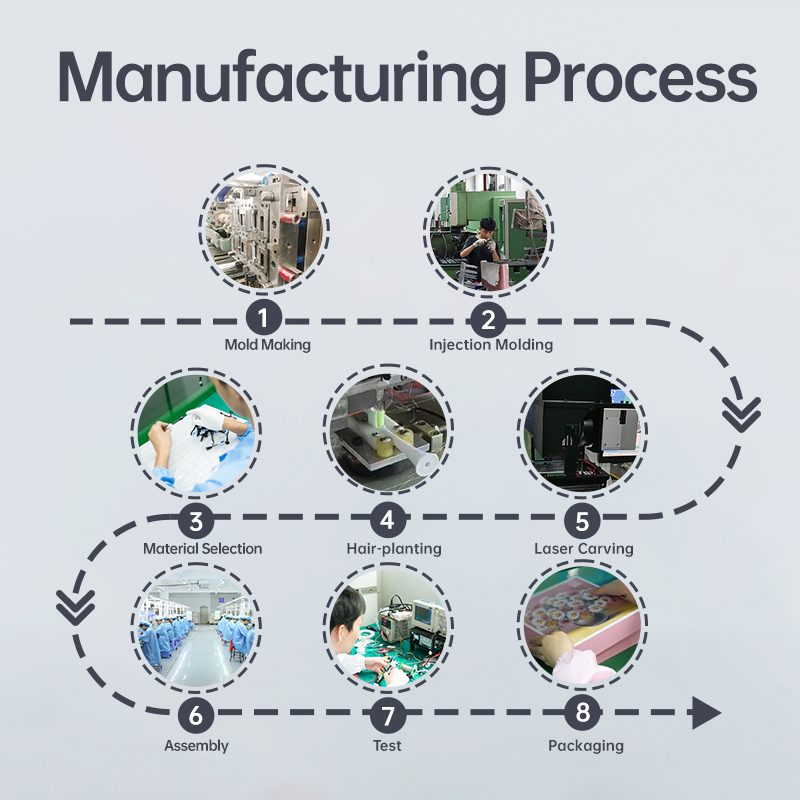
With the rapid development of the oral care industry, electric toothbrushes have become a household necessity. However, many manufacturers face challenges in optimize the production process of electric toothbrush while maintaining high quality and efficiency. The introduction of intelligent factory upgrade practices has revolutionized the industry by enhancing production capabilities, improving precision, and reducing costs. This blog explores how manufacturers can optimize the production process of electric toothbrushes by leveraging automation, digitalization, and intelligent management systems. Intelligent Production Line Automation The first step in optimize the production process of electric toothbrush is implementing automated production lines. Traditional manufacturing methods rely heavily on manual labor, leading to inconsistencies and inefficiencies. By integrating robotics and AI-driven machinery, manufacturers can achieve: Higher production efficiency and reduced cycle time. Improved product consistency with precise assembly and quality control. Reduced labor costs and minimized human error. Automation also plays a crucial role in streamlining the electric toothbrush technical secret by ensuring each component, from brush heads to motors, is assembled with high precision. Digital Twin Technology for Real-Time Monitoring A key component of the intelligent factory upgrade practice is the implementation of digital twin technology. This allows manufacturers to create a virtual replica of the…
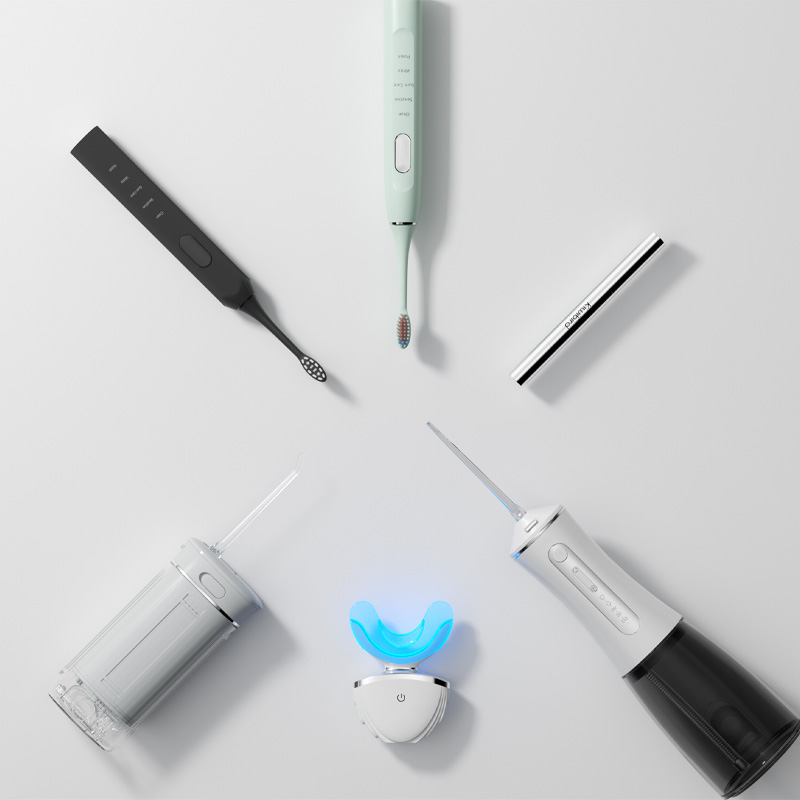
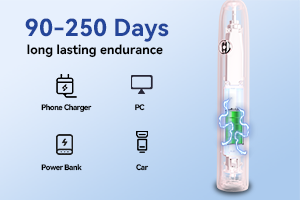
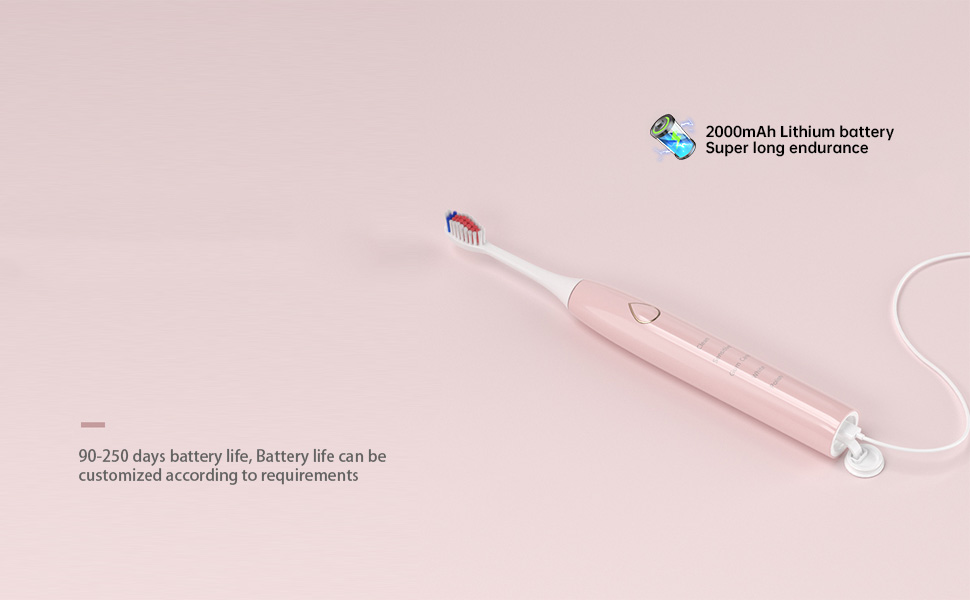
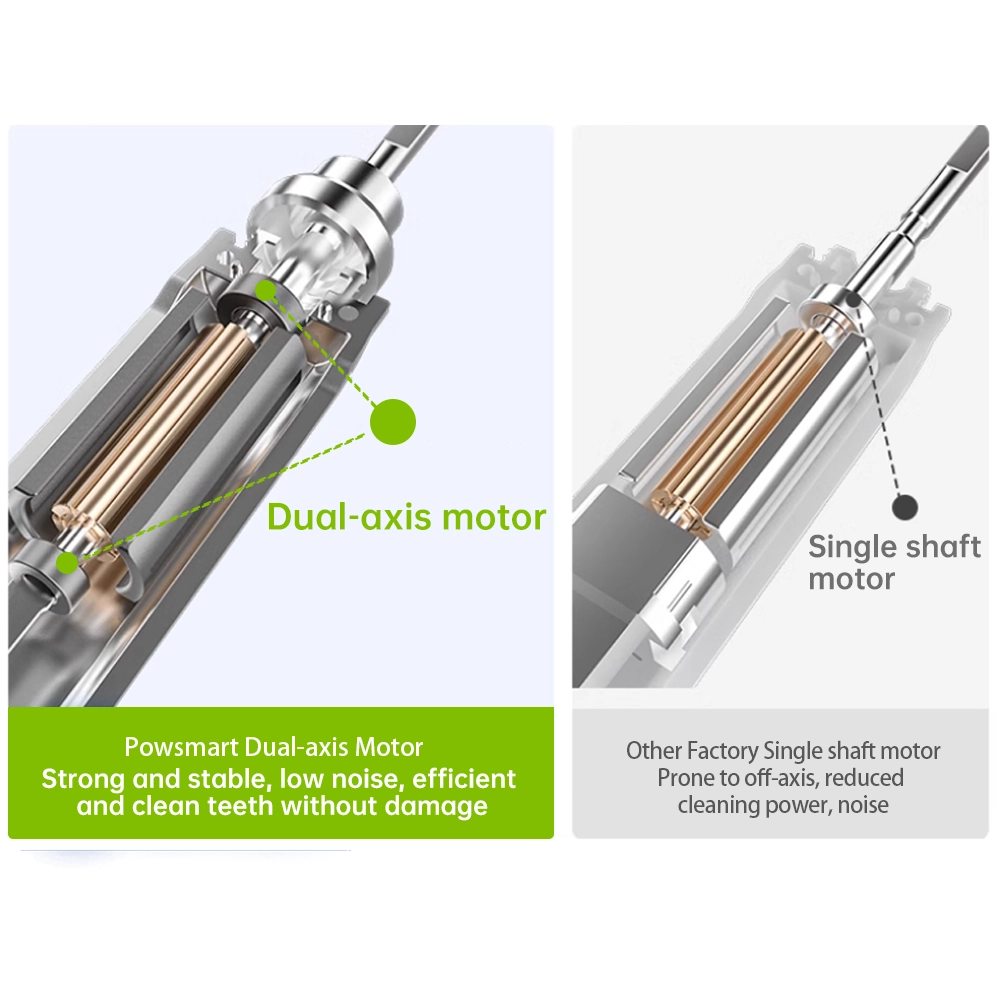
The electric toothbrush has revolutionized oral care with its efficiency and advanced technology. But what makes it work so effectively? This article will analyze the components of the electric toothbrush, unveiling the electric toothbrush technical secrets that enable superior cleaning performance. From the electric toothbrush motor to the electric toothbrush brush head, each element plays a crucial role in delivering a high-quality brushing experience.https://www.powsmart.com/product/electric-toothbrush/ The Heart of the Electric Toothbrush: The Motor The electric toothbrush motor is the key component that powers the device. Two primary types of motors are used: Rotary Motors: These create a spinning motion, commonly found in oscillating toothbrushes. Sonic Motors: These generate high-frequency vibrations to enhance plaque removal. Each motor type affects the toothbrush’s performance, efficiency, and user experience. Manufacturers continuously improve motor technology to optimize power consumption, speed, and durability. Power Supply and Battery Efficiency A reliable power source ensures long-lasting and efficient operation. Most electric toothbrushes use either: Rechargeable Lithium-ion Batteries: Offer long battery life, quick charging, and consistent power output. Alkaline Batteries: More common in budget-friendly models but require frequent replacements. Advanced models integrate smart charging solutions, such as wireless charging and fast-charge technology, to enhance user convenience. Control System and Smart Features Modern electric…
The electric toothbrush industry has seen significant growth in recent years, with innovations in technology and design continually shaping the market. However, one often overlooked aspect that plays a crucial role in the final product's quality and compliance is the electric toothbrush labeling process. Proper labeling not only ensures compliance with regulatory standards but also improves brand visibility and consumer trust. In this blog, we’ll provide a comprehensive analysis of the complete cycle of electric toothbrush labeling, exploring each stage of the production process from design to shipment. Initial Design and Label Conceptualization During the product’s initial design phase, manufacturers need to decide on the specific labels that will appear on the packaging and the product itself. These decisions are crucial for ensuring that the complete cycle of electric toothbrush labeling aligns with both regulatory requirements and marketing strategies. At this stage, the focus is on design aesthetics, as well as key regulatory elements such as: Brand logos Product information (e.g., model, type of bristles) Compliance symbols (e.g., CE, FCC) Instructions for use, including safety warnings The design should reflect the company’s brand image while also providing clear, concise, and easy-to-read information for the end consumer. Regulatory Compliance and Approval Once the…
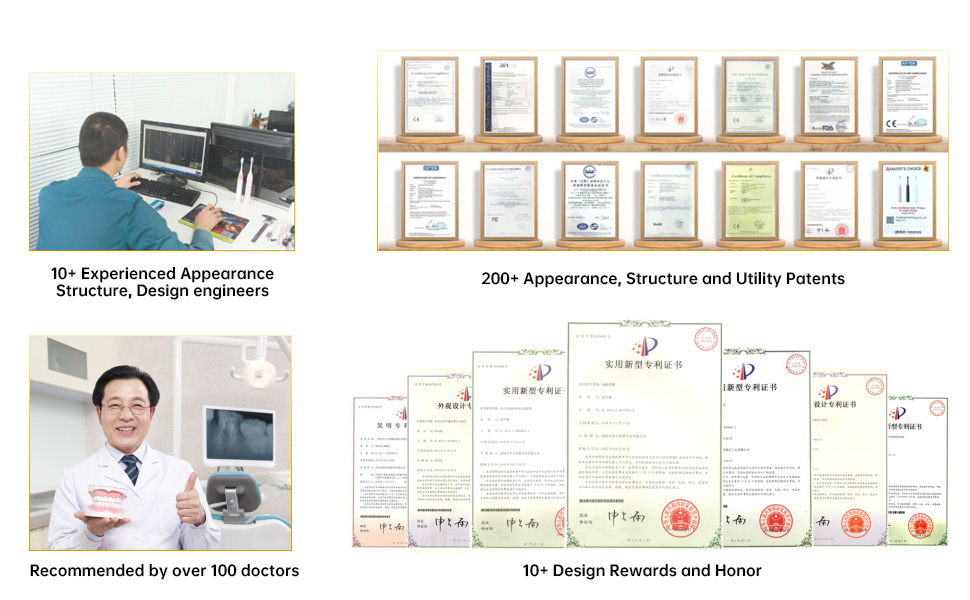
When sourcing an electric toothbrush OEM factory for your brand, partnering with a reliable electric toothbrush OEM factory is crucial to ensure the product quality, production efficiency, and overall customer satisfaction. However, navigating through the many options can be overwhelming. In this "Pit Avoidance Guide," we’ll walk you through key factors to consider to avoid common pitfalls and help you choose the right factory for your electric toothbrush manufacturing needs. Assess Factory Certification and Compliance A reliable electric toothbrush OEM factory should be compliant with industry standards and regulations. Look for certifications such as ISO 9001 for quality management, ISO 13485 for medical devices (if applicable), and CE certification for European markets. These certifications demonstrate the factory’s commitment to maintaining high standards of production and quality control. Pit to Avoid:Don’t be tempted by factories that claim certifications without providing the necessary documentation. Always ask for verifiable proof of compliance. Evaluate Product Quality Control Processes The core of any successful partnership with an OEM factory lies in the ability to produce high-quality products consistently. A reliable electric toothbrush OEM factory should have well-established quality control (QC) processes, including raw material inspection, in-process testing, and final product inspections. Pit to Avoid:Avoid factories…
In recent years, the push for sustainability has gained significant traction across various industries, and the electric toothbrush manufacturing sector is no exception. With increasing environmental awareness and consumer demand for eco-friendly products, manufacturers are adapting by incorporating biodegradable materials and committing to green production processes. This blog explores how these trends are reshaping the electric toothbrush industry and why they're crucial for the future of consumer goods. The Rise of Sustainability in Electric Toothbrush Manufacturing As environmental concerns escalate, the electric toothbrush manufacturing industry is under increasing pressure to reduce its ecological footprint. Traditionally, these products have been made from plastics and other materials that contribute significantly to waste. However, manufacturers are now realizing the importance of shifting toward more sustainable practices. The key lies in integrating biodegradable materials and adopting green production techniques to minimize environmental impact throughout the product lifecycle—from design to disposal. Biodegradable Materials: A Game Changer in Product Design The shift towards biodegradable materials is one of the most significant developments in electric toothbrush manufacturing. Materials like plant-based bioplastics, bamboo, and recycled plastics are viable alternatives to conventional petroleum-based plastics. These materials not only reduce waste but also break down naturally in the environment, making them a much more sustainable…
As global demand for electric toothbrushes continues to rise, the Chinese electric toothbrush industry is gaining significant momentum on the world stage. The ability of Chinese manufacturers to scale production while maintaining competitive pricing, technological innovation, and adaptability has made them key players in the global market. This blog will explore the unique strengths that have contributed to the success of Chinese electric toothbrush factories and how they are adapting to new trends in the electric toothbrush industry. The Rise of Chinese Manufacturers in the Global Electric Toothbrush Industry In the last decade, China has transformed from a low-cost manufacturing hub to a global leader in the electric toothbrush industry. With competitive pricing, high-quality production standards, and an ever-increasing focus on R&D, Chinese electric toothbrush factories are now able to meet the growing demands of consumers worldwide. From Asia to Europe, and North America, these manufacturers are providing a reliable supply chain that enables brands to enter markets at various price points. Technological Advancements Driving Competitiveness One of the secrets behind the success of Chinese electric toothbrush factories lies in their commitment to technology. The electric toothbrush industry, like many others, is undergoing significant changes as consumers increasingly demand more…
The electric toothbrush industry has been evolving rapidly in recent years, with a significant shift towards more advanced features and smarter technology. As consumer demands for both performance and personalization increase, brands are increasingly focusing on integrating intelligent connectivity to offer an enhanced brushing experience. In this blog, we will explore the key trends shaping the electric toothbrush industry and how intelligent connectivity is positioning brands to command a premium in the marketplace. The Rise of Smart Technology in Electric Toothbrushes In the past, electric toothbrushes were primarily designed to provide superior brushing performance compared to manual brushes. However, recent advancements in the electric toothbrush industry have seen an increasing integration of smart features such as Bluetooth connectivity, app syncing, real-time feedback, and personalized brushing routines. These innovations cater to the growing demand for more intuitive, interactive, and health-conscious devices. The new trends in the electric toothbrush industry are increasingly focused on providing users with tailored brushing experiences that adapt to their unique needs. Personalized Brushing Experience and Data Insights One of the key drivers behind the new trends in the electric toothbrush industry is the ability to provide consumers with a personalized brushing experience. Through the integration of intelligent…
The growing demand for personalized products in various industries has led many manufacturers to explore small batch customization options. In particular, lower Moq for electric toothbrush labeling has become a hot topic in the oral care industry. But the question remains: is low moq feasible when it comes to maintaining an optimal balance between minimum order quantity and cost control? This blog explores the practicalities and challenges involved in small customization qty for electric toothbrush labeling and provides insights into how manufacturers can navigate these complexities. Understanding Small qty Customization in Electric Toothbrush Labeling Small qty customization refers to the ability to produce a limited number of uniquely labeled or branded electric toothbrushes. Unlike mass production, where large volumes of identical products are produced, small qty offers businesses the flexibility to tailor the products to specific customer needs or branding requirements. For electric toothbrush manufacturers, this could mean customizing the label with unique logos, designs, or even specific messaging targeted to a niche market. While small batch customization is increasingly appealing, it does introduce some challenges—especially regarding the minimum order quantity (MOQ) and cost control. Manufacturers need to balance the desire for personalization with the realities of production efficiency. The…
Global consumers pay more and more attention to oral health and personal care. And the Global Electric Toothbrush Market has become a rapidly growing industry. In recent years, the technology and design of electric toothbrushes have made significant progress, which has driven the rapid expansion of its market. This article will analyze the current growth trends of the global electric toothbrush market. Market Growth Drivers: Why Electric Toothbrushes Are Gaining Popularity The rapid growth of the electric toothbrush market can be attributed to several key factors. First, electric toothbrushes have significant advantages over traditional manual toothbrushes in terms of cleaning effect and ease of use. Many consumers believe that electric toothbrushes can provide more thorough teeth cleaning and reduce gum bleeding and other oral problems. Second, more and more people are paying attention to oral care, especially among the younger generation. Fastest Growing Regions in the Electric Toothbrush Market According to the latest market research, electric toothbrush manufacturing is mainly concentrated in several fast-growing regions. North America and Europe have been the main markets for electric toothbrushes. But demand has grown significantly in Asia and Latin America over the past few years. China and India have become the main markets…