
.jpg)
In today's smart personal care devices, features like the travel lock are designed to enhance user safety and convenience. However, recent engineering reports and field failures have exposed a surprising vulnerability: travel lock failure may inadvertently trigger a power surge, leading to electronic malfunctions, battery degradation, or even fire hazards. For B2B manufacturers, this risk demands urgent attention—not only to uphold product reliability but also to maintain compliance and market trust. What Is a Travel Lock and How Does It Work? The travel lock is a safety function built into electric toothbrushes and grooming devices to prevent accidental activation during transport. It’s typically engaged by holding a button for a few seconds, disabling the power function until manually released. However, when poorly implemented or damaged during manufacturing or transit, this lock can fail—causing the device to activate unexpectedly while packed in a confined space, such as luggage. How Travel Lock Failure Leads to Power Surges Unexpected activation of a device inside a sealed environment causes the motor to run without ventilation or resistance, potentially leading to: Internal component overheating Prolonged, unmonitored power draw Battery stress and swelling Faulty circuit load distribution This excessive, irregular power consumption can result in a…
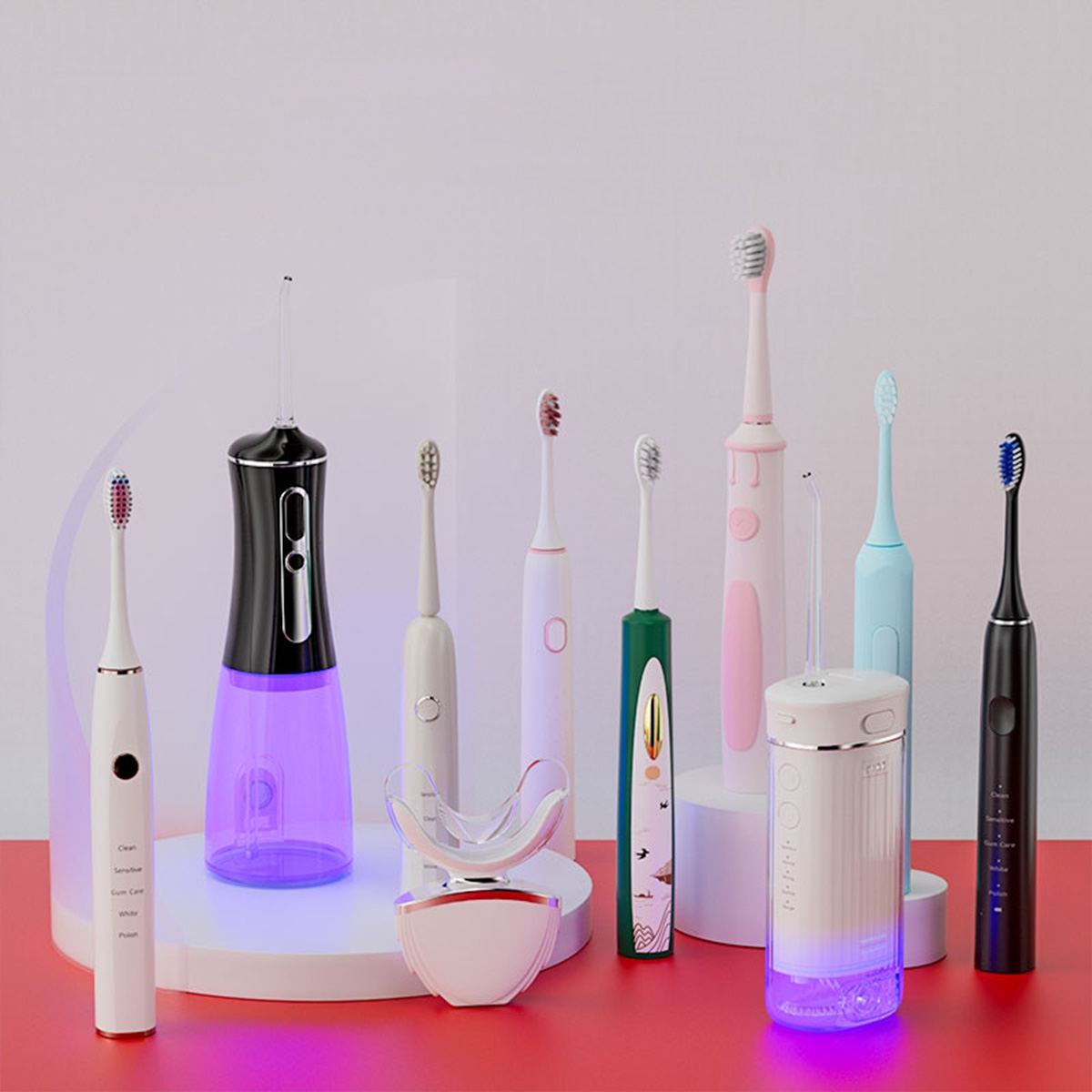
The global oral care industry is undergoing rapid transformation. With rising awareness of preventive dental hygiene, consumers no longer look for single-function products—they seek complete care solutions. This shift is creating exciting new opportunities for oral care brands. One such opportunity lies in offering Electric toothbrush & water flosser combination sets, a product format that not only meets diverse consumer needs but also helps increase the average transaction value. In this blog, we explore how scenario-based oral care product design, combined with strategic product bundling, is unlocking significant business potential for brands—and what this means from an oral care products factory perspective. The Market Potential of Oral Care: More Than Just Brushes and Flossers The market potential of oral care products is immense. According to industry research, global demand for electric toothbrushes and oral irrigators is growing at a CAGR of over 5%. However, what sets leading brands apart is not just quality—it's the ability to sell solutions, not just products. Consumers are upgrading: They’re moving from manual brushing to comprehensive oral care routines. Retailers want value packs: Multiproduct bundles lead to higher shelf presence and consumer spend. E-commerce favors sets: Online platforms reward bundled products with better visibility and upselling…
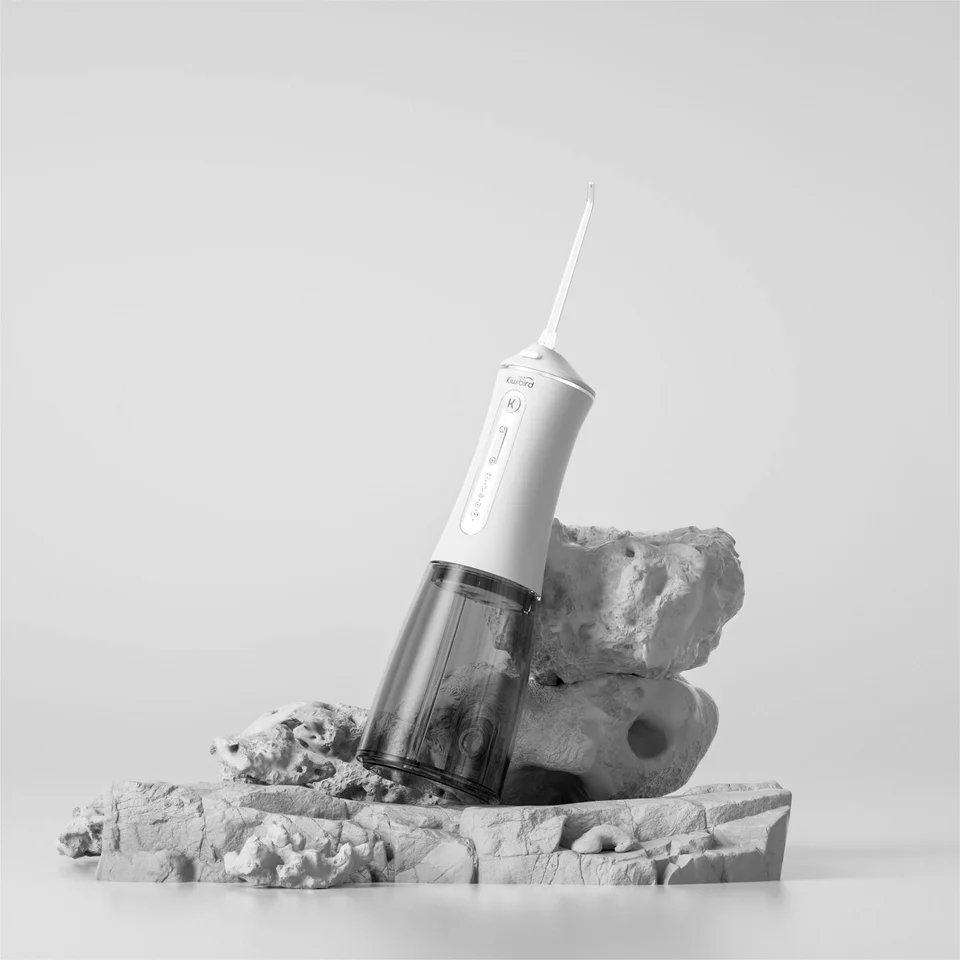
As B2B manufacturers and distributors in the oral care industry, ensuring the reliability and hygiene of water flossers is a top priority. A growing concern among users—and a crucial quality control point for suppliers—is reservoir mold growth and its potential to cause nozzle clogging. These issues not only impact user satisfaction but can lead to product returns, brand damage, and even health risks. In this blog, we explore the root causes, consequences, and solutions related to mold buildup in water flosser tanks and its impact on spray performance. How Does Mold Form in Water Flosser Reservoirs? The reservoir of a water flosser is a moist, enclosed environment—ideal conditions for microbial growth. When users fail to regularly clean and dry the tank, residual water combined with oral debris creates a perfect breeding ground for reservoir mold. Over time, fungal growth adheres to the inner walls and base of the tank, especially in hard-to-reach crevices, leading to hygiene hazards and operational issues. The Direct Link Between Reservoir Mold and Nozzle Clogging Mold growth doesn’t just affect the tank's cleanliness—it poses a mechanical risk. Once fungal spores or biofilm fragments break free, they travel with the water through the flosser’s internal tubing and…
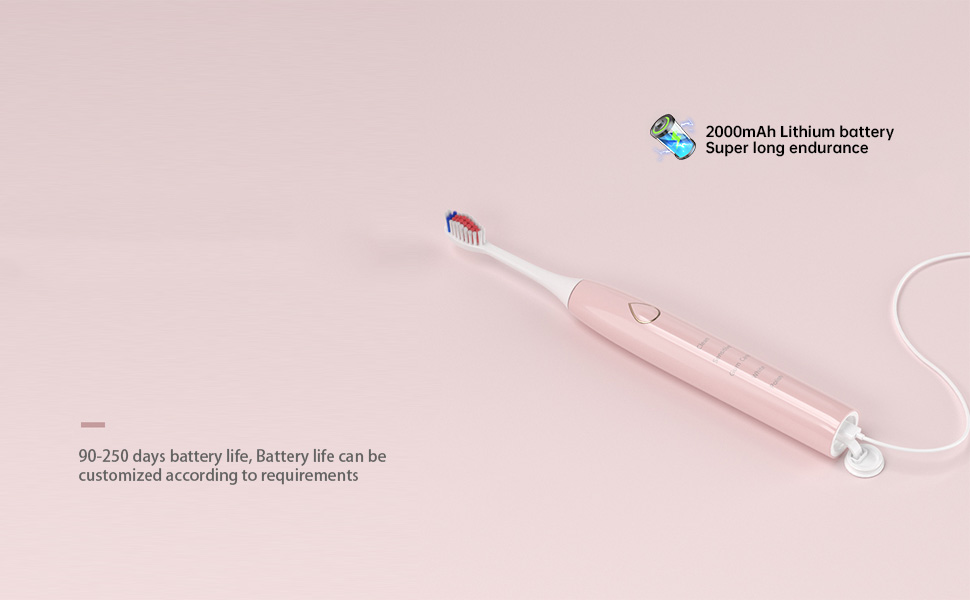
In today’s rapidly evolving personal care industry, consumer expectations are shifting. With the ongoing consumption upgrade, high-end users now demand not only superior cleaning performance but also long-lasting battery life from their devices. This is especially true for the high-premium oral care products market, where convenience and reliability are essential. This article explores how long-endurance electric toothbrushes are becoming the new standard in the premium segment—and what role factories and manufacturers must play in meeting this demand. The Growing Demand for Long-Endurance Electric Toothbrushes Consumers are no longer satisfied with electric toothbrushes that require frequent recharging. Market research shows a strong preference for models that can operate for 30 to 90 days on a single charge. This trend is particularly significant in the high-premium oral care products market, where travelers, busy professionals, and tech-savvy users demand reliable, long-lasting performance. From a factory perspective, this shift represents both a challenge and an opportunity to differentiate through battery technology and innovation. Lithium Battery Capacity Options: Balancing Power and Form Factor One of the core technical components behind long-endurance electric toothbrushes is the battery itself. Manufacturers must carefully select from various lithium battery capacity options, ranging from 600mAh to over 2000mAh, depending on product design, size constraints,…
When frequency adjustment isn’t optimized, electric toothbrushes can underperform or over-stimulate—leading not only to poor plaque removal but also to thermal “hot spots” that risk chemical burns from fluoridated gels and aggravate gum bleeding. For B2B manufacturers, balancing vibration frequency is critical to safeguarding both cleaning efficacy and periodontal health. The Role of Frequency in Plaque Disruption Firstly, vibration frequency directly influences how effectively bristles dislodge plaque: Low Frequencies (<200 Hz) generate strong sweeping motions but may leave biofilm in interdental spaces. High Frequencies (>300 Hz) create micro-streaming in saliva, improving debris removal even between teeth. Misaligned Settings: Without precise calibration, mid-range frequencies can neither sweep nor micro-stream effectively, reducing cleaning efficiency. Thus, fine-tuning frequency settings maximizes both mechanical and fluid‐dynamic cleaning action. Excess Frequency and Thermal Risks Moreover, overly high frequencies can induce heat buildup in the brush head: Motor Overheating: Rapid oscillations generate friction inside the motor, elevating handle temperature. Gel Degradation: Heat can accelerate breakdown of whitening or fluoride gels applied concurrently, risking chemical burns on sensitive tissues. Localized Hot Spots: Users may feel sudden warmth at the gum line, leading to soft-tissue irritation. Controlled frequency limits and thermal cutoffs prevent these heat-related hazards.Company web:https://www.powsmart.com/product/electric-toothbrush/ Frequency-Induced Mechanical…
.jpg)
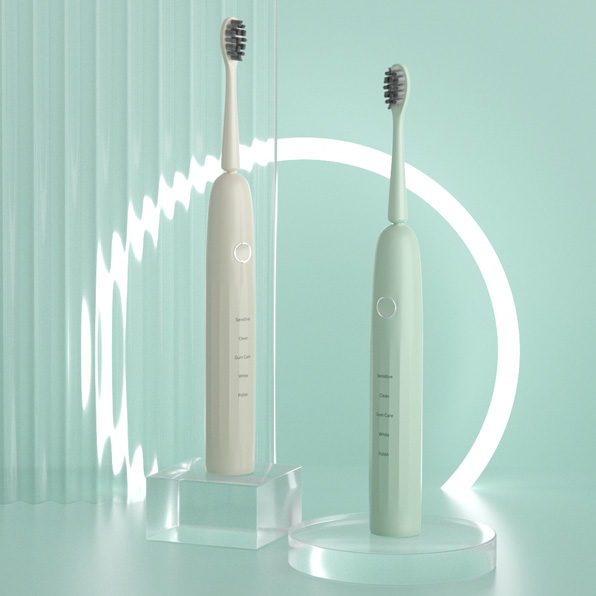
As global demand for smart personal care products rises, electric toothbrush distribution is becoming one of the most profitable segments in the oral hygiene market. For distributors and wholesalers, selecting the right product can significantly impact revenue, brand reputation, and customer retention. This guide is designed to help distributors identify high-profit electric toothbrush, evaluate wholesale purchasing strategies, and confidently enter or expand their electric toothbrush offerings. Understand the Market: Why Electric Toothbrushes Are Booming Electric toothbrushes are no longer a luxury item—they’re a daily essential for millions. According to market research, the global electric toothbrush market is expected to exceed USD 7 billion by 2027. The surge is driven by: Consumer awareness of oral health A rise in smart healthcare devices Growing demand in emerging markets For distributors, this trend presents a unique opportunity to capitalize on high-margin oral products that combine innovation with consumer demand. Key Features to Look For in a High-Profit Electric Toothbrush Not all electric toothbrushes are created equal. High-profit products typically include: Multi-mode functionality (clean, sensitive, gum care, etc.) Rechargeable lithium batteries for long-term use Smart features like timers, pressure sensors, or app connectivity Ergonomic and aesthetic design to attract end-users These features allow for premium pricing and improve your margin…
With the rapid development of oral care e-commerce, oral care product distributors face both unprecedented opportunities and fierce competition. To stand out in the digital marketplace, distributors must go beyond just listing products—they must present them strategically. A well-optimized product listing can significantly enhance visibility, improve conversion rates, and strengthen customer trust. In this blog, we’ll explore practical distributor growth strategies and offer actionable product link details optimization suggestions that help boost online performance and drive higher sales. High-Quality Product Images: The First Impression Matters In e-commerce, the product image is often the first interaction between a brand and a customer. For oral care items like electric toothbrushes, flossers, and toothpaste: Use high-resolution photos with multiple angles. Include close-ups of key features, such as brush head texture or ergonomic handle. Show the product in use to highlight benefits visually. Optimizing visual presentation is a key part of the product link details optimization suggestions that leads to more engagement and trust. Compelling and Informative Product Descriptions An effective product description educates, persuades, and sells. Distributors should: Clearly explain key features and functions. Highlight unique selling points, such as battery life, water-resistance, or specialized modes for sensitive gums. Use bullet points for readability and SEO-relevant keywords to…
As manufacturers strive for convenient hygiene, many treat UV sterilization risks and travel case defects as separate pain points—rarely weighing them against each other. In reality, an imperfect travel case can mask or even worsen the safety hazards posed by ultraviolet disinfection. B2B manufacturers must analyze both issues across six dimensions and implement targeted improvements. UV Sterilization Safety Hazards First, while UV sterilization is highly effective at killing germs, it carries inherent risks: UV Leakage Injuries: Poor seals or flawed window designs can allow UV light to escape, causing skin and eye damage. Ozone Generation: Shortwave UV lamps in high-humidity environments can split oxygen into ozone, which irritates the respiratory system. Material Degradation: If the travel case’s plastic isn’t UV-resistant, repeated exposure accelerates cracking and embrittlement, shortening its lifespan. Thus, the UV module itself demands rigorous protective measures. Common Travel Case Defects Next, typical travel case defects include: Seal Failure: Detached gaskets or silicone rings compromise dust and moisture resistance. Fragile Latches: Low-quality plastic clasps break easily after repeated opening and closing. Loose Internal Mounts: Cost-cutting can leave inserts or foam holders improperly secured, allowing brush heads to rattle and suffer damage during travel. These flaws often surface on first…
.jpg)
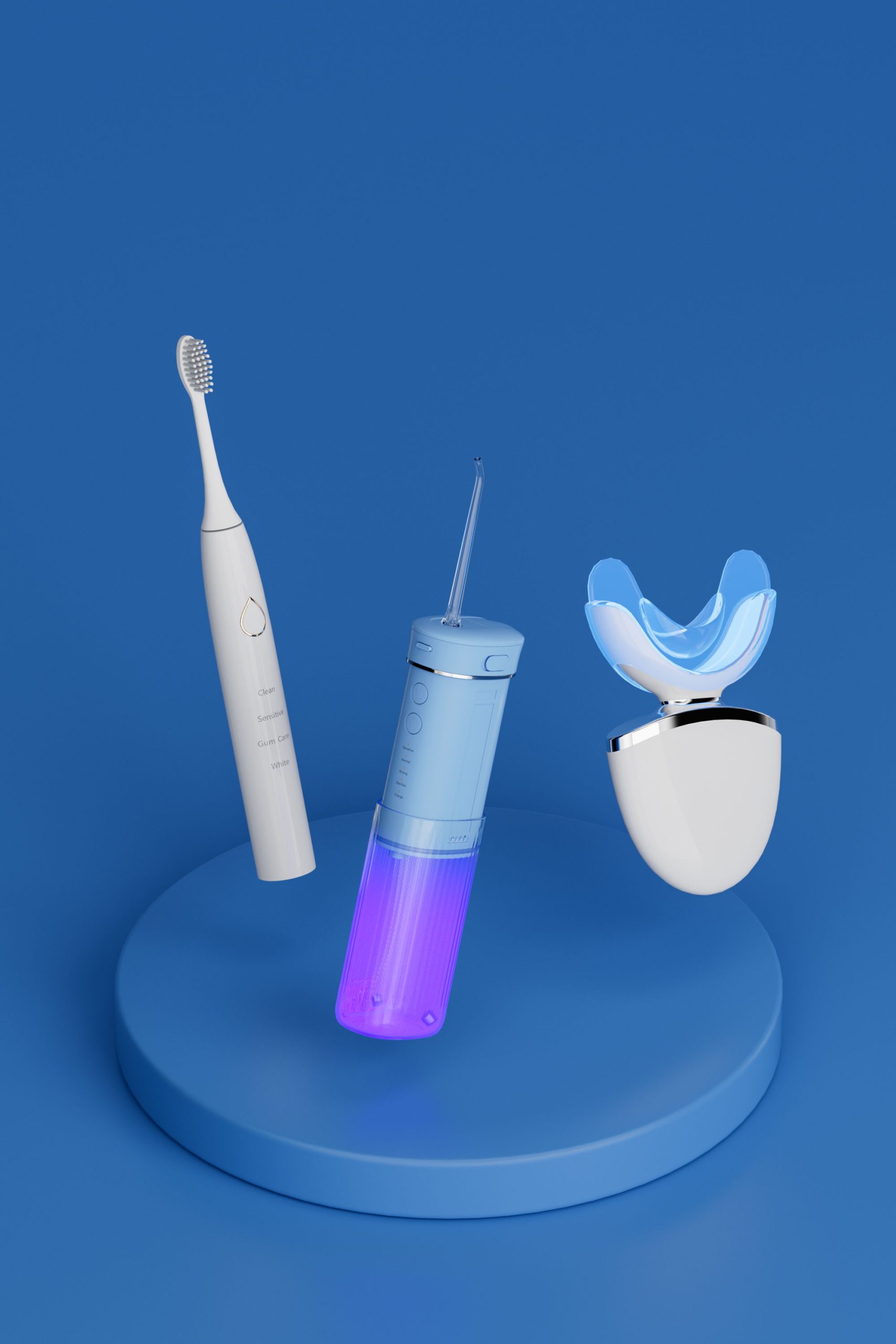
As we head into 2025, the global oral care market continues to show strong momentum. Increased health awareness, innovation in oral hygiene technologies, and consumer demand for convenience and aesthetics are reshaping what products succeed at retail and online. For distributors, the key question is: Which oral care products are most worth distributing in 2025? This blog explores the top oral care market trends, identifies high-demand products, and provides actionable distributor product selection strategies to stay ahead in a competitive landscape. Smart & Connected Devices Are Dominating Consumers are embracing smart technology in personal care. Electric toothbrushes with Bluetooth connectivity, pressure sensors, and app integrations are quickly moving from “nice-to-have” to standard expectations. High-demand products: AI-powered toothbrushes, pressure-sensitive models, smart brushing trackers Why it matters: Smart features enhance the user experience, increase brand loyalty, and justify premium pricing Distributor product selection strategy: Focus on brands offering upgradable or app-integrated models that align with consumer interest in data and personalization. The Rise of Oral Irrigators for At-Home Use Oral irrigators, once a niche professional tool, are now mainstream. With more consumers adopting at-home dental routines, these devices are becoming essential complements to brushing. High-demand products: Compact, USB-chargeable water flossers; multi-pressure-level irrigators; portable travel versions…
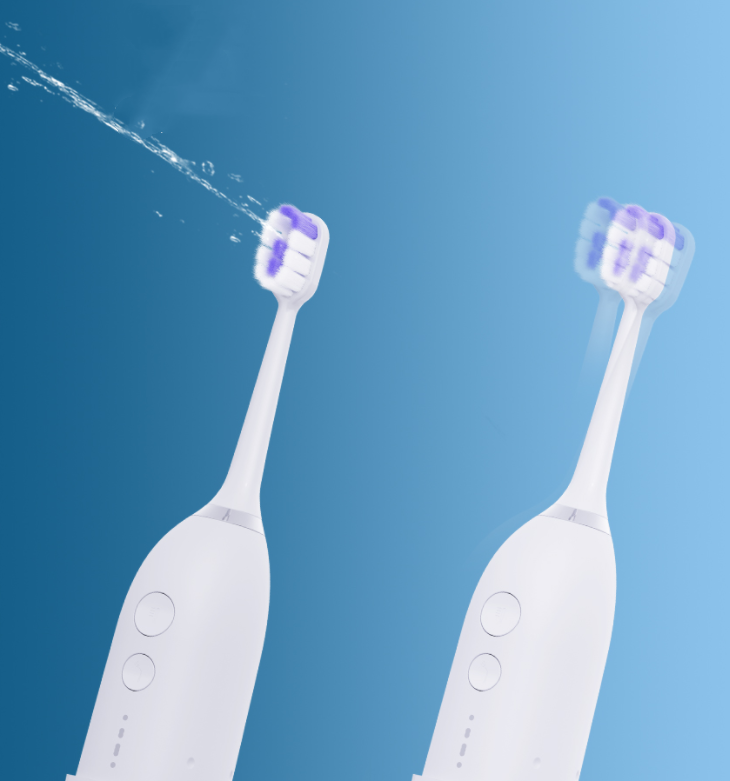
As consumer expectations evolve, the demand for multi-function oral care solutions has surged. Among the most innovative developments are two-in-one electric toothbrushes and oral irrigators—devices that combine brushing and water flossing in one compact unit. But are these hybrid devices truly the best option? In this guide, we provide a balanced analysis of the pros and cons of two-in-one electric toothbrushes and oral irrigators, offering insights for brands and manufacturers considering this category. https://www.powsmart.com/ Market Demand: Why Consumers Love Multi-Function Oral Care The modern consumer seeks efficiency, convenience, and space-saving design. A two-in-one electric toothbrush and oral irrigator caters perfectly to: Urban dwellers with limited bathroom space Travelers seeking compact oral care solutions Users desiring a simplified daily routine without compromising dental hygiene These trends drive growing interest from distributors and OEM partners to expand their product lines with multi-function oral care solutions. Advantages of Two-in-One Devices Let’s break down the key benefits of these hybrid solutions: Space Efficiency Combining two essential devices into one saves counter space and reduces clutter—ideal for modern, minimalist bathrooms. Cost-Effectiveness From a consumer perspective, buying one device instead of two can lower upfront costs. For brands, bundling features into a single SKU simplifies logistics. Travel Convenience Most…
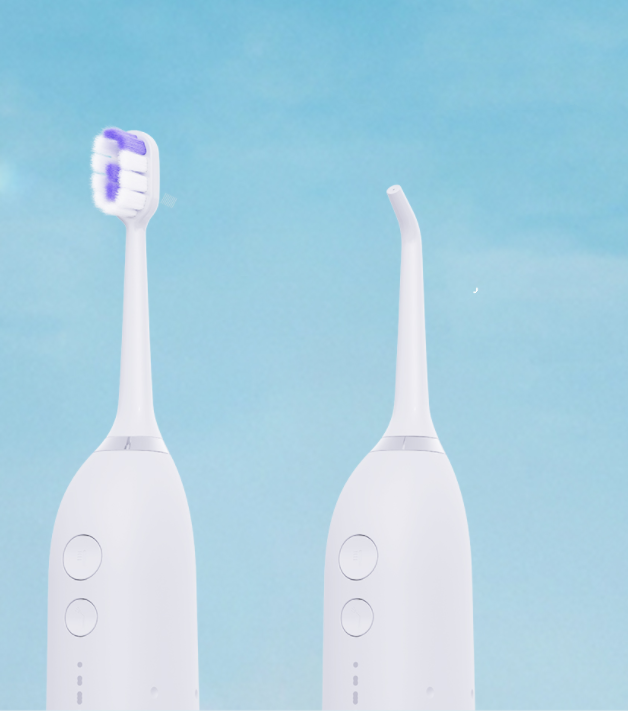
In recent years, consumer interest in multifunctional oral hygiene solutions has been on the rise. As people seek more efficient and convenient routines, the electric toothbrush + water flosser combination has emerged as a game-changing innovation. This two-in-one device offers users a comprehensive oral care solution in a compact and easy-to-use form. As an oral care products factory, understanding real market feedback is essential to guide future development and investment. Why the Two-in-One Device Is Gaining Popularity The rise in demand for two-in-one devices reflects shifting consumer preferences toward space-saving, travel-friendly, and tech-integrated solutions. Combining brushing and flossing in one device eliminates the need for two separate products, while also improving the consistency of oral hygiene routines. Key reasons for popularity include: Time efficiency: Simultaneous brushing and water flossing saves time. Minimalism: Reduces clutter on the bathroom counter. Cost-effectiveness: One purchase, multiple functions. Improved compliance: Easier for users to follow a daily oral care routine. Market Feedback from End-Users and Distributors Our team at the oral care products factory has collected feedback from global distributors and end-users over the past 12 months. Highlights include: Positive Consumer Response:Most users reported a noticeable improvement in oral cleanliness and gum health. They appreciated the innovation and were…
Maintaining oral hygiene can be challenging once you add metal or ceramic brackets—yet it’s more important than ever to braces clean thoroughly to prevent demineralization, staining, and gum inflammation. Below, we outline six key strategies to help your B2B partners educate end users on optimal cleaning protocols for orthodontic patients. Choose the Right Bristle Configuration First, selecting a toothbrush engineered for braces makes all the difference: V-shaped or notched bristles cradle each wire and bracket, ensuring you reach plaque build-up zones. Soft‐to‐medium filament mix balances gentle gum care with effective debris removal around edges. Electric toothbrush models with small, rounded heads can further improve access to tight spaces. Transitioning to these specialized bristles elevates overall cleaning performance. Incorporate Interdental Brushes & Picks Next, interdental tools are essential for cleaning under wires: Angled interdental brushes fit between brackets and wires, dislodging trapped food particles. Soft-tip picks offer precision around gum lines without traumatizing sensitive tissue. Silicone-coated options reduce risk of scratching bracket bases or enamel. By integrating these devices, braces clean becomes a comprehensive, four-step routine rather than just brushing. Leverage Water Flossers for Dynamic Cleaning Moreover, water flossers bring dynamic water jets to your regimen: High‐pressure pulsed streams flush out…
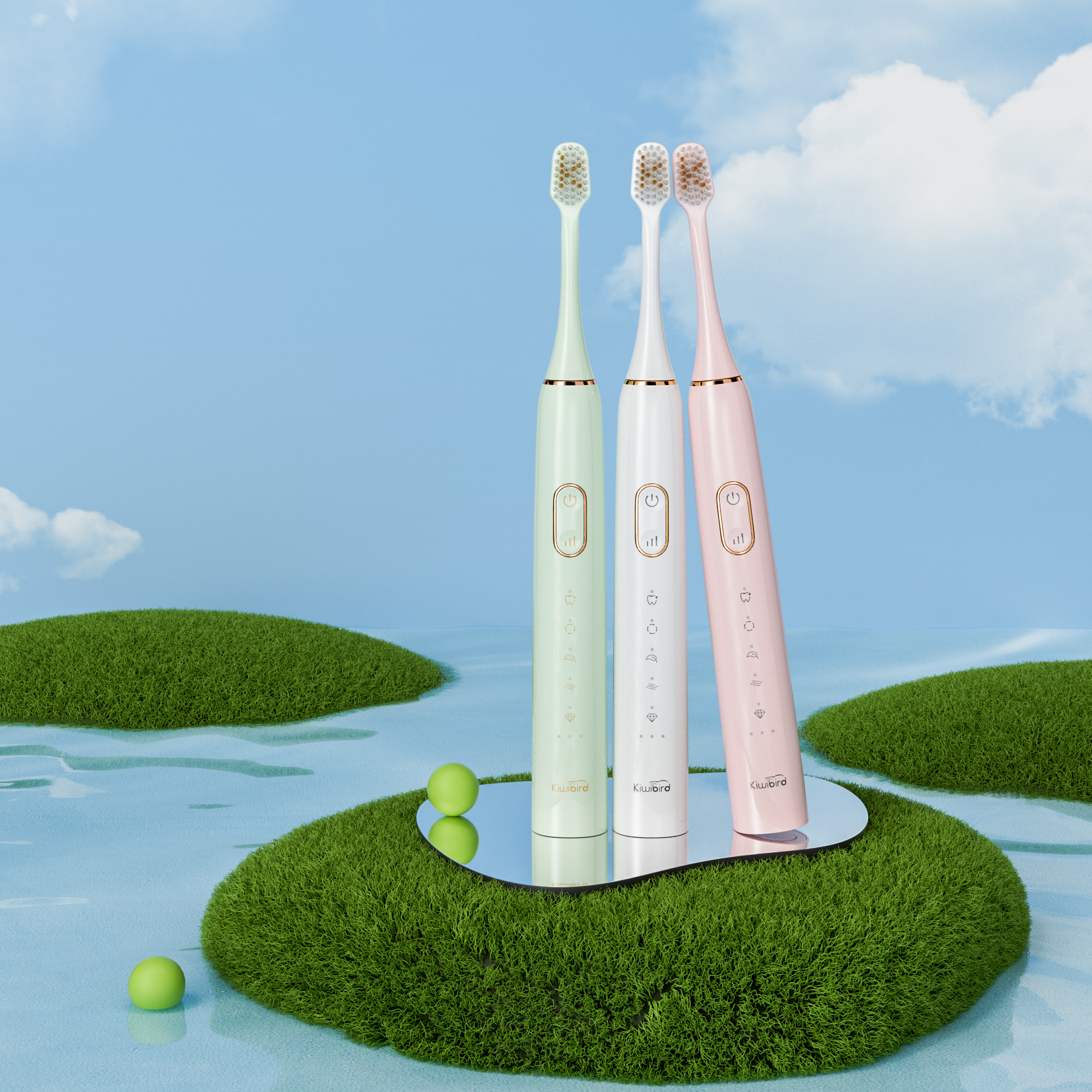
In today’s competitive oral care market, consumers expect more than just effective cleaning from their electric toothbrush—they expect convenience, reliability, and portability. A long endurance electric toothbrush has emerged as a powerful selling point, helping brands differentiate their products in crowded retail and e-commerce spaces. For B2B clients such as retailers, importers, and private label brands, partnering with a forward-thinking electric toothbrush manufacturer that prioritizes battery endurance can result in stronger market appeal and higher customer satisfaction. Consumer Lifestyle Demands: The Need for Less Frequent Charging Modern consumers lead busy, mobile lifestyles. They prefer devices that can keep up with their pace. A long-lasting electric toothbrush typically offers: Up to 30–60 days of use on a single charge Hassle-free morning routines without daily recharging Peace of mind during travel or outdoor use This benefit strongly resonates with end users and increases perceived value, especially in premium and mid-range markets. Lithium Battery Technology: Powering Endurance and Efficiency At the heart of every long-endurance toothbrush is advanced lithium battery technology. Compared to traditional NiMH batteries, lithium batteries offer: Higher energy density Faster charging time Longer lifespan Lightweight design Professional electric toothbrush manufacturers increasingly use lithium-ion or lithium-polymer cells to power high-performance, compact devices that meet today’s…
In next-generation portable testing devices, not only must you finely tune the oscillation angle to maximize sample collection, but true travel portability lets testing instruments go wherever they’re needed—closer to users and real-world scenarios. In this article, we examine six ways portability boosts allergen detection, helping B2B partners design solutions that are both flexible and reliable. On-Site Testing for Immediate Decisions First, travel portability frees allergen testers from the lab: Rapid Response: Instantly collect and analyze samples on-site at restaurants, factories, or schools after a suspected allergy incident. Reduced Transport Error: Eliminates cross-contamination or degradation risks from shipping samples to a central lab. Improved Client Experience: B2B customers can offer “on-site testing + immediate reporting” as a one-stop service. Portable devices therefore directly enhance testing speed and decision-making. Optimized Sampling with Tuned Oscillation Angles Next, fine control of the oscillation angle in the sampling module is essential: Directed Vibration: Using ±15°–±30° angles covers varied surface materials, ensuring trace peanut proteins or lactose are dislodged. Deep Extraction: Automatically adjust the angle based on surface roughness to capture representative micro-samples. Minimal Damage: Precise angle control prevents excessive wear on food contact or dental tray surfaces. Hardware-level angle tuning is key to efficient,…
In modern oral care, simply removing interdental debris isn’t enough—effective Tongue Cleaning combined with optimized Pulse Frequency can dramatically reduce volatile sulfur compounds and leave users with truly fresh breath. In this article, we’ll explore six critical factors that B2B partners should consider when specifying a water flosser designed to tackle halitosis and elevate daily oral hygiene. Addressing the Root Cause of Bad Breath Bad breath often originates on the tongue and between teeth, where bacteria flourish. Microbial Colonies on the Tongue: A rough dorsal surface traps food particles, fostering odor-causing microbes. Interdental Plaque: Leftover debris between teeth releases foul odors as bacteria break it down. Salivary Flow and pH: Stagnant or acidic saliva can exacerbate bacterial growth and malodor. By targeting both interdental spaces and the tongue’s surface, a well-engineered flosser lays the foundation for lasting breath freshness. The Power of Dedicated Tongue Cleaning Moreover, integrating a specialized tongue-cleaning tip transforms a standard flosser into a breath-refreshing tool: Angled Nozzle Design: Slim, flat-profile tips reach the posterior tongue without gagging. Gentle Bristle Inserts: Soft polymer bristles dislodge biofilm while conforming to tongue contours. Combined Water-Brush Action: Pulsed water jets flush away loosened debris and microbes. This multi-action approach ensures…
In today’s on-the-go lifestyle, professionals and travelers alike demand a water flosser with true Cordless Efficiency and ample Reservoir Capacity so they can maintain optimal oral hygiene for a full week without constant recharging or refilling. But achieving that balance requires careful attention to power management, tank design, and user convenience—elements that B2B partners must prioritize when specifying a next-generation device. Meeting the Week-Long Usage Challenge First and foremost, end users expect a single charge and refill to last through seven days of twice-daily use. Consequently, B2B customers look for: Reliable Performance: Consistent pressure and pulse settings over dozens of uses. Minimal Downtime: Seamless operation without mid-week interruptions. User Confidence: Clear indicators of battery life and water level to avoid surprises. Understanding these expectations is the first step toward delivering a flosser that truly endures. Maximizing Cordless Efficiency Moreover, Cordless Efficiency isn’t just about a big battery—it’s about intelligent power management: Low-Power Pump Design: High-efficiency motors and optimized impeller geometries reduce current draw per burst. Adaptive Drive Modes: Automatic down-scaling of pulse frequency when reservoir nears empty extends runtime without user intervention. Standby Optimization: Ultra-low quiescent current in idle mode preserves battery between brushing sessions. Battery Chemistry: Selecting high-energy-density Li-ion…
As demand for personalized oral care grows, toothbrush devices must offer highly programmable pulse frequency control and sensitivity adaptation to accommodate multiple modes and user profiles. Only by combining a range of settings with real-time feedback can a single device truly meet the needs of all ages, oral conditions, and use-case scenarios. Segmenting Users and Their Diverse Needs First, B2B manufacturers should consider the full spectrum of end users: Children and Teens: Require low-frequency, gentle pulses to protect developing gums. Everyday Adults: Need mid-range frequency and strength in a standard cleaning mode that balances efficiency with comfort. Sensitive Users: Benefit from precise sensitivity adaptation, ensuring effective cleaning without irritation. Orthodontic and Restorative Cases: Demand specialized nozzles or brush heads to navigate braces, implants, and other hardware. Clear user personas are essential to define the must-have features for a “one-size-fits-all” device. Multi-Mode Design: From Basic to Professional Next, the device should support multiple cleaning modes for different scenarios: Standard Cleaning: Ideal for daily plaque removal. Whitening/Polish: Uses high pulse frequency and specialized brush heads for surface brightening. Gum Massage: Low-frequency pulses gently stimulate gum circulation. Orthodontic Mode: Works with dedicated nozzles or heads to flush around brackets and wires. Deep-Clean Therapy:…
In orthodontic use, patients wearing braces face extra challenges: brackets and wires create tight spaces where food debris and plaque accumulate. At the same time, different nozzle types can make or break cleaning effectiveness. For B2B partners, offering a water flosser specifically optimized for braces is essential to meet both professional and end-user needs. Why Braces Demand Special Water Flossers Braces introduce complex hardware behind which toothbrush bristles can’t reach. A water flosser designed for orthodontic use must: Boost fluid penetration to reach beneath brackets and wires. Use finer nozzles that focus jet streams into narrow gaps. Provide gentle pressure modes to clean effectively without irritating sensitive gums around brackets. Meeting these requirements ensures thorough cleaning without compromising comfort. Exploring Different Nozzle Types Common nozzle options include: Standard Straight Nozzles: Broad jets for general interdental cleaning—but less precise under braces. Orthodontic-Style Nozzles: Slim, angled tips that target plaque beneath brackets. Brush-Hybrid Nozzles: Combine a soft brush head with a water jet for both mechanical and hydrodynamic cleaning. Tongue-Cleaner Nozzles: Focus on overall oral hygiene but are not ideal for braces. Providing a range of interchangeable nozzles lets users tailor their routine to specific needs. Company web: https://www.powsmart.com/product/electric-toothbrush/ Comparing Cleaning Performance…
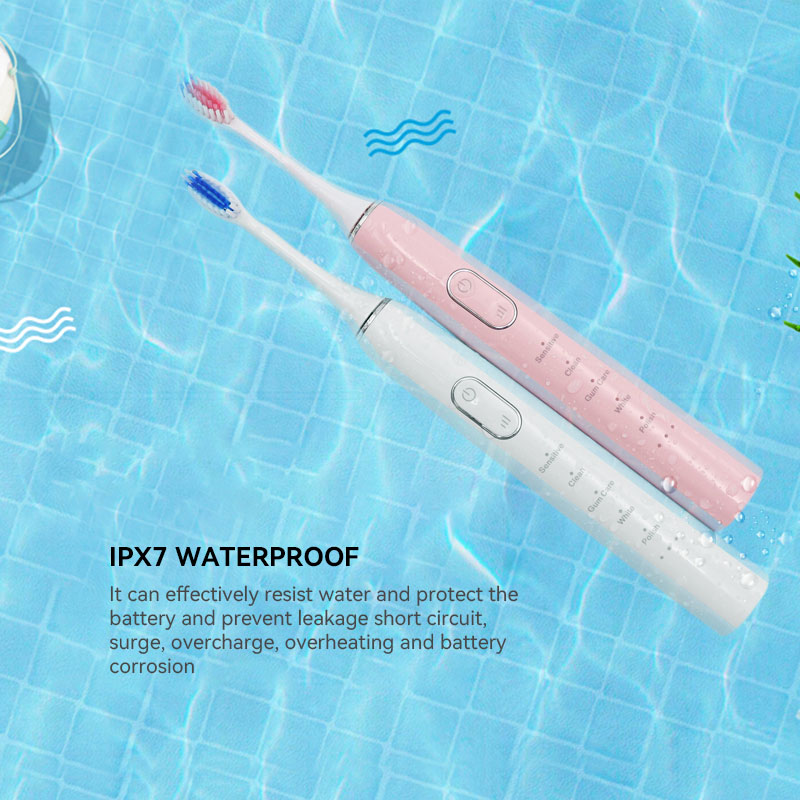
Waterproofing is a crucial feature for electric toothbrushes, especially considering their regular exposure to water. As these devices are used in wet environments like bathrooms, ensuring waterproof levels is vital to both their performance and longevity. In this blog, we’ll explore the different waterproof level of electric toothbrushes, specifically focusing on IPX6 waterproof, IPX7 waterproof, and IPX8 waterproof ratings, and discuss how these ratings impact the user experience and the manufacturing process. https://www.powsmart.com/product/electric-toothbrush/ Understanding the Waterproof Rating System: What Do IPX Numbers Mean? The waterproof level of electric toothbrushes is usually determined using the IP (Ingress Protection) rating system, which measures the device’s resistance to water and dust. The IP code consists of two digits: the first digit represents protection against solids (like dust), while the second digit represents protection against liquids. For electric toothbrushes, the key focus is typically the second digit. Below is an overview of the waterproof levels: IPX6 Waterproof: Protection against powerful water jets. IPX7 Waterproof: Protection against immersion in water up to 1 meter for 30 minutes. IPX8 Waterproof: Protection against continuous immersion in water, typically at depths greater than 1 meter, depending on the manufacturer’s specifications. Understanding these levels helps manufacturers and consumers determine the most suitable waterproof…
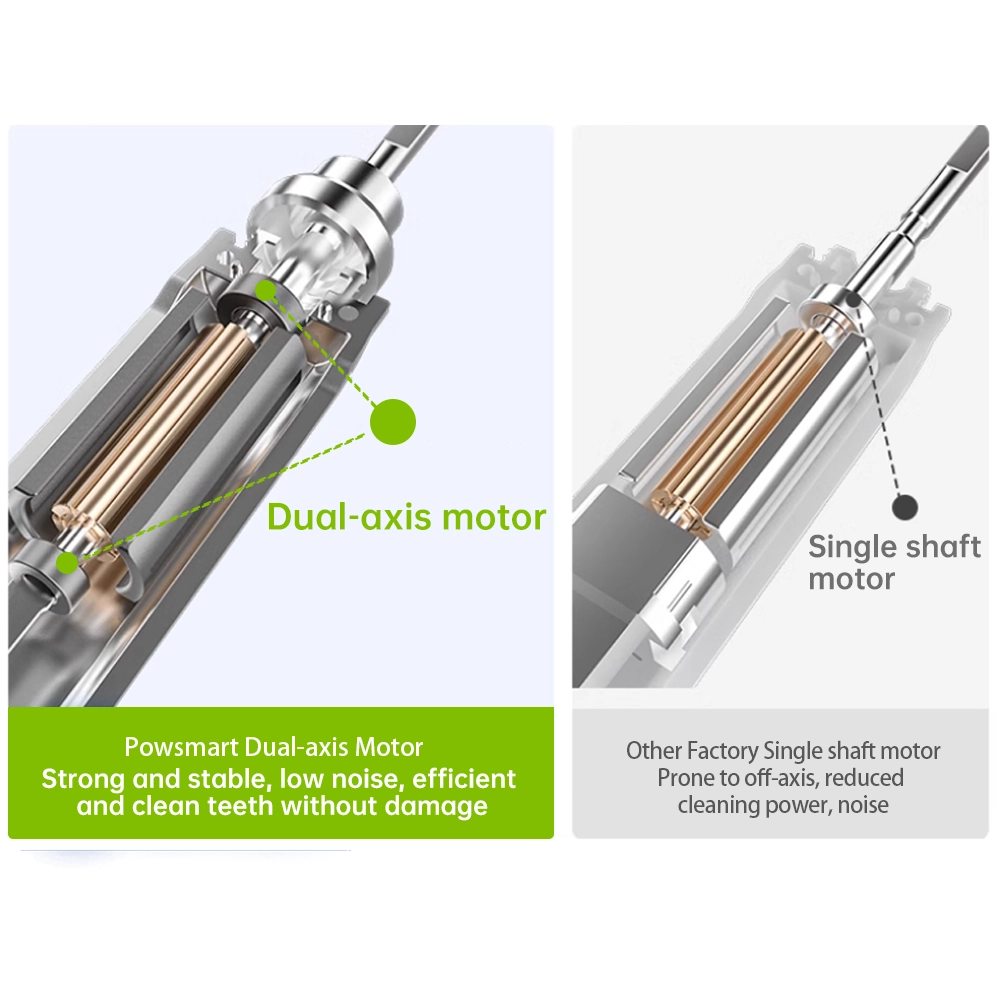
When it comes to the performance of an electric toothbrush, the motor is arguably the most important component. The motor's design and functionality directly impact factors such as vibrational frequency, torque stability, and overall user experience. In this blog, we’ll explore how the motor of an electric toothbrush affects product performance, with a particular focus on key elements like noise control, power efficiency, and durability. https://www.powsmart.com/about-powsmart/ Vibrational Frequency: How It Impacts Cleaning Efficiency One of the primary factors influenced by the motor is the vibrational frequency. The motor determines the speed at which the brush head oscillates or rotates, and this directly impacts cleaning effectiveness. Higher vibrational frequencies: Lead to more effective plaque removal and deeper cleaning, particularly in hard-to-reach areas of the mouth. Lower vibrational frequencies: Can provide a gentler brushing experience, which is beneficial for users with sensitive gums or teeth. The ability to fine-tune the vibrational frequency allows manufacturers to cater to different user needs while maintaining optimal cleaning efficiency. Torque Stability: Ensuring Consistent Performance Over Time Another important factor influenced by the motor is torque stability. Torque refers to the rotational force the motor generates to drive the brush head. The stability of this torque is critical…


.jpg)
.jpg)
.jpg)
.jpg)
.jpg)






.jpg)
.jpg)
.jpg)