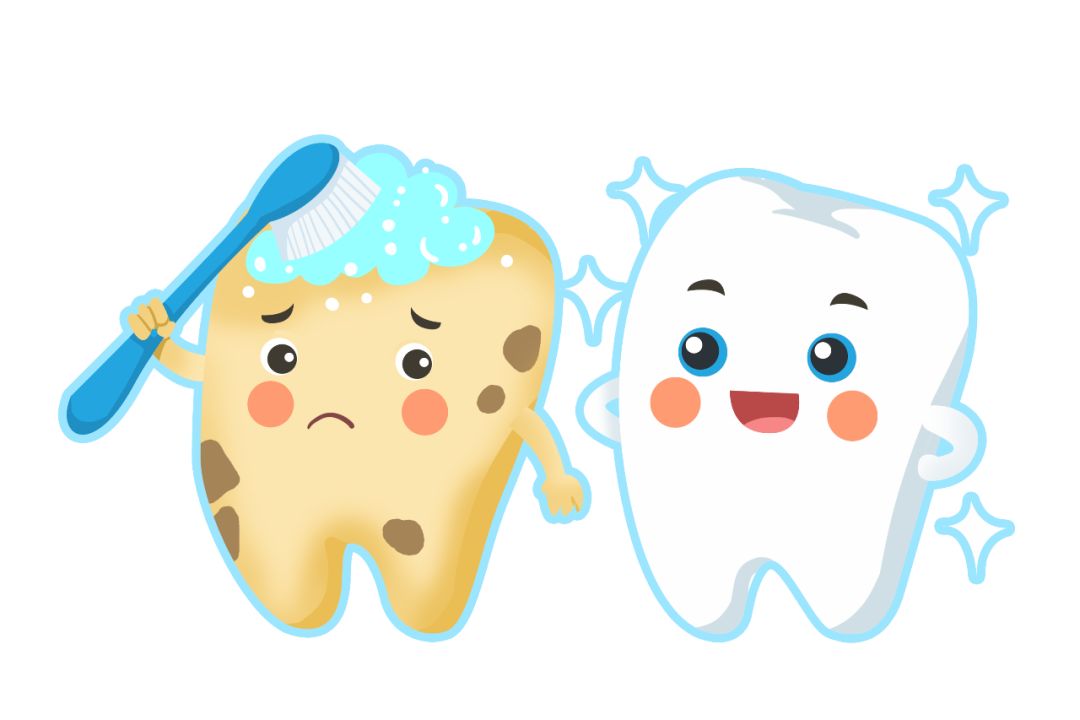
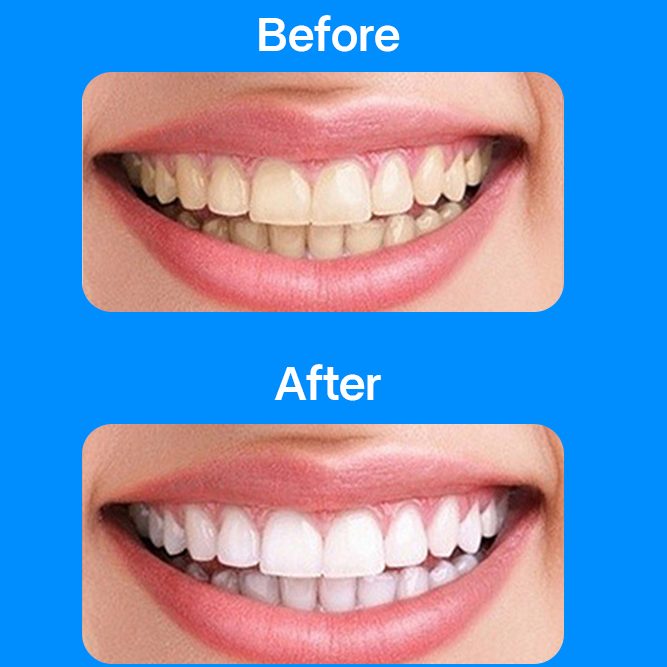
Teeth whitening has become a global trend, with an increasing number of consumers seeking brighter smiles. But how effective are teeth whitening products from a chemical perspective? Are the claims backed by real science, or is it just a marketing gimmick? This article delves into the chemistry behind teeth whitening products, explaining their key ingredients, mechanisms, and potential limitations.
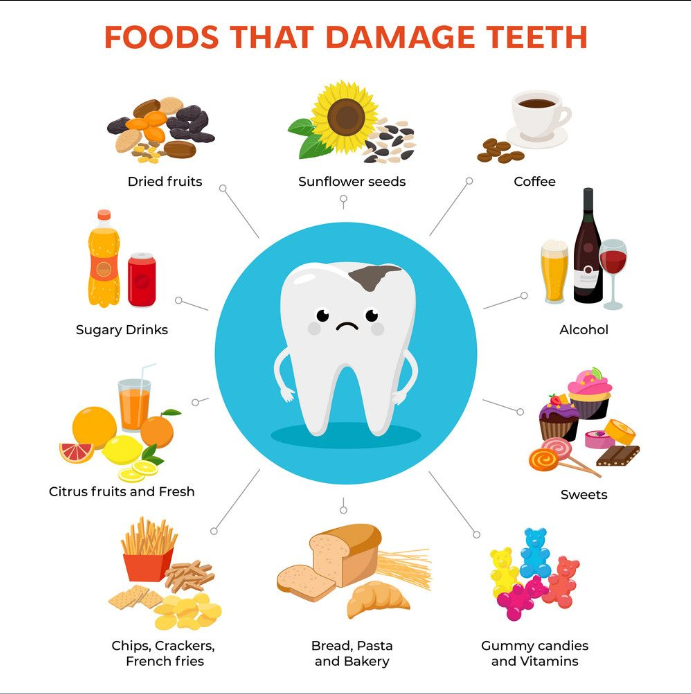
Before understanding how teeth whitening products work, it’s essential to know why teeth become discolored in the first place. Staining occurs due to:
Different whitening agents target these stains in distinct ways.
The effectiveness of teeth whitening products depends on their active ingredients. The most common chemical compounds include:
These ingredients play a crucial role in breaking down chromogens, the molecules responsible for discoloration.
When peroxide-based compounds break down, they release oxygen radicals that interact with stain molecules, altering their structure and making them less visible. This oxidation process effectively removes discoloration and restores a whiter shade.
Non-peroxide alternatives, such as PAP, work by breaking bonds within stain molecules without releasing free radicals, making them a safer option for individuals with sensitive teeth.
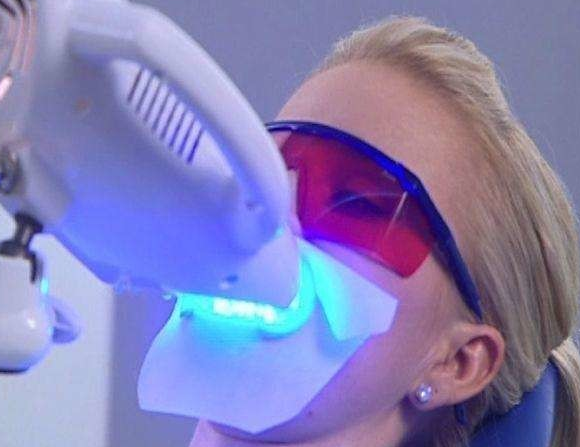
While teeth whitening products can be effective, there are certain limitations and risks:
For long-term benefits, proper oral hygiene and professional guidance are recommended.
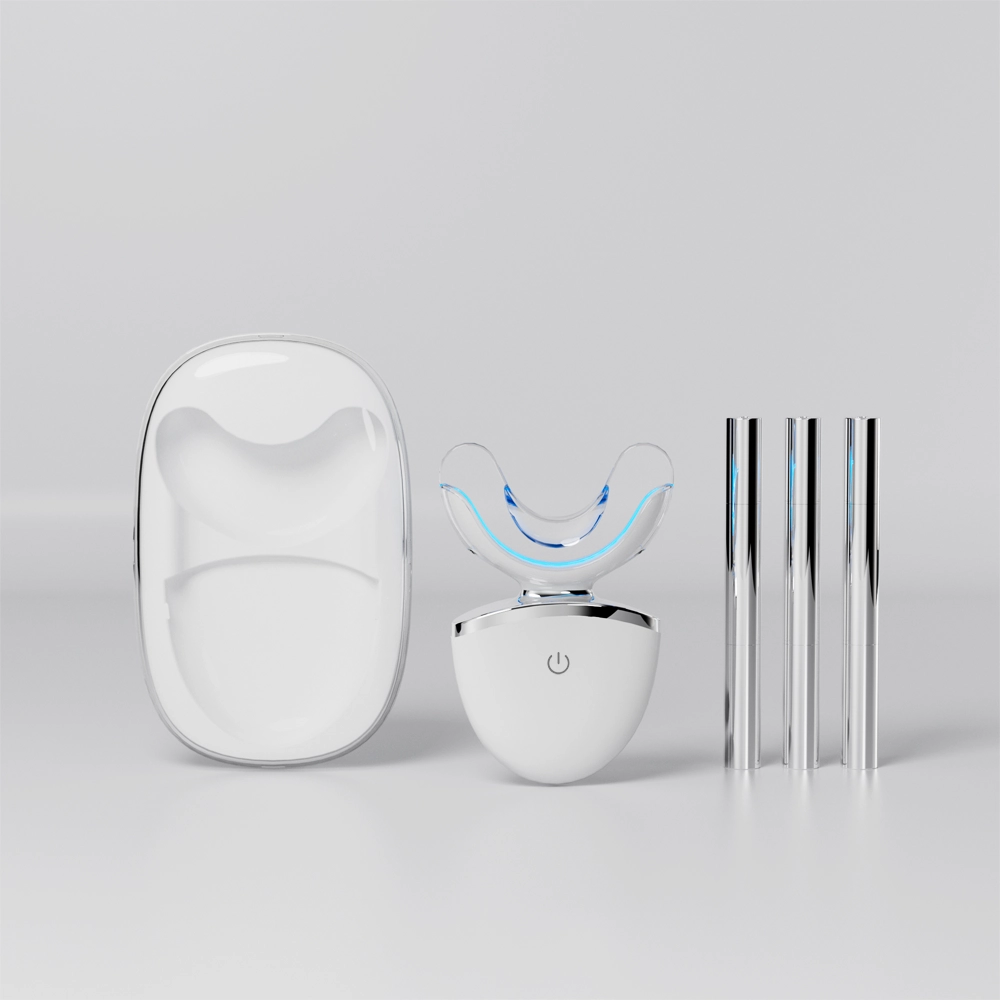
Each option has its pros and cons depending on the user’s whitening goals.

As consumer demand grows, manufacturers are investing in safer, more effective whitening solutions. Some innovations include:
These advancements ensure that teeth whitening products remain both safe and effective in the long run.
From a chemical perspective, teeth whitening products do work, but their effectiveness depends on the active ingredients, concentration, and method of application. While peroxide-based treatments remain the gold standard, emerging alternatives offer safer solutions for sensitive users. For businesses in the dental care industry, staying ahead of these innovations is key to meeting consumer expectations.
Would you like to explore high-quality ingredients for your teeth whitening products? Contact us today to learn more about our specialized formulations.https://www.powsmart.com/
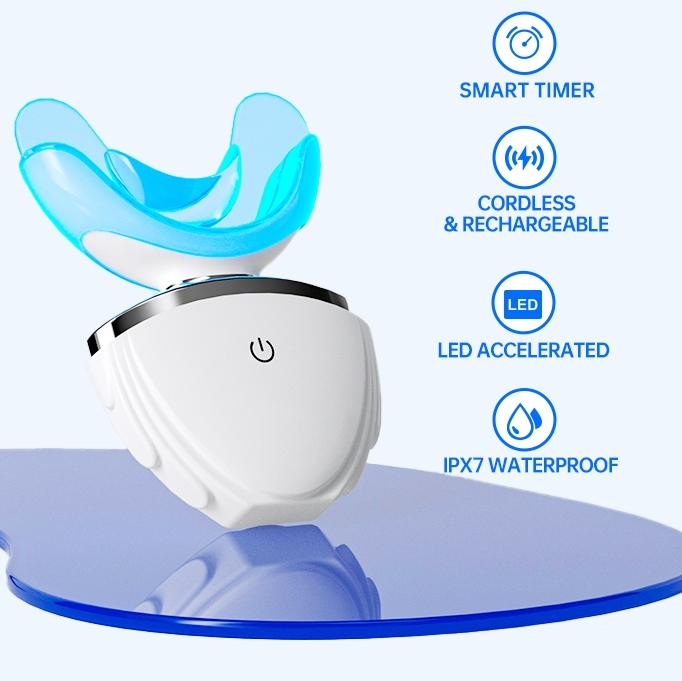
Analysis of the Core Technology of Teeth Whitening Devices: The Difference and Application of Blue Light Whitening and Cold Light Technology

Things you should know about LED teeth whitening devices
How does Soda Affect Your Teeth?
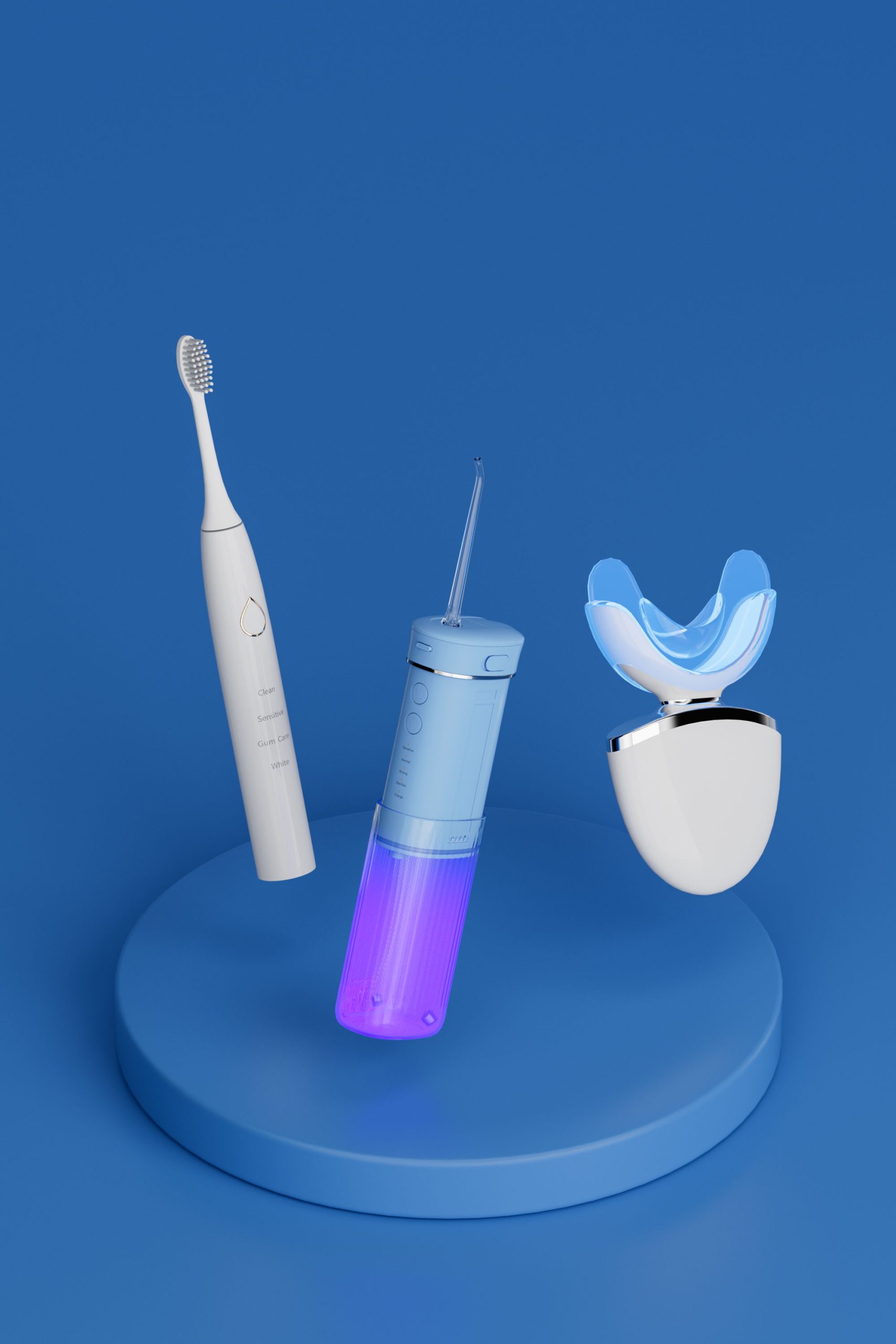
Smile & Confidence: OEM Electric Toothbrushes for Enhanced Dental Aesthetics

What Are the World-Famous Teeth Whitening Brands?
Precautions During Use – Maximize the Effectiveness of the Home Teeth Whitening Device
The Healthy Oral Care Routine Suggested by Oral Care Products Factory
The Pros and Cons of Teeth Whitening: Is It a Good Idea?
3 Potentially Dangerous Design Flaws in Home Whitening Kits: How to Identify Unsafe Whitening Devices Before Purchase
The Effect of the Design of a Dental Instrument on User Comfort and Ease of Operation
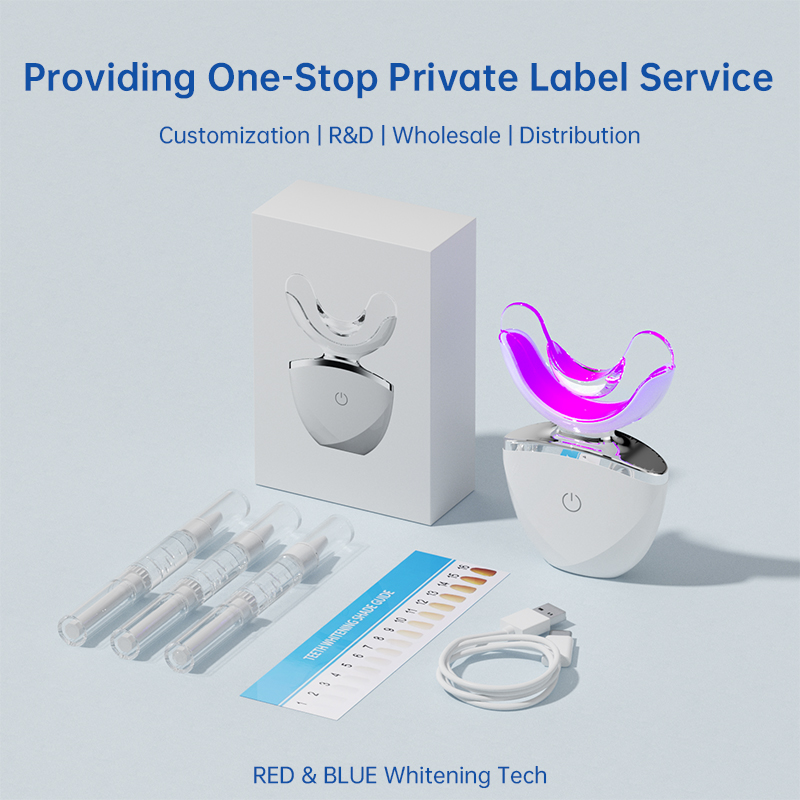
Teeth Whitening Kit OEM: Customizable Solutions for Businesses
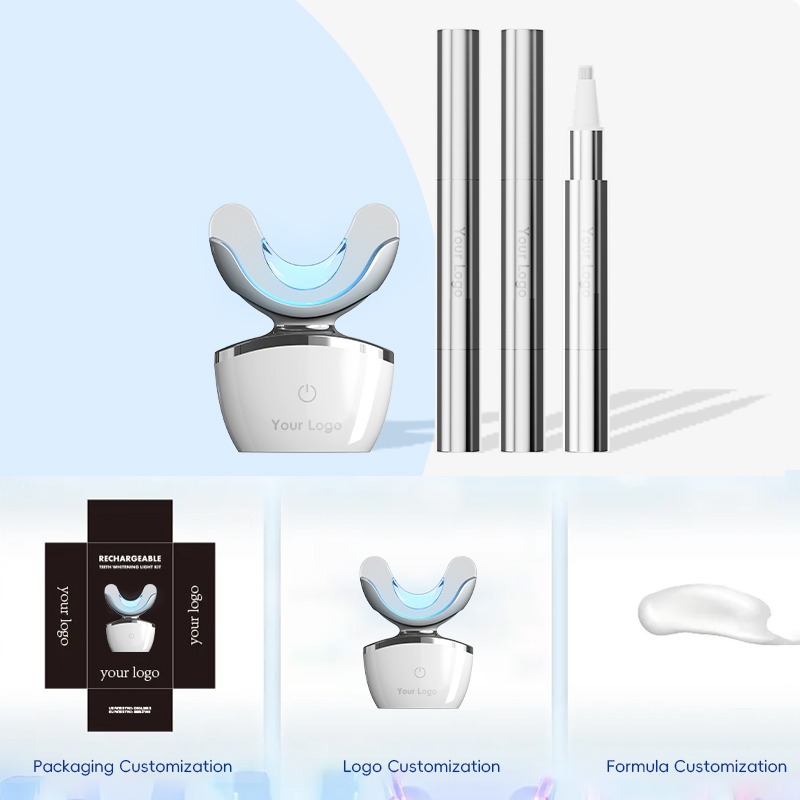
How Long Do Teeth Whitening Gel and Trays Last?

Space-Saving Oral Care: Compact Electric Toothbrush Designs

Prospects of Dental Instruments in the Oral Care Industry
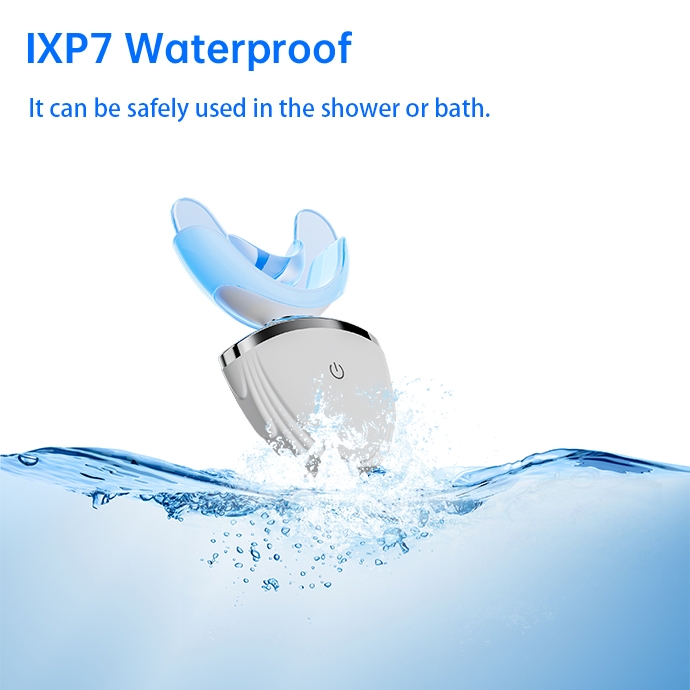
How Much Do You Know About the Manufacturing Industry of Home Teeth Whitening Products?

How to Choose the Type of Charging Method for Electric Toothbrushes?


.jpg)
.jpg)
.jpg)
.jpg)
.jpg)






.jpg)