As consumers increasingly seek affordable and convenient ways to whiten their teeth at home, home whitening kits have gained massive popularity. However, many kits on the market still feature potentially dangerous design flaws in home whitening kits. This leads to poor results, discomfort, or even long-term damage to teeth and gums. For professional manufacturers and distributors, it’s essential to ensure the safety and effectiveness of these products to protect consumers and avoid legal liabilities. In this blog, we’ll guide you on how to identify unsafe whitening devices and highlight three critical design flaws to watch out for before making a purchase.
One of the most common issues with home whitening kits is the unregulated concentration of whitening gel. Many kits feature gels that are too strong or not formulated correctly for safe home use. Overly concentrated whitening agents can cause:
Gum irritation: Harsh chemicals can burn or irritate the sensitive gum tissue.
Tooth enamel damage: Prolonged exposure to high concentrations can erode enamel, leaving teeth more vulnerable to decay and sensitivity.
Uneven results: High concentrations may lead to patchy whitening, causing uneven color.
As a manufacturer, it’s crucial to create whitening products with a safe, regulated formula. This ensures transparency in labeling to help customers make informed decisions.
Another potentially dangerous design flaw in home whitening kits is poorly designed whitening trays or applicators. These can cause several issues, including:
Poor fit: Ill-fitting trays can cause the whitening gel to leak, leading to discomfort and increased risk of gum irritation.
Non-ergonomic design: If the applicator isn’t designed for easy and uniform application, it can result in uneven whitening.
Damage to oral tissues: Sharp edges or poorly molded trays can scrape or injure the gums and oral soft tissues.
To avoid these issues, we’d better check if the trays are customizable to individual mouth shapes. Or if they come with user-friendly applicators that ensure even gel distribution. A well-designed tray should comfortably fit over the teeth without significant gaps or discomfort.
Many home whitening kits come with additional tools such as LED lights or heating components . However, poorly designed safety features in these components can make the device dangerous to use. Potential risks include:
Excessive heat: LED or heat components that overheat can cause burns to the gums or oral tissues.
Unregulated light exposure: Prolonged exposure to certain wavelengths of light can cause sensitivity and even damage to the enamel if not carefully controlled.
Consumers should identify unsafe whitening devices by ensuring that any accompanying light or heat source is designed with safety in mind. Devices should have built-in timers to limit exposure and avoid overheating, and any LED lights should be certified for safe use on teeth.
To protect consumers from potentially dangerous design flaws in home whitening kits, it’s essential for manufacturers to focus on the following key safety features:
FDA or CE Certification: Ensure the product meets international health and safety standards.
Clear instructions and guidelines: Well-documented usage instructions that highlight safe application times, gel concentration limits, and how to avoid common mishaps.
Comfort and safety: Well-designed trays, comfortable applicators, and regulated gel concentrations.
When purchasing a home whitening kit, consumers should always look for certifications, product reviews, and safety assurances from the manufacturer. Avoid products that lack transparency or have poorly explained safety measures.
For consumers, always take the time to identify unsafe whitening devices by checking for certifications, reading product labels carefully, and choosing reputable brands.
If you’re looking for a trusted partner for your home whitening kits that prioritize safety, efficiency, and quality, contact us today to explore our range of expertly designed products.https://www.powsmart.com/about-powsmart/
The evolution history of electric toothbrushes
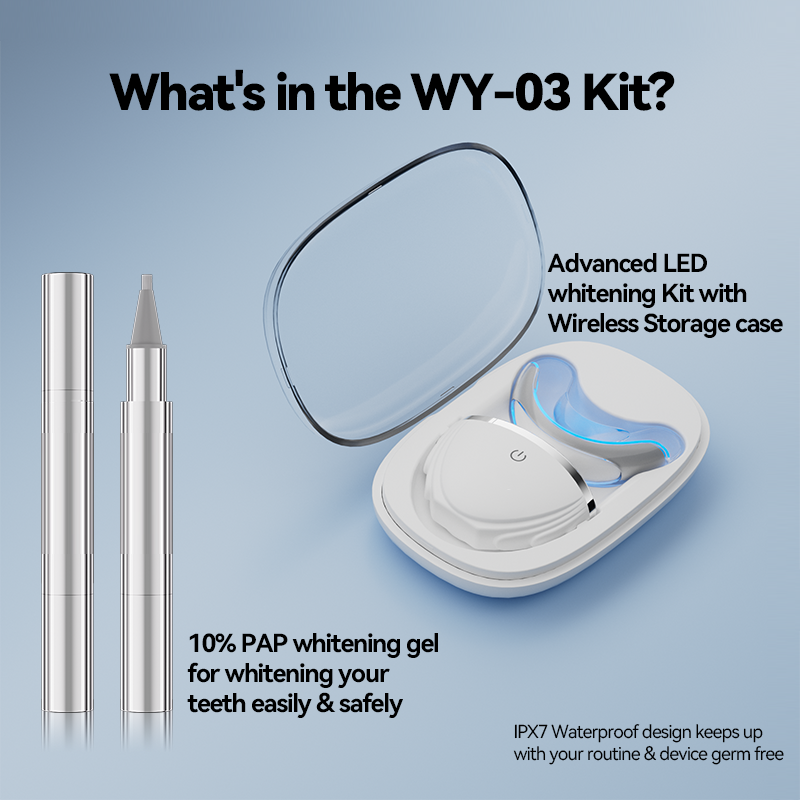
OEM of Teeth Whitening Device: A Complete Solution from LOGO Printing to Light Wave Mode Customization
How Much Do You Know About the Manufacturing Industry of Home Teeth Whitening Products?
.jpg)
Can Teeth Whitening Kits Trigger Oral Ulcers?

As Young People Pay More Attention to Their Teeth, What New Trends Are Emerging in Oral Care?
Teeth whitening kit: For Healthier, Whiter Teeth

Cutting-edge tech makes us apart from other electric toothbrush manufacturers
Does your electric toothbrush hit your teeth when brushing?
How Long Do Teeth Whitening Gel and Trays Last?
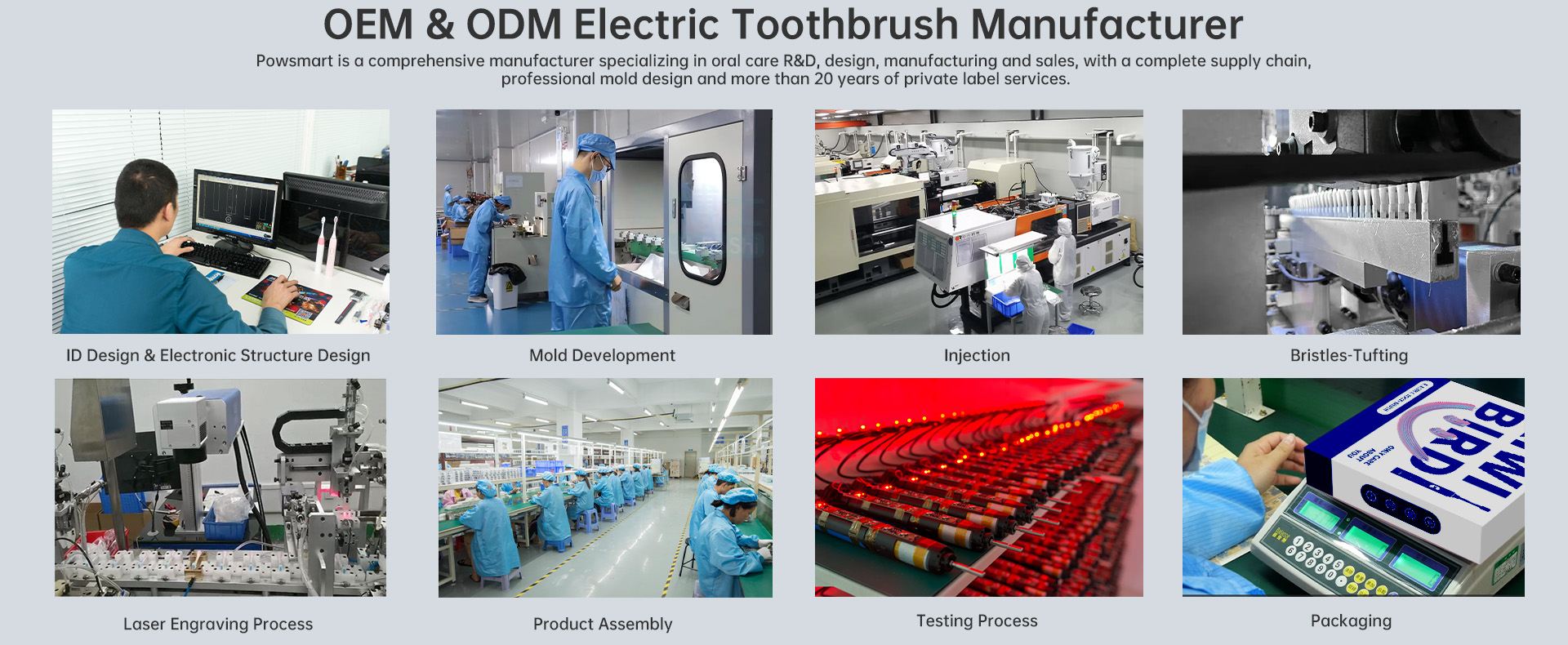
What Are the Other Promising oral care Products in the Oral Care Industry?
What is the Safest Teeth Whitening Method?

Why Do My Teeth Feel Sore After Using a Home Teeth Whitening Device?
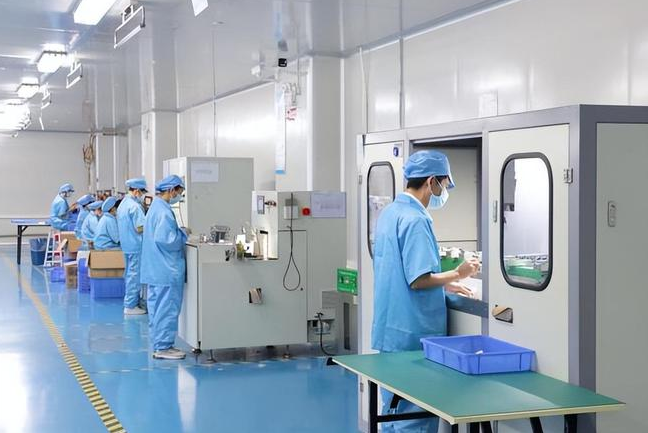
Water Flosser Quality Control and Inspection Process
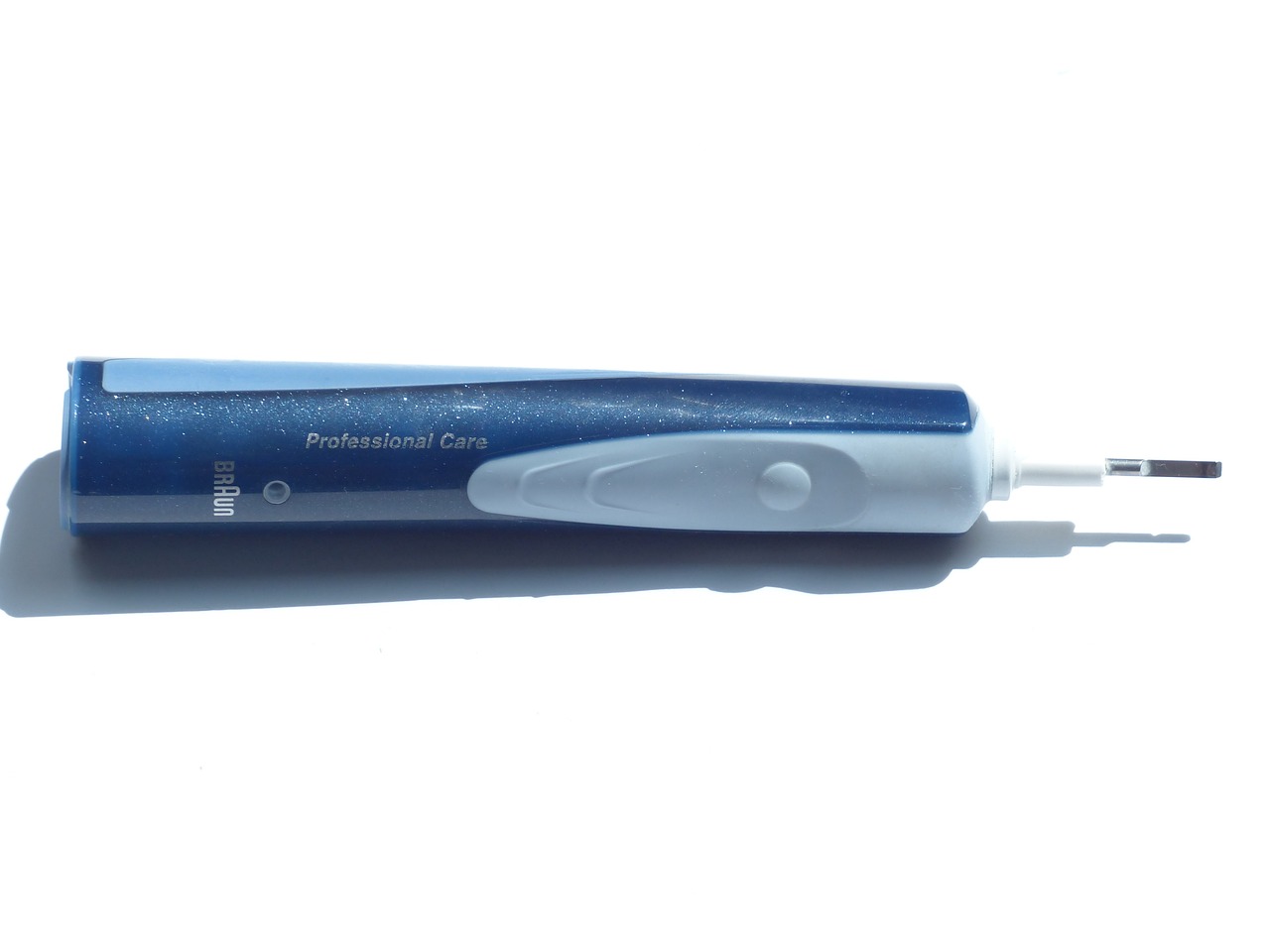
7 Reasons to Start Your Electric Toothbrush Business in 2023
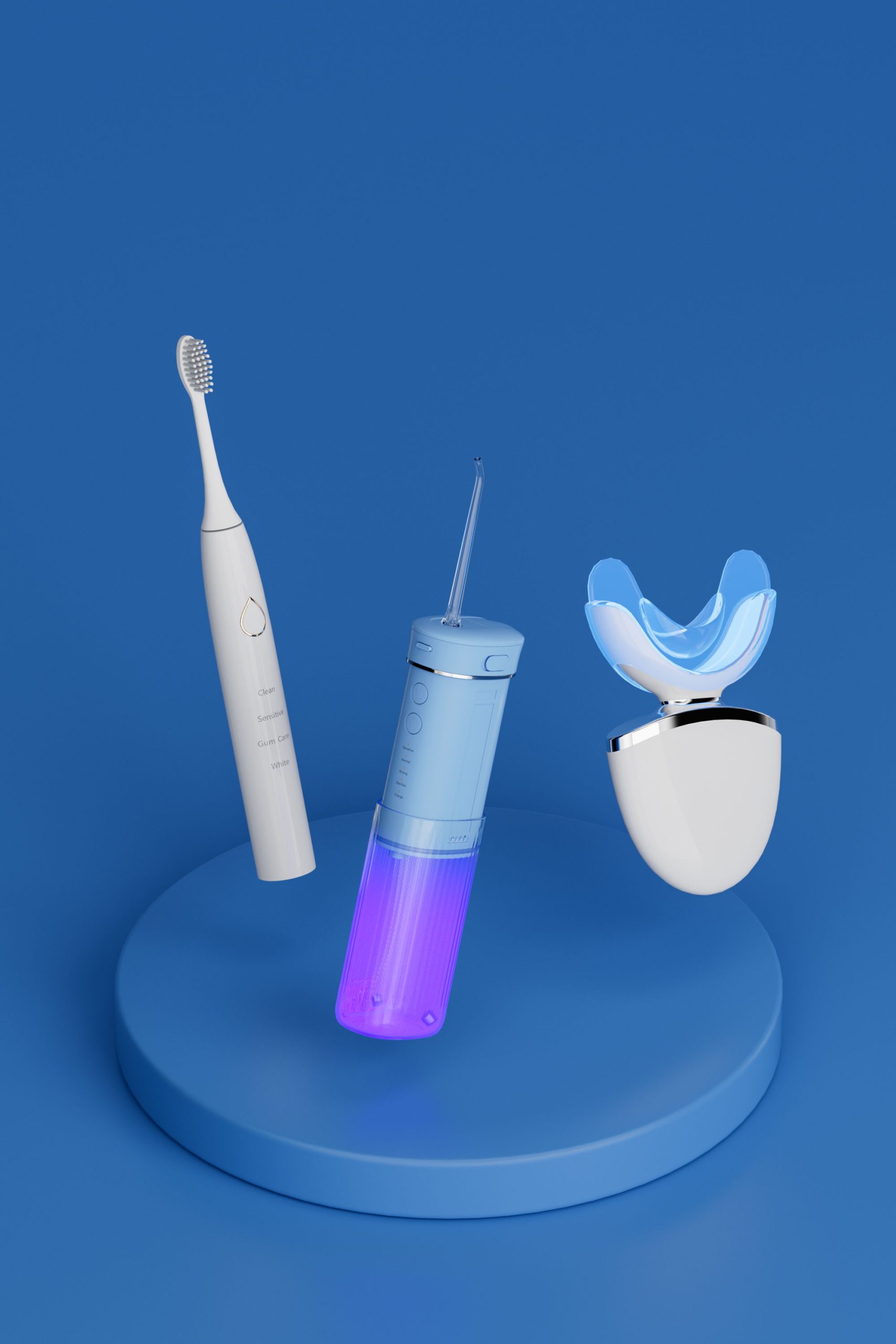
Benefits of Red & Blue Light Technology in Professional Teeth Whitening Kits
How Much Does It Cost to Manufacture a Toothbrush?


.jpg)
.jpg)
.jpg)
.jpg)
.jpg)




.jpg)