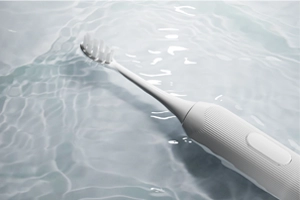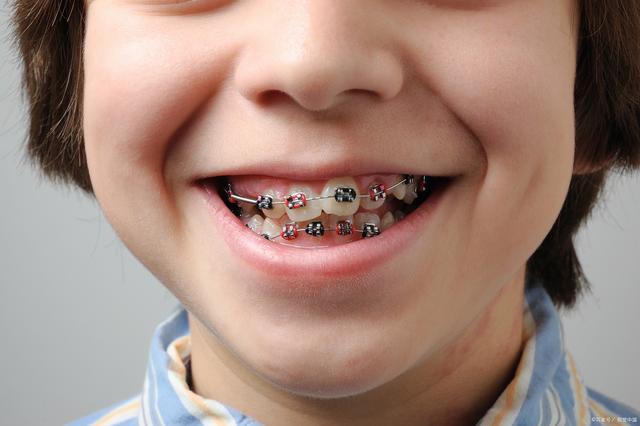
Adolescents undergoing fixed orthodontic treatment often face challenges in maintaining proper oral hygiene. Braces and wires create hard-to-reach areas where plaque can accumulate, leading to issues like gingivitis and tooth decay. As a leading manufacturer of oral care products, we’ve conducted research to understand how electric toothbrushes, particularly those with sonic vibration technology, can address these challenges. In this blog, we’ll explore the high efficiency of electric toothbrushes in providing deep cleaning for adolescents with fixed orthodontics. 1. The Challenge of Poor Oral Hygiene in Orthodontic Patients Fixed orthodontic appliances, such as braces, make it difficult for adolescents to clean their teeth effectively. Food particles and plaque often get trapped around brackets and wires, increasing the risk of gingivitis (gum inflammation) and other oral health issues. Traditional manual brushing may not be sufficient to remove plaque from these complex areas, leading to a higher prevalence of oral hygiene problems among orthodontic patients. 2. How Electric Toothbrushes Address These Challenges Electric toothbrushes, especially those with sonic vibration technology, are designed to tackle the unique challenges faced by orthodontic patients. The rapid movements of the brush head, often reaching thousands of vibrations per minute, create micro-movements that dislodge plaque and food particles from around brackets and wires. This high efficiency ensures a more thorough clean compared to…
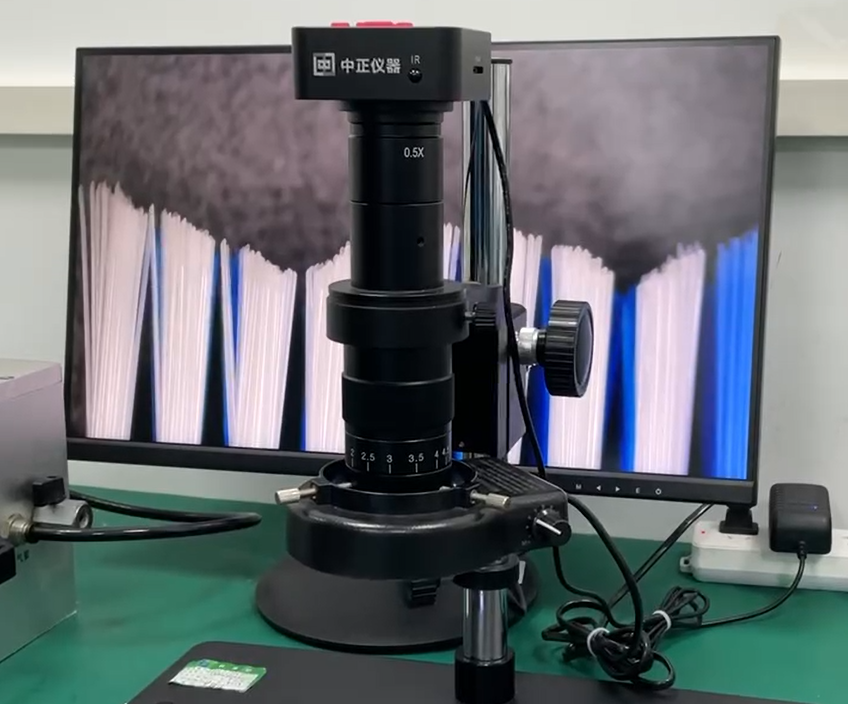
The quality of electric toothbrush bristles plays a crucial role in ensuring an optimal brushing experience. The Electric toothbrush bristle Implantation process has evolved to provide enhanced durability, comfort, and efficiency. However, choosing the right bristles requires an understanding of various factors, including material composition, manufacturing techniques, and implantation methods. In this article, we will explore how to select the most suitable bristles for electric toothbrushes, comparing different transplantation processes and analyzing bristle materials. https://www.powsmart.com/ Understanding the Electric Toothbrush Hair Transplantation Process The Electric toothbrush bristle Implantation process involves embedding bristles into the toothbrush head using specialized technology. This process impacts bristle retention, durability, and overall user experience. The most common methods include: Staple-type implantation: Traditional and widely used, this method involves embedding bristles into a brush head with the help of metal staples. Hot-melt implantation: A more advanced technique that melts bristle bases into the toothbrush head, eliminating the need for metal staples and ensuring a softer feel. Ultrasonic welding: This method uses ultrasonic waves to fix the bristles securely, offering superior strength and longevity. Each technique affects the firmness and lifespan of the bristles, making it essential to choose the right transplantation method based on the target audience and usage…
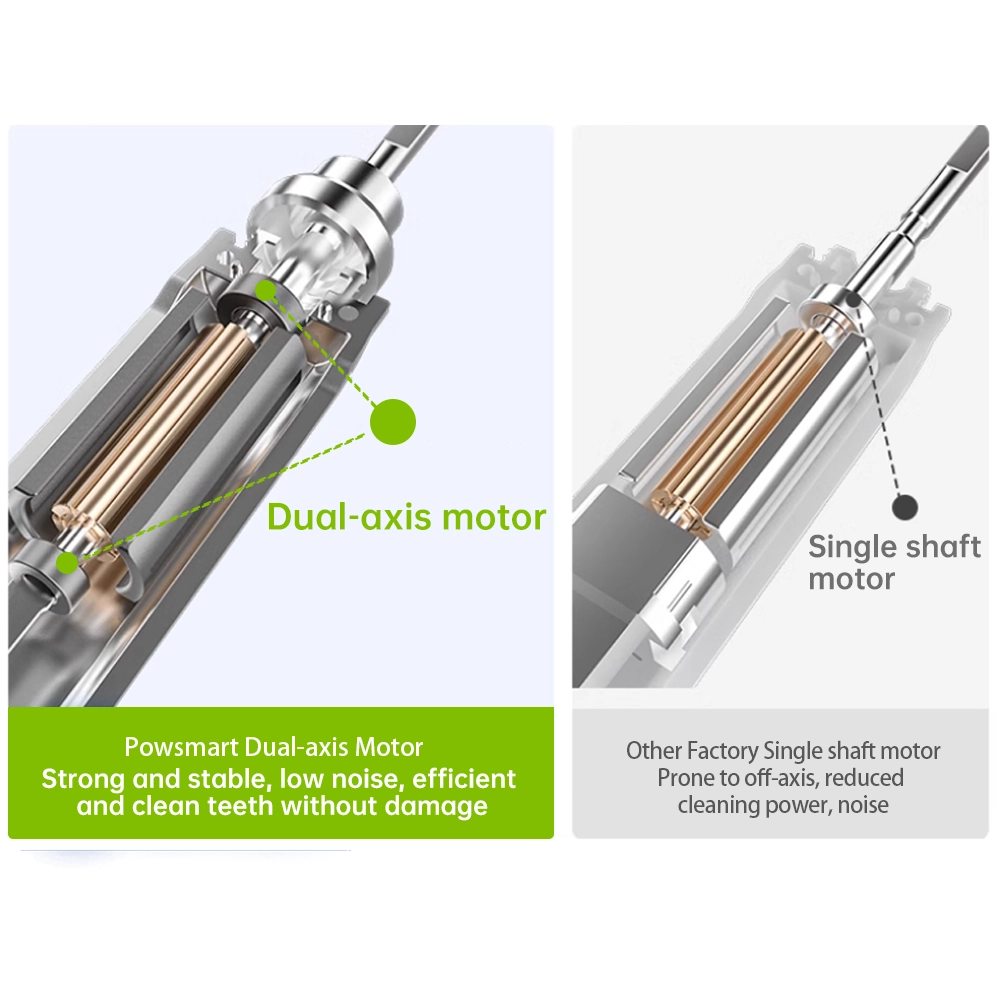
Motor frequency is a key factor influencing the cleanliness of electric toothbrushes. Choosing the right frequency directly impacts cleaning efficiency, user comfort, and overall brushing effectiveness. As an electric toothbrush manufacturer with our own sonic motor production line, Powsmart is going to introduce the importance of motor frequency selection, conduct a comparison of cleaning effects, and examine the relationship between frequency and noise to help optimize the electric toothbrush designs. https://www.powsmart.com/about-powsmart/ Understanding Motor Frequency in Electric Toothbrushes Motor frequency refers to the number of vibrations or rotations per minute (RPM) that an electric toothbrush motor generates. It determines how effectively plaque and debris are removed from teeth and gums. Generally, electric toothbrush motors fall into two categories: Sonic toothbrushes: 24,000 to 48,000 vibrations per minute Rotary toothbrushes: 2,500 to 7,500 oscillations per minute Choosing the optimal motor frequency is crucial for ensuring a balance between deep cleaning and user comfort. Motor Frequency Selection: Key Factors to Consider Selecting the right motor frequency involves considering multiple factors, including: Cleaning performance: Higher frequencies generally enhance plaque removal but may not be suitable for all users. Gum sensitivity: Users with sensitive gums may prefer lower frequencies to reduce irritation. Battery efficiency: Higher frequencies tend…
The production of electric toothbrushes requires a delicate balance between waterproof design and electric toothbrush motor performance. As consumer expectations for durability and efficiency rise, manufacturers must integrate cutting-edge technologies to optimize both aspects. This article explores the critical challenges and solutions in achieving this balance. Importance of Waterproof Design in Electric Toothbrush Manufacturing Waterproofing is a fundamental aspect of electric toothbrush design, ensuring longevity and user safety. Since toothbrushes operate in a high-moisture environment, achieving effective sealing is paramount. The integration of ultrasonic welding, rubber gaskets, and advanced coating technologies can significantly enhance waterproof performance. Proper IPX7 or higher waterproof ratings ensure that devices withstand prolonged exposure to water without compromising internal components. Powsmart not only has our own waterproof technology, but also we conduct at least 37 tests before shipment.https://www.powsmart.com/about-powsmart/ The Role of High-Performance Motors The electric toothbrush motor performance directly impacts cleaning efficiency and user experience. Manufacturers must choose between brushed and brushless motors, each with its own advantages in terms of power output, durability, and noise levels. High-torque, low-noise motors help optimize plaque removal while ensuring smooth operation. Balancing power efficiency with battery life is also crucial in delivering a superior product. Integration of Sealing and…
With the growing consumer demand for durable and reliable personal care devices, waterproof technology for electric toothbrushes has evolved rapidly. Manufacturers are focusing on enhancing product longevity, user safety, and overall performance through innovative waterproofing solutions. This article explores the latest advancements in electric toothbrush waterproof technology, potential future directions, and its application scenarios in both consumer and professional markets. Advances in IP Ratings for Electric Toothbrushes Ingress Protection (IP) ratings are a key benchmark for evaluating waterproof technology for electric toothbrushes. Modern toothbrushes are increasingly adopting higher IP ratings, such as IPX7 and IPX8, ensuring full submersion resistance for extended periods. This advancement not only enhances the longevity of electric toothbrushes but also allows users to clean them thoroughly without damaging internal electronics. Ultrasonic and Nanocoating Waterproofing Solutions Traditional waterproofing relies on mechanical seals and rubber gaskets. However, recent developments include nanocoating technology, which involves applying an ultra-thin, hydrophobic layer that repels water at the molecular level. Additionally, ultrasonic welding technology ensures seamless bonding of plastic components, eliminating potential entry points for moisture and improving durability. Wireless Charging and Waterproof Integration The shift towards wireless charging in electric toothbrush future directions has significantly contributed to improved waterproofing. Removing the need for…
In today’s oral care market, where efficiency and comfort are paramount, silent technology and sonic vibration are leading the innovation in electric toothbrushes. Our products, featuring an outstanding Electric Toothbrush Low-Noise design combined with powerful Sonic Vibration technology, not only provide users with a quiet brushing experience but also deliver deep cleaning performance. Below, we detail our innovative solution and its advantages across six key areas. Market Trends and User Needs Growing demand for high-quality health/lifestyle products drives oral care market toward smarter, more comfortable solutions. Although traditional electric toothbrushes offer effective cleaning, they often fall short in terms of noise control and vibration performance. Today’s consumers prefer products that operate quietly while delivering excellent cleaning power. Consequently, the integration of Electric Toothbrush Low-Noise technology with Sonic Vibration features is paving the way for a superior brushing experience. Low-Noise Design: Advantages of Electric Toothbrush Low-Noise Secondly, Powsmart technology co, ltd has focused on optimizing the noise reduction of our products during the R&D phase. By implementing advanced noise-cancellation technologies, our toothbrush operates with significantly reduced sound levels, thereby enhancing user comfort. Whether used in the morning or at night, the low-noise feature ensures a peaceful environment. This design minimizes motor/internal…
In today's fast-paced oral care industry, efficiency and rapid delivery are crucial for success. Our company is committed to manufacturing cutting-edge sonic toothbrushes that not only meet high performance standards but also cater to the growing demands for superior oral care. By focusing on the sonic toothbrush’s Efficiency and implementing strategic Production Expansion, we deliver products that set industry benchmarks. Below, we detail our capabilities and practices in six key areas. High-Efficiency Sonic Toothbrushes Industry Overview and Market Demand Firstly, the global oral care market is evolving, with consumers demanding products that combine advanced technology with convenience. The shift towards high-performance devices has led to a surge in interest in sonic toothbrushes. This trend drives us to continually innovate and ensure that our products provide unmatched efficiency and quality, meeting the needs of both end users and our business partners. Innovative Design for Superior Performance Secondly, our design philosophy emphasizes both functionality and user experience. We invest in research and development to enhance the sonic toothbrush’s Efficiency. Our design team focuses on optimizing brush head motion and battery life, ensuring that each device delivers consistent cleaning performance. This commitment to innovation allows us to create products that not only improve…
In the competitive landscape of oral care, selecting the right electric toothbrush technology for your brand can be a critical decision. Two dominant technologies, sonic vs rotary technology, offer unique benefits that cater to different consumer needs. Understanding their differences will help you determine which one aligns best with your brand strategy. How Sonic and Rotary Technologies Work Sonic toothbrushes operate at high frequencies, typically above 30,000 strokes per minute, generating fluid dynamics that help clean beyond the bristles' reach. Rotary toothbrushes feature a smaller, round brush head that oscillates and rotates to remove plaque effectively with a mechanical scrubbing action. Cleaning Efficiency and Effectiveness Sonic toothbrushes are known for their ability to clean between teeth and along the gumline, thanks to their high-speed vibration and fluid action. Rotary toothbrushes provide a direct scrubbing motion that is particularly effective for plaque removal on the tooth surface. Studies indicate both technologies significantly reduce plaque, but sonic toothbrushes may offer a gentler approach for sensitive gums. Consumer Preferences and Market Demand Sonic electric toothbrushes are often favored by consumers looking for a premium brushing experience with an emphasis on deep cleaning. Rotary toothbrushes are typically more affordable and cater to users who prefer a more traditional brushing sensation. Understanding your…
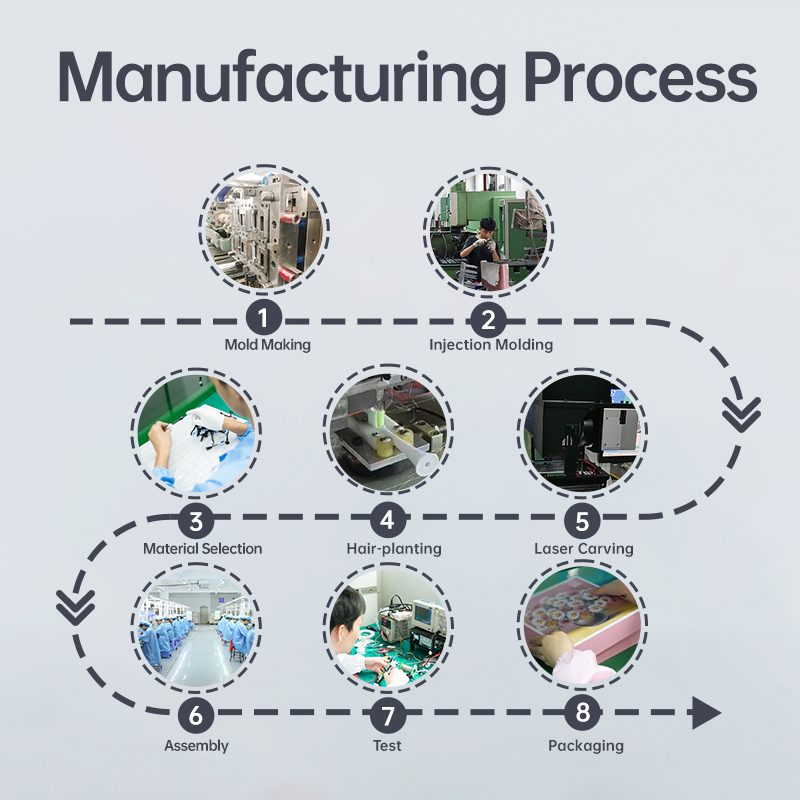
Sonic toothbrushes have become a significant part of the oral care market due to their superior cleaning technology and increasing consumer demand. For businesses considering entering this market, one critical question arises: Is manufacturing sonic toothbrush cost-effective? In this blog, Powsmart is gong to analyze key factors such as production costs, scalability, and competitive advantages, while integrating insights on electric toothbrush manufacturing cost and the role of an electric toothbrush factory. Key Cost Factors in Manufacturing Sonic Toothbrushes Manufacturing a sonic toothbrush involves several cost components: Material Costs: The primary materials include high-quality plastics, silicone for bristle heads, and advanced sonic motors. These materials can raise the electric toothbrush manufacturing cost, but sourcing in bulk or partnering with trusted suppliers can help reduce expenses. Technology and Design: The integration of sonic motor technology, battery efficiency, and ergonomic designs are key cost drivers. However, investing in superior technology is essential to remain competitive. Regulatory Compliance: Meeting international safety and quality standards requires rigorous testing, adding to the initial production cost. Role of an Electric Toothbrush Factory An electric toothbrush factory plays a pivotal role in determining the cost-effectiveness of manufacturing sonic toothbrushes. Efficient factories employ advanced machinery, automated production lines, and skilled labor to streamline…
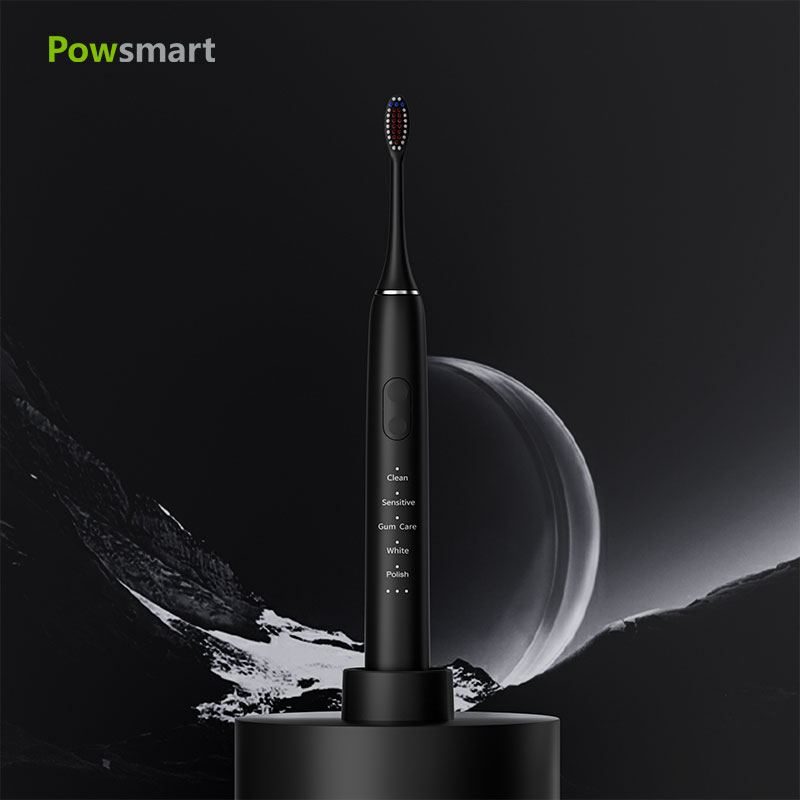
Sonic electric toothbrushes have revolutionized oral care with their advanced cleaning technology. They offer a significant upgrade from manual toothbrushes, providing superior plaque removal and a deeper clean. But what exactly is the working principle of sonic electric toothbrushes? In this blog, we’ll break down how these devices function and why they are so effective in maintaining oral hygiene. How Sonic Electric Toothbrushes Work At the core of a sonic electric toothbrush lies its ability to produce high-frequency vibrations. These vibrations typically range between 24,000 and 48,000 strokes per minute. This rapid movement enables the bristles to agitate toothpaste, water, and saliva into a dynamic fluid motion, which helps dislodge plaque and debris even in hard-to-reach areas. The unique feature of sonic toothbrushes is their ability to create microbubbles that reach areas beyond the bristles, ensuring comprehensive cleaning. This fluid dynamic action explains how sonic electric toothbrushes work effectively to clean teeth and improve gum health. Key Components of Sonic Technology The working principle of sonic electric toothbrushes relies on three primary components: Motor: The motor generates high-speed vibrations, which are transmitted to the bristle head. Bristle Design: Sonic toothbrushes often feature densely packed, specially designed bristles to enhance cleaning performance. Amplitude…
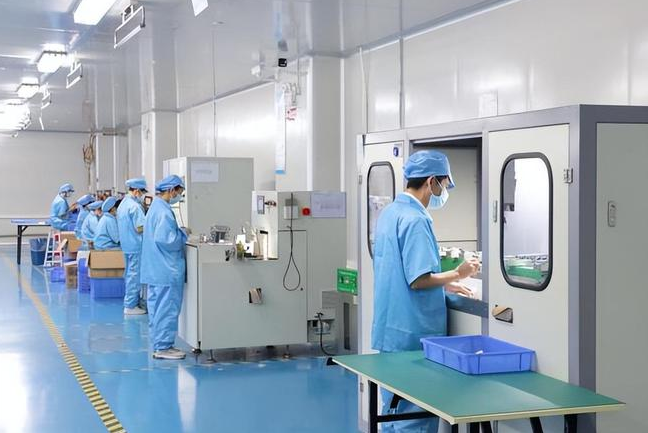
Electric toothbrushes have become an essential tool in modern oral care, offering various options tailored to different user needs. Among the most popular choices are the dry battery toothbrush, sonic electric toothbrush, and rotary toothbrush. This blog explores their differences, key features, and suitability for different users, helping businesses and consumers make informed decisions. Dry Battery Toothbrush: Simple and Affordable Key Features:The dry battery toothbrush is a basic electric toothbrush powered by replaceable batteries, typically AA or AAA. Its simple design and affordability make it a popular choice for budget-conscious users. Advantages: Portability and ease of use, especially during travel. Low initial investment, appealing to first-time electric toothbrush users. Minimal maintenance cost, as only batteries need replacement. Limitations:However, dry battery toothbrushes generally have less power and fewer advanced features, making them less effective in thorough cleaning compared to their sonic or rotary counterparts. Sonic Electric Toothbrush: Advanced and Effective Key Features:The sonic electric toothbrush operates using high-frequency vibrations (typically 30,000–40,000 strokes per minute). These vibrations create a dynamic cleaning action that pushes fluid between teeth and along the gumline. Advantages: Superior cleaning performance, suitable for sensitive gums and hard-to-reach areas. Often comes with additional features like timers, pressure sensors, and multiple brushing…

When it comes to manufacturing electric toothbrushes, the quality and performance of the motor play a pivotal role. Whether a factory has its own motor production line or relies on outsourced motors can significantly impact product quality, cost, and delivery timelines. In this article, as a sonic electric toothbrush manufacturer, we’ll explore the differences between these two approaches, focusing on how owning an electric toothbrush motor production line can be a game-changer for manufacturers. Quality Control and Customization A factory with its own motor production line has full control over the production process, allowing it to ensure consistent quality standards. These factories can implement rigorous testing protocols to meet specific performance requirements, resulting in higher reliability and longevity of the motors. On the other hand, factories relying on outsourced motors often face variability in quality due to limited oversight. Additionally, customization options for outsourced motors may be restricted, as the factory must work within the supplier’s capabilities and timelines. Cost Efficiency and Profit Margins While setting up an electric toothbrush motor production line requires a substantial upfront investment, it can lead to long-term cost savings. By producing motors in-house, factories can reduce reliance on third-party suppliers, lower production costs, and increase profit margins. Factories outsourcing motors,…
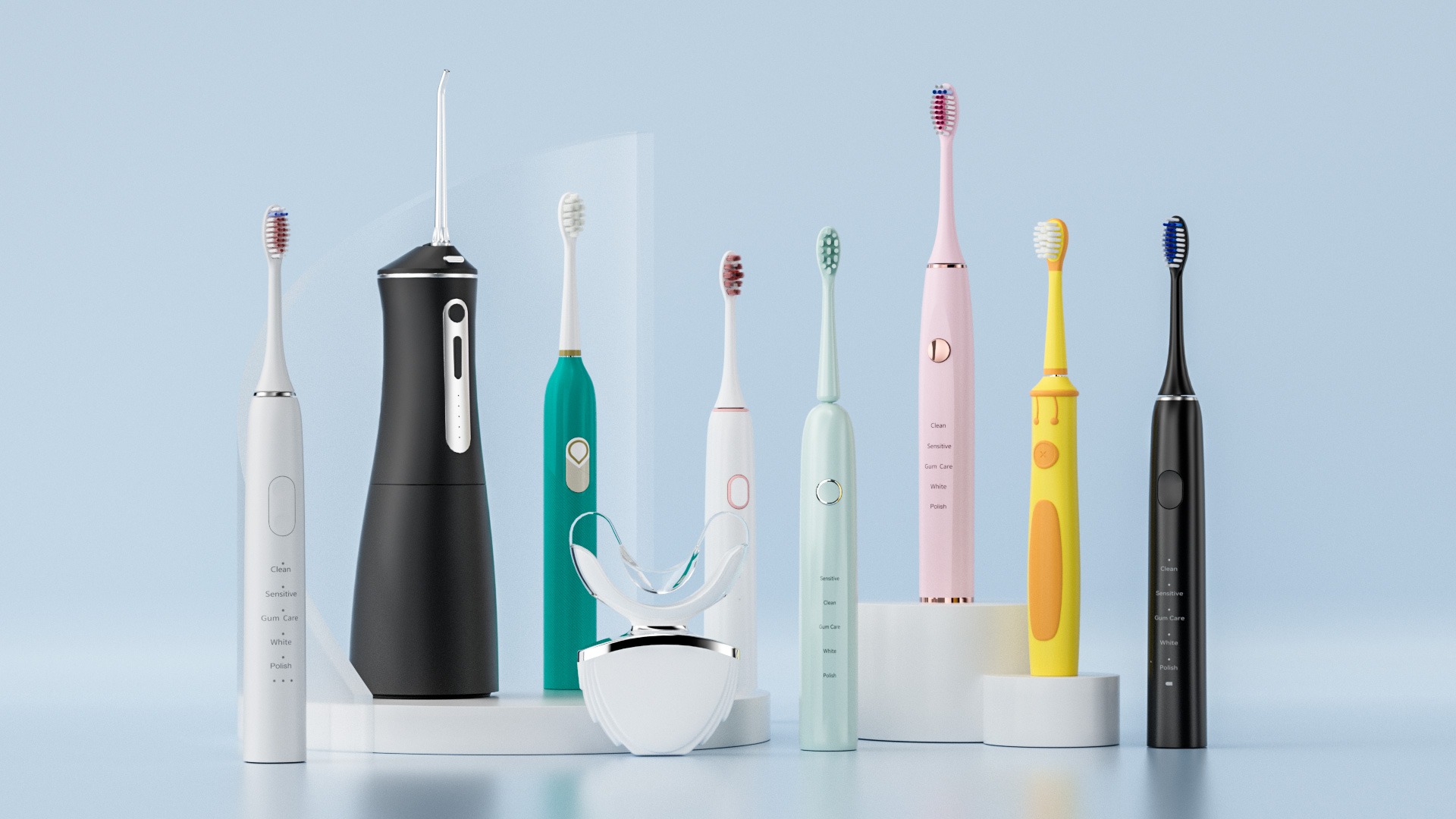
Good oral hygiene is essential for overall health, and selecting the best tool for cleaning your mouth can make all the difference. Among the various methods of cleaning your mouth, the electric toothbrush and water flosser stand out as top contenders. Each has unique benefits, and knowing which one suits your needs best is key. Electric Toothbrush: Deep Cleaning Made Simple An electric toothbrush is a powerful upgrade from traditional manual brushing. It uses oscillating or sonic movements to remove plaque more effectively. Studies show that electric toothbrushes can reduce plaque buildup by up to 21% compared to manual brushes. Key benefits include: Efficiency: Removes debris even in hard-to-reach areas. Smart Features: Many models offer timers, pressure sensors, and app integration to enhance brushing techniques. Accessibility: Gentle modes for sensitive teeth make it suitable for everyone. Leading oral care products manufacturers have been focusing on designing brushes with long battery life and customizable features, catering to diverse consumer needs. Powsmart's sonic electric toothrbushes could last for over 90 days and offering excellent cleaning performance. Freely send inquiries to us if you want to know more about the OEM service. Water Flosser: A New Level of Gum Care A water flosser uses pressurized water…
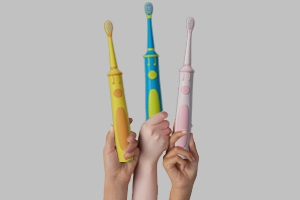
You must be familiar with the children's U-shaped brushes. These brushes claim to simplify oral hygiene for kids by offering a unique design that covers all teeth simultaneously. Let’s explore how U-shaped brushes compare to conventional kids electric toothbrushes and their overall impact. Pros of Children's U-Shaped Brushes a. Simplified Brushing ProcessU-shaped brushes are designed for ease of use, allowing kids to clean their teeth by simply biting down and moving the brush side-to-side. This eliminates the need for mastering complicated brushing techniques, making it appealing to younger children. b. Time-SavingUnlike traditional brushes or kids electric toothbrushes, U-shaped brushes can clean all teeth simultaneously, reducing brushing time significantly. This feature is particularly useful for parents with busy schedules or children who struggle with patience. c. Engaging and Fun for KidsMany U-shaped brushes incorporate playful designs, vibrant colors, and even music or light features to keep kids entertained during brushing. These attributes help foster better oral hygiene habits among young users. Cons of Children's U-Shaped Brushes a. Limited Cleaning EffectivenessWhile U-shaped brushes are convenient, studies indicate they may not clean as thoroughly as a traditional kids electric toothbrush. The fixed bristle design often lacks the adaptability required to remove plaque effectively from…
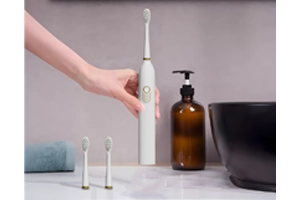
Electric toothbrushes are more than just a modern upgrade to traditional brushing tools—they are a game-changer in oral hygiene. Understanding the benefits of using an electric toothbrush highlights why this product is becoming a staple in households worldwide. In this blog, we’ll explore the lasting advantages, backed by insights into the electric toothbrush business. Superior Cleaning Performance One of the standout electric toothbrush benefits is its ability to deliver superior cleaning. Powered by advanced technology, electric toothbrushes can remove up to 70% more plaque compared to manual brushing. Features like oscillating and sonic motions ensure thorough cleaning, even in hard-to-reach areas. Studies have shown that consistent use can significantly reduce gum inflammation and cavities over time, making it an essential tool for long-term oral health. The cleaning ability of Powsmart’s sonic electric toothbrushes is comparable with Phil**s, which is supported by UL lab test data. Encouraging Better Brushing Habits Electric toothbrushes are designed to make brushing easier and more efficient, which encourages users to maintain better habits. Built-in timers and pressure sensors guide users to brush for the recommended two minutes and avoid damaging enamel or gums. These functionalities not only enhance oral hygiene but also offer a key selling point for…
The motor is the heart of an electric toothbrush, powering its cleaning capabilities and defining its performance. Despite its small size, the motor in an electric toothbrush involves precise engineering and advanced technology. As an experienced electric toothbrush manufacturer with our own motor production line, we’ll explore the fascinating motor science in electric toothbrushes, delve into the specifics of electric toothbrush motors, and share essential motor knowledge in this blog. The Role of the Motor in Electric Toothbrushes An electric toothbrush motor is responsible for converting electrical energy into mechanical motion, creating the oscillations or vibrations that clean teeth. There are two main types of motors used: Oscillating motors: These provide back-and-forth movements to dislodge plaque effectively. Sonic motors: Operating at high frequencies, these create vibrations that generate fluid dynamics to clean areas beyond direct brush contact. This motor science in electric toothbrushes ensures thorough cleaning that outperforms manual brushing. Types of Motors and Their Technologies DC Motors: Common in budget-friendly models, these motors offer reliable performance but may lack the finesse of advanced counterparts. Brushless Motors: Found in premium toothbrushes, these motors are more durable, efficient, and quieter, offering consistent power delivery over time. As Powsmart also produce the electric toothbrush…
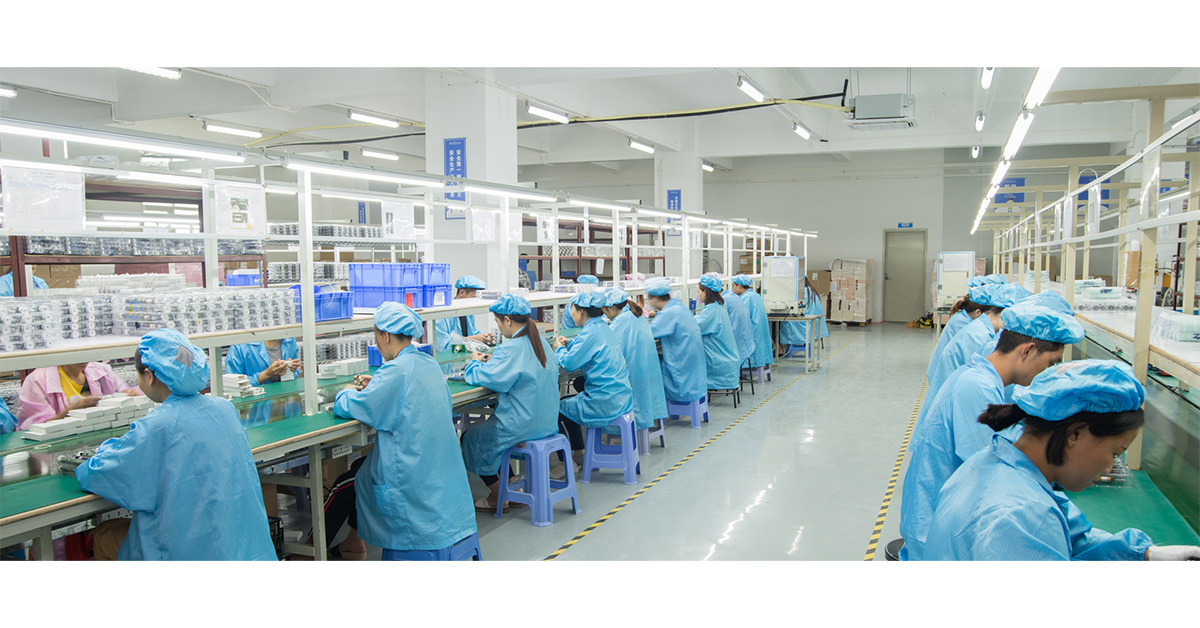
Electric toothbrushes plan an important role in modern oral care, but occasional issues like the electric toothbrush automatically starts up can be both puzzling and inconvenient. Understanding the root cause of this problem is essential, whether it stems from user error or an electric toothbrush quality problem. We'll explore practical solutions, the importance of quality manufacturing, and how working with a reliable electric toothbrush factory can prevent such issues. Common Causes of Automatic Start-Up An electric toothbrush automatically starting up can arise from several factors: Battery Malfunction: A faulty or overcharged battery may cause random activation. Defective Circuit Board: Internal circuitry errors are a leading cause of unintended start-ups. Water Damage: Inadequate waterproofing can allow moisture to seep into the device, disrupting its functionality. By identifying these root causes, users can better determine whether the issue is due to usage or an electric toothbrush quality problem. Immediate Solutions to Fix the Problem When faced with an electric toothbrush that automatically starts up, try these steps: Reset the Device: Hold down the power button for a few seconds to reset the internal programming. Inspect the Charging Port: Ensure no foreign objects or moisture are present. Dry and Clean: Thoroughly dry the toothbrush,…
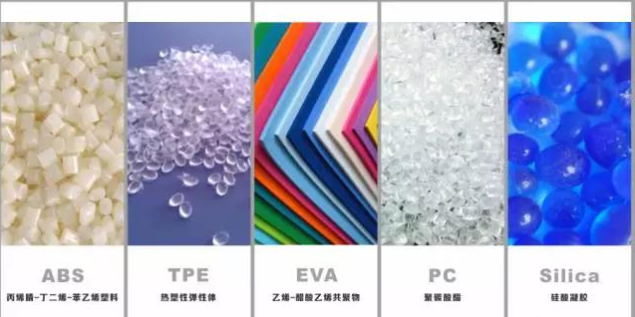
The Rise of Sustainability in Electric Toothbrush Manufacturing As environmental awareness grows, the demand for products made with sustainable materials has become a priority across industries, including oral care. More and more electric toothbrush factories are exploring eco-friendly materials and processes to reduce environmental impact. The shift is especially notable in the production of sonic toothbrushes, where the combination of effective performance and environmental responsibility is key. Why Sustainable Materials Matter in Electric Toothbrush Manufacturing For an electric toothbrush factory, using sustainable materials in manufacturing not only aligns with environmental goals but also meets customer demand for greener products. Conventional toothbrushes and electric toothbrushes contribute to plastic waste, as most parts are made from non-biodegradable materials. By incorporating recyclable and renewable resources, manufacturers can significantly reduce waste and carbon emissions, contributing to global sustainability goals. Additionally, sustainable material choices support a brand's image and appeal to consumers who prioritize eco-friendly options. Challenges and Innovations in Sourcing Sustainable Materials Using sustainable material in toothbrush manufacturing, however, presents some unique challenges. Factories must ensure these materials maintain the high quality, durability, and safety expected of oral care products. For example, bioplastics, recycled materials, and even bamboo composites are alternatives to replace traditional plastics. While these alternatives can…
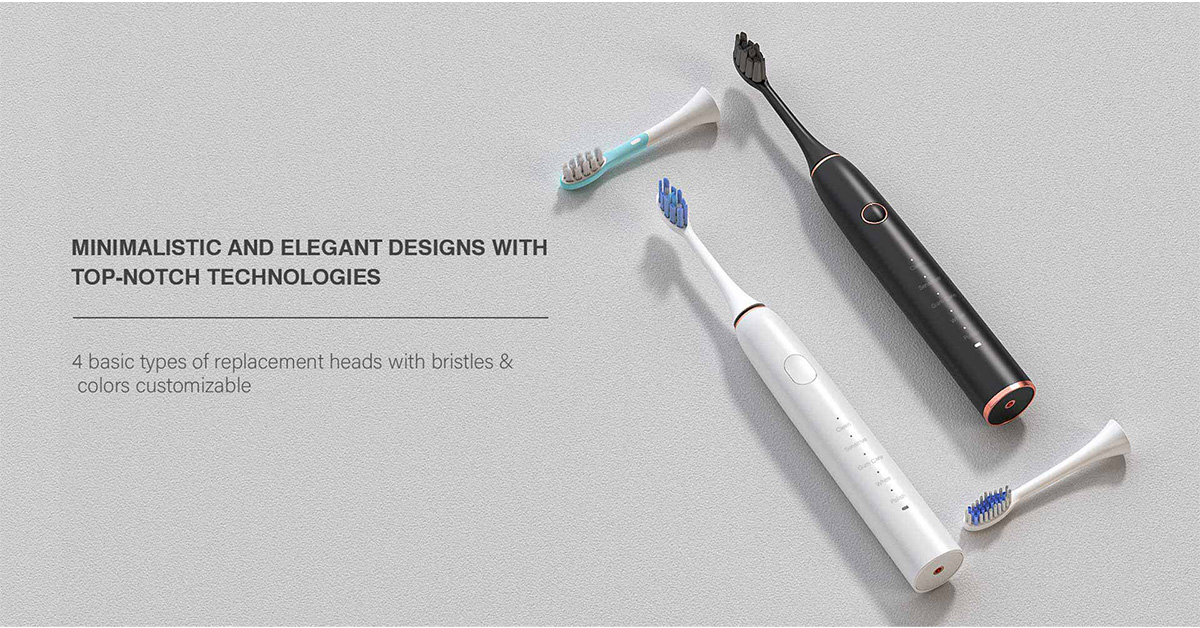
In recent years, the electric toothbrushes market trends have shown rapid growth due to increasing awareness of oral hygiene and advancements in dental technology. Consumers are seeking effective and convenient dental care solutions, leading to a surge in demand for electric toothbrushes. According to market research, the global electric toothbrush market is expected to grow at a steady rate. Because of rising disposable income, product innovation, and increased availability of premium products. The Rise of Sonic Toothbrushes and Specialized Products One significant trend within the market is the increasing popularity of sonic toothbrushes. These toothbrushes use high-frequency vibrations to provide efficient cleaning, making them a preferred choice among consumers. The sonic toothbrush business is experiencing a significant rise, as more manufacturers develop products catering to both high-end and budget-conscious segments. Powsmart released one type of SWEEP SONIC toothbrush this year, which can achieve 30-60°vibration, Imitating Bass brushing method. Contact us if you wanna ask for a quote or test the sample. Key Factors in the Competitiveness of Electric Toothbrushes The competitiveness of electric toothbrushes in the market is largely driven by innovation, pricing, brand reputation, and customer loyalty. Features like app connectivity, smart sensors, and personalized brushing modes have become essential in attracting customers.…
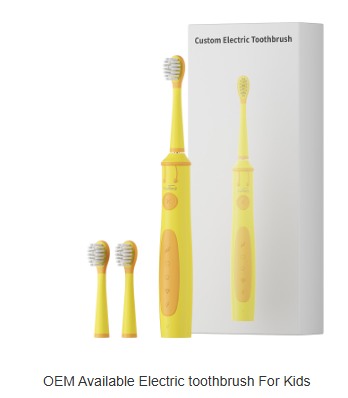
The demand for children electric toothbrushes is on the rise. Because more parents recognize the importance of oral hygiene from a young age. This growing awareness, combined with advancements in technology, is driving the market prospect of children’s electric toothbrush to new heights. In this blog, as an electric toothbrush factory, we will explore the current market landscape, the competitiveness of electric toothbrushes for kids, and how this sector presents promising opportunities. Rising Demand and Market Potential The children electric toothbrush market has shown steady growth over recent years. As oral health awareness continues to increase among parents, they seek efficient and engaging solutions to encourage kids to brush their teeth regularly. Many companies report a yearly growth rate in the sector, with some estimates predicting a compound annual growth rate (CAGR) of over 5% for children's electric toothbrushes in the coming years. This rise reflects a strong market prospect of children’s electric toothbrush products, particularly as they become more accessible globally. Competitiveness of Electric Toothbrushes for Kids One of the primary factors driving the success of children electric toothbrushes is their competitiveness. Unlike manual brushes, electric toothbrushes offer superior plaque removal and effective cleaning through advanced features. This competitiveness of electric…


.jpg)
.jpg)
.jpg)
.jpg)
.jpg)



.jpg)
.jpg)
-2-scaled.png)