
.jpg)
In today’s increasingly competitive personal care market, consumers' preferences of electric toothbrushes are becoming more discerning, not only about the features of the product but also the price point. For brands and suppliers aiming to remain competitive and relevant, it is essential to understand how consumers weigh functions and prices of electric toothbrushes in their purchasing decisions. This blog provides a strategic look at demand preference and analysis, helping brands align with the right electric toothbrush manufacturer who can meet evolving market expectations. Core Consumer Expectations: Smart, Efficient, and Affordable Modern consumers prioritize electric toothbrushes that are not just effective, but also intelligent and user-friendly. Based on recent consumer research, the most requested features include: Multiple brushing modes (sensitive, whitening, gum care) Smart timers and pressure sensors Long battery life and fast charging Quiet operation and compact design However, while many users desire advanced features, a large portion of consumers' preferences of electric toothbrushes remain price-sensitive. This is where the balance between functionality and affordability becomes crucial in product planning and sourcing. Demand Preference and Analysis: Features vs. Cost Demand preference and analysis reveal three major consumer segments: Premium Users: Willing to pay over $80 for AI-enabled brushes, Bluetooth connectivity, and ultra-sonic vibration technology. Mid-Market Consumers:…
.jpg)
In the highly competitive world of oral care device manufacturing, ensuring product comfort and safety is essential to maintaining brand credibility and customer satisfaction. Two critical factors that directly impact user experience are Tooth Sensitivity and Unstable Vibration. When a sonic toothbrush exhibits inconsistent vibration patterns, it may not only reduce cleaning efficiency but also exacerbate tooth sensitivity issues for end-users. This article explores how these factors are interrelated and what manufacturers must consider to mitigate potential risks. Understanding Tooth Sensitivity in the Context of Oral Care Devices Tooth Sensitivity refers to discomfort or pain that occurs when teeth are exposed to certain stimuli such as cold, heat, pressure, or vibrations. Users with enamel erosion, gum recession, or exposed dentin are particularly vulnerable to this problem. For these individuals, even standard oral care routines can trigger unpleasant sensations if not carefully managed by the product design. Sonic toothbrushes are designed to deliver high-frequency vibrations for effective plaque removal. However, when these vibrations become Unstable, they may deliver uneven forces to the tooth surface, contributing to microscopic enamel wear or nerve irritation, ultimately worsening Tooth Sensitivity. Causes of Unstable Vibration in Electric Toothbrushes Unstable Vibration in toothbrushes usually stems from design…
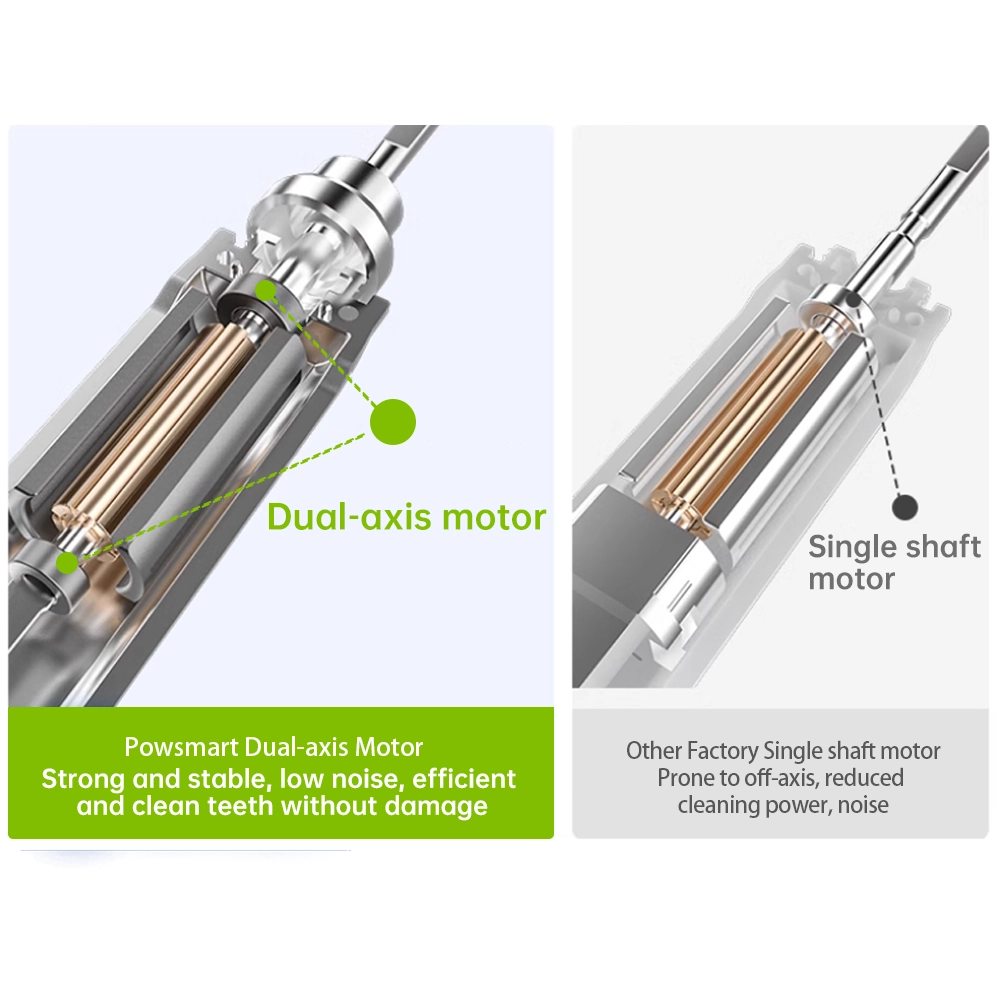
As the global demand for electric toothbrushes continues to grow, selecting the right technology for your brand’s product line is more critical than ever. Whether you are launching a new oral care brand or expanding your existing portfolio, understanding the differences between sonic vibration and rotary vibration technology is essential for aligning with both market trends and user expectations. This technology comparison will explore the performance, user experience, and manufacturing implications of both electric toothbrush vibration technologies, helping brand owners make informed sourcing decisions. https://www.powsmart.com/product/electric-toothbrush/ Overview of Electric Toothbrush Vibration Technologies In the electric toothbrush market, two main types of vibration mechanisms dominate: comparison of sonic vibration and rotary vibration technology. Sonic Vibration uses high-frequency side-to-side movements—usually at 20,000 to 40,000 strokes per minute. This technology relies on fluid dynamics to clean beyond direct contact, reaching between teeth and along the gumline. Rotary Vibration Technology involves oscillating or rotating brush heads, typically at a lower frequency (around 5,000 to 10,000 rotations per minute). These brushes often clean by direct mechanical action and are particularly effective at polishing tooth surfaces. Understanding these foundational differences is the first step in evaluating product strategy and manufacturing options. Cleaning Efficiency and User Experience From a consumer perspective, both technologies offer…
In the design and manufacture of electronic devices, particularly those intended for portable or high-performance applications, Vibration Weakening and Circuit Short are two critical risk factors that can significantly impact product reliability and safety. While these issues are often analyzed separately, recent failure analyses suggest a strong connection between vibration-induced mechanical wear and the increased likelihood of electrical short circuits. For OEM and ODM manufacturers, understanding this relationship is crucial to minimizing defect rates and ensuring long-term product durability. What is Vibration Weakening? Vibration Weakening refers to the gradual reduction in structural or mechanical integrity of components due to continuous or repeated exposure to vibration. This phenomenon is common in battery-powered portable devices such as electric toothbrushes, grooming tools, or industrial handheld equipment. Frequent vibration can loosen screws, degrade solder joints, wear down plastic mounts, and shift internal assemblies out of alignment. As the internal structure becomes unstable, the device may experience performance degradation, audible noise, and even malfunction. Understanding Circuit Short A Circuit Short (short circuit) occurs when an unintended connection forms between two conductive paths, allowing current to bypass its designated route. This can cause excessive current flow, overheating, and potentially catastrophic failures such as component burn-out or…

In the fast-evolving personal care market, standing out with a differentiated product is critical—especially in the electric oral care category. Whether you're launching a new brand or upgrading your existing product line, understanding what defines truly innovative electric toothbrush features is key to creating a product that resonates with today’s tech-savvy consumers. In this blog, we’ll explore six Electric Toothbrush Innovative Features that can make your electric toothbrush stand out, while helping you choose the right sonic toothbrush factory partner to bring your vision to life. Smart Brushing Tech for Personalized Oral Care Today’s users expect more than just vibration—they expect intelligence. Integrating smart brushing tech is one of the most effective ways to elevate your product’s value. Features such as: Pressure sensors to prevent overbrushing, AI-based brushing feedback via mobile apps, Real-time brushing coverage tracking,are not only technologically impressive but also reinforce oral hygiene habits. These features represent the new standard in oral care innovation, appealing to both health-conscious users and gadget lovers alike. Sonic Technology with Advanced Motion Control Partnering with a reliable sonic toothbrush factory ensures your product offers not just powerful but also precise cleaning. Advanced sonic motors deliver up to 40,000 vibrations per minute, but that’s only part of the…
Gum recession is a growing concern in oral health, often attributed to factors like aggressive brushing or periodontal disease. However, recent user feedback and clinical observations point to an overlooked culprit: pulse inconsistency in electric oral care devices, especially water flossers and sonic toothbrushes. For manufacturers in the B2B market, understanding and mitigating this issue is vital to product safety, user trust, and long-term brand reputation. What Is Pulse Inconsistency and Why Does It Matter? Pulse inconsistency refers to irregular or fluctuating pressure and frequency in electric toothbrushes and water flossers. Instead of delivering a stable, rhythmic action, the device may spike or dip unpredictably. This can occur due to: Inadequate motor regulation Inconsistent power supply Poor-quality control in pulse generator circuits Software glitches in smart devices While seemingly minor, such irregularity can have a significant cumulative effect on gum tissue. How Pulse Inconsistency Leads to Gum Recession Gums are highly sensitive to mechanical force. Consistent, gentle stimulation can promote circulation and health, but unpredictable pulses act like micro-traumas. Over time, the repeated application of uneven pressure may cause the gum line to shrink or detach from the tooth, leading to gum recession. Clinical professionals have begun to associate irregular…
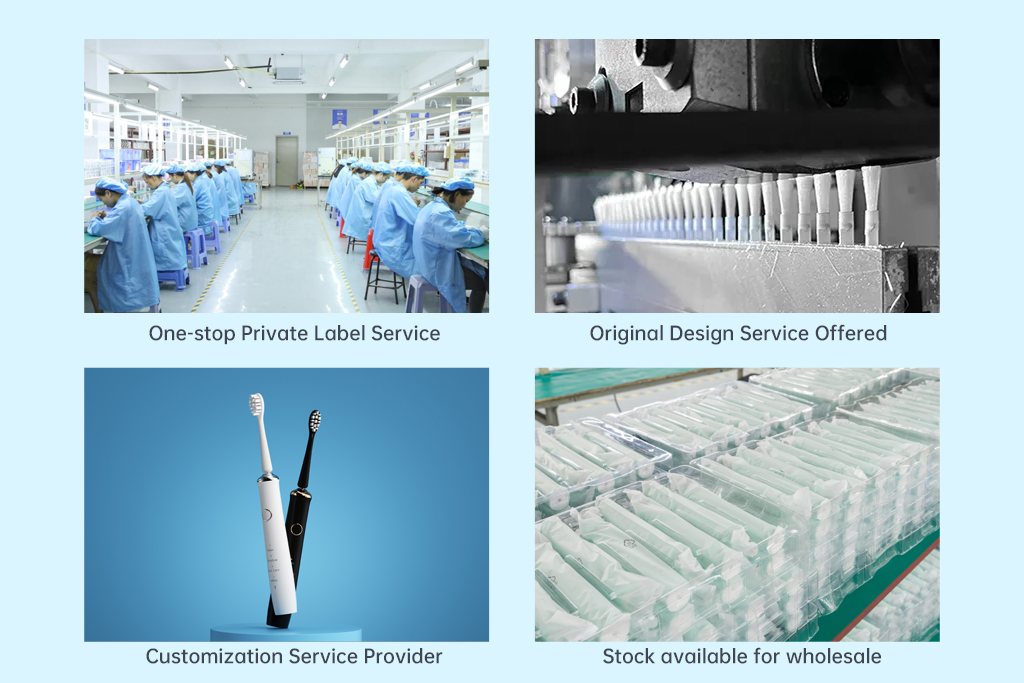
In today’s rapidly evolving market, consumers are no longer satisfied with “basic” functionality in personal care products. The personal care industry upgrade is evident, with consumers demanding smarter, safer, and more aesthetically pleasing solutions. At the same time, inflationary pressures and competitive markets push brands to pay close attention to Consumption Upgrade and Cost control. The question becomes: How can oral care product brands deliver upgraded products while still maintaining healthy margins? This blog explores practical strategies from an Oral Care Products Factory Perspective to help brands navigate this dual objective. The Rise of Consumption Upgrade in the Oral Care Market The consumption of oral care is upgrading. Consumers now prioritize features such as: Sonic and ultrasonic cleaning technologies in electric toothbrushes Water pressure customization in oral irrigators Smart connectivity (Bluetooth tracking, AI brushing guidance) Eco-friendly and sustainable materials This consumption upgrade is not limited to high-end markets—mid-range and even entry-level consumers are showing willingness to pay for better value. For brands, this creates both opportunity and pressure to evolve their oral care product options. The Cost Control Dilemma While investing in better features and materials is critical to meeting upgraded demand, it also brings higher production costs. Brands need to manage: R&D…
In the world of electric oral care devices, user comfort is closely tied not only to cleaning performance but also to acoustic experience. However, an increasing number of noise complaints are now being traced back to a lesser-known issue: handle corrosion. What appears to be a simple design flaw can, over time, evolve into a serious quality concern affecting both user satisfaction and product longevity. Where Function Meets Frustration: How Handle Corrosion Leads to Unusual Noise At first glance, handle corrosion may seem purely cosmetic. But when internal metal components within the handle oxidize—particularly around the motor mounts, drive shafts, or screw fixtures—it creates micro-vibrational shifts. These inconsistencies often result in unexpected mechanical buzzing, rattling, or high-pitched noise, especially during high-speed operation. Over time, this seemingly minor noise becomes a major customer service headache—especially for premium models expected to deliver a smooth, quiet experience. Root Causes of Handle Corrosion in Electric Devices Handle corrosion often stems from overlooked factors during design or assembly, including: Improper sealing at connection points, allowing moisture ingress Use of low-grade alloys or untreated metals for internal brackets Residue from chemical cleaning agents during assembly or consumer use Inadequate ventilation design, which traps condensation inside the…
In the world of oral irrigators, compatibility confusion during nozzle replacement is emerging as a silent quality pitfall. While end-users may perceive this as a minor inconvenience, B2B buyers understand its serious implications: customer dissatisfaction, increased return rates, and product line inconsistencies. Understanding the root causes behind mismatched parts and irregular nozzle replacement frequency is key for both manufacturers and brand owners to avoid long-term losses. The Hidden Risks Behind Compatibility Confusion At first glance, nozzle replacement should be a straightforward process. However, incompatibility between new nozzles and existing devices—especially across SKUs or production batches—has led to a surge in user complaints. Key contributing factors include: Inconsistent nozzle locking mechanisms Varying diameters across models Lack of standardization in fitting design Absence of clear labeling or identification codes This type of compatibility confusion often results in users forcing the wrong parts, damaging internal pump mechanisms, or abandoning the device altogether. Nozzle Replacement Frequency: A Quality Control Indicator The nozzle replacement frequency also acts as a proxy for quality assurance. Ideally, a nozzle should maintain its performance (spray pattern, flow rate, seal integrity) for at least 3 months. However, early wear due to substandard materials, poor ultrasonic bonding, or structural fatigue can:…
For any oral hygiene product manufacturer or distributor, educating your customers about water flosser maintenance is more than just value-add content—it’s a key step in enhancing product lifespan, performance, and brand loyalty. While water flossers are known for their effective plaque removal and gum health benefits, few users realize that regular care is essential. Without proper maintenance, even the best-engineered water flosser can suffer from performance drops, mold buildup, and early failure. Why Maintenance is Critical for Water Flossers First and foremost, water flossers operate with pressurized water and micro-tubing systems—environments where mineral buildup, bacterial contamination, and mechanical wear can develop silently. Over time, neglected flossers may: Lose water pressure Develop unpleasant odors Exhibit nozzle clogging or motor strain Create a breeding ground for mold and bacteria For OEMs, this reinforces the need to provide clear aftercare guidance with every unit shipped. Key Maintenance Zones: Where and Why to Clean There are several components of a water flosser that require periodic cleaning: Water Reservoir: Standing water breeds bacteria. Rinse daily and deep-clean weekly. Nozzle Tips: These come in contact with oral fluids. They should be rinsed after each use and replaced every 3–6 months. Pump System: Mineral deposits can build…
Waterproof failure is more than just a structural issue in water flosser design—it is a critical performance hazard that directly leads to pressure fluctuation, inconsistent water delivery, and ultimately, customer dissatisfaction. For OEM manufacturers and B2B distributors, understanding this chain reaction is essential for product optimization and market competitiveness. The Core Relationship: Waterproof Integrity and Internal Pressure Stability Water flossers rely on a closed-loop system to maintain stable water flow. When waterproof failure occurs—often due to weak seals, degraded adhesives, or poor housing integration—it compromises the vacuum and pressurization environment inside the device. The result? Rapid and unpredictable pressure fluctuation. Such instability not only disrupts cleaning effectiveness but can also confuse or frustrate users, especially those with sensitive gums or dental work. Root Causes of Waterproof Failure in Water Flossers Understanding the causes of waterproofing breakdown helps manufacturers prevent them at the source. Common contributors include: Low-grade sealing rings or gaskets Poor ultrasonic welding or adhesive bonding Overexposure to hot water or alcohol-based cleaners Micro-cracks from impact or drop tests Over time, even minor leaks allow air or moisture intrusion, destabilizing internal pump pressure and affecting spray consistency. How Pressure Fluctuation Affects User Experience When pressure fluctuation occurs, the user…
In today’s highly competitive market, find the right electric toothbrush manufacturers is critical for oral care brands aiming to scale efficiently. Whether you are a startup entering the market or an established company seeking product diversification, partnering with a trustworthy oral care supplier is the foundation of quality, innovation, and long-term brand influence. This article offers a comprehensive roadmap for selecting a manufacturer that aligns with your business goals, supports OEM electric toothbrush production, and drives your oral care brand expansion strategy. Define Your Product and Brand Requirements First Before contacting any factory or supplier, clearly define your product specifications and brand positioning. Ask yourself: What type of branded toothbrush production do you require (e.g., sonic, oscillating, kids’ brushes)? Do you need full OEM electric toothbrush solutions or white-label production? What certifications (e.g., CE, FDA, ISO) must the products comply with? What are your expected order quantities, price range, and delivery timelines? Having a solid product brief helps you find suitable electric toothbrush manufacturers early and avoid costly mismatches. Where and How to Source Reliable Manufacturers Finding a reliable oral care supplier goes beyond a simple online search. Here are proven sourcing strategies: Trade shows: Events like IDS (Germany), Dental South China, and Cosmoprof Asia are great for…
.jpg)
In the electric toothbrush industry, design details matter — especially when it comes to gum protection design. One often-overlooked feature is the cross-sectional shape of the bristle tips. The shape of electric toothbrush bristles— diamond, round, and cone — influence both cleaning performance and how gentle the brush is on gums. Understanding the differences is essential not only for end-user comfort but also for brands and manufacturers focused on innovation and product differentiation. This blog explores how bristle tip treatment and shape impact oral care performance, especially in the context of gum protection. The Role of Bristle Tip Treatment in Oral Hygiene Before diving into shapes, it’s important to understand the purpose of bristle tip treatment. High-quality electric toothbrushes undergo specialized processes like end-rounding or polishing to smoothen the tips. These treatments reduce the risk of micro-abrasions to enamel and soft tissue. Inadequately treated bristle tips — regardless of shape — can irritate gums, leading to discomfort or even recession over time. Proper bristle tip treatment ensures consistent smoothness, which complements the shape in achieving safe and effective cleaning. Round Bristles: The Industry Standard for Safety Round bristles are the most common and widely accepted design in electric toothbrushes. Their main advantages include:…
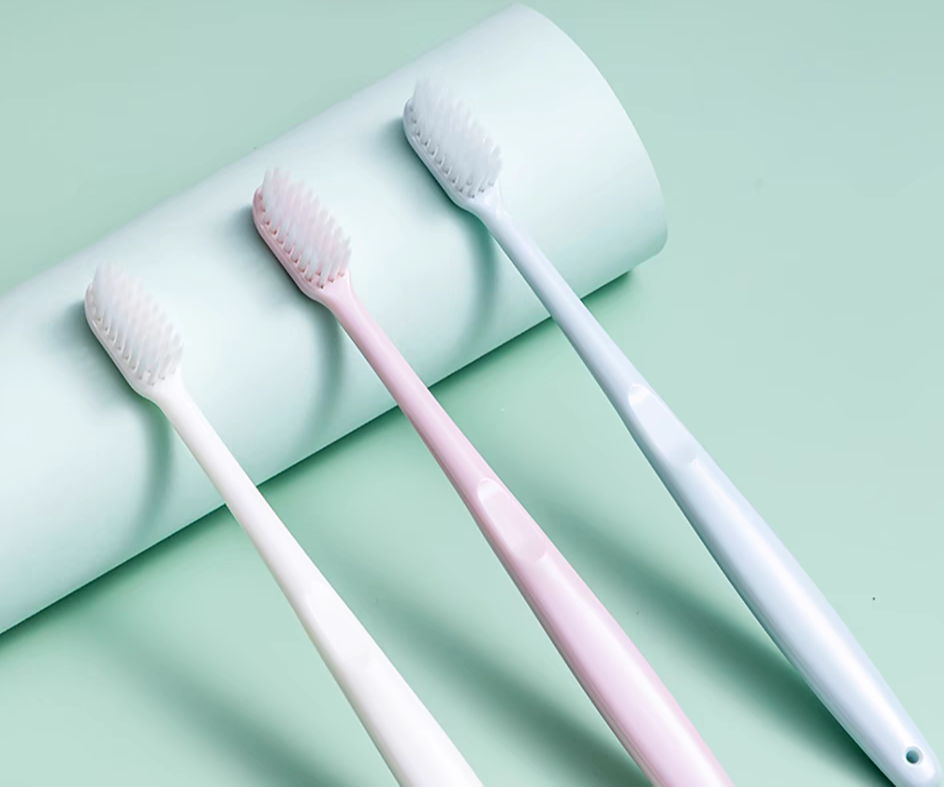
As oral care devices become more personalized and technology-driven, electric toothbrush head customization is gaining traction, especially among brand owners and private label clients. For OEMs and B2B buyers, understanding the range of customization options available is essential to meeting diverse consumer demands. In this blog, we explore the complete toothbrush head OEM solution, covering materials, structure, compatibility, and performance — to help you develop a product line that stands out in today’s competitive oral care market. OEM Customization Options: Materials, Shape, and Branding A successful toothbrush head OEM project starts with selecting the right materials and defining core parameters. Manufacturers can customize: Head shape (round, oval, diamond-cut) Base material (ABS, PP, or eco-friendly alternatives) Color schemes to align with brand identity Logo imprinting on the neck or base of the brush head By offering complete control over design and aesthetics, OEM partners can help businesses establish unique product lines. Nylon Wire Specifications: Performance Meets Comfort The type of bristles used greatly influences brushing efficiency and comfort. Customizing nylon wire specifications involves selecting: Diameter (commonly 0.15mm to 0.22mm) Hardness (soft, medium, or hard) Tip processing (tapered, end-rounded, polished) Material types (Dupont Tynex®, PBT, antibacterial filaments) Adjusting bristle specs not only supports brand differentiation but also tailors the user experience for different…
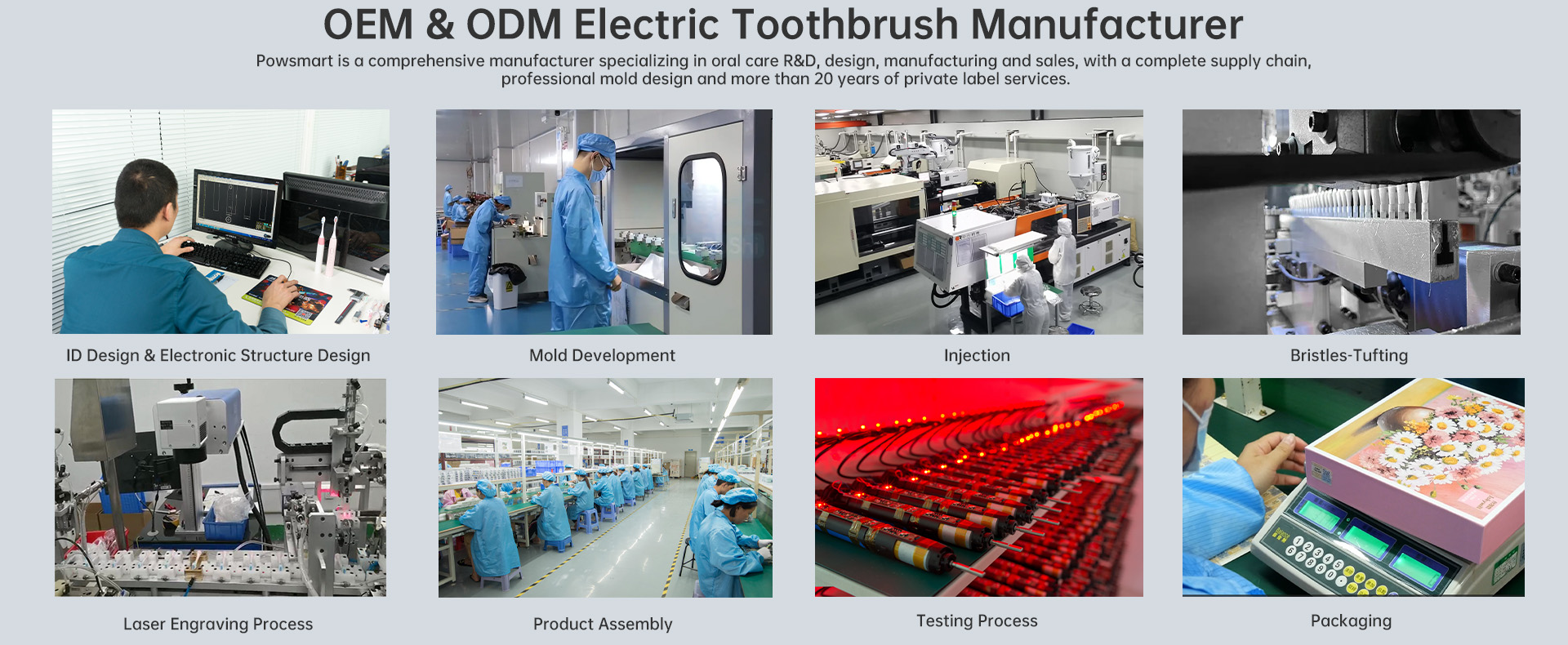
The global personal care industry is undergoing a shift. Consumers are no longer just looking for functional products—they are investing in experiences that reflect a lifestyle of self-respect and elevated standards. This consumption mindset, often described as the business idea of “Treating Yourself Well,” is rapidly influencing the oral care consumption upgrade trend. From smart electric toothbrushes to spa-like oral irrigators, oral care is becoming a premium and personalized wellness category.But how can oral care brands turn this shift into a competitive advantage? The answer lies in working closely with a manufacturing partner who understands both the emotional appeal of High-premium oral care products and the practicalities of product development. Here's how to bring this vision to life. Understand the Essence of “Treating Yourself Well” in Oral Care At its core, the business idea of Treating Yourself Well means designing oral care products that go beyond hygiene—they must offer comfort, personalization, and a sense of luxury. High-end packaging, smart features, skin-safe materials, and ergonomic design are all part of the user experience that supports this philosophy. These aren't just toothbrushes or flossers—they're lifestyle accessories. From an oral care products factory perspective, this requires a deep understanding of consumer psychology and the ability to align…
In the highly competitive personal care device market, the after-sales return rate is more than just a customer service issue — it directly impacts brand reputation, profitability, and long-term customer loyalty. For manufacturers and brand owners, minimizing the return rate of electric toothbrushes is a critical component of product lifecycle management. In this blog, we’ll explore six effective strategies to reduce the after-sales return rate of electric toothbrushes, from design and production improvements to customer education and support. Improve Product Quality from the Start The most direct way to reduce returns is by ensuring superior product quality at every stage of development and manufacturing. Use high-quality raw materials and components (e.g., long-life lithium batteries, durable ABS plastics). Conduct stringent quality checks during incoming material inspection and final assembly. Implement precision injection molding for shell components to reduce mechanical failures. By eliminating quality-related defects, manufacturers can significantly lower the return rate of electric toothbrushes caused by technical malfunctions or early product failure. Optimize Waterproof and Sealing Design One of the most common causes for electric toothbrush returns is water damage. Invest in advanced sealing technologies (such as ultrasonic welding or rubber overmolding). Design battery compartments and charging ports to be IPX7 or higher waterproof-rated.…
In the increasingly competitive oral care market, electric toothbrush brands must go beyond traditional marketing to capture consumer attention. Social media has become a powerful tool for connecting directly with target users, building trust, and driving conversions. Through effective social media to increase sales, brands can unlock new opportunities to expand their reach and grow sales.This blog outlines a 6-step strategy for manufacturers and brands, integrating oral care KOL cooperation, creative content, and a data-driven brand promotion strategy. Identify Target Audiences and Platform Preferences Before launching any campaign, brands need to define their ideal customer profiles—are they health-conscious millennials, parents buying for their children, or tech enthusiasts seeking the latest oral care innovation? Once personas are clear, choose the right platforms: Instagram & TikTok for visual storytelling and product demos YouTube for in-depth reviews and tutorials Facebook for community engagement and paid promotions Successful electric toothbrush social media marketing begins with meeting your audience where they spend their time. Leverage Oral Care KOL Cooperation Collaborating with oral care KOLs (Key Opinion Leaders) and influencers is one of the most effective tactics to build trust and generate authentic buzz. These influencers already have the audience—and the credibility—to recommend your brand. Types of collaborations include: Unboxing and…
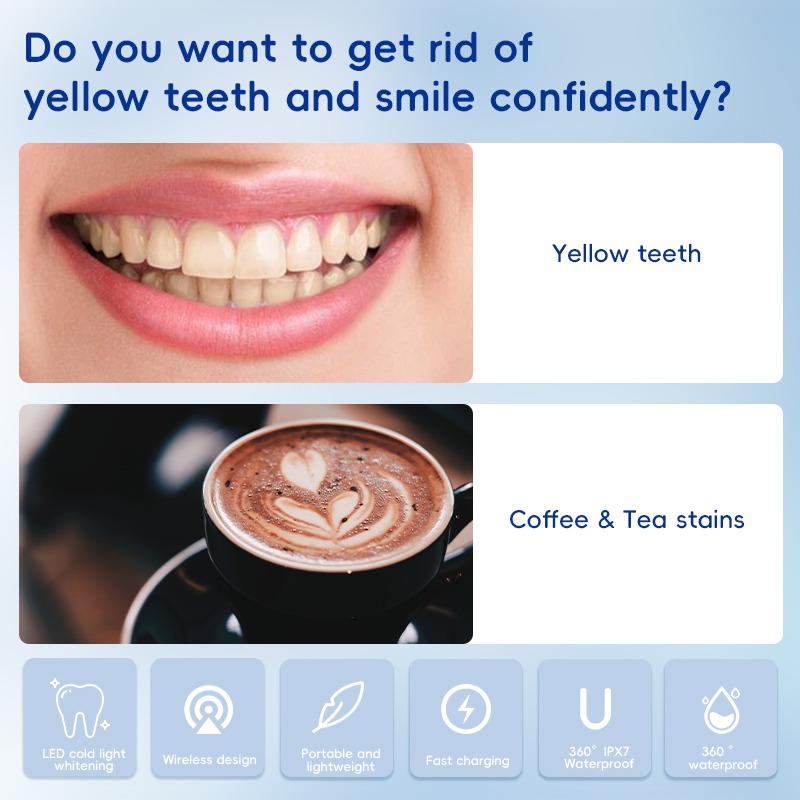
When users complain of whitening unevenness, many manufacturers focus solely on bleaching formulations and overlook how improper frequency settings can lead to motor overheating and undermine product durability. In fact, incorrect vibration frequencies not only reduce activation efficiency but also accelerate enamel fatigue in localized areas, resulting in uneven whitening and increased wear. The Link Between Frequency Settings and Whitening Uniformity First, the frequency of cold-light or sonic activation directly dictates the speed and depth of free-radical generation: Low-Frequency Modes (<20 kHz) lack sufficient energy to break down deeper stains, causing superficial whitening. High-Frequency Modes (>30 kHz) improve penetration but concentrate energy and risk over-oxidation “hot spots.” Frequency Fluctuations: Without proper firmware compensation for voltage drops, load-dependent frequency jumps amplify whitening unevenness. Achieving precise and stable frequency output is therefore fundamental to consistent whitening. How Improper Frequencies Stress Enamel Next, mismatched frequencies impose cyclic stresses on the enamel surface: Micro-fatigue: High-frequency oscillations propagate micro-cracks, diminishing enamel hardness. Chemical-Mechanical Synergy: Vibration accelerates peroxide erosion, increasing surface porosity where stains can re-adhere. Localized Overheating: Excessive frequency settings can lead to motor overheating, transferring heat to tooth surfaces and intensifying chemical attack. Altogether, improper frequency settings are a key driver of both enamel…
When frequency adjustment isn’t optimized, electric toothbrushes can underperform or over-stimulate—leading not only to poor plaque removal but also to thermal “hot spots” that risk chemical burns from fluoridated gels and aggravate gum bleeding. For B2B manufacturers, balancing vibration frequency is critical to safeguarding both cleaning efficacy and periodontal health. The Role of Frequency in Plaque Disruption Firstly, vibration frequency directly influences how effectively bristles dislodge plaque: Low Frequencies (<200 Hz) generate strong sweeping motions but may leave biofilm in interdental spaces. High Frequencies (>300 Hz) create micro-streaming in saliva, improving debris removal even between teeth. Misaligned Settings: Without precise calibration, mid-range frequencies can neither sweep nor micro-stream effectively, reducing cleaning efficiency. Thus, fine-tuning frequency settings maximizes both mechanical and fluid‐dynamic cleaning action. Excess Frequency and Thermal Risks Moreover, overly high frequencies can induce heat buildup in the brush head: Motor Overheating: Rapid oscillations generate friction inside the motor, elevating handle temperature. Gel Degradation: Heat can accelerate breakdown of whitening or fluoride gels applied concurrently, risking chemical burns on sensitive tissues. Localized Hot Spots: Users may feel sudden warmth at the gum line, leading to soft-tissue irritation. Controlled frequency limits and thermal cutoffs prevent these heat-related hazards.Company web:https://www.powsmart.com/product/electric-toothbrush/ Frequency-Induced Mechanical…
Many users experience gum bleeding problem during their daily brushing routine, which not only undermines oral‐health confidence but also generates high volumes of customer support inquiries. As a B2B manufacturer, it’s critical to understand the root causes and deliver a comprehensive solution package—helping channel partners offer more professional, reassuring electric toothbrush products and services. Main Triggers of Gum Bleeding First, identify the common factors that lead to gum bleeding: Gingival Inflammation: Plaque accumulation irritates the gums, causing redness, swelling, and bleeding. Abrasive Bristles or Excessive Pressure: Hard bristles or improper technique can damage the delicate gum tissues. Gum Recession: When the gums pull away, the exposed root surfaces become highly sensitive and prone to bleeding. Nutritional Deficiencies: Lack of vitamins C or K impairs tissue repair and makes the gums more fragile. Accurate diagnosis of these triggers guides targeted product enhancements and user guidance. Hardware Design Optimizations To reduce the risk of gum bleeding at its source, electric toothbrushes can incorporate: Ultra-Soft Bristles: High-density filaments ≤0.12 mm in diameter that minimize mechanical stress on the gums. Pressure Sensors: Built-in sensors automatically slow the brush or alert the user when excessive force is detected. Multi-Mode Cleaning: “Sensitive,” “Daily Clean,” and “Deep…


.jpg)
.jpg)
.jpg)
.jpg)
.jpg)



.jpg)

.jpg)