
As innovation advances in personal oral care, the 3D Rotation Oscillation Brush has become a popular feature in electric toothbrush models across global OEM/ODM supply chains. However, concerns are emerging about potential sensor failure caused by mechanical complexity and long-term use. Could the very feature that enhances cleaning performance compromise the device’s reliability?
The 3D rotation oscillation mechanism combines three distinct movements: circular rotation, oscillation, and pulsation. This tri-directional action is designed to:
For OEMs, it offers a performance-driven selling point. But with complexity comes increased mechanical interaction—and potential stress on internal components, particularly embedded sensors.
Modern electric toothbrushes often include multiple sensors such as:
These components rely on stability and minimal vibration to function correctly—both of which may be affected by aggressive brush head movement over time.
While 3D rotation oscillation provides superior cleaning, its mechanical design can create:
These factors may interfere with sensor calibration, especially if:
Ultimately, repeated stress from the motion system may trigger sensor failure, particularly in low-cost or poorly assembled units.
To mitigate sensor failure risks, manufacturers and B2B partners should consider:
Implementing these design enhancements helps balance high-performance motion with smart sensing integrity. Company web: https://www.powsmart.com/product/electric-toothbrush/
To validate sensor stability in 3D brushes, suppliers should run:
OEM buyers are advised to request test reports that simulate real-world conditions over 90+ days of operation.
Future 3D oscillation brush development will likely integrate:
These advances will help maintain sensor performance without compromising brush dynamics—critical in a market where smart brushing features are a growing differentiator.
While the 3D Rotation Oscillation Brush offers exceptional cleaning benefits, its mechanical complexity can increase the risk of sensor failure if not engineered with precision. For OEM/ODM buyers, working with manufacturers that integrate robust component protection, smart calibration, and thorough vibration testing is key to ensuring long-term product performance and consumer satisfaction. Contact us
-300x300.jpg)
-300x300.jpg)
.jpg)
Motor Overheating alongside Device Overheating – Double Danger?
How does Pulse Water Technology enhance the effectiveness of an Orthodontic Jet Tip?
Electric Toothbrush + Water Flosser Combination: How Can Brand Owners Enhance Competitiveness Through This Bundle?

How Does a Contract Manufacturing Agreement Secure a Steady Brush Head Replacement Supply?
How can Servo System Manufacturing enhance the value proposition of a Custom Handle OEM for B2B toothbrush brands?
Can a Rechargeable Battery Solution power an LED Display Module efficiently in flossers?
Gel Leakage Causing Chemical Burns – Still Ignoring It?
Does your Sonic Vibration Mechanism require a specialized PCB Assembly Service for stable performance?
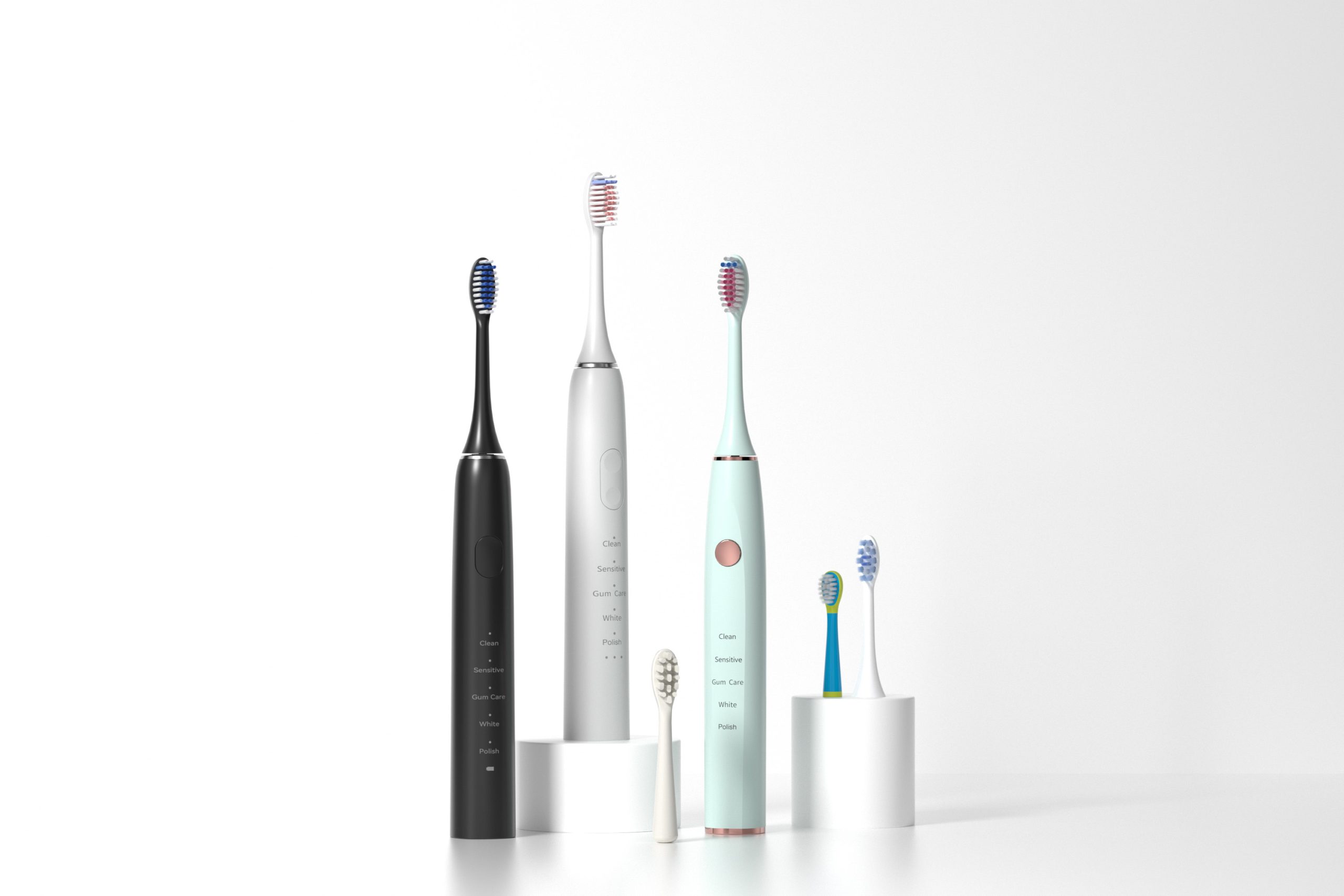
All-in-One Family Toothbrush Solution

Does Bacteria Killing Ultrasonic Brush Grow Reservoir Mold?
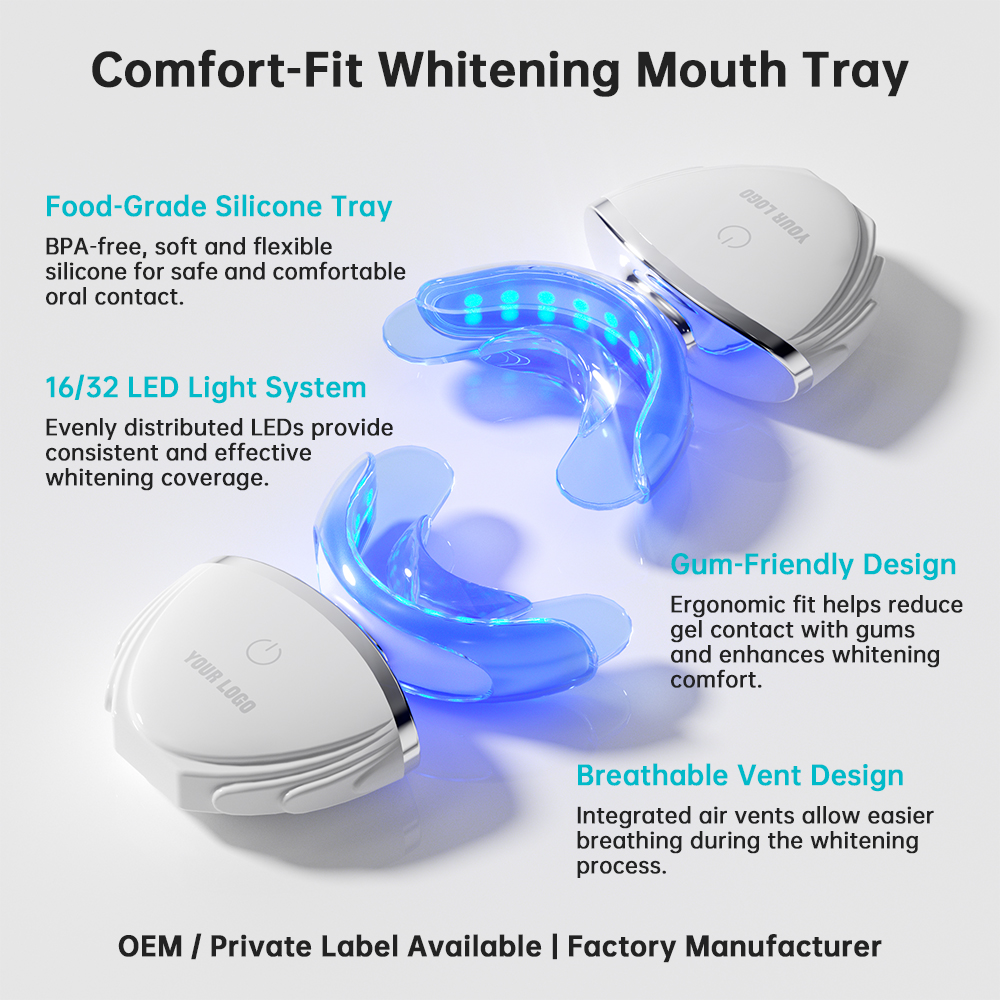
Need a Custom Whitening Tray for a Gentle Sensitive Teeth Formula?
Waterproof Electric Toothbrush OEM Manufacturing for Global Brands
Allergic Reactions and Taste Alteration – Whitening’s Hidden Cost?
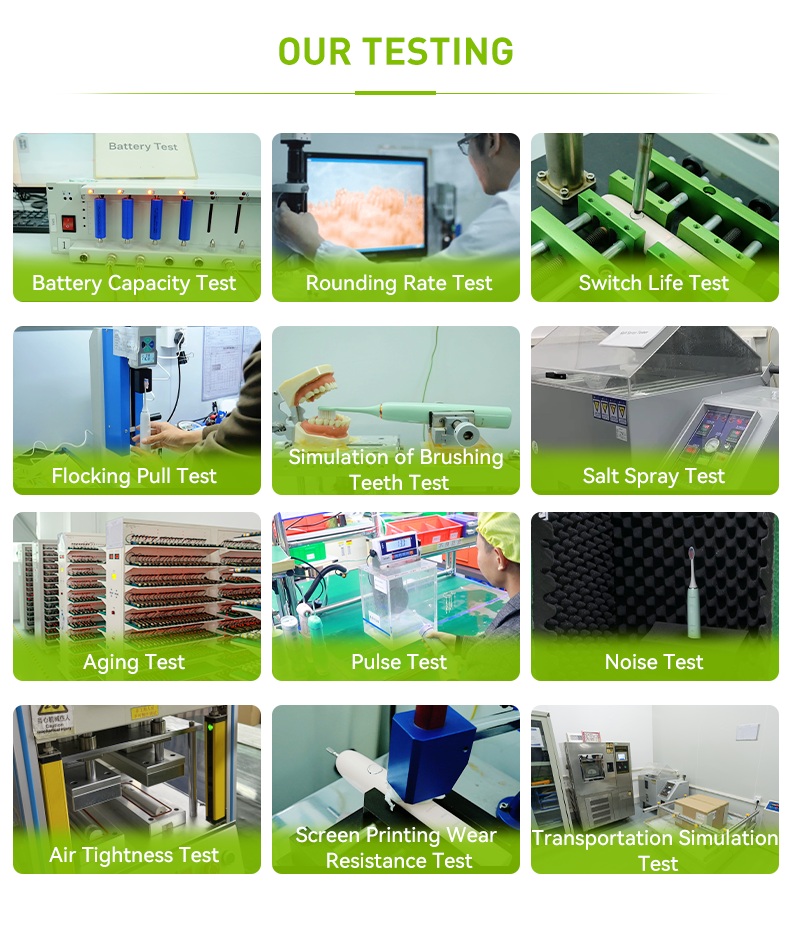
How does Brush Head Mold Design influence the effective integration of Food-grade Bristle Material?
Can You Tolerate Brush Head Wobble with Battery Swelling?

Why Is Flow Rate Calibration Critical for a Precise Pressure Control System?


.jpg)
.jpg)
.jpg)
.jpg)
.jpg)





.jpg)