
Electric toothbrushes have become an essential tool in modern oral care, offering various options tailored to different user needs. Among the most popular choices are the dry battery toothbrush, sonic electric toothbrush, and rotary toothbrush. This blog explores their differences, key features, and suitability for different users, helping businesses and consumers make informed decisions.
Key Features:
The dry battery toothbrush is a basic electric toothbrush powered by replaceable batteries, typically AA or AAA. Its simple design and affordability make it a popular choice for budget-conscious users.
Advantages:
Limitations:
However, dry battery toothbrushes generally have less power and fewer advanced features, making them less effective in thorough cleaning compared to their sonic or rotary counterparts.
Key Features:
The sonic electric toothbrush operates using high-frequency vibrations (typically 30,000–40,000 strokes per minute). These vibrations create a dynamic cleaning action that pushes fluid between teeth and along the gumline.
Advantages:
Market Insight:
The sonic electric toothbrush segment has grown rapidly due to increasing demand for advanced oral care solutions. Businesses in the sonic toothbrush market can leverage this trend by offering innovative designs tailored to specific demographics.
Key Features:
The rotary toothbrush uses a rotating and oscillating motion to clean teeth. These brushes typically rotate between 5,000 to 8,000 times per minute, delivering targeted cleaning action.
Advantages:
Limitations:
Rotary toothbrushes can sometimes feel aggressive, especially for users with sensitive gums or teeth. Manufacturers can address this by offering soft-bristle options and adjustable speed settings.
Comparison Overview:
Business Opportunities:
For B2B companies, understanding the unique selling points of each type can guide product development and marketing strategies. For instance, targeting travel-oriented consumers with dry battery models or focusing on high-tech markets with sonic toothbrushes can maximize market potential.
Each type has its advantages and limitations, catering to different user preferences and needs. By aligning product offerings with market demand, businesses can tap into the growing electric toothbrush market and build a competitive edge. Powsmart is a private label oral care manufacturer & factory covering sonic toothbrush, water flosser and teeth whitening products, FDA approved.
Tips for Brushing Your Teeth Quickly and Cleanly with an Electric Toothbrush
Can I Use an Electric Toothbrush in the Shower?
How Long Will It Take to See Results with the LED Teeth Whitening Device?
Starting from the Logic of FMCG, What is the Growth Path of New Electric Toothbrush Brand
.jpg)
Can UV Light Degradation Affect Whitening Gel Leakage?
What Are the World-Famous Teeth Whitening Brands?
Are Bluetooth Disconnects Causing Battery Drain Speed?

Is It Wise to Replace Your Toothbrush After an Illness? A Professional Guide

What Are the Advantages of Home Dental Beauty Products?
How to Judge Whether a factory’s R&D capabilities Is Strong?

5 Characteristics of a High-Quality Electric Toothbrush Factory
Is Electric Toothbrushes Business Worth Investing?
How Water Pump Technology Revolutionizes Water Flosser Performance
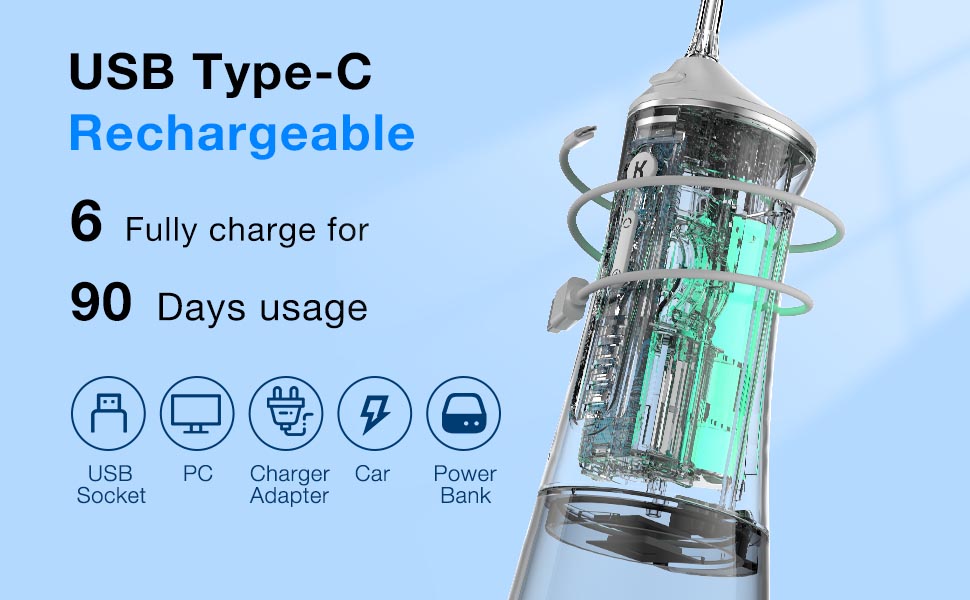
Wireless Water Flosser Production Guide: The Perfect Match Between Lithium Battery and Water Pump
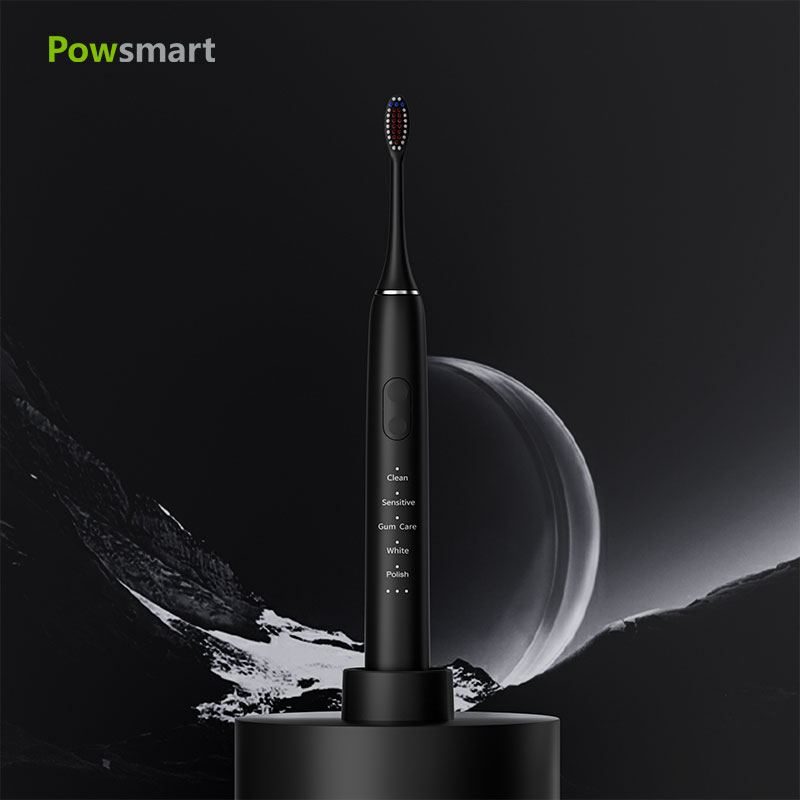
Electric Toothbrushes Are Not as Good as Regular Toothbrushes?
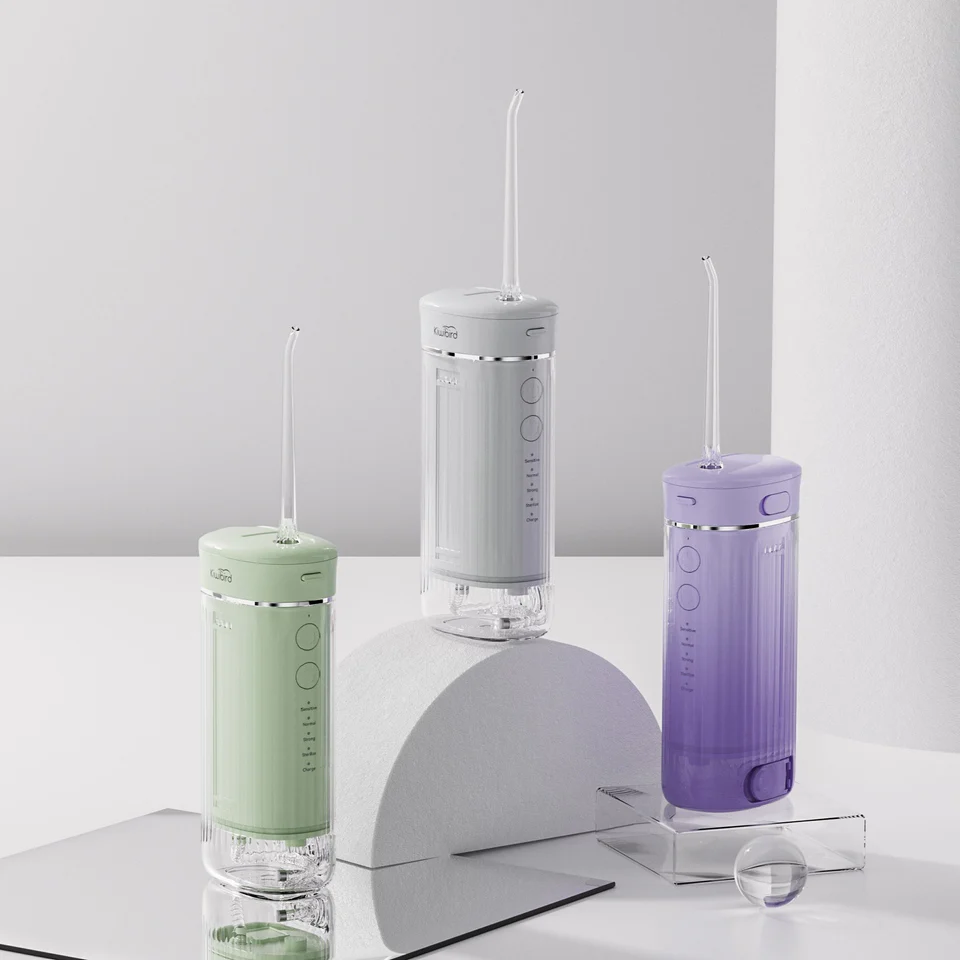
The Revolutionary Impact of Gravity Ball Design on Water Flosser Performance


.jpg)
.jpg)
.jpg)
.jpg)
.jpg)




.jpg)
.jpg)