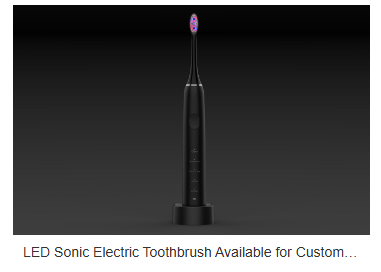
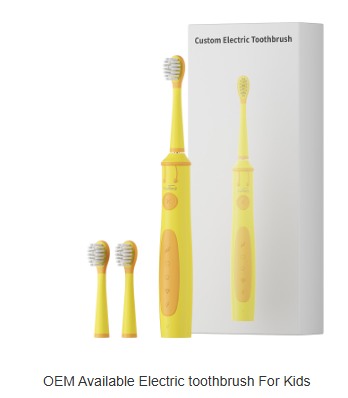
In the competitive landscape of oral care, selecting the right electric toothbrush technology for your brand can be a critical decision. Two dominant technologies, sonic vs rotary technology, offer unique benefits that cater to different consumer needs. Understanding their differences will help you determine which one aligns best with your brand strategy.
Sonic toothbrushes operate at high frequencies, typically above 30,000 strokes per minute, generating fluid dynamics that help clean beyond the bristles’ reach.
Rotary toothbrushes feature a smaller, round brush head that oscillates and rotates to remove plaque effectively with a mechanical scrubbing action.
Sonic toothbrushes are known for their ability to clean between teeth and along the gumline, thanks to their high-speed vibration and fluid action.
Rotary toothbrushes provide a direct scrubbing motion that is particularly effective for plaque removal on the tooth surface.
Studies indicate both technologies significantly reduce plaque, but sonic toothbrushes may offer a gentler approach for sensitive gums.
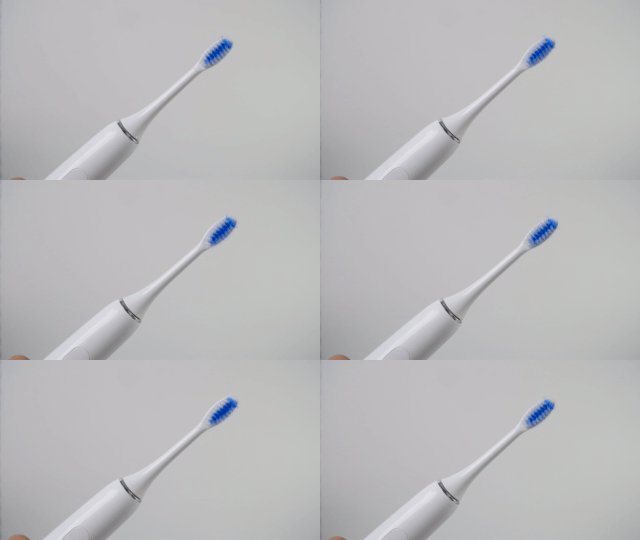
Sonic electric toothbrushes are often favored by consumers looking for a premium brushing experience with an emphasis on deep cleaning.
Rotary toothbrushes are typically more affordable and cater to users who prefer a more traditional brushing sensation.
Understanding your target audience’s preference can guide product positioning.
Sonic toothbrushes generally have longer battery life due to their efficient vibration mechanism.
Rotary toothbrushes may consume slightly more power due to the oscillation motor, but newer models have improved battery efficiency.
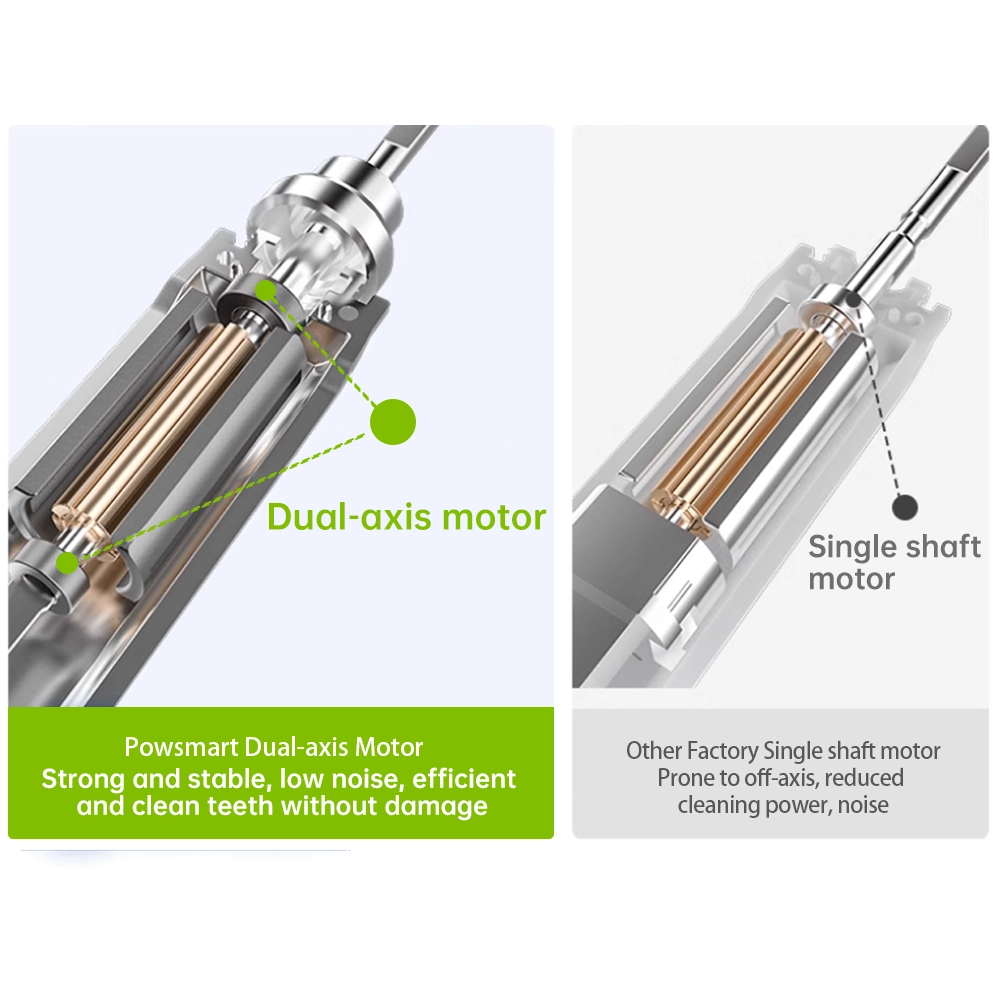
Sonic toothbrush technology requires advanced motors and high-frequency controllers, which can increase production costs.
Rotary toothbrushes involve simpler mechanical designs, making them cost-effective to produce at scale.
Brands must balance quality, cost, and pricing strategy to ensure a competitive edge.
If your brand is targeting premium users who value innovation and deep cleaning, sonic technology might be the right choice.
If affordability, accessibility, and familiarity are your priorities, rotary technology could be more suitable.
Many brands offer both technologies to cater to different market segments.
Choosing between sonic and rotary technology for your electric toothbrush line depends on your brand’s positioning, target audience, and pricing strategy. Understanding the strengths and limitations of each can help you make an informed decision that aligns with consumer needs and market trends. Whether you opt for sonic technology for its advanced cleaning capabilities or rotary technology for its cost-effectiveness, ensuring quality and performance will be key to your brand’s success in the oral care industry.
Ready to develop the next innovative electric toothbrush for your brand? Contact Powsmart to explore the best manufacturing solutions tailored to your business needs.
Water Flosser vs. Traditional Dental Floss: A Manufacturing Perspective
How to Prevention Toothache in the First Place?
Should You Invest in Electric Toothbrushes?
Interesting Teeth And Dental Facts That Will Surprise You

Toothache Remedies to Relieve Pain Fast
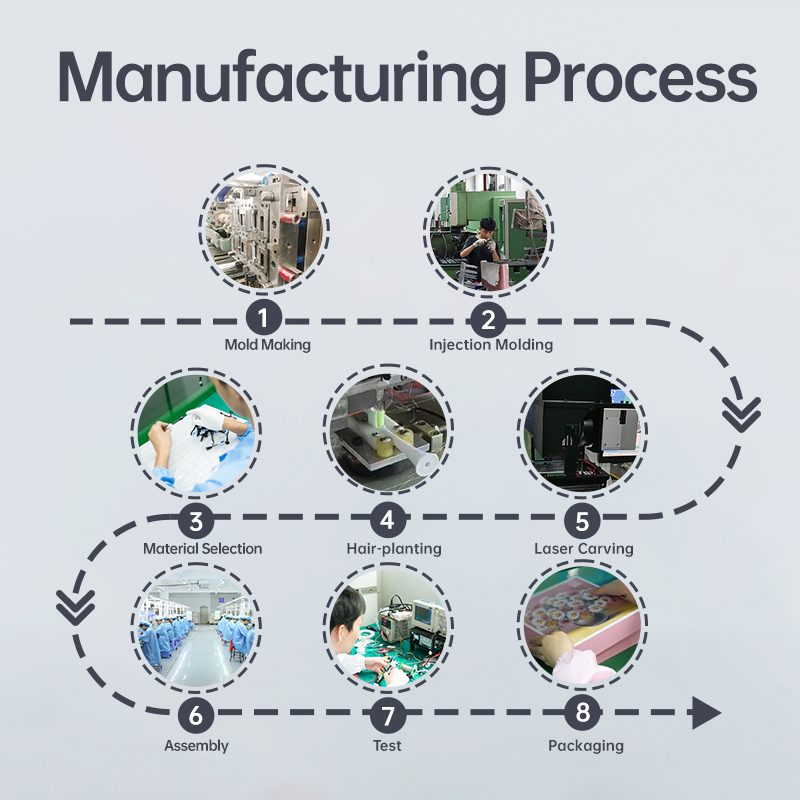
How to Optimize the Production Process of Electric Toothbrush? Intelligent Factory Upgrade Practice
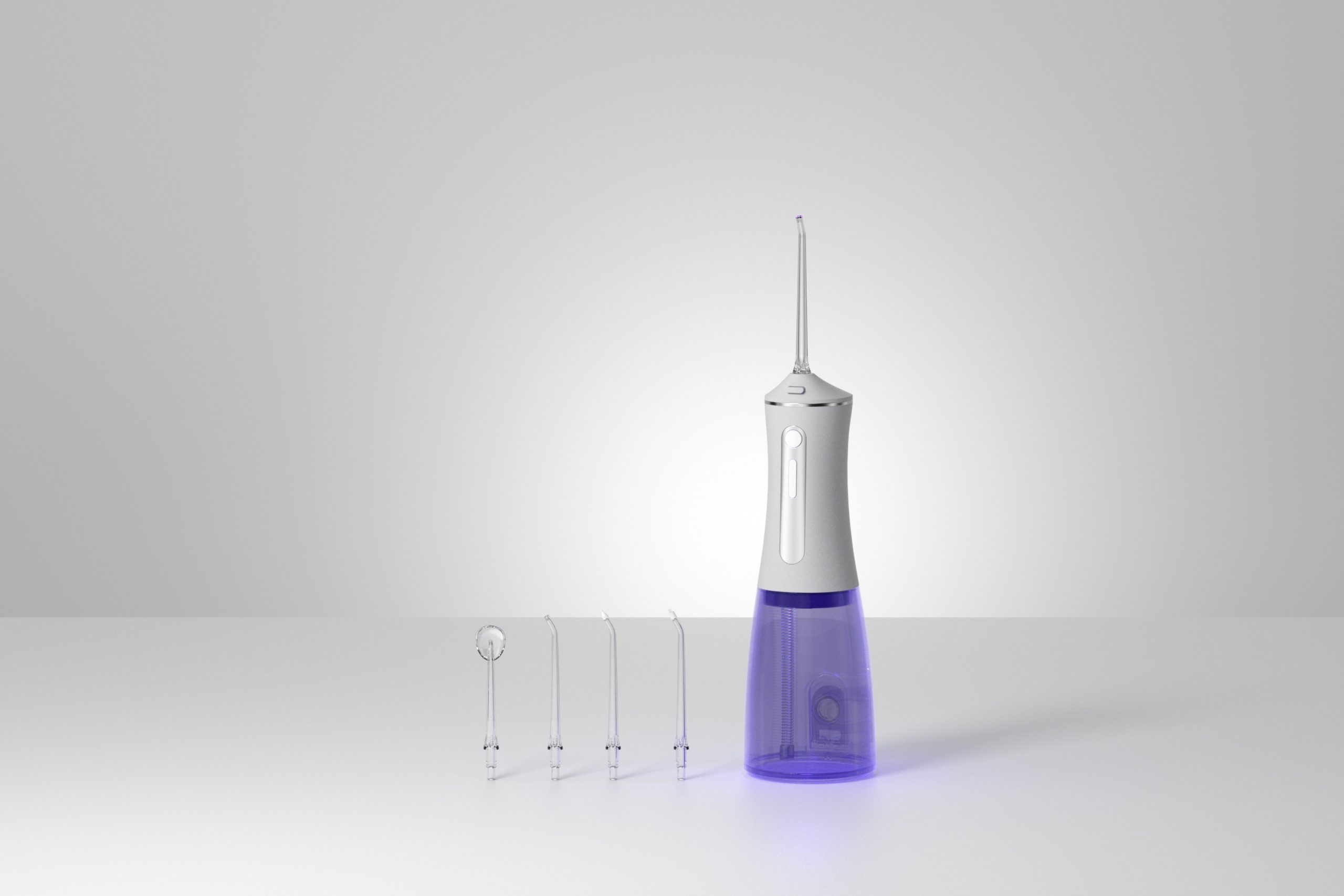
Why Water Flosser Are Gaining Popularity: Insights from Manufacturers
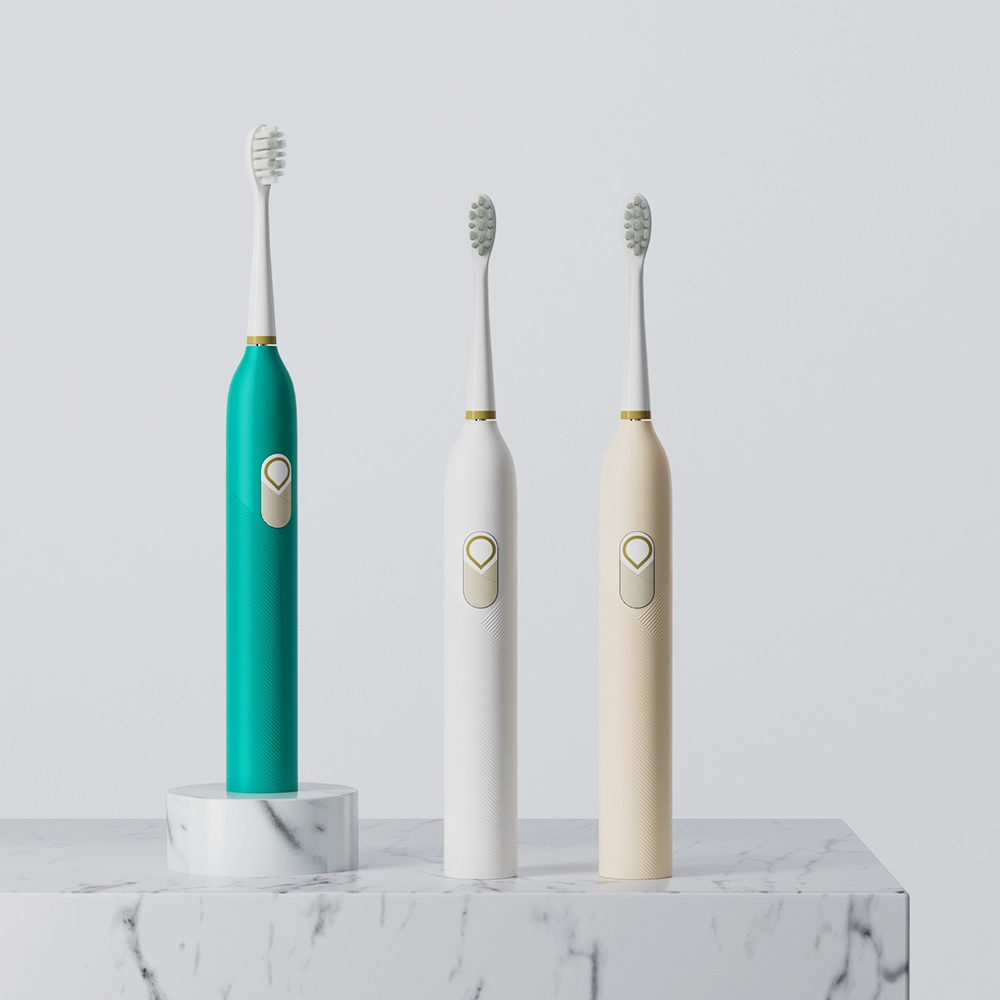
Life cycle of Electric Toothbrushes! Its Components and Effects

New Trends in the Electric Toothbrush Industry: How Can Intelligent Connectivity Enable Brand Premium?
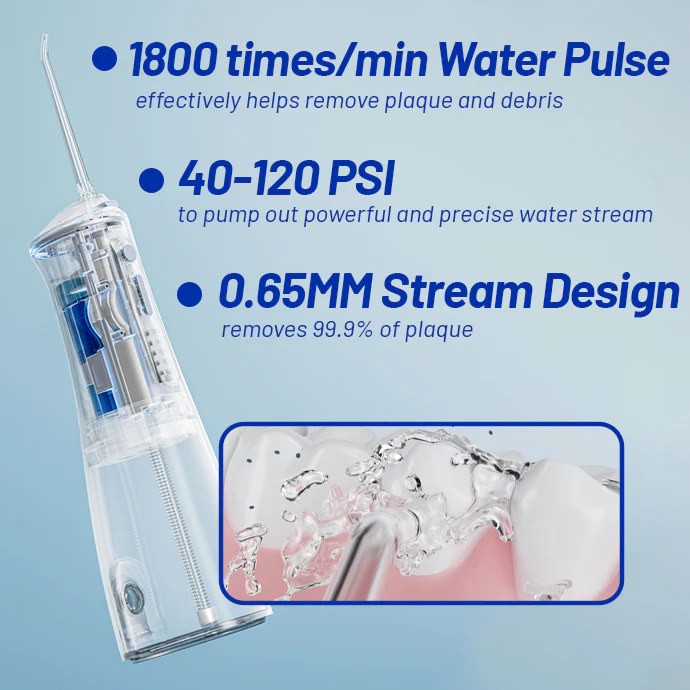
The Competitive Edge: How Water Flosser brands Stay Ahead in the Market
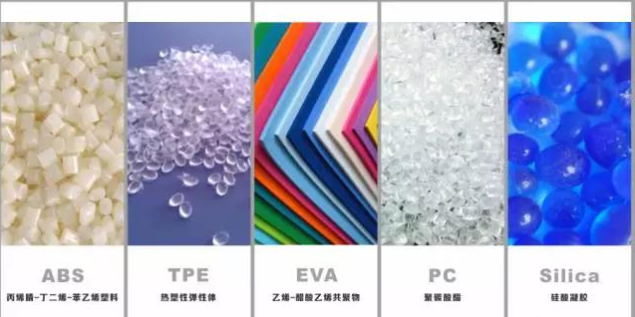
Oral Care Products CPSR Material List: Ensuring Safety and Compliance
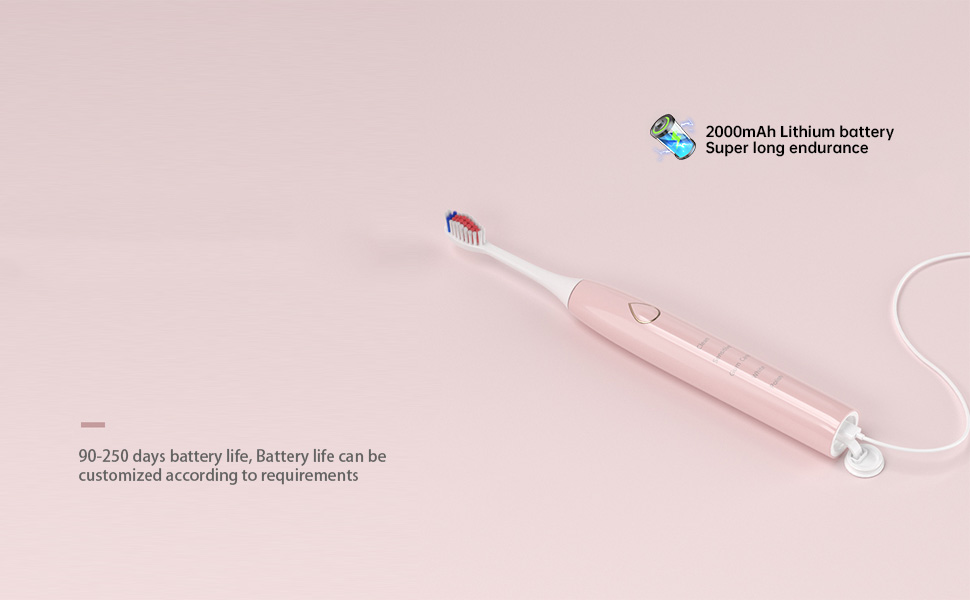
Pricing Strategy for Electric Toothbrushes: A Balancing Act Between Manufacturing Cost and Market Positioning
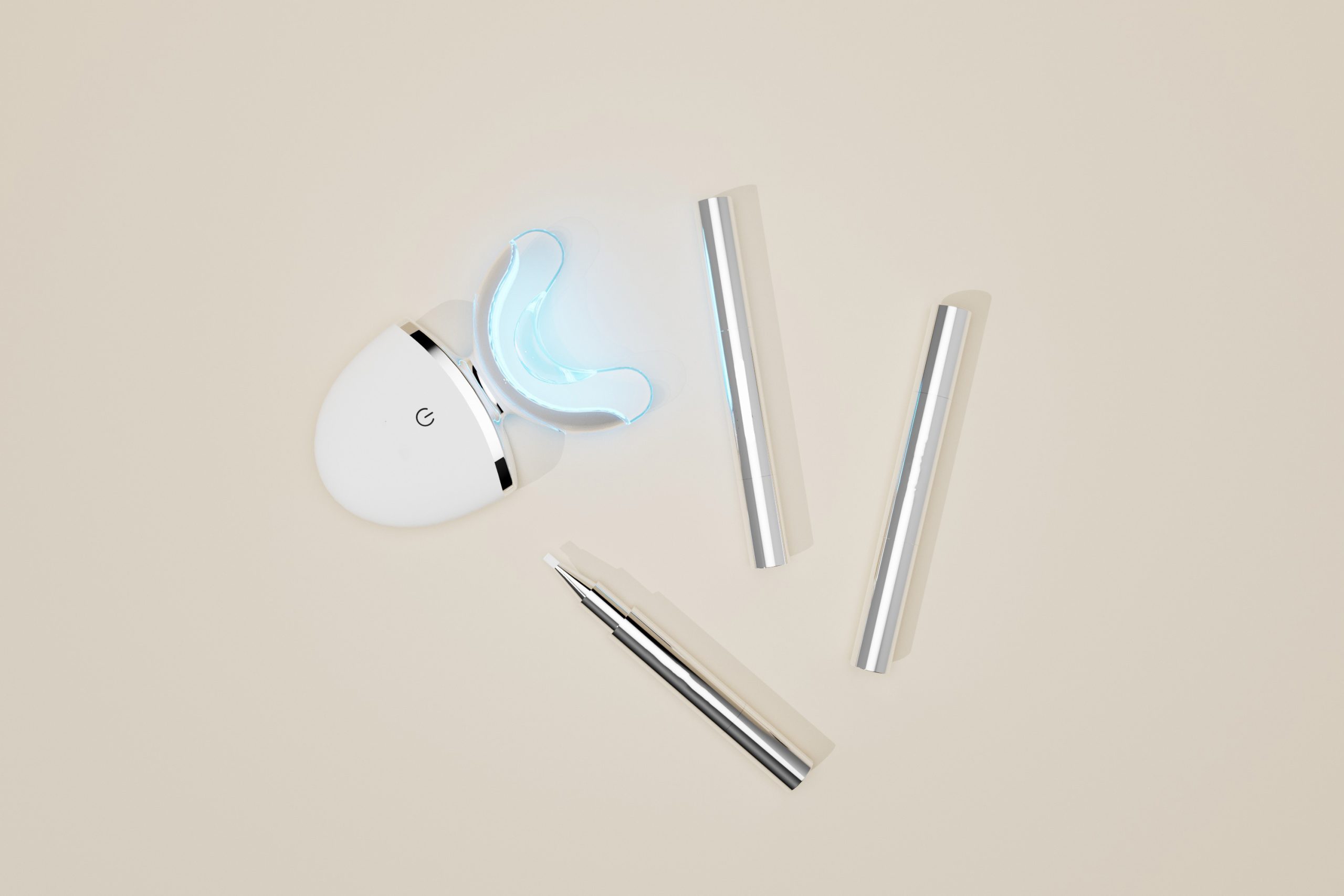
How to Be the Top Seller of Teeth Whitening Pens
.jpg)
Oral Irrigator Pressure Drop and Tank Mold Causing Returns?
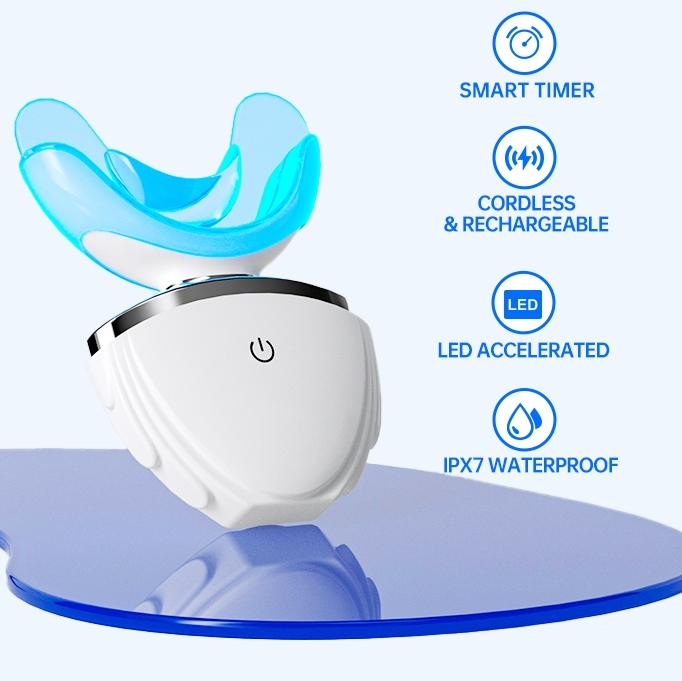
The Future of Teeth Whitening Devices: Trends and Innovations in Manufacturing
From a Chemical Perspective, Do Teeth Whitening Products Really Work?


.jpg)
.jpg)
.jpg)
.jpg)
.jpg)