
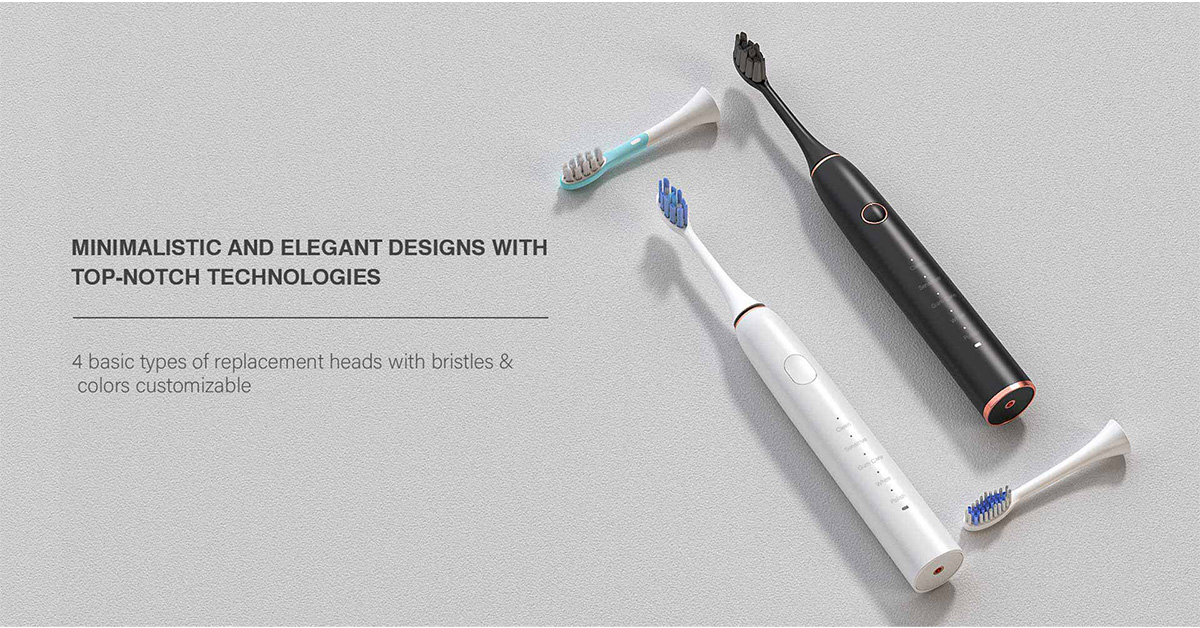
For electric toothbrush brands and OEM partners, improving customer lifetime value is critical. One effective strategy is optimizing the brush head + toothbrush handle adaptation structure to encourage repeat purchases. A smart design approach not only enhances usability and satisfaction, but also opens the door to recurring revenue through replaceable parts, especially brush heads. In this blog, we explore how thoughtful engineering and product planning—aligned with sustainability and market trends—can help electric toothbrush manufacturers increase repurchase rate. The Power of Modular Design: Making Repurchase Easy A modular accessory design that allows users to easily detach and replace the brush head is fundamental. Key considerations include: Universal fit systems across product lines Durable locking mechanisms that are user-friendly Stable electrical connections for sonic or oscillating performance By simplifying replacement, manufacturers lower the barrier for consumers to repurchase brush heads regularly—either individually or through a brush head subscription service. Replaceable Parts = Sustainable Strategy Modern consumers are increasingly eco-conscious. Offering replaceable parts, such as interchangeable brush heads, supports sustainability in product design. Instead of discarding an entire device, users can extend product life by only replacing worn-out components. This approach positions your brand as environmentally responsible, which enhances customer loyalty and aligns with global ESG trends—especially important…
.jpg)
In the fiercely competitive market for electric toothbrushes, mastering self-developed motors technology not only boosts product performance but also significantly reduces procurement costs and supply-chain risks. For B2B manufacturers, in-house motor development represents core differentiation—delivering higher brand value and customer loyalty. Enhanced Performance: Precision Control & Energy Efficiency First, a self-developed motor can be custom-tuned to match brush head design and vibration modes: Amplitude & Frequency Optimization: Tailor winding and magnetic circuit to maximize plaque removal in sonic or oscillation modes. Intelligent Power Management: Built-in drive algorithms maintain cleaning power even at lower RPMs, greatly extending battery life. Noise Reduction: Refine gears and bearings for quieter operation, improving user comfort. These performance gains let manufacturers highlight their motor’s superiority in technical datasheets. Lower Costs: Autonomous, Resilient Supply Chain Next, in-house motors strengthen supply-chain resilience: Localized Components: Produce key parts—magnets, housings, rotors—internally, reducing reliance on imported subassemblies. Economies of Scale: High-volume production drives down per-unit motor cost, boosting overall gross margins. Rapid Iteration: Internal R&D cycles eliminate external lead times, speeding innovations from prototype to market. Cost advantages enable B2B partners to offer more competitive pricing and faster delivery.Company web:https://www.powsmart.com/product/electric-toothbrush/ Quality Assurance: Traceability & Durability Moreover, self-developed motors allow end-to-end quality…
In practice, a tooth’s enamel vulnerability is closely tied to persistent staining residuals. Meanwhile, smart mode switching—allowing a device to adapt its cleaning stages—can effectively reduce pigment buildup and prevent secondary enamel erosion. In the following six sections, we’ll analyze their interconnection and offer optimization strategies. How Pigment Residues Amplify Enamel Vulnerability First, even minute pigment residues on enamel can: Clog Micro-Porosities: Chromogens from foods and drinks infiltrate micro-pores, forming a stubborn stain layer. Trap Acidic Metabolites: Pigments feed bacteria that produce acids, chemically attacking enamel minerals. Abrade Micro-Cracks: Bristle or polishing head friction against pigmented spots worsens tiny enamel fissures. Thus, residual staining not only mars appearance but undermines enamel strength at the microscopic level. pH Cycling and Enamel Loss Mechanisms Next, pigment residues interact with the mouth’s acid–base balance: Local pH Drops: Stain-laden areas remain more acidic, overwhelming saliva’s buffering capacity and accelerating demineralization. Mineral Leaching: Acidic conditions repeatedly dissolve calcium and phosphate, loosening enamel structure. Uneven Remineralization: Salivary minerals struggle to refill deep pores, creating weak “voids” that heighten enamel vulnerability. Controlling residual stains is therefore critical to preserving intact enamel.Company web:https://www.powsmart.com/product/electric-toothbrush/ Smart Mode Switching Strategies To tailor cleaning intensity and protect enamel, devices should implement smart…
For restricted user groups, avoiding stain residuals is critical—not only because leftover pigments mar appearance, but also because these users often have heightened vulnerability. Meanwhile, optimizing bristle roundness in brush-head design helps ensure gentle yet thorough stain removal. In the following six sections, we explore why stain residues pose special risks, and how to address them safely and effectively. Oral Characteristics of Restricted User Groups Restricted user groups include: Post-operative Patients: Gum and implant sites are still healing and prone to irritation. High-Sensitivity Individuals: Those with thin enamel or dentin hypersensitivity require extra care. Chronic Health Conditions: Diabetics or immunocompromised patients face greater infection risks from residual biofilm. These groups react more strongly to any remaining debris or pigments, making complete stain removal essential. Health Hazards of Stain Residuals Beyond aesthetics, retained pigments can: Promote Bacterial Growth: Chromogens combine with proteins to form biofilms that feed anaerobic pathogens. Cause Chemical Erosion: Some food pigments are mildly acidic and can accelerate enamel micro-abrasion. Trigger Immune Overreactions: Chronic exposure to residual agents can inflame gingival tissues and worsen swelling or pain. For vulnerable users, even trace residues can spark significant oral health issues. Contact us :https://www.powsmart.com/product/electric-toothbrush/ Bristle Roundness and Cleaning Efficiency Effective…
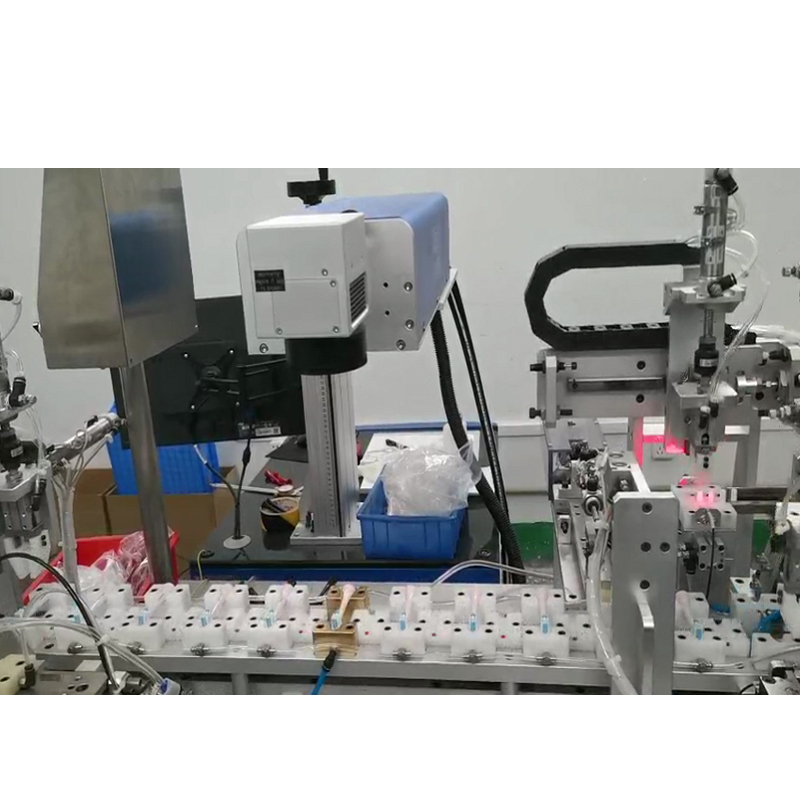
In today’s competitive oral care market, manufacturers must ensure that every electric toothbrush production process is standardized, efficient, and meets high-quality requirements. This article presents a full overview of the production process diagram, from injection molding to final assembly, highlighting injection molding process standards, assembly process specifications, and the key points for quality inspection necessary to guarantee superior product performance. Injection Molding – The Foundation of Precision The first critical step in the electric toothbrush production process is injection molding. High-quality shell and component manufacturing rely on strict injection molding process standards, including: Precise temperature and pressure control to prevent defects like shrinkage or warping Material selection (commonly medical-grade ABS, PP, or TPE) for durability and aesthetics Mold maintenance and polishing to ensure smooth finishes Adhering to consistent injection molding process standards is vital for ensuring a strong and attractive product base. Component Preparation – Quality Starts from Parts After molding, key components including motor units, battery packs, PCBs, and sealing gaskets. Every component must: Pass functional pre-tests (e.g., battery charging cycles, motor rotation tests) Be cleaned and anti-static protected before entering the assembly area Match design tolerances exactly to fit into the production line seamlessly Meticulous preparation at this stage helps maintain consistency throughout…
.jpg)
As oral care markets expand globally, brands are seeking unique products that reflect their identity and meet diverse customer needs.Electric toothbrushes OEM customization has become a powerful tool, allowing businesses to create differentiated products quickly and efficiently.This guide covers the full customization journey—from LOGO printing processes to appearance design modification, core function development, and how an ODM cooperation model can streamline the entire process. LOGO Printing Process: Building Brand Identity One of the first and most visible steps in electric toothbrush OEM customization is adding the client's logo to the product. The LOGO printing process typically involves: Silk-screen printing: Ideal for simple, cost-effective designs. Laser engraving: For a premium look and long-lasting durability. Pad printing: Suitable for curved surfaces and multicolor logos. A precise and durable LOGO not only enhances brand recognition but also increases product value in competitive retail environments. Appearance Design Modification: Creating a Unique Look Beyond logo placement, many clients seek appearance design modification to ensure their electric toothbrush stands out. This may include: Custom colors and finishes: Matte, glossy, metallic coatings. Material upgrades: Soft-touch coatings or eco-friendly plastics. Ergonomic handle designs: Improved grip comfort and user experience. Professional OEM partners provide 3D renderings and prototypes during this phase, ensuring the new design…
If you neglect proper Hygiene Monitoring and let your device run long enough to risk Motor Overheating, your brush can quickly become a breeding ground for bacteria and mold. Below, we dive into six key areas that explain why brushes harbor germs—and how you can design and manage your products to eliminate that risk once and for all. How Brush-Head Geometry Traps Microbes At the tip of every brush head, tiny gaps and overlapping filaments create perfect hiding spots for pathogens: Stagnant water droplets cling to bristle tips and base crevices. Saliva and toothpaste residues provide nutrients that fuel biofilm formation. Dense tuft patterns make thorough rinsing difficult, leaving pockets of moisture. Together, these features can turn a seemingly clean brush into a microbial reservoir overnight. The Danger of Skipping Hygiene Monitoring Without built-in hygiene alerts, both users and service teams remain unaware of a brush’s true cleanliness: No end-of-life indicators mean brushes stay in use long past their sanitary threshold. Lack of contamination warnings leaves users prone to reusing heavily colonized heads. Data vacuum prevents tracking of usage frequency and cleaning habits essential for maintenance planning. In short, without smart hygiene monitoring, dirty brushes go unnoticed until problems arise.Company…
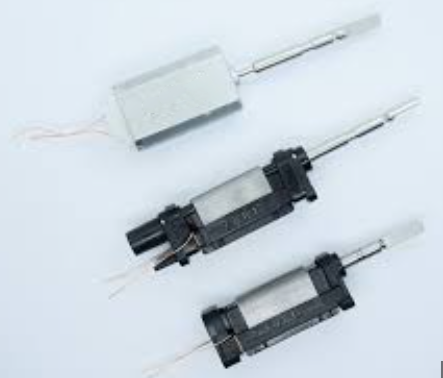
When it comes to the performance of sonic toothbrushes, the motor is arguably the most critical component. The motor determines the brushing efficiency, the feel of the brushing experience, and even the durability of the toothbrush. Among the most common motor technologies used today are Magnetic Levitation Motors and Traditional Motors. This article delves into the key differences between Magnetic Levitation Motors and Traditional Motors, and how they impact the overall performance of electric toothbrushes. https://www.powsmart.com/ Magnetic Levitation Motors: The Future of Sonic Toothbrushes Magnetic Levitation Motors have emerged as a cutting-edge technology in the sonic toothbrush industry, offering several advantages over traditional motor designs: Higher Efficiency: The absence of physical contact between moving parts reduces friction, leading to lower energy consumption and longer battery life. Quieter Operation: Magnetic levitation reduces vibrations, making the motor run more quietly, which is a key feature for consumers who prefer a quieter brushing experience. Increased Durability: With fewer moving parts, magnetic levitation motors are less prone to wear and tear, extending the lifespan of the toothbrush. Smoother Brushing Motion: The levitation effect enables a more consistent and powerful brushing motion, delivering superior plaque removal. As electric toothbrush private label services increasingly focus on innovation and premium performance, integrating…
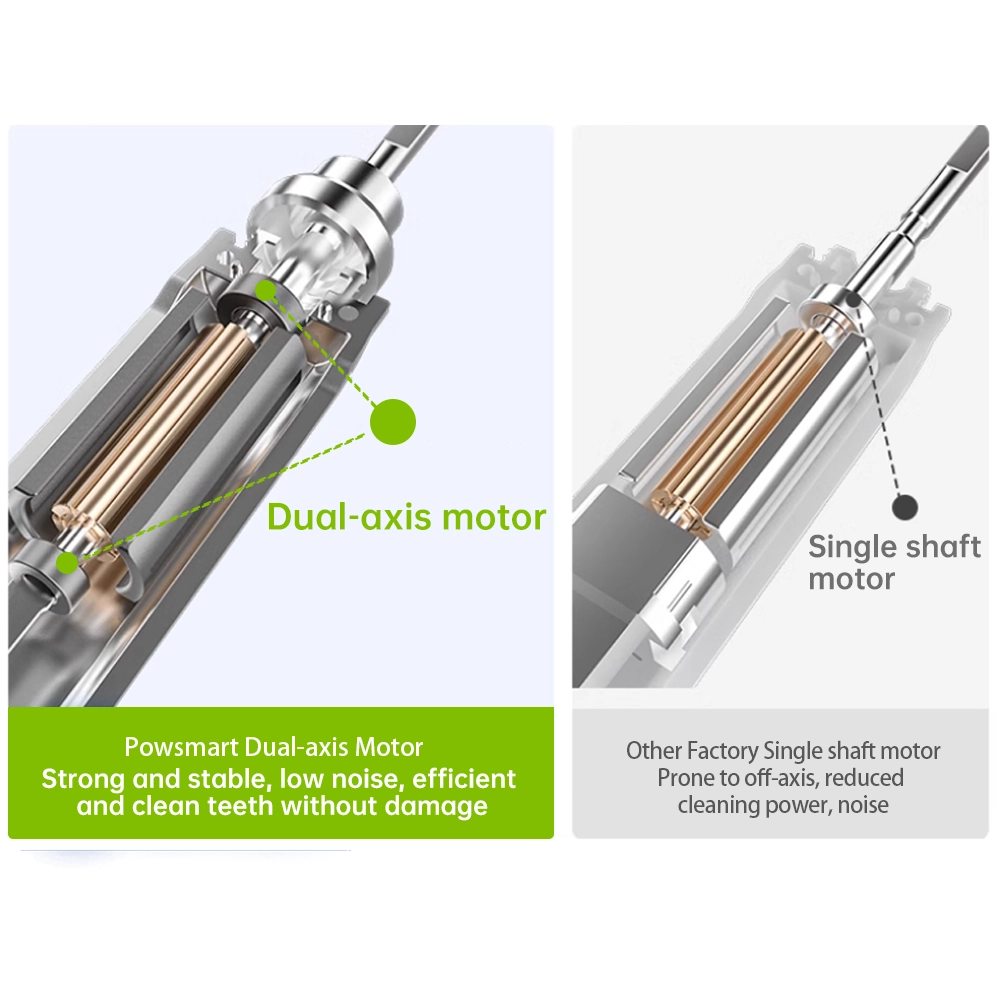
In the world of oral care, sonic toothbrushes have become a game-changer. With their ability to produce between 31,000 and 40,000 vibrations per minute, they promise deeper and more effective cleaning than traditional manual brushing. But what makes these sonic toothbrush motors so powerful? In this blog, we’ll explore the science behind sonic toothbrush vibrations and how they work to improve oral hygiene. The Role of Sonic Toothbrush Motors in Cleaning Effectiveness At the core of any sonic toothbrush is its motor, which drives the high-frequency vibrations essential for deep cleaning. Here’s how the motor functions: Motor Design: The motor inside a sonic toothbrush uses either a magnetic or linear actuator to create rapid back-and-forth motion. Vibration Frequency: Depending on the design, sonic toothbrush motors can produce anywhere from 31,000 to 40,000 vibrations per minute, significantly enhancing cleaning efficiency. Brush Head Movement: This rapid vibration translates into a high-frequency brushing motion that helps disrupt plaque and bacteria on the teeth and gums. The high vibration frequency ensures that the sonic toothbrush vibrations can reach areas traditional brushes can’t, such as between teeth and along the gumline. The Science Behind the High-Frequency Vibrations The effectiveness of sonic toothbrushes lies in the…
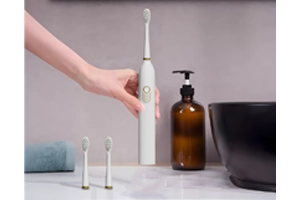
In today’s fast-paced world, maintaining optimal oral health shouldn’t be complicated. That’s where electric toothbrushes come in—offering a whole new level of ease and efficiency compared to manual brushing. If you’re still using a traditional toothbrush, here’s why making the switch could be one of the best decisions for your smile. 1. Superior Cleaning for Healthier Teeth Electric toothbrushes provide superior cleaning by using advanced oscillating or sonic technology to remove plaque more effectively than manual brushing. Studies show they can remove plaque and tartar up to 100% better, reducing the risk of cavities and gum disease. The high-speed bristle movements reach areas that manual brushes often miss, ensuring a deeper clean with every use. 2. Built-In Timers for Perfect Brushing Habits One of the biggest challenges with manual brushing is ensuring you brush long enough. Most electric toothbrushes come with built-in timers that alert you when you’ve brushed for the recommended two minutes. Some even include quadrant timers to ensure equal cleaning time for each section of your mouth, promoting better oral hygiene habits effortlessly. 3. Gentle on Gums, Tough on Plaque If you’ve ever experienced gum irritation from brushing too hard, an electric toothbrush can help. Many models feature pressure sensors that alert you when you’re applying…
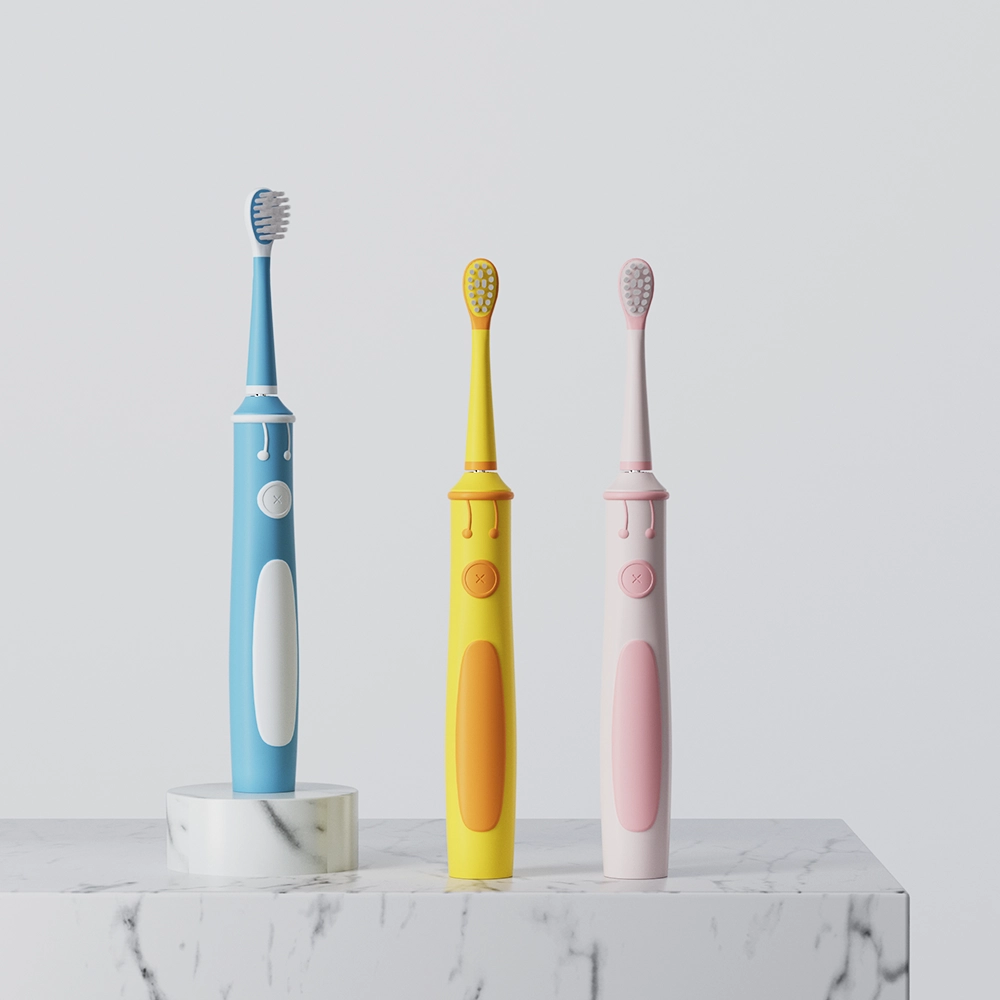
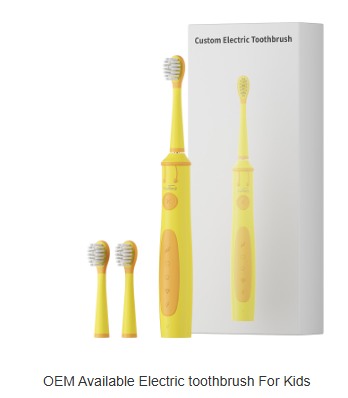
As parents become increasingly aware of the importance of oral health for their children, the demand for kids' electric toothbrushes continues to rise. It not only for effective cleaning but also for making brushing more fun and engaging for children. However, an often overlooked feature in the design of these devices is the use of antibacterial materials. In this blog, we will explore why incorporating antibacterial materials into kids' electric toothbrushes is essential for their hygiene, safety, and durability.https://www.powsmart.com/ Why Antibacterial Materials Are Crucial for Kids' Electric Toothbrushes Children's toothbrushes are subject to frequent contamination, especially in a shared bathroom environment where germs and bacteria can easily transfer. The inclusion of antibacterial materials in kids' electric toothbrushes offers several key benefits: Preventing Bacterial Growth: Kids are more likely to forget to clean their toothbrushes properly, and an antibacterial material can help inhibit the growth of bacteria and mold on the toothbrush handle and bristles. Reducing the Risk of Illness: Antibacterial properties help prevent the buildup of harmful bacteria, which is especially important for children who have weaker immune systems. Maintaining Hygiene: As kids often leave their toothbrushes wet or stored improperly, antibacterial materials help ensure that their toothbrush remains hygienic…
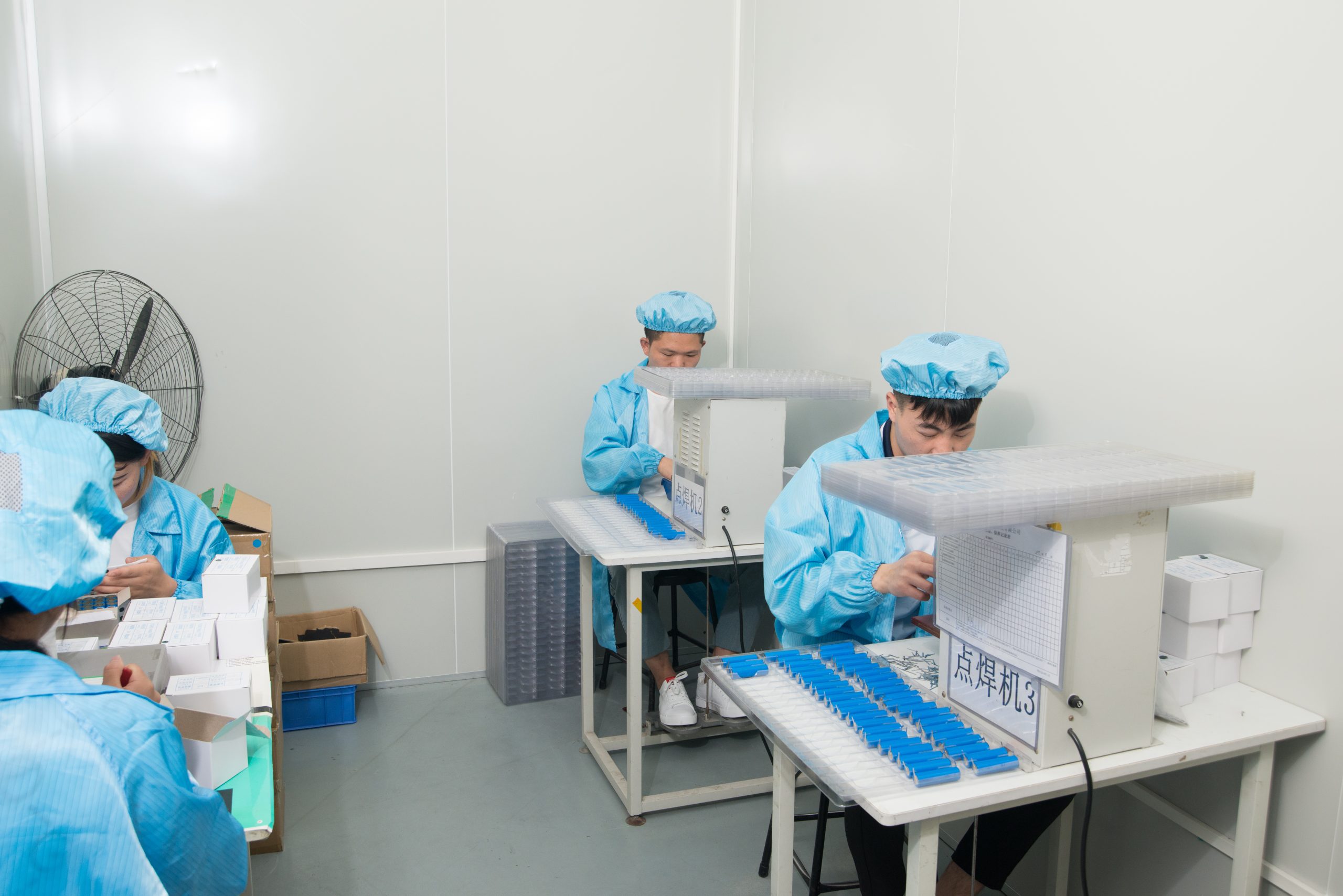
As the global demand for high-quality electric toothbrush continues to grow, brands and distributors are increasingly selective about the manufacturing partners they choose. The quality, reliability, and scalability of your supply chain begins with choosing the right factory. But what truly defines a trustworthy manufacturer in this space? In this blog, we outline the five essential characteristics of a high-quality electric toothbrush factory — the kind of partner that ensures product consistency, innovation, and long-term cooperation. Proven Manufacturing Experience – Over 20 Years in the Industry Experience matters, especially in precision manufacturing. A factory with over 20 years of manufacturing experience has: Refined production workflows Deep understanding of motor control and ultrasonic cleaning technology Proven ability to handle volume orders with consistent quality Such a factory is more than just a supplier — it is a strategic partner who understands market trends, end-user preferences, and regulatory challenges. Strict Quality Control Systems The production of high-quality electric toothbrushes depends on robust quality assurance procedures. Leading factories will have: QC checkpoints across every stage of production Automated testing equipment for vibration, battery life, and waterproofing Final product audits before packaging These practices ensure that every toothbrush delivered meets international standards and brand…
The Motor—The Heart of Every Electric Toothbrush In the rapidly evolving oral care industry, performance and user experience are everything. While brush head design and battery life are essential, it is ultimately the electric toothbrush motor that determines how effective the product truly is.This blog dives deep into the technical aspects of how do motors improve cleaning efficiency, especially the rise of magnetic levitation motors and sonic technology, and explains how these innovations contribute to better cleaning results. We also highlight how OEM customized solutions empower brands to differentiate in a competitive market. Types of Motors Used in Electric Toothbrushes Understanding the different motor types is key to selecting the right technology for your target market: Conventional DC motors: Affordable, widely used in entry-level toothbrushes, but limited in vibration stability and lifespan. Magnetic levitation motors: The new industry standard for premium models. They offer smoother operation, higher vibration frequency, and lower noise. The choice of electric toothbrush motor affects everything from brushing effectiveness to product durability and comfort. Advantages of Magnetic Levitation Motor Technology Magnetic levitation motors use magnetic fields to suspend and move the internal rotor, reducing friction and improving control. Key advantages include: High vibration frequency (up to…
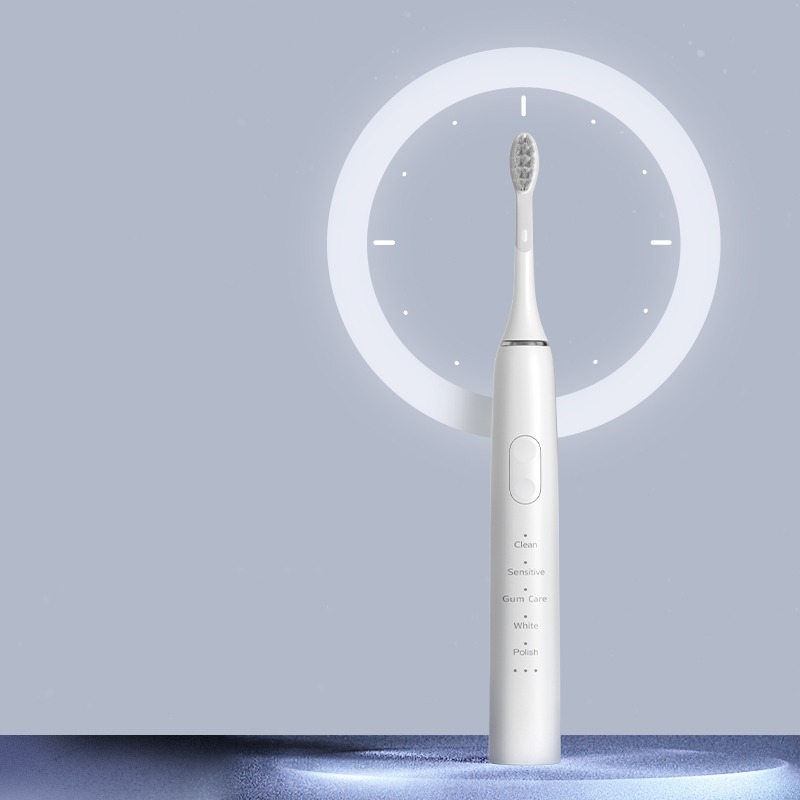
Introduction: The Competitive Edge of Self-Developed Motor Technology In the rapidly evolving oral care market, manufacturers are constantly seeking ways to differentiate their products. One key area of innovation lies in self-developed motor technology, particularly in electric toothbrushes. By designing and producing their own magnetic suspension sonic motors, manufacturers can achieve superior performance, reliability, and cost efficiency—giving them a significant advantage in the B2B marketplace. 1. Enhanced Cleaning Performance with High-Intensity Vibration Frequency A self-developed motor allows manufacturers to fine-tune the high-intensity vibration frequency to optimize cleaning efficiency. Unlike generic motors, custom-engineered solutions can deliver precise oscillations that effectively clean oral food residues and plaque, even in hard-to-reach areas. This level of performance ensures end-users receive a superior brushing experience, fostering brand loyalty. 2. Low Noise Operation for a Premium User Experience Noise levels can make or break a consumer’s perception of an electric toothbrush. With an in-house magnetic suspension sonic motor, manufacturers can minimize mechanical friction, resulting in low noise operation. This refinement enhances user comfort, making the product more appealing in both home and travel settings. 3. Long-Lasting Power for Reliability and Durability Battery life is a critical factor in consumer satisfaction. A self-developed motor can be optimized for energy efficiency, ensuring long-lasting power without compromising performance. This reduces…
Introduction: Innovation That Sets Us Apart At PowSmart, we take electric toothbrush design to the next level with our patented structural engineering. Unlike generic models, our brushes combine high precision molds, genuine IPX7 waterproofing, and rigorous durability testing to deliver unmatched performance and reliability. So this blog explores the key advantages of our proprietary design for B2B partners. 1. Superior Durability Through High-Precision Molding Our manufacturing process begins with using high precision molds, then ensuring every component fits perfectly for long-term reliability. Tight tolerances prevent wobbling or loose parts Consistent quality across mass production Reduced failure rates and warranty claimsBy designing our own mold/tooling, the Powsmart team maintains strict control over production quality. 2. Unmatched Waterproof Performance (IPX7 Certified) Many brands claim waterproofing - we prove it. So our genuine IPX7 waterproof design: Withstands 1-meter depth immersion test for 30 min without leakage Features triple-sealed motor compartments Uses ultrasonic welding for permanent seamsThen this makes our brushes ideal for shower use and prevents damage from accidental drops in water. 3. Ergonomic Grip for Enhanced User Experience Patented shape isn't just about looks - it's scientifically designed to: Reduce hand fatigue during brushing Improve control for better plaque removal Accommodate users of all hand sizesThen the contoured body is only…
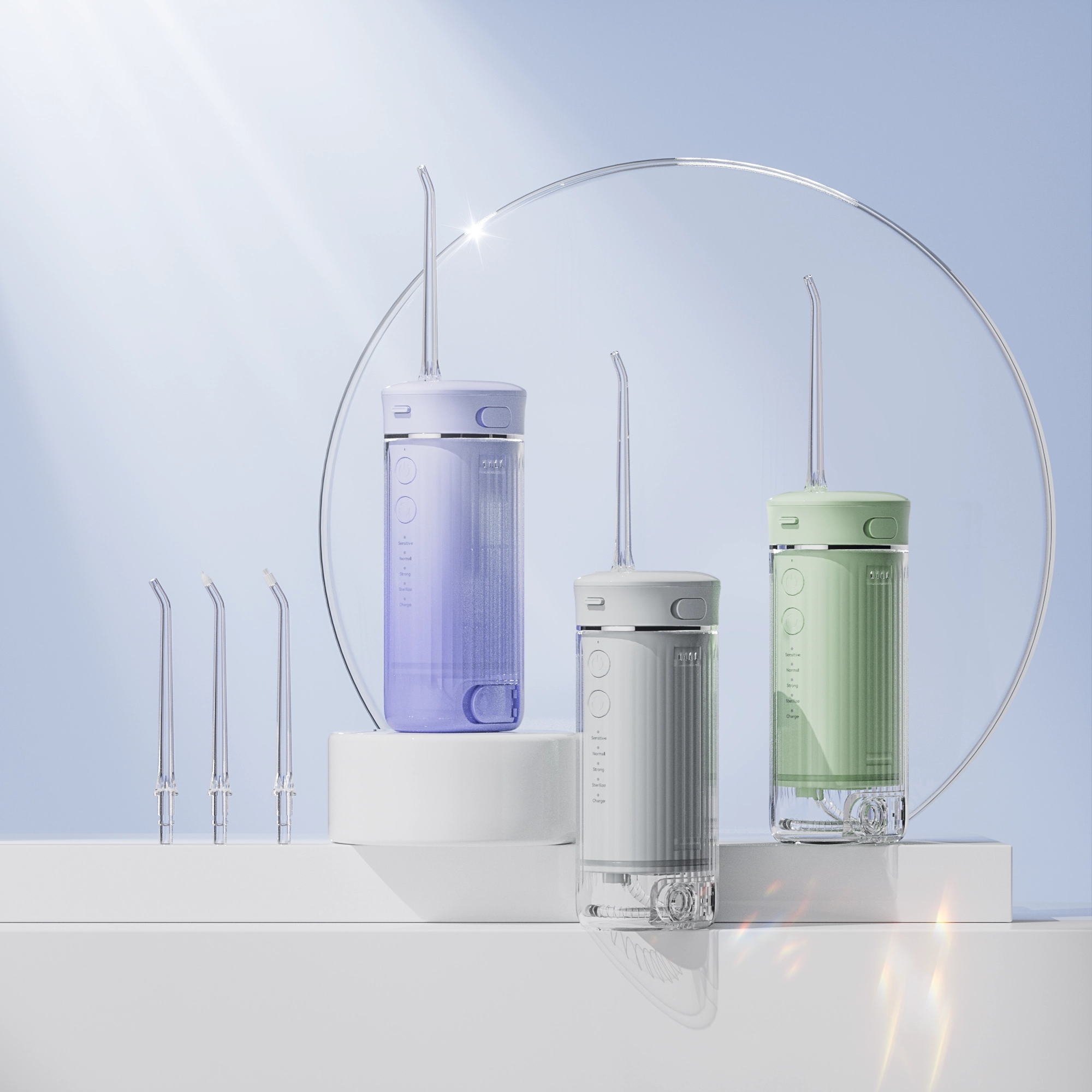
A common misconception is that water flossers can completely replace traditional tooth brushing. While water flossers are highly effective for removing food particles from between teeth, they cannot replace wash teeth with a toothbrush. Here's why both are essential for optimal oral health. 1. Water Flossers Complement Brushing, But Don’t Replace It A water flosser uses a high-pressure water jet to clean between teeth and below the gumline—areas where toothbrush bristles often can't reach. However, it doesn’t effectively rinse plaque on the tooth surface, which requires mechanical brushing to remove. 2. Brushing Removes Plaque; Flossing Cleans Between Teeth Toothbrushes physically scrub away plaque and bacteria from tooth surfaces. Water flossers excel at flushing out debris from tight spaces but cannot provide the same level of cleaning for the entire tooth surface. For comprehensive oral care, both are necessary. 3. Professional Cleanings Still Require an Ultrasonic Dental Scaler Even with regular brushing and water flossing, professional cleanings with an ultrasonic dental scaler are essential to remove hardened tartar. A water flosser helps maintain oral hygiene between dental visits but isn’t a substitute for professional care. 4. Water Flossers Target What Brushes Miss While brushing cleans about 60% of tooth surfaces, water flossers ensure the remaining 40% (between teeth and along…
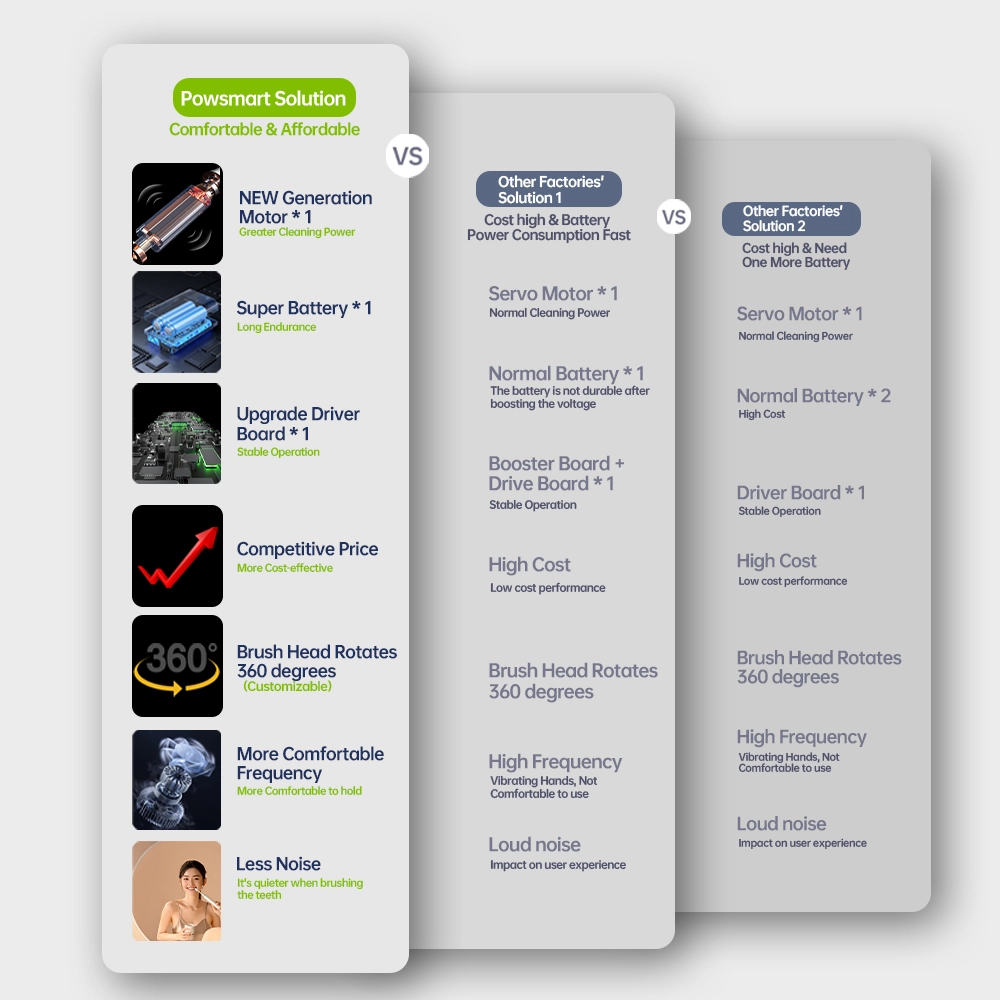
As electric toothbrushes continue to gain popularity, consumers are placing greater emphasis on cleaning power, comfort, and overall user experience. Core components of electric toothbrush — the electric toothbrush motor.This blog explores how high-performance motors, especially magnetic levitation motors powered by sonic technology, significantly enhance brushing efficiency. We’ll also cover how manufacturers can offer OEM customized solutions to help brands tailor performance for different user needs. Understanding the Electric Toothbrush Motor: The Core Driver of Cleaning Action The electric toothbrush motor is the core component of electric toothbrush that drives brush head movement, converting electrical energy into high-frequency mechanical oscillation. Its precision and power directly affect: Brushing speed (vibrations per minute) Stroke amplitude User comfort and noise level A well-designed motor ensures consistent motion and optimized vibration, delivering thorough plaque removal while protecting gum tissue. Magnetic Levitation Motor: Elevating Vibration Efficiency and Stability Among motor types, the magnetic levitation motor stands out due to its efficiency and low noise profile. It suspends the moving parts with magnetic force, reducing mechanical friction. Key benefits include: High-frequency oscillation (up to 42,000 times/min) Minimal energy loss and smoother vibration transfer Quiet operation compared to traditional motors Longer lifespan due to reduced wear For manufacturers, integrating magnetic levitation motors into electric toothbrush designs…
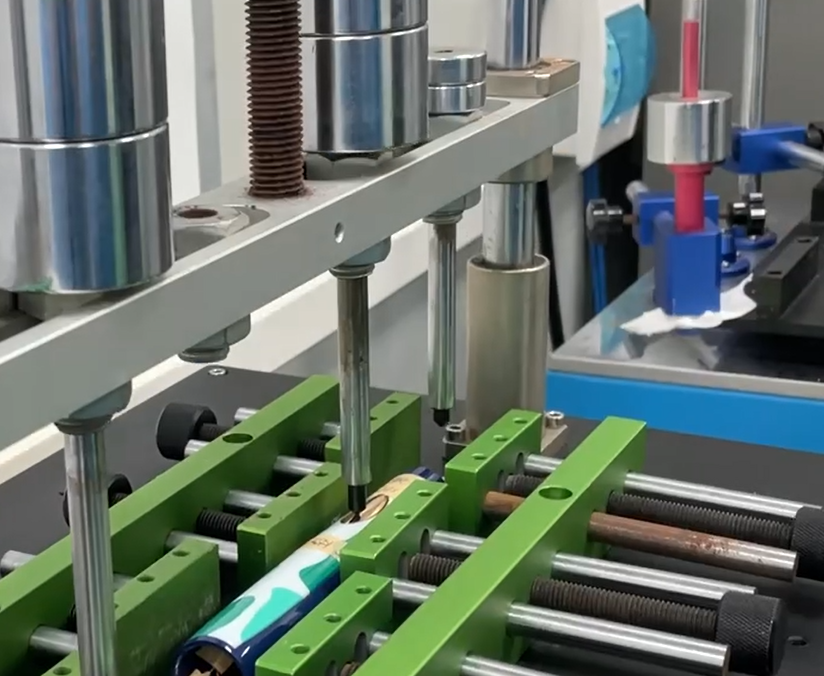
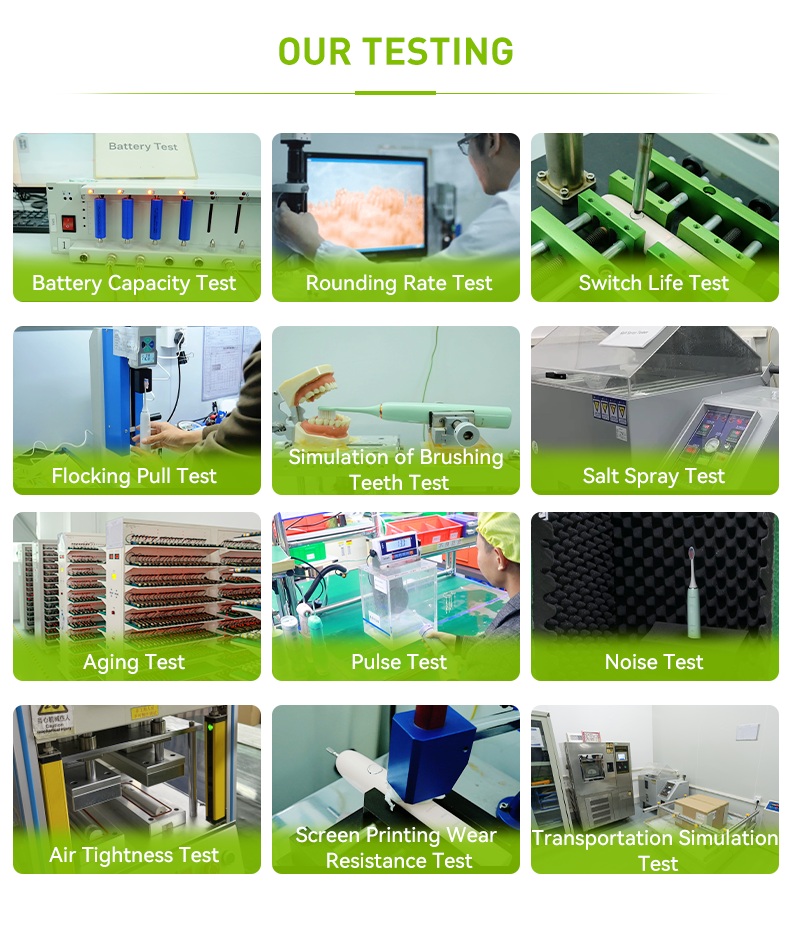
Ensuring high-quality electric toothbrushes is crucial for both manufacturers and consumers. A well-manufactured toothbrush not only enhances the user experience but also plays a vital role in maintaining oral health. For an ISO-certified manufacturer, adhering to strict electric toothbrush quality control processes is essential to meet global safety and performance standards. This blog will explore the manufacturer quality control process and highlight five essential testing standards that every oral care quality control program should follow. Material Safety and Compliance Testing The first step in quality control is ensuring that all materials used in electric toothbrush production are safe, non-toxic, and compliant with international regulations. Key factors include: BPA-Free and FDA-Approved Materials: The plastic components, bristles, and rubber elements must be free from harmful substances. RoHS and REACH Compliance: Ensuring that the product is free from hazardous substances like lead, mercury, and cadmium. ISO 10993 Biocompatibility Testing: This standard ensures that materials in contact with the human body do not cause irritation or allergic reactions. Mechanical Durability and Life Cycle Testing A high-quality electric toothbrush should withstand long-term use without mechanical failure. Manufacturer quality control processes should include: Motor Performance Testing: Verifying that the brush maintains consistent power and vibration levels over its lifespan. Drop…
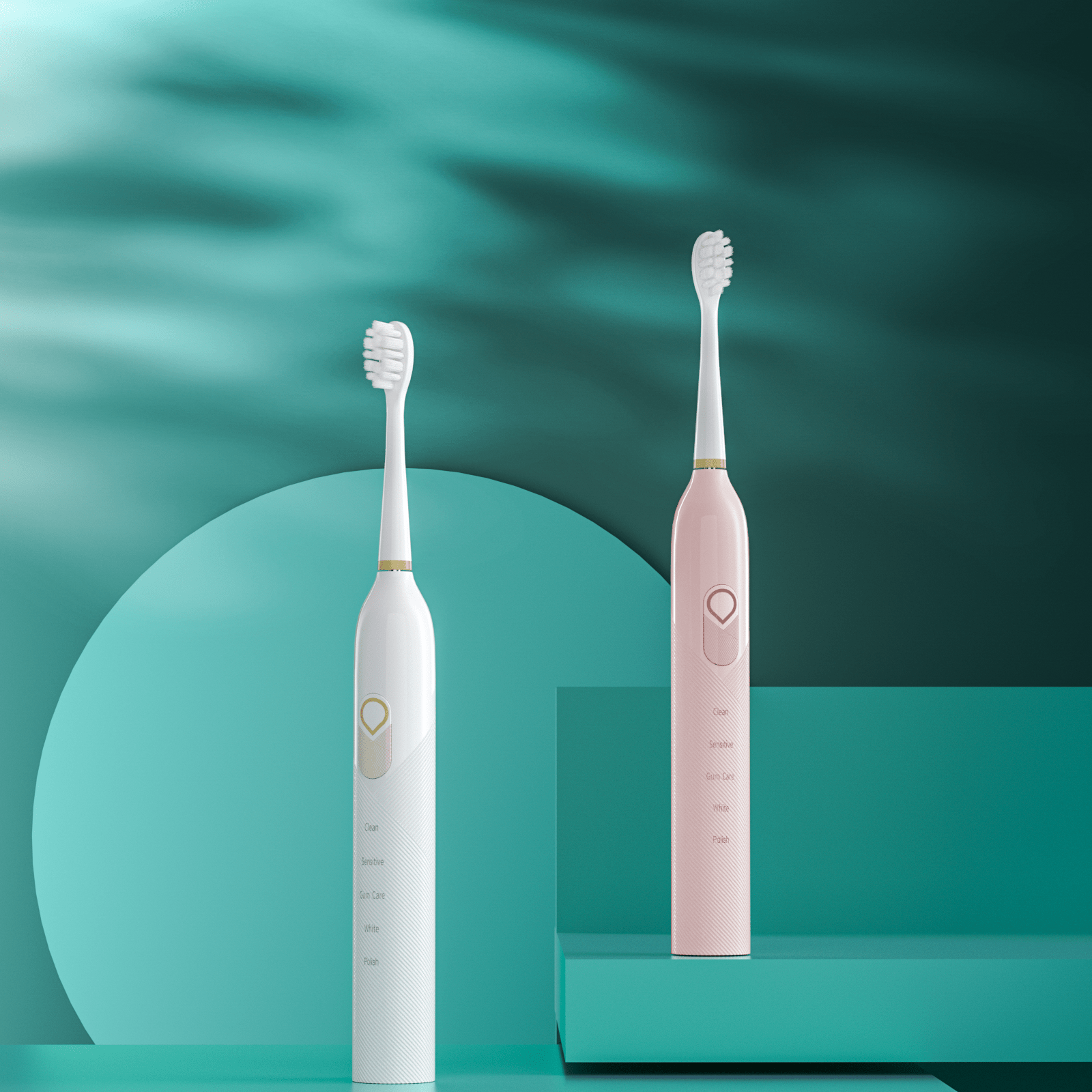
Maintaining optimal oral hygiene requires more than just brushing—it demands the right tools. Sonic electric toothbrushes have revolutionized dental care, offering superior cleaning power and advanced features that manual brushes simply can’t match. In this blog, we’ll explore how these innovative devices contribute to long-term dental care and why they should be a staple in every oral hygiene routine. 1. Deep Cleaning for a Healthier Mouth Unlike manual brushing, which relies on inconsistent motion, sonic electric toothbrushes use high-frequency vibrations (up to 31,000 strokes per minute) to dislodge plaque and debris effectively. This deep cleaning action reaches between teeth and along the gumline, areas often missed by traditional brushing. The result? A cleaner mouth and reduced risk of cavities and gum disease. 2. Enhanced Gum Health with Gentle Yet Effective Cleaning One of the biggest advantages of sonic toothbrushes is their ability to improve gum health. The oscillating bristles stimulate blood flow in the gums while gently removing plaque buildup—a leading cause of gingivitis. Many models include pressure sensors to prevent over-brushing, ensuring a safe and effective clean every time. 3. Customizable Brushing Experience for Personalized Care Not all mouths are the same, and neither should brushing routines be. Modern sonic electric toothbrushes offer a customizable brushing experience with multiple modes (such as…
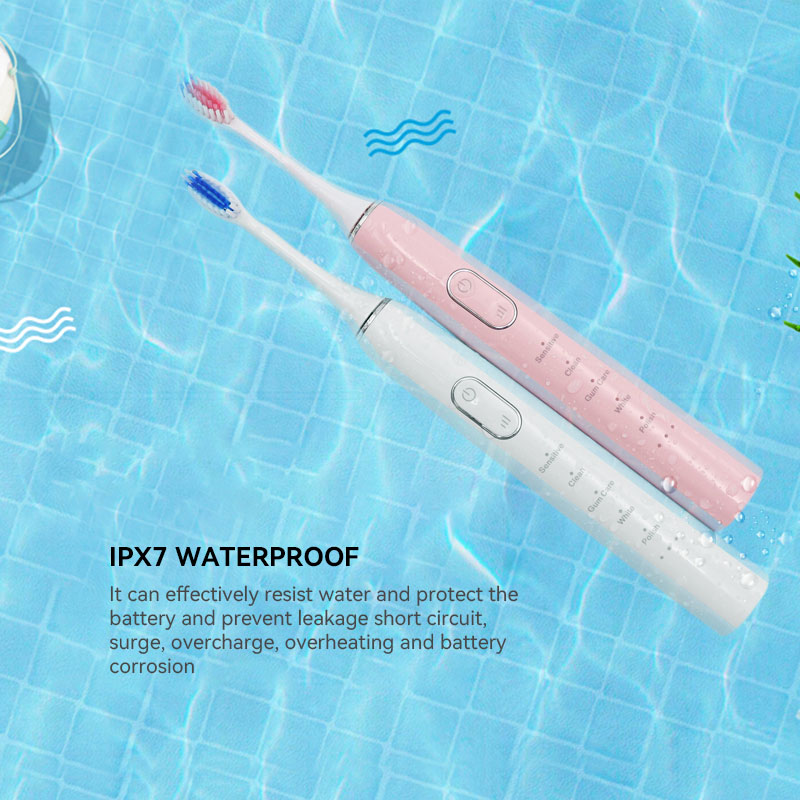
With the increasing popularity of electric toothbrushes, ensuring their durability and longevity has become a key concern for both manufacturers and consumers. One of the most common issues affecting product performance is the water ingress problem in electric toothbrush charging ports. When water seeps into the charging port, it can cause short circuits, corrosion, and device failure. From a manufacturing perspective, preventing water damage requires careful engineering, material selection, and production techniques. In this article, we will analyze the causes of water ingress, explore effective prevention tips for water ingress problems, and discuss advanced solutions to enhance the reliability of charging ports. Understanding the Water Ingress Problem in Charging Ports The charging port of an electric toothbrush is exposed to a high-moisture environment due to regular use in bathrooms. Water ingress can occur due to: Condensation: Steam from hot water can accumulate inside the device. Direct exposure: Splashes from rinsing or accidental submersion in water. Capillary effect: Water creeping into small gaps in the charging port design. If not addressed properly, water ingress can lead to:Electrical failure – Short circuits and malfunctions.Corrosion – Internal components degrade over time.Reduced lifespan – Frequent replacements and increased warranty claims. Common Weaknesses in Charging Port Designs Manufacturers need to be…


.jpg)
.jpg)
.jpg)
.jpg)
.jpg)



.jpg)
.jpg)
.jpg)
.jpg)