In the highly competitive personal care device market, the after-sales return rate is more than just a customer service issue — it directly impacts brand reputation, profitability, and long-term customer loyalty. For manufacturers and brand owners, minimizing the return rate of electric toothbrushes is a critical component of product lifecycle management. In this blog, we’ll explore six effective strategies to reduce the after-sales return rate of electric toothbrushes, from design and production improvements to customer education and support. Improve Product Quality from the Start The most direct way to reduce returns is by ensuring superior product quality at every stage of development and manufacturing. Use high-quality raw materials and components (e.g., long-life lithium batteries, durable ABS plastics). Conduct stringent quality checks during incoming material inspection and final assembly. Implement precision injection molding for shell components to reduce mechanical failures. By eliminating quality-related defects, manufacturers can significantly lower the return rate of electric toothbrushes caused by technical malfunctions or early product failure. Optimize Waterproof and Sealing Design One of the most common causes for electric toothbrush returns is water damage. Invest in advanced sealing technologies (such as ultrasonic welding or rubber overmolding). Design battery compartments and charging ports to be IPX7 or higher waterproof-rated.…
As oral hygiene awareness continues to rise globally, the electric toothbrush industry is experiencing unprecedented momentum. With innovation driving consumer interest and healthcare professionals recommending powered brushing, this segment has become a key driver within the larger personal care category. This blog outlines the major oral care growth trends, electric Toothbrush Growth Opportunities, identifies emerging markets, and evaluates the current electric toothbrush brand competition landscape for strategic insight. Global Electric Toothbrush Market Analysis: A Sector on the Rise Recent electric toothbrush market analysis reveals that the global market is expected to surpass USD 8.5 billion by the end of 2025, growing at a CAGR of over 7%. Key growth drivers include: Increased awareness of oral health Rise in disposable incomes in emerging economies Technological innovations such as AI brushing assistance and smart app integration North America and Europe currently lead in adoption, but Asia-Pacific, particularly China and India, are rapidly expanding markets due to changing consumer habits and urbanization. Oral Care Growth Trend: Beyond Brushing The electric toothbrush is no longer viewed as a luxury item but as a fundamental component of a complete oral care growth trend. The rise in dental care education and preventive healthcare is fueling demand.Key supporting trends include:…
.jpg)
When end users complain about short battery lifespan and frequent motor overheating, it signals a broader product durability issue. To address these challenges at their core, B2B manufacturers must optimize across six dimensions: battery systems, motor cooling, component selection, firmware control, holistic thermal management, and rigorous quality assurance. Battery System Optimization: Extend Battery Lifespan First, to improve battery lifespan, consider: High-Capacity Cells: Specify lithium-polymer cells with energy densities above 300 Wh/kg and cycle lives exceeding 1,000 charge/discharge cycles. Battery Management IC (BMS): Integrate over-charge, over-discharge, and temperature protections to prevent premature aging under extreme conditions. Low-Power Sleep Modes: Use firmware to detect idle periods and enter deep-sleep, minimizing parasitic drain when not in active use. By aligning cell selection with intelligent power management, you ensure sustained runtime across typical brushing routines. Motor Cooling Design: Prevent Motor Overheating Next, tackling motor overheating requires structural measures: Internal Air Channels: Mold circumferential vents in the handle to channel airflow generated by brushing motions, dissipating heat away from the motor. Thermal Interface Materials: Place thermally conductive silicone and graphite sheets around the motor housing to accelerate heat transfer to the shell. Over-Temperature Safeguards: Embed thermal sensors that throttle motor speed or shut down operation…
High noise levels in electric toothbrushes can signal mechanical inefficiencies that not only annoy users but may also compromise cleaning efficacy, especially if the device’s water resistance features are compromised by vibration-induced seal fatigue. In this post, we explore six factors linking sound output to actual plaque removal and offer guidance for B2B manufacturers to design quieter, more effective products. Acoustic Signatures and Bristle Performance First, louder handles often indicate excessive motor vibration: Resonant Peaks: Unbalanced rotors create tonal spikes that amplify perceived noise without adding brushing power. Energy Loss: Acoustic energy dissipated as sound reduces the net mechanical force transmitted to bristles. Stability Impact: Increased vibration can cause bristle splaying, lowering contact pressure on tooth surfaces and diminishing plaque disruption. By analyzing acoustic spectra during R&D, engineers can balance rotor mass to maximize bristle-to-enamel force, not noise. User Behavior Under High Noise Levels Moreover, users react to loud devices in ways that impair brushing technique: Shortened Sessions: Prolonged noise discomfort often leads to cutting brushing time below the ADA-recommended 2 minutes. Lightened Grip: To muffle vibration, users press more lightly, reducing bristle penetration into interdental zones. Erratic Movement: Noise-induced startle responses cause inconsistent brushing patterns and missed surfaces. Designing…
In today’s fast-evolving personal care market, managing stock effectively is a major challenge for electric toothbrush distributors. With rising product diversity, seasonal demand fluctuations, and rapidly changing consumer preferences, how can distributors reduce inventory risk has become a critical component of a successful electric toothbrush distribution strategy. This blog outlines key approaches to effective inventory management, highlighting how distributors can optimize their operations, improve cash flow, and reduce procurement risks while meeting market demands. Understand Market Demand Through Data Analytics Accurate forecasting is the first step toward reducing inventory risk. Distributors should utilize sales data, market trends, and seasonality to predict demand accurately. Use historical sales data for trend analysis Monitor emerging preferences (e.g. smart toothbrushes, sustainable materials) Adjust stock levels dynamically based on demand signals This data-driven approach allows distributors to align stock quantities with real-time market needs, reducing the chances of overstocking or understocking. Keywords integrated: Inventory management, Electric toothbrush distribution strategy Adopt a Just-in-Time (JIT) Inventory Model The Just-in-Time model minimizes inventory holding costs by aligning procurement with actual demand. This strategy is particularly effective for high-value, fast-evolving products like electric toothbrushes. Reduces warehouse costs and excess inventory Lowers capital tied up in unsold goods Enhances flexibility to respond to new…
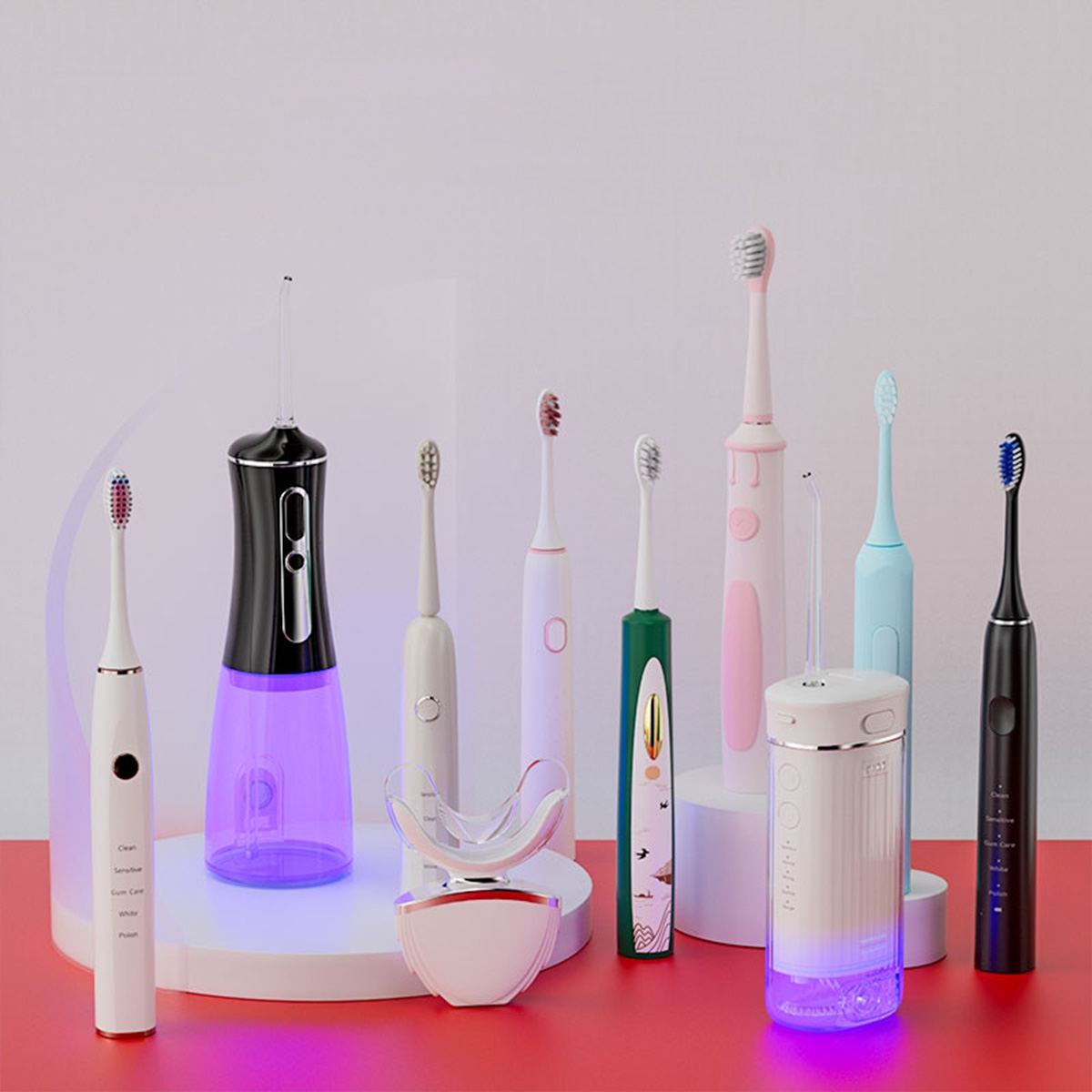
The global demand for smart personal hygiene tools continues to grow in 2025, with the electric toothbrush wholesale market seeing notable expansion across Asia, Europe, and North America. As more consumers prioritize preventive dental care, distributors and retailers are actively sourcing high-performance, affordable, and innovative electric toothbrushes to meet market demand. In this blog, we analyze the latest oral care distribution trends and present some of the best-selling models in the wholesale channel this year. Market Overview: Shifting Preferences & Distribution Channels The electric toothbrush wholesale market in 2025 is shaped by several key factors: Rising oral health awareness: Consumers are investing more in preventive care tools. E-commerce and cross-border trade: B2B platforms and digital wholesale channels are playing a bigger role. Smart and minimalist designs: Retailers prefer products that are not only functional but visually appealing and easy to use. Moreover, oral care distribution trends show growing interest from pharmacies, lifestyle retailers, and subscription box services, all seeking product lines that offer a balance of affordability, brand quality, and technical features. Key Product Features That Drive Sales To remain competitive, best-selling models often share the following attributes: Multiple brushing modes (sensitive, whitening, gum care) Long battery life and USB-C charging Sonic vibration or magnetic levitation motors for high…
.jpg)
As global demand for smart personal care products rises, electric toothbrush distribution is becoming one of the most profitable segments in the oral hygiene market. For distributors and wholesalers, selecting the right product can significantly impact revenue, brand reputation, and customer retention. This guide is designed to help distributors identify high-profit electric toothbrush, evaluate wholesale purchasing strategies, and confidently enter or expand their electric toothbrush offerings. Understand the Market: Why Electric Toothbrushes Are Booming Electric toothbrushes are no longer a luxury item—they’re a daily essential for millions. According to market research, the global electric toothbrush market is expected to exceed USD 7 billion by 2027. The surge is driven by: Consumer awareness of oral health A rise in smart healthcare devices Growing demand in emerging markets For distributors, this trend presents a unique opportunity to capitalize on high-margin oral products that combine innovation with consumer demand. Key Features to Look For in a High-Profit Electric Toothbrush Not all electric toothbrushes are created equal. High-profit products typically include: Multi-mode functionality (clean, sensitive, gum care, etc.) Rechargeable lithium batteries for long-term use Smart features like timers, pressure sensors, or app connectivity Ergonomic and aesthetic design to attract end-users These features allow for premium pricing and improve your margin…
When end users experience vibration discomfort, they may inadvertently apply more force or switch to a harder mode—actions that can contribute to tooth loosening, especially when paired with overly stiff brush hardness. In this article, we explore six key considerations for B2B manufacturers to ensure vibration remains therapeutic, not detrimental. Understanding Safe Vibration Amplitudes First, it’s crucial to recognize the thresholds where stimulation becomes excessive: Clinical studies suggest that vibration amplitudes above 0.5 mm at frequencies over 250 Hz can irritate periodontal ligaments. Beyond comfort, sustained high‐amplitude oscillation may fatigue connective tissues, setting the stage for mobility. Recommendation: Calibrate your motor-drive algorithms to limit peak amplitude and maintain a consistent, controlled stroke. By defining safe amplitude bands, you prevent users from unknowingly exceeding biological tolerance. Mechanisms Linking Vibration to Tooth Loosening Next, we examine how repeated micro-oscillations translate into structural stress: Ligament Microtrauma: Excessive vibration transmits force through the crown into the periodontal ligament, causing micro-tears. Bone Remodeling: Chronic micro-injury can trigger bone resorption cycles, weakening tooth support. Cumulative Fatigue: Even moderate vibrations, if unmodulated, accumulate over time, increasing the risk of tooth loosening. Understanding these pathways informs both hardware and usage‐pattern design to minimize risk.Company web: https://www.powsmart.com/product/electric-toothbrush/ Balancing Brush…
When users encounter charging failures, they often interrupt and restart their electric toothbrushes, which can lead to gum bleeding. Moreover, these irregular restarts can accelerate brush head replacement, causing uneven bristle wear that further irritates the gums. Below, we examine this causal chain from six perspectives and offer practical solutions. Identifying Common Causes of Charging Failures First, pinpointing why charging fails helps address the root: Poor Contact: Metal charging contacts corrode or become dirty, preventing reliable current flow. Circuit Design Flaws: Oversimplified charging-management ICs can’t handle voltage fluctuations. Battery Aging: Increased internal resistance in old cells prevents them from accepting or holding sufficient charge, causing frequent dropouts. By tackling these issues, you can minimize mid-brush power interruptions. Impact on Motor Performance and Brush Head Wear Next, repeated charge–drop cycles not only stress the motor but also disrupt brush-head behavior: Erratic Vibration: When power dips, the motor slows or stops, failing to maintain consistent amplitude. Accelerated Bristle Fatigue: Uneven vibration causes local overbending, shortening brush-head lifespan and forcing earlier head replacement. Variable Bristle Stiffness: Worn bristles develop inconsistent rigidity, increasing friction against gums and causing micro-abrasions. Thus, charging failures directly drive up brush-head replacement frequency and gum irritation. Voltage Instability &…
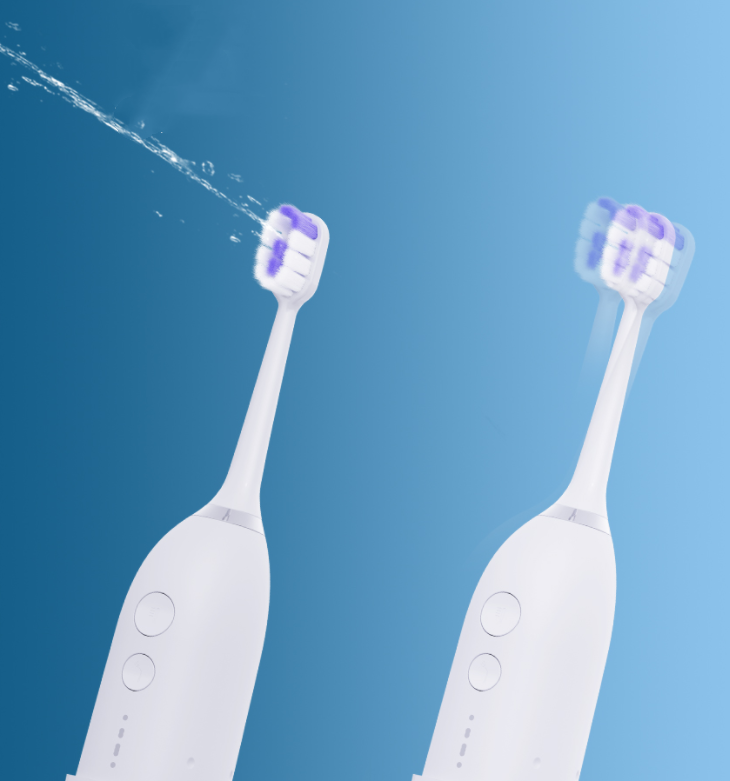
As consumer expectations evolve, the demand for multi-function oral care solutions has surged. Among the most innovative developments are two-in-one electric toothbrushes and oral irrigators—devices that combine brushing and water flossing in one compact unit. But are these hybrid devices truly the best option? In this guide, we provide a balanced analysis of the pros and cons of two-in-one electric toothbrushes and oral irrigators, offering insights for brands and manufacturers considering this category. https://www.powsmart.com/ Market Demand: Why Consumers Love Multi-Function Oral Care The modern consumer seeks efficiency, convenience, and space-saving design. A two-in-one electric toothbrush and oral irrigator caters perfectly to: Urban dwellers with limited bathroom space Travelers seeking compact oral care solutions Users desiring a simplified daily routine without compromising dental hygiene These trends drive growing interest from distributors and OEM partners to expand their product lines with multi-function oral care solutions. Advantages of Two-in-One Devices Let’s break down the key benefits of these hybrid solutions: Space Efficiency Combining two essential devices into one saves counter space and reduces clutter—ideal for modern, minimalist bathrooms. Cost-Effectiveness From a consumer perspective, buying one device instead of two can lower upfront costs. For brands, bundling features into a single SKU simplifies logistics. Travel Convenience Most…
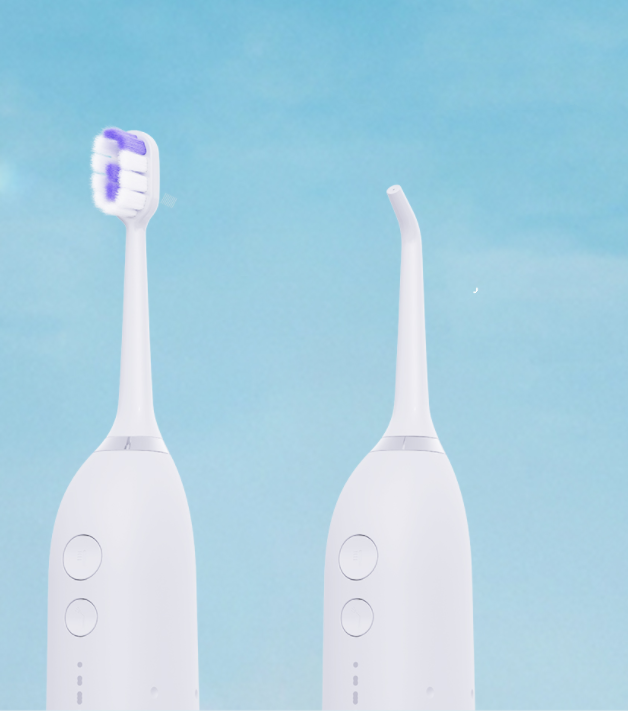
In recent years, consumer interest in multifunctional oral hygiene solutions has been on the rise. As people seek more efficient and convenient routines, the electric toothbrush + water flosser combination has emerged as a game-changing innovation. This two-in-one device offers users a comprehensive oral care solution in a compact and easy-to-use form. As an oral care products factory, understanding real market feedback is essential to guide future development and investment. Why the Two-in-One Device Is Gaining Popularity The rise in demand for two-in-one devices reflects shifting consumer preferences toward space-saving, travel-friendly, and tech-integrated solutions. Combining brushing and flossing in one device eliminates the need for two separate products, while also improving the consistency of oral hygiene routines. Key reasons for popularity include: Time efficiency: Simultaneous brushing and water flossing saves time. Minimalism: Reduces clutter on the bathroom counter. Cost-effectiveness: One purchase, multiple functions. Improved compliance: Easier for users to follow a daily oral care routine. Market Feedback from End-Users and Distributors Our team at the oral care products factory has collected feedback from global distributors and end-users over the past 12 months. Highlights include: Positive Consumer Response:Most users reported a noticeable improvement in oral cleanliness and gum health. They appreciated the innovation and were…
.jpg)
In today’s consumer-driven market, oral care devices are no longer just functional tools—they’re lifestyle statements. A new generation of users, especially younger demographics, value both design and smart features. As a result, manufacturers must rethink the appearance design of electric toothbrushes to balance beauty, functionality, and tech integration. This article explores how the fusion of Macaron colors electric toothbrush designs and APP interconnectivity creates a winning premium strategy for smart toothbrush brands—while still offering affordable oral care options. The Role of Color in Product Differentiation: Why Macaron Colors Work Traditional electric toothbrushes often stick to clinical whites and silvers. However, this trend is shifting. The Macaron color electric toothbrush palette—pastel pinks, mint greens, sky blues, and lavender purples—evokes a sense of freshness, style, and personalization. Why this matters: Visual differentiation on shelves and e-commerce platforms Emotional connection with users, especially Gen Z and Millennials Increased shareability and “Instagrammability”, boosting organic brand exposure Adopting trendy colors is a cost-effective way to enhance perceived product value and appeal, an important element in today’s premium strategy for smart toothbrush offerings. APP Interconnection: Elevating Functionality Through Smart Design Modern consumers are increasingly looking for intelligent features in their personal care tools. APP connectivity is no longer a luxury—it’s becoming a…
Many high-end oral-care devices suffer from frequency instability and smart timer malfunction, leading to reduced cleaning effectiveness, poor user experience, and increased after-sales repairs. To resolve this dual challenge, B2B manufacturers must address six key areas—from hardware design and firmware logic to rigorous testing and user education. Flaws in Drive Circuit and Feedback Loop Design First, frequency instability often stems from deficiencies in the motor driver circuit and feedback loop: Lack of a Precision Encoder: Without real-time motor speed sensing, the firmware cannot correctly adjust output, causing frequency drift. Feedback Latency: Low sampling rates for analog feedback introduce gaps where the motor “sticks” at an unstable frequency under varying loads. Insufficient Filtering and EMI Protection: Power-line noise and brush vibration can corrupt feedback signals, amplifying frequency fluctuations. Improving both circuitry and closed-loop algorithms is the first step to stabilizing vibration frequency. Mismatch Between Timer Logic and Clock Source Next, smart timer malfunction often relates to imprecise timing hardware and firmware: Crystal Oscillator Drift: Using a low-grade crystal or no temperature compensation leads to cumulative timing errors. Interrupt Priority Conflicts: When timer interrupts clash with drive-control tasks, missed interrupt signals can freeze or reset the timer. Software Counter Overflow: Inadequate variable…
Many of our channel partners have reported battery corrosion issues and charging base failure in their electric toothbrush lines—compromising reliability and increasing warranty costs. In this article, we’ll explore six underlying causes and best-practice solutions to help B2B manufacturers design more robust products and reduce after-sales headaches. Moisture Ingress and IP Rating Shortcomings First, inadequate sealing often lets water or condensation enter the handle: Low IP Protection: Devices rated only IPX4 may resist splashes but fail under submersion or steam. Capillary Action: Microscopic gaps around buttons or seams draw in moisture over repeated rinsing. Corrosive Environment: Salty saliva and toothpaste residues accelerate metal oxidation inside the battery compartment. Solution: Upgrade to at least IPX7-rated enclosures, implement lab-tested gasket seals around all openings, and design overmolded button assemblies to eliminate crevices. Battery Pack Design and Protective Coatings Next, the choice and treatment of cells directly affect corrosion resistance: Uncoated Cells: Standard Li-ion or NiMH cells without conformal coating are vulnerable to electrolyte leaks and surface rust. Poor Venting: Sealed packs with no pressure relief can crack seals when gases build up, allowing moisture in. Material Compatibility: Solder tabs and welds exposed to water degrade faster if they’re not tin-plated or gold-flash…
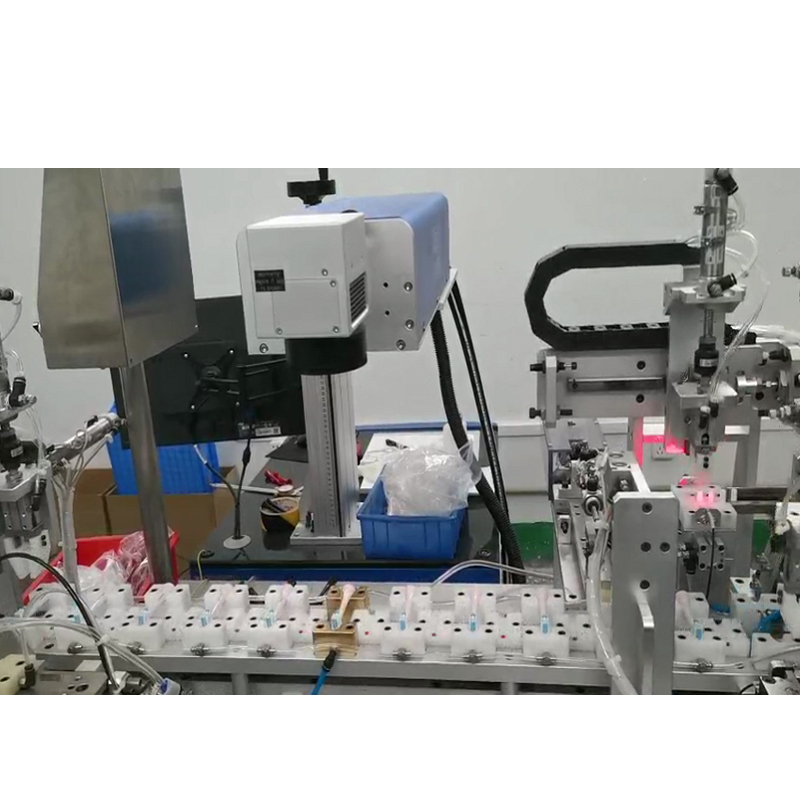
In today's competitive oral care market, product performance is no longer the only driver of consumer preference—appearance now plays a vital role. Consumers are increasingly drawn to products that are not only functional but also visually striking. This is especially true in personal care electronics such as electric toothbrushes. For manufacturers, adopting gradient color technology through injection molding offers a powerful way to improve attractiveness of electric toothbrushes that resonates with modern consumers and stands out on retail shelves. What Is Gradient Color Injection Molding Technology? Gradient color technology is a specialized plastic injection molding process that allows multiple color tones to blend seamlessly into one another on a single molded part. Unlike traditional single-color molding, this technique: Enables smooth color transitions (e.g., blue to white, pink to purple) Creates a premium, dynamic look without painting or secondary processing Offers long-lasting, scratch-resistant finishes directly out of the mold This innovative technology for electric toothbrushes not only enhances aesthetics but also increases manufacturing efficiency. Boosting Product Appeal Through Visual Marketing Visual marketing is a crucial part of selling consumer electronics. In retail environments and online platforms, buyers often make split-second decisions based on product appearance. Gradient color finishes offer several benefits: Striking shelf presence: Unique…
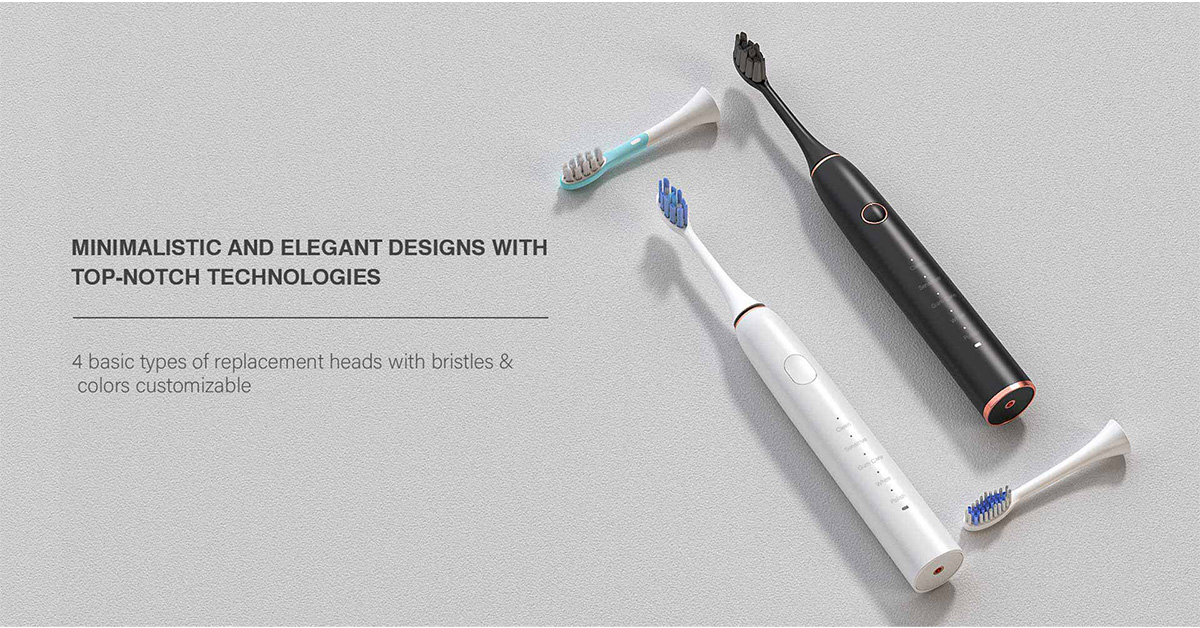
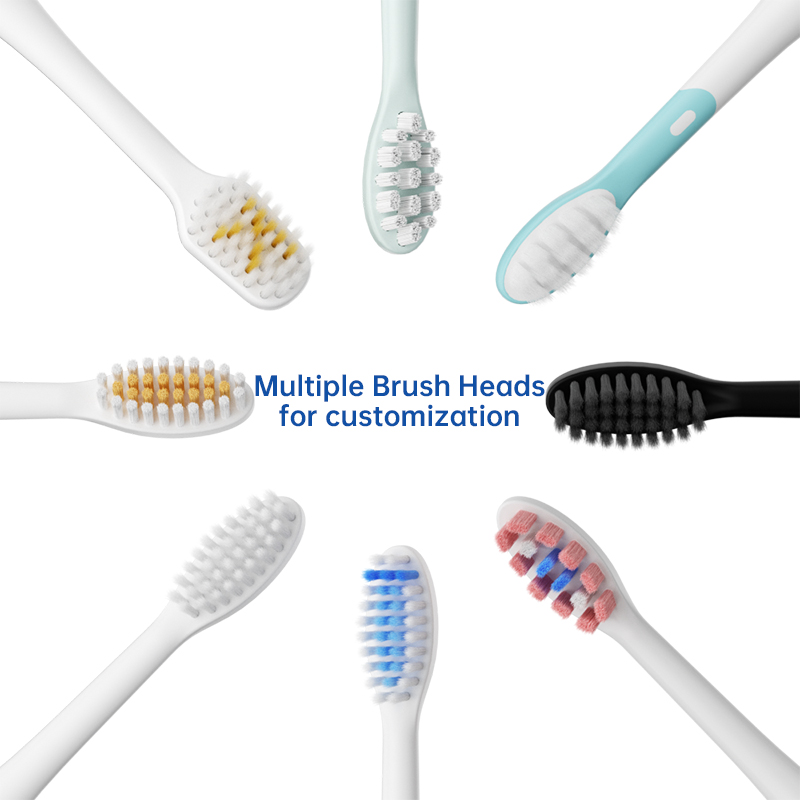
For electric toothbrush brands and OEM partners, improving customer lifetime value is critical. One effective strategy is optimizing the brush head + toothbrush handle adaptation structure to encourage repeat purchases. A smart design approach not only enhances usability and satisfaction, but also opens the door to recurring revenue through replaceable parts, especially brush heads. In this blog, we explore how thoughtful engineering and product planning—aligned with sustainability and market trends—can help electric toothbrush manufacturers increase repurchase rate. The Power of Modular Design: Making Repurchase Easy A modular accessory design that allows users to easily detach and replace the brush head is fundamental. Key considerations include: Universal fit systems across product lines Durable locking mechanisms that are user-friendly Stable electrical connections for sonic or oscillating performance By simplifying replacement, manufacturers lower the barrier for consumers to repurchase brush heads regularly—either individually or through a brush head subscription service. Replaceable Parts = Sustainable Strategy Modern consumers are increasingly eco-conscious. Offering replaceable parts, such as interchangeable brush heads, supports sustainability in product design. Instead of discarding an entire device, users can extend product life by only replacing worn-out components. This approach positions your brand as environmentally responsible, which enhances customer loyalty and aligns with global ESG trends—especially important…
At PowSmart, our dedication to crafting best-in-class Oral Care Products—from advanced electric toothbrush systems to smart water flossers—drives everything we do. By combining rigorous R&D, premium materials, and industry-leading quality controls, we ensure that every device we deliver meets the highest standards of performance, safety, and reliability for our B2B partners. World-Class R&D and Engineering Excellence First and foremost, our innovation begins in the lab: Dedicated Innovation Center: We invest in a state-of-the-art R&D facility staffed with mechanical, electrical, and materials engineers focused exclusively on oral-care technology. User-Centered Design: Through extensive user-profile analysis and human-factors testing, we optimize handle ergonomics, bristle configurations, and interface workflows. Proprietary Drive Algorithms: Our in-house motor control firmware delivers precise oscillation patterns and power management, balancing cleaning efficacy with battery life. These efforts translate into devices that outperform generic offerings and impress end users. Premium Materials and Manufacturing Processes Moreover, quality starts with the right inputs: Medical-Grade Components: All parts in contact with the mouth—bristles, mouthpieces, silicone seals—adhere to FDA and EU food-contact and biocompatibility standards. Automated Precision Assembly: Our ISO 13485-certified factories employ robotics and vision systems to ensure consistent tolerances, perfect seal integrity, and zero human error in critical steps. Lean Production Controls:…
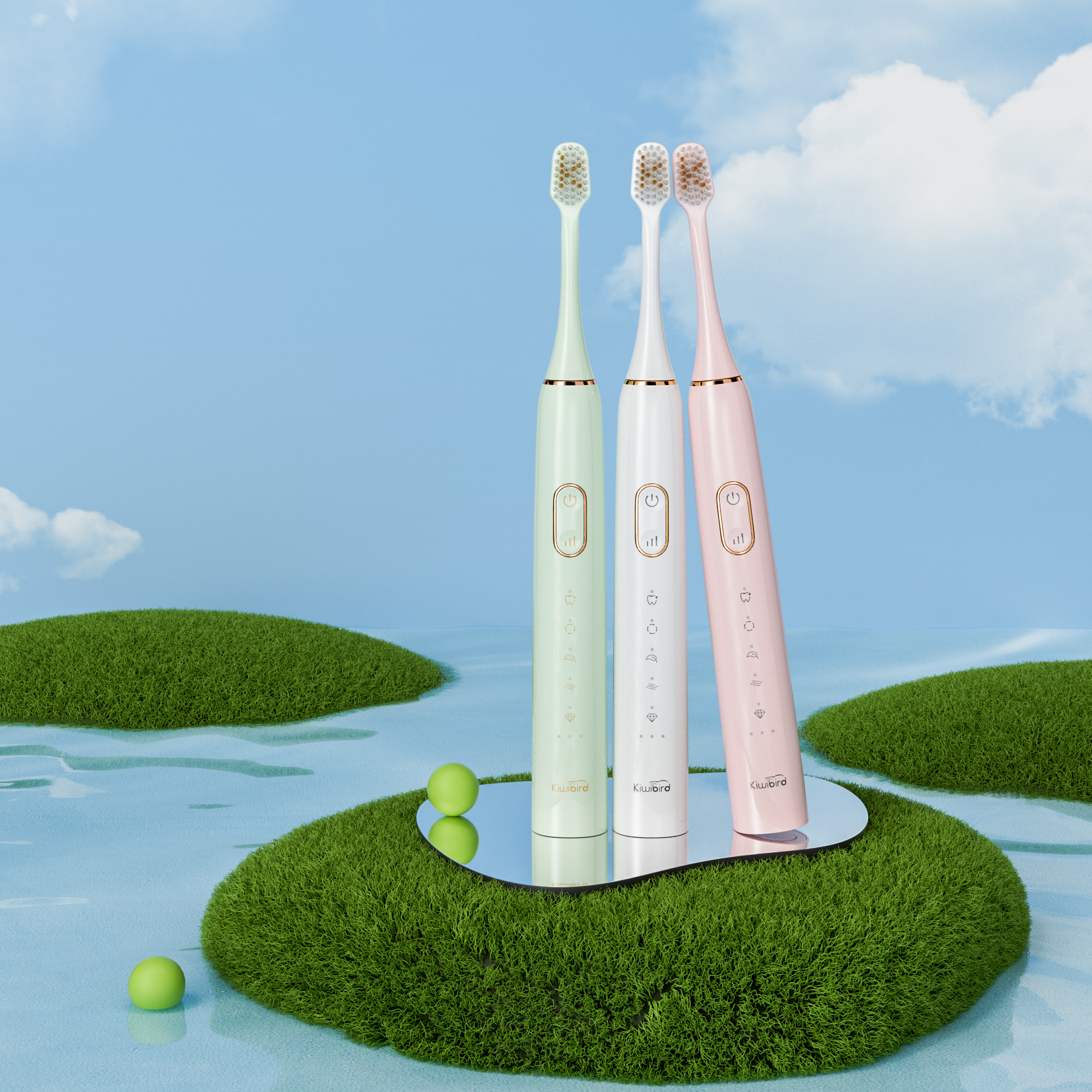
In today’s competitive oral care market, consumers expect more than just effective cleaning from their electric toothbrush—they expect convenience, reliability, and portability. A long endurance electric toothbrush has emerged as a powerful selling point, helping brands differentiate their products in crowded retail and e-commerce spaces. For B2B clients such as retailers, importers, and private label brands, partnering with a forward-thinking electric toothbrush manufacturer that prioritizes battery endurance can result in stronger market appeal and higher customer satisfaction. Consumer Lifestyle Demands: The Need for Less Frequent Charging Modern consumers lead busy, mobile lifestyles. They prefer devices that can keep up with their pace. A long-lasting electric toothbrush typically offers: Up to 30–60 days of use on a single charge Hassle-free morning routines without daily recharging Peace of mind during travel or outdoor use This benefit strongly resonates with end users and increases perceived value, especially in premium and mid-range markets. Lithium Battery Technology: Powering Endurance and Efficiency At the heart of every long-endurance toothbrush is advanced lithium battery technology. Compared to traditional NiMH batteries, lithium batteries offer: Higher energy density Faster charging time Longer lifespan Lightweight design Professional electric toothbrush manufacturers increasingly use lithium-ion or lithium-polymer cells to power high-performance, compact devices that meet today’s…

The global population is aging rapidly. By 2050, people aged 60 and above are expected to account for over 20% of the world’s population. This demographic shift presents a powerful opportunity for product innovation—especially in the health and wellness sector. For an electric toothbrush manufacturer, the challenge lies in designing oral care tools that cater to the physical and cognitive needs of older adults. One compelling solution? The voice electric toothbrush with built-in multi-language voice prompts. Understanding the Needs of the Silver-Haired Market To effectively serve the silver-haired market, it's essential to understand their unique challenges: Decreased vision and hearing Limited dexterity or reduced grip strength Cognitive impairments or memory decline Language and cultural diversity among older users worldwide Traditional electric toothbrushes often fall short in meeting these needs. However, voice guidance and multilingual support can greatly enhance usability and daily compliance for seniors. The Role of Voice Electric Toothbrushes in Enhancing Accessibility A voice electric toothbrush can deliver real-time spoken instructions, such as: When to switch brushing zones How long to brush each area Gentle reminders on pressure or technique For seniors who may struggle with reading small displays or interpreting vibrations, audible voice prompts significantly increase accessibility, making daily oral care…
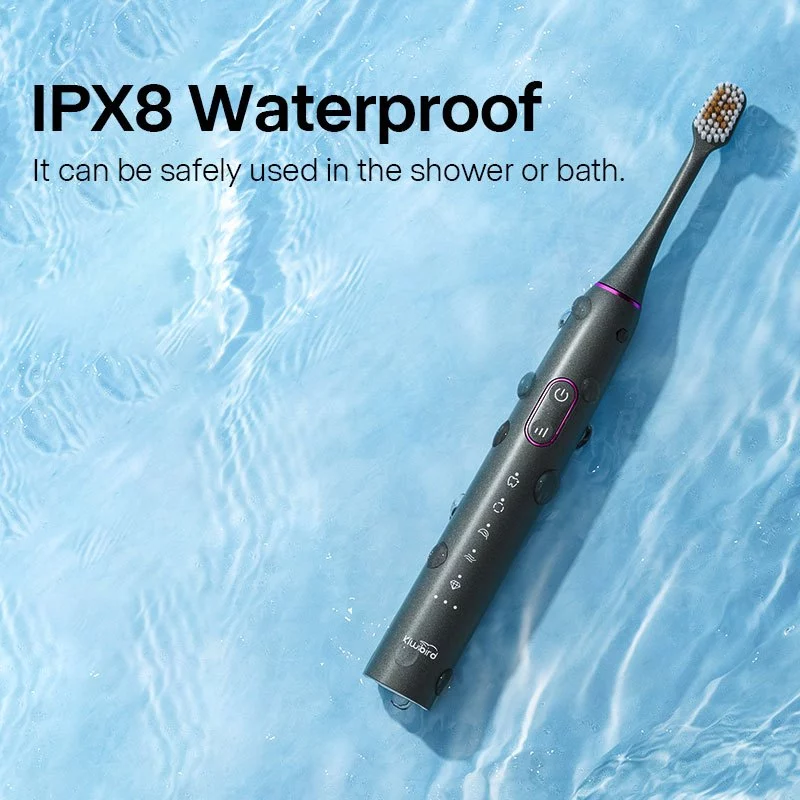
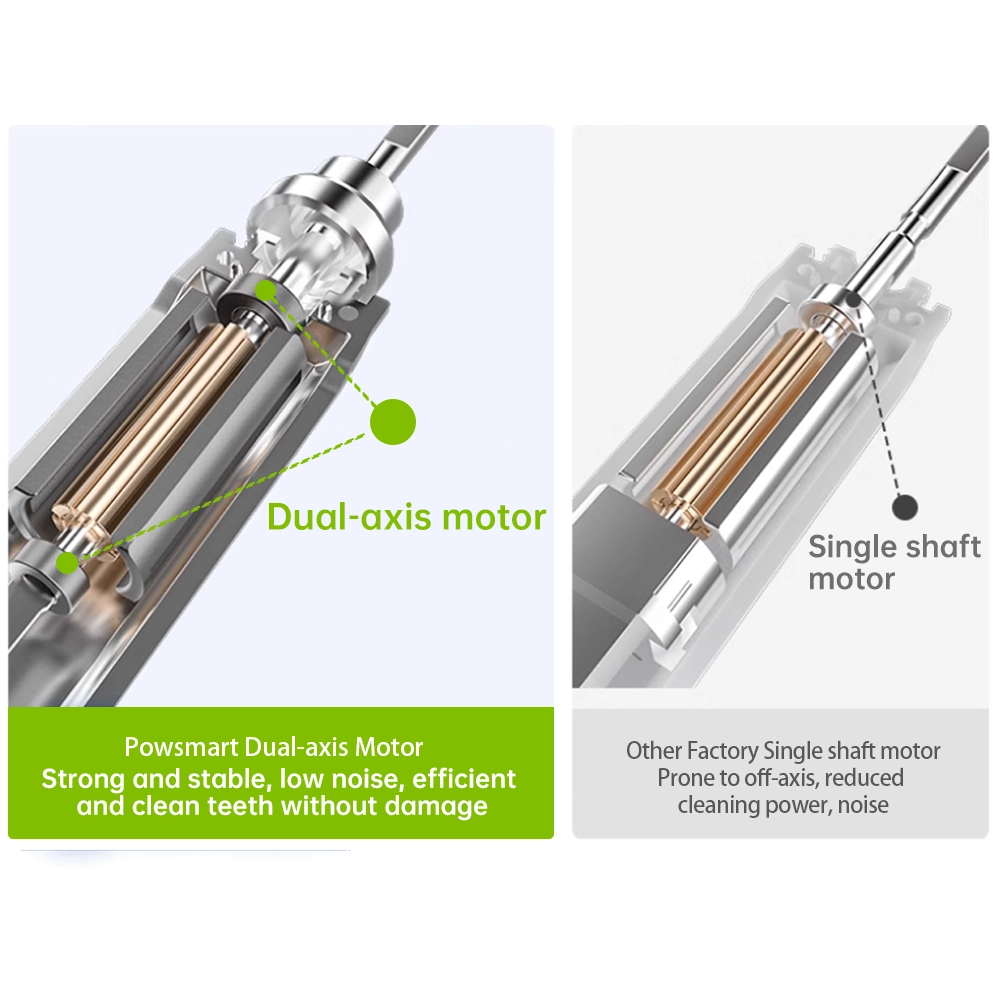
In today’s review-driven marketplace, common negative reviews of electric toothbrushes can directly affect brand reputation and sales performance. For any OEM or ODM electric toothbrush manufacturer, understanding the root causes of customer complaints and proactively solving them is not just important—it's essential. This article explores common quality issues, the most frequent negative feedback from end users, and how suppliers can implement effective solutions to quality issues of electric toothbrushes during product design and manufacturing stages. Weak Battery Life and Charging Failures User Complaint:“Battery dies too quickly” or “Won’t charge after a few weeks.” Common Quality Issue:Low-grade lithium batteries, poor charging port designs, or inadequate battery management systems. Supplier-Side Solution: Use high-quality, certified lithium batteries with tested charge cycles. Integrate intelligent battery management systems to prevent overcharging or deep discharge. Perform aging tests on power units during QC inspections. As a reliable electric toothbrush manufacturer, it’s critical to test battery systems under simulated daily use to avoid early failures. Motor Malfunction or Insufficient Vibration User Complaint:“Motor stopped working” or “Not strong enough to clean properly.” Common Quality Issue:Substandard motor components or poor assembly leading to motor disconnection or weak performance. Supplier-Side Solution: Source high-performance, durable micro motors from trusted suppliers. Reinforce internal motor…


.jpg)
.jpg)
.jpg)
.jpg)
.jpg)






.jpg)