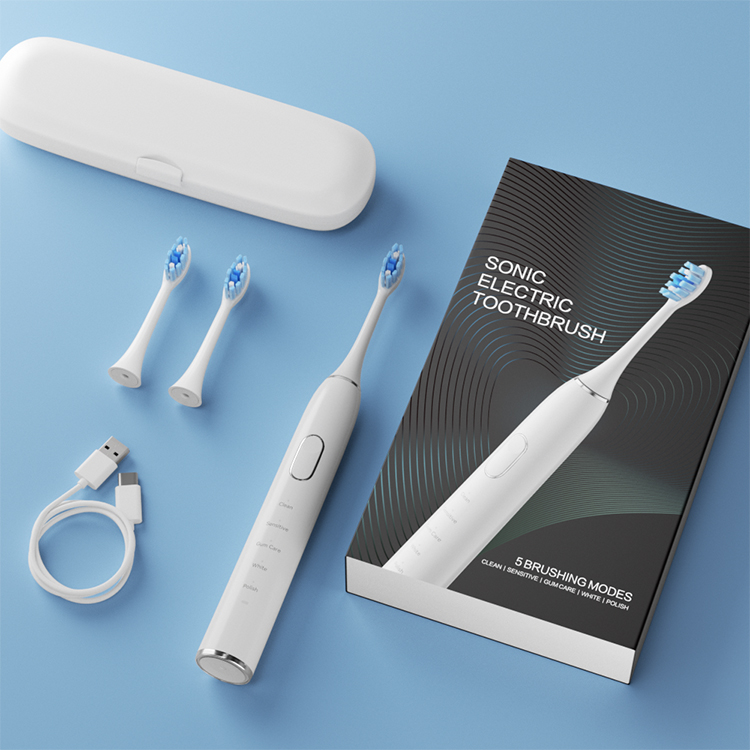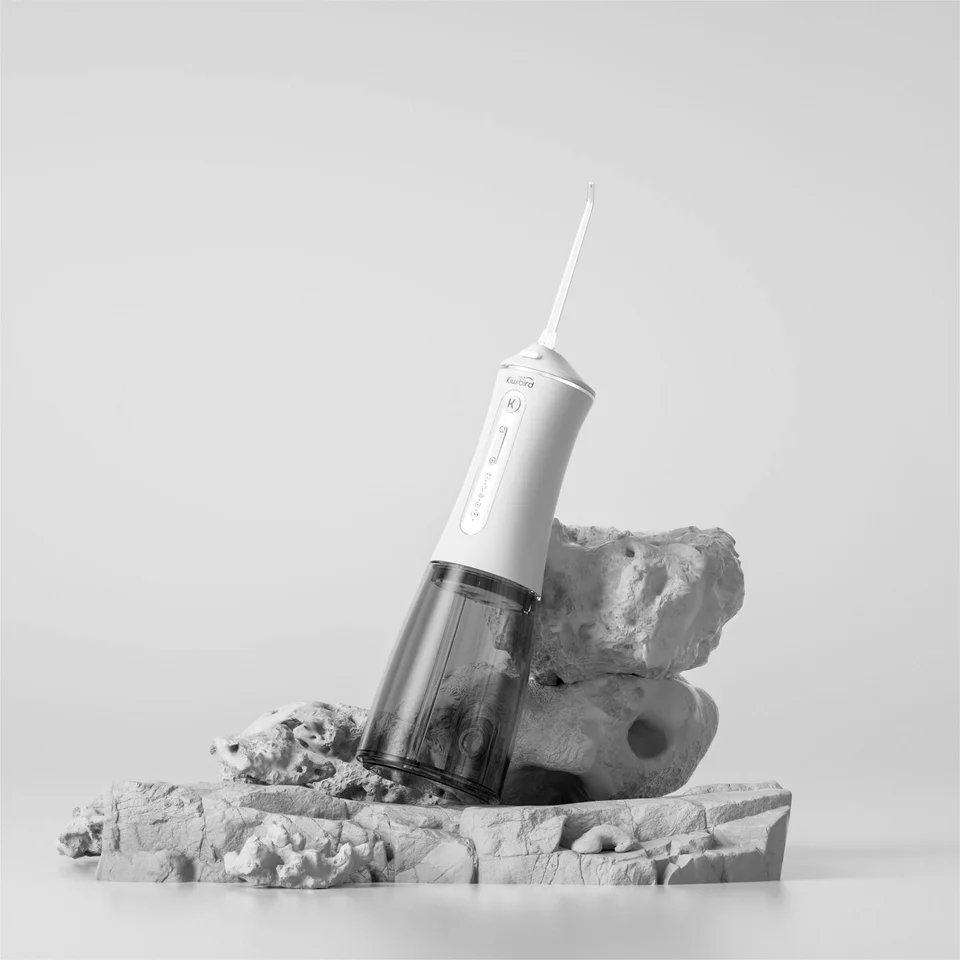
In today’s competitive oral care market, offering combinations of oral care products in well-thought-out sets has become a strategic tool for increasing brand visibility and boosting customer loyalty. Whether you're a DTC startup or a growing distributor, knowing how to structure effective bundles can be a game-changer. This article explores different sets of oral care products you can manufacture and package together, along with practical tips for promoting sales and growing your brand footprint. Why Product Combinations Drive Growth Consumers are increasingly drawn to comprehensive oral care routines. Rather than purchasing single items, they are looking for convenient, value-added sets. For brand owners, this offers a golden opportunity: Higher average order value (AOV) Increased perceived value Cross-selling and up-selling opportunities Enhanced customer retention By offering combinations of oral care products that meet diverse user needs (e.g., cleaning, whitening, gum health), brands can expand their product ecosystem and increase customer lifetime value. Popular Oral Care Product Sets to Consider Here are some proven different sets of oral care products that appeal to a broad range of consumers: A. Starter Kits Perfect for first-time buyers or gift packs. Usually include: Electric toothbrush x1 Travel toothpaste x1 Tongue cleaner x1 Optional: Mouthwash sachet x1 B. Whitening Focused Sets…

The global oral care market is evolving rapidly, driven by rising consumer awareness and growing demand for advanced hygiene solutions. For brands looking to stay ahead, oral care product expansion is no longer optional—it's essential. Whether you're launching your first electric toothbrush line or expanding into water flossers, a strong manufacturing foundation is critical. This guide provides a roadmap for oral care brands looking to scale smartly through factory partnerships and strategic product development. Assessing Readiness for Brand Upgrade and Expansion Before jumping into production or new product categories, it's important to evaluate your brand’s current market position. Ask yourself: Is your product portfolio meeting modern oral hygiene trends? Do you have the infrastructure to manage supply chain and logistics on a larger scale? Are your current manufacturing partners able to support scale, speed, and quality? A successful brand upgrade and expansion guide starts with clear objectives, market differentiation, and an aligned vision with production partners. Finding the Right Electric Toothbrush Factory The electric toothbrush segment is a cornerstone of innovation in oral care. Selecting the right electric toothbrush factory can make or break your product success. When evaluating factories, consider: R&D capabilities: Can they develop unique brush heads, smart features, or app…
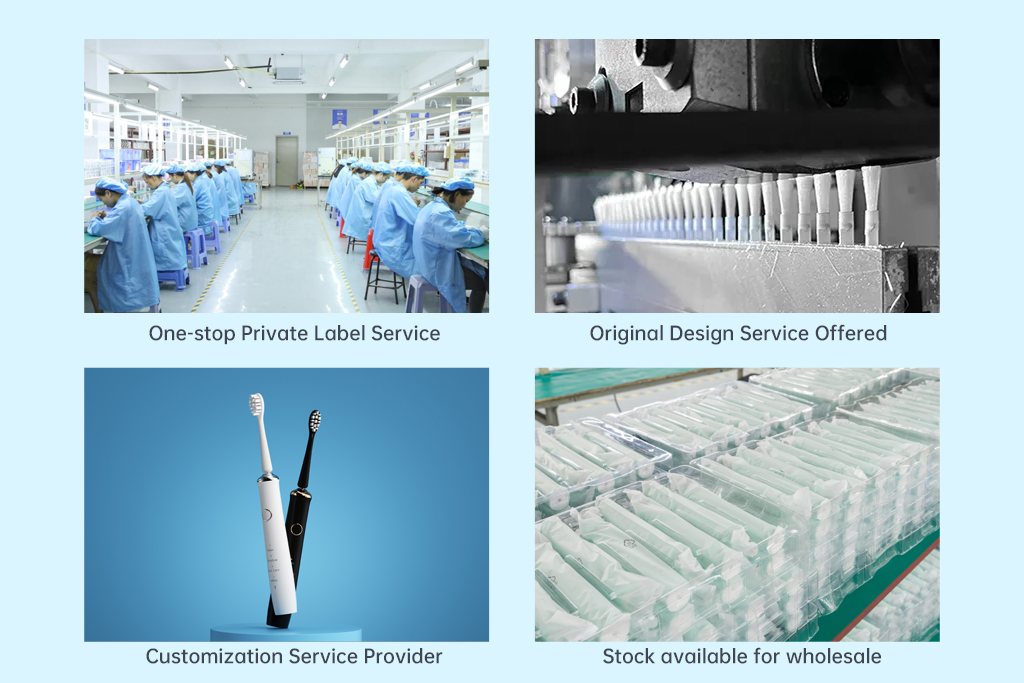
As global demand for high-quality oral care devices continues to grow, more brands are looking to sourcing electric toothbrush factories that can offer full-spectrum support—from product design to mass production. Whether you're a startup brand or an established oral care company, finding a factory with strong comprehensive capabilities is crucial for ensuring product quality, consistency, and market success. This guide will help you identify the key qualities to look for in an electric toothbrush factory, and what makes a manufacturer stand out in the competitive oral care OEM and electric toothbrush ODM space. Define Your Business Needs First Before you begin searching for a manufacturing partner, it's essential to clearly define your needs. Are you looking for a partner who can support you through end-to-end electric toothbrush manufacturing, or are you only looking for a white-label solution? Here are a few points to consider: Customization needs (design, features, packaging) Product volume and scale (MOQ and production capacity) Certifications and compliance (FDA, CE, RoHS, ISO, etc.) Support for branding and private labeling Clarifying these aspects helps narrow down the list of suitable electric toothbrush ODM or OEM factories. Key Qualities of a Factory with Strong Comprehensive Capabilities When evaluating an electric toothbrush factory, prioritize those with proven, broad capabilities across…
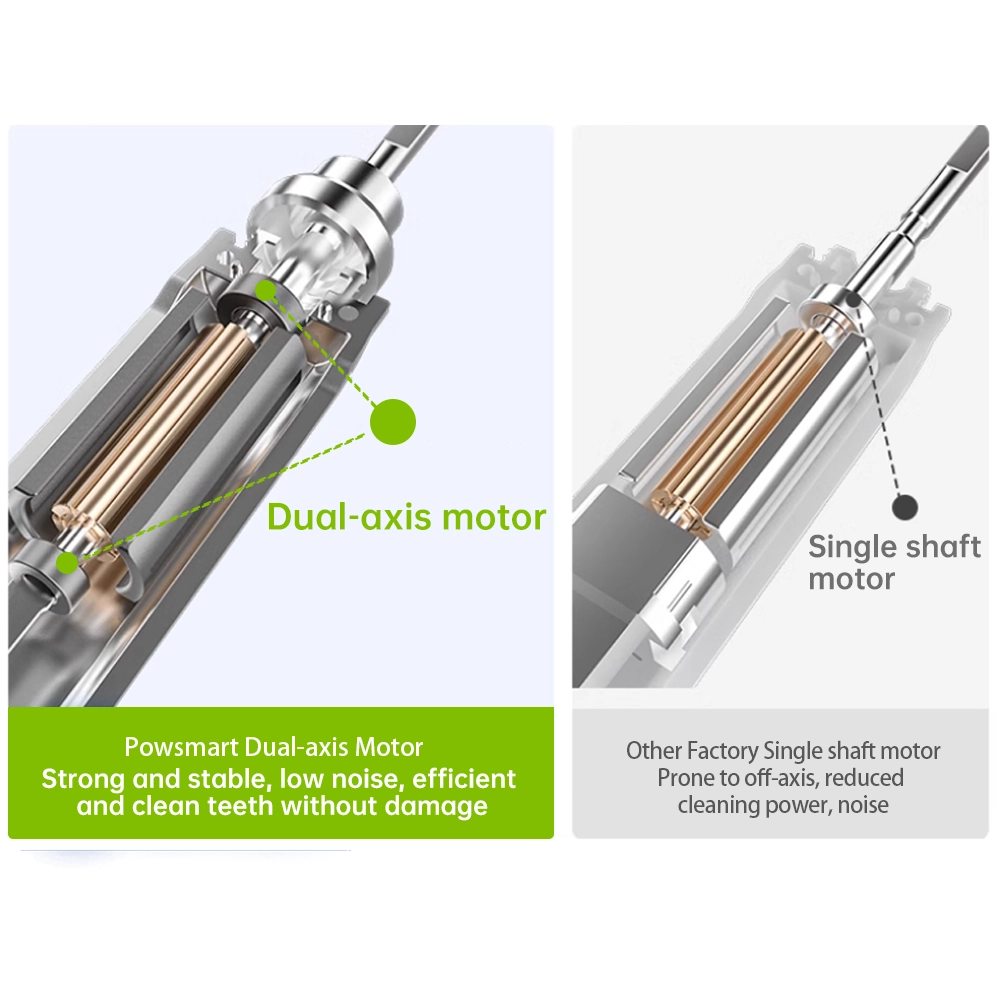
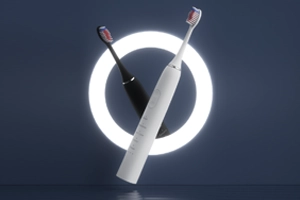
As the global demand for electric toothbrushes continues to grow, selecting the right technology for your brand’s product line is more critical than ever. Whether you are launching a new oral care brand or expanding your existing portfolio, understanding the differences between sonic vibration and rotary vibration technology is essential for aligning with both market trends and user expectations. This technology comparison will explore the performance, user experience, and manufacturing implications of both electric toothbrush vibration technologies, helping brand owners make informed sourcing decisions. https://www.powsmart.com/product/electric-toothbrush/ Overview of Electric Toothbrush Vibration Technologies In the electric toothbrush market, two main types of vibration mechanisms dominate: comparison of sonic vibration and rotary vibration technology. Sonic Vibration uses high-frequency side-to-side movements—usually at 20,000 to 40,000 strokes per minute. This technology relies on fluid dynamics to clean beyond direct contact, reaching between teeth and along the gumline. Rotary Vibration Technology involves oscillating or rotating brush heads, typically at a lower frequency (around 5,000 to 10,000 rotations per minute). These brushes often clean by direct mechanical action and are particularly effective at polishing tooth surfaces. Understanding these foundational differences is the first step in evaluating product strategy and manufacturing options. Cleaning Efficiency and User Experience From a consumer perspective, both technologies offer…

In the highly competitive oral care market, finding the right Oral Care Product Manufacturer is critical for any brand seeking to deliver safe, effective, and market-ready products. Whether you’re launching a new line of electric toothbrushes, oral irrigators, or whitening solutions, the choice of manufacturing partner can determine your product’s success—or failure. To streamline your decision-making process, we’ve created the ultimate checklist for evaluating a manufacturer, helping you identify quality dental suppliers who can act as your reliable OEM partner. Certification and Compliance: Look for an FDA-Certified Factory The first item on your checklist should be regulatory compliance. A reputable manufacturer should operate an FDA-certified factory and adhere to ISO standards relevant to medical or oral care devices (e.g., ISO 13485 for medical-grade production). What to check: FDA registration or certification documentation ISO certifications (especially ISO 13485 or ISO 9001) CE, RoHS, or other region-specific compliance (if targeting global markets) These certifications ensure that the manufacturer meets the legal and hygiene standards required to produce oral care products safely. Manufacturing Capabilities and Specialization Not every factory that makes beauty or healthcare products is optimized for oral care. You need a manufacturer that specializes in producing oral care devices such as electric toothbrushes or oral…
In today’s competitive market, oral care brands must constantly innovate to remain relevant. With increasing consumer demand for comprehensive dental solutions, oral care product expansion is no longer optional—it’s a strategic imperative. From electric toothbrushes to trending oral devices like water flossers, tongue scrapers, and whitening tools, diversification opens the door to new market segments, higher customer retention, and stronger brand positioning. This blog will explore how dental brands can expand product line strategically, supported by smart OEM/ODM collaboration, and align with current market trends for long-term growth. Analyze Market Trends and Consumer Needs Before introducing new products, brands must begin with thorough market trend analysis. The oral care market is shifting rapidly due to factors like: Growing awareness of preventive dental care Rising demand for smart and connected devices Interest in eco-friendly and travel-friendly oral hygiene products Tracking trending oral devices—such as ultrasonic toothbrushes, cordless oral irrigators, and UV sterilizers—can reveal untapped opportunities. Matching these trends with specific consumer pain points ensures your product development is need-driven rather than guesswork. Identify Strategic Gaps in Your Current Product Line Successful dental brand diversification requires more than simply adding more SKUs. Brands should evaluate their current offerings to identify: Missing categories (e.g., floss alternatives…
.jpg)
In the manufacturing of personal oral care devices, charging failure and tank odor may appear to be unrelated issues. However, recent field reports and internal quality audits reveal a surprising correlation—especially in water flossers and multifunctional electric devices. These two symptoms often occur simultaneously, signaling a deeper systemic flaw in device design or material interaction. Moisture Ingress: The Common Root of Dual Failures One of the primary causes linking charging failure and tank odor is moisture ingress. When the sealing integrity between the tank and the electrical housing is compromised—even slightly—water vapor can penetrate into the internal circuitry. This results in: Corrosion of charging contacts Battery oxidation or short circuits Microbial growth within warm, humid tanks In many cases, a user may notice an unpleasant smell from the tank just days before the device fails to recharge—a subtle but telling warning. Material Selection: Unseen Chemical Interactions Another contributing factor lies in subpar material selection. Low-grade plastics used in the tank or inner components can leach chemicals when exposed to repeated moisture and temperature fluctuations. These materials: Promote bacterial colonization, intensifying tank odor Release acidic byproducts that interfere with charging board function May emit volatile compounds that corrode internal electronics over…
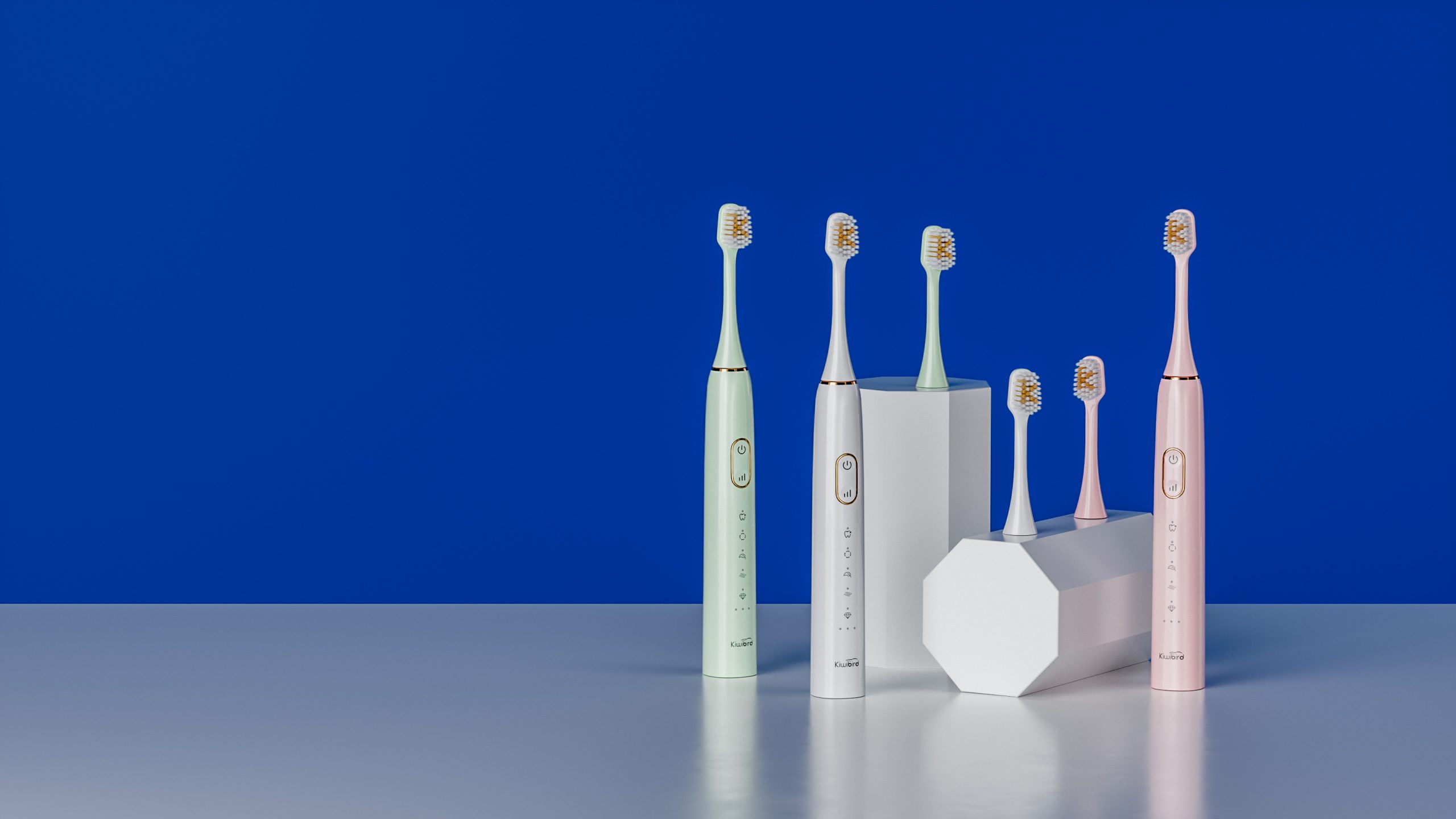
The global oral care market is experiencing rapid growth driven by rising health awareness, aesthetic demands, and the popularity of functional and personalized products. For oral care brands, product stagnation can quickly lead to a loss in market share. To stay relevant and profitable, continuous oral care product expansion is not just an option—it’s a strategic necessity. This blog explores why introducing new products regularly is vital for oral care brands expansion, how partnering with an oral care OEM can accelerate this process, and how innovation directly impacts sales and brand influence. Meeting Consumer Demand and Behavior Shifts Consumer expectations in oral care have moved far beyond basic hygiene. Today’s users are looking for: Whitening and sensitivity-targeted solutions Eco-friendly and natural ingredient formulations Smart and connected devices Compact, travel-friendly kits To keep up with these shifts, brands must proactively update their portfolios. Oral care product expansion—through both device and formulation innovation—is the key to capturing new customer segments and retaining existing users. Failure to innovate often results in loss of shelf space, declining customer loyalty, and reduced engagement. Boosting Brand Competitiveness Through Innovation Consistent innovation fuels brand relevance. Whether through advanced sonic technology in electric toothbrushes or water-saving systems in oral irrigators, innovation…
In today’s highly competitive market, find the right electric toothbrush manufacturers is critical for oral care brands aiming to scale efficiently. Whether you are a startup entering the market or an established company seeking product diversification, partnering with a trustworthy oral care supplier is the foundation of quality, innovation, and long-term brand influence. This article offers a comprehensive roadmap for selecting a manufacturer that aligns with your business goals, supports OEM electric toothbrush production, and drives your oral care brand expansion strategy. Define Your Product and Brand Requirements First Before contacting any factory or supplier, clearly define your product specifications and brand positioning. Ask yourself: What type of branded toothbrush production do you require (e.g., sonic, oscillating, kids’ brushes)? Do you need full OEM electric toothbrush solutions or white-label production? What certifications (e.g., CE, FDA, ISO) must the products comply with? What are your expected order quantities, price range, and delivery timelines? Having a solid product brief helps you find suitable electric toothbrush manufacturers early and avoid costly mismatches. Where and How to Source Reliable Manufacturers Finding a reliable oral care supplier goes beyond a simple online search. Here are proven sourcing strategies: Trade shows: Events like IDS (Germany), Dental South China, and Cosmoprof Asia are great for…
In the world of oral irrigators, compatibility confusion during nozzle replacement is emerging as a silent quality pitfall. While end-users may perceive this as a minor inconvenience, B2B buyers understand its serious implications: customer dissatisfaction, increased return rates, and product line inconsistencies. Understanding the root causes behind mismatched parts and irregular nozzle replacement frequency is key for both manufacturers and brand owners to avoid long-term losses. The Hidden Risks Behind Compatibility Confusion At first glance, nozzle replacement should be a straightforward process. However, incompatibility between new nozzles and existing devices—especially across SKUs or production batches—has led to a surge in user complaints. Key contributing factors include: Inconsistent nozzle locking mechanisms Varying diameters across models Lack of standardization in fitting design Absence of clear labeling or identification codes This type of compatibility confusion often results in users forcing the wrong parts, damaging internal pump mechanisms, or abandoning the device altogether. Nozzle Replacement Frequency: A Quality Control Indicator The nozzle replacement frequency also acts as a proxy for quality assurance. Ideally, a nozzle should maintain its performance (spray pattern, flow rate, seal integrity) for at least 3 months. However, early wear due to substandard materials, poor ultrasonic bonding, or structural fatigue can:…
In the competitive landscape of oral care devices, user adaptation has become a critical metric of product success. Surprisingly, one of the most overlooked factors hindering smooth adaptation is improper angle use. When devices are not ergonomically aligned with user behavior, even advanced technologies may fail to deliver intended results—leading to frustration, poor compliance, and product abandonment. The Angle Problem: Where Design and Usability Collide While many assume that users will instinctively adopt the correct brushing or flossing angle, clinical data shows otherwise. Improper angle use, especially with power toothbrushes and water flossers, often leads to: Incomplete plaque removal Gum line irritation Discomfort in wrist or jaw movement This, in turn, delays user adaptation, especially for first-time electric brush or flosser users. Products that demand awkward wrist positioning or lack clear angling cues increase the cognitive load during daily use. Why Improper Angle Use Persists Across Demographics Improper angle use isn’t limited to elderly or pediatric users—it spans across all consumer groups. Common contributing factors include: Poor handle ergonomics Lack of user education or unclear user manuals Overly slim or thick brush necks Non-intuitive brush head orientation Without thoughtful design intervention, users must rely on trial-and-error, prolonging adaptation time and…
In the world of electric oral care devices, user comfort is closely tied not only to cleaning performance but also to acoustic experience. However, an increasing number of noise complaints are now being traced back to a lesser-known issue: handle corrosion. What appears to be a simple design flaw can, over time, evolve into a serious quality concern affecting both user satisfaction and product longevity. Where Function Meets Frustration: How Handle Corrosion Leads to Unusual Noise At first glance, handle corrosion may seem purely cosmetic. But when internal metal components within the handle oxidize—particularly around the motor mounts, drive shafts, or screw fixtures—it creates micro-vibrational shifts. These inconsistencies often result in unexpected mechanical buzzing, rattling, or high-pitched noise, especially during high-speed operation. Over time, this seemingly minor noise becomes a major customer service headache—especially for premium models expected to deliver a smooth, quiet experience. Root Causes of Handle Corrosion in Electric Devices Handle corrosion often stems from overlooked factors during design or assembly, including: Improper sealing at connection points, allowing moisture ingress Use of low-grade alloys or untreated metals for internal brackets Residue from chemical cleaning agents during assembly or consumer use Inadequate ventilation design, which traps condensation inside the…
As water flossers gain popularity for daily oral care routines, concerns around battery leakage and overheating risks have started surfacing across consumer platforms and return reports. For B2B manufacturers, these issues are more than isolated defects—they represent systemic challenges tied to design, assembly, and quality control. This blog explores the engineering and safety implications behind battery-related failures and what proactive steps can be taken to mitigate them. Why Battery Safety Matters in Compact Oral Devices Water flossers rely on rechargeable lithium-ion or NiMH batteries for portability and power. However, due to the compact, moisture-prone environments these devices operate in, battery integrity becomes highly vulnerable. Unlike larger electronics, there's limited room for heat dissipation, and inadequate sealing can directly contribute to battery leakage and overheating risks, often simultaneously. Root Causes of Battery Leakage in Water Flossers Battery leakage typically results from: Poor sealing or waterproof failure in the internal housing Low-quality cell materials that degrade over cycles Exposure to high humidity inside the tank compartment Improper charging behavior not safeguarded by BMS (Battery Management System) Once a battery starts leaking, it not only reduces device performance but may also corrode circuit boards, damage surrounding components, and cause unpleasant odors—leading to a…
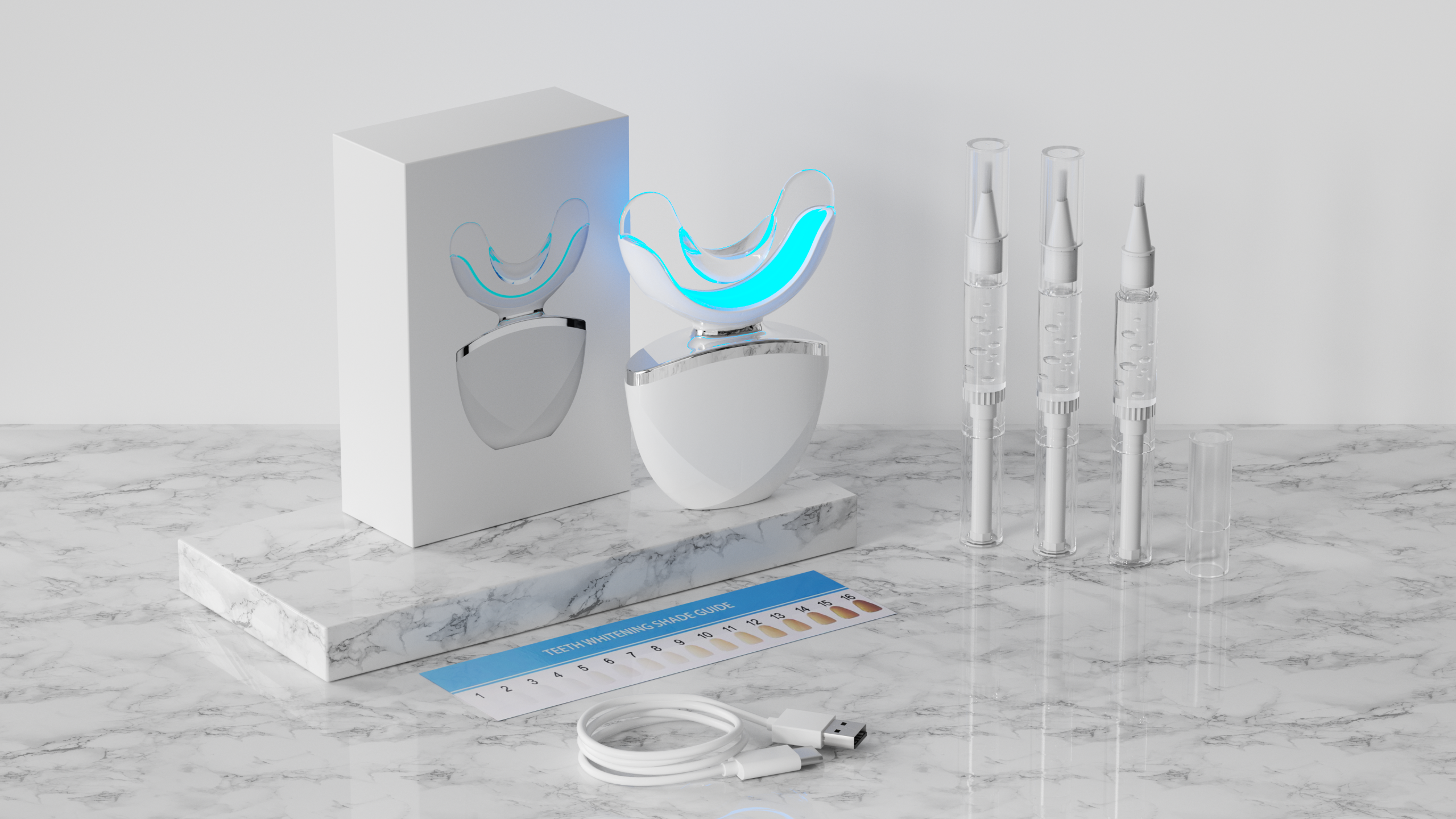
In recent years, the oral care segment has seen a surge in demand for home teeth whitening devices, driven by the consumer’s growing attention to aesthetics, health, and self-image. The market potential and growth of home teeth whitening continues to expand as consumers increasingly prefer at-home solutions that are both cost-effective and convenient. For oral care product brands, understanding what drives this trend — particularly the consumer psychology behind it — is essential. From a strategic oral care products factory perspective, aligning with these consumer needs opens up new avenues for product development, innovation, and market penetration. Understanding the Consumer Psychology: More Than Just White Teeth Personal confidence enhancement: A whiter smile is strongly associated with attractiveness, youthfulness, and professional appeal. Consumers believe that improving their teeth color can boost their self-confidence and social presence. Social media influence: In the age of selfies and video calls, visible appearance — especially smiles — has become a focus area for consumers of all ages. Health association: Many consumers equate white teeth with good health, even if that perception is largely aesthetic. These emotional motivators play a critical role in purchase decisions. Brands that tap into this mindset can better position their products for long-term success.…
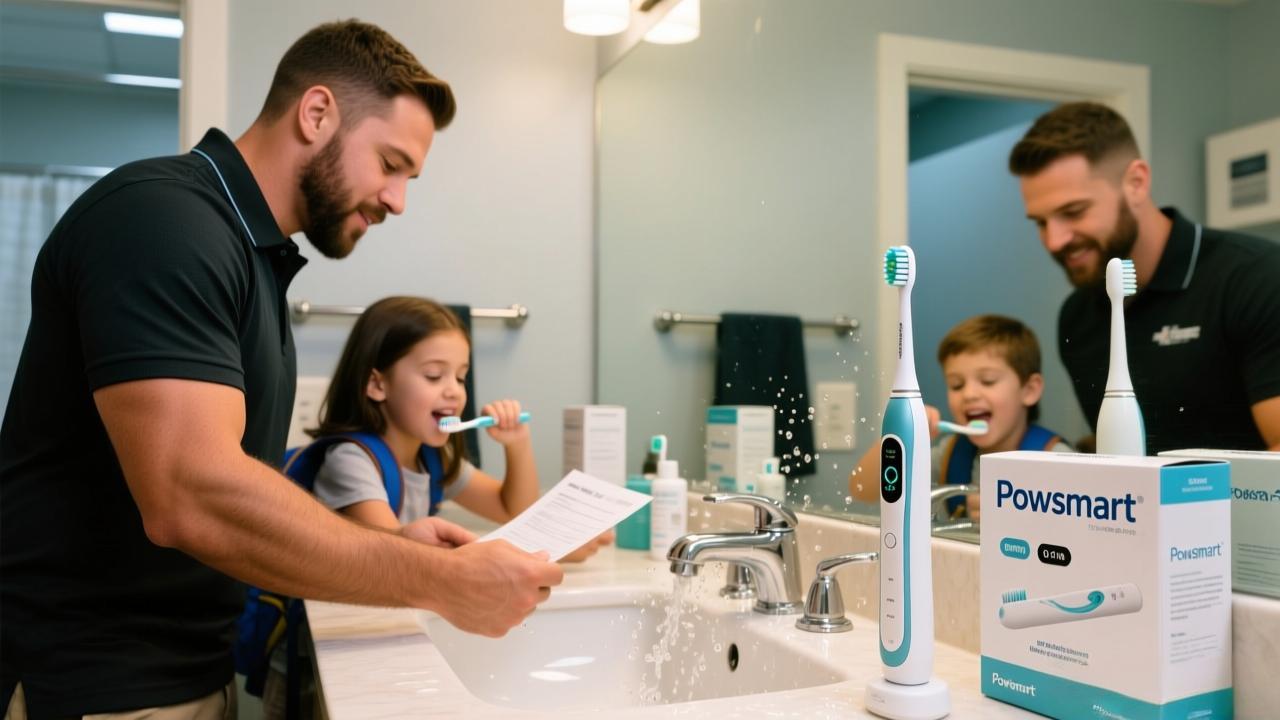
When it comes to child safety, the materials used in kids' electric toothbrushes play a critical role. With increasing concern around material toxicity, parents are more cautious than ever, and brands that manufacture or supply children's oral care products must meet rising standards. For B2B buyers—whether you're sourcing for retail, OEM, or private label—understanding the safety implications of materials is no longer optional, it's essential. Why Child-Specific Material Standards Matter Children’s oral tissues are more sensitive, and their immune systems less developed than adults'. A brush head made from substandard plastic or pigment may leach harmful chemicals into the mouth during brushing. This is especially risky for children who tend to chew on brush heads. That’s why child safety begins with choosing certified, non-toxic, BPA-free, and phthalate-free materials that are compliant with FDA, LFGB, or EU EN71 standards. Common Risks: What Does “Material Toxicity” Really Mean? The term material toxicity refers to the potential for a material to release harmful substances under normal or stressed use. In kids' toothbrushes, this can involve: Plasticizers like DEHP used in flexible components Heavy metals in colored plastics or paint Low-grade adhesives that release formaldehyde Flavored coatings that don’t meet food-grade standards These substances…
When electric toothbrushes exhibit brush shedding—that is, filaments falling out prematurely—and simultaneous sensor failure, the problem may be deeper than just poor-quality materials. These two faults are often interconnected, and for B2B buyers sourcing private-label or OEM dental devices, the hidden risks behind such issues deserve close attention. This article explores six essential dimensions of this dual failure mode, and how manufacturers can proactively prevent it through better design, testing, and material selection. What Is Brush Shedding and Why Does It Matter? Brush shedding refers to the premature detachment of bristles from the brush head. In commercial-grade devices, shedding is more than a cosmetic or hygienic problem—it signals quality inconsistency, compromised bonding, or mechanical instability. Excessive shedding not only shortens product lifespan but can lead to consumer distrust, especially if loose filaments are swallowed or cause gum irritation. Furthermore, shedding can interfere with optical or pressure sensors inside the brush that rely on stable bristle density to gauge brushing force or angle. How Brush Shedding Leads to Sensor Malfunction The correlation between brush shedding and sensor failure lies in physical and signal disruption: Pressure Sensors: These sensors often rely on even force distribution through the bristles. As filaments fall out,…
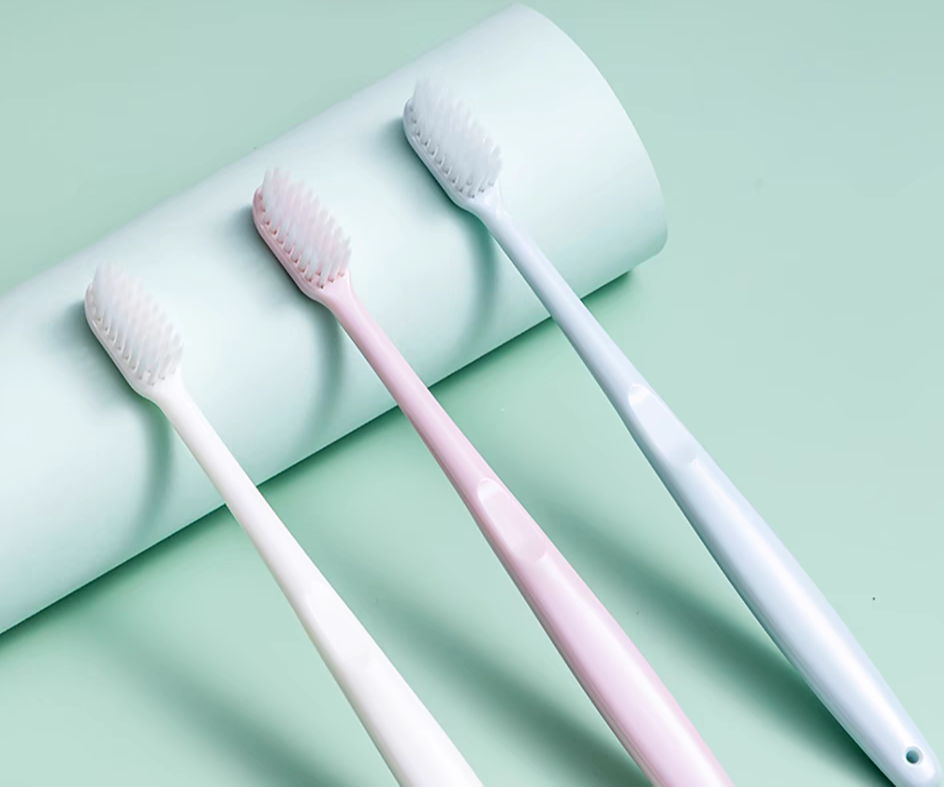
As oral care devices become more personalized and technology-driven, electric toothbrush head customization is gaining traction, especially among brand owners and private label clients. For OEMs and B2B buyers, understanding the range of customization options available is essential to meeting diverse consumer demands. In this blog, we explore the complete toothbrush head OEM solution, covering materials, structure, compatibility, and performance — to help you develop a product line that stands out in today’s competitive oral care market. OEM Customization Options: Materials, Shape, and Branding A successful toothbrush head OEM project starts with selecting the right materials and defining core parameters. Manufacturers can customize: Head shape (round, oval, diamond-cut) Base material (ABS, PP, or eco-friendly alternatives) Color schemes to align with brand identity Logo imprinting on the neck or base of the brush head By offering complete control over design and aesthetics, OEM partners can help businesses establish unique product lines. Nylon Wire Specifications: Performance Meets Comfort The type of bristles used greatly influences brushing efficiency and comfort. Customizing nylon wire specifications involves selecting: Diameter (commonly 0.15mm to 0.22mm) Hardness (soft, medium, or hard) Tip processing (tapered, end-rounded, polished) Material types (Dupont Tynex®, PBT, antibacterial filaments) Adjusting bristle specs not only supports brand differentiation but also tailors the user experience for different…
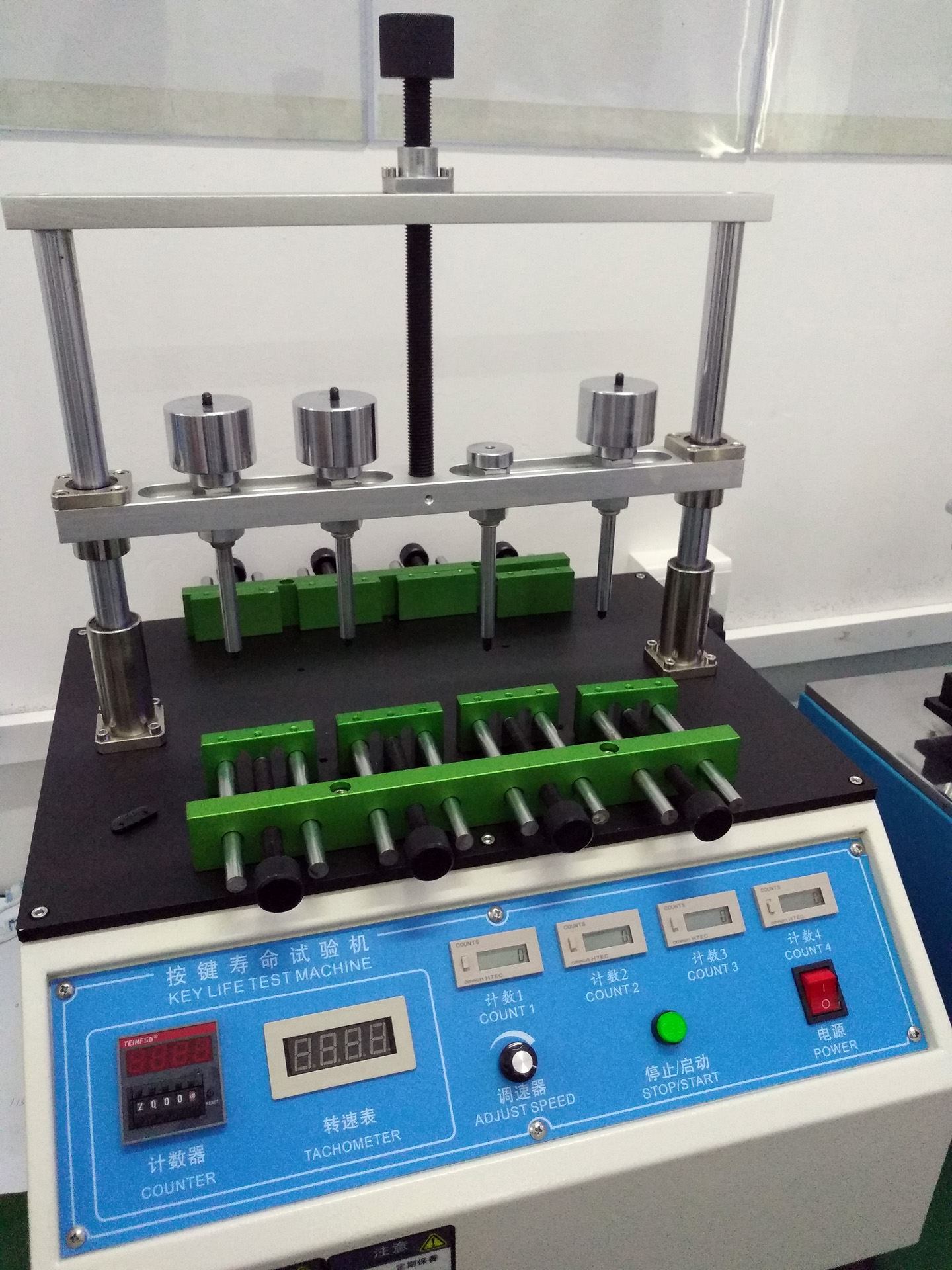
As the electric toothbrush market becomes increasingly competitive, design innovation and surface customization have become key differentiators for brands. Manufacturers are now exploring advanced decoration techniques such as water transfer printing and thermal transfer printing to improve both the visual appeal and surface durability of toothbrush shells. This article explores how these processes enhance the 3D texture shell appearance and the results of the transfer wear test, offering practical insights for any electric toothbrush factory aiming to elevate their product quality. Toothbrush Water Transfer Process: Realistic, Immersive 3D Effects The toothbrush water transfer process (also known as hydrographic printing) involves applying printed patterns onto three-dimensional surfaces via a water-soluble film. This technique allows electric toothbrush shells to adopt a wide variety of natural textures such as carbon fiber, marble, or woodgrain, giving products a high-end, customized look. Advantages: Achieves complex full-surface decoration. Supports high-resolution pattern fidelity. Ideal for creating 3D texture shells with depth and realism. Water transfer printing is especially beneficial for ergonomic, curved surfaces that are difficult to decorate using conventional printing methods. Thermal Transfer Customization: Precision and Mass Production Efficiency Thermal transfer customization uses heat and pressure to apply pre-printed patterns or graphics to the toothbrush shell. This method is often favored for large-scale…
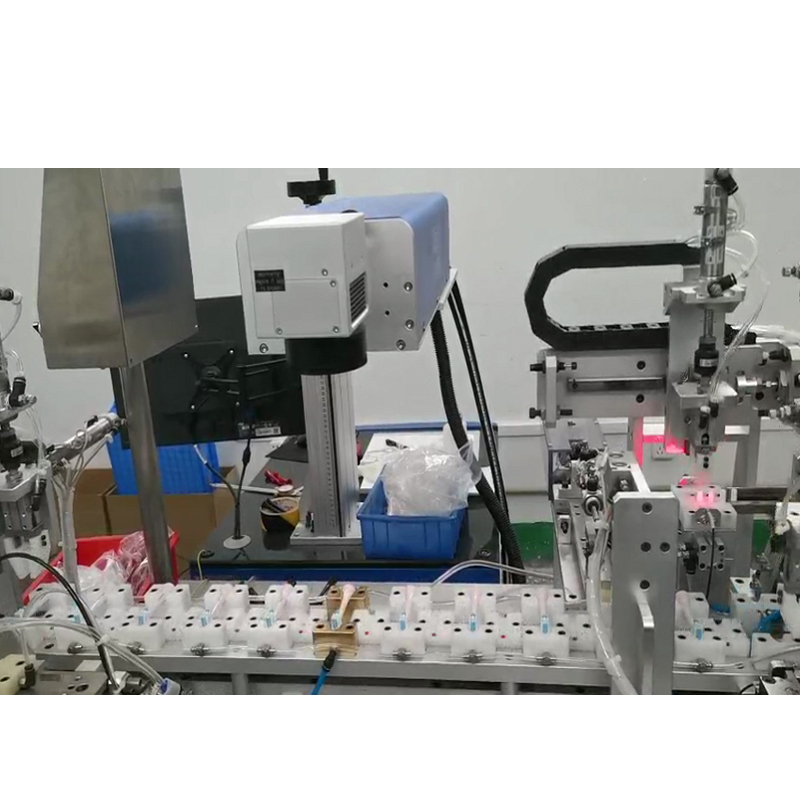
In today’s competitive oral care market, Electric toothbrush laser engraving is more than just decoration—it’s a core part of brand identity and consumer recognition. For electric toothbrush factories, offering toothbrush laser engraving customization adds value, enhances brand consistency, and ensures that the logo remains clear and durable throughout the product’s lifecycle. Laser engraving, as a permanent LOGO process, is widely favored because it doesn't fade, peel, or wear off like ink printing. But achieving high-quality engraving depends heavily on fine-tuning the right parameters: depth, speed, and power. Understanding the Basics of Laser Engraving Parameters To achieve precise and durable results, manufacturers must control three key laser engraving parameters: Power (W): Determines how much energy is delivered to the surface. Higher power increases depth but may burn or deform soft plastics. Speed (mm/s): Dictates how fast the laser moves. Faster speeds result in lighter engravings; slower speeds go deeper but may overheat the material. Depth (mm): Not a directly set parameter, but the result of how power and speed interact. For toothbrush handles (usually ABS or PP), ideal depth is 0.1–0.3 mm. Proper tuning ensures the OEM brand logo looks sharp, professional, and permanent on every unit. Material Consideration: Matching Settings to Handle Composition Electric…
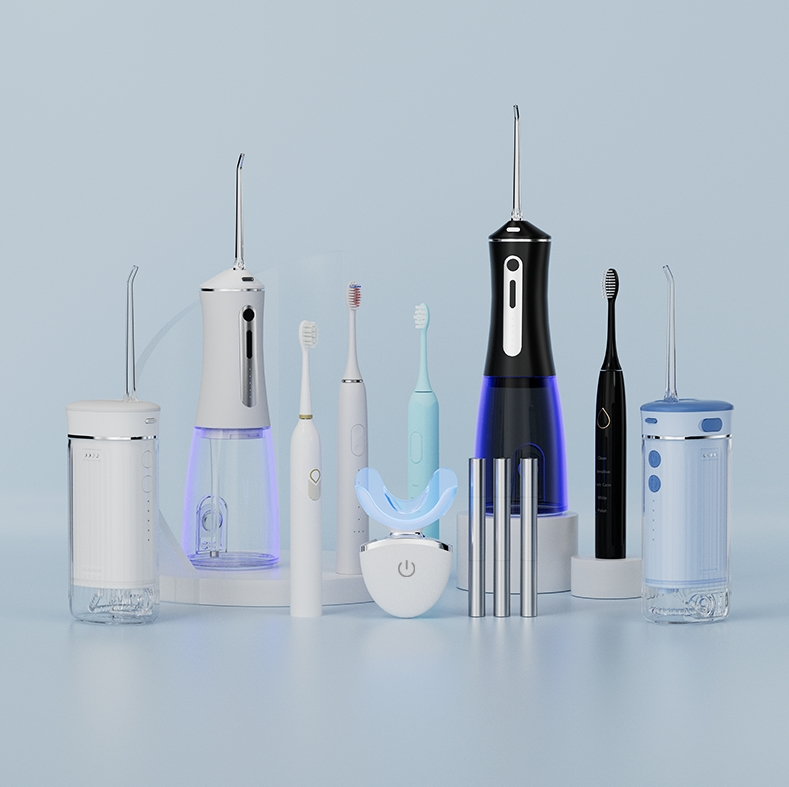
As oral hygiene awareness continues to rise globally, the electric toothbrush industry is experiencing unprecedented momentum. With innovation driving consumer interest and healthcare professionals recommending powered brushing, this segment has become a key driver within the larger personal care category. This blog outlines the major oral care growth trends, electric Toothbrush Growth Opportunities, identifies emerging markets, and evaluates the current electric toothbrush brand competition landscape for strategic insight. Global Electric Toothbrush Market Analysis: A Sector on the Rise Recent electric toothbrush market analysis reveals that the global market is expected to surpass USD 8.5 billion by the end of 2025, growing at a CAGR of over 7%. Key growth drivers include: Increased awareness of oral health Rise in disposable incomes in emerging economies Technological innovations such as AI brushing assistance and smart app integration North America and Europe currently lead in adoption, but Asia-Pacific, particularly China and India, are rapidly expanding markets due to changing consumer habits and urbanization. Oral Care Growth Trend: Beyond Brushing The electric toothbrush is no longer viewed as a luxury item but as a fundamental component of a complete oral care growth trend. The rise in dental care education and preventive healthcare is fueling demand.Key supporting trends include:…


.jpg)
.jpg)
.jpg)
.jpg)
.jpg)






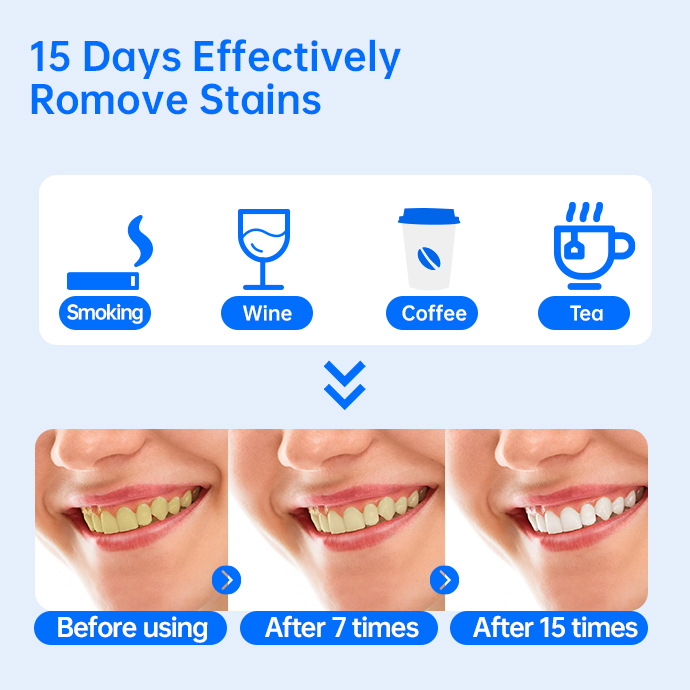
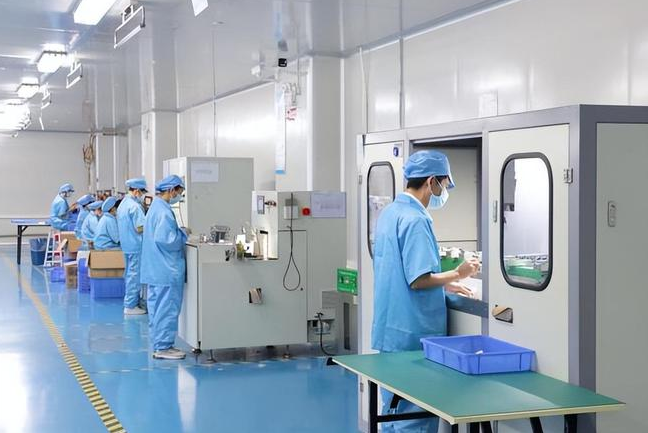
.jpg)
.jpg)