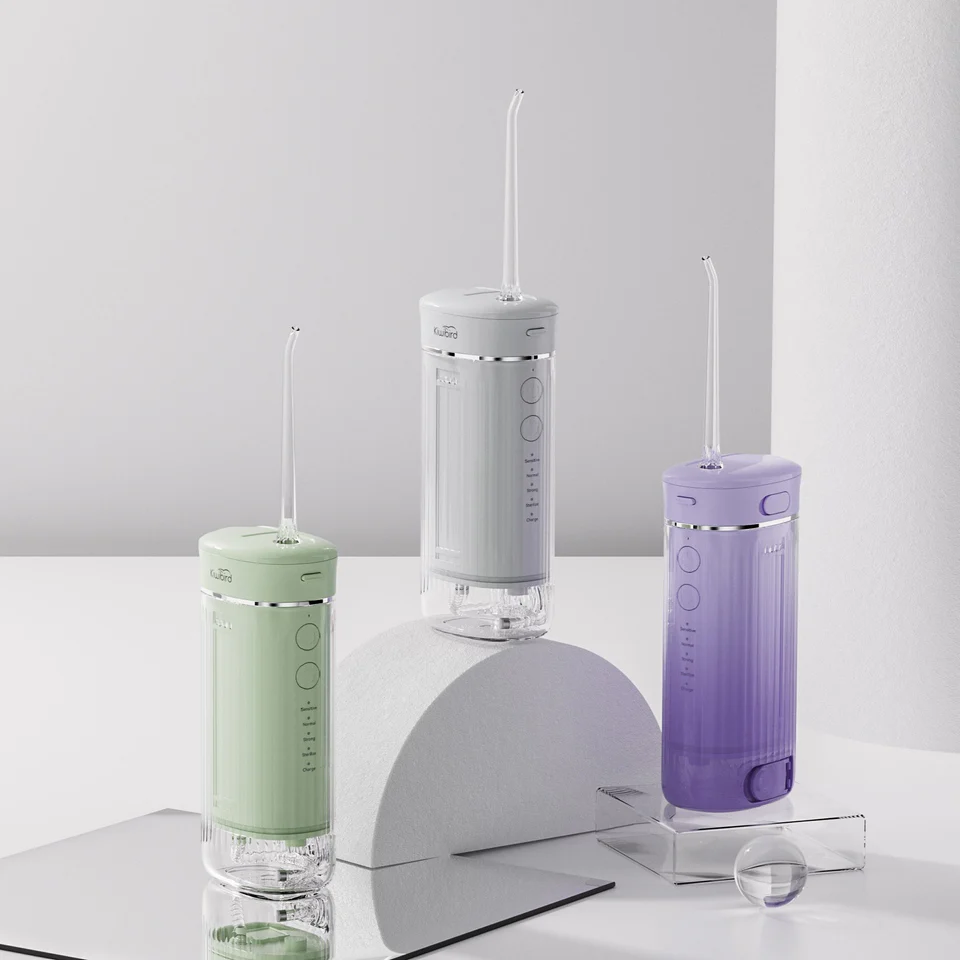
If you’ve recently invested in a dental irrigator for your oral care routine, you might be wondering: is it normal for it to make a lot of noise? Dental irrigators are highly effective tools for cleaning between teeth and along the gumline, but their operation can sometimes raise concerns. Let’s explore why these devices make noise, what’s normal, and how to minimize it.
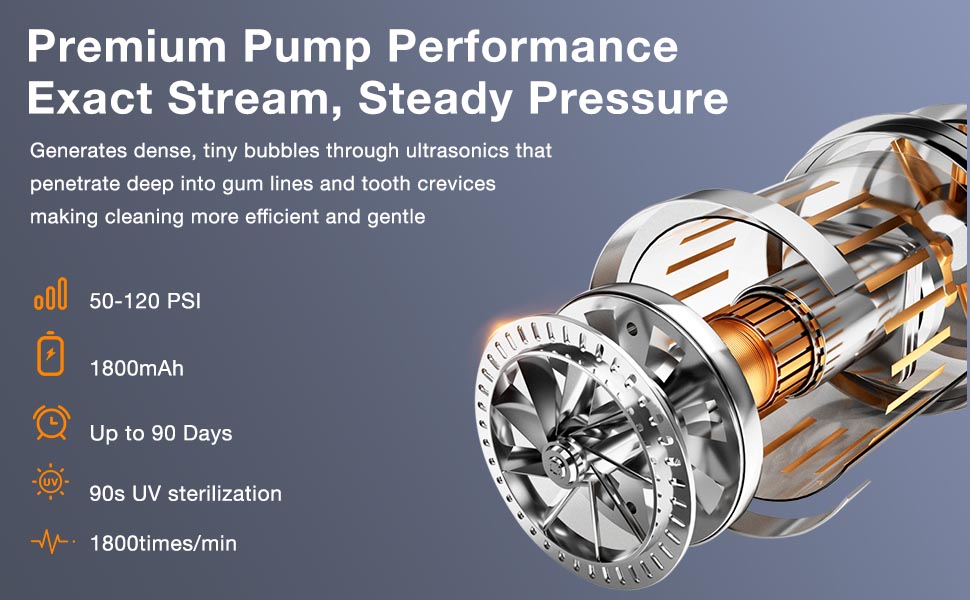
Dental irrigators, often referred to as water flossers, rely on powerful pumps to generate water pressure. This pressure is what allows the device to dislodge food particles and plaque effectively. The noise you hear comes primarily from the motor and pump working together. Depending on the model and brand, the sound level can vary, but a moderate humming or buzzing is generally considered normal. The pump of Powsmart’s water flosser is designed and developed by ourselves. It can not only make cleaning more efficient and gentle, but also its noise during operation is also acceptable.
Not all dental irrigators are created equal when it comes to noise levels. Compact, travel-sized models tend to be quieter due to their smaller motors, while countertop versions with more powerful pumps may produce louder sounds. If noise is a concern, researching and investing in a quieter model might be worthwhile.
The surface on which you place your dental irrigator can amplify its noise. Hard countertops can reflect sound waves, making the device seem louder. Placing it on a soft or padded surface can help dampen vibrations and reduce the perceived noise. Ensuring the device is stable and not wobbling can also minimize sound.
Regular maintenance plays a significant role in how much noise a dental irrigator makes. Mineral buildup or debris inside the pump can cause it to work harder, resulting in louder operation. Cleaning your device as per the manufacturer’s instructions can keep it running smoothly and quietly. Additionally, replacing worn-out parts, such as the nozzle or O-rings, can help reduce noise.
While some noise is expected, excessive or unusual sounds could indicate an issue. If your dental irrigator suddenly becomes much louder or emits grinding or squealing noises, it might need repair or replacement. Contacting the manufacturer’s support team can help diagnose the problem.
Though the noise of using a dental irrigator might initially seem distracting, it’s a small price to pay for the benefits. Dental irrigators provide superior cleaning compared to traditional floss, especially for individuals with braces, implants, or sensitive gums. Over time, the sound becomes a familiar part of your routine, much like an electric toothbrush.
It’s entirely normal for a dental irrigator to make some noise during use. By understanding the source of the sound, choosing the right model, and maintaining your device, you can minimize its impact. Ultimately, the benefits of a cleaner, healthier smile far outweigh the hum of a hardworking dental irrigator. Embrace the noise and enjoy the confidence of optimal oral hygiene!

Does Your Microfluidic Chip Fabrication Service Offer a Minimum Order Quantity Waiver for R&D?
.jpg)
Portable Flosser OEM Manufacturer for Cordless Oral Care Devices
Electric toothbrush with soft bristles wholesale
Promotional Electric Toothbrush for Tech Companies Redmond | Custom Branding
.jpg)
Tampa bulk electric toothbrushes
Wireless Charging Blue Light Teeth Whitening Device Factory Stable Production & Fast Lead Time
Electric toothbrush factory digital transformation path
Water Flosser Not Working? Fix It
After Nozzle Tip Molding, How Crucial Is Seal Failure Testing for Flosser Reliability?

How Does Water Tank Capacity Interact with Flow Rate Adjustment in User Experience?
How to Optimize Jet Instability and User Discomfort?
Could Shape Memory Polymer Bristles Integrate with a Predictive Maintenance System to Signal Replacement?

Can Intelligent Electric Toothbrushes Keep Evolving Like Mobile Phones?
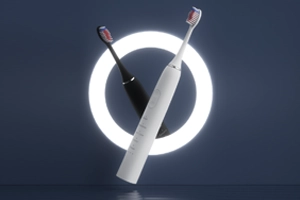
Innovation Opportunities in Electric Toothbrush Technology
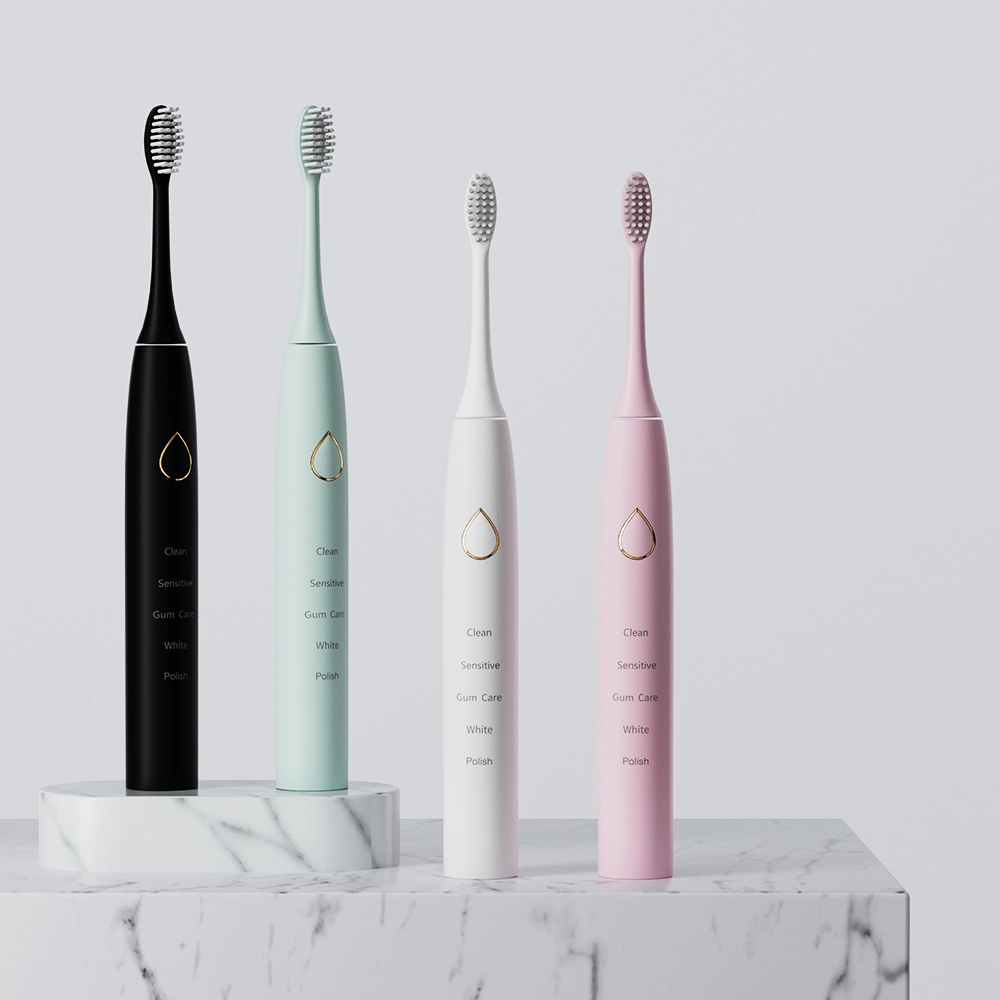
Exploring the Revolution in Industrial Electric Toothbrush Manufacturing
Smart Toothbrush with Bluetooth Bulk


.jpg)
.jpg)
.jpg)
.jpg)
.jpg)
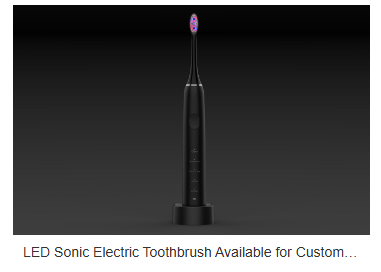
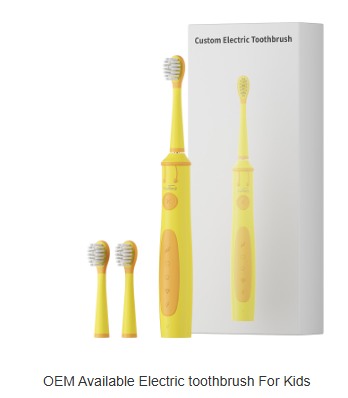



.jpg)