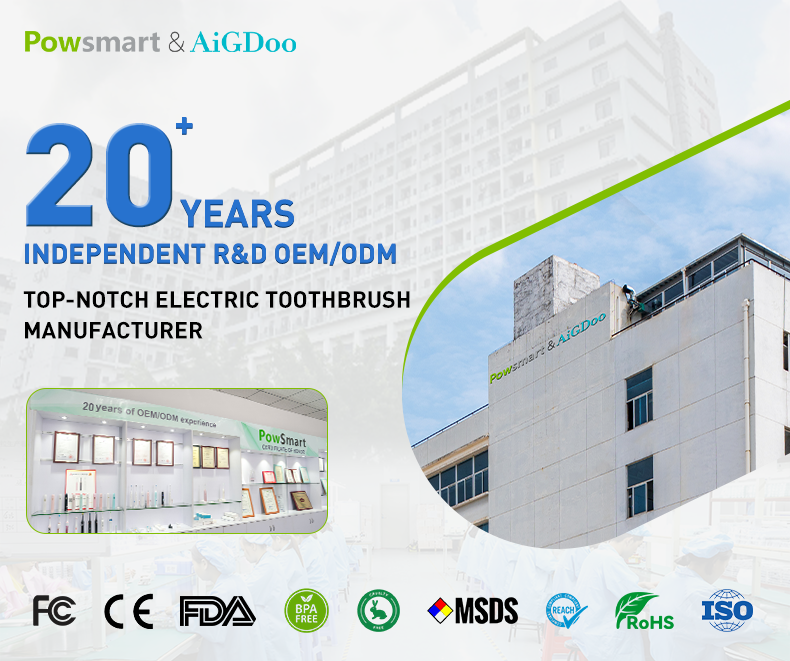
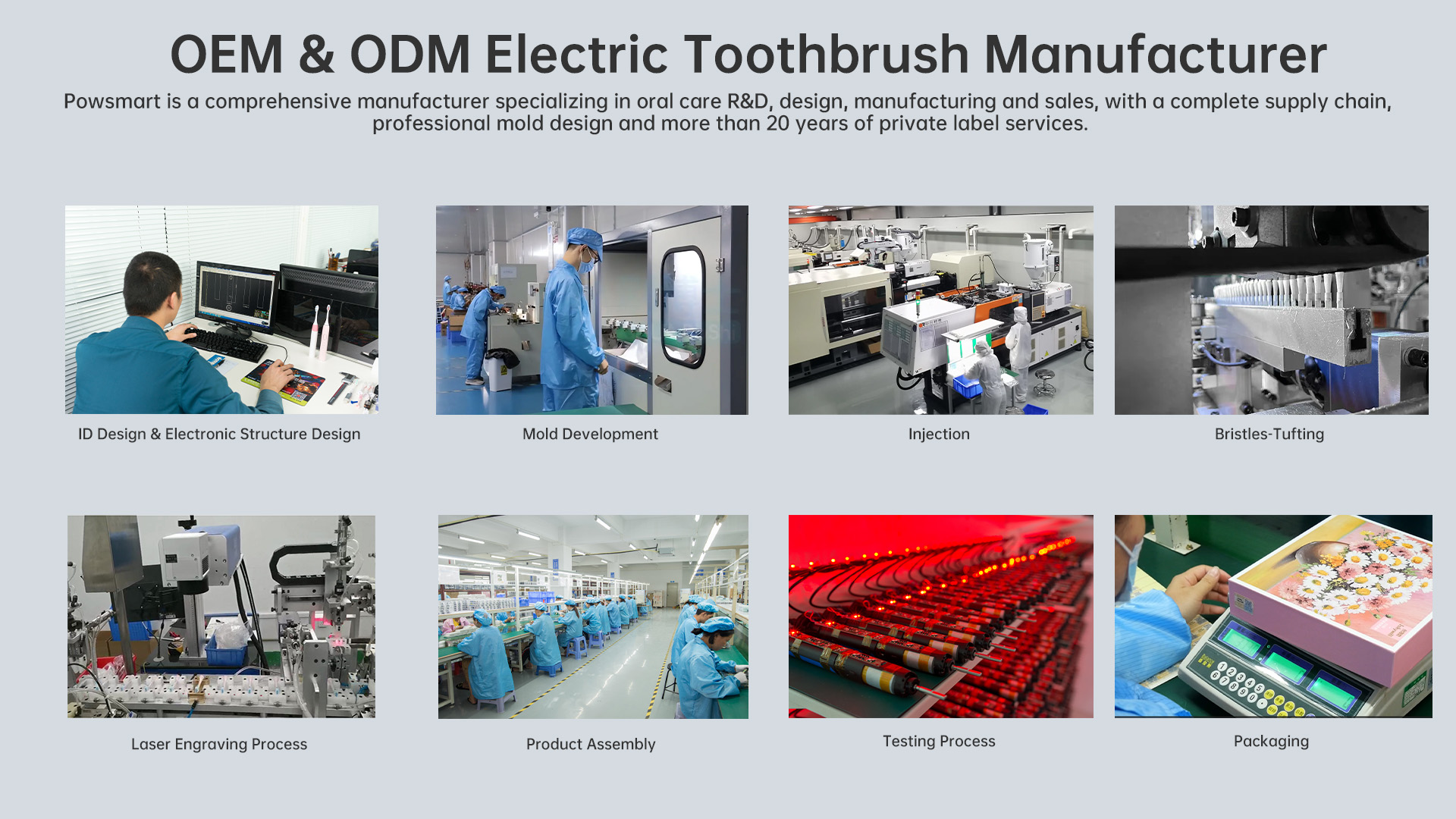
As an essential part of modern oral hygiene, electric toothbrushes have revolutionized the way people maintain their dental health. But have you ever wondered about the lifecycle of electric toothbrushes? From manufacturing to disposal, every stage plays a role in shaping user experience, environmental impact, and innovation. In this blog, we will explore the key phases in an electric toothbrush’s lifecycle, its essential components, and the role of an electric toothbrush manufacturer in ensuring quality and sustainability.
The lifecycle of electric toothbrushes begin with its design and engineering. Manufacturers conduct extensive research to enhance brushing efficiency, user comfort, and sustainability. Product designers focus on factors like ergonomic handle design, battery efficiency, and the effectiveness of bristle movement. Cutting-edge technologies, such as smart sensors and AI integration, are also incorporated to optimize user experience.
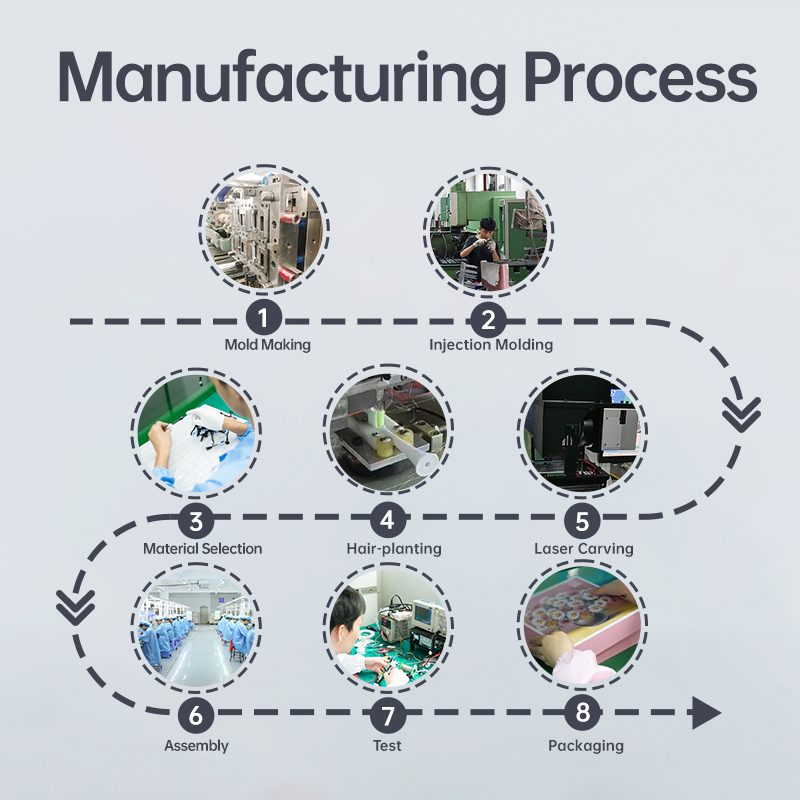
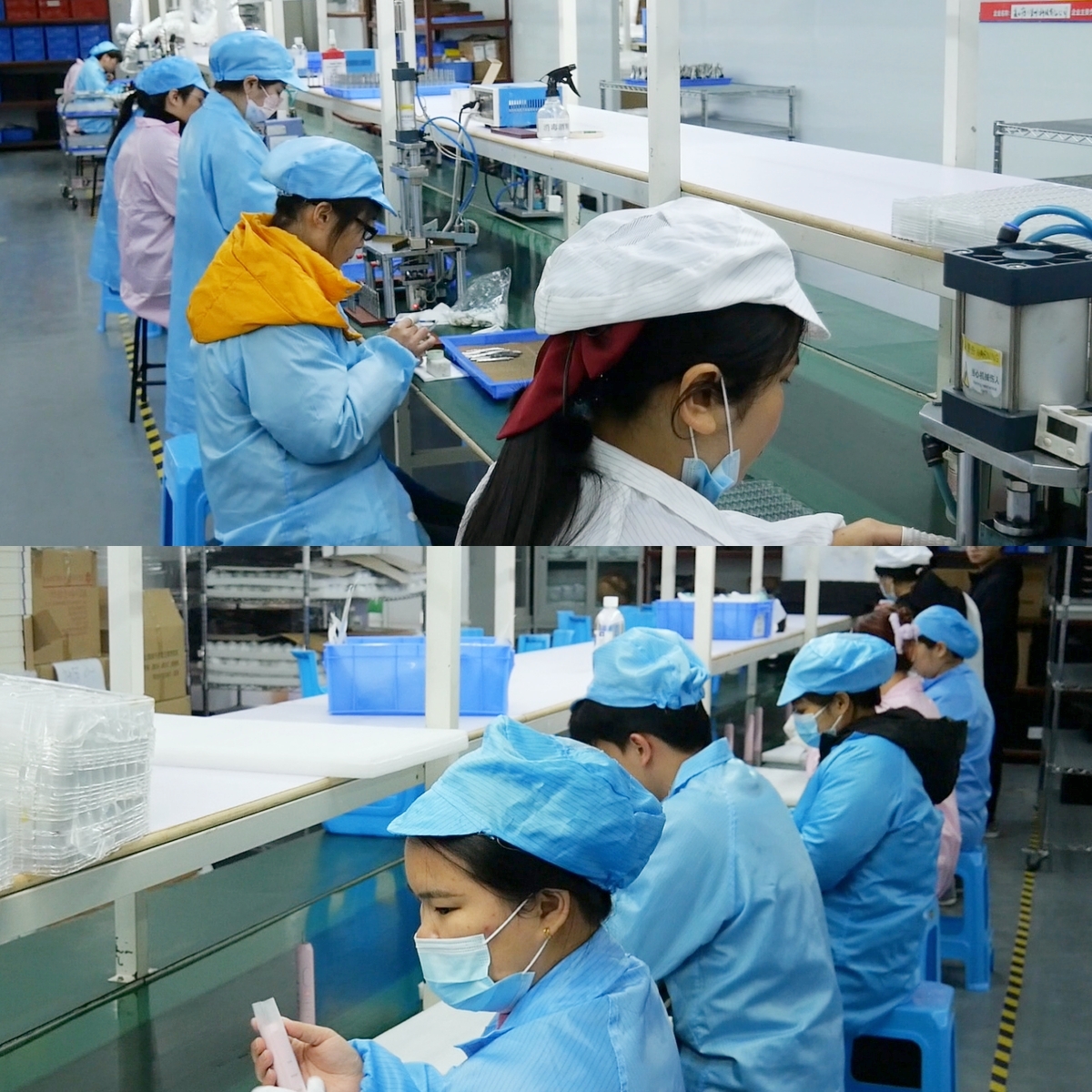
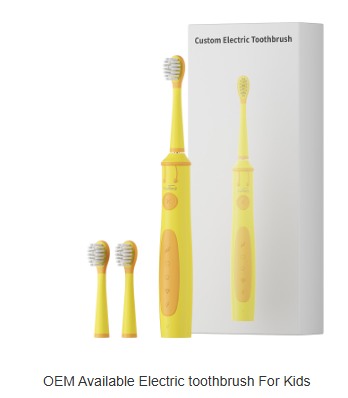
The production of an electric toothbrush involves multiple steps, including component assembly, quality control, and packaging. An electric toothbrush manufacturer sources high-quality materials for different parts, such as:
Handle and motor: The motor generates vibrations or oscillations to power the bristles.
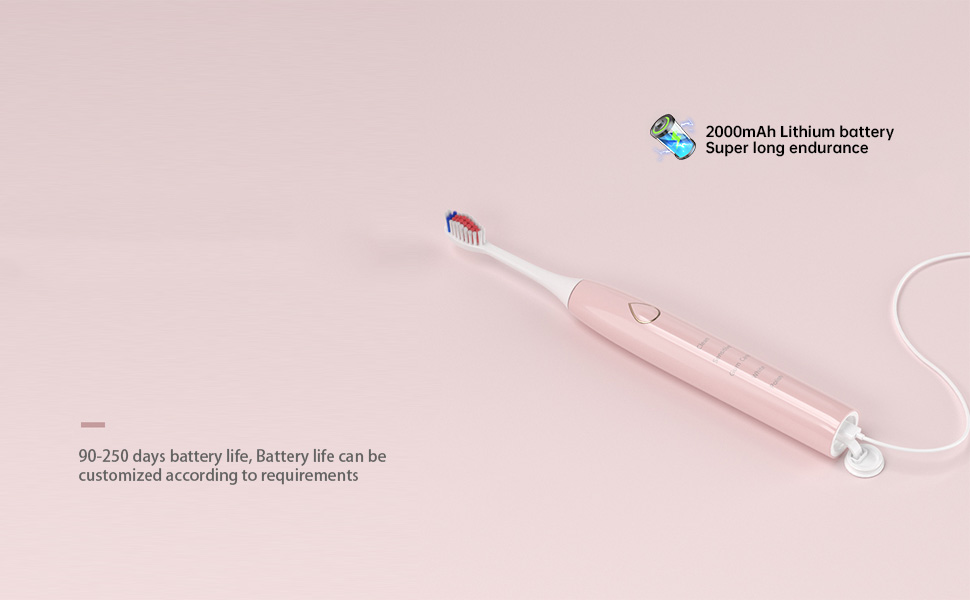
Rechargeable battery: Lithium-ion batteries are commonly used for long-lasting power.
Circuit board and sensors: These control speed settings, pressure sensors, and smart features.
Bristle head: Designed for efficient plaque removal and gum care.
Once manufactured, electric toothbrushes go through distribution channels, including retailers, e-commerce platforms, and direct-to-consumer sales. Manufacturers work closely with supply chain partners to ensure efficient global distribution while maintaining cost-effectiveness and product integrity.
For consumers, the lifecycle of an electric toothbrush involves daily use, regular maintenance, and occasional replacement of brush heads. Users benefit from features such as multiple brushing modes, timers, and pressure sensors, which enhance oral hygiene. Regular cleaning and proper charging extend the toothbrush’s lifespan, reducing unnecessary waste.
At the end of its lifecycle, proper disposal and recycling of electric toothbrushes become crucial. Many manufacturers now focus on sustainable materials and offer recycling programs to minimize e-waste. Key environmental considerations include:
Battery recycling: Ensuring lithium-ion batteries do not end up in landfills.
Biodegradable or recyclable materials: Reducing plastic waste.
Eco-friendly packaging: Using minimal and recyclable packaging materials.
Looking ahead, the electric toothbrush industry continues to innovate with advancements in sustainability, smart technology, and customization. Trends such as AI-powered brushing guidance, biodegradable brush heads, and energy-efficient motors will shape the future of oral care.
Understanding the lifecycle of electric toothbrushes provides insights into its components, manufacturing processes, and environmental impact. From design and production to user experience and sustainability, every stage contributes to the efficiency and effectiveness of this essential tool. As leading electric toothbrush manufacturers invest in technology and eco-friendly practices, consumers can enjoy better oral care while minimizing their environmental footprint.
For businesses looking to partner with a reliable electric toothbrush manufacturer, choosing a supplier committed to innovation and sustainability is key. Contact us today to explore high-quality electric toothbrush solutions tailored to your brand’s needs!
Common Water Flosser Problems and How to Fix Them
Interesting Teeth And Dental Facts That Will Surprise You

New Trends in the Electric Toothbrush Industry: How Can Intelligent Connectivity Enable Brand Premium?
Battery Leakage, Shell Peeling Off… What Are the Familiar Problems with Unqualified Children Electric Toothbrushes?
.jpg)
Could Poor Contact Be Undermining Your Sonic Pulse Tech Efficiency??
From a Chemical Perspective, Do Teeth Whitening Products Really Work?
Learning About Expiration Dates of At-Home Oral Care Products
Reveal the Big Brand OEM: The Manufacturing Insider of an International Brand Electric Toothbrush
New Trends in the Electric Toothbrush Industry: How Can Intelligent Connectivity Enable Brand Premium?
Is Small Batch Customization Feasible? The Minimum Order Quantity and Cost Control of Electric Toothbrush Labeling
Pricing Strategy for Electric Toothbrushes: A Balancing Act Between Manufacturing Cost and Market Positioning
Electric Toothbrush Manufacturing Under the Environmental Trend: Biodegradable Materials and Green Production
What Makes a High-Quality Water Flosser? Material Choices for Durability and Performance
Could Your Dual Bearing Drive’s Mode Malfunction Be Costing You Efficiency?
Water Flosser Maintenance: How to Keep Your Device in Top Condition
Should You Invest in Electric Toothbrushes?


.jpg)
.jpg)
.jpg)
.jpg)
.jpg)



.jpg)