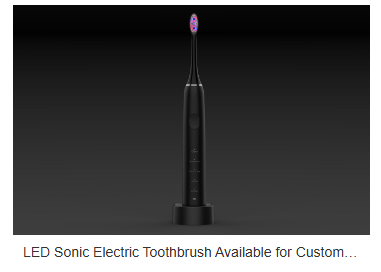
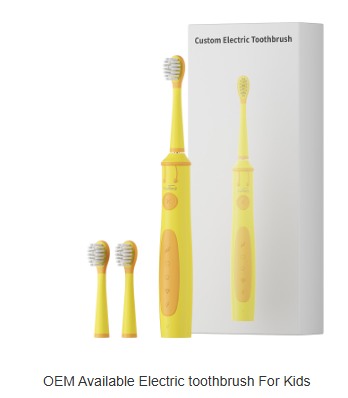
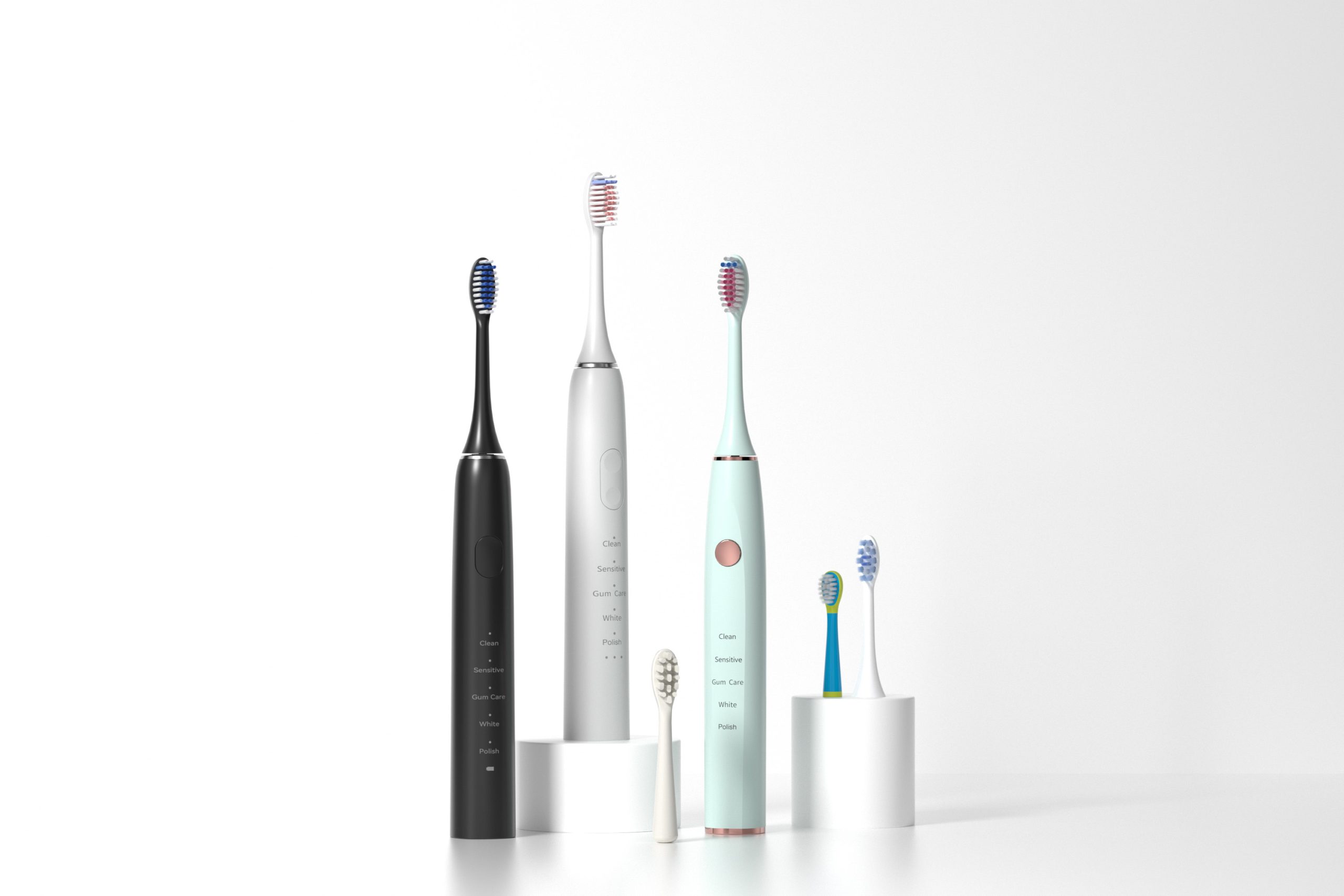
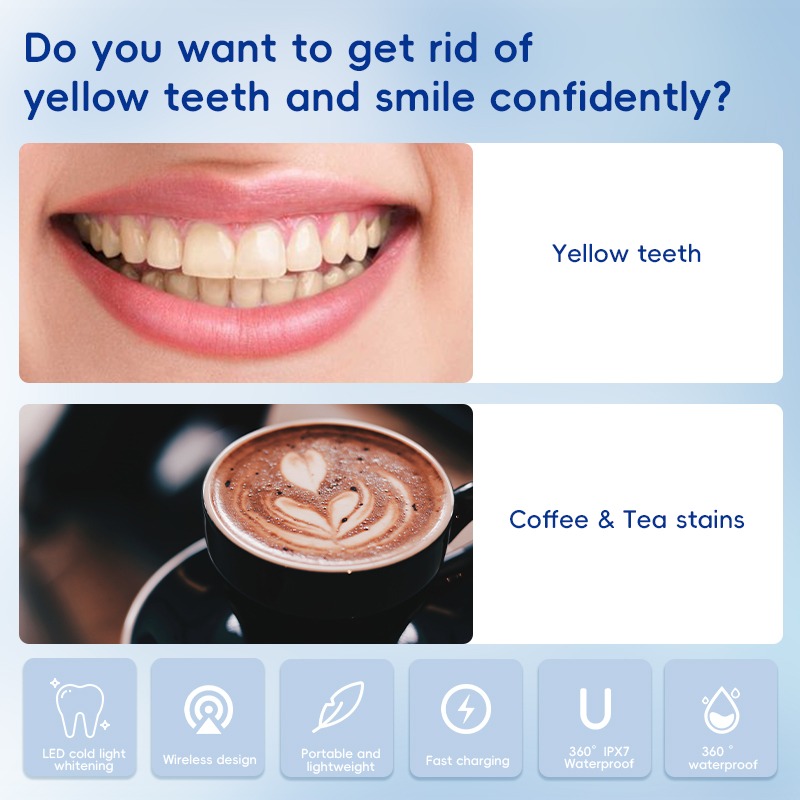
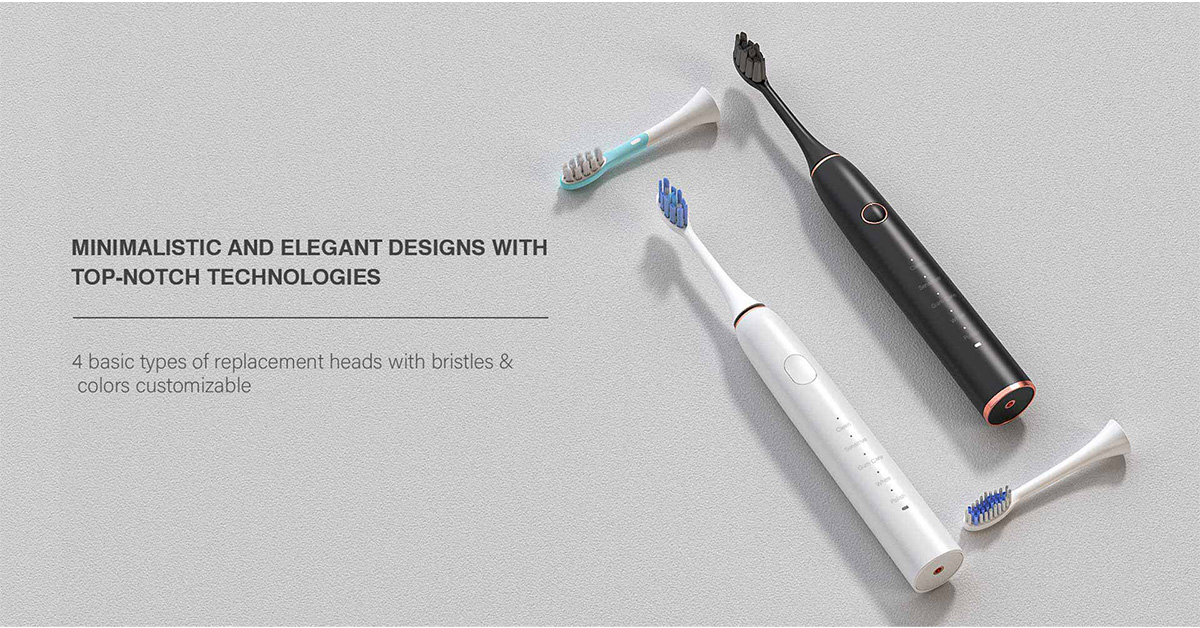
As demand rises for advanced oral care, many OEM/ODM buyers are turning to the Stain Removal Rotating Brush for its enhanced whitening effect and plaque removal. However, some manufacturers are now questioning whether its long-term use could be contributing to an overlooked issue: motor corrosion. Is this a hidden problem lurking behind surface-level cleaning power?
The Stain Removal Rotating Brush is engineered to rotate at high speeds, often in combination with pressure-based polishing features. It targets:
Its robust rotation mechanism delivers noticeable aesthetic results, making it a favorite in whitening-focused product lines. However, this same mechanism introduces moisture and particulate exposure risks for internal components.
At the heart of every rotating brush lies a compact electric motor. Over time, especially in high-humidity environments like bathrooms, the following factors can lead to motor corrosion:
Once corrosion begins, it weakens electrical conductivity, introduces friction, and can ultimately result in motor burnout or erratic brush speed.
Although corrosion is an internal process, several external symptoms may indicate a problem:
Manufacturers should ensure their QC teams monitor for these signals during durability testing phases. Company web: https://www.powsmart.com/product/electric-toothbrush/
Effective prevention of motor corrosion in Stain Removal Rotating Brushes hinges on design strategies such as:
Additionally, choosing motors with sealed ball bearings rather than sleeve bearings can reduce exposure risks significantly.
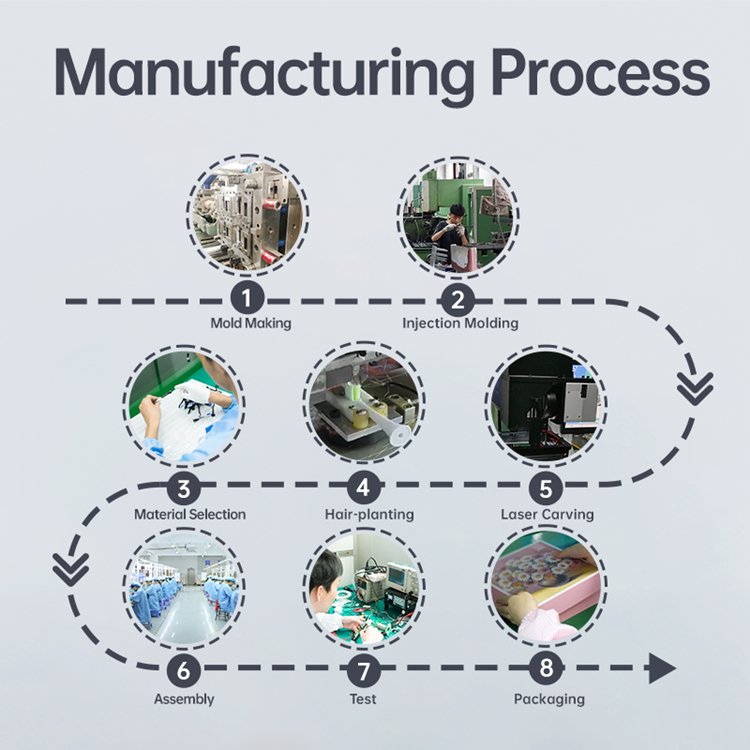
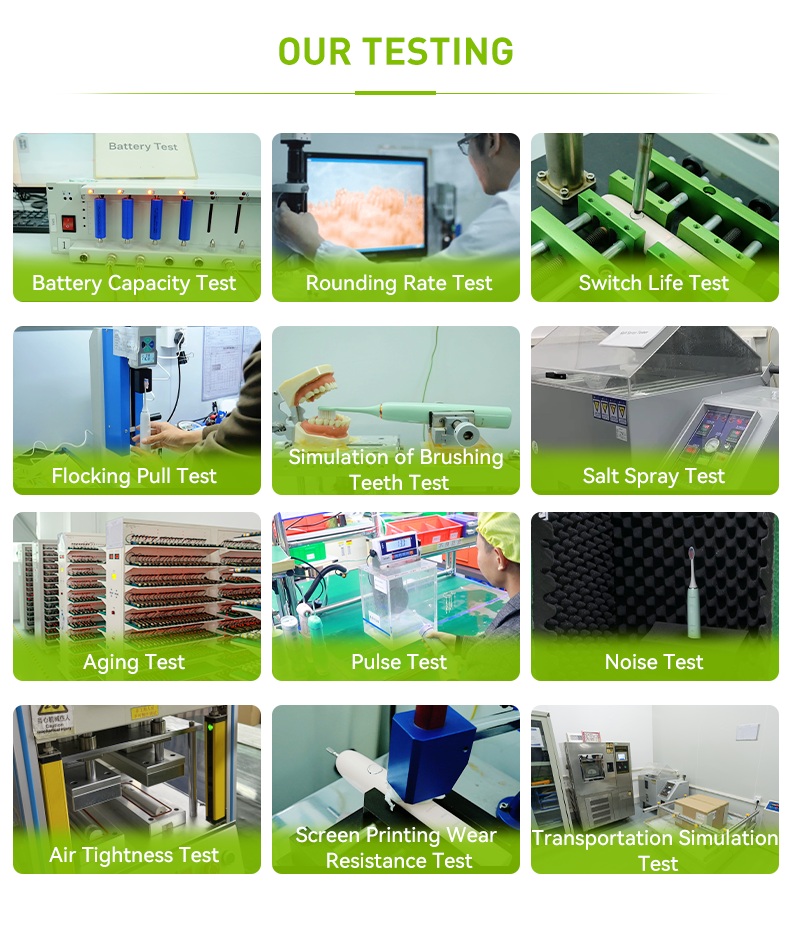
To validate product reliability, OEM suppliers should implement:
These verifications are vital for high-end markets where product returns due to motor failure can damage brand reputation and erode consumer trust.
With consumer awareness increasing, brands offering rotating stain-removal brushes can differentiate by:
A proactive stance on motor corrosion not only improves product longevity but also enhances post-sale user satisfaction.
While the Stain Removal Rotating Brush offers superior cleaning results, its motor can become vulnerable to corrosion if not properly protected. For B2B buyers and manufacturers, attention to waterproof design, component quality, and rigorous testing is essential to ensuring long-term reliability and maintaining market competitiveness. Contact us
-300x300.jpg)
-300x300.jpg)
Why use Medical-grade Material with a Flow Rate Calibration Tool for clinical flossers?
Why integrate a Leakage Prevention Valve with a Quiet Flosser Motor for user comfort?
.jpg)
Can You Tolerate Brush Head Wobble with Battery Swelling?
How to Fix Charging Failure Plus Handle Cracking?
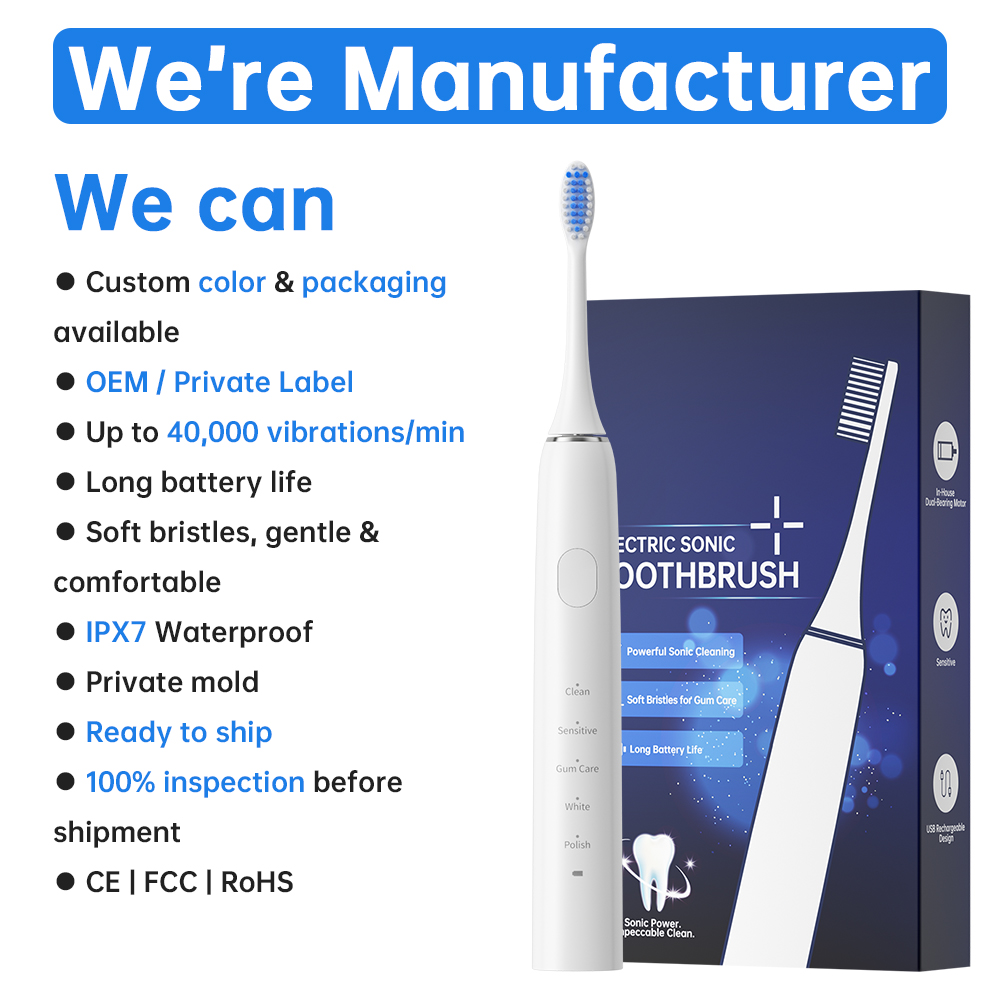
How does Pulse Water Technology enhance the effectiveness of an Orthodontic Jet Tip?
Gum Bleeding from Enamel Scratches – Time to Panic?
Electric Toothbrush Product Customization for OEM and ODM Brands
How Can Servo Motor Customization Optimize Precision in Brush Head Injection Molding for B2B Toothbrush OEMs?
Motor Overheating alongside Device Overheating – Double Danger?

Developing a Portable Water Flosser? Need a Quiet Flosser Motor?

Does Bacteria Killing Ultrasonic Brush Grow Reservoir Mold?
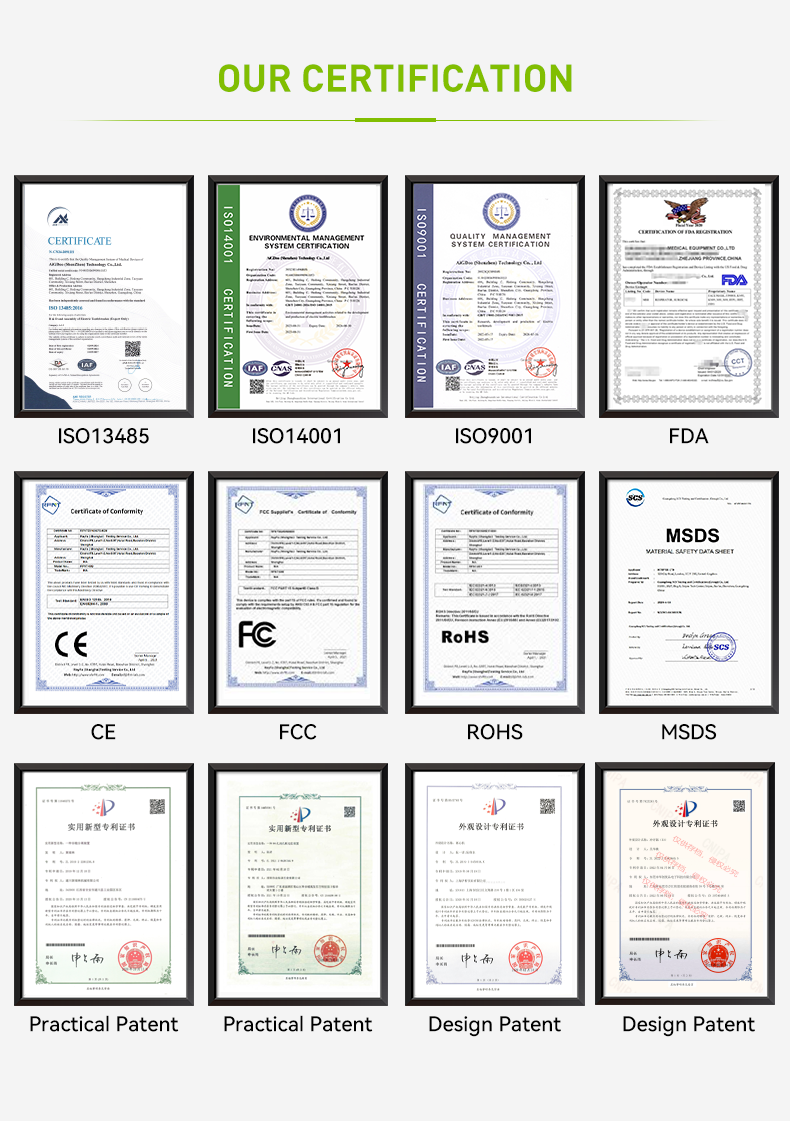
Why is a Magnetic Drive Motor the ideal core for products requiring an IPX8 Waterproof Rating?
Contact POWSMART
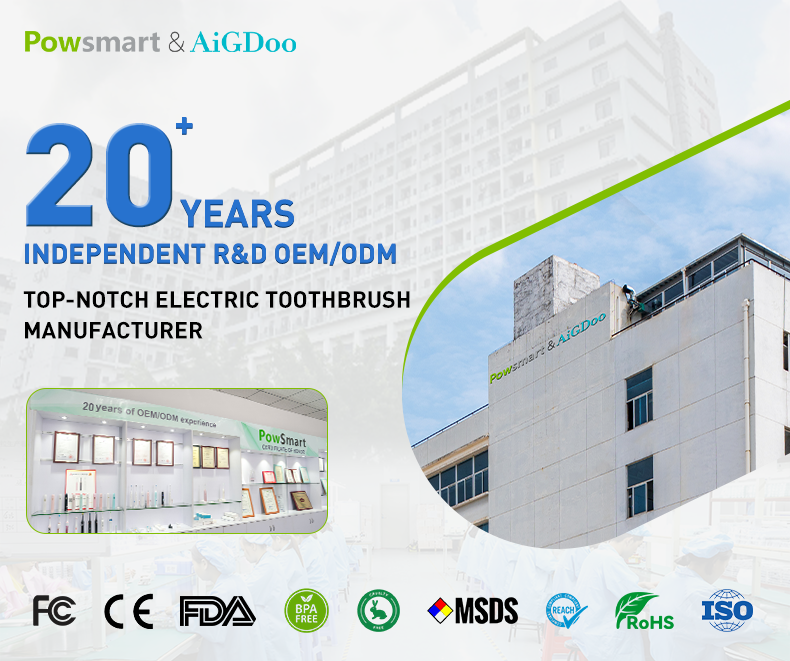
How Do Quality Control Protocols Contribute to Rigorous Quality Assurance?
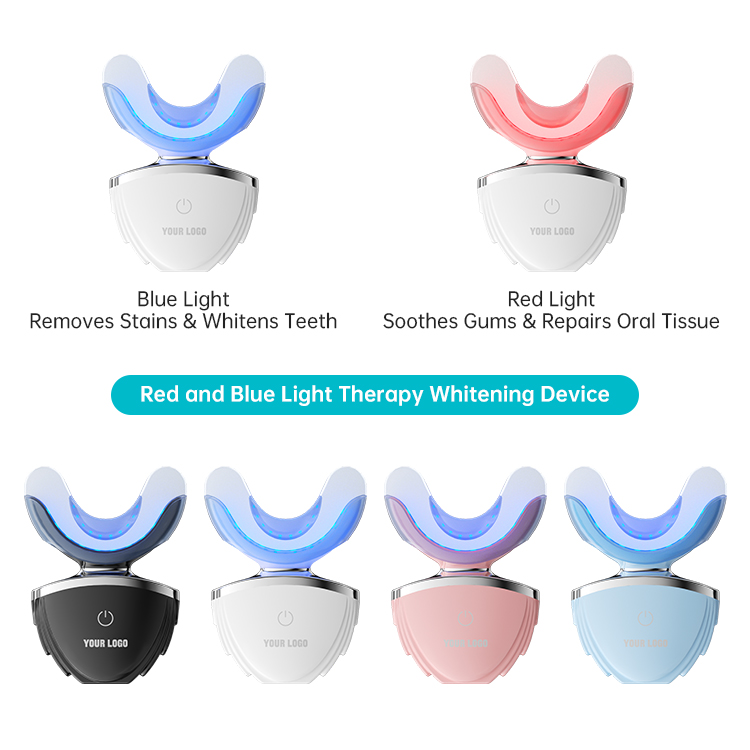
Why Pair Cosmetic Whitening Equipment with a Portable Charging Case?
.jpg)
Custom Children’s Electric Toothbrush Design – Soft Bristles & Food-Grade Silicone


.jpg)
.jpg)
.jpg)
.jpg)
.jpg)