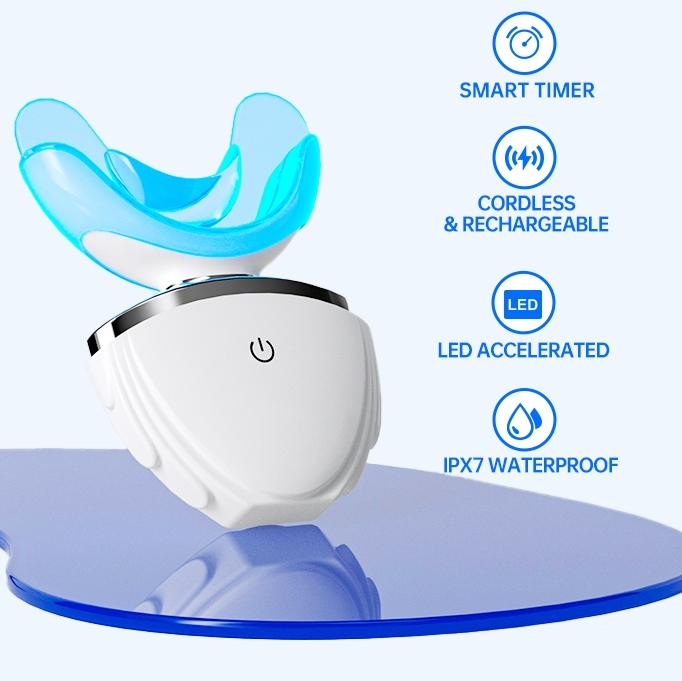
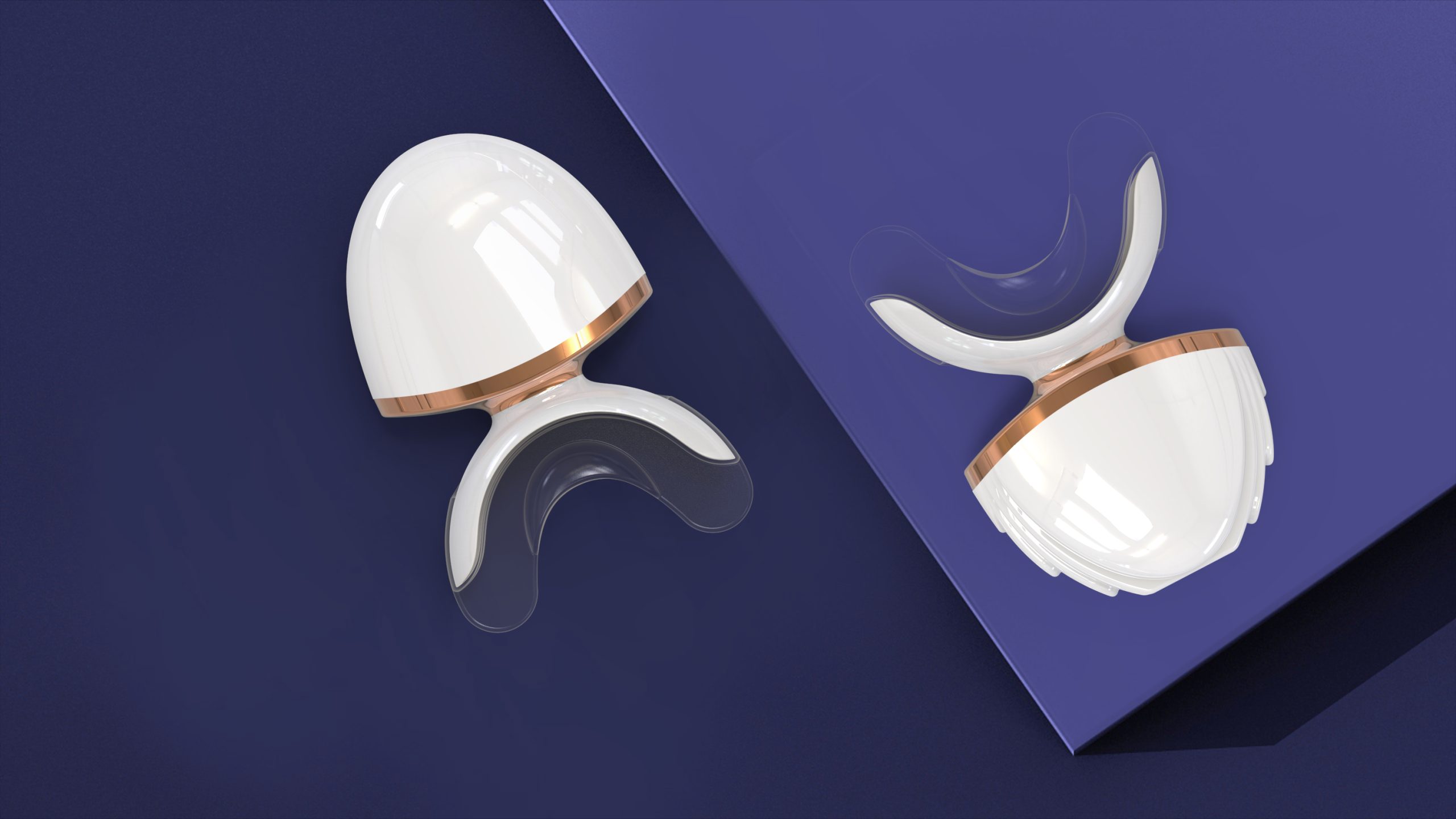
In whitening devices, whitening cycle variations—differences in treatment duration and frequency—directly affect final shade improvement. Meanwhile, frequent low-battery alerts interrupt the process, leading users to question what constitutes an “effective cycle.” The root causes span chemistry, device power, user behavior, and battery management.
Whitening cycle variations encompass both single-session length (e.g., 10 vs. 20 minutes) and overall frequency (daily vs. every other day). Manufacturers differ in formula strength, light wavelength, and heat assistance, so claims like “results in 7 days” versus “10 days needed” are common.
Devices often trigger low-battery alerts, auto-pausing or throttling power to protect battery life. While this safeguards the battery, it can prevent completion of the intended whitening cycle—undermining results. For B2B partners, balancing fast charging and stable runtime is critical to minimize such disruptions.
Users frequently restart interrupted treatments, losing adherence to standardized cycles. Both excessively long and overly brief sessions can lead to under-activated formulas or over-oxidation—causing sensitivity or color rebound.
The relationship between active ingredient concentration and exposure time can be:
Thus, debates over whitening cycles often reflect the balance between safety and efficacy.Company web:https://www.powsmart.com/product/electric-toothbrush/
On the hardware side, consider:
To resolve whitening-cycle disputes, B2B partners should:
By aligning chemistry, hardware, and service, manufacturers can minimize low-battery interruptions and deliver consistent whitening cycles that earn market trust.
-2-1024x576.png)
Ultra-Quiet Sonic Toothbrush Manufacturing: <60dB Technology
Does Magnetic Levitation Toothbrush Experience Brush Shedding?
.jpg)
Why Should Restricted Users Avoid Stain Residuals?
Rechargeable Whitening Device OEM for Global B2B Brands
Does Black Electric Toothbrush ODM Face Handle Corrosion?
Does Space-Saving Flosser Combo Cause Pulse Inconsistency?
Why Is Allergen Testing Critical for Post-Whitening Diets?
What makes Portable Flosser Design dependent on integrating a Quiet Flosser Motor?
Oral Microbiome Impact from Color Relapse?
How Does Maintenance Difficulty Worsen Enamel Weakness?
.jpg)
sonic electric toothbrush Mesa
Why is an LED Whitening Lamp Critical for Activating an Accelerated Whitening Solution?
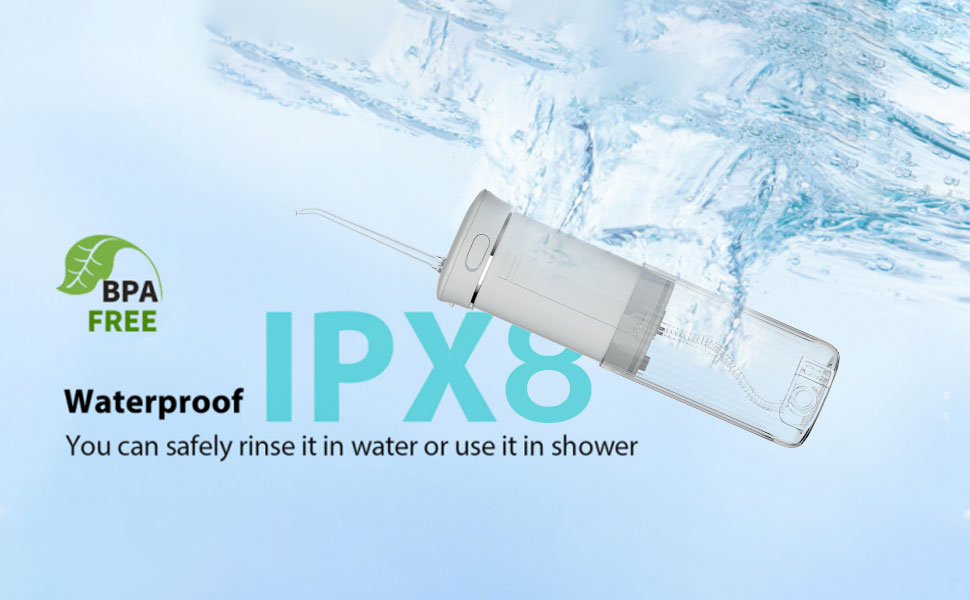
Waterproof Performance vs. Temperature Sensitivity?
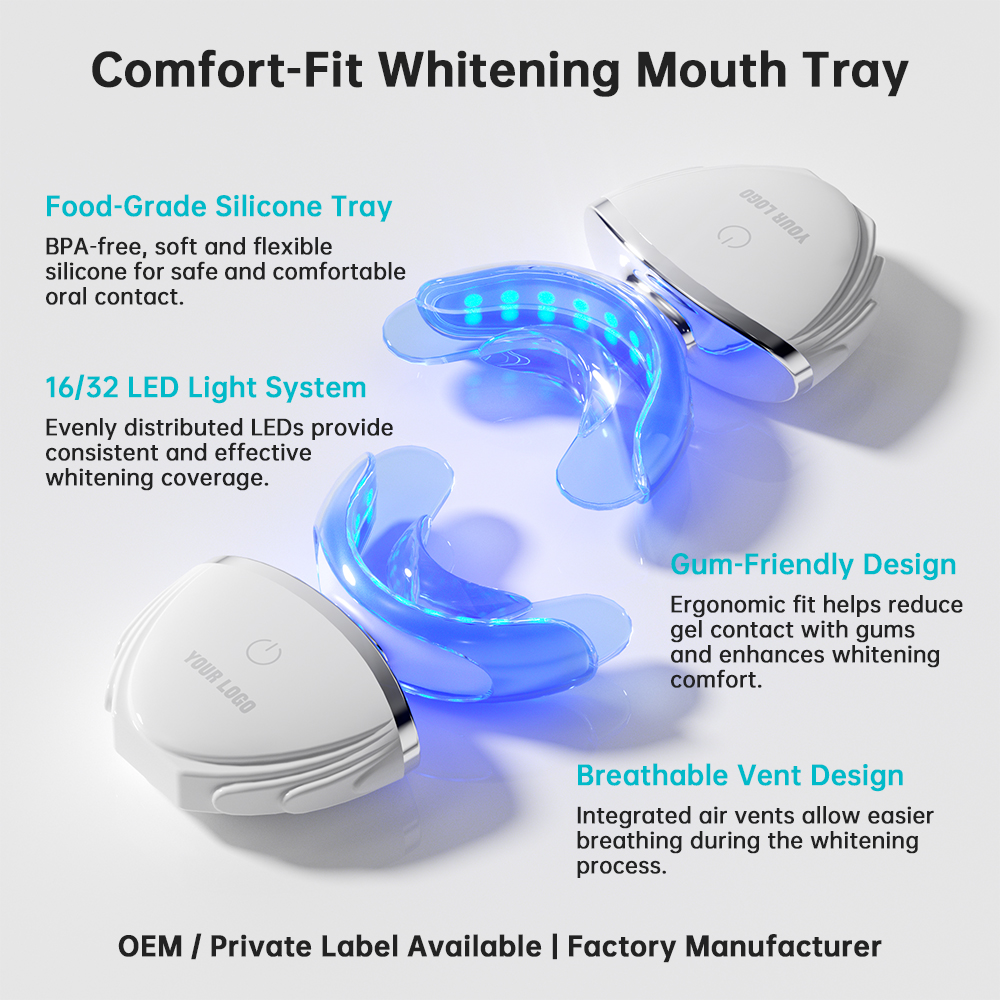
Can Custom Tray Design services coexist with Whitening Pen OEM production in a portfolio?
Does Long-Lasting Travel Toothbrush Trigger Power Surge?
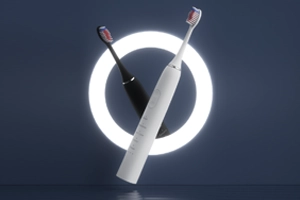
Smart Electric Toothbrush Customization by Powsmart


.jpg)
.jpg)
.jpg)
.jpg)
.jpg)