.jpg)
When split bristles occur, users often only notice reduced cleaning performance, overlooking that prolonged use of frayed filaments can concentrate stress on the enamel surface and initiate enamel cracks. As a B2B manufacturer, understanding and mitigating this hazard is key to helping channel partners offer safer oral‐care solutions. 1. How Split Bristles Alter Contact Mechanics First, frayed bristle tips change how filaments engage the tooth: Pressure Concentration: Split ends become finer and stiffer, increasing localized force on enamel. Extended Friction Paths: Multiple branches sweep across the surface, multiplying abrasive interactions. Vibration Imbalance: Irregular tip structures respond unevenly to oscillation, causing hotspots of higher impact. Thus, bristle integrity directly influences enamel stress distribution. Micro-Mechanisms of Enamel Crack Formation Next, consider how enamel cracks develop at the microscopic level: Stress Accumulation: High-frequency, small-scale impacts from stiff bristles generate subsurface micro-fissures. Fatigue Damage: Repeated abrasion and compressive forces propagate these micro-cracks into larger fractures. Chemical-Mechanical Synergy: Abrasive byproducts and acidic oral conditions further weaken enamel, accelerating crack growth. Combined physical and chemical wear prime enamel for damage. User Habits That Amplify the Hazard Moreover, user behavior can magnify risk: Overbrushing on One Spot: Lingering too long with split bristles repeatedly assaults the same…
When end users complain about short battery lifespan and frequent motor overheating, it signals a broader product durability issue. To address these challenges at their core, B2B manufacturers must optimize across six dimensions: battery systems, motor cooling, component selection, firmware control, holistic thermal management, and rigorous quality assurance. Battery System Optimization: Extend Battery Lifespan First, to improve battery lifespan, consider: High-Capacity Cells: Specify lithium-polymer cells with energy densities above 300 Wh/kg and cycle lives exceeding 1,000 charge/discharge cycles. Battery Management IC (BMS): Integrate over-charge, over-discharge, and temperature protections to prevent premature aging under extreme conditions. Low-Power Sleep Modes: Use firmware to detect idle periods and enter deep-sleep, minimizing parasitic drain when not in active use. By aligning cell selection with intelligent power management, you ensure sustained runtime across typical brushing routines. Motor Cooling Design: Prevent Motor Overheating Next, tackling motor overheating requires structural measures: Internal Air Channels: Mold circumferential vents in the handle to channel airflow generated by brushing motions, dissipating heat away from the motor. Thermal Interface Materials: Place thermally conductive silicone and graphite sheets around the motor housing to accelerate heat transfer to the shell. Over-Temperature Safeguards: Embed thermal sensors that throttle motor speed or shut down operation…
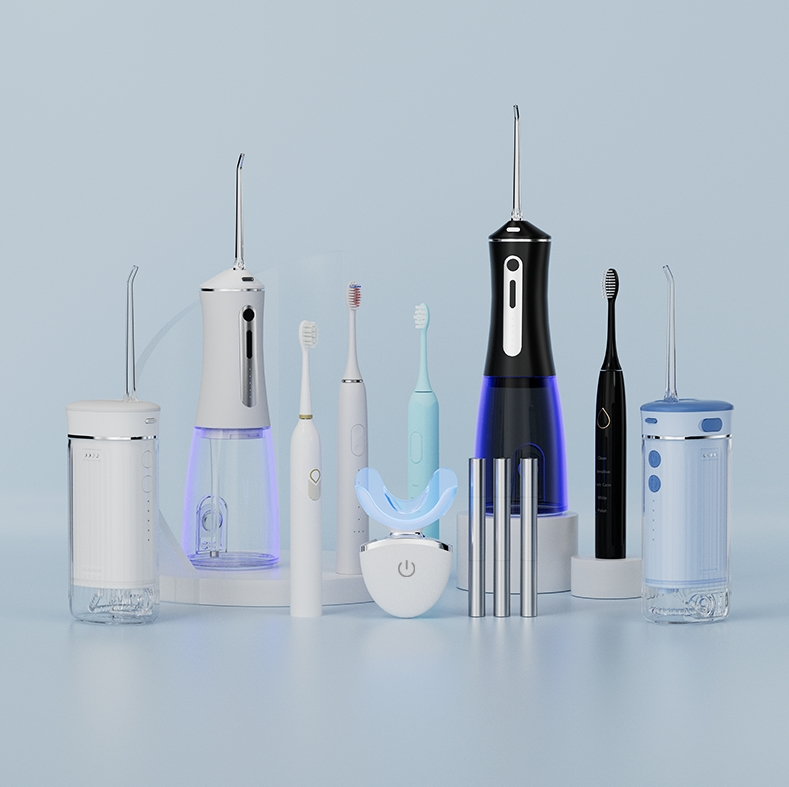
As oral hygiene awareness continues to rise globally, the electric toothbrush industry is experiencing unprecedented momentum. With innovation driving consumer interest and healthcare professionals recommending powered brushing, this segment has become a key driver within the larger personal care category. This blog outlines the major oral care growth trends, electric Toothbrush Growth Opportunities, identifies emerging markets, and evaluates the current electric toothbrush brand competition landscape for strategic insight. Global Electric Toothbrush Market Analysis: A Sector on the Rise Recent electric toothbrush market analysis reveals that the global market is expected to surpass USD 8.5 billion by the end of 2025, growing at a CAGR of over 7%. Key growth drivers include: Increased awareness of oral health Rise in disposable incomes in emerging economies Technological innovations such as AI brushing assistance and smart app integration North America and Europe currently lead in adoption, but Asia-Pacific, particularly China and India, are rapidly expanding markets due to changing consumer habits and urbanization. Oral Care Growth Trend: Beyond Brushing The electric toothbrush is no longer viewed as a luxury item but as a fundamental component of a complete oral care growth trend. The rise in dental care education and preventive healthcare is fueling demand.Key supporting trends include:…
When users complain of whitening unevenness, many manufacturers focus solely on bleaching formulations and overlook how improper frequency settings can lead to motor overheating and undermine product durability. In fact, incorrect vibration frequencies not only reduce activation efficiency but also accelerate enamel fatigue in localized areas, resulting in uneven whitening and increased wear. The Link Between Frequency Settings and Whitening Uniformity First, the frequency of cold-light or sonic activation directly dictates the speed and depth of free-radical generation: Low-Frequency Modes (<20 kHz) lack sufficient energy to break down deeper stains, causing superficial whitening. High-Frequency Modes (>30 kHz) improve penetration but concentrate energy and risk over-oxidation “hot spots.” Frequency Fluctuations: Without proper firmware compensation for voltage drops, load-dependent frequency jumps amplify whitening unevenness. Achieving precise and stable frequency output is therefore fundamental to consistent whitening. How Improper Frequencies Stress Enamel Next, mismatched frequencies impose cyclic stresses on the enamel surface: Micro-fatigue: High-frequency oscillations propagate micro-cracks, diminishing enamel hardness. Chemical-Mechanical Synergy: Vibration accelerates peroxide erosion, increasing surface porosity where stains can re-adhere. Localized Overheating: Excessive frequency settings can lead to motor overheating, transferring heat to tooth surfaces and intensifying chemical attack. Altogether, improper frequency settings are a key driver of both enamel…
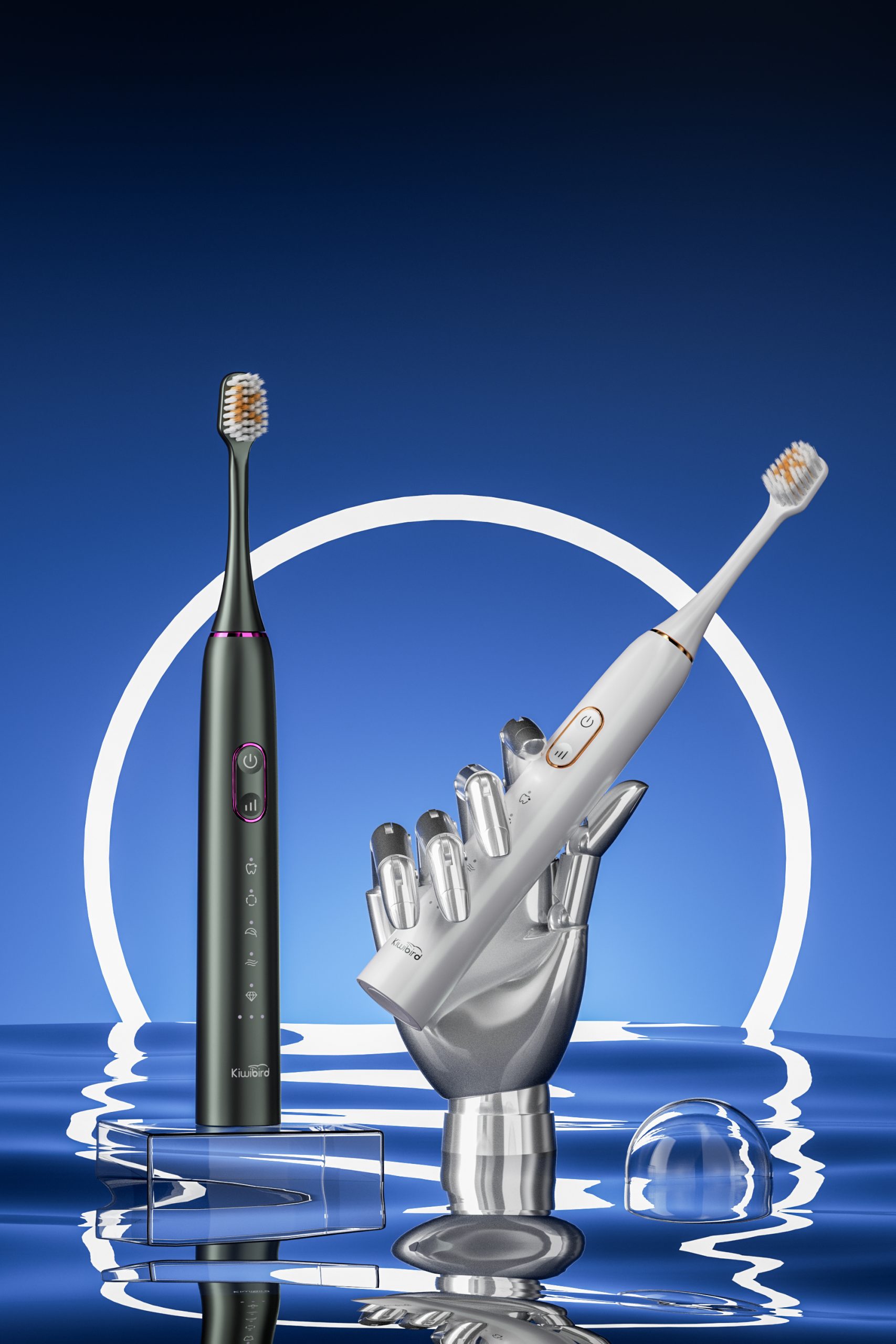
In the highly competitive personal care device market, the after-sales return rate is more than just a customer service issue — it directly impacts brand reputation, profitability, and long-term customer loyalty. For manufacturers and brand owners, minimizing the return rate of electric toothbrushes is a critical component of product lifecycle management. In this blog, we’ll explore six effective strategies to reduce the after-sales return rate of electric toothbrushes, from design and production improvements to customer education and support. Improve Product Quality from the Start The most direct way to reduce returns is by ensuring superior product quality at every stage of development and manufacturing. Use high-quality raw materials and components (e.g., long-life lithium batteries, durable ABS plastics). Conduct stringent quality checks during incoming material inspection and final assembly. Implement precision injection molding for shell components to reduce mechanical failures. By eliminating quality-related defects, manufacturers can significantly lower the return rate of electric toothbrushes caused by technical malfunctions or early product failure. Optimize Waterproof and Sealing Design One of the most common causes for electric toothbrush returns is water damage. Invest in advanced sealing technologies (such as ultrasonic welding or rubber overmolding). Design battery compartments and charging ports to be IPX7 or higher waterproof-rated.…
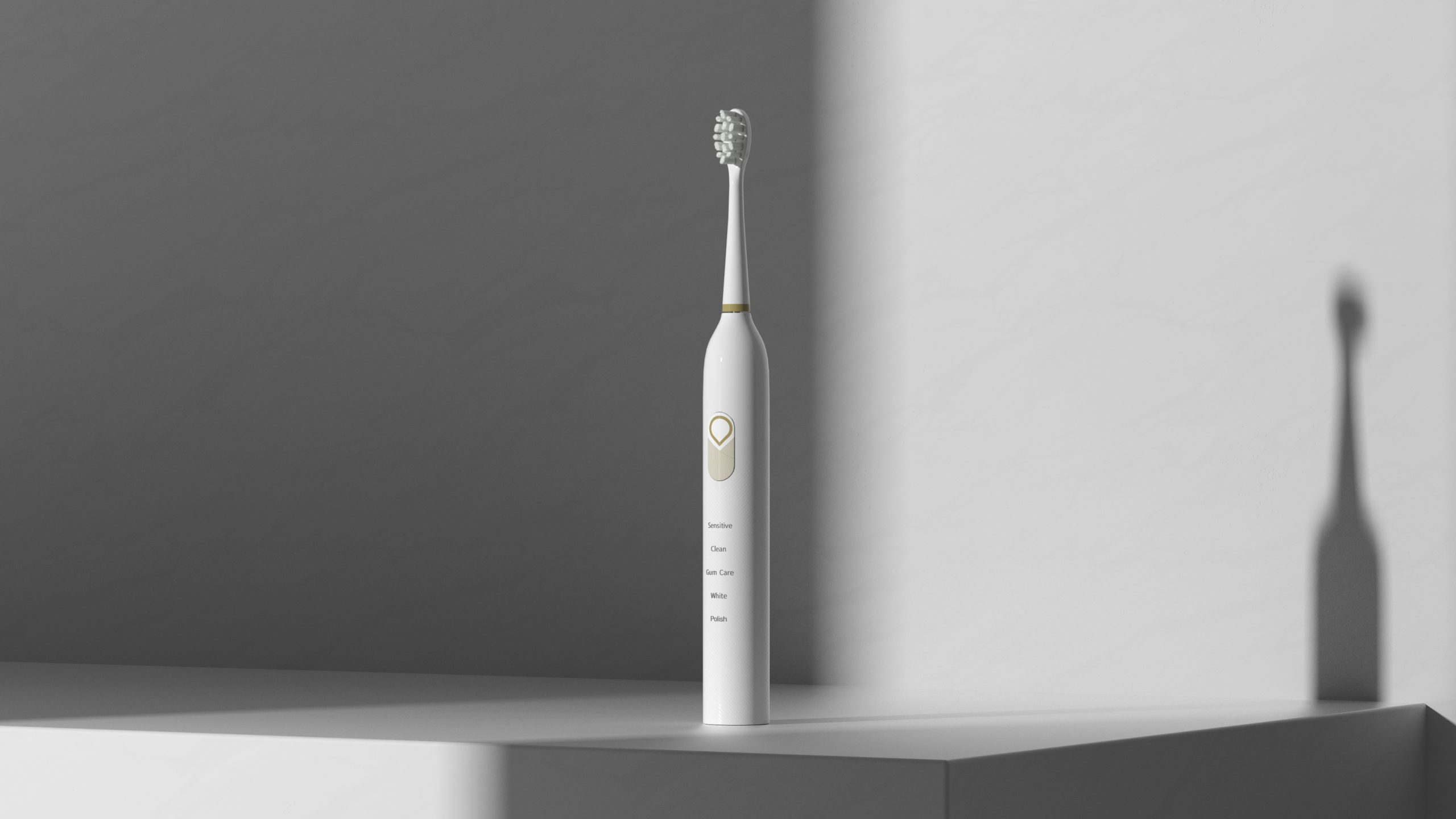
In the increasingly competitive oral care market, electric toothbrush brands must go beyond traditional marketing to capture consumer attention. Social media has become a powerful tool for connecting directly with target users, building trust, and driving conversions. Through effective social media to increase sales, brands can unlock new opportunities to expand their reach and grow sales.This blog outlines a 6-step strategy for manufacturers and brands, integrating oral care KOL cooperation, creative content, and a data-driven brand promotion strategy. Identify Target Audiences and Platform Preferences Before launching any campaign, brands need to define their ideal customer profiles—are they health-conscious millennials, parents buying for their children, or tech enthusiasts seeking the latest oral care innovation? Once personas are clear, choose the right platforms: Instagram & TikTok for visual storytelling and product demos YouTube for in-depth reviews and tutorials Facebook for community engagement and paid promotions Successful electric toothbrush social media marketing begins with meeting your audience where they spend their time. Leverage Oral Care KOL Cooperation Collaborating with oral care KOLs (Key Opinion Leaders) and influencers is one of the most effective tactics to build trust and generate authentic buzz. These influencers already have the audience—and the credibility—to recommend your brand. Types of collaborations include: Unboxing and…
When it comes to cosmetic dentistry, pregnancy contraindications are non-negotiable—and yet many patients overlook these guidelines and inadvertently expose themselves to chemical burns from whitening agents. As a B2B manufacturer, it’s vital to understand how hormonal changes, mucosal sensitivity, and agent potency intersect, so you can equip your channel partners with safe, compliant protocols. Why Pregnancy Contraindications Matter First and foremost, hormonal fluctuations during pregnancy thin the oral mucosa and alter immune response: Increased Vascularity: Elevated progesterone levels make gums more prone to bleeding and absorption of bleaching agents. Enhanced Sensitivity: Thinner epithelial layers heighten the risk of chemical irritation. Regulatory Mandates: Many jurisdictions forbid elective bleaching for pregnant or nursing women, requiring explicit warnings. Therefore, clear labeling and training on pregnancy contraindications are essential to both patient safety and regulatory compliance. Mechanisms Behind Whitening-Induced Chemical Burns Next, understanding how bleaching gels cause chemical burns helps refine safe formulations: pH Extremes: High-concentration peroxide (HP > 25%) often has a low pH that denatures mucosal proteins. Free Radical Overload: Unchecked generation of reactive oxygen species attacks epithelial cells. Prolonged Exposure: Exceeding recommended contact time (15–20 minutes) compounds mucosal damage. Optimizing gel buffer systems and enforcing strict timing protocols can mitigate these…
When frequency adjustment isn’t optimized, electric toothbrushes can underperform or over-stimulate—leading not only to poor plaque removal but also to thermal “hot spots” that risk chemical burns from fluoridated gels and aggravate gum bleeding. For B2B manufacturers, balancing vibration frequency is critical to safeguarding both cleaning efficacy and periodontal health. The Role of Frequency in Plaque Disruption Firstly, vibration frequency directly influences how effectively bristles dislodge plaque: Low Frequencies (<200 Hz) generate strong sweeping motions but may leave biofilm in interdental spaces. High Frequencies (>300 Hz) create micro-streaming in saliva, improving debris removal even between teeth. Misaligned Settings: Without precise calibration, mid-range frequencies can neither sweep nor micro-stream effectively, reducing cleaning efficiency. Thus, fine-tuning frequency settings maximizes both mechanical and fluid‐dynamic cleaning action. Excess Frequency and Thermal Risks Moreover, overly high frequencies can induce heat buildup in the brush head: Motor Overheating: Rapid oscillations generate friction inside the motor, elevating handle temperature. Gel Degradation: Heat can accelerate breakdown of whitening or fluoride gels applied concurrently, risking chemical burns on sensitive tissues. Localized Hot Spots: Users may feel sudden warmth at the gum line, leading to soft-tissue irritation. Controlled frequency limits and thermal cutoffs prevent these heat-related hazards.Company web:https://www.powsmart.com/product/electric-toothbrush/ Frequency-Induced Mechanical…
With the rapid development of oral care e-commerce, oral care product distributors face both unprecedented opportunities and fierce competition. To stand out in the digital marketplace, distributors must go beyond just listing products—they must present them strategically. A well-optimized product listing can significantly enhance visibility, improve conversion rates, and strengthen customer trust. In this blog, we’ll explore practical distributor growth strategies and offer actionable product link details optimization suggestions that help boost online performance and drive higher sales. High-Quality Product Images: The First Impression Matters In e-commerce, the product image is often the first interaction between a brand and a customer. For oral care items like electric toothbrushes, flossers, and toothpaste: Use high-resolution photos with multiple angles. Include close-ups of key features, such as brush head texture or ergonomic handle. Show the product in use to highlight benefits visually. Optimizing visual presentation is a key part of the product link details optimization suggestions that leads to more engagement and trust. Compelling and Informative Product Descriptions An effective product description educates, persuades, and sells. Distributors should: Clearly explain key features and functions. Highlight unique selling points, such as battery life, water-resistance, or specialized modes for sensitive gums. Use bullet points for readability and SEO-relevant keywords to…
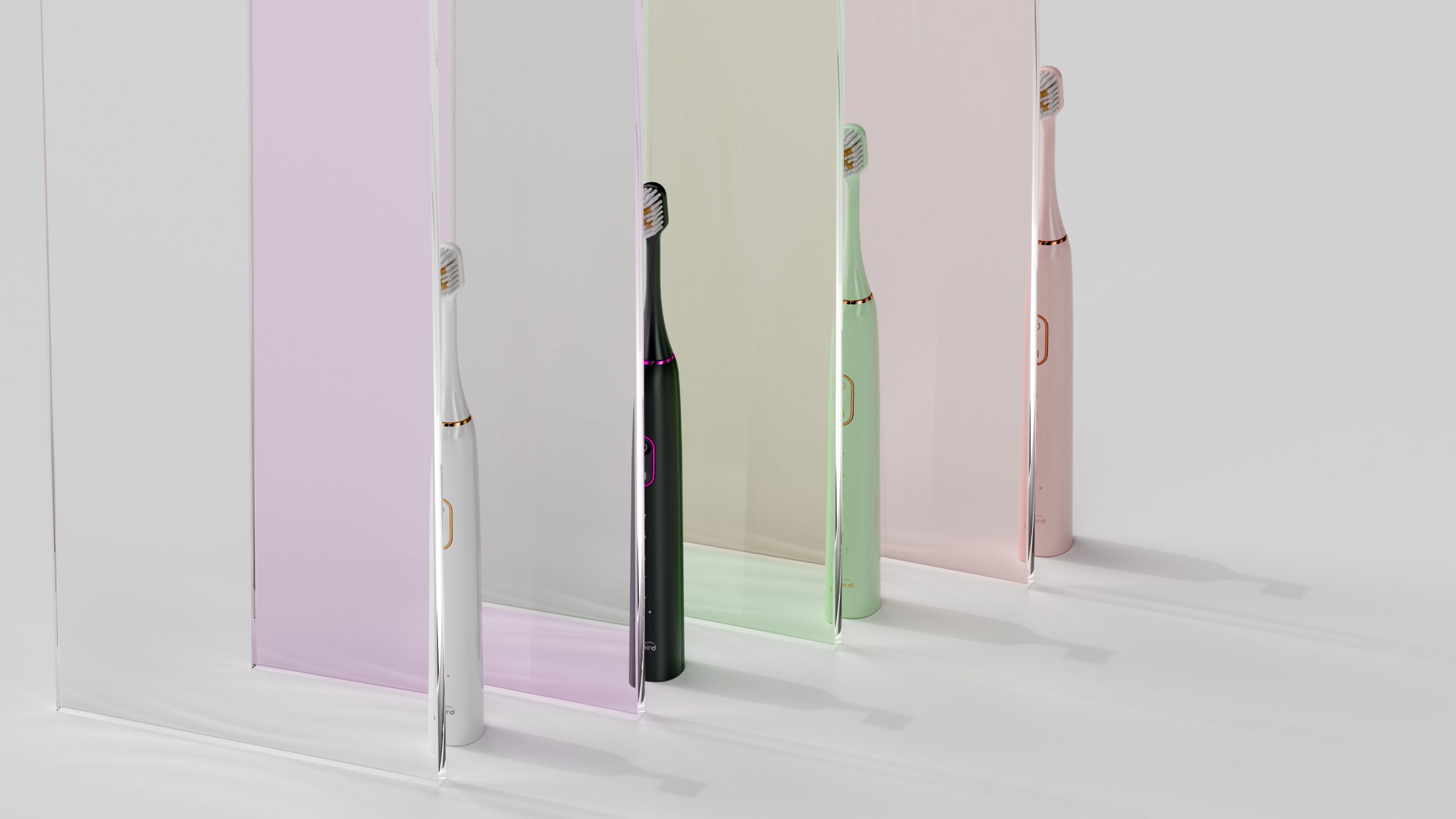
In the highly competitive oral care market, consumer trust is one of the most valuable assets a brand can build. With the rise of digital channels and health-conscious consumers, traditional marketing is no longer enough. Brands must now focus on oral care content marketing to build authority, educate users, and foster loyalty. So, how can oral care product brands improve customer trust through content? Let’s explore six essential strategies to make content a core driver of long-term brand credibility. Provide Transparent Product Education Modern consumers are curious and well-informed. They want to know what ingredients are in their toothpaste, how electric toothbrushes work, or the benefits of water flossers. By offering detailed product guides, ingredient explanations, and usage instructions, brands can enhance consumer education while building transparency. Example: A blog post titled “How to Choose the Right Electric Toothbrush for Gum Health” can educate users and promote specific product lines at the same time. Share Expert-Driven Content Bringing in professional opinions—such as insights from dentists, hygienists, or product engineers—adds credibility to your messaging. Publish interviews with dental professionals Create “Ask the Dentist” video series Reference scientific studies to support claims This kind of oral care content marketing bridges the gap between brand promotion and genuine…
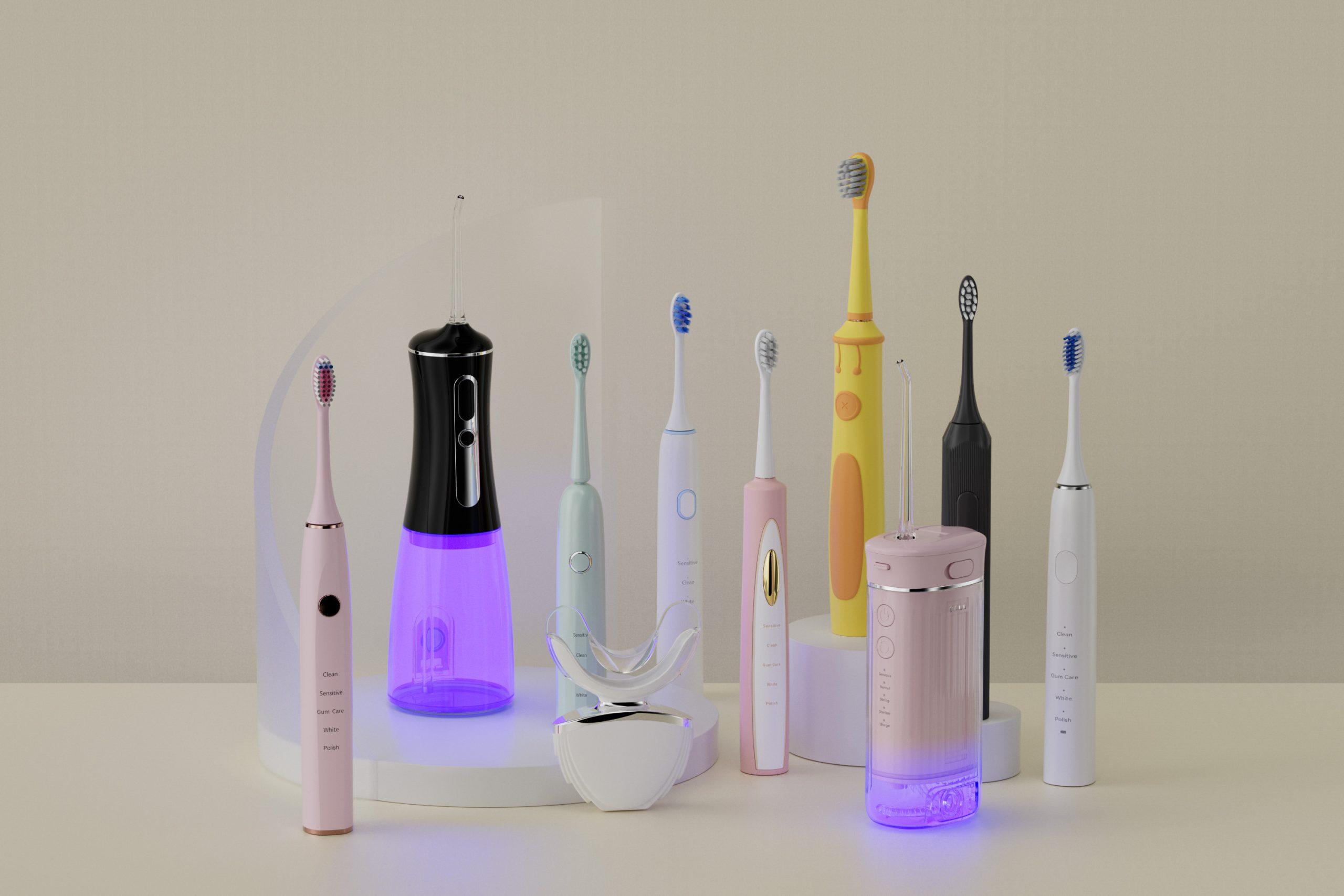
The oral care industry has witnessed rapid growth in recent years, driven by rising health awareness, technological advancements, and increasing demand for smart personal care products such as electric toothbrushes and oral irrigators. For manufacturers and brands, now is a pivotal time to focus on expand the global market. As competition intensifies locally, companies must look beyond borders. This blog outlines actionable strategies and practical market expanding tips to help oral care businesses succeed internationally—especially through emerging platforms like oral care cross-border e-commerce. Understand International Market Demand and Consumer Behavior Every region has unique consumer habits and product preferences. For successful global expansion: Conduct market research on oral care habits (e.g., preference for electric vs. manual toothbrushes, floss vs. oral irrigators) Study regulatory requirements (e.g., FDA, CE, CFDA) for product safety and certifications Tailor marketing to cultural expectations, such as packaging, language, and promotional messaging Understanding localized demand is the foundation of effective global market expansion. Leverage Cross-Border E-Commerce for Rapid Entry Oral care cross-border e-commerce platforms offer fast, scalable ways to enter new regions. Popular platforms include Amazon Global, Alibaba International, Shopee, and Tmall Global. Advantages: Low entry barriers (no physical retail setup required) Direct consumer feedback and data Quick adaptation…
When users encounter charging failures, they often interrupt and restart their electric toothbrushes, which can lead to gum bleeding. Moreover, these irregular restarts can accelerate brush head replacement, causing uneven bristle wear that further irritates the gums. Below, we examine this causal chain from six perspectives and offer practical solutions. Identifying Common Causes of Charging Failures First, pinpointing why charging fails helps address the root: Poor Contact: Metal charging contacts corrode or become dirty, preventing reliable current flow. Circuit Design Flaws: Oversimplified charging-management ICs can’t handle voltage fluctuations. Battery Aging: Increased internal resistance in old cells prevents them from accepting or holding sufficient charge, causing frequent dropouts. By tackling these issues, you can minimize mid-brush power interruptions. Impact on Motor Performance and Brush Head Wear Next, repeated charge–drop cycles not only stress the motor but also disrupt brush-head behavior: Erratic Vibration: When power dips, the motor slows or stops, failing to maintain consistent amplitude. Accelerated Bristle Fatigue: Uneven vibration causes local overbending, shortening brush-head lifespan and forcing earlier head replacement. Variable Bristle Stiffness: Worn bristles develop inconsistent rigidity, increasing friction against gums and causing micro-abrasions. Thus, charging failures directly drive up brush-head replacement frequency and gum irritation. Voltage Instability &…
High noise levels in electric toothbrushes can signal mechanical inefficiencies that not only annoy users but may also compromise cleaning efficacy, especially if the device’s water resistance features are compromised by vibration-induced seal fatigue. In this post, we explore six factors linking sound output to actual plaque removal and offer guidance for B2B manufacturers to design quieter, more effective products. Acoustic Signatures and Bristle Performance First, louder handles often indicate excessive motor vibration: Resonant Peaks: Unbalanced rotors create tonal spikes that amplify perceived noise without adding brushing power. Energy Loss: Acoustic energy dissipated as sound reduces the net mechanical force transmitted to bristles. Stability Impact: Increased vibration can cause bristle splaying, lowering contact pressure on tooth surfaces and diminishing plaque disruption. By analyzing acoustic spectra during R&D, engineers can balance rotor mass to maximize bristle-to-enamel force, not noise. User Behavior Under High Noise Levels Moreover, users react to loud devices in ways that impair brushing technique: Shortened Sessions: Prolonged noise discomfort often leads to cutting brushing time below the ADA-recommended 2 minutes. Lightened Grip: To muffle vibration, users press more lightly, reducing bristle penetration into interdental zones. Erratic Movement: Noise-induced startle responses cause inconsistent brushing patterns and missed surfaces. Designing…
Many high-end oral-care devices suffer from frequency instability and smart timer malfunction, leading to reduced cleaning effectiveness, poor user experience, and increased after-sales repairs. To resolve this dual challenge, B2B manufacturers must address six key areas—from hardware design and firmware logic to rigorous testing and user education. Flaws in Drive Circuit and Feedback Loop Design First, frequency instability often stems from deficiencies in the motor driver circuit and feedback loop: Lack of a Precision Encoder: Without real-time motor speed sensing, the firmware cannot correctly adjust output, causing frequency drift. Feedback Latency: Low sampling rates for analog feedback introduce gaps where the motor “sticks” at an unstable frequency under varying loads. Insufficient Filtering and EMI Protection: Power-line noise and brush vibration can corrupt feedback signals, amplifying frequency fluctuations. Improving both circuitry and closed-loop algorithms is the first step to stabilizing vibration frequency. Mismatch Between Timer Logic and Clock Source Next, smart timer malfunction often relates to imprecise timing hardware and firmware: Crystal Oscillator Drift: Using a low-grade crystal or no temperature compensation leads to cumulative timing errors. Interrupt Priority Conflicts: When timer interrupts clash with drive-control tasks, missed interrupt signals can freeze or reset the timer. Software Counter Overflow: Inadequate variable…
Many users report brush head detachment coupled with decibel level discomfort—a combination that undermines confidence in your electric toothbrush line. Understanding the interplay between mechanical coupling, vibration noise, and material wear is essential for B2B manufacturers to deliver durable, quiet products that strengthen partner trust and reduce warranty claims. Loose Coupling Mechanisms First, an improperly engineered head‐shank interface can lead to unwanted detachment: Tolerancing Errors: Too much clearance between the drive shaft and brush‐head cavity allows micromotion that works the head loose. Wear Over Time: Repeated attachment/detachment cycles and lateral forces erode locking features. Insufficient Retention Features: Simple snap‐fits without positive locks or secondary clips are more prone to release under load. To prevent this, consider multi‐stage locking rings or threaded couplings that secure the head even under stress. High Vibration Amplitude & Noise Moreover, excessive vibration levels not only cause decibel level discomfort but exacerbate detachment: Resonant Frequencies: If the motor’s oscillation frequency aligns with the head’s natural frequency, amplitude spikes both noise and mechanical stress. Poor Dampening: Absence of vibration absorbers transmits raw motor motion to the head interface. User Perception: Loud, harsh sounds at 70–80 dB heighten awareness of looseness, prompting users to apply extra downward force…
.jpg)
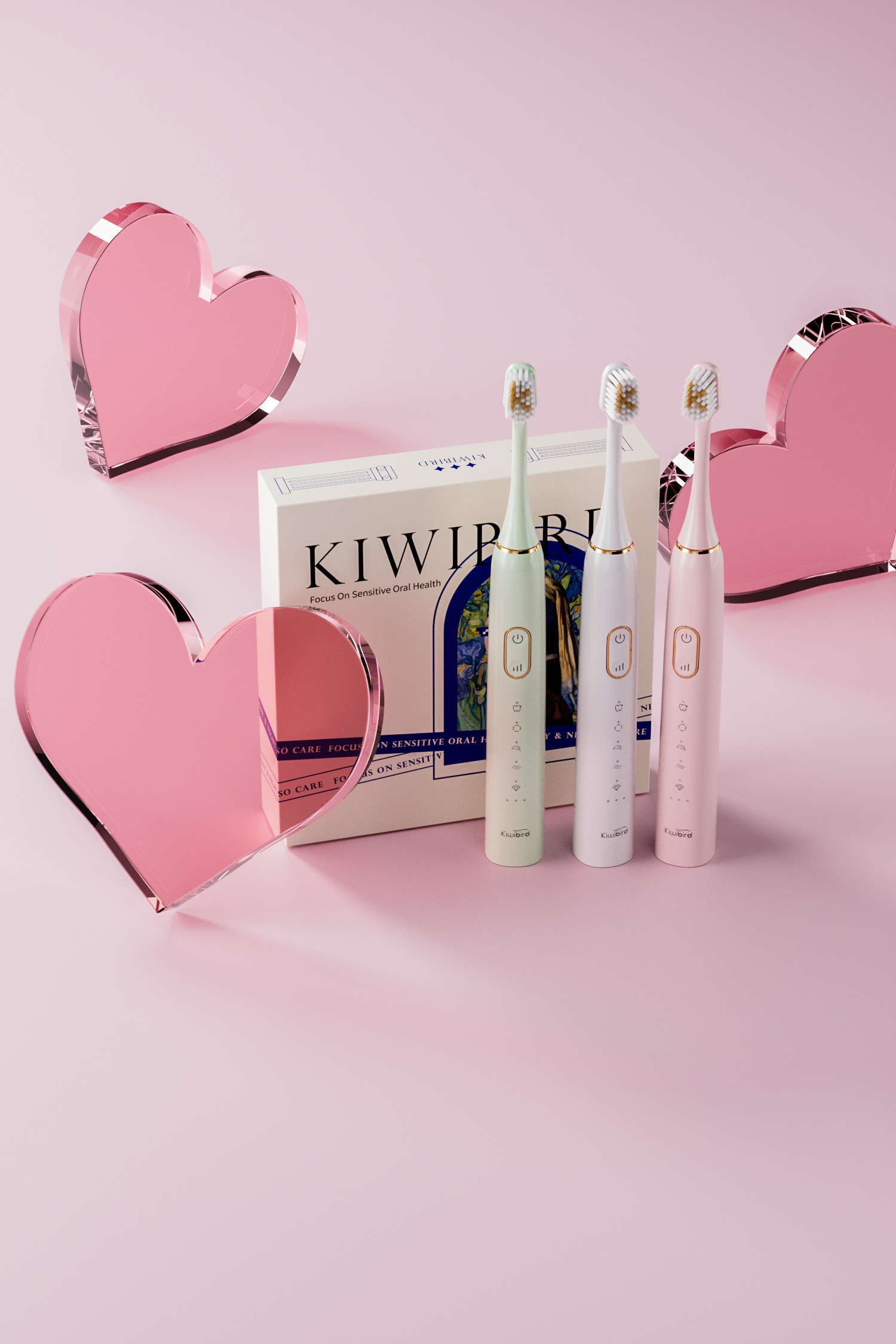
In today’s consumer-driven market, oral care devices are no longer just functional tools—they’re lifestyle statements. A new generation of users, especially younger demographics, value both design and smart features. As a result, manufacturers must rethink the appearance design of electric toothbrushes to balance beauty, functionality, and tech integration. This article explores how the fusion of Macaron colors electric toothbrush designs and APP interconnectivity creates a winning premium strategy for smart toothbrush brands—while still offering affordable oral care options. The Role of Color in Product Differentiation: Why Macaron Colors Work Traditional electric toothbrushes often stick to clinical whites and silvers. However, this trend is shifting. The Macaron color electric toothbrush palette—pastel pinks, mint greens, sky blues, and lavender purples—evokes a sense of freshness, style, and personalization. Why this matters: Visual differentiation on shelves and e-commerce platforms Emotional connection with users, especially Gen Z and Millennials Increased shareability and “Instagrammability”, boosting organic brand exposure Adopting trendy colors is a cost-effective way to enhance perceived product value and appeal, an important element in today’s premium strategy for smart toothbrush offerings. APP Interconnection: Elevating Functionality Through Smart Design Modern consumers are increasingly looking for intelligent features in their personal care tools. APP connectivity is no longer a luxury—it’s becoming a…
In smart oral-care devices like electric toothbrushes, app connectivity loss and battery swelling often appear together—eroding user trust and posing safety risks. To solve both issues, B2B manufacturers must address four major domains: waterproof sealing, thermal management, firmware logic, and structural design. Below are six key insights and action steps. A Common Root Cause: Moisture Ingress and Seal Failure First, aging waterproof seals allow moisture to penetrate: Silicone Hardening or Cracking: Prolonged exposure to humidity stiffens gaskets, breaking the seal. Adhesive Fatigue: Bonding glue between molded parts weakens, creating micro-leaks. Repeated Assembly/Disassembly: Docking and brush-head removal wear seal surfaces over time. Once water seeps in, it both swells the battery pouch and corrodes Bluetooth modules—triggering battery swelling and app connectivity loss simultaneously. Thermal Runaway and RF Signal Interference Next, a swelling battery worsens heat dissipation issues: Increased Internal Resistance: As cells swell, resistance rises, generating more heat during charge/discharge. Enclosure Deformation: Heat-distorted housing panels can clamp or shift the antenna, degrading RF performance. High-Temperature Noise: Elevated temperatures introduce electronic noise that disrupts Bluetooth communication. Improving heat management is therefore essential to stabilize both the battery and wireless link. Conflicting Firmware Protection Logic Moreover, firmware safety routines can inadvertently cut off…
.jpg)
In the post-pandemic era, young consumers are increasingly conscious of personal care and aesthetics. As a result, oral care for social confidence has become a growing trend among Gen Z and Millennials. A bright smile and fresh breath are not only about health but also about self-expression and confidence in social and professional environments. To capture this rapidly growing market, brands and OEM/ODM providers need to rethink product design and branding strategies. The rise of the travel-friendly water flosser toothbrush represents a golden opportunity. Combined with pop culture IP collaborations, these compact, lifestyle-integrated devices are changing the way young consumers approach oral hygiene. The Power of Portability: Design That Fits the Lifestyle Modern youth prioritize convenience and mobility. Whether it's a weekend getaway or a long workday, they want hygiene solutions that are effective, compact, and stylish. A well-executed portable water flosser design should offer: Lightweight body: Easy to pack and carry USB-C charging: Seamless with other digital devices Collapsible or modular structure: To save space Leak-proof construction: Ideal for travel or on-the-go use For a water flosser manufacturer, offering a pocket-sized yet powerful product is no longer an option—it’s an expectation. IP Collaboration: Winning the Hearts of Gen Z Collaborating with popular…
When users notice a whitening efficacy decline during treatment, devices often respond with pulse intensity spikes—abrupt increases in light or vibration power intended to compensate but which can damage enamel and irritate gums. For B2B manufacturers, understanding this feedback loop is vital to designing stable, safe whitening systems that maintain consistent performance without resorting to power surges. Sensor Drift and Misinterpreted Feedback Many whitening units rely on optical or force sensors to gauge bleaching progress: Calibration Drift: Over time, sensor sensitivity shifts, misreading residual stain levels as higher than they are. False Defect Triggers: The firmware interprets these erroneous readings as “low efficacy” and ramps up pulse intensity. Compounding Errors: Each power spike further accelerates sensor drift, creating a vicious cycle of oscillating intensities. Robust sensor calibration and auto-recalibration routines are therefore the first step toward stabilizing performance. Depleting Active Gel and Concentration Variance Bleaching gel chemistry also changes during use: Concentration Drop: As peroxide breaks down, its optical absorption peak shifts, confusing devices that rely on light-absorption feedback. Viscosity Changes: Thinner gel flows differently, altering contact pressure and sensor readings. Uneven Dispensing: Inconsistent gel delivery to the mouthpiece leads to local “dry spots,” interpreted as low efficacy. Integrating gel-level…
When brush head compatibility is overlooked—whether due to minor dimensional mismatches or non-standard attachment interfaces—tiny gaps can form where cleaning fluid pools and evaporates, leading to hidden liquid residue buildup. Such residue not only harbors bacteria but also degrades performance over time. In this article, we explore six critical facets to help B2B manufacturers eliminate compatibility pitfalls and keep their devices hygienic and reliable. Dimensional Tolerance Mismatches Even slight deviations in brush-head stem diameter or locking-ring geometry prevent a snug fit: Micro-gaps form around the base where liquid seeps in and stagnates. Vibration-induced Looseness over time widens these gaps and accelerates residue accumulation. Cross-Brand Interchangeability often exacerbates the issue when parts aren’t optimized as a system. By tightening CNC machining tolerances and standardizing interface specs, these hidden voids can be eliminated. Material Absorption & Capillary Effects Material choices at the interface can promote fluid retention: Hydrophilic Plastics draw water into microscopic pores, trapping moisture at the joint. Surface Roughness at the mating faces creates capillary channels that wick liquid inward. Aging Polymers lose dimensional stability, opening new pathways for fluid migration. Switching to low-absorption, high-precision polymers and mirror-finish mating surfaces minimizes capillary residue buildup. Sealing & Secondary Retention Strategies Effective…


.jpg)
.jpg)
.jpg)
.jpg)
.jpg)




.jpg)