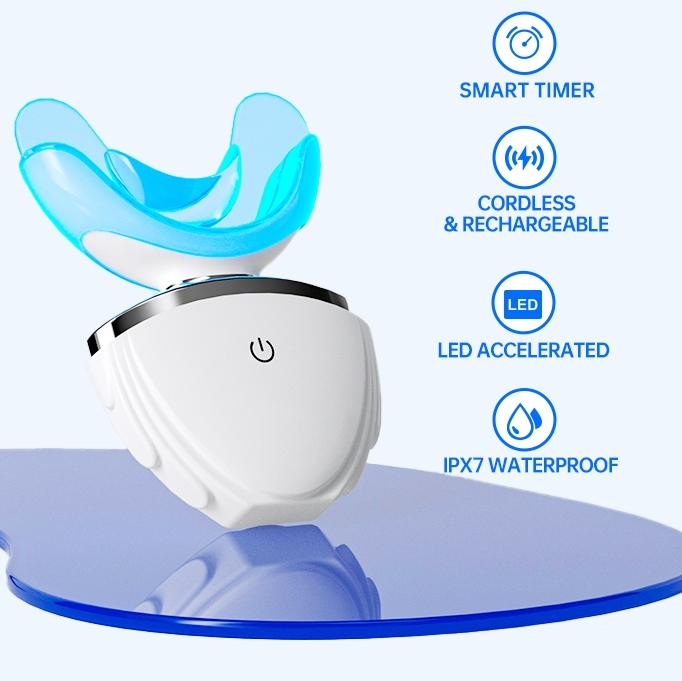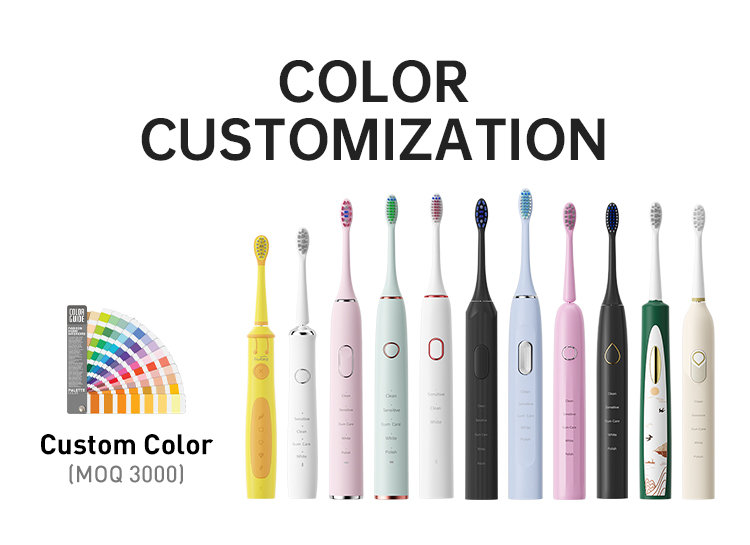
As consumer expectations around personal health rise, the oral care sector is experiencing a clear transformation. One of the standout trends is the rise of the Smart Electric Toothbrushes. These high-tech products are no longer limited to premium markets—they are rapidly becoming the standard. For oral care brands, responding to this demand requires collaboration with a tech-driven oral care supplier that can deliver advanced, customized solutions. This blog provides insight into why smart toothbrushes are gaining momentum and what brands should look for in a reliable innovative toothbrush factory manufacturer. Rising Consumer Awareness of Oral Health Consumers are now more educated than ever about oral hygiene's link to overall health. They seek tools that offer efficiency, accuracy, and data. A Smart Electric Toothbrush meets this demand by offering features such as: Real-time brushing feedback via apps Pressure sensors to prevent gum damage AI-powered brushing habit tracking Bluetooth integration and cloud-based data analysis These features make smart toothbrushes not just functional but essential in consumers' personal care routines. As a result, brands looking to stay competitive need to include smart oral care options in their product lineup. The Role of Smart Technologies in Oral Care Devices The integration of smart technologies in oral care…
.jpg)
In the manufacturing of high-performance electronic devices, two issues often come under scrutiny—Runtime Drop and Thermal Failure. While these problems may appear independent at first glance, deeper technical analysis reveals that they are, in fact, closely interrelated. Understanding the relationship between runtime decline and thermal stress is critical for OEM and ODM partners who demand reliability, safety, and durability in their products. What is Runtime Drop? Runtime Drop refers to the unexpected reduction in operational time of battery-powered devices such as electric toothbrushes, water flossers, or portable appliances. When the runtime does not meet the expected or rated duration, it causes end-user dissatisfaction and increases warranty returns. This can be caused by various factors—such as battery degradation, increased internal resistance, or external environmental conditions. However, an often-overlooked contributor to runtime drop is thermal stress. Excessive heat generation within the device during operation can accelerate battery aging, directly reducing usable capacity and causing runtime to shorten over time. What is Thermal Failure? Thermal Failure happens when a device or component fails to manage or dissipate heat effectively, resulting in overheating. This condition not only risks immediate functionality loss but may also lead to permanent damage of internal parts—such as PCB warping,…
In the production of battery-powered devices, two critical issues that can significantly affect product reliability are Battery Leakage and Valve Sticking. While they might seem unrelated at first glance, battery leakage can directly lead to valve malfunction and sticking, ultimately compromising the performance and lifespan of the entire device. Understanding this connection is essential for OEM and ODM partners striving for quality, consistency, and customer satisfaction. What is Battery Leakage? Battery Leakage occurs when electrolytes or other chemical substances escape from the battery casing. This leakage can be caused by various factors such as overcharging, deep discharge, manufacturing defects, or prolonged storage in unsuitable environmental conditions like high humidity or extreme temperatures. When battery leakage happens, the leaked substance can corrode nearby components, affect circuit boards, and even cause safety hazards. In sealed systems such as electric toothbrushes, water flossers, or medical devices, leaked battery fluids often reach mechanical parts—including delicate valves—causing unintentional side effects such as Valve Sticking. Understanding Valve Sticking in Precision Devices Valve Sticking refers to the failure of a valve to open or close smoothly, resulting in restricted or uncontrolled fluid or air flow. In consumer or medical devices that depend on precise fluid delivery (like…
In the world of high-precision electronic and mechanical devices, unexpected problems such as Contact Oxidation and Weak Pressure can severely impact overall product performance and end-user satisfaction. Many OEM and ODM partners are beginning to realize that these two seemingly unrelated issues may, in fact, be closely connected. Understanding how electrical contact quality can influence mechanical output like pressure stability is critical for improving the durability and reliability of modern devices. What is Contact Oxidation? Contact Oxidation refers to the formation of an insulating oxide layer on metallic contact surfaces, typically resulting from exposure to oxygen, humidity, or contaminants over time. In battery-powered or electrically actuated devices, contact oxidation can occur at the battery terminals, PCB connectors, motor brushes, or micro-switches. As oxidation builds up, the electrical conductivity at these points decreases, leading to increased resistance and inconsistent power delivery. This seemingly minor issue in the electrical system can ripple through the device’s operation—ultimately affecting mechanical systems that depend on stable electrical input to function correctly. Defining Weak Pressure in Powered Devices Weak Pressure occurs when a device fails to generate or maintain its intended mechanical force—such as air pressure, water pressure, or hydraulic pressure. In consumer appliances like water…
In the design and manufacture of electronic devices, particularly those intended for portable or high-performance applications, Vibration Weakening and Circuit Short are two critical risk factors that can significantly impact product reliability and safety. While these issues are often analyzed separately, recent failure analyses suggest a strong connection between vibration-induced mechanical wear and the increased likelihood of electrical short circuits. For OEM and ODM manufacturers, understanding this relationship is crucial to minimizing defect rates and ensuring long-term product durability. What is Vibration Weakening? Vibration Weakening refers to the gradual reduction in structural or mechanical integrity of components due to continuous or repeated exposure to vibration. This phenomenon is common in battery-powered portable devices such as electric toothbrushes, grooming tools, or industrial handheld equipment. Frequent vibration can loosen screws, degrade solder joints, wear down plastic mounts, and shift internal assemblies out of alignment. As the internal structure becomes unstable, the device may experience performance degradation, audible noise, and even malfunction. Understanding Circuit Short A Circuit Short (short circuit) occurs when an unintended connection forms between two conductive paths, allowing current to bypass its designated route. This can cause excessive current flow, overheating, and potentially catastrophic failures such as component burn-out or…
In the fast-evolving personal care market, standing out with a differentiated product is critical—especially in the electric oral care category. Whether you're launching a new brand or upgrading your existing product line, understanding what defines truly innovative electric toothbrush features is key to creating a product that resonates with today’s tech-savvy consumers. In this blog, we’ll explore six Electric Toothbrush Innovative Features that can make your electric toothbrush stand out, while helping you choose the right sonic toothbrush factory partner to bring your vision to life. Smart Brushing Tech for Personalized Oral Care Today’s users expect more than just vibration—they expect intelligence. Integrating smart brushing tech is one of the most effective ways to elevate your product’s value. Features such as: Pressure sensors to prevent overbrushing, AI-based brushing feedback via mobile apps, Real-time brushing coverage tracking,are not only technologically impressive but also reinforce oral hygiene habits. These features represent the new standard in oral care innovation, appealing to both health-conscious users and gadget lovers alike. Sonic Technology with Advanced Motion Control Partnering with a reliable sonic toothbrush factory ensures your product offers not just powerful but also precise cleaning. Advanced sonic motors deliver up to 40,000 vibrations per minute, but that’s only part of the…
Gum recession is a growing concern in oral health, often attributed to factors like aggressive brushing or periodontal disease. However, recent user feedback and clinical observations point to an overlooked culprit: pulse inconsistency in electric oral care devices, especially water flossers and sonic toothbrushes. For manufacturers in the B2B market, understanding and mitigating this issue is vital to product safety, user trust, and long-term brand reputation. What Is Pulse Inconsistency and Why Does It Matter? Pulse inconsistency refers to irregular or fluctuating pressure and frequency in electric toothbrushes and water flossers. Instead of delivering a stable, rhythmic action, the device may spike or dip unpredictably. This can occur due to: Inadequate motor regulation Inconsistent power supply Poor-quality control in pulse generator circuits Software glitches in smart devices While seemingly minor, such irregularity can have a significant cumulative effect on gum tissue. How Pulse Inconsistency Leads to Gum Recession Gums are highly sensitive to mechanical force. Consistent, gentle stimulation can promote circulation and health, but unpredictable pulses act like micro-traumas. Over time, the repeated application of uneven pressure may cause the gum line to shrink or detach from the tooth, leading to gum recession. Clinical professionals have begun to associate irregular…
In today's smart personal care devices, features like the travel lock are designed to enhance user safety and convenience. However, recent engineering reports and field failures have exposed a surprising vulnerability: travel lock failure may inadvertently trigger a power surge, leading to electronic malfunctions, battery degradation, or even fire hazards. For B2B manufacturers, this risk demands urgent attention—not only to uphold product reliability but also to maintain compliance and market trust. What Is a Travel Lock and How Does It Work? The travel lock is a safety function built into electric toothbrushes and grooming devices to prevent accidental activation during transport. It’s typically engaged by holding a button for a few seconds, disabling the power function until manually released. However, when poorly implemented or damaged during manufacturing or transit, this lock can fail—causing the device to activate unexpectedly while packed in a confined space, such as luggage. How Travel Lock Failure Leads to Power Surges Unexpected activation of a device inside a sealed environment causes the motor to run without ventilation or resistance, potentially leading to: Internal component overheating Prolonged, unmonitored power draw Battery stress and swelling Faulty circuit load distribution This excessive, irregular power consumption can result in a…
As water flossers gain popularity for daily oral care routines, concerns around battery leakage and overheating risks have started surfacing across consumer platforms and return reports. For B2B manufacturers, these issues are more than isolated defects—they represent systemic challenges tied to design, assembly, and quality control. This blog explores the engineering and safety implications behind battery-related failures and what proactive steps can be taken to mitigate them. Why Battery Safety Matters in Compact Oral Devices Water flossers rely on rechargeable lithium-ion or NiMH batteries for portability and power. However, due to the compact, moisture-prone environments these devices operate in, battery integrity becomes highly vulnerable. Unlike larger electronics, there's limited room for heat dissipation, and inadequate sealing can directly contribute to battery leakage and overheating risks, often simultaneously. Root Causes of Battery Leakage in Water Flossers Battery leakage typically results from: Poor sealing or waterproof failure in the internal housing Low-quality cell materials that degrade over cycles Exposure to high humidity inside the tank compartment Improper charging behavior not safeguarded by BMS (Battery Management System) Once a battery starts leaking, it not only reduces device performance but may also corrode circuit boards, damage surrounding components, and cause unpleasant odors—leading to a…
In the world of electric oral care devices, user comfort is closely tied not only to cleaning performance but also to acoustic experience. However, an increasing number of noise complaints are now being traced back to a lesser-known issue: handle corrosion. What appears to be a simple design flaw can, over time, evolve into a serious quality concern affecting both user satisfaction and product longevity. Where Function Meets Frustration: How Handle Corrosion Leads to Unusual Noise At first glance, handle corrosion may seem purely cosmetic. But when internal metal components within the handle oxidize—particularly around the motor mounts, drive shafts, or screw fixtures—it creates micro-vibrational shifts. These inconsistencies often result in unexpected mechanical buzzing, rattling, or high-pitched noise, especially during high-speed operation. Over time, this seemingly minor noise becomes a major customer service headache—especially for premium models expected to deliver a smooth, quiet experience. Root Causes of Handle Corrosion in Electric Devices Handle corrosion often stems from overlooked factors during design or assembly, including: Improper sealing at connection points, allowing moisture ingress Use of low-grade alloys or untreated metals for internal brackets Residue from chemical cleaning agents during assembly or consumer use Inadequate ventilation design, which traps condensation inside the…
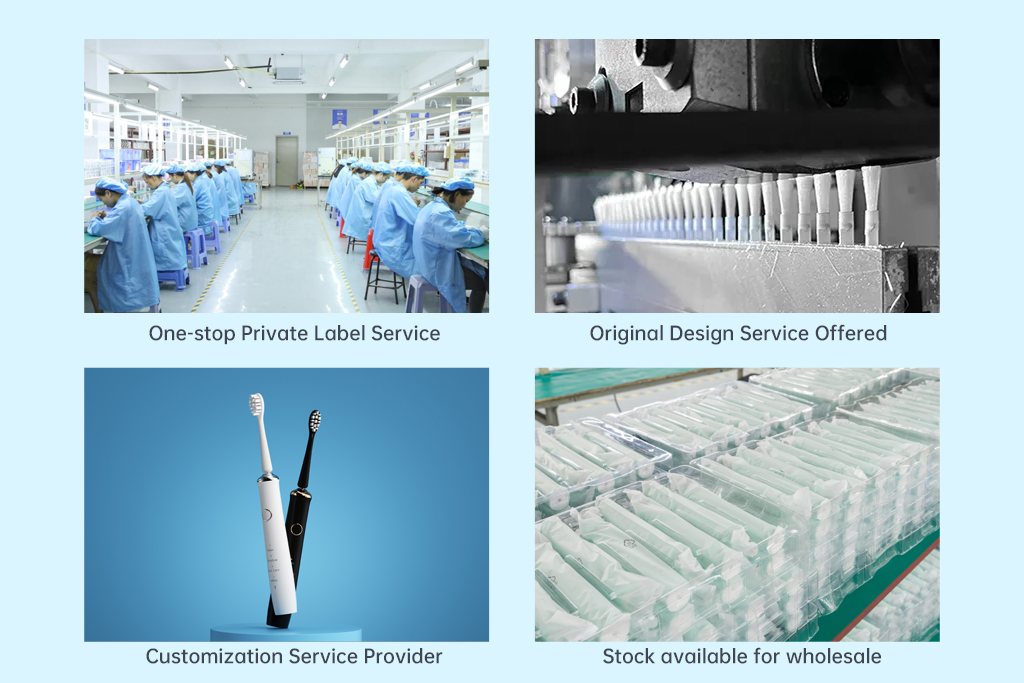
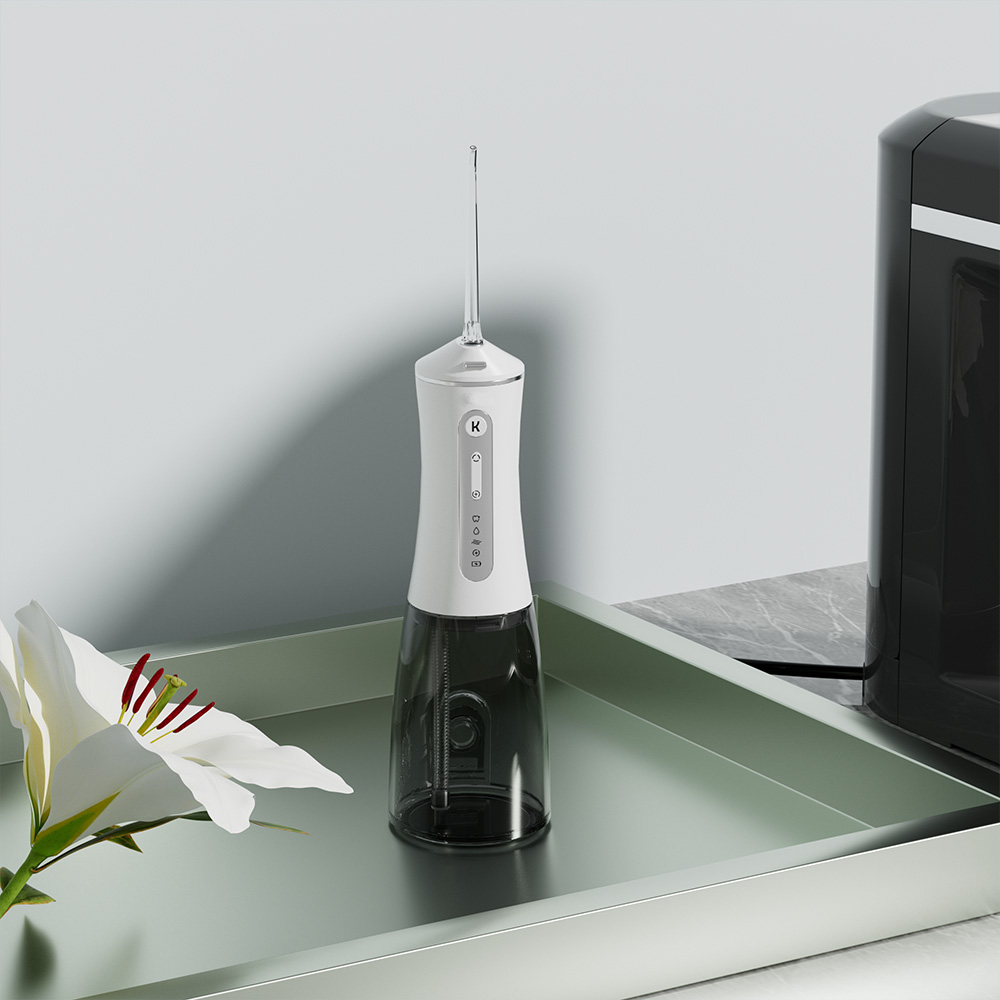
In the rapidly evolving oral care industry, ultraviolet sterilizing water flosser is emerging as the next big trend. Combining the cleaning power of traditional water flossers with UV sterilization technology, these devices appeal to hygiene-conscious consumers seeking more advanced and sanitary solutions. For oral care brands, the question is no longer whether to offer this type of product, but how to find the right water flosser factory to bring their ideas to market. This blog will explore current trends and provide brand owners with a practical guide on how to select water flosser factories that meet their quality, innovation, and customization needs. The Rise of Ultraviolet Sterilizing Water Flossers Consumer awareness of personal hygiene has reached new heights, especially post-pandemic. The demand for high-performance oral devices that go beyond basic cleaning is driving growth in the ultraviolet sterilizing water flosser segment. Unlike standard models, these flossers use built-in UV-C light to sterilize the nozzle or water tank, effectively reducing bacterial growth and ensuring safer daily use. This makes them highly attractive for premium product lines, positioning them as a must-have in modern oral care manufacturing portfolios. What Brand Owners Should Look For in a Water Flosser Factory Choosing the right water flosser factory is critical to product success. Brand…
In the competitive landscape of oral care devices, user adaptation has become a critical metric of product success. Surprisingly, one of the most overlooked factors hindering smooth adaptation is improper angle use. When devices are not ergonomically aligned with user behavior, even advanced technologies may fail to deliver intended results—leading to frustration, poor compliance, and product abandonment. The Angle Problem: Where Design and Usability Collide While many assume that users will instinctively adopt the correct brushing or flossing angle, clinical data shows otherwise. Improper angle use, especially with power toothbrushes and water flossers, often leads to: Incomplete plaque removal Gum line irritation Discomfort in wrist or jaw movement This, in turn, delays user adaptation, especially for first-time electric brush or flosser users. Products that demand awkward wrist positioning or lack clear angling cues increase the cognitive load during daily use. Why Improper Angle Use Persists Across Demographics Improper angle use isn’t limited to elderly or pediatric users—it spans across all consumer groups. Common contributing factors include: Poor handle ergonomics Lack of user education or unclear user manuals Overly slim or thick brush necks Non-intuitive brush head orientation Without thoughtful design intervention, users must rely on trial-and-error, prolonging adaptation time and…
When users rely on overpressure cleaning to boost their perceived “deep clean,” they often overlook that excessive brushing force actually aggravates interdental stains. Over time, too much pressure not only harms gum tissue but also drives pigment deeper into interdental spaces, creating a dual threat to oral health and aesthetics. Below, we explore six dimensions of this hidden risk and offer B2B manufacturers actionable solutions. What Is Overpressure Cleaning—and Why It Happens First, define “overpressure cleaning” and its causes: Misguided Belief: Some users think “the harder the better,” ignoring the tolerance of gums and enamel. Poor Feedback: Smooth or slippery handles provide no tactile cues, making it hard to gauge safe pressure. Mode Misuse: High-frequency vibration modes without proper warnings often prompt users to grip harder. Recognizing these root causes is the first step toward safer brushing. How Excessive Force Damages Gums and Enamel Next, excessive brushing pressure harms oral tissues in three key ways: Gum Recession: Constant high force compresses gingival tissue, leading to shrinkage and exposure. Enamel Microfractures: Intense abrasion creates microcracks in enamel, compromising its integrity. Increased Sensitivity: Damaged enamel and exposed dentin lead to heightened thermal and tactile sensitivity. These injuries set the stage for deeper…
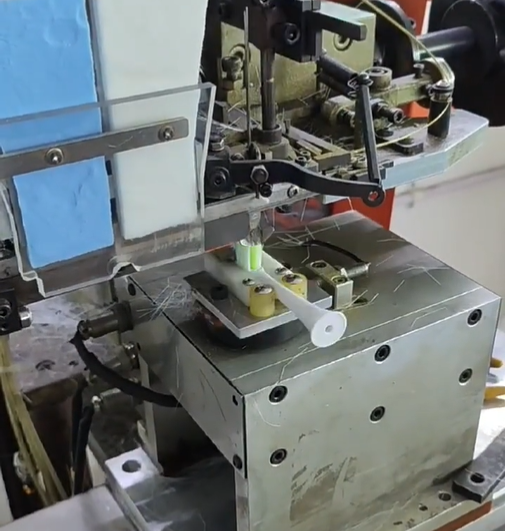
In the evolving world of oral care, the electric toothbrush has become a cornerstone product for deep and efficient cleaning. However, one often overlooked factor behind a toothbrush’s success is its Electric Toothbrush Bristle layout. Different bristle arrangements—such as cross-pattern, wave-pattern, and multi-height configurations—not only influence comfort and reach but significantly impact toothbrush cleaning efficiency. In this blog, we explore how manufacturers can leverage customized Electric Toothbrush Bristle layout to deliver better user outcomes and differentiate in a competitive market. Bristle Patterns and Their Functional Role Cross-pattern A cross-pattern layout features angled bristles pointing in different directions. This design is particularly effective at loosening plaque and reaching into the interdental spaces. Benefit: Enhanced rotational cleaning motion. Target Users: Those with plaque build-up and tight interdental spaces. Design Insight: Works well when combined with dynamic brush heads that rotate or oscillate. Wave-pattern Wave-pattern bristles follow a sinusoidal curve across the brush head, adapting to the natural contours of teeth. Benefit: Consistent contact with curved tooth surfaces. Target Users: People with irregular or sensitive dental topography. Design Insight: Improves surface coverage and provides gentle cleaning on enamel and gum lines. Height-Difference Design This layout alternates bristle heights to increase vertical reach. It’s commonly…
.jpg)
In the electric toothbrush industry, design details matter — especially when it comes to gum protection design. One often-overlooked feature is the cross-sectional shape of the bristle tips. The shape of electric toothbrush bristles— diamond, round, and cone — influence both cleaning performance and how gentle the brush is on gums. Understanding the differences is essential not only for end-user comfort but also for brands and manufacturers focused on innovation and product differentiation. This blog explores how bristle tip treatment and shape impact oral care performance, especially in the context of gum protection. The Role of Bristle Tip Treatment in Oral Hygiene Before diving into shapes, it’s important to understand the purpose of bristle tip treatment. High-quality electric toothbrushes undergo specialized processes like end-rounding or polishing to smoothen the tips. These treatments reduce the risk of micro-abrasions to enamel and soft tissue. Inadequately treated bristle tips — regardless of shape — can irritate gums, leading to discomfort or even recession over time. Proper bristle tip treatment ensures consistent smoothness, which complements the shape in achieving safe and effective cleaning. Round Bristles: The Industry Standard for Safety Round bristles are the most common and widely accepted design in electric toothbrushes. Their main advantages include:…
When an electric toothbrush’s internal components succumb to motor corrosion, the resulting debris and altered electrical pathways can interfere with the device’s Bluetooth radio, leading to intermittent app connectivity or complete pairing failures. Six moisture damage pathways cascade into wireless communication failures. How Motor Corrosion Develops in Oral-Care Devices First, it’s crucial to understand why motors corrode in the oral‐care environment: Moisture Ingress: Even with IPX ratings, repeated exposure to water—especially hot, soapy water used for cleaning—can overwhelm seals, allowing condensation to reach motor windings. Electrochemical Reactions: Saliva residue and toothpaste chemicals create a humid, slightly acidic atmosphere inside the handle; over time, metal components oxidize. Material Vulnerabilities: Motors with unprotected steel shafts or low-grade copper windings lack corrosion inhibitors, making them prime targets for rust and pitting. Once corrosion begins, it accelerates as moist ions migrate through micro‐cracks, undermining the motor’s mechanical and electrical integrity. Corrosion’s Direct Impact on Motor Performance Next, consider how corrosion transforms motor behavior under load: Increased Electrical Resistance: Rust build-up on coils elevates resistance, forcing the motor to draw higher current to maintain torque—and generating more heat. Mechanical Jamming: Corroded bearings or shaft surfaces create frictional drag, causing irregular rotational speeds and vibration spikes.…
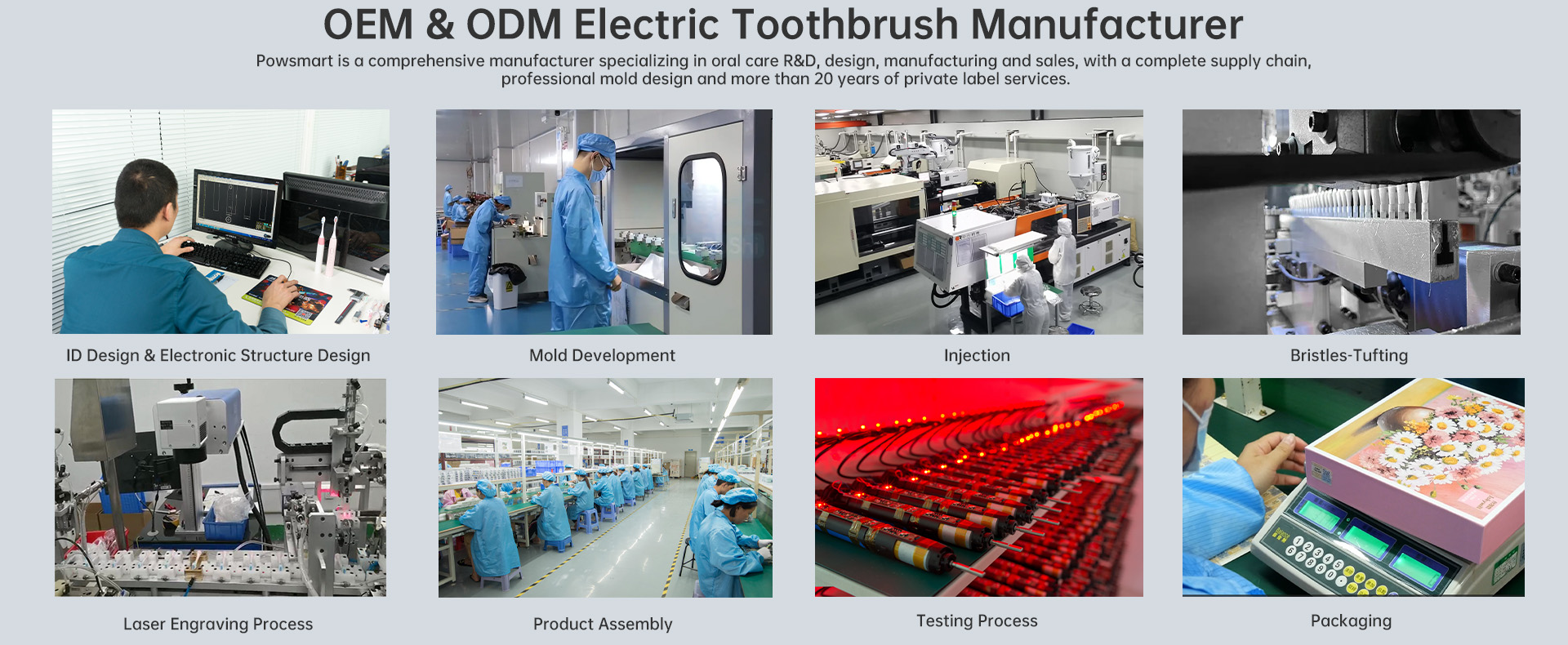
The global personal care industry is undergoing a shift. Consumers are no longer just looking for functional products—they are investing in experiences that reflect a lifestyle of self-respect and elevated standards. This consumption mindset, often described as the business idea of “Treating Yourself Well,” is rapidly influencing the oral care consumption upgrade trend. From smart electric toothbrushes to spa-like oral irrigators, oral care is becoming a premium and personalized wellness category.But how can oral care brands turn this shift into a competitive advantage? The answer lies in working closely with a manufacturing partner who understands both the emotional appeal of High-premium oral care products and the practicalities of product development. Here's how to bring this vision to life. Understand the Essence of “Treating Yourself Well” in Oral Care At its core, the business idea of Treating Yourself Well means designing oral care products that go beyond hygiene—they must offer comfort, personalization, and a sense of luxury. High-end packaging, smart features, skin-safe materials, and ergonomic design are all part of the user experience that supports this philosophy. These aren't just toothbrushes or flossers—they're lifestyle accessories. From an oral care products factory perspective, this requires a deep understanding of consumer psychology and the ability to align…
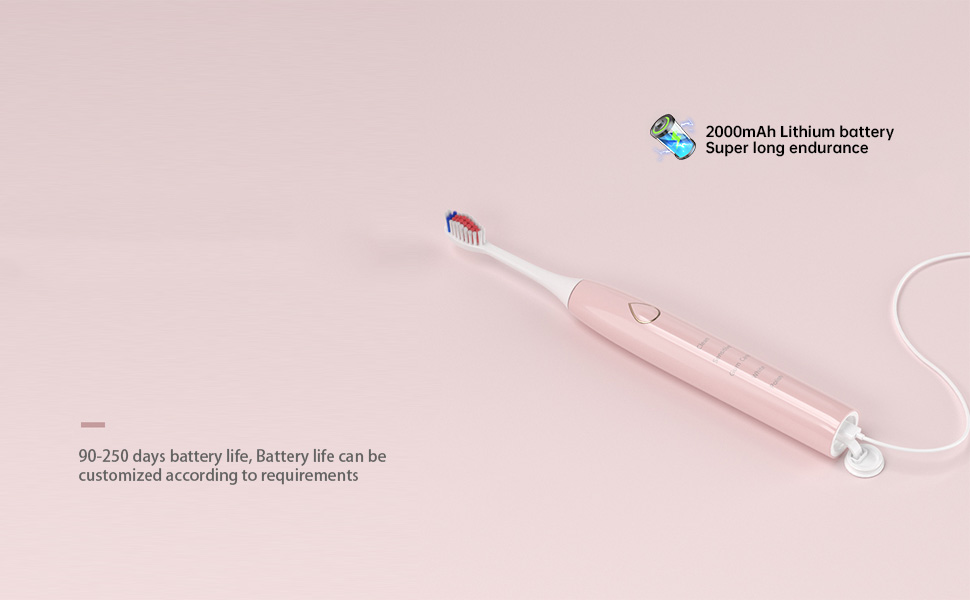
In today’s rapidly evolving personal care industry, consumer expectations are shifting. With the ongoing consumption upgrade, high-end users now demand not only superior cleaning performance but also long-lasting battery life from their devices. This is especially true for the high-premium oral care products market, where convenience and reliability are essential. This article explores how long-endurance electric toothbrushes are becoming the new standard in the premium segment—and what role factories and manufacturers must play in meeting this demand. The Growing Demand for Long-Endurance Electric Toothbrushes Consumers are no longer satisfied with electric toothbrushes that require frequent recharging. Market research shows a strong preference for models that can operate for 30 to 90 days on a single charge. This trend is particularly significant in the high-premium oral care products market, where travelers, busy professionals, and tech-savvy users demand reliable, long-lasting performance. From a factory perspective, this shift represents both a challenge and an opportunity to differentiate through battery technology and innovation. Lithium Battery Capacity Options: Balancing Power and Form Factor One of the core technical components behind long-endurance electric toothbrushes is the battery itself. Manufacturers must carefully select from various lithium battery capacity options, ranging from 600mAh to over 2000mAh, depending on product design, size constraints,…
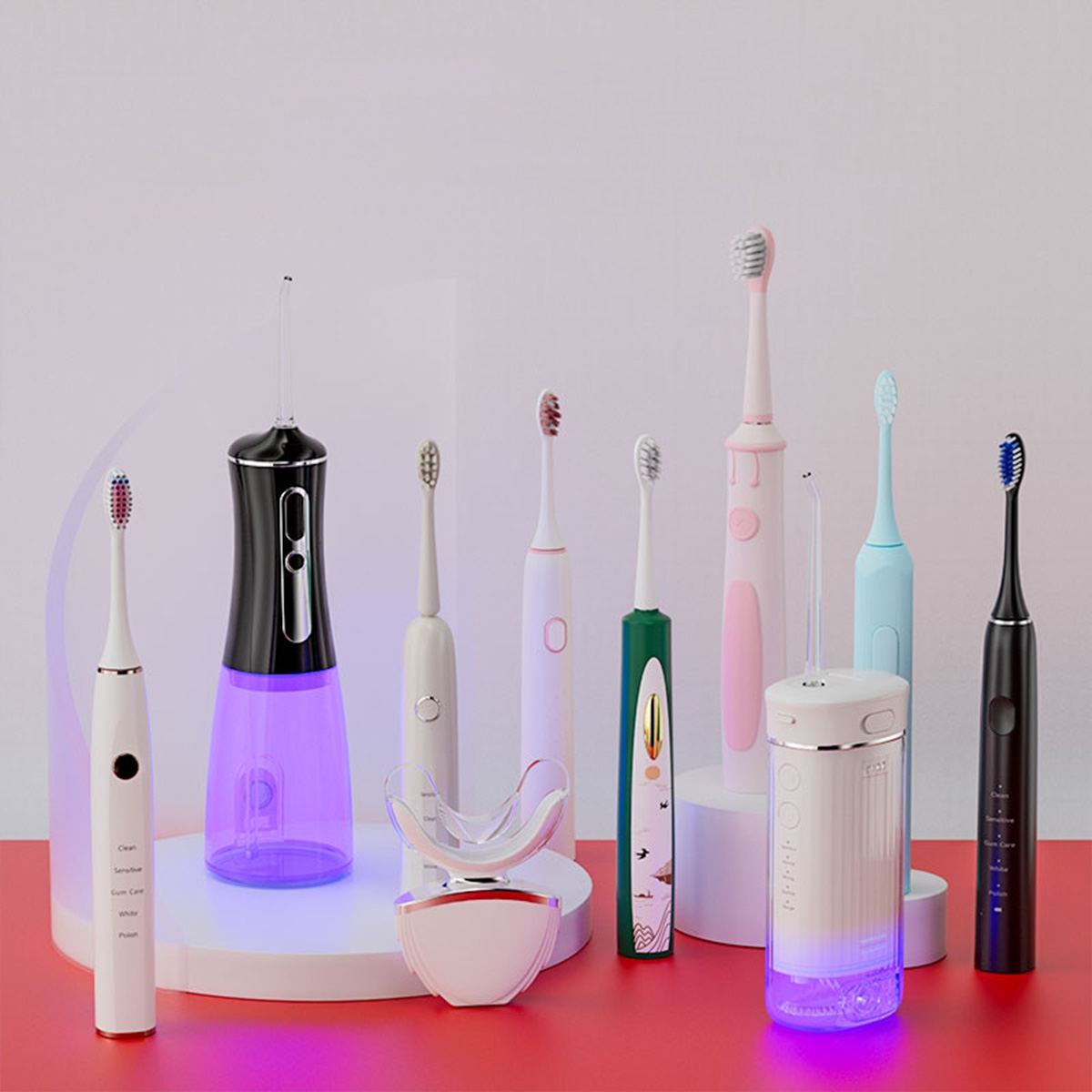
The global oral care industry is undergoing rapid transformation. With rising awareness of preventive dental hygiene, consumers no longer look for single-function products—they seek complete care solutions. This shift is creating exciting new opportunities for oral care brands. One such opportunity lies in offering Electric toothbrush & water flosser combination sets, a product format that not only meets diverse consumer needs but also helps increase the average transaction value. In this blog, we explore how scenario-based oral care product design, combined with strategic product bundling, is unlocking significant business potential for brands—and what this means from an oral care products factory perspective. The Market Potential of Oral Care: More Than Just Brushes and Flossers The market potential of oral care products is immense. According to industry research, global demand for electric toothbrushes and oral irrigators is growing at a CAGR of over 5%. However, what sets leading brands apart is not just quality—it's the ability to sell solutions, not just products. Consumers are upgrading: They’re moving from manual brushing to comprehensive oral care routines. Retailers want value packs: Multiproduct bundles lead to higher shelf presence and consumer spend. E-commerce favors sets: Online platforms reward bundled products with better visibility and upselling…
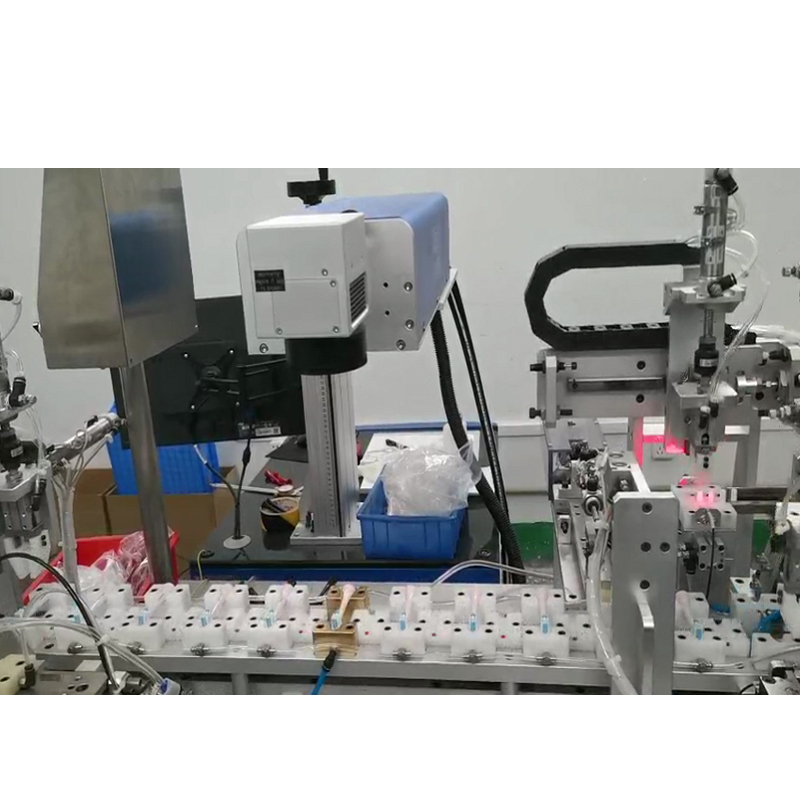
In today’s competitive oral care market, Electric toothbrush laser engraving is more than just decoration—it’s a core part of brand identity and consumer recognition. For electric toothbrush factories, offering toothbrush laser engraving customization adds value, enhances brand consistency, and ensures that the logo remains clear and durable throughout the product’s lifecycle. Laser engraving, as a permanent LOGO process, is widely favored because it doesn't fade, peel, or wear off like ink printing. But achieving high-quality engraving depends heavily on fine-tuning the right parameters: depth, speed, and power. Understanding the Basics of Laser Engraving Parameters To achieve precise and durable results, manufacturers must control three key laser engraving parameters: Power (W): Determines how much energy is delivered to the surface. Higher power increases depth but may burn or deform soft plastics. Speed (mm/s): Dictates how fast the laser moves. Faster speeds result in lighter engravings; slower speeds go deeper but may overheat the material. Depth (mm): Not a directly set parameter, but the result of how power and speed interact. For toothbrush handles (usually ABS or PP), ideal depth is 0.1–0.3 mm. Proper tuning ensures the OEM brand logo looks sharp, professional, and permanent on every unit. Material Consideration: Matching Settings to Handle Composition Electric…


.jpg)
.jpg)
.jpg)
.jpg)
.jpg)





.jpg)