.jpg)
For manufacturers and brands in the oral care industry, customer complaints about Gum Bleeding caused by Enamel Scratches are no longer rare. With the rise of sonic toothbrushes, water flossers, and dental devices, users are increasingly sensitive to oral discomfort and damage. But does this mean manufacturers or OEM/ODM suppliers need to panic? This article explores how Enamel Scratches occur, why they trigger Gum Bleeding, and what design or material flaws may be the root cause—especially in products intended for daily use. The Hidden Connection Between Enamel Scratches and Gum Bleeding While enamel and gum tissue are distinct, their health is closely interrelated. Enamel Scratches—even micro-level ones—can lead to sharp edges or rough surfaces on toothbrush bristles or flossing nozzles. When such compromised surfaces come in contact with sensitive gum tissue, Gum Bleeding can easily result. This risk becomes higher in products where bristle quality, nozzle coating, or polishing processes are insufficiently controlled. Moreover, once enamel is scratched, the underlying tooth structure may become more prone to bacterial retention, leading to localized gum inflammation—another indirect cause of Gum Bleeding. Key Product Design and Material Issues Leading to Enamel Scratches Several hidden design or material flaws in oral care products can…
In the world of small electrical appliances, especially oral care devices like electric toothbrushes and water flossers, Motor Overheating and Device Overheating are two critical risks that often go hand in hand. While these issues may seem like isolated technical failures, their combined presence can pose a "double danger" that affects not only product performance but also user safety and brand reputation. So how are these two overheating phenomena related, and why should manufacturers be on high alert? The Fundamental Difference Between Motor Overheating and Device Overheating To begin, it is essential to distinguish between Motor Overheating and Device Overheating. Motor Overheating refers to the excessive temperature rise in the motor core due to prolonged use, high resistance, or mechanical friction. On the other hand, Device Overheating includes not only the motor's heat but also the accumulation of heat in the battery, circuit board, and housing. Although separate in origin, these two forms of overheating frequently influence each other. For example, a poorly ventilated housing may trap the heat generated by the motor, leading to widespread Device Overheating. Causes Behind Motor Overheating Common causes of Motor Overheating include: Overloading: When the motor is subjected to excessive resistance (e.g., pressing the…

The global oral care market is evolving rapidly, driven by rising consumer awareness and growing demand for advanced hygiene solutions. For brands looking to stay ahead, oral care product expansion is no longer optional—it's essential. Whether you're launching your first electric toothbrush line or expanding into water flossers, a strong manufacturing foundation is critical. This guide provides a roadmap for oral care brands looking to scale smartly through factory partnerships and strategic product development. Assessing Readiness for Brand Upgrade and Expansion Before jumping into production or new product categories, it's important to evaluate your brand’s current market position. Ask yourself: Is your product portfolio meeting modern oral hygiene trends? Do you have the infrastructure to manage supply chain and logistics on a larger scale? Are your current manufacturing partners able to support scale, speed, and quality? A successful brand upgrade and expansion guide starts with clear objectives, market differentiation, and an aligned vision with production partners. Finding the Right Electric Toothbrush Factory The electric toothbrush segment is a cornerstone of innovation in oral care. Selecting the right electric toothbrush factory can make or break your product success. When evaluating factories, consider: R&D capabilities: Can they develop unique brush heads, smart features, or app…
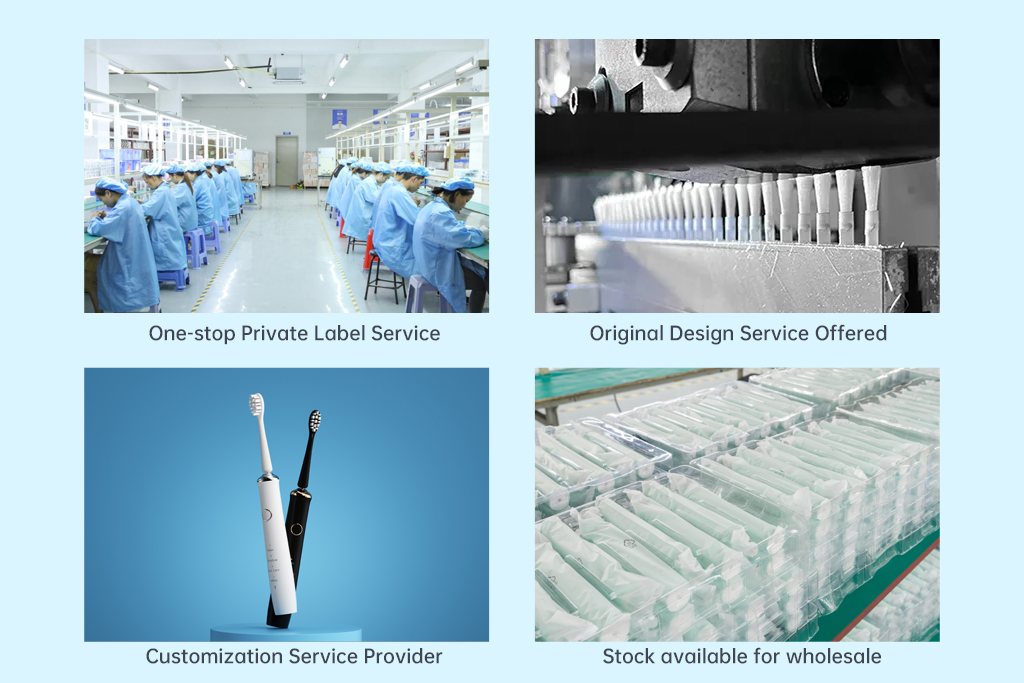
For oral care brands seeking long-term growth and product credibility, finding the right electric toothbrush factory is critical. In today’s competitive market, quality, consistency, and regulatory compliance are essential. This blog serves as a practical guide for brand owners to conduct a structured electric toothbrush factory evaluation, covering the key factors that ensure your product meets both market expectations and global toothbrush production standards. Below are 5 must-read criteria to help you identify a reliable manufacturing partner. Manufacturing Capabilities & Facility Infrastructure When evaluating a potential partner in oral care manufacturing, begin by examining their production scale and technical infrastructure. Key areas to consider include: In-house mold development for brush heads and motor components Automated production lines to ensure precision and consistency Capacity to handle large OEM/ODM orders without quality compromise A high-quality electric toothbrush factory will be able to demonstrate robust capabilities across all production stages, from injection molding to final assembly and packaging. Compliance with Toothbrush Production Standards Global markets demand strict adherence to safety and quality regulations. A factory’s ability to comply with international toothbrush production standards is a non-negotiable factor. Look for compliance with: ISO 13485 (for medical-grade manufacturing) CE, FCC, FDA certifications depending on target markets RoHS and REACH environmental…
As teeth whitening devices and products become increasingly popular among global consumers, a less-discussed but critical concern emerges—Allergic Reactions and Taste Alteration associated with their use. These potential side effects, often underestimated during design or formulation phases, can significantly impact user satisfaction and product perception. Are these merely occasional inconveniences, or hidden costs manufacturers must proactively address? The Overlooked Impact of Chemical Sensitivities A primary cause of Allergic Reactions in whitening treatments stems from the active ingredients, typically hydrogen peroxide or carbamide peroxide. While effective in removing stains, these chemicals can trigger adverse responses in sensitive users, such as gum irritation, lip swelling, or mucosal discomfort. For manufacturers, understanding allergenic triggers and offering low-sensitivity alternatives is essential to reducing consumer risk while preserving whitening efficacy. Device Materials Can Be Hidden Culprits Beyond gel formulations, materials used in whitening trays or applicators can also cause Allergic Reactions. Low-quality plastics, softeners, or silicone additives may release substances that irritate oral tissues. This raises the bar for B2B suppliers to select hypoallergenic, medical-grade materials to minimize such risks and build end-user trust. Material certification and biocompatibility testing should therefore be integral to product development. Taste Alteration: A Subtle but Serious Problem Many users…
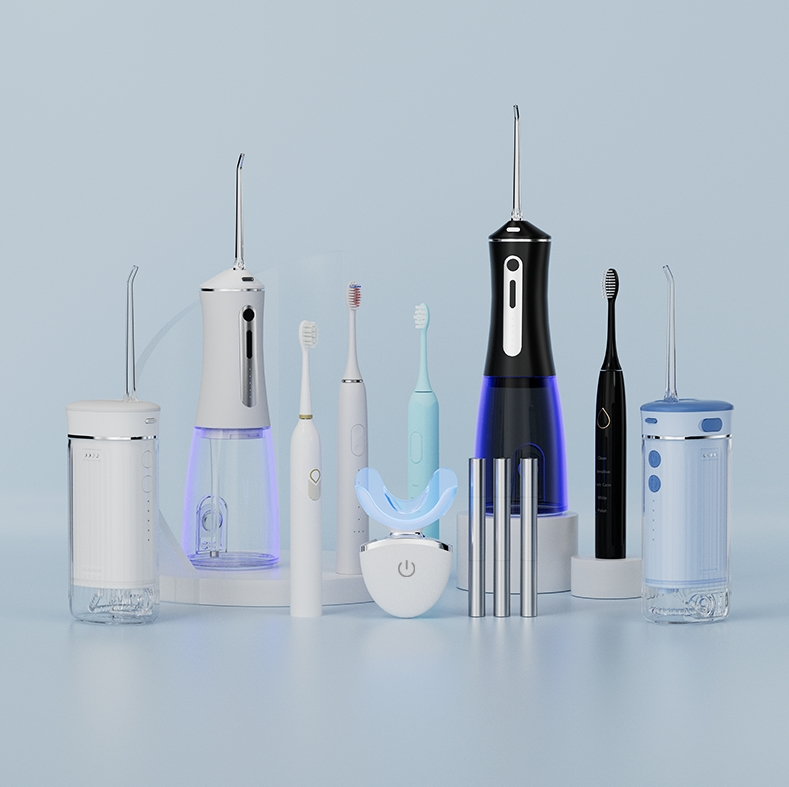
In today’s competitive oral care market, user confidence is a decisive factor in brand loyalty and long-term growth. With consumers becoming increasingly educated and selective about health and hygiene products, oral care brands must go beyond basic offerings. Strategic brand Product Upgrades and Expansion, well-planned oral care products combinations, and strong manufacturing partnerships are key to delivering quality and innovation that build trust. This article explores how oral care brands can enhance consumer confidence by leveraging OEM cooperation, innovating product portfolios, and cooperating with reliable factories for sustainable growth. Upgrade to Compete: Why Brand Product Upgrades Matter A stagnant product lineup can erode consumer interest. Modern users look for innovation—be it smarter electric toothbrushes, more efficient oral irrigators, or integrated care solutions. Regular brand Product Upgrades and Expansion signal that the brand is evolving with user needs. Smart features like pressure sensors or Bluetooth connectivity add value. Aesthetic improvements such as minimalist design or sustainable packaging can influence perception. Functionality upgrades like quieter motors or improved battery life directly impact user experience. By consistently improving performance and design, brands can significantly enhance user confidence and distinguish themselves in a saturated market. Expand Strategically: Combining Oral Care Products for Complete Solutions Consumers no longer want isolated products;…
When toothbrush manufacturers emphasize durability and cleaning efficiency, one overlooked but critical problem can emerge: Bristle Hardening leading to Gum Recession. While consumers seek long-lasting brushes, stiffening bristles can pose serious risks to oral health, transforming the daily habit of brushing into a potential cause of gum damage. But how does this happen—and what can manufacturers do to prevent it? Why Bristle Hardening Occurs Over Time Toothbrush bristles are designed to maintain elasticity and flexibility for gentle cleaning. However, after prolonged use or exposure to moisture, heat, and chemical agents (like toothpaste abrasives), the bristles may undergo Bristle Hardening. This process reduces their ability to flex properly, causing them to behave like stiff, abrasive tools rather than gentle cleaning filaments. For B2B manufacturers, understanding the material fatigue of nylon or other synthetic bristle types is crucial in preventing premature hardening. How Hardened Bristles Trigger Gum Recession Once Bristle Hardening occurs, the brush’s interaction with the gums changes drastically. Instead of massaging and cleaning gently, the hardened bristles scrape the gingival margin, leading to microtrauma. Repeated trauma causes the gums to retract—a condition known as Gum Recession. This not only exposes the tooth roots, increasing sensitivity but also raises the risk…
In the development and manufacturing of oral care devices such as water flossers, two critical concerns often overlooked by many brands are Design Flaw and the resulting risk of Gum Injury. While these products are intended to improve dental hygiene and user comfort, improper design choices can inadvertently harm sensitive gum tissue. This risk not only impacts end-user health but also poses severe challenges to manufacturers in terms of product liability, brand reputation, and market competitiveness. The Connection Between Design Flaws and Gum Injury A Design Flaw in a water flosser can manifest in several ways, including incorrect nozzle shape, improper water pressure calibration, and inadequate control interfaces. These flaws may lead to excessive water force or an uneven spray pattern that directly impacts the gums, causing tissue irritation, bleeding, or long-term sensitivity—collectively known as Gum Injury. For example, if the nozzle tip is too sharp or angled improperly, it may focus pressure on a narrow gum area, increasing the risk of damage. Similarly, if water pressure levels are poorly regulated, even a brief exposure to an overpowered jet can injure soft gum tissue, particularly for users with sensitive or receding gums. Common Design Flaws Leading to Gum Injury Several…
.jpg)
In today’s increasingly competitive personal care market, consumers' preferences of electric toothbrushes are becoming more discerning, not only about the features of the product but also the price point. For brands and suppliers aiming to remain competitive and relevant, it is essential to understand how consumers weigh functions and prices of electric toothbrushes in their purchasing decisions. This blog provides a strategic look at demand preference and analysis, helping brands align with the right electric toothbrush manufacturer who can meet evolving market expectations. Core Consumer Expectations: Smart, Efficient, and Affordable Modern consumers prioritize electric toothbrushes that are not just effective, but also intelligent and user-friendly. Based on recent consumer research, the most requested features include: Multiple brushing modes (sensitive, whitening, gum care) Smart timers and pressure sensors Long battery life and fast charging Quiet operation and compact design However, while many users desire advanced features, a large portion of consumers' preferences of electric toothbrushes remain price-sensitive. This is where the balance between functionality and affordability becomes crucial in product planning and sourcing. Demand Preference and Analysis: Features vs. Cost Demand preference and analysis reveal three major consumer segments: Premium Users: Willing to pay over $80 for AI-enabled brushes, Bluetooth connectivity, and ultra-sonic vibration technology. Mid-Market Consumers:…
As water flossers continue to grow in popularity across global markets, manufacturers are focusing not only on cleaning performance but also on the safety and user experience of these devices. Two often-overlooked but critically linked factors are Excessive Noise and the potential for Aspiration Risk. While noise levels may seem like a minor inconvenience at first glance, excessive sound can directly contribute to unsafe usage conditions—especially among sensitive user groups. This article explores how these two issues are related, and why B2B suppliers should pay close attention. The Relationship Between Excessive Noise and Aspiration Risk Excessive Noise produced by water flossers can lead to multiple unintended consequences, one of which is the increased possibility of Aspiration Risk—the accidental inhalation of water droplets or debris into the respiratory tract. When a device operates loudly, it can startle or distract the user, disrupting the careful coordination required to maintain correct oral posture during use. For elderly users, children, or individuals with reduced motor control, this distraction can make it easier to lose concentration or improperly tilt the device, raising the likelihood of aspiration incidents. Therefore, manufacturers cannot ignore the link between noise output and user safety. Causes of Excessive Noise in Water…
In the development and manufacturing of oral care devices, especially water flossers and similar equipment, ensuring long and reliable usage time is vital. However, Short Tank Runtime remains a common issue in many products, directly affecting their usability and effectiveness. For users managing sensitive oral conditions such as Oral Ulcers, this problem can become more than an inconvenience—it can compromise care quality. This article explores how short tank capacity impacts oral ulcer treatment, the causes behind this issue, and what manufacturers can do to resolve it. Why Short Tank Runtime Matters in Oral Ulcer Care Oral Ulcers require special attention during daily cleaning routines. These small but painful sores can worsen with improper hygiene or insufficient cleaning, leading to delayed healing and potential infections. When a water flosser suffers from Short Tank Runtime, the device may not provide sufficient continuous water flow to properly rinse the ulcer area. This interruption forces users to stop mid-cleaning to refill the tank, breaking the cleaning process and potentially leaving bacteria or food particles behind. Inadequate rinsing due to runtime limitations may reduce the effectiveness of oral ulcer treatment and prolong discomfort or recovery times. Causes of Short Tank Runtime in Water Flossers Several…
In the competitive market of electric oral care products, mode malfunction and pulse instability are two issues that are often overlooked—until they begin to erode overall device stability and consumer trust. Although these two failures may appear isolated, they are frequently symptoms of deeper flaws in design, firmware control, or component compatibility. The Hidden Role of Mode Malfunction in Product Failure Mode malfunction refers to the improper switching, freezing, or unintended behavior of pre-set cleaning modes. This issue often stems from: Faulty microcontroller firmware Inconsistent voltage supply Substandard mode-selector buttons or PCB contact points A mode malfunction does more than disrupt the user experience—it can lead to incomplete cleaning cycles, overuse of sensitive settings, or total system lockout, all of which severely undermine product credibility. Pulse Instability: More Than Just a Comfort Issue While some manufacturers dismiss pulse instability as a user comfort concern, its implications are far more serious. A stable pulse frequency is critical to: Effective plaque removal User gum safety Internal motor balance and longevity Pulse irregularities can result from degraded sensors, power surges, or inconsistent motor performance. Over time, they contribute to wear and tear that accelerates device failure and customer returns. The Interconnection: When One…
As consumer expectations around personal health rise, the oral care sector is experiencing a clear transformation. One of the standout trends is the rise of the Smart Electric Toothbrushes. These high-tech products are no longer limited to premium markets—they are rapidly becoming the standard. For oral care brands, responding to this demand requires collaboration with a tech-driven oral care supplier that can deliver advanced, customized solutions. This blog provides insight into why smart toothbrushes are gaining momentum and what brands should look for in a reliable innovative toothbrush factory manufacturer. Rising Consumer Awareness of Oral Health Consumers are now more educated than ever about oral hygiene's link to overall health. They seek tools that offer efficiency, accuracy, and data. A Smart Electric Toothbrush meets this demand by offering features such as: Real-time brushing feedback via apps Pressure sensors to prevent gum damage AI-powered brushing habit tracking Bluetooth integration and cloud-based data analysis These features make smart toothbrushes not just functional but essential in consumers' personal care routines. As a result, brands looking to stay competitive need to include smart oral care options in their product lineup. The Role of Smart Technologies in Oral Care Devices The integration of smart technologies in oral care…
In today’s competitive oral care market, brand success often hinges on product quality, innovation, and speed to market. For brands looking to expand their presence with a Smart Electric Toothbrush line, choosing a high-quality Electric Toothbrush Factory is a crucial decision. The right partner doesn’t just manufacture your products—they help shape your brand’s reputation and future. This article offers a step-by-step guide for oral care brands to identify the right tech-driven oral care supplier for their business, with insights into what makes an innovative toothbrush factory manufacturer stand out. Define Your Product and Market Needs Before contacting any factory, you need a clear understanding of your own brand’s needs: Are you launching a premium Smart Electric Toothbrush with app connectivity? Do you need a simple yet reliable OEM electric toothbrush model for entry-level markets? What certifications (FDA, CE, ISO) must the factory support? Knowing your positioning and technical requirements ensures better communication with potential partners and helps in user-targeted oral care manufacturing planning. Key Qualities of a High-Quality Electric Toothbrush Factory When evaluating potential manufacturers, prioritize these attributes: Strong R&D Capabilities: An innovative toothbrush factory manufacturer should have in-house product development, circuit design, and firmware capabilities to support smart features. Production Precision: Look for factories with automated assembly…
Gum recession is a growing concern in oral health, often attributed to factors like aggressive brushing or periodontal disease. However, recent user feedback and clinical observations point to an overlooked culprit: pulse inconsistency in electric oral care devices, especially water flossers and sonic toothbrushes. For manufacturers in the B2B market, understanding and mitigating this issue is vital to product safety, user trust, and long-term brand reputation. What Is Pulse Inconsistency and Why Does It Matter? Pulse inconsistency refers to irregular or fluctuating pressure and frequency in electric toothbrushes and water flossers. Instead of delivering a stable, rhythmic action, the device may spike or dip unpredictably. This can occur due to: Inadequate motor regulation Inconsistent power supply Poor-quality control in pulse generator circuits Software glitches in smart devices While seemingly minor, such irregularity can have a significant cumulative effect on gum tissue. How Pulse Inconsistency Leads to Gum Recession Gums are highly sensitive to mechanical force. Consistent, gentle stimulation can promote circulation and health, but unpredictable pulses act like micro-traumas. Over time, the repeated application of uneven pressure may cause the gum line to shrink or detach from the tooth, leading to gum recession. Clinical professionals have begun to associate irregular…
In today's smart personal care devices, features like the travel lock are designed to enhance user safety and convenience. However, recent engineering reports and field failures have exposed a surprising vulnerability: travel lock failure may inadvertently trigger a power surge, leading to electronic malfunctions, battery degradation, or even fire hazards. For B2B manufacturers, this risk demands urgent attention—not only to uphold product reliability but also to maintain compliance and market trust. What Is a Travel Lock and How Does It Work? The travel lock is a safety function built into electric toothbrushes and grooming devices to prevent accidental activation during transport. It’s typically engaged by holding a button for a few seconds, disabling the power function until manually released. However, when poorly implemented or damaged during manufacturing or transit, this lock can fail—causing the device to activate unexpectedly while packed in a confined space, such as luggage. How Travel Lock Failure Leads to Power Surges Unexpected activation of a device inside a sealed environment causes the motor to run without ventilation or resistance, potentially leading to: Internal component overheating Prolonged, unmonitored power draw Battery stress and swelling Faulty circuit load distribution This excessive, irregular power consumption can result in a…
Material degradation in oral care devices, such as electric toothbrushes and water flossers, is an often-overlooked issue. Yet, it can quietly lead to the release of harmful chemical residue into the user’s mouth, raising significant health concerns. For B2B manufacturers, this is not just a matter of consumer trust but also a critical compliance and product lifecycle issue. This blog will dissect the causes, risks, and prevention strategies related to material breakdown and chemical contamination in oral hygiene devices. What Is Material Degradation in Oral Devices? Material degradation refers to the physical or chemical breakdown of components over time due to factors like: Repeated exposure to moisture, heat, and friction Reaction with active ingredients in whitening gels or toothpaste Poor-quality plastics or elastomers that are not food-grade compliant As the material degrades, microscopic particles or chemical residue may leach from brush heads, water tanks, seals, or internal tubing—especially in low-cost devices or poorly stored stock. How Chemical Residue Poses Safety Risks When chemical residue enters the mouth, it may: Cause allergic reactions or mucosal irritation Alter oral pH and contribute to enamel erosion Be ingested, leading to potential systemic toxicity Affect taste or lead to bad odor, impacting user experience…
Hose cracks in water flosser devices are an often underestimated issue that can silently lead to water pressure instability, user dissatisfaction, and even safety concerns. For manufacturers and OEM/ODM suppliers, understanding and preventing this problem is essential to maintaining product performance, quality reputation, and customer trust. What Causes Hose Cracks in Water Flossers? Hose cracks typically result from a combination of mechanical stress and environmental degradation. Common contributing factors include: Repeated bending and torsion from daily usage Poor-quality thermoplastic elastomers or PVC materials Exposure to high water temperatures or disinfectants Aging and material fatigue in long-term storage conditions Over time, these cracks may begin microscopically, eventually leading to visible rupture or sudden hose failure under pressure. How Do Hose Cracks Lead to Water Pressure Instability? Once hose integrity is compromised, water pressure instability becomes inevitable. The internal pressure becomes uneven, resulting in: Interrupted or weak water pulses, affecting flossing efficiency Backflow or leakage around cracked areas Fluctuating spray that fails to reach target zones in the mouth Increased motor strain, potentially reducing device lifespan This undermines the core functionality of the device and leads to higher customer complaints or returns.Company web: :https://www.powsmart.com/product/electric-toothbrush/ Early Warning Signs Manufacturers Should Not Ignore Detecting…
With the continuous oral care industry upgrade, global consumers are becoming more health-conscious and tech-savvy. This shift is accelerating demand for innovative, reliable, and personalized oral care product options such as electric toothbrushes and oral irrigators. For oral care brands, finding the right manufacturing partner—especially high-quality electric toothbrush factories—is critical to staying competitive in this fast-changing market. Understand the Current Trends in Oral Care Consumption Before seeking cooperation, it’s important to understand trends in oral care consumption. Today’s consumers demand more than just functionality—they expect intelligent features, sleek designs, and sustainable materials. The rise of smart devices, travel-ready designs, and kid-friendly oral care tools has redefined what successful oral care OEM partnerships should deliver. A factory that understands these trends can offer better product insight and adaptability, ultimately supporting your brand’s long-term growth. Define Your Product Needs: Standard vs. Customized Electric Toothbrush Not all factories offer the same level of flexibility. Do you need a basic, ready-to-ship model, or are you developing a customized electric toothbrush with unique branding, smart features, or special materials? Standard Products: Quicker turnaround and lower cost. Customized OEM/ODM: Requires more R&D capability but offers brand differentiation. Clarity in product direction helps you filter suppliers early and align with…
In the world of electric oral care devices, user comfort is closely tied not only to cleaning performance but also to acoustic experience. However, an increasing number of noise complaints are now being traced back to a lesser-known issue: handle corrosion. What appears to be a simple design flaw can, over time, evolve into a serious quality concern affecting both user satisfaction and product longevity. Where Function Meets Frustration: How Handle Corrosion Leads to Unusual Noise At first glance, handle corrosion may seem purely cosmetic. But when internal metal components within the handle oxidize—particularly around the motor mounts, drive shafts, or screw fixtures—it creates micro-vibrational shifts. These inconsistencies often result in unexpected mechanical buzzing, rattling, or high-pitched noise, especially during high-speed operation. Over time, this seemingly minor noise becomes a major customer service headache—especially for premium models expected to deliver a smooth, quiet experience. Root Causes of Handle Corrosion in Electric Devices Handle corrosion often stems from overlooked factors during design or assembly, including: Improper sealing at connection points, allowing moisture ingress Use of low-grade alloys or untreated metals for internal brackets Residue from chemical cleaning agents during assembly or consumer use Inadequate ventilation design, which traps condensation inside the…


.jpg)
.jpg)
.jpg)
.jpg)
.jpg)




.jpg)