.jpg)
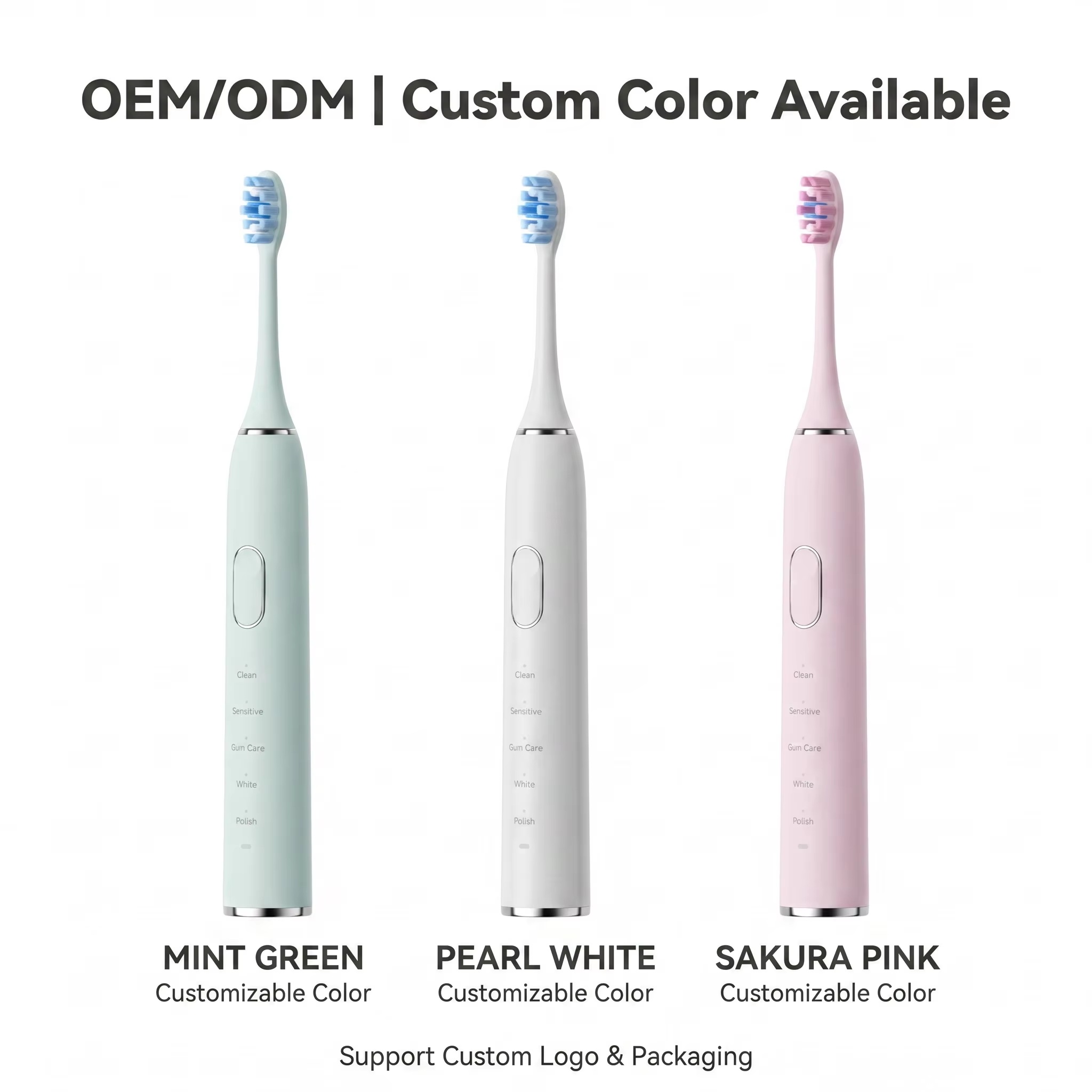
The global oral care market is rapidly evolving, with smart technology becoming a key differentiator. Bluetooth-enabled electric toothbrushes are no longer niche—they’re a fast-growing category that blends health tech with everyday hygiene. For brands aiming to expand their product line or launch a new oral care venture, tapping into this trend through smart toothbrush customization and bulk manufacturing partnerships offers immense growth potential. This guide is designed to help brand owners and private label companies navigate the process of working with a B2B toothbrush supplier, including steps for customization, quality assurance, and how to secure the right oral care OEM factory for your needs. Understanding the Bluetooth-Enabled Electric Toothbrushes Market Opportunity Smart toothbrushes are transforming the oral care experience. Equipped with real-time feedback, brushing habit tracking, and app integration, Bluetooth-enabled models are especially attractive to tech-savvy consumers and parents alike. Key benefits driving market demand: Growing consumer interest in health-tech integration Subscription model opportunities via app platforms Competitive differentiation through smart features Now is the ideal time to explore Bluetooth-Enabled Electric Toothbrushes wholesale partnerships to stay ahead of market trends. Smart Toothbrush Customization: What Can Be Tailored? When partnering with a manufacturer, brands can go beyond just adding a logo. A capable oral care OEM can help…
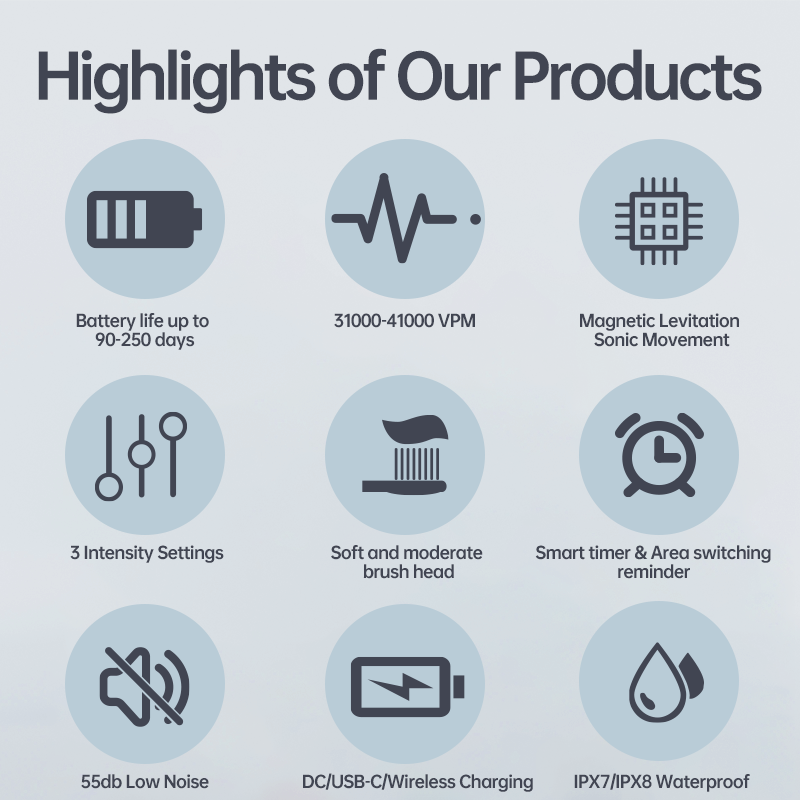
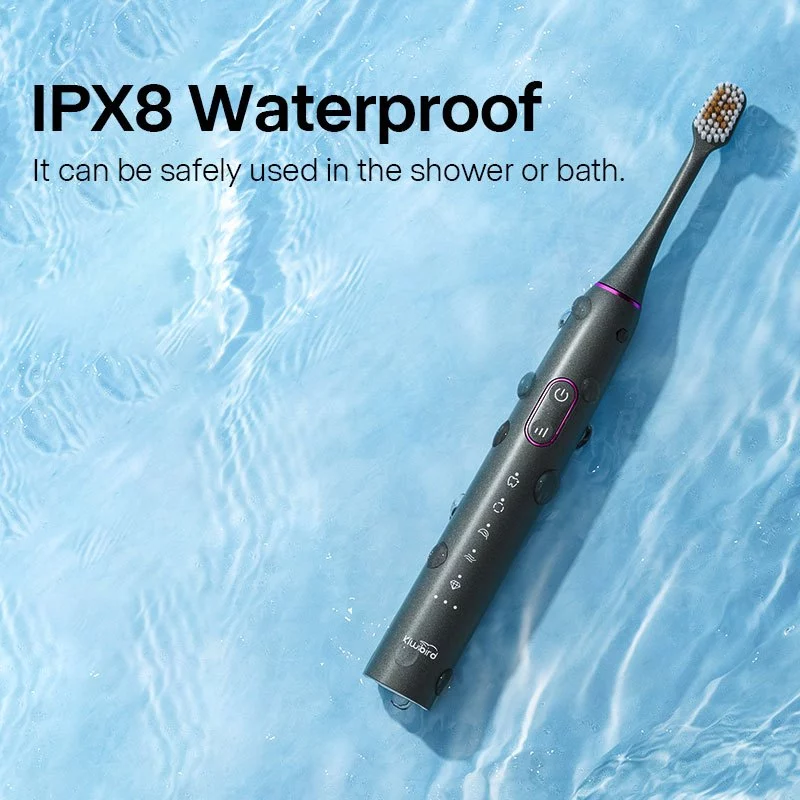
Introduction: A Small Leak, a Big Problem? As portability and convenience become key selling points in oral care, the Travel Electric Toothbrush is seeing a surge in demand across global B2B channels. However, with compact size and mobile usage comes a heightened reliance on waterproof integrity. A frequently overlooked but critical concern is: Can waterproof failure in a travel electric toothbrush lead to internal circuit corrosion? The short answer is yes—and the implications for reliability, safety, and brand credibility are severe. This blog dives deep into how waterproof failure occurs, its direct link to circuit corrosion, and how manufacturers can proactively address the issue. Understanding Travel Electric Toothbrush Construction A Travel Electric Toothbrush typically integrates a compact high-speed motor, lithium-ion rechargeable battery, microcircuit control board, and pressure-sensitive brushing feedback—all within a slim enclosure. Because these components are tightly packed and often exposed to water during brushing, waterproofing becomes not just a cosmetic feature, but a critical functional protection barrier. Failure in this area can compromise the entire device's integrity. Key Materials and Design Elements in Waterproofing To defend against moisture infiltration, quality toothbrush manufacturers employ: IPX7 or higher-rated sealing standards Ultrasonic welding at joint seams Silicone O-rings in charging ports…
.jpg)
In high-precision oral care systems, valve jamming is often viewed as a mechanical fault—disrupting fluid control and device reliability. But recent field data suggests a more nuanced concern: could valve malfunction contribute to salivary alteration? As the connection between device performance and oral health becomes more interlinked, it’s essential to explore how a small mechanical failure might lead to a perceptible shift in the user’s salivary experience—and whether this is preventable or fixable. Understanding the Function of Valve jamming in Oral Devices In devices like water flossers and powered toothbrushes with irrigation features, internal valves manage the flow rate and pressure of liquids. These valves play a crucial role in controlling: Timing and consistency of fluid release Prevention of backflow System-wide pressure regulation Valve jamming occurs when particulate debris, misalignment, or material fatigue causes the valve to stick in a partially open or closed position. This leads to inconsistent water delivery and possibly air infusion—altering how the mouth feels during operation. How Valve jamming Affects the Oral Environment A jammed valve may cause: Surges or interruptions in water flow Increased suction effects on oral tissues Mixing of air and water in unintended ratios These fluctuations can have a direct influence…
-2-scaled.png)
In today’s competitive personal care market, small business oral care has emerged as a promising niche within the broader health & household products category. Consumers are increasingly aware of the importance of dental hygiene, driving demand for specialized, effective, and sustainable products. For small brands looking to enter or scale within this space, finding the right manufacturing partner is key to delivering the best oral care products to the market. This blog outlines the essential steps and strategies to help small oral care brands connect with capable manufacturers and offer high-quality, affordable oral care solutions. Understanding the Small Business Oral Care Landscape The oral care industry is evolving beyond basic toothbrushes and toothpaste. Today’s consumers expect more from health & household products, including features like sonic brushing, eco-friendly packaging, and multi-functional oral hygiene kits. For small businesses, this creates opportunities to innovate, differentiate, and fill market gaps not addressed by major brands. Whether you’re launching a new electric toothbrush line or a curated set of whitening and gum care kits, the market rewards those who focus on quality and targeted problem-solving. Identifying the Best Oral Care Products for Your Brand Before approaching manufacturers, it’s essential to define your product range. Consider including…
In today’s smart oral care devices, real-time status indicators are more than convenience—they are safeguards. However, when indicator failure occurs, it may silently compromise both user experience and clinical outcomes. One overlooked yet serious risk is the potential for periodontal pocket deepening to go undetected due to unresponsive or inaccurate device alerts. This article explores how faulty indicators can mask early signs of gum disease progression—and what manufacturers must do to prevent this silent escalation. Understanding Indicator failure in Oral Care Devices In electric toothbrushes, oral irrigators, or diagnostic tools, indicators often play a critical role. Common indicator functions include: Battery level alerts Pressure sensitivity feedback Operation timing reminders Mode switch status Usage tracking or app sync When these indicators malfunction—whether due to faulty sensors, software bugs, or wear and tear—users may unknowingly operate the device under suboptimal conditions. What Is Periodontal Pocket Deepening? Periodontal pocket deepening refers to the increased space between the tooth and gum, typically caused by chronic inflammation and plaque accumulation. This condition marks the early to intermediate stages of periodontal disease and can lead to: Tooth loosening Gum recession Bone loss Eventual tooth loss if untreated Timely detection is key. Devices designed with periodontal detection…
In high-frequency consumer electronics and medical-grade equipment, adapter overheating and circuit shorting are not just performance concerns—they may signal a potential fire hazard. While these issues are often treated independently, their co-occurrence can rapidly escalate the risk of thermal runaway or device ignition. This article explores the root causes, failure mechanisms, and proactive design measures manufacturers must take to prevent catastrophic outcomes. Identifying the Symptoms: Early Signs of Trouble Before failure becomes critical, several warning signs often appear: Temperature rise near the adapter during operation Audible buzzing or flickering LEDs Unusual smells or discoloration at charging points Intermittent device shutdown or reboot Adapter overheating can result from improper load regulation, degraded thermal paste, or substandard power ICs. If unresolved, this heat buildup may lead to insulation degradation, ultimately triggering circuit shorting. How Overheating Triggers Electrical Shorting Excessive adapter heat can weaken or deform internal insulation, especially in low-cost or poorly ventilated designs. As heat degrades barrier layers or softens solder joints: Adjacent conductors may arc PCB traces may warp and bridge Melted cable shielding can expose conductive paths The result? A circuit shorting event, which may ignite nearby polymer materials or cause localized arc faults. Fire Risk Assessment: When Does…
In the field of oral care product manufacturing, maintaining safe chemical and sensory interaction with the oral environment is a critical challenge. One increasingly reported issue in certain devices is the co-occurrence of pH imbalance and taste distortion. While either condition alone may seem minor, their combination could indicate underlying risks—possibly even toxicity. For OEM and ODM suppliers, understanding the interplay between these factors is vital for both product safety and user satisfaction. Identifying the Warning Signs: What Users Experience imbalance Customers may initially report that a device “tastes metallic” or “leaves a strange aftertaste.” Closer examination often reveals additional indicators, such as tingling sensations or irritation after repeated use. These symptoms are frequently traced back to taste distortion and changes in oral pH. The question arises: is this merely a byproduct of formulation or a red flag for deeper material or design flaws? Understanding pH imbalance in Oral Devices The mouth maintains a slightly acidic to neutral pH, typically between 6.2 and 7.4. Any pH imbalance, either acidic or alkaline, introduced by a device—through water reservoir materials, surface coatings, or residual electrolytes—can disrupt the natural buffer system of the oral cavity. This may: Weaken enamel over time Encourage pathogenic…
As global demand for smart and efficient oral care tools continues to rise, 2025 is set to be a defining year for electric toothbrush brands. A well-planned electric toothbrush promotional sale can boost brand visibility, grow customer base, and increase market penetration. But behind every successful promotion is a reliable, scalable production partner. For brands looking to take advantage of the upcoming demand spike, identifying the right electric toothbrush manufacturing partner is critical. Electric Toothbrush Market Share 2025: What the Numbers Reveal The global electric toothbrush market share in 2025 is projected to exceed USD 6.5 billion, with strong growth driven by innovation, oral health awareness, and increasing disposable incomes. Key drivers include: Rising consumer interest in smart brushing technology Wider retail penetration (online + offline) Growing demand for personalized and eco-conscious oral care products This growth represents a massive opportunity for brands to expand into new regions or double down on core markets — provided they can meet the surge in demand with flexible manufacturing capacity. Role of Manufacturers in Supporting Promotional Campaigns A successful electric toothbrush promotional sale isn't just about offering discounts — it’s about delivering products on time, at scale, and with uncompromising quality. An experienced electric toothbrush manufacturing partner should…
.jpg)
In recent years, the oral care market has undergone a significant transformation. Consumers are no longer satisfied with generic products—they seek personalized, innovative, and wellness-oriented solutions. This growing demand has given rise to a new generation of oral care brand startups that focus on differentiation, user experience, and design-driven products. But launching a new brand comes with manufacturing challenges, especially when minimum order quantities (MOQs) are high. That’s where low MOQ orders and small-batch customization options can make all the difference. Why Small-Batch Customization Matters Small-batch customization allows new oral care brands to develop unique, custom-designed products such as custom electric toothbrushes or OEM dental care products—without the financial burden of large-scale inventory. Key advantages include: Market testing: Launch limited-edition designs or test formulations before committing to mass production. Cash flow control: Lower initial investment for production helps startups preserve capital for marketing, branding, or R&D. Product flexibility: Rapid iteration of product features, packaging, and design based on customer feedback. By offering low MOQ orders, manufacturers empower emerging brands to enter the market more confidently and creatively. Custom Electric Toothbrush: A Case for Small Runs Developing a custom electric toothbrush is one of the most popular routes for new oral care brands. Thanks to advancements…
In today’s competitive oral care market, electric toothbrushes come in a wide range—from simple budget models to premium smart designs. For oral care brands seeking to source reliable manufacturers, understanding the core electric toothbrush differences is crucial for developing a product portfolio that aligns with consumer expectations and pricing strategies. This blog offers a toothbrush comparison between cheap electric toothbrushes and high-end electric toothbrushes, highlighting 5 key differences to guide your sourcing and product development decisions. Motor Technology & Performance One of the most fundamental differences lies in the motor system. Cheap electric toothbrushes typically use basic vibration motors with lower RPMs (around 6,000–12,000 strokes/min). These models provide basic plaque removal but limited deep-cleaning capabilities. High-end electric toothbrushes, on the other hand, feature high-frequency sonic or oscillating-rotating motors that can reach up to 40,000 strokes/min. These deliver superior plaque removal and gum stimulation. ? When selecting a manufacturing partner, assess their capability in producing motors with variable frequency or sonic technology—key aspects of oral care technology today. Battery & Charging Options Battery quality directly impacts product usability and consumer satisfaction. Budget models often use AA batteries or low-cost rechargeable cells with short lifespan and limited usage per charge. Premium models typically include long-lasting lithium-ion batteries, fast-charging…
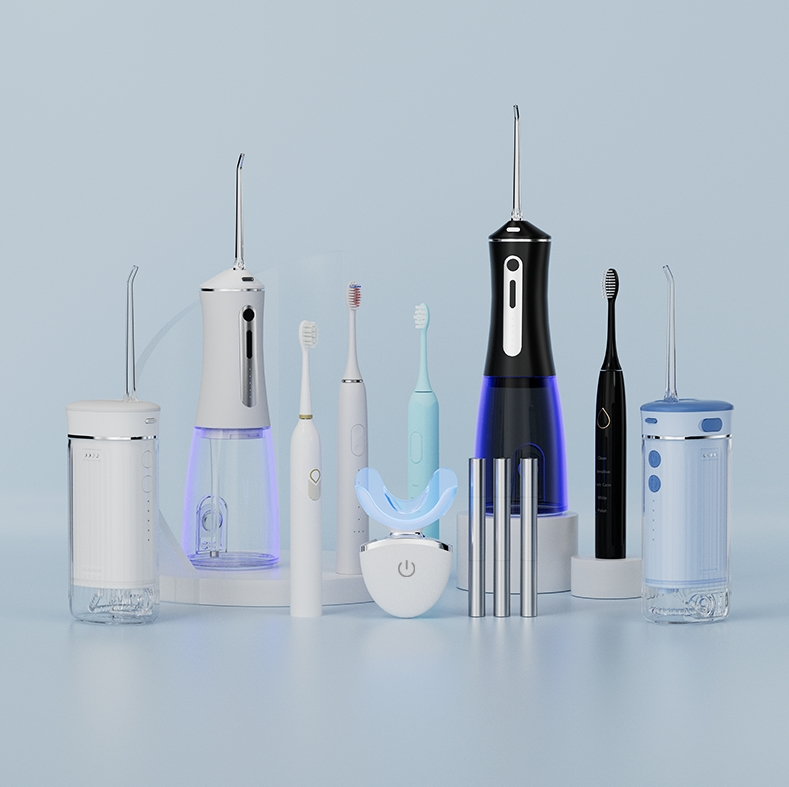
In today’s highly competitive oral care market, many brands are drawn to the promise of low-cost electric toothbrushes and custom water flossers from budget-focused OEM factories. While the upfront price may be attractive, these choices often come with hidden risks that can harm product quality, brand reputation, and long-term growth. This article uncovers five key hidden risks for brands that seek to launch or expand their product lines with budget OEMs, and why quality, not just cost, should be the priority when sourcing OEM oral care products. Quality Control Issues: What You Save Now Could Cost You Later One of the most common and damaging issues with low-cost electric toothbrushes & water flossers is inconsistent or poor quality control. Budget manufacturers often cut corners on materials, components, and assembly processes to meet low pricing expectations. Product failures (e.g., weak battery life, malfunctioning motors, leaks) Non-compliance with regional safety certifications (CE, FDA, etc.) High return rates that damage profit margins and brand image For any brand, sacrificing quality control to save costs can lead to long-term customer distrust and loss of credibility. Limited R&D and Outdated Technology Innovative features like Bluetooth connectivity, smart sensors, or adaptive pressure control are now standard in mid-to-high-end oral care devices.…
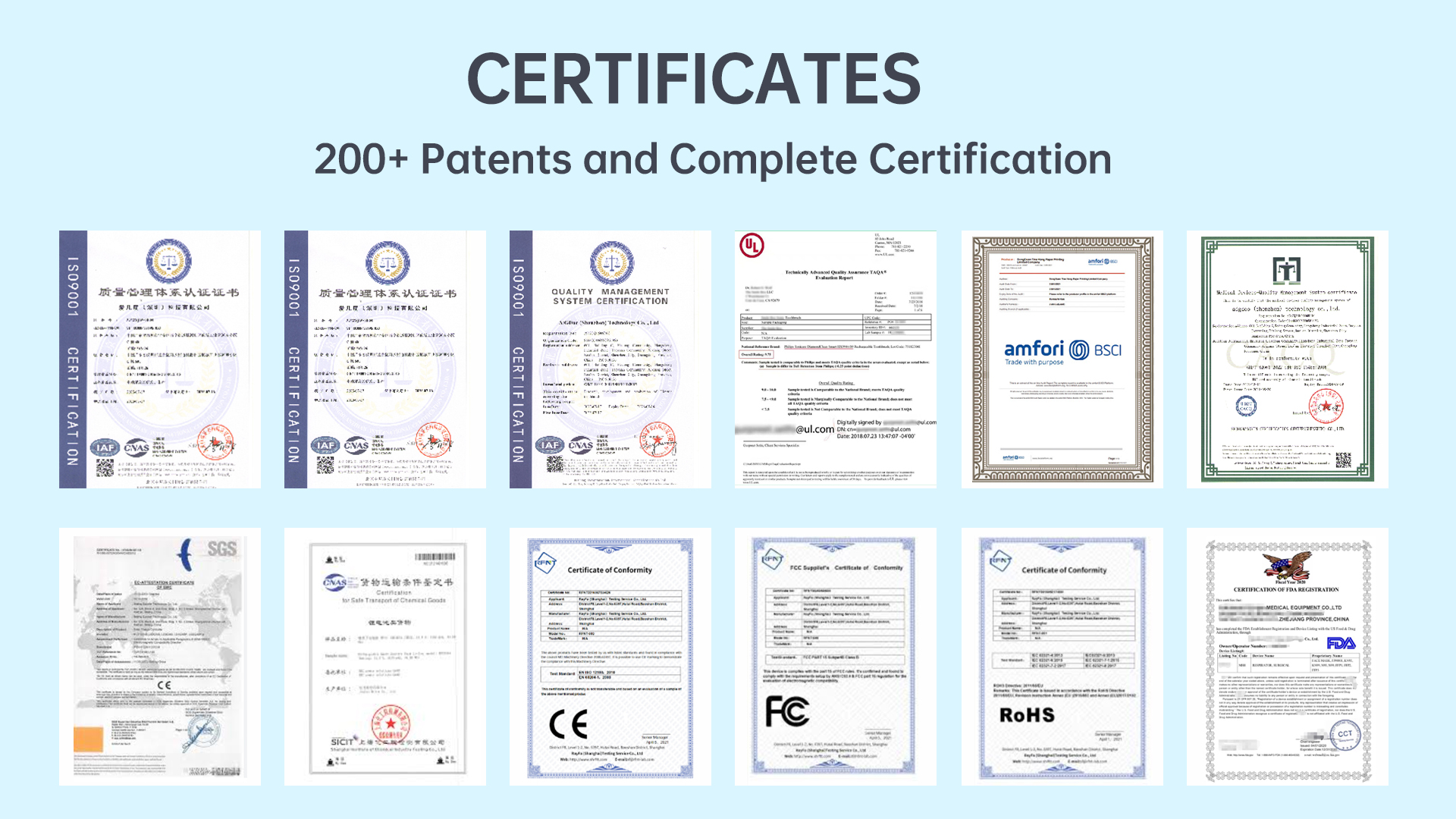
In the competitive oral care industry, building a trusted brand is not only about innovative designs or sleek packaging—it’s also about reliability. However, many companies overlook a critical factor that can significantly erode their bottom line and brand equity: high after-sales costs. For an oral care brand, after-sales costs such as warranty claims, product returns, and repairs—especially for electronic items like electric toothbrushes—can quickly escalate. In this blog, we’ll explore the impact of high warranty claims, analyze how electric toothbrush repair costs can add up, and offer strategies for reducing oral product returns while boosting customer retention. The Real Cost of After-Sales: Beyond Warranty Claims Oral care brand after-sales costs include far more than just processing product returns. These hidden expenses can involve:\n\n- Customer service manpower and infrastructure\n- Logistics and return shipping fees\n- Replacements and refund processing\n- Repair costs (especially for high-value electric toothbrushes and oral irrigators)\n\nWhen these costs are not under control, they eat into profit margins and force brands to cut budgets elsewhere—like marketing, R&D, or product innovation. The Impact of High Warranty Claims on Profitability Frequent product failures result in an increased number of warranty claims. These not only lead to direct financial losses but also undermine consumer trust. The…
In precision oral care devices, hose leakage might seem like a minor technical fault at first glance. However, when this issue translates into uncontrolled water spray, it can result in unintended consequences—one of the most concerning being mucosal lesions in the user’s mouth. This convergence of mechanical and physiological damage represents a double layer of harm, raising urgent questions about manufacturing responsibility, safety validation, and design resilience. What Causes Hose Leakage in Oral Devices? The flexible hose system in oral irrigators plays a critical role in channeling pressurized water from the pump to the nozzle. Leakage in this system may arise from: Material fatigue due to prolonged bending or stretching Poor bonding at connection points Inferior grade tubing materials that degrade under temperature or chemical exposure Manufacturing inconsistencies such as micro-cracks or overmold defects Even minor leaks can interfere with intended water pressure, causing turbulence or irregular spray that directly affects performance. How Leaks Contribute to Mucosal Lesions When pressure is compromised, the water stream becomes unpredictable. Leaked jets or sudden sprays can strike soft tissues such as the gums, inner cheeks, or palate with unintended force. Over time, this repeated trauma may result in mucosal lesions—ranging from minor irritation…
In today’s oral care market, consumers are increasingly seeking gentle oral hygiene solutions that do not compromise comfort. A large segment of users experiences sensitivity—whether from gum recession, dental treatments, or chronic oral conditions—making them ideal candidates for Sensitive Oral Cavity products. For oral care brands, this growing demand represents a valuable niche with strong market potential. But to serve this segment successfully, brands must focus on developing and sourcing the right products that maintaining hygiene without discomfort. This article explores product features, materials, and manufacturing considerations that brand owners should understand when looking for reliable OEM/ODM suppliers of gentle oral care products. Understanding the Needs of Users with Sensitive Oral Cavities Consumers with sensitive oral tissues require extra care in their hygiene routine. Traditional oral care tools can often cause irritation, micro-abrasions, or discomfort. The ideal Sensitive Oral Cavity products must meet several key criteria: Ultra-soft materials to avoid tissue damage Non-abrasive designs for daily use Gentle, yet effective cleaning performance Hypoallergenic and non-irritating formulations in toothpaste or mouthwash Understanding these user pain points is the first step toward developing product lines that meet genuine, unmet needs in the market. The Importance of the Soft Bristle Toothbrush One of the cornerstone products in…
.jpg)
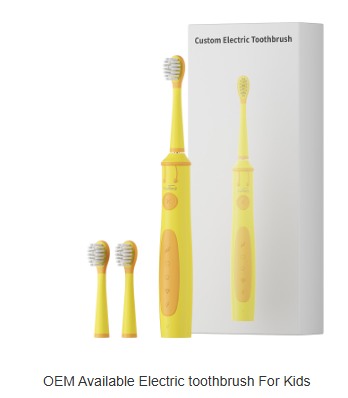
For oral care brands, offering the right mix of kid-friendly oral care products is crucial to winning over families. Parents are seeking effective, safe, and engaging at-home dental care solutions to build lifelong dental hygiene habits for their children. From colorful toothbrushes to playful flossers, there's growing demand for fun oral care products for kids that combine function and enjoyment. In this blog, we explore 7 high-potential kids dental care products that can help your brand stand out in the market, and provide direction for sourcing the right children's dental hygiene manufacturers. Colorful Electric Toothbrushes with Built-in Timers Electric toothbrushes specifically designed for children—with smaller brush heads, soft bristles, and fun characters—make brushing more exciting. A built-in 2-minute timer helps kids brush long enough without supervision. These are ideal for brands looking to expand their at-home dental care range with smart, engaging technology.Manufacturing Tip: Look for suppliers offering customizable designs (cartoon characters, LED lights, music, etc.) with CE/FDA certifications. Fruit-Flavored Fluoride Toothpaste Traditional mint flavors don’t always appeal to kids. Toothpaste with fruity flavors like strawberry, watermelon, or bubblegum makes brushing less of a chore. The key is maintaining effective fluoride levels while using safe, kid-approved ingredients.Keyword Match: A strong contender among kid-friendly oral care essentials. Gentle Silicone Finger…

As global populations age, the demand for senior dental care continues to rise. Seniors face unique oral health challenges—ranging from dry mouth and gum recession to weakened enamel and missing teeth. For brand owners, this demographic presents not just a need but a market opportunity. This blog serves as a guide to dentistry for seniors, providing product development insights, identifying key features of elderly oral health products, and outlining what to look for when partnering with a dental care products manufacturing partner. Understanding the Needs: The Landscape of Geriatric Dental Solutions To design successful products, brand owners must first understand the needs of the elderly. Geriatric dental solutions must account for common issues such as: Sensitive or fragile gums Arthritis and mobility issues affecting grip strength Use of dentures or implants Dry mouth caused by medications Higher susceptibility to oral infections Recognizing these issues helps shape products that are both functional and user-friendly, paving the way for impactful elderly oral health products. Product Design Priorities: Key Features That Matter for Seniors When developing dental care products for seniors, design simplicity and comfort are paramount. Brands should consider: Larger handles for better grip and control Soft bristles or gentle modes for sensitive gums Electric toothbrushes with pressure…
In the realm of whitening devices and light-assisted oral care, light decay is often considered a mere performance issue. However, recent research indicates that this subtle degradation in light output may be a silent threat, contributing to tooth demineralization. Could weakened light systems be directly harming enamel integrity? This article explores the underlying mechanisms and offers prevention strategies for manufacturers. Understanding Light Decay: More Than Just Power Loss Light decay refers to the gradual reduction in output intensity of LED or laser modules used in teeth whitening and oral care devices. This reduction can stem from: Heat-induced degradation of LED diodes Optical lens contamination or yellowing Driver circuit instability Poor-quality materials in light modules While reduced light output seems to affect only whitening efficacy, its impact on enamel health is often overlooked. Why Tooth Demineralization Matters in Whitening Procedures Tooth demineralization is the process of calcium and phosphate loss from enamel, weakening the tooth’s protective layer. In whitening treatments: Hydrogen peroxide or carbamide peroxide opens enamel tubules to remove stains Light activation enhances peroxide breakdown for faster results However, open tubules make enamel temporarily vulnerable to mineral loss If whitening chemistry is not carefully balanced with controlled light activation, long-term…
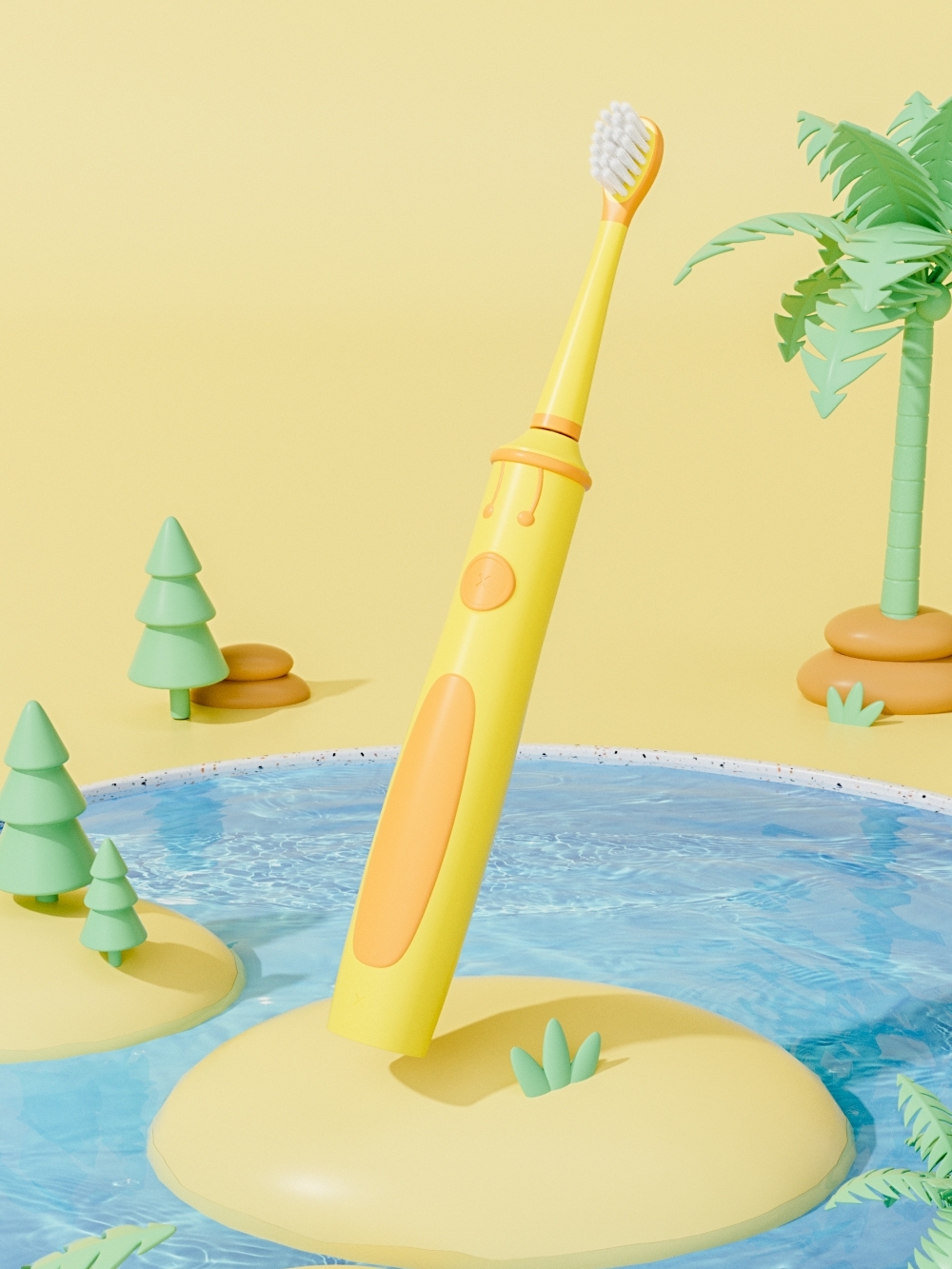
When sourcing kids oral care products, brands must prioritize safety, effectiveness, and child-friendly design. Whether you're a distributor, retailer, or dental clinic looking for reliable pediatric dental supplies, selecting the right B2B manufacturer is crucial. This guide will help you identify the best children's dental products while ensuring compliance with international safety standards. Why Safe & Engaging Kids Oral Care Products Matter Children have delicate gums and developing teeth, making safe toothbrushes for kids a top priority. Poor-quality products can cause irritation or fail to clean effectively, leading to long-term dental issues. Additionally, kids are more likely to embrace oral care if products feature fun designs, gentle bristles, and appealing flavors. When sourcing children's dental products, look for: Soft, rounded bristles to protect gums Non-toxic, BPA-free materials Ergonomic handles for small hands Attractive colors & characters to encourage brushing Key Features to Look for in a Supplier Not all manufacturers specialize in pediatric dental supplies, so vetting your supplier is essential. Consider these factors: Certifications – Ensure compliance with FDA, CE, or ISO standards.Customization Options – Can they offer branded designs or age-specific products?Safety Testing – Do they conduct rigorous quality checks?Innovative Technology – Some suppliers integrate cold light whitening technology in kid-safe whitening products. A trusted manufacturer should provide detailed product specifications and safety documentation. Must-Have…
In today's global market, sourcing oral care products is no longer just a matter of price. While minimizing cost is a natural objective, focusing solely on the cost-effectiveness of price without considering quality, compliance, and reliability can lead to long-term risks for oral care brands. A strategic approach to oral care sourcing—especially one that embraces value-based purchasing—can protect brand reputation and ensure consistent product performance.This article explores what happens when brands prioritize low price over quality, and why a balanced approach to sourcing oral care products is essential. Quality Compromise: The Most Immediate Risk When procurement focuses only on cost, quality is often the first casualty. In the oral care category, products like electric toothbrushes, flossers, and whitening kits must meet strict dental product standards. Compromising quality can result in: Product malfunctions or defects Inadequate plaque removal or gum damage Customer dissatisfaction and negative reviews If your supplier doesn’t meet the expected cost vs quality balance, the short-term savings can lead to long-term brand damage. Compliance and Certification Issues Suppliers offering unusually low prices may skip critical certifications, or fail to meet the regulatory requirements of key markets. This creates legal and operational headaches: Non-compliance with dental product standards Customs clearance issues Risk…
Tooth microfractures and mucosal abrasions may sound like isolated inconveniences, but when they appear together, they often signal deeper structural and safety concerns that can quickly escalate without intervention. For manufacturers, distributors, and professional buyers, understanding this combination is essential to ensure product safety, avoid liability, and protect brand reputation. What Causes Tooth Microfractures? Tooth microfractures are tiny cracks in the enamel or dentin layers. Common triggers include: Excessive mechanical stress from hard bristle tips Vibrations generated by high-frequency motors with insufficient damping Inconsistent pressure applied during use due to poor handle ergonomics Left unaddressed, microfractures can gradually propagate, leading to tooth chipping, sensitivity, or even structural failure. How Do Mucosal Abrasions Develop? Mucosal abrasions are shallow injuries to the soft tissues lining the cheeks, lips, and gums. They often result from: Sharp edges or seams in brush heads or accessories Accumulated residues that create abrasive surfaces Uncontrolled oscillation amplitude causing accidental scraping While minor abrasions typically heal in days, repeated trauma increases the risk of infection and chronic discomfort. Company web:https://www.powsmart.com/product/electric-toothbrush/ The Dangerous Interaction Between Microfractures and Abrasions When tooth microfractures coincide with mucosal abrasions, the risk to users compounds significantly: Microfractured enamel creates rough surfaces that further irritate…


.jpg)
.jpg)
.jpg)
.jpg)
.jpg)



.jpg)
.jpg)
1-scaled.jpg)