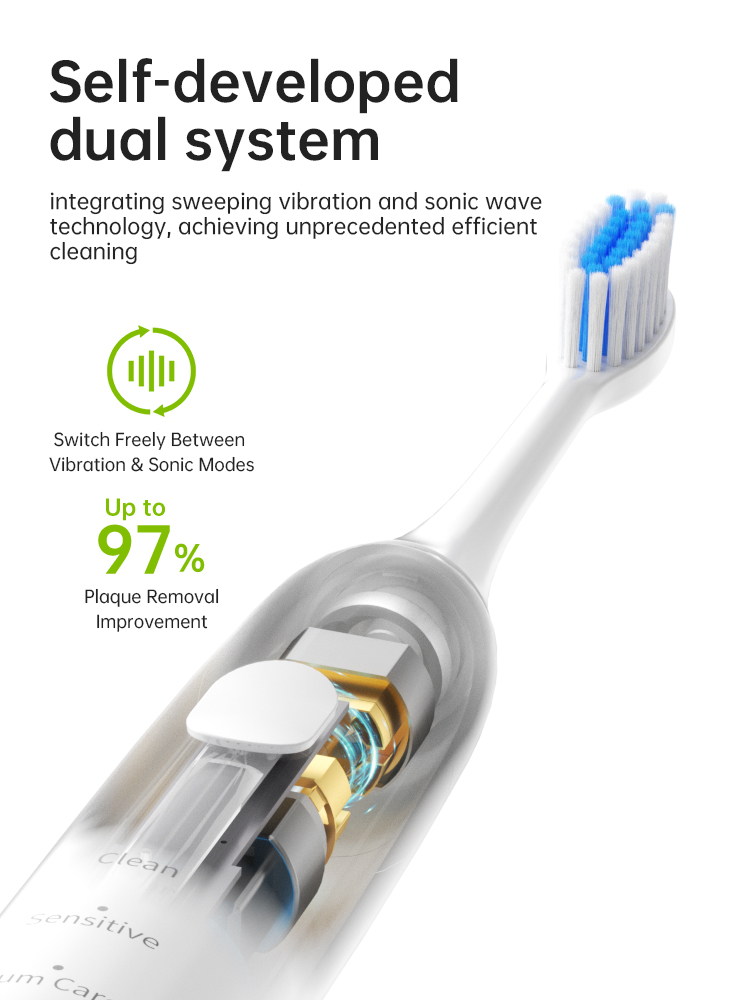
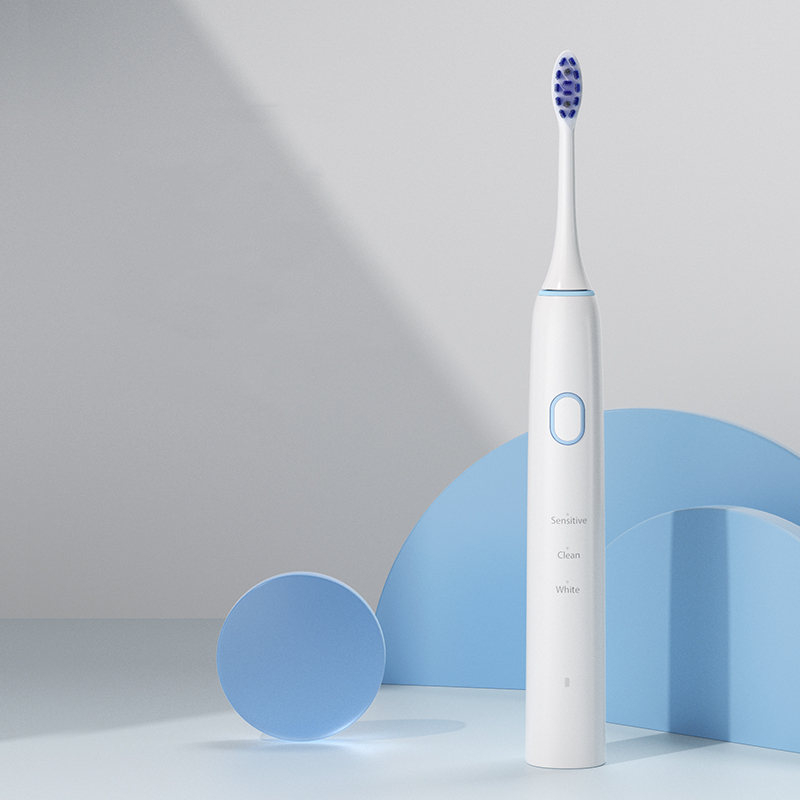
In the world of small electrical appliances, especially oral care devices like electric toothbrushes and water flossers, Motor Overheating and Device Overheating are two critical risks that often go hand in hand. While these issues may seem like isolated technical failures, their combined presence can pose a “double danger” that affects not only product performance but also user safety and brand reputation. So how are these two overheating phenomena related, and why should manufacturers be on high alert?
To begin, it is essential to distinguish between Motor Overheating and Device Overheating. Motor Overheating refers to the excessive temperature rise in the motor core due to prolonged use, high resistance, or mechanical friction. On the other hand, Device Overheating includes not only the motor’s heat but also the accumulation of heat in the battery, circuit board, and housing.
Although separate in origin, these two forms of overheating frequently influence each other. For example, a poorly ventilated housing may trap the heat generated by the motor, leading to widespread Device Overheating.
Common causes of Motor Overheating include:
When left unchecked, these conditions contribute directly to Device Overheating, since the heat produced by the motor spreads to nearby components. Company web: https://www.powsmart.com/product/electric-toothbrush/
Device Overheating does not merely result from the motor—it can also worsen motor conditions. Elevated housing temperatures reduce the cooling efficiency of the motor itself, accelerating insulation breakdown and magnet degradation. Furthermore:
Thus, what starts as a simple Motor Overheating issue can snowball into a systemic failure, endangering the entire device.
The consequences of simultaneous Motor Overheating and Device Overheating are serious:
Especially in international markets with strict safety regulations (such as CE or FDA requirements), overheating failures can lead to product recalls and reputational damage.
To minimize these risks, manufacturers should consider:
Regular durability and stress testing can also uncover potential overheating scenarios before mass production.
In conclusion, while Motor Overheating and Device Overheating do present a “double danger” for manufacturers, these risks are manageable with thoughtful design, strict quality control, and preventive engineering solutions. By proactively addressing both overheating sources, B2B manufacturers can offer safer, more reliable products that meet global customer expectations and regulatory standards.
Only by acknowledging this hidden danger can suppliers ensure long-term competitiveness and user satisfaction in the increasingly demanding market for smart, portable, and high-performance electrical devices.
.jpg)
.jpg)
How does Pulse Water Technology enhance the effectiveness of an Orthodontic Jet Tip?
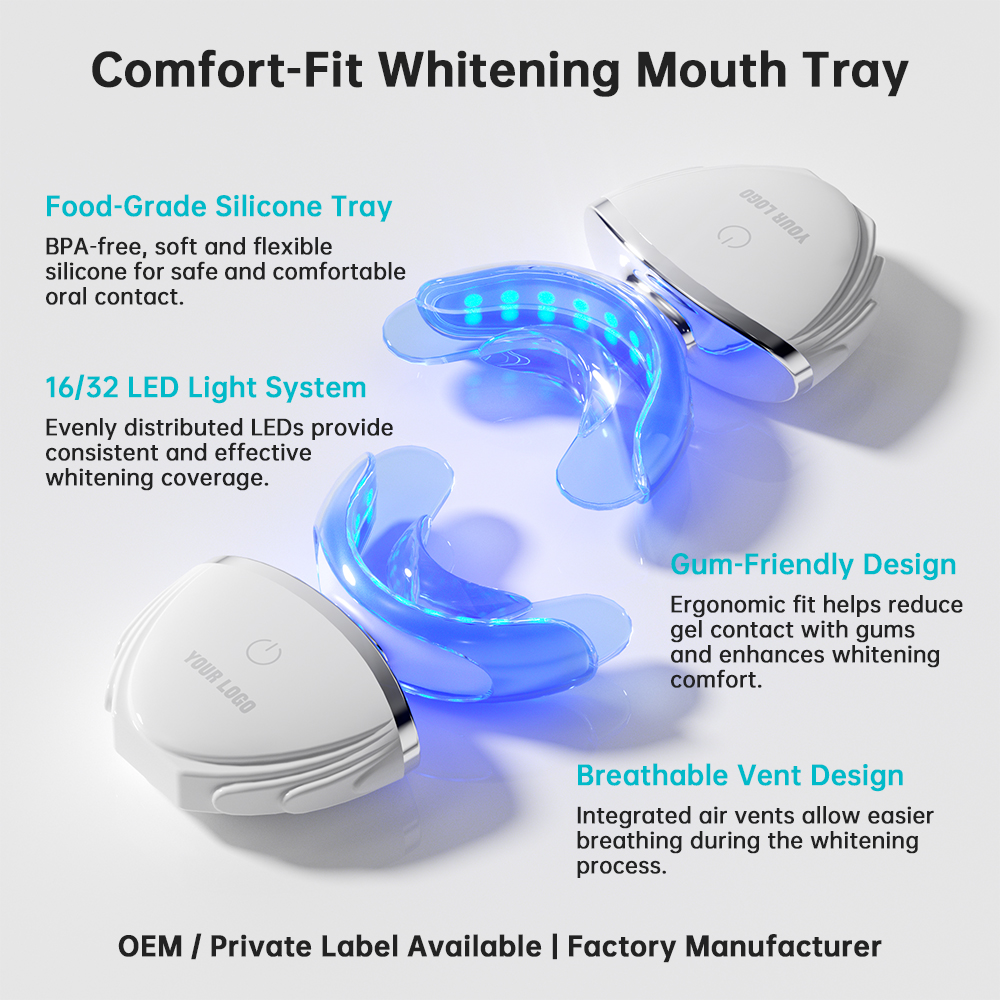
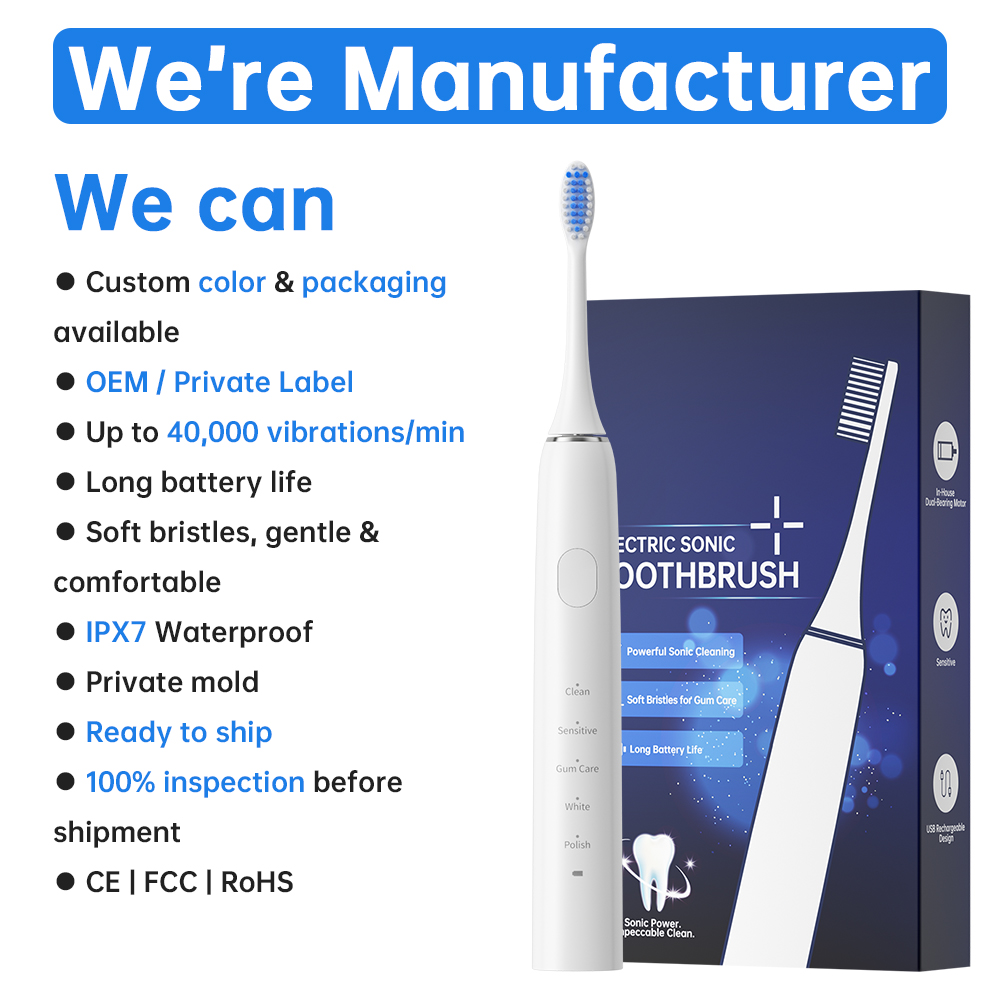
Need a Custom Whitening Tray for a Gentle Sensitive Teeth Formula?

Is Stain Removal Rotating Brush’s Motor Corrosion a Hidden Problem?
electric toothbrush factory evaluation standards- 5 Must-Read Criteria for Brand Owners
How Does Your LED Whitening Lamp Activate Our Whitening Gel Formulation?
How Can Oral Care Brands Enhance User Confidence Through Product Upgrades and Expansion?
How Does a Contract Manufacturing Agreement Secure a Steady Brush Head Replacement Supply?
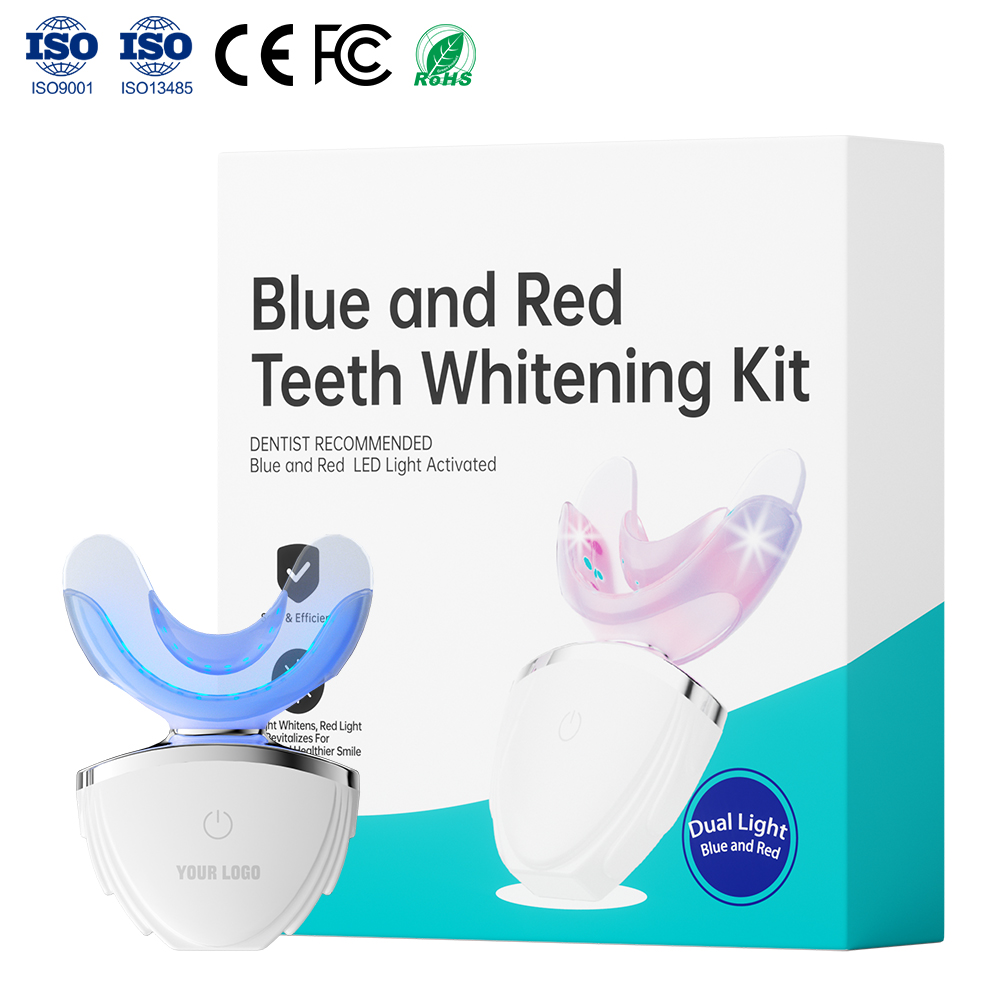
How can Servo System Manufacturing enhance the value proposition of a Custom Handle OEM for B2B toothbrush brands?
.jpg)
Sonic Electric Toothbrush Wholesale Solutions for Global B2B Buyers
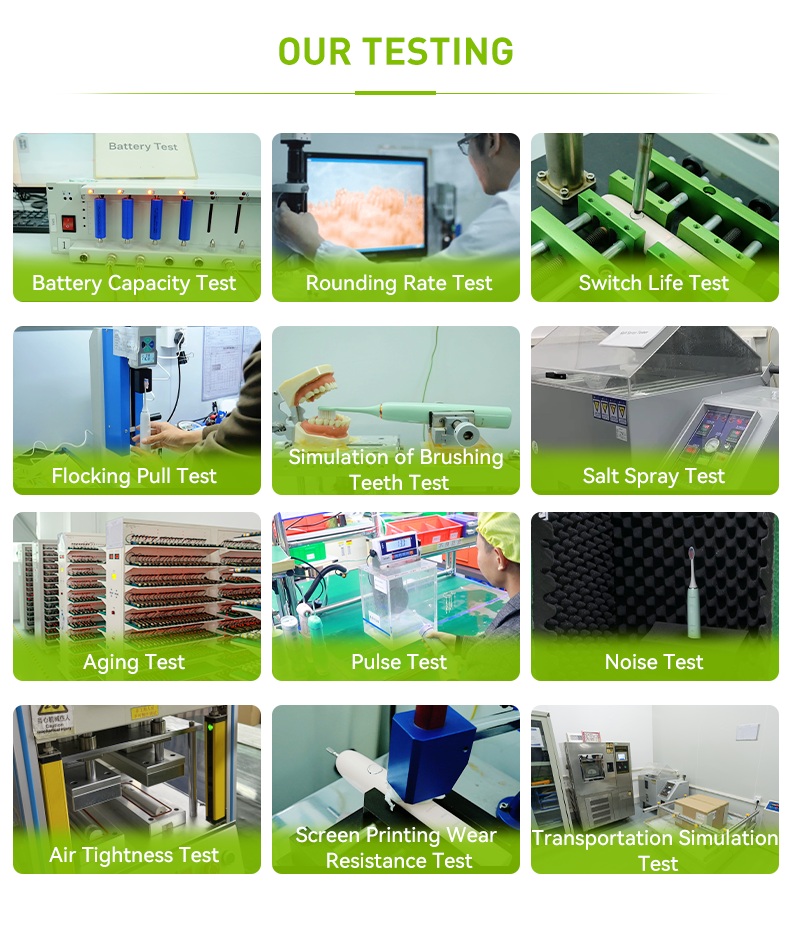
Can Mold Development Service Reduce Costs Through Efficient Bulk Material Sourcing?
Phoenix Electric Toothbrush Wholesale
San Antonio Electric Toothbrush Wholesale

Developing a Portable Water Flosser? Need a Quiet Flosser Motor?
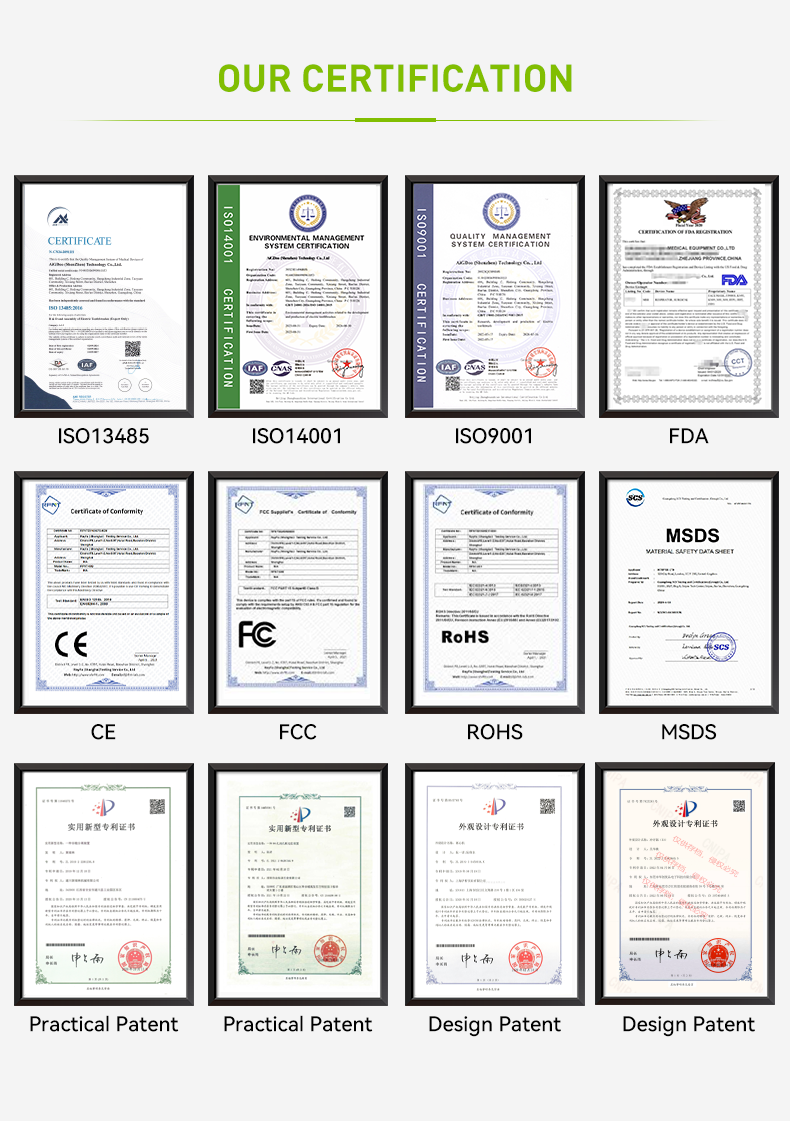
How Can Dental Clinic Partnerships Promote Your Professional Whitening Kit?
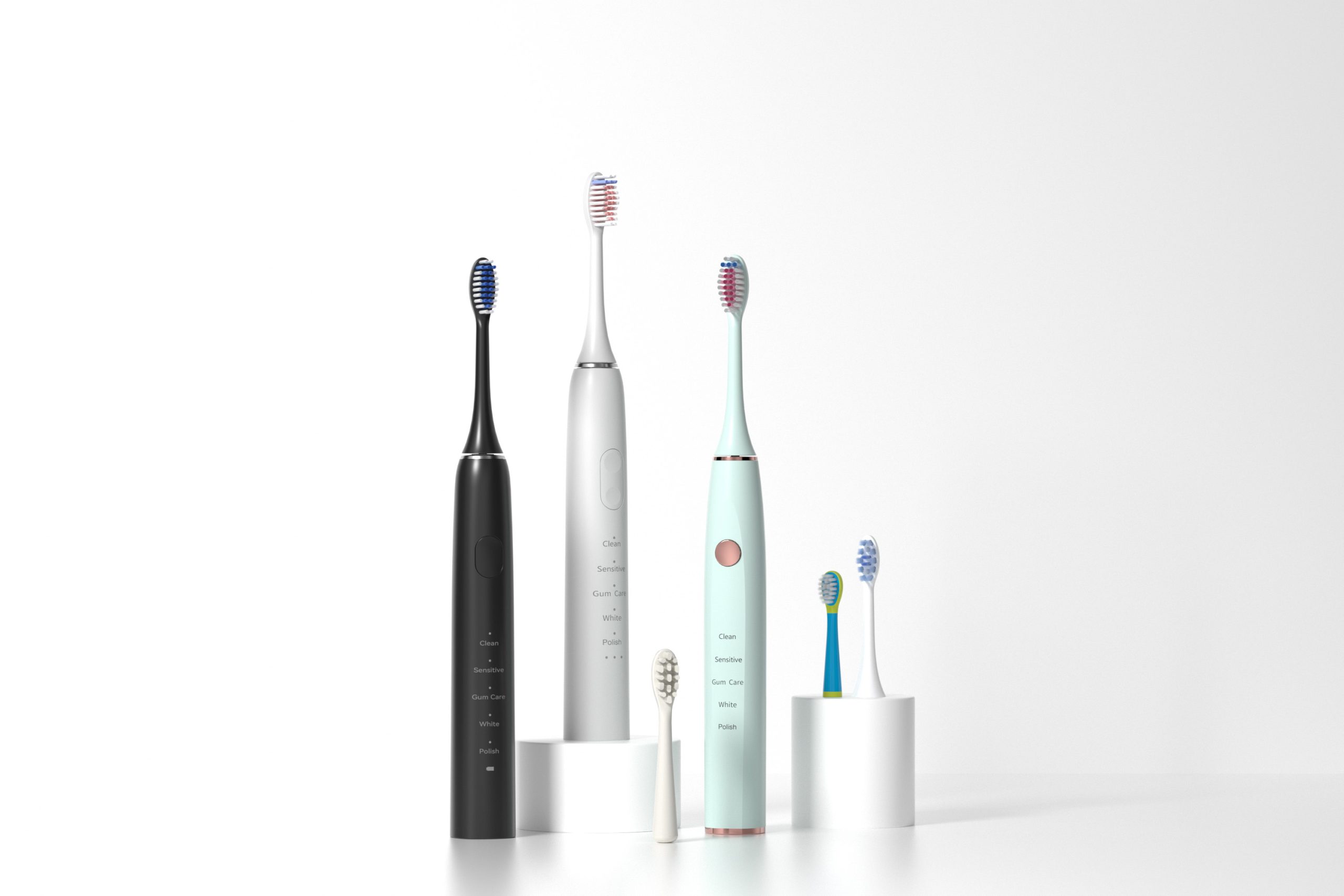
All-in-One Family Toothbrush Solution
Electric Toothbrush Product Customization for OEM and ODM Brands


.jpg)
.jpg)
.jpg)
.jpg)
.jpg)





.jpg)