.jpg)
In the world of oral care devices and small consumer electronics, two seemingly separate malfunctions—shaft fracture and indicator failure—can actually be symptoms of a deeper systemic flaw. While each issue alone can disrupt performance, their co-occurrence might point to underlying design or manufacturing challenges that B2B manufacturers must address. What Is a Shaft Fracture and Why Does It Happen? A shaft fracture typically refers to the mechanical breakage of the rotating or oscillating shaft that powers a toothbrush head or drive component. Common causes include: Material fatigue due to substandard alloys or improper heat treatment Overloading from improper torque distribution Misalignment during assembly or long-term wear Shaft integrity is fundamental to device longevity, especially in high-frequency applications like sonic toothbrushes or portable water flossers. Understanding Indicator Failure An indicator failure refers to the malfunction of a visual or tactile feedback component—commonly an LED or vibration alert—that informs users of power status, charging, or mode selection. Possible reasons include: PCB solder point damage from vibration Water ingress affecting signal circuits Faulty firmware or connection instability While these failures seem electronic in nature, they may share mechanical triggers with shaft issues. Company web:https://www.powsmart.com/product/electric-toothbrush/ Are Shaft Fracture and Indicator Failure Connected? Interestingly, evidence…
.jpg)
As electric toothbrushes become an essential part of daily oral care routines, one recurring issue reported by users is that electric toothbrush vibration decreases over time. This can lead to reduced cleaning performance and consumer dissatisfaction—posing risks for both end users and brands. For oral care brands, especially those working with OEM/ODM suppliers, understanding the reasons behind weakened vibration in electric toothbrushes is crucial. This blog will explore common causes, preventive actions, and the importance of choosing an expert in electric toothbrush quality manufacturing. Why Does the Vibration Decrease Over Time? A noticeable drop in brushing performance often stems from several technical or mechanical issues. Here are the main causes: Battery degradation: Lithium-ion batteries can lose capacity after repeated charging cycles, resulting in lower power output and weakened motor performance. Motor wear or imbalance: A worn-out or misaligned motor is a key reason behind weakened vibration in electric toothbrushes. Mechanical obstruction: Dust, toothpaste residue, or water ingress in the motor or drive shaft can restrict movement. Electronic control failure: PCB malfunction or signal delay may cause improper voltage delivery to the motor, impacting vibration intensity. How Poor Manufacturing Affects Vibration Performance While usage habits contribute to performance decline, many cases trace back…
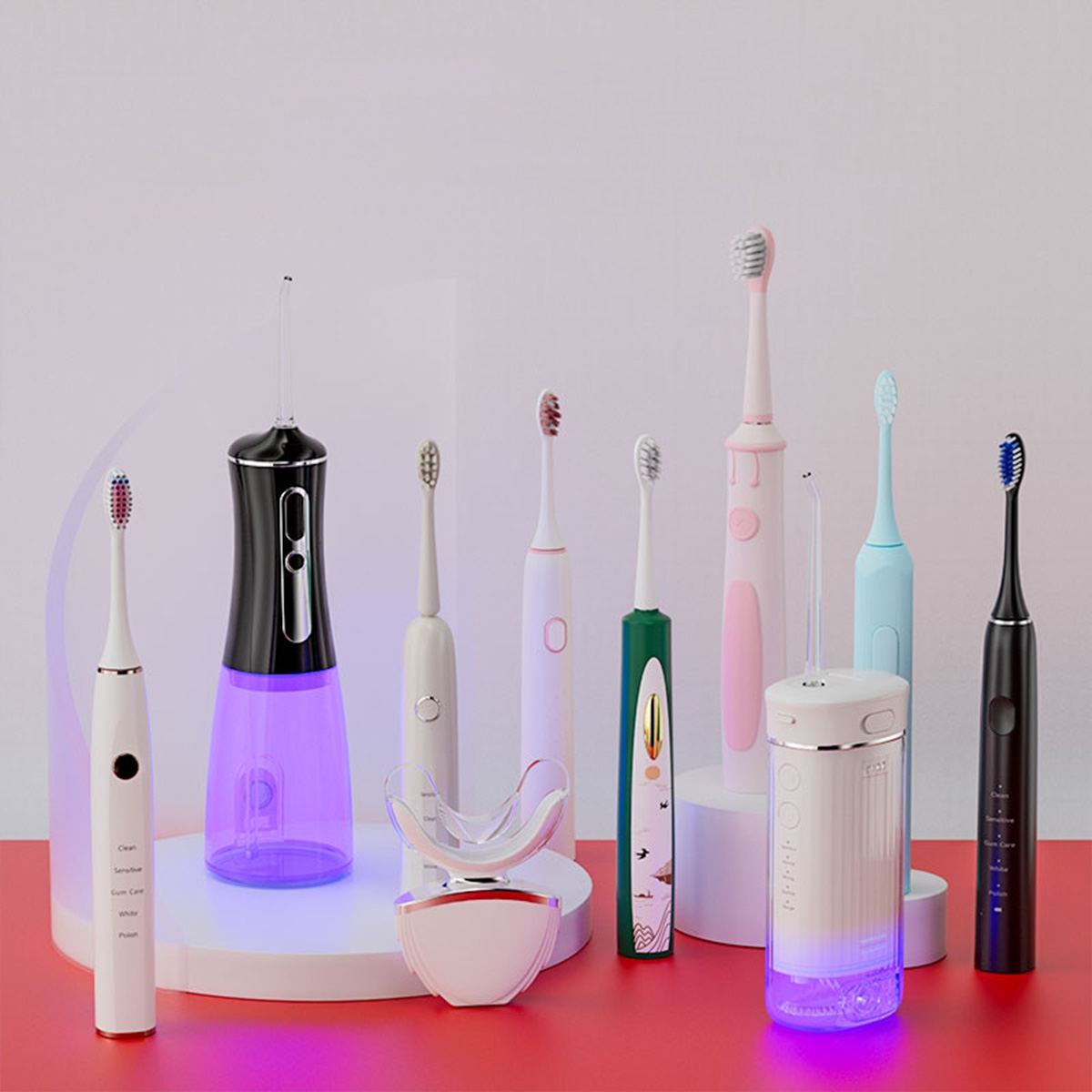
The global oral care market is evolving rapidly, and electric oral cleaning products have taken center stage. With their proven performance, smart technology, and growing popularity, these devices are transforming the way consumers manage their oral hygiene. For brand owners seeking opportunities in oral care products manufacturing, understanding the value and future potential of these products is crucial. In this blog, we explore the benefits of electric oral cleaning products, their scientificity and effectiveness, and why now is the right time to invest in this growing market. The Rise of Electric Oral Cleaning Products Electric toothbrushes and oral irrigators are no longer luxury items—they are mainstream essentials. As consumers become more health-conscious and tech-savvy, electric oral hygiene tools are both effective and convenient options. Key growth factors include: Higher awareness of dental health. Increased demand for smart home care solutions. A shift from traditional brushing to clinically tested electric alternatives. This rising demand opens vast potential for oral care products manufacturing partners to innovate and meet market expectations. Scientificity and Effectiveness of Electric Products Modern electric oral cleaning products are not just gadgets—they are backed by clinical studies and research. The scientificity and effectiveness of electric products have been validated in several ways: Electric…
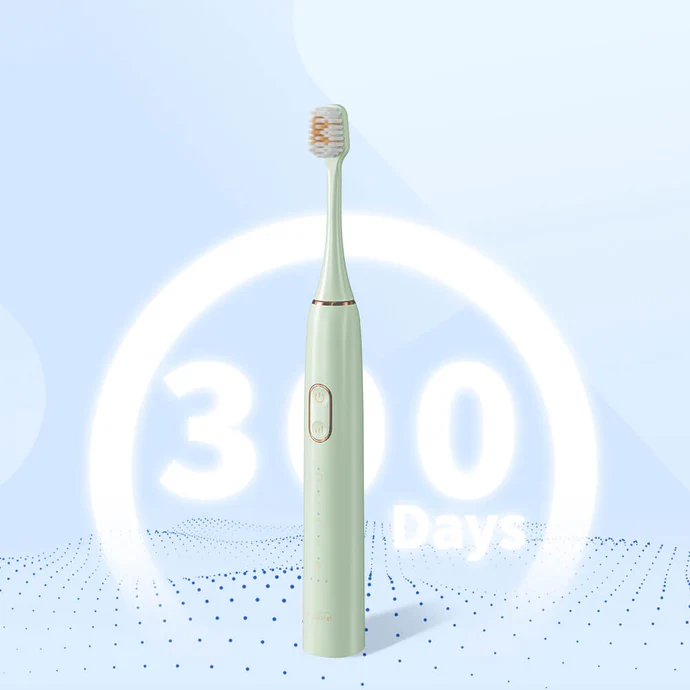
As electric toothbrushes become more advanced and widely adopted, ensuring durability and safety in every component—especially the charging port—has become a priority for both users and manufacturers. If the charging port is burned out, it not only affects product functionality but can also damage the brand’s reputation and increase returns. For brand owners, understanding the root causes and possible solutions for electric toothbrush charging issues is critical—not just for customer support but for improving upstream electric toothbrush manufacturing decisions.https://www.powsmart.com/about-powsmart/ In this article, we’ll explore what may cause a burned-out charging port, how to handle the situation, and what steps brand owners can take to improve product quality through better supplier partnerships. Identify the Problem: How Do You Know the Charging Port Is Burned Out? The first step is recognizing whether the electric toothbrush is burned out due to charging issues, or if the problem lies elsewhere. Common symptoms include: The device won’t charge despite using a working cable or base. Burn marks or a melted appearance around the charging port A burning smell from the charging area. The toothbrush heats up when plugged in. If these signs are present, it’s likely the charging port burned out, possibly due to voltage instability, water ingress,…
At first glance, circuit shorting and nerve inflammation might seem like unrelated problems. However, when they appear together in oral care devices, they can create a potentially serious emergency for end users and expose manufacturers to significant liability. From unexpected electrical discharges to severe oral discomfort, the consequences can escalate quickly. So how do these issues arise—and what proactive steps can B2B suppliers take to prevent them? What Exactly Is Circuit Shorting? Circuit shorting occurs when an unintended electrical path forms inside the device, bypassing the designed circuitry. Causes include: Moisture intrusion due to inadequate sealing or worn gaskets Degraded insulation around wires or battery contacts Conductive debris accumulating near sensitive components Overheating that compromises circuit board integrity Short circuits can produce unexpected current surges, heat, or even sparks—transforming a safe oral care tool into a hazard. Understanding Nerve Inflammation in Oral Use Meanwhile, nerve inflammation is an inflammatory response within oral tissues, often triggered by: Localized overheating from prolonged exposure to electrical faults Chemical leaks from compromised battery cells Mechanical trauma amplified by vibrations and pressure imbalances Repeated micro-shocks that overstimulate sensitive nerves Symptoms can include burning sensations, persistent numbness, tingling, or sharp pain along the gums and teeth.…
When seal degradation is left unchecked in oral care and hygiene devices, the result can be more than just cosmetic wear. A compromised seal allows moisture and organic debris to accumulate internally, creating the perfect environment for bacterial regrowth. Over time, this invisible contamination can undermine product safety, degrade user experience, and expose manufacturers to significant liability. So is this problem preventable? With proactive design and production measures, the answer is a resounding yes. What Causes Seal Degradation? Seal degradation is the process by which gaskets, O-rings, or adhesive barriers lose their integrity. This can occur for several reasons: Material fatigue from repeated compression cycles Chemical attack from aggressive cleaning agents or peroxide-based solutions Thermal expansion and contraction causing micro-cracks Poor-quality elastomers that dry out or become brittle over time Once these seals fail, pathways open for moisture infiltration and microbial contamination. Why Bacterial Regrowth Happens After Seal Failure Bacterial colonies thrive in warm, damp spaces. When a degraded seal allows saliva, cleaning fluid, or even tap water to seep into the device: Residual moisture remains trapped inside hidden chambers Biofilm develops, adhering stubbornly to internal surfaces Periodic reactivation of bacteria occurs every time the device heats up during operation…
As demand for smart, high-performance oral care devices continues to grow, electric toothbrush brands are investing more in design, marketing, and features. Yet, one often-overlooked issue continues to affect customer satisfaction and warranty rates—electric toothbrush charging issues. Have you ever received customer complaints that their electric toothbrush burned out during charging? It's more common than you think—and often stems from poor charging design, incorrect usage instructions, or manufacturing flaws. In this blog, we’ll explore the root causes, share expert toothbrush charging cautions, and offer suggestions from factory insights to help your brand deliver reliable, long-lasting products. Common Reasons Why Electric Toothbrushes Burn Out Understanding the causes of toothbrush burnout helps both brands and OEM partners design safer, longer-lasting devices. Below are the main culprits: Over-voltage or incompatible charging adapters: Using a high-wattage phone charger or non-approved adapter can overload the circuit. Lack of overcharge protection: If the toothbrush’s PCB or battery lacks protective components, continuous charging can overheat and damage internal parts. Exposure to moisture during charging: Improper sealing design allows water ingress into the charging port or base, short-circuiting the internal system. Poor-quality components: Low-grade batteries or control boards, often used by unqualified manufacturers, can cause premature failure. Each of these reflects…
Charging corrosion is a silent but serious threat in many powered oral care devices. Over time, moisture, chemical residues, and electrical stress can degrade charging contacts, setting the stage for voltage instability and eventual motor burnout. But how exactly are these two failures connected—and can they be prevented? Let’s unpack why corrosion at the charging point can quickly escalate into total motor failure. What Is Charging Corrosion? Charging corrosion develops when: Moisture seeps into the charging port or cradle Saliva or cleaning fluids linger on contact pins Metallic surfaces oxidize, reducing conductivity This corrosion gradually forms a resistive layer that disrupts the flow of current during charging cycles. How Corrosion Leads to Motor Burnout At first glance, it might seem surprising that charging corrosion could trigger motor burnout, but the link is more direct than it appears: Corrosion increases electrical resistance, requiring the battery to work harder Inconsistent voltage during charge cycles weakens the battery cells The motor receives fluctuating power when operating Over time, these power surges overheat the motor windings, causing insulation breakdown Eventually, the motor can burn out entirely—even if the device appears normal during short operation. Company web:https://www.powsmart.com/product/electric-toothbrush/ Early Indicators You Shouldn’t Ignore For B2B distributors…
Seal degradation and battery swelling are two failures that can silently develop in powered oral care devices, often going unnoticed until the damage becomes severe. But when both occur simultaneously, the consequences are more than cosmetic—they pose a tangible safety risk to end users and can trigger extensive warranty claims for manufacturers. Let’s explore why these issues are closely connected, and what proactive measures B2B suppliers should consider. What Is Seal Degradation? Seal degradation occurs when the protective gaskets or enclosures inside the product begin to: Crack or lose elasticity due to aging plastics or repeated temperature fluctuations Warp under mechanical stress or repeated disassembly Break down from chemical exposure, such as harsh cleaning agents Once these seals fail, moisture and contaminants can infiltrate the internal compartments. How Battery Swelling Begins When seals degrade, the risk of battery swelling increases dramatically: Moisture ingress can compromise the battery’s protective casing Short circuits can occur if conductive residues reach battery contacts Internal gas generation from chemical reactions causes the battery to expand This swelling not only distorts the device housing but can eventually rupture the casing. Company web:https://www.powsmart.com/product/electric-toothbrush/ Why This Combination Is Dangerous While seal degradation and battery swelling are problematic on…
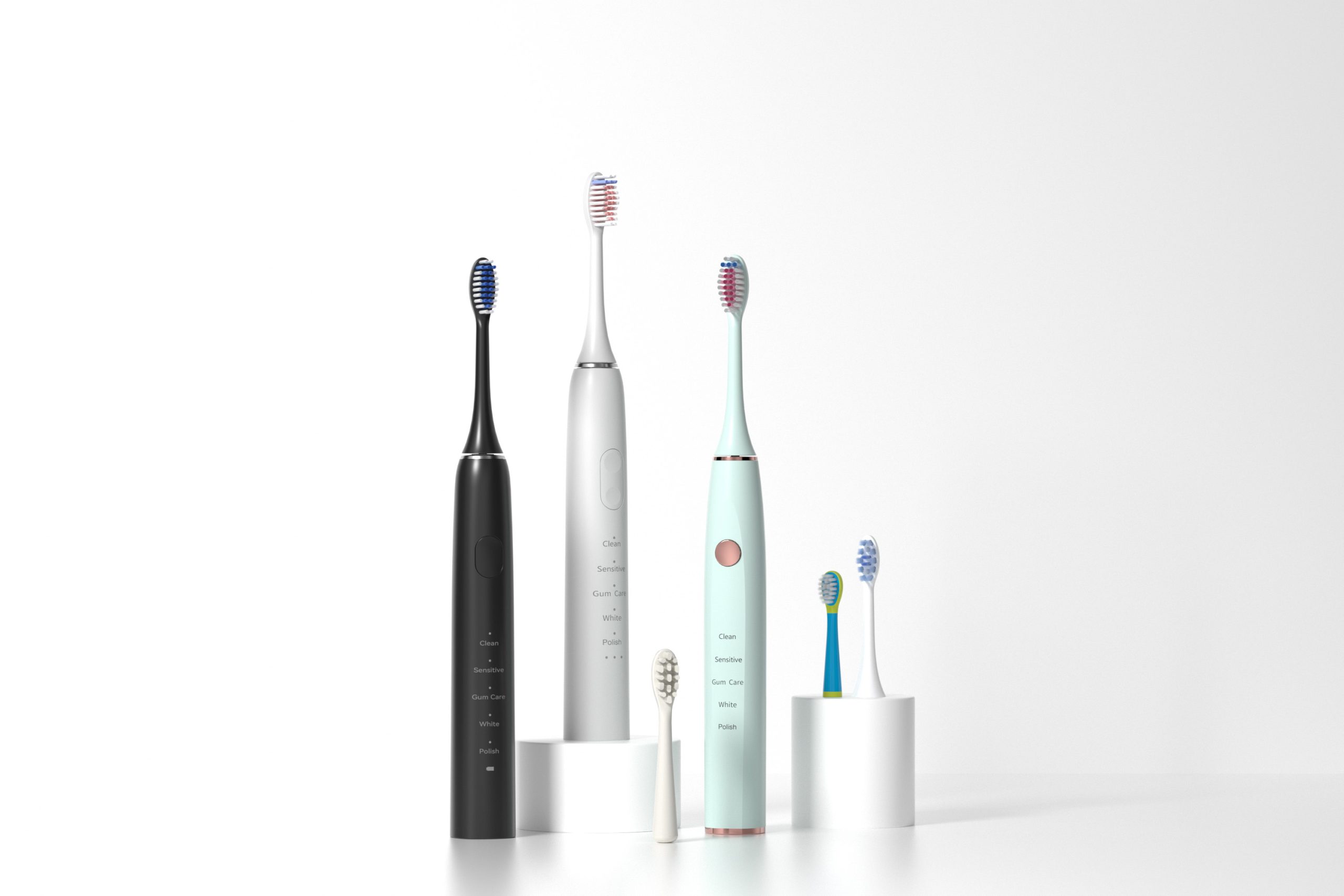
In the competitive oral care market, brand reputation and consumer trust hinge on the consistent quality of your products. For brands sourcing OEM or ODM services, particularly in the electric toothbrush sector, performing a manufacturing audit is not just best practice—it’s essential. Conducting a thorough factory assessment helps ensure that your manufacturing partner can meet product, compliance, and timeline expectations. This article outlines a structured approach to auditing factories and conducting effective supplier evaluations to guarantee Electric Toothbrush Manufacturer Quality. The Importance of a Manufacturing Audit A manufacturing audit is a comprehensive inspection of a potential or existing supplier’s operations, quality management systems, production capacity, and compliance. For electric toothbrush brands, a good audit will assess: Production consistency and capacity Process control from raw materials to final packaging Certifications such as ISO 9001, ISO 13485 (for medical-grade devices), or CE/FDA compliance Defect rates and internal quality control protocols A well-executed audit reduces your risk of delayed deliveries, product recalls, or brand damage due to subpar quality. Core Elements of a Factory Assessment An effective factory assessment typically includes the following components: Facility inspection: Evaluate cleanliness, workflow efficiency, and equipment conditions. Employee training and skill level: Skilled labor is critical in assembling high-precision devices like electric toothbrushes. Quality assurance systems: Check…
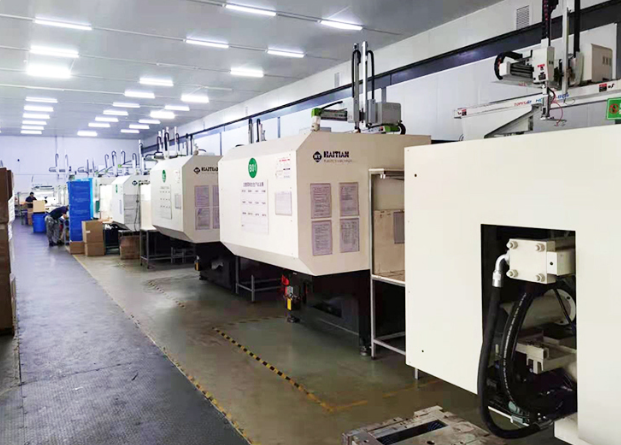
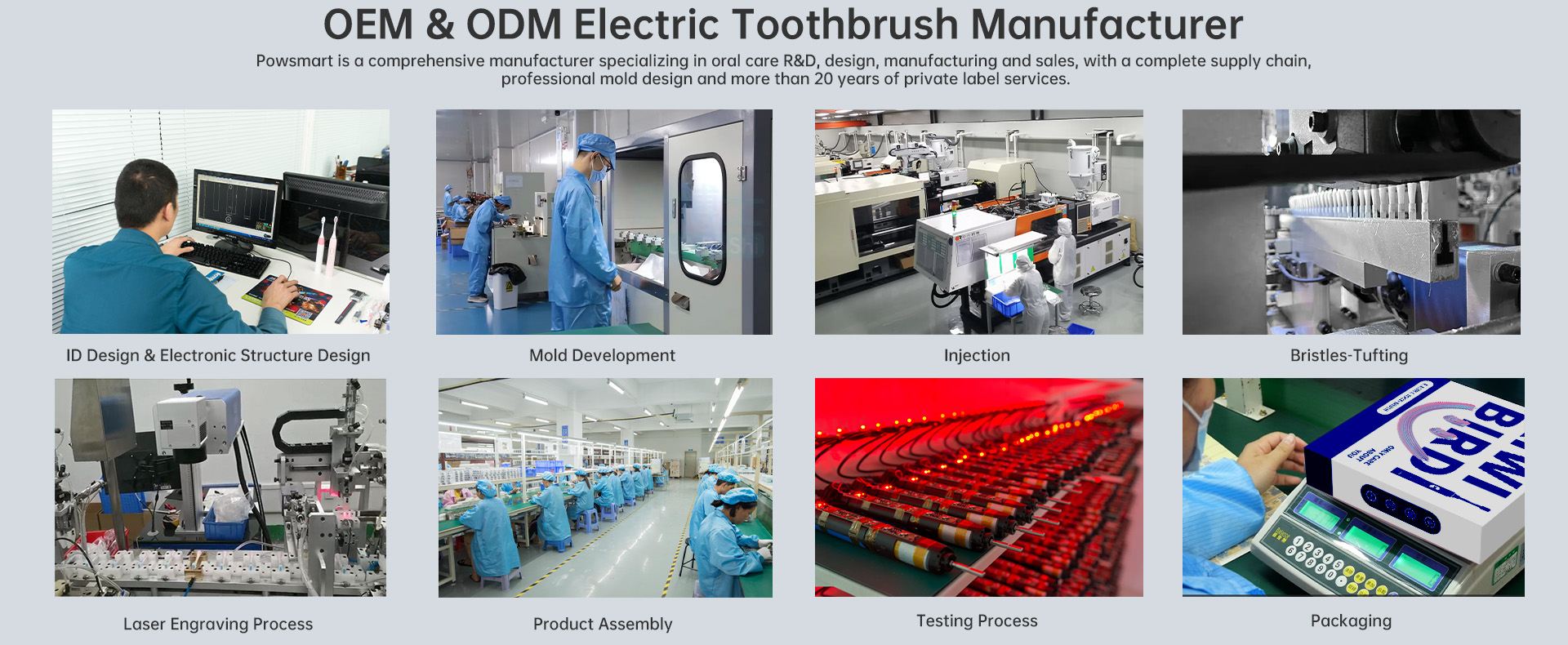
As global demand for smart and high-quality oral care products continues to grow, many brands are turning to OEM (Original Equipment Manufacturer) solutions to bring their electric toothbrush lines to market. Choosing the right OEM partner is critical—not only for meeting consumer expectations but also for ensuring Electric toothbrush quality manufacturing. This blog outlines the core OEM essentials every brand should consider before launching an electric toothbrush product through a manufacturing partner. Understanding the Basics: Electric Toothbrush Production Workflow Before entering into a partnership, it’s important for brands to understand the full electric toothbrush production lifecycle. From concept design to packaging, a typical OEM process involves: Product design and engineering: Including brush head ergonomics, vibration/motion systems, and waterproofing solutions. Prototype development: Function and safety testing using international standards. Mass production: Using automated lines and precision injection molding for consistency. Packaging and branding: Tailored to client requirements and regulatory labeling. Working with a manufacturer who can manage all stages efficiently ensures a seamless development cycle and reliable time-to-market delivery. Electric Toothbrush Manufacturing Essentials: What to Look for When assessing potential suppliers, these electric toothbrush manufacturing essentials should be at the top of your checklist: ISO-certified production facilitiesEnsure your partner complies with global standards (e.g., ISO…

In the fast-growing oral care market, choosing the right electric toothbrush factory can be the difference between product success and failure. For brand owners and sourcing managers, understanding how to properly evaluate an electric toothbrush factory is essential to ensure product consistency, timely delivery, and long-term partnership success. This article outlines a six-part evaluation framework to help you assess a factory's comprehensive capabilities, including their OEM capabilities, manufacturing standards, and commitment to Electric Toothbrush Quality Manufacturing. Assessing the Factory’s Core Manufacturing Capabilities The first step in evaluating an electric toothbrush supplier is to investigate its core production competencies. A capable electric toothbrush factory should have: In-house facilities for plastic injection molding, PCB assembly, and motor integration. Experience with multiple product lines (oscillating, sonic, kids’ models). Scalable production capacity that aligns with your demand projections. This baseline assessment ensures the factory has the technical resources to meet your product specifications under various volumes. Reviewing OEM & ODM Capabilities Many oral care brands seek manufacturers that can provide OEM capabilities and even ODM (Original Design Manufacturing) services. During the evaluation, ask: Can the factory customize molds, packaging, and firmware? Do they offer product design support or only manufacturing? Are there R&D engineers on-site for product development or…
The demand for electric toothbrushes continues to rise globally, with both startups and established oral care brands seeking to expand their portfolios. One of the most effective ways to enter this market quickly and efficiently is through Electric Toothbrush OEM projects. Partnering with an experienced manufacturer allows brands to offer high-quality, customizable products under their own label. However, successful OEM cooperation requires careful planning. In this article, we highlight the essential considerations that any brand should evaluate before starting an electric toothbrush private label or OEM project. Defining Your Product Vision and Brand Goals Before contacting potential manufacturers, it’s critical to define your product vision. What kind of electric toothbrush are you looking to offer — basic entry-level models or high-end smart toothbrushes with Bluetooth and app connectivity? Key Considerations: Target market segment (budget, mid-range, premium) Core features and innovations desired Packaging and branding requirements Clear direction from the brand side helps streamline the electric toothbrush OEM process and avoids unnecessary revisions later in production. Evaluating Manufacturer Capabilities and OEM Experience Not all suppliers are equipped to handle the complexity of Electric Toothbrush OEM projects. Brands should look for manufacturers with proven expertise in oral care device production and the ability to handle…
.jpg)
In today's competitive oral care market, cleaning performance is a key differentiator for any electric toothbrush brand. Whether you’re launching a new line or improving your current offering, choosing the right electric toothbrush factory can make or break product performance. Key factors such as sonic technology, brush head design, and quality OEM manufacturing standards all influence the outcome. This blog explores how different factories vary and what to consider when selecting the right partner. The Role of Sonic Technology in Deep Cleaning Toothbrushes One of the primary factors impacting cleaning efficiency is the type of motor technology used. Advanced sonic technology enables toothbrushes to deliver up to 40,000 strokes per minute, creating microbubbles that reach deep between teeth and along the gum line. However, not all electric toothbrush factories implement this technology equally. Top-tier factories invest in high-frequency, stable sonic motors. Lower-end suppliers may compromise on vibration strength and consistency. When selecting a supplier, always evaluate their motor sourcing and engineering capabilities to ensure your brand offers a true deep cleaning toothbrush experience. Brush Head Design: The Unsung Hero of Cleaning Performance Another critical but often overlooked component is the brush head design. Factors such as bristle material, tufting density, and head shape directly impact how…
In the world of electronic appliances, especially those designed for personal care such as electric toothbrushes and oral irrigators, two critical risks demand serious attention: Short Circuit and Water Leakage. When these two issues occur simultaneously, the potential hazards multiply—not only threatening device performance but also putting user safety at considerable risk. Are manufacturers unknowingly playing with fire if they overlook this dangerous combination? Understanding the Relationship Between Short Circuit and Water Leakage Water and electricity are natural enemies. A Water Leakage—whether from a poorly sealed tank, damaged O-rings, or cracked casings—can directly result in moisture reaching sensitive electronic components. Once inside, this moisture can lead to a Short Circuit, where electrical pathways are unintentionally bridged. This not only causes the device to malfunction but also increases the chance of overheating or sparking. For OEM suppliers, ensuring IPX7 or higher waterproof standards during design and testing is the first step to prevent this chain reaction. Why the Double Risk Is More Dangerous Than It Seems While either Water Leakage or a Short Circuit is harmful on its own, their combination represents an amplified threat. A Short Circuit caused by internal moisture does not only lead to product failure—it can result…
In precision devices such as oral care appliances, high-performance sensors play a critical role in ensuring safe operation. But what happens when Sensor Failure occurs simultaneously with Overpressure Damage? This rare yet dangerous combination can lead to unpredictable product behavior, shortened lifespan, and even user safety concerns. Ignoring this “double trouble” is no longer an option for manufacturers focused on quality and reliability. Understanding Sensor Failure in the Context of Overpressure Sensors monitor crucial parameters—such as pressure, temperature, and vibration—in water flossers and electric toothbrushes. However, when Overpressure Damage occurs due to blocked nozzles, faulty pumps, or misuse, sensors can become overloaded or misread data. In this state of Sensor Failure, the device loses its ability to regulate performance or trigger safety shutdowns, compounding the original problem. For B2B OEM suppliers, robust sensor design and placement are key to prevent this vicious cycle from occurring. The Hidden Risks of Overpressure Damage When Overpressure Damage strikes—whether from pump malfunction, valve blockage, or tank defect—the internal system undergoes stress far beyond its design limits. Without functional sensors to detect and respond, the damage can escalate: Plastic or metal parts may crack; Internal seals may rupture; Motor components may overwork, leading to burnout.…
In the development and supply of dental whitening trays and orthodontic appliances, two critical concerns have surfaced repeatedly: tray misalignment and its contribution to jaw pain. These issues not only impact user comfort but can also compromise product performance and brand reputation. As manufacturers, understanding and addressing this correlation is vital to creating superior, market-leading products. What Is Tray Misalignment and Why Does It Occur? Tray misalignment refers to the improper fitting or positioning of dental trays on the user’s teeth. This can result from: Inaccurate molding during tray fabrication; Poor quality control during manufacturing; Deformation of trays during transport or storage; Design flaws that do not accommodate dental arch variations. When trays do not align correctly, they exert uneven pressure on teeth and surrounding jaw muscles, setting the stage for discomfort or more severe complications. The Link Between Tray Misalignment and Jaw Pain A direct outcome of tray misalignment is the onset or worsening of jaw pain. This happens because misaligned trays can: Cause uneven bite forces; Disrupt the natural position of the jaw; Strain the temporomandibular joint (TMJ). For users, this discomfort may manifest as stiffness, soreness, or even headaches. For brands, it results in dissatisfied customers, negative…
For whitening device manufacturers and OEM suppliers, product performance consistency is key to customer satisfaction. However, a hidden risk may be undermining all these efforts: Timer Malfunction resulting in Whitening Reversal. When devices fail to time treatment sessions correctly, the whitening process may not only become ineffective but may also reverse, wasting consumer effort and diminishing brand credibility. Could this flaw be costing your product line more than you think? What Is Timer Malfunction in Whitening Devices? A Timer Malfunction occurs when the embedded timing system of a whitening tray, pen, or lamp does not accurately regulate treatment duration. This can result from: Software glitches in programmable devices; Faulty circuit boards; Battery voltage fluctuations affecting timing accuracy. If treatment is cut short or extended beyond the optimal time frame, the bleaching agent may underperform—or worse, cause enamel stress leading to unwanted discoloration. How Timer Malfunction Causes Whitening Reversal Proper whitening requires precise exposure time. A Timer Malfunction disrupts this balance, causing: Under-treatment, where stains are not fully removed; Over-treatment, which can weaken enamel and allow stains to set in deeper layers; Enamel dehydration, temporarily causing teeth to appear duller. As a result, users may experience Whitening Reversal—where instead of improving,…
In the world of electric toothbrush manufacturing, both performance stability and user safety are non-negotiable. However, two common issues—Brush Head Wobble and Battery Swelling—can jeopardize these fundamental qualities. Many users tolerate slight wobbling or reduced battery performance unknowingly, but when these two problems occur together, the consequences can be far more serious than expected. This article explains why manufacturers and suppliers should never overlook these seemingly minor defects, as they directly impact product durability, safety, and brand reputation. What Causes Brush Head Wobble? Brush Head Wobble refers to the unwanted lateral or vertical movement of the toothbrush head during operation. While a small degree of vibration is expected for cleaning purposes, excessive wobble results from: Imprecise Shaft Fitting: Poor manufacturing tolerance can cause misalignment between the drive shaft and brush head connector. Material Fatigue: Over time, plastic or metal parts may wear out, loosening the head's connection. Assembly Errors: Inconsistent torque control during automated assembly can result in loosely mounted brush heads. When the brush head wobbles, cleaning efficiency drops and users may experience gum discomfort or premature head failure. Worse yet, persistent wobble stresses the internal drive components, hastening device breakdown. The Hidden Dangers of Battery Swelling At first…
In precision-driven devices such as electric toothbrushes, water flossers, and personal care equipment, maintaining stable performance is paramount. However, Noise Increase—whether electrical or mechanical—has become a critical concern, as it may directly contribute to Vibration Inconsistency. This article will thoroughly explore how these two factors interact, why manufacturers should care, and what measures can prevent performance degradation caused by their relationship. What is Noise in Electrical and Mechanical Systems? In B2B manufacturing of smart or powered devices, “noise” does not simply refer to sound. It also includes: Electrical Noise: Unwanted electromagnetic interference (EMI) or fluctuations in voltage/current that disrupt signal clarity. Mechanical Noise: Unplanned or excess vibrations, friction, or movement in motors and gears. This Noise Increase can generate disturbances in sensor feedback loops, motor operation, and even user-perceived performance—laying the foundation for potential Vibration Inconsistency in the product. How Noise Increase Leads to Vibration Inconsistency The relationship between Noise Increase and Vibration Inconsistency is closer than it may first appear: Motor Control Disruption: Electrical noise can interfere with motor drivers and controllers, causing unintended shifts in speed or oscillation patterns. Mechanical Resonance Overlap: Excessive mechanical noise leads to unintended harmonics that amplify or dampen motor vibrations unpredictably. Sensor Misreading:…


.jpg)
.jpg)
.jpg)
.jpg)
.jpg)



.jpg)

-1-scaled.png)