
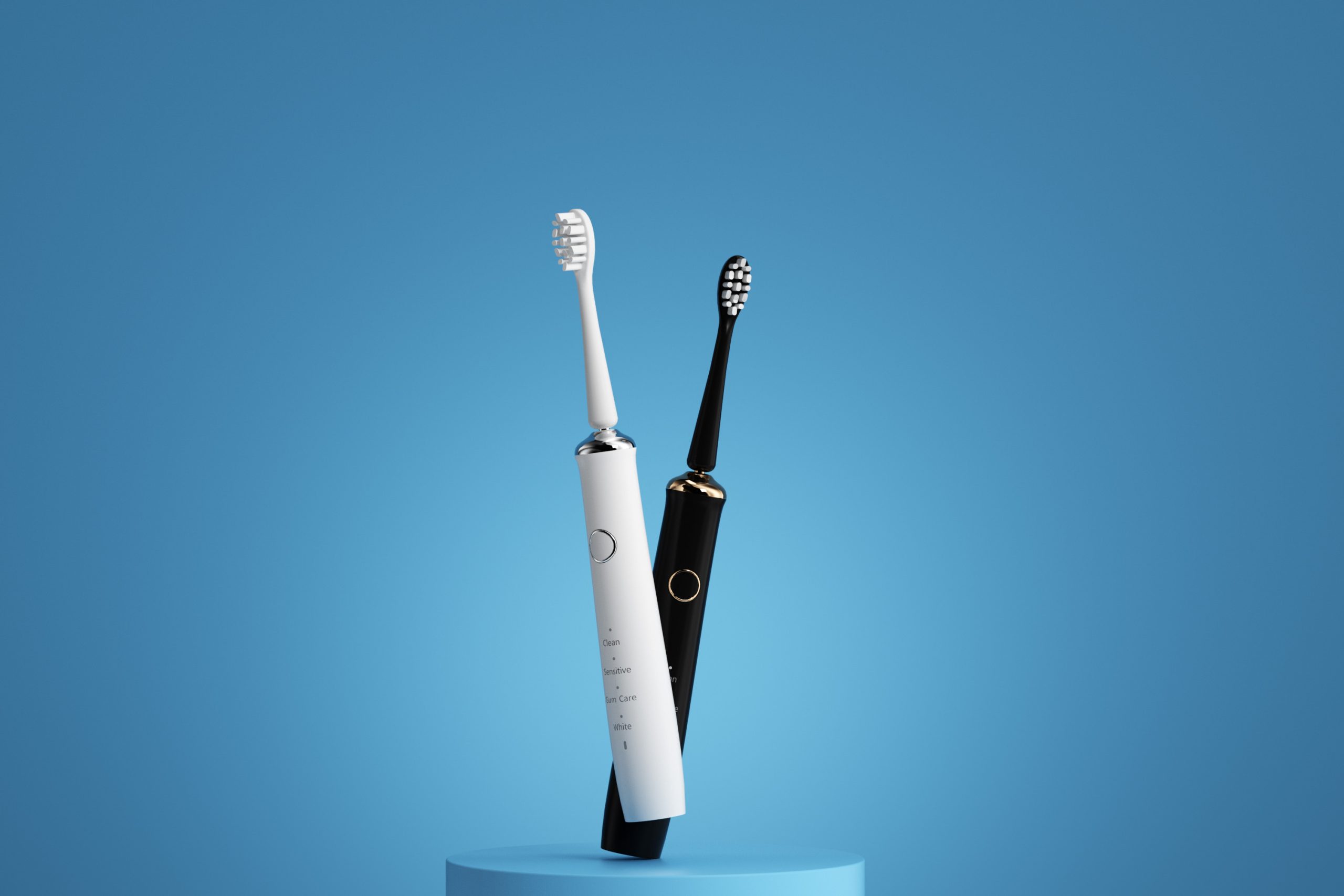
The battery life of an electric toothbrush is a crucial factor for consumers, especially for those who travel frequently or use their toothbrush multiple times daily. With advancements in technology, the battery life of electric toothbrushes has significantly improved, but there are still notable differences across different electric toothbrush manufacturers. In this blog, we will explore the average battery life, factors that contribute to variations, and how to choose a toothbrush that best meets consumer needs. Average Battery Life of Electric Toothbrushes Most electric toothbrushes on the market offer a battery life ranging from 7 days to 6 weeks on a single charge, depending on the model and usage patterns. Basic models typically last around 7–14 days, while premium models with advanced features can last up to 9 weeks. Powsmart, as a high-end electric toothbrush factory with lithium-ion batteries built-in the electric toothbrush tend to perform better in terms of longevity compared to those using nickel-metal hydride (NiMH) batteries. Factors Influencing Battery Life Differences The electric toothbrush battery life difference can be attributed to several factors: Battery Type: Lithium-ion batteries, commonly used in modern toothbrushes, are lighter, more efficient, and last longer than NiMH batteries. Most of the time, the battery type is also a key factor…

Many users notice that their electric toothbrushes produce significant noise during operation, raising questions about the cause and possible solutions. While these devices are praised for their efficiency in oral care, the sound can sometimes be disruptive. In this article, we'll explore why electric toothbrushes make noise, the factors contributing to this issue, and solutions for solving the noisy problem from the electric toothbrush manufacturer aspect. Why Do Electric Toothbrushes Make Noise? Electric toothbrushes operate using a motor that generates vibrations to clean teeth effectively. These vibrations, combined with the oscillation or rotation of the brush head, naturally produce sound. However, excessive noise can occur due to: Low-Quality Motors: Cheaper motors often produce louder vibrations due to less precision in design. Brush Head Design: Some brush heads create more friction or turbulence during use, amplifying noise. Loose Components: If the brush head or other parts are not securely fitted, they can create additional rattling sounds. Factors Contributing to Noise Levels The design and materials of an electric toothbrush play a significant role in noise levels: Material Selection: Harder plastics and cheaper components may vibrate more, leading to louder noise. Motor Technology: Sonic and ultrasonic toothbrushes generally produce higher-frequency vibrations that…
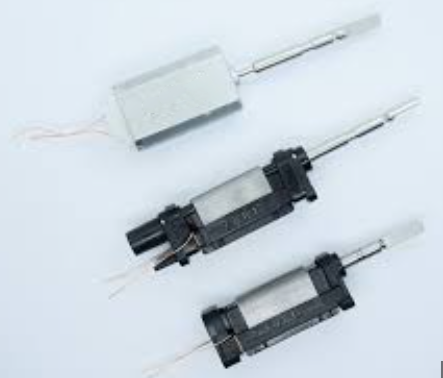
Electric toothbrushes have become a staple in oral hygiene, and the motor is the heart of their functionality. However, the difference between different manufacturers of electric toothbrush motors can significantly impact the toothbrush’s performance, durability, and cost. This blog explores how electric toothbrush manufacturers vary in technology, quality, and innovation, helping B2B buyers make informed decisions. Motor Technology and Performance One key difference between different manufacturers of electric toothbrush motors lies in the motor technology they use. High-end manufacturers often employ advanced sonic or oscillating motors, offering superior cleaning efficiency. In contrast, budget-friendly manufacturers might use basic rotary motors that are less powerful but more affordable. For instance, different electric toothbrush manufacturers targeting premium markets prioritize vibration frequency and noise reduction, while others focus on cost-efficiency for mass production. Quality and Material Standards Another factor that differentiates manufacturers is their commitment to quality and material standards. High-quality motors ensure longevity and consistent performance. Manufacturers who source robust materials and implement stringent quality control processes are often more reliable. On the other hand, some low-cost manufacturers might compromise on motor durability to reduce production costs, which can lead to a higher rate of product failure. Understanding this difference between different manufacturers of electric toothbrush…
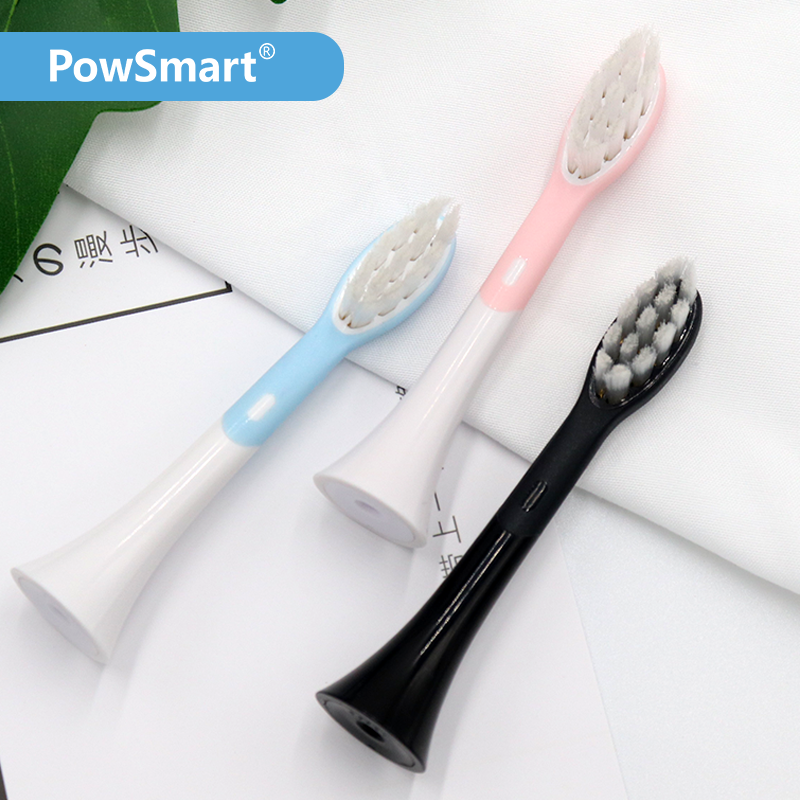
When it’s time to replace your electric toothbrush head, the question arises: Should you stick with Authentic Electric Toothbrush Replacement Heads, or are third-party options just as good? This decision can impact the performance of your electric toothbrush and your oral health. In this blog, Powsmart will explore the differences between authentic and non-official replacement heads, their implications, and insights from electric toothbrush manufacturers. https://www.powsmart.com/product/private-label-electric-toothbrush-heads-powsmart/ The Importance of Compatibility Electric toothbrushes are designed with specific technical requirements, including the fit and functionality of the replacement heads. Using an electric toothbrush replacement head that doesn’t perfectly match your device may lead to issues such as improper fit, reduced vibration efficiency, or even damage to the toothbrush motor. Authentic heads, made by the original electric toothbrush manufacturer, ensure optimal performance and compatibility, which translates into better cleaning and extended device lifespan. Quality and Durability Official replacement heads are rigorously tested for quality, durability, and safety standards. Non-official options may cut corners in materials or production processes, compromising their performance. For instance, authentic heads often feature specially designed bristles to maximize plaque removal and minimize gum irritation. A study comparing authentic and generic electric toothbrush replacement heads found that official products lasted up to 40%…
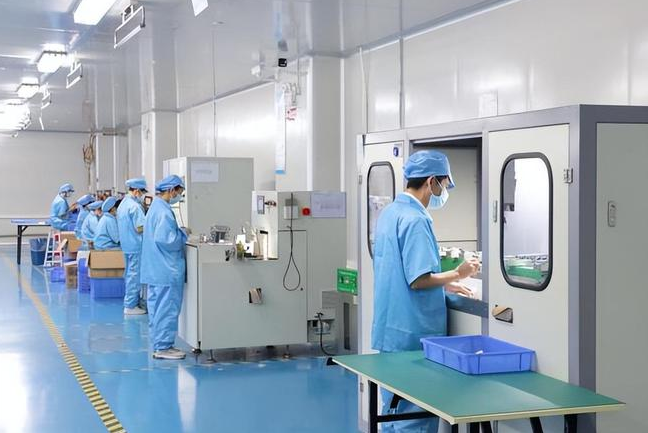
Electric toothbrushes have become an essential tool in modern oral care, offering various options tailored to different user needs. Among the most popular choices are the dry battery toothbrush, sonic electric toothbrush, and rotary toothbrush. This blog explores their differences, key features, and suitability for different users, helping businesses and consumers make informed decisions. Dry Battery Toothbrush: Simple and Affordable Key Features:The dry battery toothbrush is a basic electric toothbrush powered by replaceable batteries, typically AA or AAA. Its simple design and affordability make it a popular choice for budget-conscious users. Advantages: Portability and ease of use, especially during travel. Low initial investment, appealing to first-time electric toothbrush users. Minimal maintenance cost, as only batteries need replacement. Limitations:However, dry battery toothbrushes generally have less power and fewer advanced features, making them less effective in thorough cleaning compared to their sonic or rotary counterparts. Sonic Electric Toothbrush: Advanced and Effective Key Features:The sonic electric toothbrush operates using high-frequency vibrations (typically 30,000–40,000 strokes per minute). These vibrations create a dynamic cleaning action that pushes fluid between teeth and along the gumline. Advantages: Superior cleaning performance, suitable for sensitive gums and hard-to-reach areas. Often comes with additional features like timers, pressure sensors, and multiple brushing…

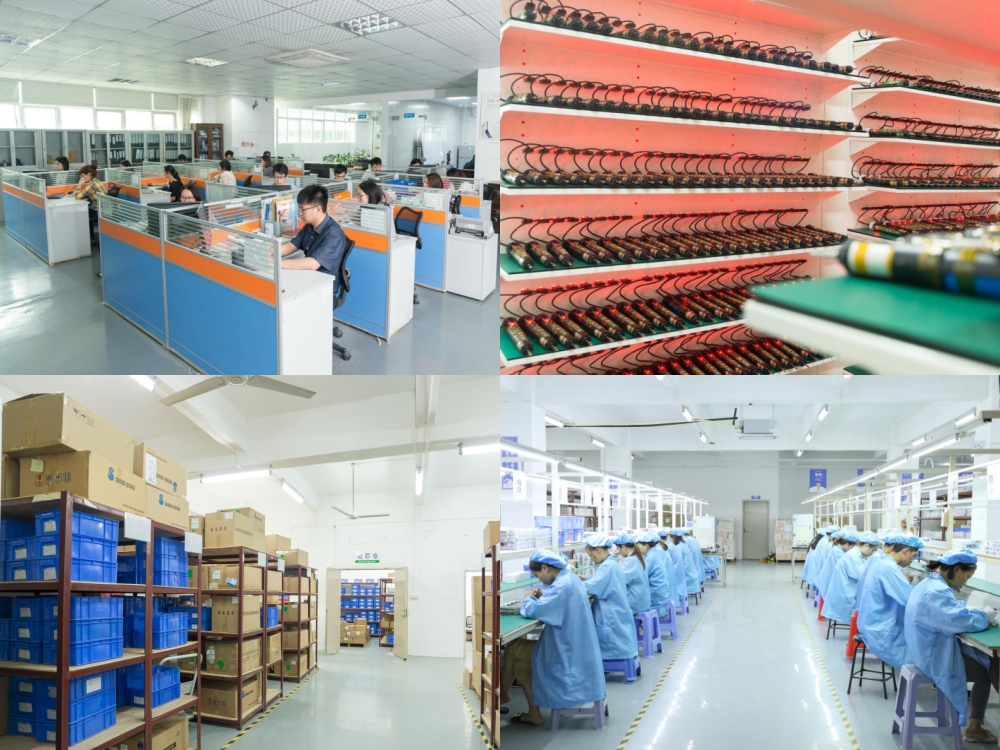
When it comes to manufacturing electric toothbrushes, the quality and performance of the motor play a pivotal role. Whether a factory has its own motor production line or relies on outsourced motors can significantly impact product quality, cost, and delivery timelines. In this article, as a sonic electric toothbrush manufacturer, we’ll explore the differences between these two approaches, focusing on how owning an electric toothbrush motor production line can be a game-changer for manufacturers. Quality Control and Customization A factory with its own motor production line has full control over the production process, allowing it to ensure consistent quality standards. These factories can implement rigorous testing protocols to meet specific performance requirements, resulting in higher reliability and longevity of the motors. On the other hand, factories relying on outsourced motors often face variability in quality due to limited oversight. Additionally, customization options for outsourced motors may be restricted, as the factory must work within the supplier’s capabilities and timelines. Cost Efficiency and Profit Margins While setting up an electric toothbrush motor production line requires a substantial upfront investment, it can lead to long-term cost savings. By producing motors in-house, factories can reduce reliance on third-party suppliers, lower production costs, and increase profit margins. Factories outsourcing motors,…
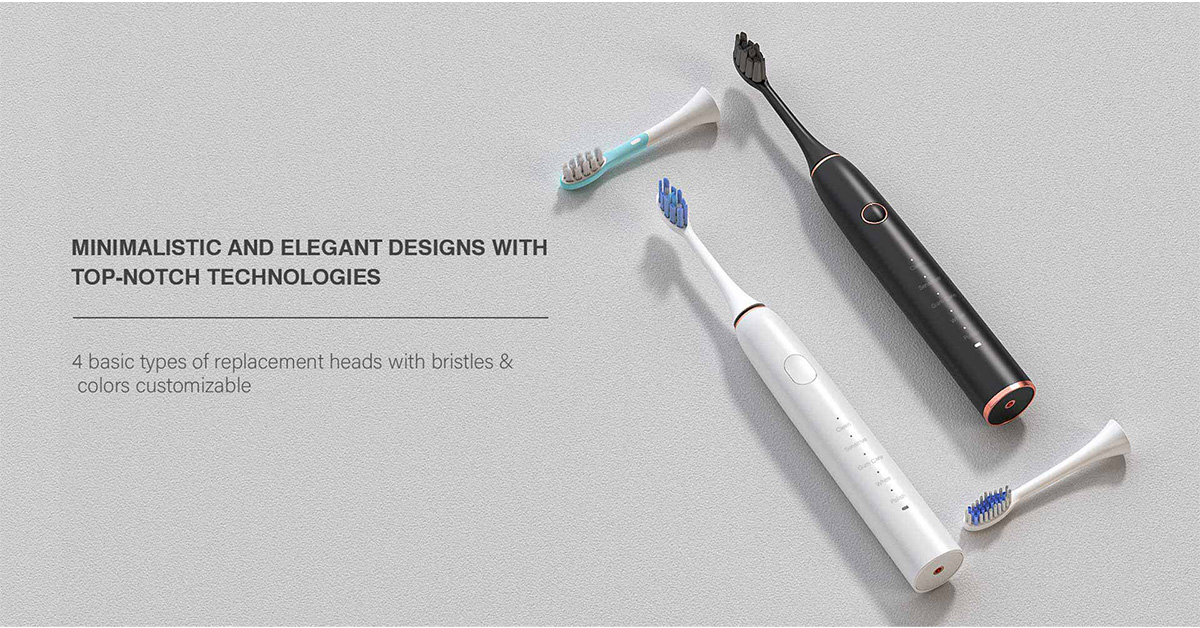
The proofing process is a crucial step in developing and manufacturing high-quality electric toothbrushes. It ensures that the product meets design specifications, functionality, and quality standards before mass production. Whether you are a brand owner or a retailer, understanding the proofing process of electric toothbrush can help ensure smooth collaboration with your electric toothbrush factory and the delivery of a product that satisfies market demands. Initial Design and Specification The proofing process begins with creating a detailed design. This stage involves determining the size, shape, materials, and key features of the electric toothbrush. For instance, manufacturers might decide on a sonic vibration motor, ergonomic grip, or waterproof technology. Clear communication of your requirements with the electric toothbrush factory at this stage is vital to ensure the prototype aligns with your brand’s vision and target market. Prototype Development Once finishing the design, the factory proceeds to develop the first prototype. This stage involves producing a working model that incorporates all the agreed-upon specifications. The electric toothbrush proofing prototype undergoes initial testing to evaluate its performance, durability, and aesthetic appeal. For example, factors such as motor efficiency, battery life, and bristle softness are thoroughly examined. Testing and Adjustments After finishing the prototype, rigorous testing is conducted…
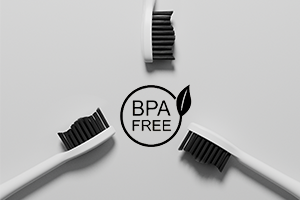
With sonic electric toothbrush’s advanced technology and superior cleaning capabilities, Electric toothbrushes have revolutionized oral hygiene. While much of the focus often falls on the motor or battery life, the bristles of electric toothbrushes are equally, if not more, crucial. What makes these bristles so special when compared to manual toothbrushes? As an electric toothbrush manufacturer, Let’s take a closer look—100 times closer—to discover the innovation behind them. Micro-Precision Design for Deep Cleaning When magnified, the special about the bristles of electric toothbrushes becomes clear. Unlike the uniform, flat design of most manual toothbrush bristles, electric toothbrush bristles often feature multiple lengths, angled tips, and unique textures. This micro-precision design allows the bristles to clean hard-to-reach areas such as between teeth and along the gumline effectively. Studies have shown that these innovative designs help remove up to 100% more plaque compared to manual brushes, making them an essential tool for maintaining optimal oral hygiene. Like below our Tapered charcoal bristle brush head, which is suitable for sensitive gums and easily cleand the area between our teeth. Except this type of brush head, Powsmart is also offering other different types of brush heads for customization option. Softness and Durability for Sensitive Care One of…
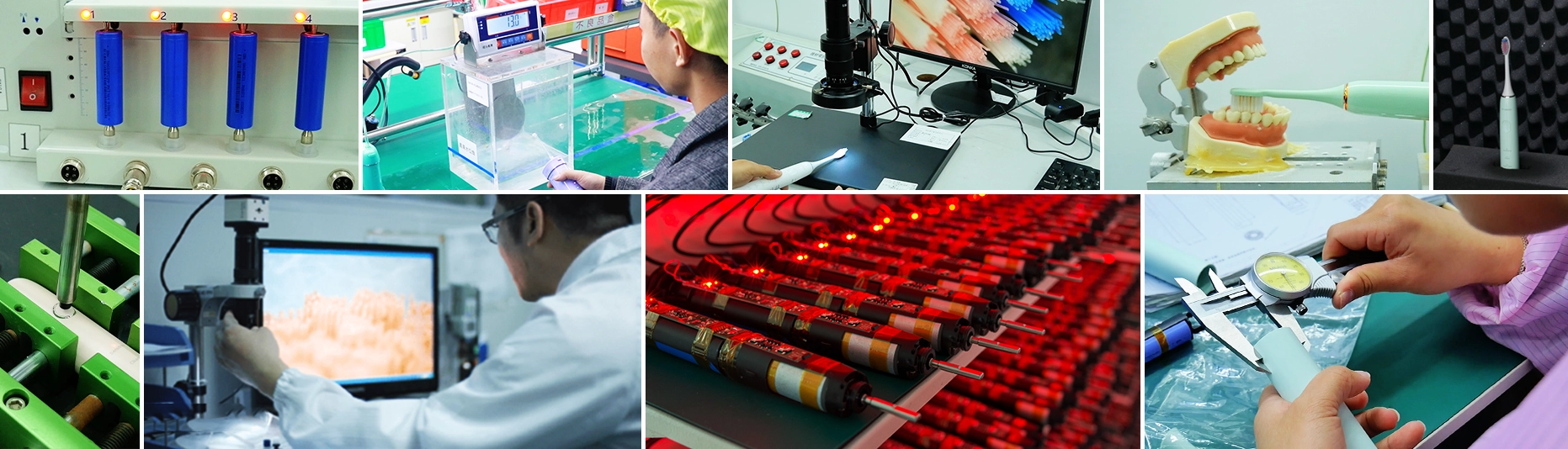
Understanding the technical core of an electric toothbrush has become crucial for businesses looking to succeed in the oral care industry. For any electric toothbrush manufacturer, mastering the core technologies ensures competitive, high-performance products that meet market demands. In this blog, we’ll explore the key components that form the technical foundation of an electric toothbrush from an electric toothbrush manufacturer. Motor Technology: The Heart of an Electric Toothbrush At the center of an electric toothbrush lies its motor, which determines the brushing power and motion. Modern motors can be categorized into two types: Rotational Motors: These create circular motions for effective plaque removal. Sonic Motors: Deliver high-frequency vibrations, typically between 20,000 and 40,000 strokes per minute, ensuring deep and thorough cleaning. For any electric toothbrush manufacturer, using a high-quality motor ensures both durability and cleaning efficiency, directly impacting the product’s market competitiveness. Battery and Power Management The battery is another key aspect of the technical core of an electric toothbrush. Most electric toothbrushes today rely on rechargeable lithium-ion batteries due to their longevity and quick-charging capabilities. Power management systems optimize battery life while maintaining consistent brushing performance. As one of the leading sonic electric toothbrush manufactures in China, Powsmart offer toothbrushes that can…
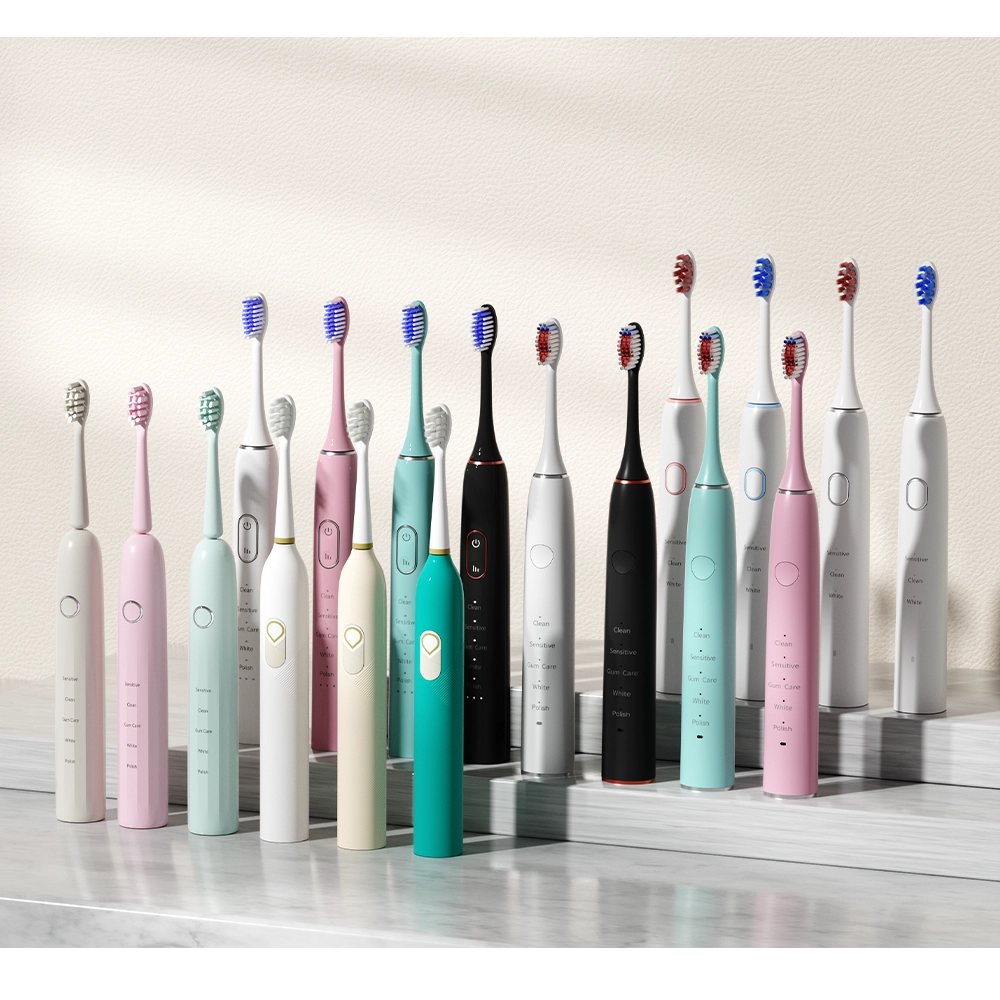
Manufacturers Reveal the Pros and Cons of Electric Toothbrushes The oral care industry has seen significant growth in recent years, with electric toothbrushes leading the charge. But is investing in the electric toothbrushes business truly worth it? In this blog, we reveal the insights as an electric toothbrush manufacturer, exploring the pros and cons of electric toothbrushes to help businesses make informed decisions about entering this lucrative market. The Growing Market for Electric Toothbrushes The global demand for electric toothbrushes has surged, driven by increased awareness of oral hygiene and advancements in technology. Recent market reports show the electric toothbrush industry is expected to grow at a CAGR of 7-9% over the next five years. With consumers seeking advanced solutions for oral care, investing in the electric toothbrushes business presents substantial opportunities for growth, especially in regions like North America, Europe, and parts of Asia. The expanding market is largely fueled by demand for features such as: Smart brushing sensors Multiple brushing modes Rechargeable batteries and sustainability Pros of Electric Toothbrushes: Why Customers Love Them Electric toothbrushes provide a variety of benefits that have made them increasingly popular among consumers: Effective Cleaning: Compared to manual brushes, electric toothbrushes remove up to 100% more…
When selecting an electric toothbrush, many consumers assume that the power for an electric toothbrush directly determines its effectiveness. But is a stronger power always better? In this blog, as a direct factory of electric toothbrush, we’ll explore how Electric toothbrush power impacts performance, what factors to consider, and why balance is key to achieving optimal oral care. Understanding Electric Toothbrush Power The power is typically measured by its motor speed or oscillations per minute. While high-powered brushes can deliver faster cleaning motions, the effectiveness depends not only on speed but also on the design of the brush head, the angle of bristles, and the brushing technique. Overemphasizing Electric toothbrush power without considering these aspects might not lead to better results. Powsmart’s sonic motor designed, developed and produced by ourselves, which gives excellent cleaning ability, quite brushing and durability. Is Stronger Power Better? While higher power can help remove plaque more efficiently, excessive force or speed can harm sensitive gums and enamel. Studies show that ultra-powerful brushes without adjustable settings can cause gum recession or enamel wear over time, especially for individuals with sensitive teeth. Thus, the power for an electric toothbrush should be strong enough for effective cleaning but gentle enough to maintain oral…
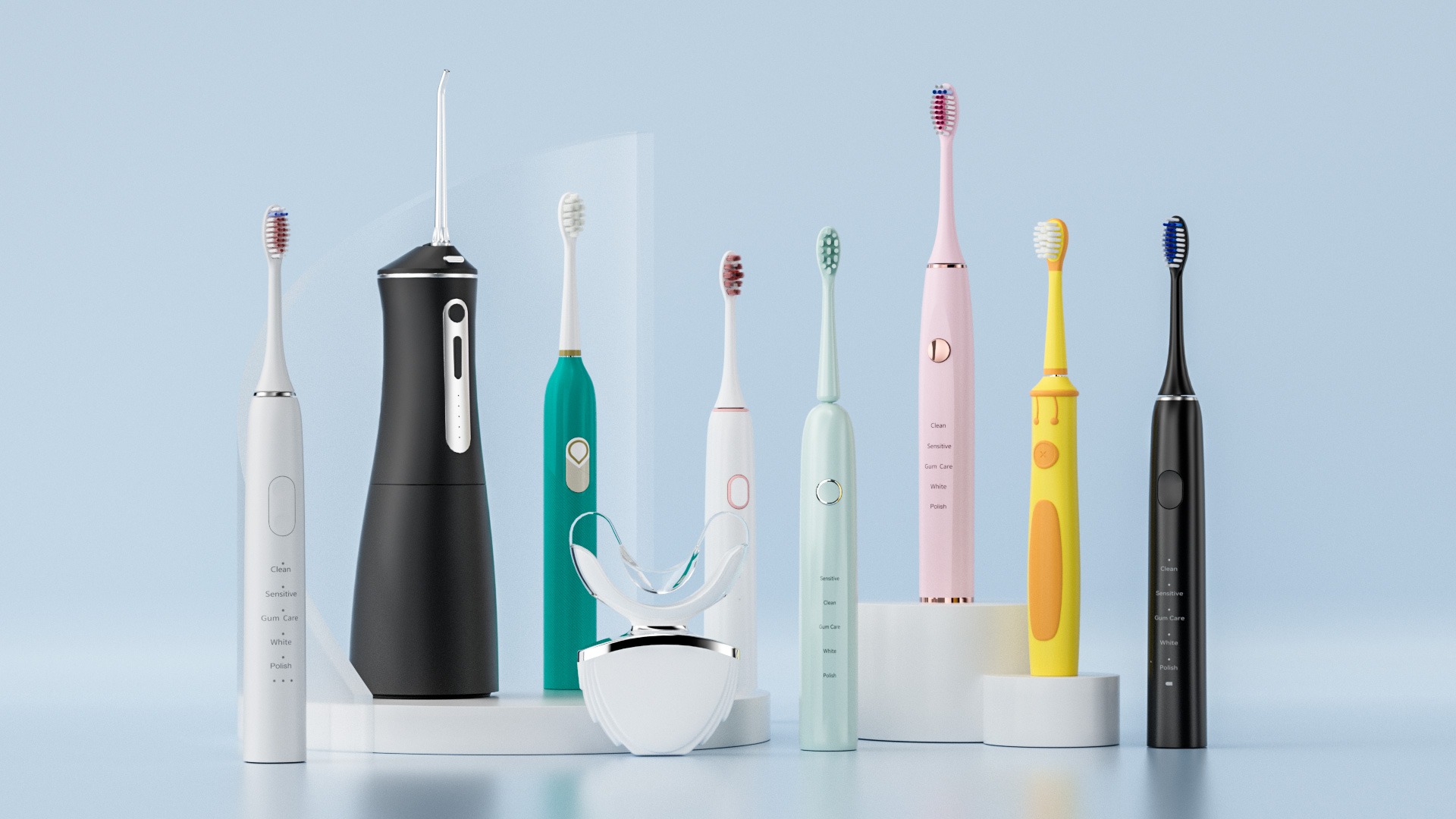
Good oral hygiene is essential for overall health, and selecting the best tool for cleaning your mouth can make all the difference. Among the various methods of cleaning your mouth, the electric toothbrush and water flosser stand out as top contenders. Each has unique benefits, and knowing which one suits your needs best is key. Electric Toothbrush: Deep Cleaning Made Simple An electric toothbrush is a powerful upgrade from traditional manual brushing. It uses oscillating or sonic movements to remove plaque more effectively. Studies show that electric toothbrushes can reduce plaque buildup by up to 21% compared to manual brushes. Key benefits include: Efficiency: Removes debris even in hard-to-reach areas. Smart Features: Many models offer timers, pressure sensors, and app integration to enhance brushing techniques. Accessibility: Gentle modes for sensitive teeth make it suitable for everyone. Leading oral care products manufacturers have been focusing on designing brushes with long battery life and customizable features, catering to diverse consumer needs. Powsmart's sonic electric toothrbushes could last for over 90 days and offering excellent cleaning performance. Freely send inquiries to us if you want to know more about the OEM service. Water Flosser: A New Level of Gum Care A water flosser uses pressurized water…
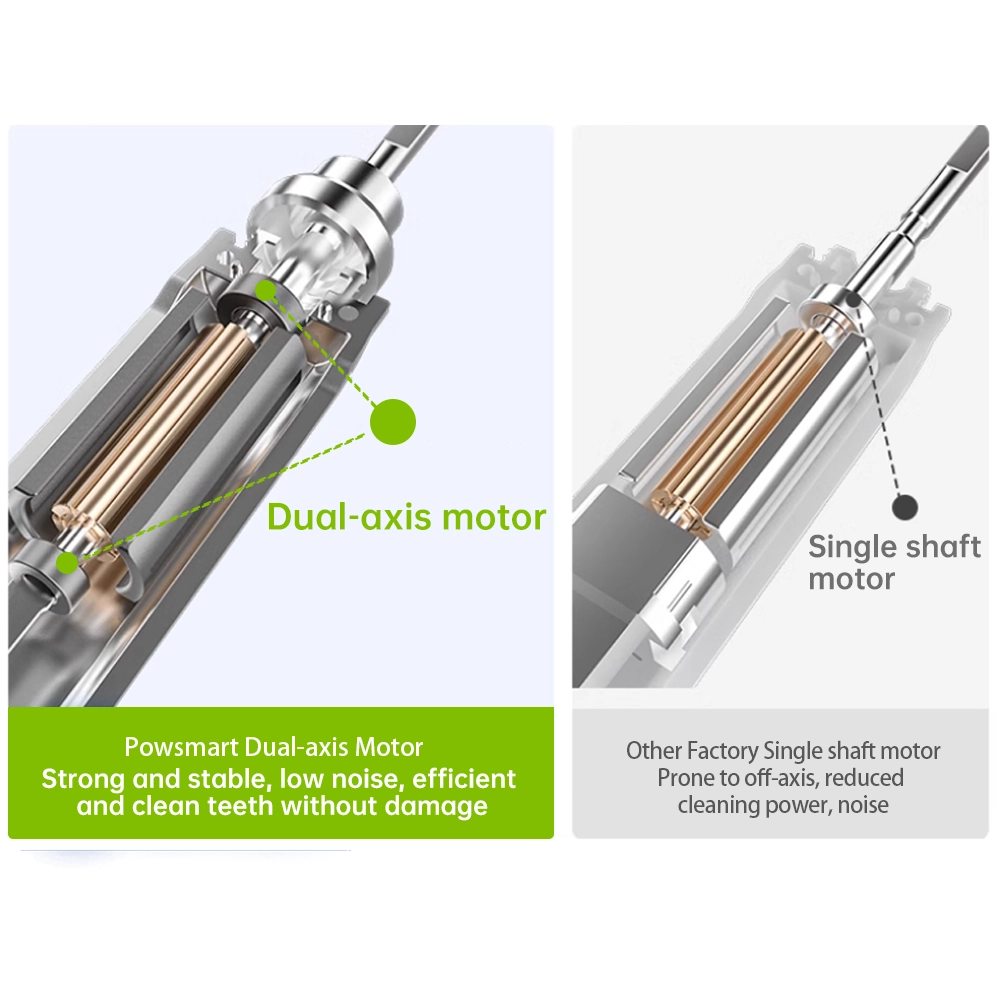
The motor is the heart of an electric toothbrush, powering its cleaning capabilities and defining its performance. Despite its small size, the motor in an electric toothbrush involves precise engineering and advanced technology. As an experienced electric toothbrush manufacturer with our own motor production line, we’ll explore the fascinating motor science in electric toothbrushes, delve into the specifics of electric toothbrush motors, and share essential motor knowledge in this blog. The Role of the Motor in Electric Toothbrushes An electric toothbrush motor is responsible for converting electrical energy into mechanical motion, creating the oscillations or vibrations that clean teeth. There are two main types of motors used: Oscillating motors: These provide back-and-forth movements to dislodge plaque effectively. Sonic motors: Operating at high frequencies, these create vibrations that generate fluid dynamics to clean areas beyond direct brush contact. This motor science in electric toothbrushes ensures thorough cleaning that outperforms manual brushing. Types of Motors and Their Technologies DC Motors: Common in budget-friendly models, these motors offer reliable performance but may lack the finesse of advanced counterparts. Brushless Motors: Found in premium toothbrushes, these motors are more durable, efficient, and quieter, offering consistent power delivery over time. As Powsmart also produce the electric toothbrush…
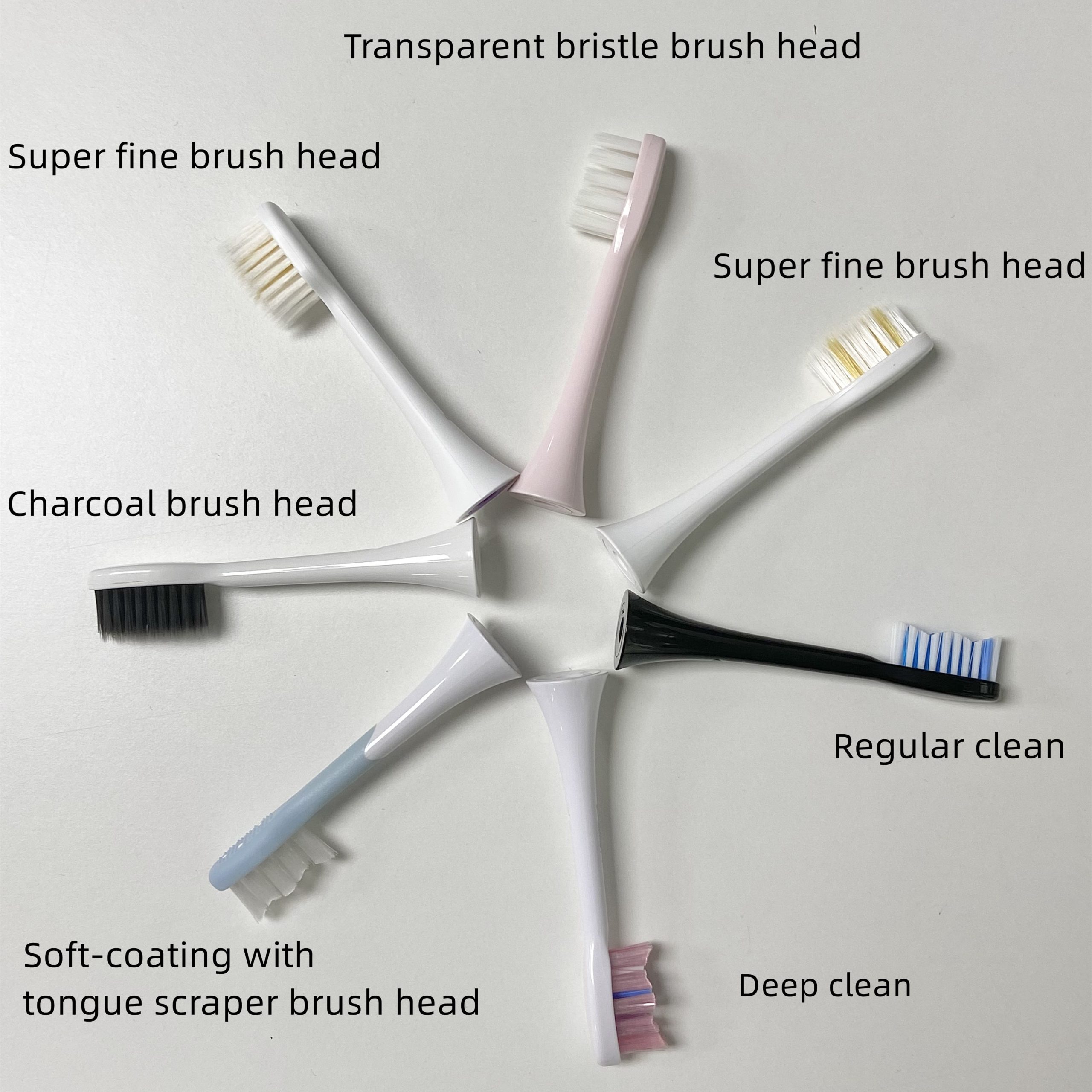
Replace the brush head of an electric toothbrush is often recommended every three months, but is this practice essential? Understanding the reasons behind this timeline can help both consumers and businesses, such as those in the electric toothbrush factory industry, ensure effective oral hygiene and product longevity. Why Replace the Brush Head Every 3 Months? The recommendation to have brush heads replaced in 3 months stems from several factors: Bristle Wear: Over time, bristles lose their shape and stiffness, reducing their cleaning efficiency. Bacteria Accumulation: Extended use can lead to the buildup of harmful bacteria, which can compromise oral health. Performance Degradation: Regular replacement ensures that the electric toothbrush continues to deliver optimal cleaning power. Research shows that worn-out bristles are 30% less effective in removing plaque compared to newer ones. The Impact on Oral Health Failing to replace the brush head of the electric toothbrush can have direct consequences for oral health. For instance: Gum Sensitivity: Worn bristles can irritate the gums rather than clean them effectively. Increased Risk of Cavities: Inefficient cleaning allows plaque and food particles to remain, leading to tooth decay. A study by the American Dental Association highlights that replacing brush heads regularly reduces the risk of gum disease by 25%. Insights from Electric…
. As more people recognize the benefits of electric brushing, trends are emerging that are shaping the future of this market. In this blog, we will explore key electric toothbrush market trends, highlight the evolving oral care products trend, and discuss what these changes mean for manufacturers and businesses in the sector. Technological Advancements and Smart Features One of the most notable electric toothbrush market trends is the increasing integration of advanced technology into toothbrushes. Smart toothbrushes with features such as real-time feedback, pressure sensors, personalized brushing modes, and app connectivity are becoming more common. These innovations allow users to track their brushing habits and improve their oral hygiene routines. This trend is aligned with the broader oral care products trend, where consumers are looking for smarter, more efficient ways to care for their teeth. As a result, electric toothbrush manufacturers are continuously innovating to offer products that enhance user experience and engagement. Focus on Sustainability and Eco-friendly Designs Another key trend is the growing demand for sustainable and eco-friendly oral care products. Consumers are increasingly concerned with environmental impact, prompting electric toothbrush manufacturers to focus on producing eco-friendly models. This includes rechargeable batteries, recyclable materials, and toothbrush heads made from…
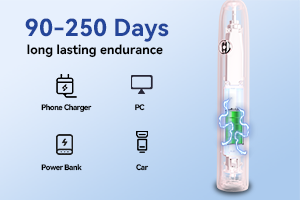
Battery performance is a crucial aspect of ensuring the efficient use of electric toothbrush. Poor battery maintenance can lead to reduced brushing efficiency and product lifespan, causing customer dissatisfaction. Common Battery Problems in Electric Toothbrushes During the use of electric toothbrush, users often encounter issues such as rapid battery drain, difficulty charging, or failure to power on. These problems typically arise from: Overcharging or incomplete charging cycles. Exposure to moisture in non-waterproof designs. Use of low-quality batteries. Powsmart is an electric toothbrush factory that prioritizes high-quality lithium-ion batteries with protective circuitry can mitigate these issues, ensuring optimal performance. Effective Battery Maintenance Tips To extend the lifespan of an electric toothbrush, users could adopt the following battery maintenance practices: Avoid Overcharging: Unplug the device once fully charged to prevent overheating, which can degrade battery cells. Use Regularly: Batteries perform better with consistent use. If stored for long periods, ensure the toothbrush is partially charged. Keep Dry: Ensure charging ports and other components remain dry to avoid short circuits. Follow Manufacturer Guidelines: Each electric toothbrush factory provides specific instructions for charging and usage, tailored to their battery design. How Electric Toothbrush Factories Enhance Battery Durability Reputable manufacturers like Powsmart implement rigorous testing and safety standards to produce durable batteries. For instance, Use advanced lithium-ion…
In the manufacturing of electric toothbrushes, the surface treatment of the handle shell plays a crucial role in both the aesthetic appeal and durability of the product. The surface treatment of electric toothbrush handles involves various processes that enhance the appearance, functionality, and longevity of the toothbrush. As one of the professional electric toothbrush manufacturers in China, Powsmart will explore the importance of surface treatment, different techniques involved, and how it impacts the overall quality of the product in this blog. https://www.powsmart.com/ Importance of Surface Treatment for Electric Toothbrush Handles The surface treatment process is essential for improving the ergonomic qualities of the electric toothbrush handle shell. As well as protecting it from wear, corrosion, and damage due to water exposure. Given the frequent use of the toothbrush in wet environments, proper treatment ensures that the handle remains durable and aesthetically pleasing over time. Furthermore, it can improve the grip of the handle, ensuring a more comfortable user experience. Manufacturers often choose specific treatments based on factors such as the material of the shell (e.g., plastic or metal), the desired finish, and the intended market. Common Surface Treatment Processes There are several types of surface treatments used in the production of electric toothbrush…
Electric toothbrushes plan an important role in modern oral care, but occasional issues like the electric toothbrush automatically starts up can be both puzzling and inconvenient. Understanding the root cause of this problem is essential, whether it stems from user error or an electric toothbrush quality problem. We'll explore practical solutions, the importance of quality manufacturing, and how working with a reliable electric toothbrush factory can prevent such issues. Common Causes of Automatic Start-Up An electric toothbrush automatically starting up can arise from several factors: Battery Malfunction: A faulty or overcharged battery may cause random activation. Defective Circuit Board: Internal circuitry errors are a leading cause of unintended start-ups. Water Damage: Inadequate waterproofing can allow moisture to seep into the device, disrupting its functionality. By identifying these root causes, users can better determine whether the issue is due to usage or an electric toothbrush quality problem. Immediate Solutions to Fix the Problem When faced with an electric toothbrush that automatically starts up, try these steps: Reset the Device: Hold down the power button for a few seconds to reset the internal programming. Inspect the Charging Port: Ensure no foreign objects or moisture are present. Dry and Clean: Thoroughly dry the toothbrush,…


.jpg)
.jpg)
.jpg)
.jpg)
.jpg)



.jpg)
.jpg)
.jpg)