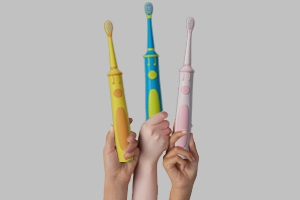
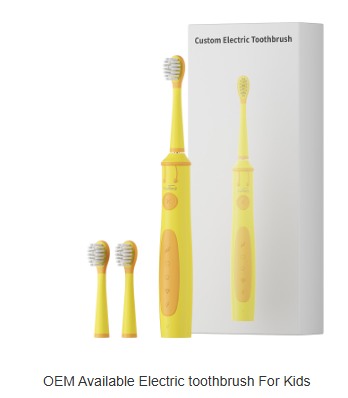
When it comes to Kids’ Electric Toothbrushes, safety is non-negotiable. As young children develop independent brushing habits, the risk of accidental swallowing or choking on detachable parts becomes a key concern. That’s why the anti-swallow toothbrushes design is becoming a critical innovation in this category. For oral care brands, partnering with a capable factory offering custom manufacturing solutions is essential to ensure both child-friendly designs and global compliance. What Is Anti-Swallow Design in Toothbrushes? The anti-swallow design refers to a set of structural features integrated into child safety toothbrush models to prevent any part of the toothbrush from entering the throat or being accidentally ingested. Key features include: Enlarged brush head bases that cannot be swallowed Non-detachable brush heads Specially designed handle grips for toddlers Safety shields or stoppers near the neck of the toothbrush This is especially important for Kids’ Electric Toothbrushes, where vibrating or rotating mechanisms may cause children to mouth the brush in unintended ways. The Role of Custom Manufacturing in Safety and Compliance For brands targeting the children’s oral care segment, working with manufacturers that specialize in custom manufacturing is vital. These manufacturers can design and produce anti-swallow toothbrushes tailored to specific age groups, safety standards, and branding requirements. Benefits of custom manufacturing…
.jpg)
Recent field reports indicate that motor overheating in electric toothbrushes may inadvertently foster oral microbiome imbalance by altering brushing patterns and damaging beneficial bacterial colonies. For B2B manufacturers, understanding this hidden chain reaction is essential to safeguarding both device reliability and end-user oral health. Heat Build-Up and Brushing Behavior Firstly, when a motor overheats: Automatic Power‐Downs: Thermal cutoffs interrupt brush cycles, causing users to restart or shorten sessions, undermining effective plaque removal. User Compensation: Frustrated by shutdowns, some press harder or over-brush to achieve cleanliness, leading to micro-abrasions. Microbial Disruption: Inconsistent cleaning allows opportunistic pathogens to colonize, tipping the oral ecosystem out of balance. Thus, controlling motor temperature directly affects user behavior and microbial outcomes. Thermal Stress on Bristles and Gum Tissue Moreover, overheated motors transmit excess heat to bristles: Bristle Deformation: Excessive heat softens nylon filaments, reducing their ability to disrupt biofilm mechanically. Gum Irritation: Warm bristles can inflame gingival tissues, creating micro-lesions where anaerobic bacteria thrive. Selective Colonization: Heat-damaged areas become niches for harmful species, driving oral microbiome imbalance. Preventing bristle overheating preserves both mechanical action and tissue integrity. Chemical Residue Accumulation In addition, high motor temperatures accelerate toothpaste breakdown: Ingredient Degradation: Heat catalyzes fluoride and antibacterial agents,…


.jpg)
.jpg)
.jpg)
.jpg)
.jpg)



.jpg)