Electric toothbrushes have become increasingly popular in recent years, offering a high-tech alternative to traditional manual brushes. As a leading B2B manufacturer of dental care products, we understand the importance of helping our clients and their customers make informed decisions. In this blog, we’ll explore the advantages and disadvantages of electric toothbrushes, focusing on their cleaning ability, comfortable feeling, ability to reduce damage, and whitening benefits. 1. Superior Cleaning Ability One of the most significant advantages of electric toothbrushes is their cleaning ability. Powered by advanced motor technology, electric toothbrushes generate thousands of brush strokes per minute, ensuring a thorough clean that manual brushes simply cannot match. Studies have shown that electric toothbrushes can remove up to 100% more plaque than manual brushes, making them highly effective at preventing cavities and gum disease. This superior cleaning performance is a major reason why many people switch to electric toothbrushes. 2. Comfortable Feeling During Use Electric toothbrushes are designed to provide a comfortable feeling during use. Their ergonomic handles and automated brushing motions reduce the effort required to clean your teeth, making them ideal for people with limited mobility, such as seniors or those with arthritis. Additionally, many models come with pressure sensors that alert users if they’re brushing too hard, ensuring…
.jpg)
In the competitive landscape of oral care and hygiene products, ensuring both hygiene and durability is paramount. For manufacturers aiming to meet the highest standards of safety and performance, Food-Grade Silicone Vulcanization offers an ideal solution for designing brush heads that are both hygienic and long-lasting. This blog explores how this cutting-edge technology is revolutionizing the design of brush heads for products such as electric toothbrushes, focusing on the benefits of Silicone Vulcanization and the advantages of using Food-Grade materials in product design. The Importance of Hygiene in Brush Head Design The brush head is the most critical part of any oral hygiene product. It directly interacts with the mouth, and any potential contaminants can compromise user health. To ensure superior hygiene, manufacturers increasingly turn to Food-Grade materials. These materials, commonly used in food processing, offer a high standard of safety and cleanliness, making them ideal for products that come into direct contact with the body. With Silicone Vulcanization technology, these materials are enhanced further, ensuring that brush heads remain safe and effective throughout their lifecycle. The Role of Silicone Vulcanization in Improving Durability Silicone Vulcanization is a key process that enhances the properties of silicone rubber, improving its strength,…
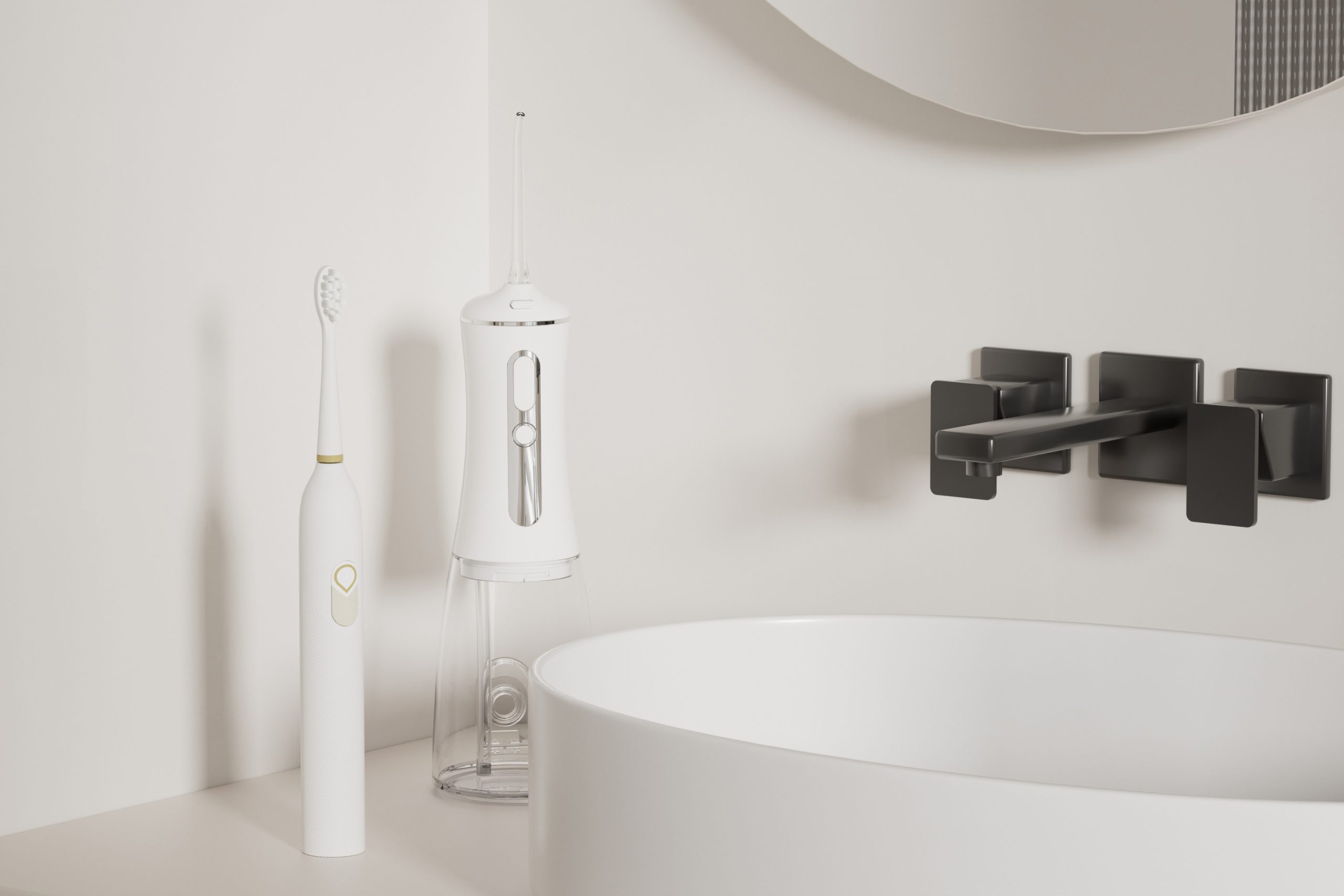
Oral health is no longer just about brushing your teeth. A combination of electric toothbrush and water flosser offers a powerful solution for achieving a comprehensive cleaning effect. The electric toothbrush removes plaque on the tooth surface;The oral irrigator targets the interdental spaces. By integrating both tools into a daily oral care plan, consumers can achieve optimal oral hygiene. This blog will explore how product combination recommendations to offer an all-in-one solution for comprehensive oral care. The Role of Electric Toothbrush in Oral Care The electric toothbrush is the cornerstone of modern oral hygiene. It is designed to remove plaque, reduce gingivitis, and ensure a thorough clean with minimal effort. The main benefits include: Efficient plaque removal: With high-frequency brushing motions, it can reach areas that manual brushing might miss. Improved gum health: Regular use has been shown to reduce gum inflammation and bleeding. Time-saving: Built-in timers ensure users brush for the recommended 2 minutes, improving brushing consistency. However, the electric toothbrush mainly cleans the tooth surfaces, leaving areas like interdental spaces and the gum line less accessible. The Complementary Role of the Oral Irrigator While the electric toothbrush focuses on tooth surfaces. The oral irrigator is designed to clean the areas below…
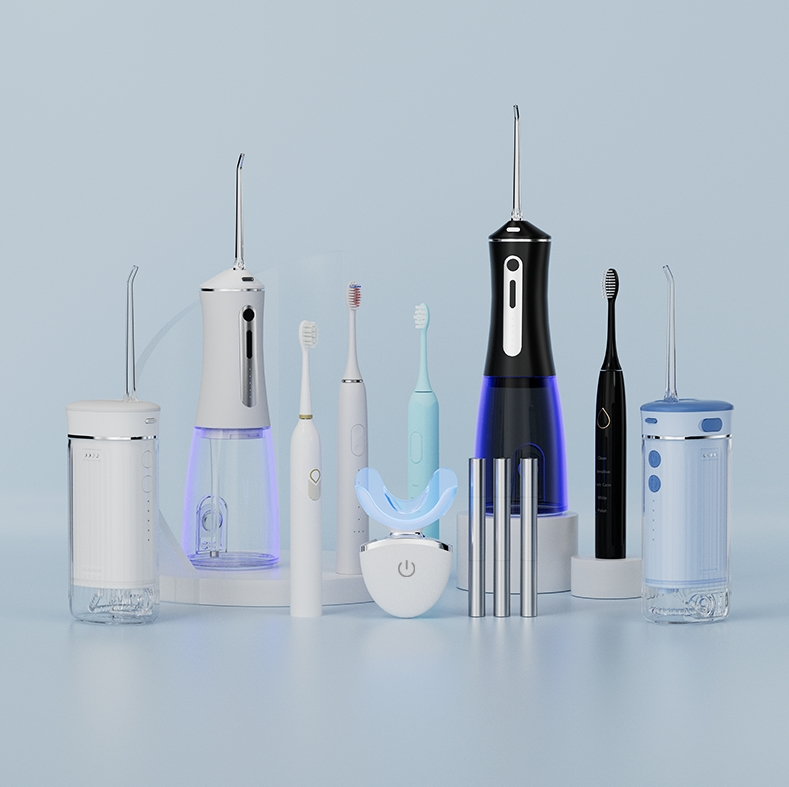
Oral care has come a long way from traditional brushing to incorporating advanced technology into daily routines. The oral care innovative directions indicate that innovation will play a major role in shaping the future of oral hygiene. Electric toothbrushes and oral irrigators are at the forefront of this transformation. Powsmart is an experienced oral care products manufacturer offering OEM/ODM service over 20 years. https://www.powsmart.com/ Rising Demand for Smart Features and Connectivity The integration of smart technology into oral care products is one of the key future trends of oral care products. Some of the product innovation directions in this area include: Bluetooth Connectivity: Electric toothbrushes and water flossers are increasingly being designed to sync with smartphone apps. This feature allows users to track their brushing habits, receive personalized recommendations, and ensure optimal brushing performance. AI Integration: Artificial intelligence will be embedded in these devices to offer real-time feedback on brushing techniques, pressure applied, and coverage. This will help consumers achieve better cleaning results and improve their overall oral health. Smart Sensors: Many devices will be equipped with sensors that monitor and adjust brushing speed, pressure, and mode based on the user's needs. These sensors will help users develop better brushing…
In the competitive world of personal care products, especially electric toothbrushes, durability, hygiene, and safety are essential features that consumers demand. Manufacturers are constantly seeking ways to improve these aspects, and advanced technologies such as Anodizing Treatment and Static Protection have emerged as effective solutions. These innovations not only enhance the electric toothbrush's performance but also extend its lifespan and ensure a hygienic brushing experience. This blog explores the advantages of incorporating Anodizing Treatment and Static Protection into electric toothbrush designs, providing long-lasting, hygienic, and anti-static performance. Understanding Anodizing Treatment: Boosting Durability and Aesthetics Anodizing Treatment is an electrochemical process that enhances the surface of metals, particularly aluminum, making it more durable, corrosion-resistant, and visually appealing. For electric toothbrushes, this treatment is particularly beneficial because it strengthens the outer body, protecting it from wear and tear. The anodized surface is also more resistant to environmental factors such as moisture, toothpaste residues, and accidental drops, which are common in bathroom settings. Beyond durability, anodizing creates a smooth, consistent finish that enhances the aesthetic quality of the electric toothbrush. This protective layer does not only increase longevity but also provides a high-quality, premium look, making the product more appealing to consumers. Hygienic…
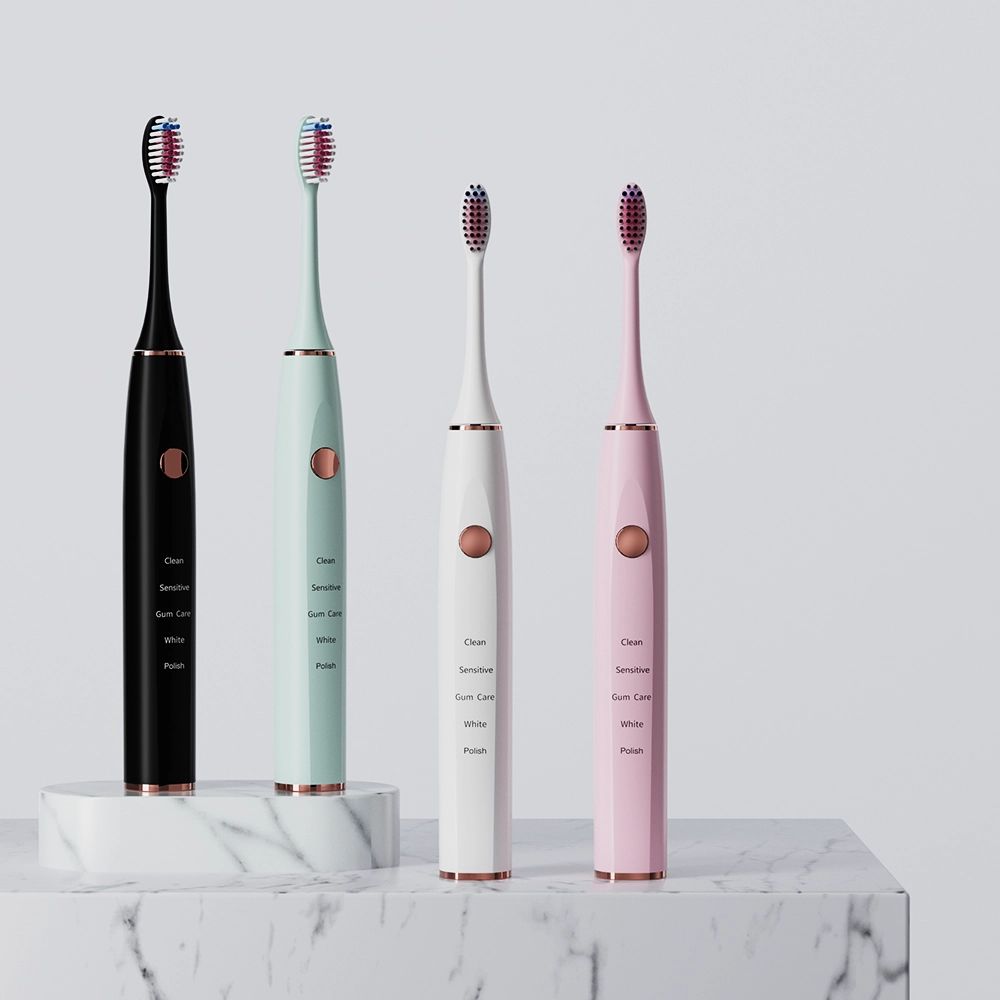
While motor performance and brush head quality are key, an often-overlooked feature is the button types in electric toothbrushes. The switch button's tactile feedback can greatly influence user experience, usability, and even product longevity. In this blog, as an electric toothbrush manufacturer in shenzhen with over 20 years OEM/ODM service experience, Powsmart will compare different button types, discuss their pros and cons, and explore design innovations that can enhance functionality in this blog.https://www.powsmart.com/ Common Button Types in Electric Toothbrushes When selecting the ideal button type for an electric toothbrush, manufacturers must consider factors such as ergonomics, durability, and ease of use. The three most common button types include: Mechanical Push Buttons How it works: Traditional push buttons operate through a physical switch mechanism. Pros: Strong tactile feedback, durable, and easy to manufacture. Cons: Requires a firmer press, which may not be ideal for users with limited hand strength. 2) Soft-Touch Silicone Buttons How it works: Uses a silicone membrane with embedded contacts for a softer press. Pros: Water-resistant, smooth to press, and aesthetically appealing. Cons: Can wear out faster over time compared to mechanical buttons. Capacitive Touch Buttons How it works: Utilizes touch-sensitive technology to activate the toothbrush without physical pressure. Pros:…
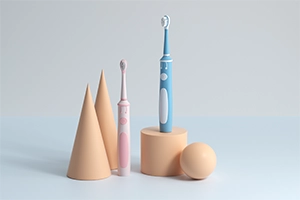
In recent years, smart electric toothbrushes have emerged as popular daily necessities, also revolutionizing the way we approach oral care. These advanced devices combine cutting-edge technology with user-friendly features to deliver a superior brushing experience. As a leading manufacturer in the dental care industry, we’re excited to explore the working characteristics and development trends of smart electric toothbrush solutions. From their vibration motor technology to multiple vibration modes, these devices are setting new standards in oral hygiene. The Core of Smart Electric Toothbrushes: Vibration Motor Technology At the heart of every smart electric toothbrush is its vibration motor, which drives the brush head’s movements. These motors are designed to operate at high frequencies, often generating thousands of vibrations per minute, to ensure efficient plaque removal and gum stimulation. The precision and consistency of the vibration motor make smart electric toothbrushes far more effective than manual brushes, providing a deeper clean and better overall oral care. 2. Multiple Vibration Modes for Personalized Care One of the standout features of smart electric toothbrushes is their multiple vibration modes. These modes cater to different oral care needs, such as daily cleaning, gum care, whitening, and sensitive teeth. Users can easily switch between modes to customize their brushing experience, ensuring optimal results for their specific…
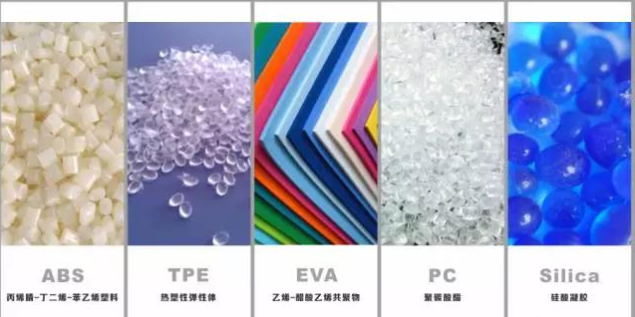
Choosing the right electric toothbrush shell material is crucial for brand customers and manufacturers aiming to produce/sell high-quality, long-lasting, and environmentally responsible products. The durability, safety, and sustainability of the materials used directly impact consumer satisfaction and market competitiveness. In this blog, we will conduct a shell material comparison and provide a durability analysis to help you select the best option. Common Electric Toothbrush Shell Materials Electric toothbrush shells are typically made from various types of plastics and composites. The most commonly used materials include: ABS (Acrylonitrile Butadiene Styrene) PC (Polycarbonate) PP (Polypropylene) PLA (Polylactic Acid) – a biodegradable option Each material has distinct characteristics that affect its durability and suitability for toothbrush manufacturing. Durability Analysis of Different Materials When evaluating the durability of electric toothbrush shell materials, factors such as impact resistance, wear and tear, and resistance to moisture must be considered. ABS: Offers excellent impact resistance and toughness, making it a durable choice for long-term use. PC: Known for its high strength and heat resistance, ensuring it withstands daily exposure to water and friction. PP: Lightweight and resistant to chemicals, but may not be as tough as ABS or PC. PLA: While an environmentally friendly material selection, its durability is lower…
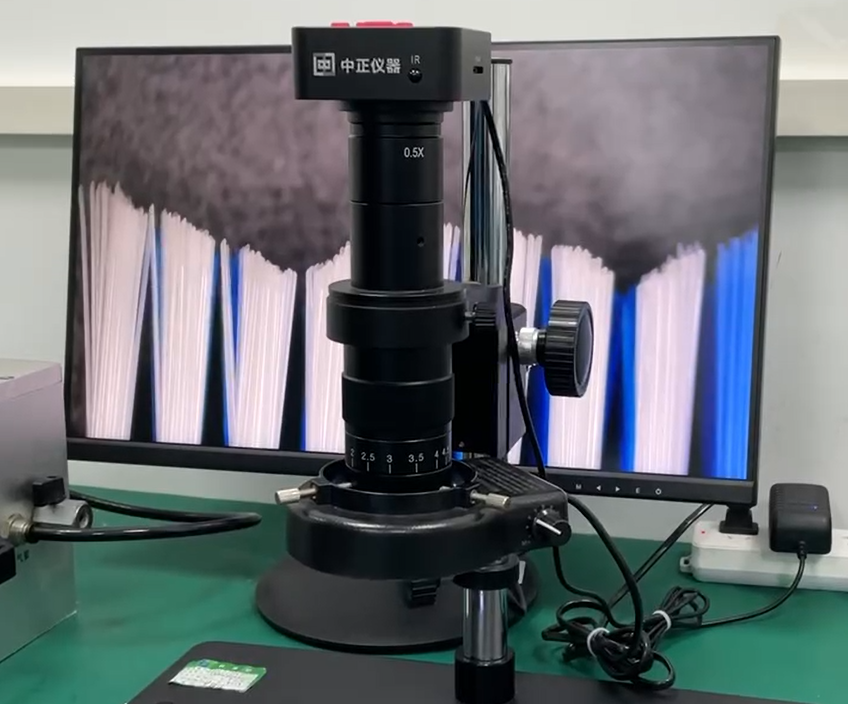
The quality of electric toothbrush bristles plays a crucial role in ensuring an optimal brushing experience. The Electric toothbrush bristle Implantation process has evolved to provide enhanced durability, comfort, and efficiency. However, choosing the right bristles requires an understanding of various factors, including material composition, manufacturing techniques, and implantation methods. In this article, we will explore how to select the most suitable bristles for electric toothbrushes, comparing different transplantation processes and analyzing bristle materials. https://www.powsmart.com/ Understanding the Electric Toothbrush Hair Transplantation Process The Electric toothbrush bristle Implantation process involves embedding bristles into the toothbrush head using specialized technology. This process impacts bristle retention, durability, and overall user experience. The most common methods include: Staple-type implantation: Traditional and widely used, this method involves embedding bristles into a brush head with the help of metal staples. Hot-melt implantation: A more advanced technique that melts bristle bases into the toothbrush head, eliminating the need for metal staples and ensuring a softer feel. Ultrasonic welding: This method uses ultrasonic waves to fix the bristles securely, offering superior strength and longevity. Each technique affects the firmness and lifespan of the bristles, making it essential to choose the right transplantation method based on the target audience and usage…
Enhancing Durability and Performance with Advanced Waterproofing Solutions In the competitive world of personal care products, ensuring longevity and reliability is crucial for brand differentiation. One of the most critical aspects of brush handle design is waterproofing, as exposure to water can lead to degradation, mold growth, and structural weaknesses. To address these concerns, advanced IPX7 Sealing technology combined with Nano Adhesion coating offers a robust solution. These innovations enhance product durability, improve user experience, and ensure long-term reliability. What is IPX7 Waterproof Sealing? IPX7 is an internationally recognized waterproof rating that guarantees a product can withstand immersion in water up to 1 meter deep for 30 minutes without damage. For brush handles, this level of protection ensures resilience against prolonged exposure to moisture, whether in the bathroom, shower, or during cleaning routines. Key Benefits: Prevents water penetration, reducing internal damage and prolonging the product lifespan. Ensures structural integrity, preventing material breakdown due to moisture absorption. Enhances user confidence, making the brush ideal for humid environments. The Role of Nano Adhesion Coating in Waterproofing While IPX7 Sealing protects against water ingress, Nano Adhesion technology takes it a step further by creating an ultra-thin, water-repellent layer on the brush handle surface.…
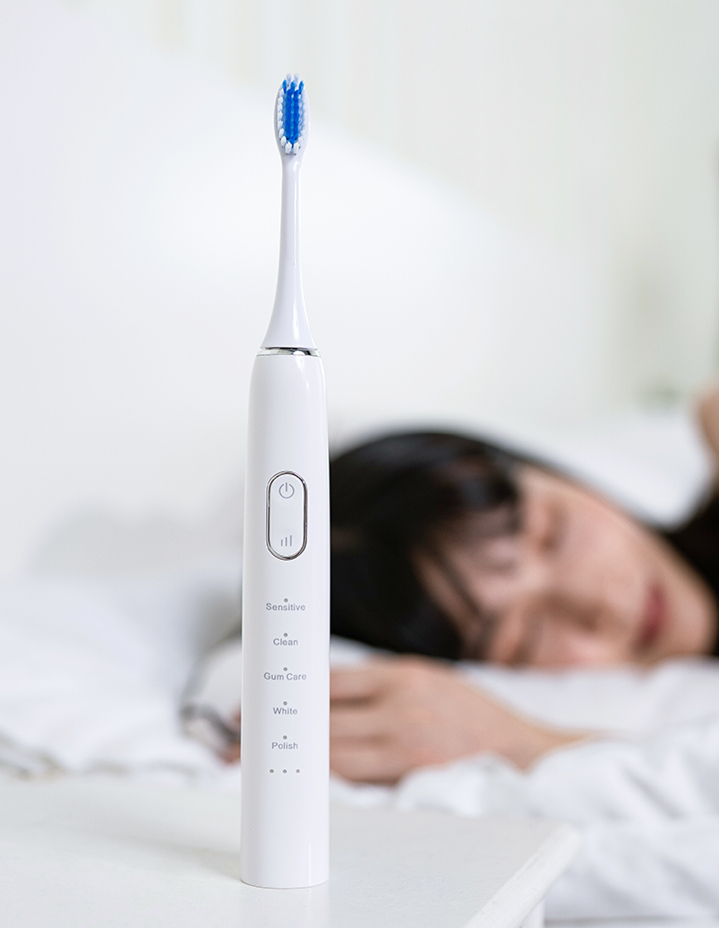
As consumers seek a more comfortable and pleasant brushing experience, reducing the noise of electric toothbrushes has become a key focus for manufacturers. Electric toothbrush Noise reduction technology plays a vital role in enhancing user comfort without compromising cleaning efficiency. This article provides a detailed explanation of noise reduction technology, explores various noise control methods, and discusses how to achieve silent cleaning while maintaining performance. Understanding Noise in Electric Toothbrushes The noise produced by an electric toothbrush primarily comes from: Motor vibrations: High-speed oscillations generate mechanical noise. Gear transmission: Friction between moving parts creates additional sound. Casing resonance: The housing material and design can amplify noise. Airborne noise: Sound waves escaping from the toothbrush contribute to overall noise levels. To achieve silent cleaning, manufacturers must address these sources of noise effectively. Noise Control Methods in Electric Toothbrushes Different noise control methods are implemented to minimize the sound generated during operation. These include: Brushless motors: Reducing friction and vibration compared to traditional brushed motors. Advanced damping materials: Using sound-absorbing materials in the casing to reduce resonance. Precision engineering: Enhancing gear alignment and reducing unnecessary movement to lower noise. Optimized airflow design: Preventing sound waves from escaping by refining the toothbrush structure. Each of…
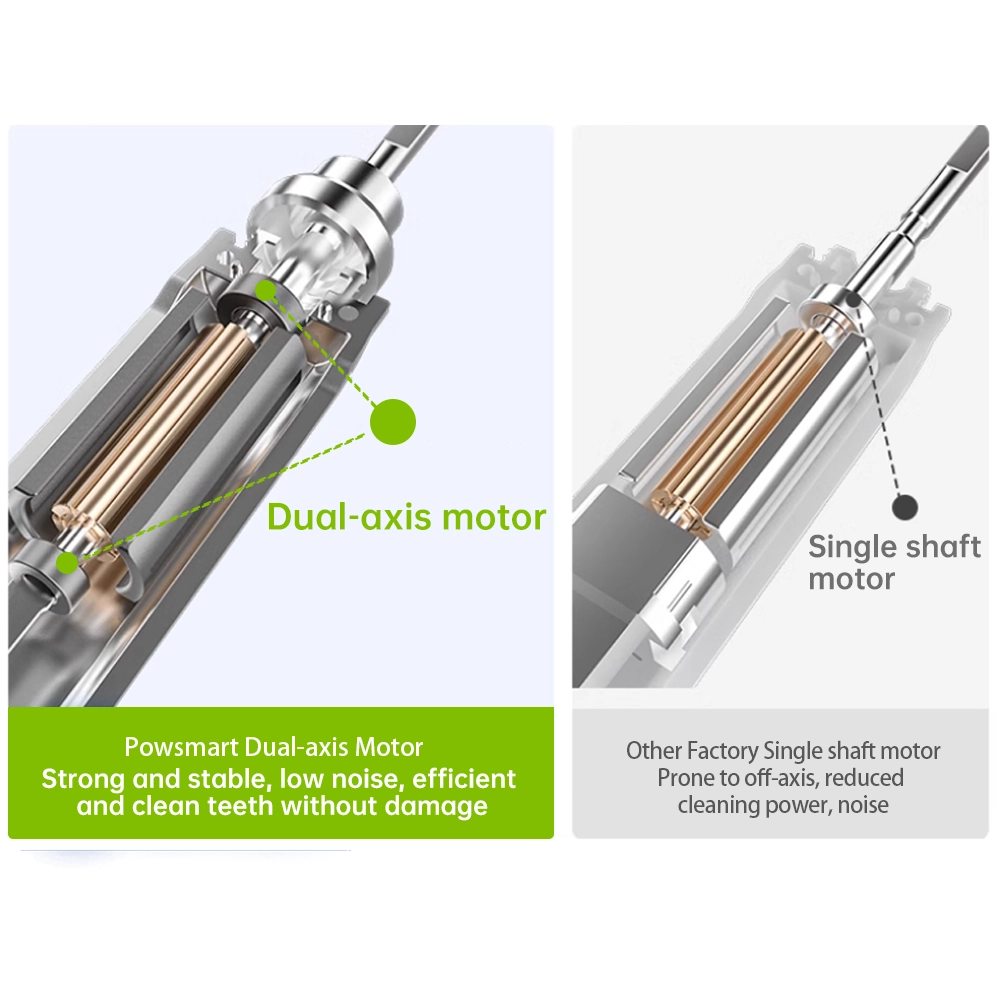
Motor frequency is a key factor influencing the cleanliness of electric toothbrushes. Choosing the right frequency directly impacts cleaning efficiency, user comfort, and overall brushing effectiveness. As an electric toothbrush manufacturer with our own sonic motor production line, Powsmart is going to introduce the importance of motor frequency selection, conduct a comparison of cleaning effects, and examine the relationship between frequency and noise to help optimize the electric toothbrush designs. https://www.powsmart.com/about-powsmart/ Understanding Motor Frequency in Electric Toothbrushes Motor frequency refers to the number of vibrations or rotations per minute (RPM) that an electric toothbrush motor generates. It determines how effectively plaque and debris are removed from teeth and gums. Generally, electric toothbrush motors fall into two categories: Sonic toothbrushes: 24,000 to 48,000 vibrations per minute Rotary toothbrushes: 2,500 to 7,500 oscillations per minute Choosing the optimal motor frequency is crucial for ensuring a balance between deep cleaning and user comfort. Motor Frequency Selection: Key Factors to Consider Selecting the right motor frequency involves considering multiple factors, including: Cleaning performance: Higher frequencies generally enhance plaque removal but may not be suitable for all users. Gum sensitivity: Users with sensitive gums may prefer lower frequencies to reduce irritation. Battery efficiency: Higher frequencies tend…
As the demand for high-performance electric toothbrushes continues to grow, consumers are not only looking for superior cleaning efficiency but also for a quieter and more comfortable brushing experience. A key technological breakthrough in achieving this lies in the Gearbox Assembly, which plays a crucial role in optimizing power transmission while incorporating Noise Reduction techniques. In this blog, we will explore the significance of Gearbox Assembly in electric toothbrushes, focusing on its impact on Noise Reduction, durability, and overall user experience. Analyzing six key technologies reveals how advanced engineering revolutionizes silent, high-efficiency electric toothbrushes. The Role of Gearbox Assembly in Electric Toothbrush Performance The Gearbox Assembly is the heart of an electric toothbrush, responsible for converting motor power into precise oscillations or vibrations that drive the brush head. A well-engineered gearbox ensures smooth power transmission, minimizing energy loss and optimizing brushing effectiveness. Traditional gear mechanisms often produce unwanted noise and vibrations, which can lead to discomfort during brushing. By refining the Gearbox Assembly design, manufacturers can enhance efficiency while addressing these common user concerns. Noise Reduction: A Key Focus in Modern Electric Toothbrush Design One of the biggest challenges in electric toothbrush engineering is controlling noise levels. Without proper Noise…
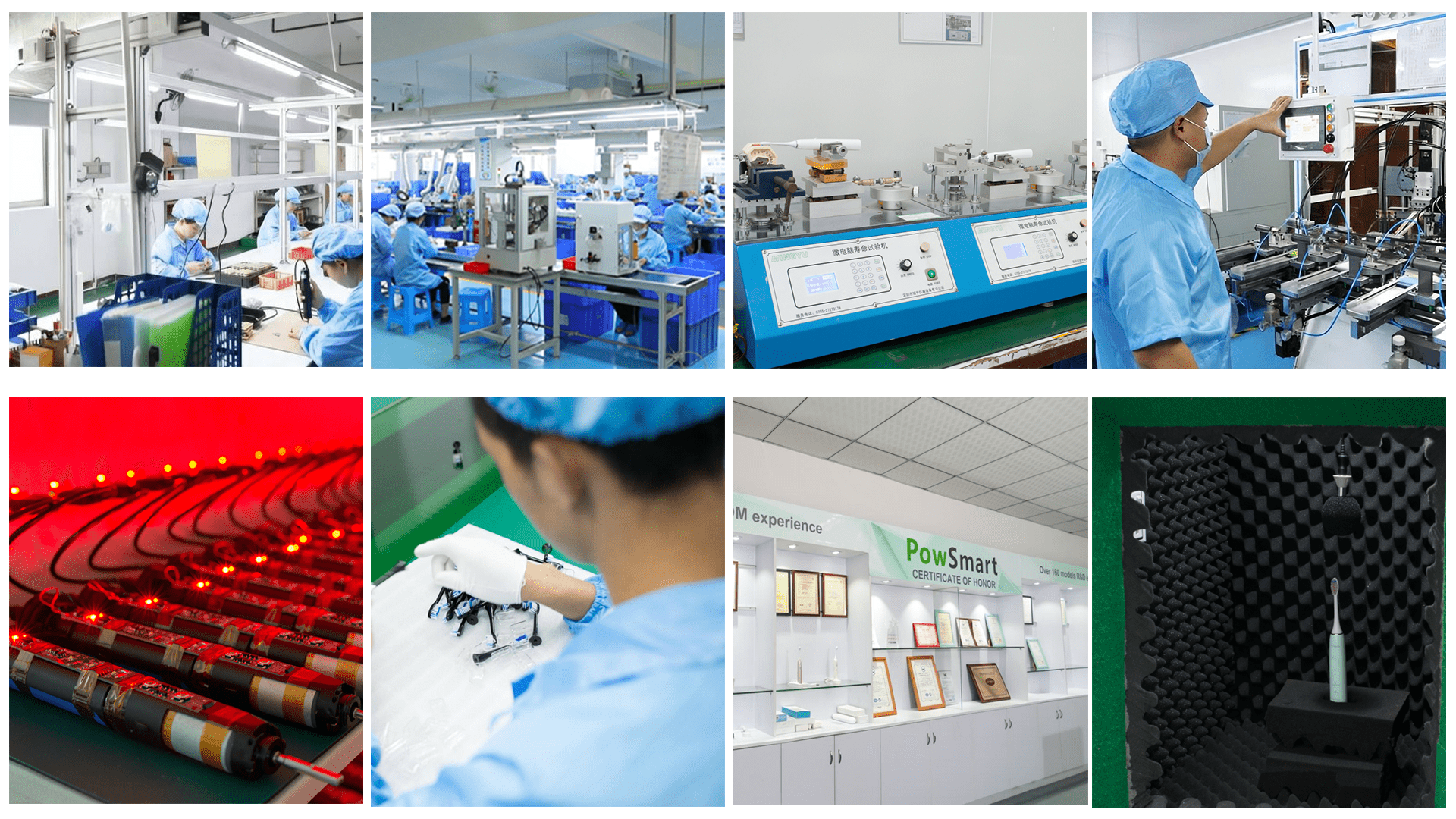
The electric toothbrush market has grown rapidly in recent years, driven by increasing consumer awareness of oral health and advancements in technology. However, competition within the industry is fierce, and brands must continuously innovate to maintain their competitiveness. In this blog, we will analyze the core competitiveness of electric toothbrushes and explore how companies can win the market through technological innovation from an electric toothbrush manufacturer's point of view. Understanding the Competitiveness of Electric Toothbrushes The competitiveness of electric toothbrushes is determined by several key factors, including performance, user experience, brand reputation, and technological differentiation. Companies that can integrate these elements effectively will gain a strong foothold in the market. The Role of Technological Innovation in the Electric Toothbrush Market Technological advancements play a crucial role in shaping the electric toothbrush market. Innovations in motor efficiency, smart connectivity, and personalized brushing modes have significantly improved product performance. To stay ahead, manufacturers must invest in research and development (R&D) to introduce cutting-edge features that enhance the user experience. Key Technological Innovations Driving Market Competitiveness a. Smart Sensors and AI Integration Modern electric toothbrushes are equipped with smart sensors that provide real-time feedback on brushing habits. AI-powered features can analyze brushing patterns…
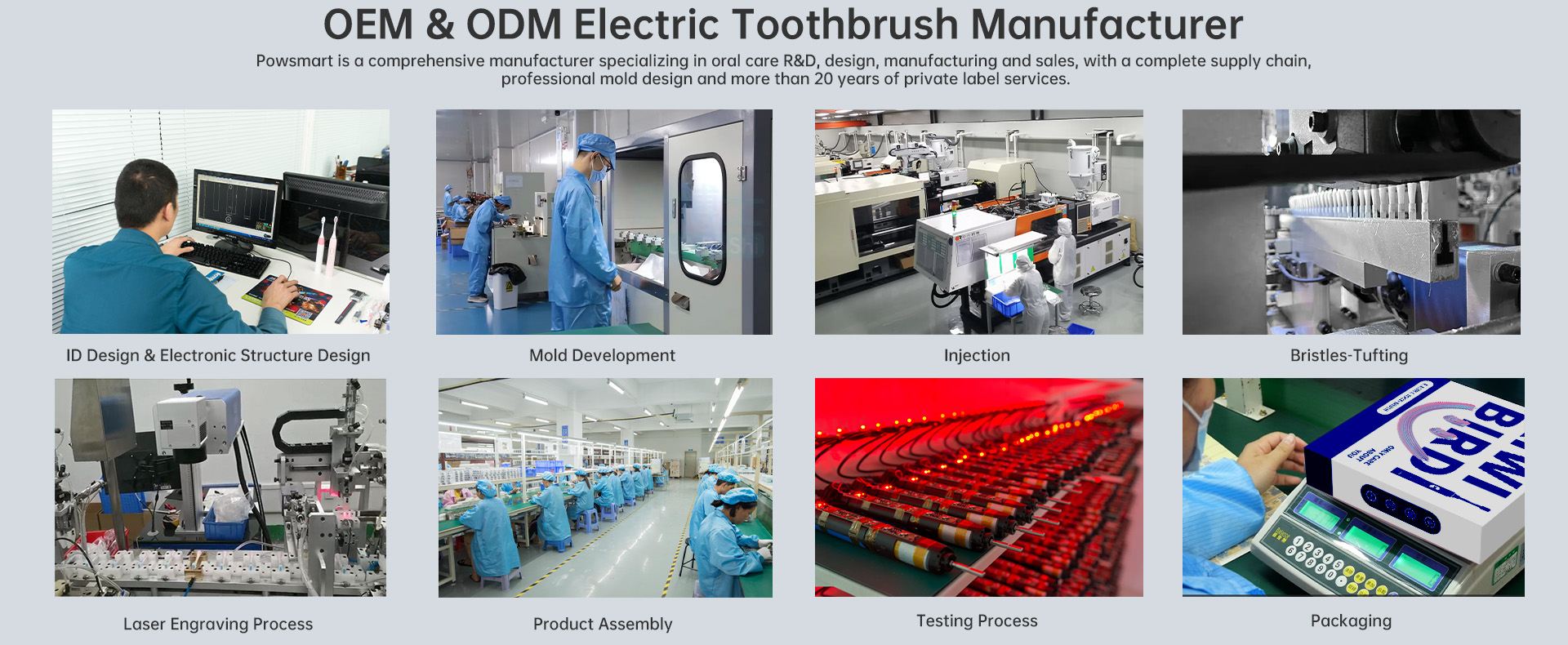
The production of electric toothbrushes requires a delicate balance between waterproof design and electric toothbrush motor performance. As consumer expectations for durability and efficiency rise, manufacturers must integrate cutting-edge technologies to optimize both aspects. This article explores the critical challenges and solutions in achieving this balance. Importance of Waterproof Design in Electric Toothbrush Manufacturing Waterproofing is a fundamental aspect of electric toothbrush design, ensuring longevity and user safety. Since toothbrushes operate in a high-moisture environment, achieving effective sealing is paramount. The integration of ultrasonic welding, rubber gaskets, and advanced coating technologies can significantly enhance waterproof performance. Proper IPX7 or higher waterproof ratings ensure that devices withstand prolonged exposure to water without compromising internal components. Powsmart not only has our own waterproof technology, but also we conduct at least 37 tests before shipment.https://www.powsmart.com/about-powsmart/ The Role of High-Performance Motors The electric toothbrush motor performance directly impacts cleaning efficiency and user experience. Manufacturers must choose between brushed and brushless motors, each with its own advantages in terms of power output, durability, and noise levels. High-torque, low-noise motors help optimize plaque removal while ensuring smooth operation. Balancing power efficiency with battery life is also crucial in delivering a superior product. Integration of Sealing and…
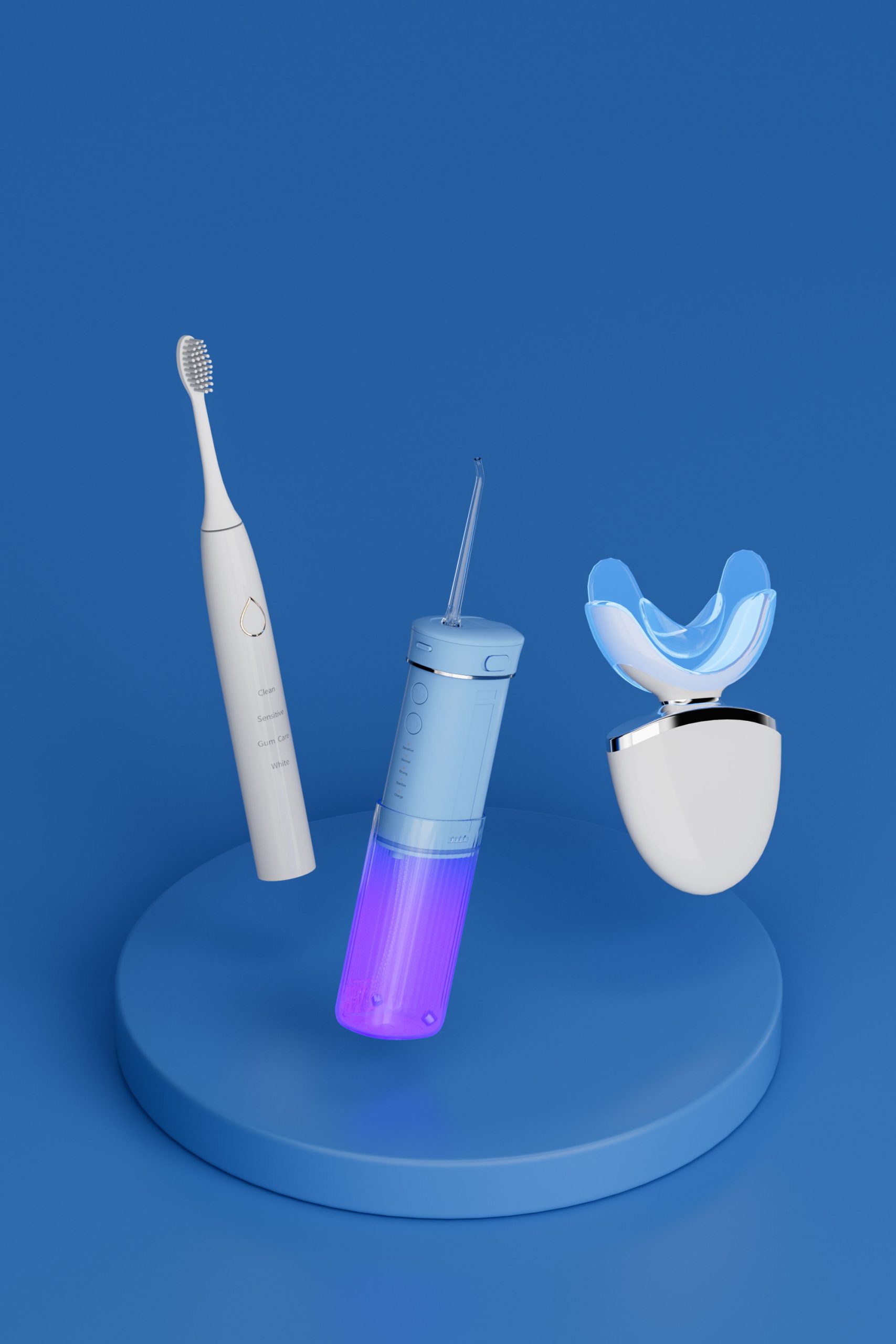
With the growing consumer demand for durable and reliable personal care devices, waterproof technology for electric toothbrushes has evolved rapidly. Manufacturers are focusing on enhancing product longevity, user safety, and overall performance through innovative waterproofing solutions. This article explores the latest advancements in electric toothbrush waterproof technology, potential future directions, and its application scenarios in both consumer and professional markets. Advances in IP Ratings for Electric Toothbrushes Ingress Protection (IP) ratings are a key benchmark for evaluating waterproof technology for electric toothbrushes. Modern toothbrushes are increasingly adopting higher IP ratings, such as IPX7 and IPX8, ensuring full submersion resistance for extended periods. This advancement not only enhances the longevity of electric toothbrushes but also allows users to clean them thoroughly without damaging internal electronics. Ultrasonic and Nanocoating Waterproofing Solutions Traditional waterproofing relies on mechanical seals and rubber gaskets. However, recent developments include nanocoating technology, which involves applying an ultra-thin, hydrophobic layer that repels water at the molecular level. Additionally, ultrasonic welding technology ensures seamless bonding of plastic components, eliminating potential entry points for moisture and improving durability. Wireless Charging and Waterproof Integration The shift towards wireless charging in electric toothbrush future directions has significantly contributed to improved waterproofing. Removing the need for…
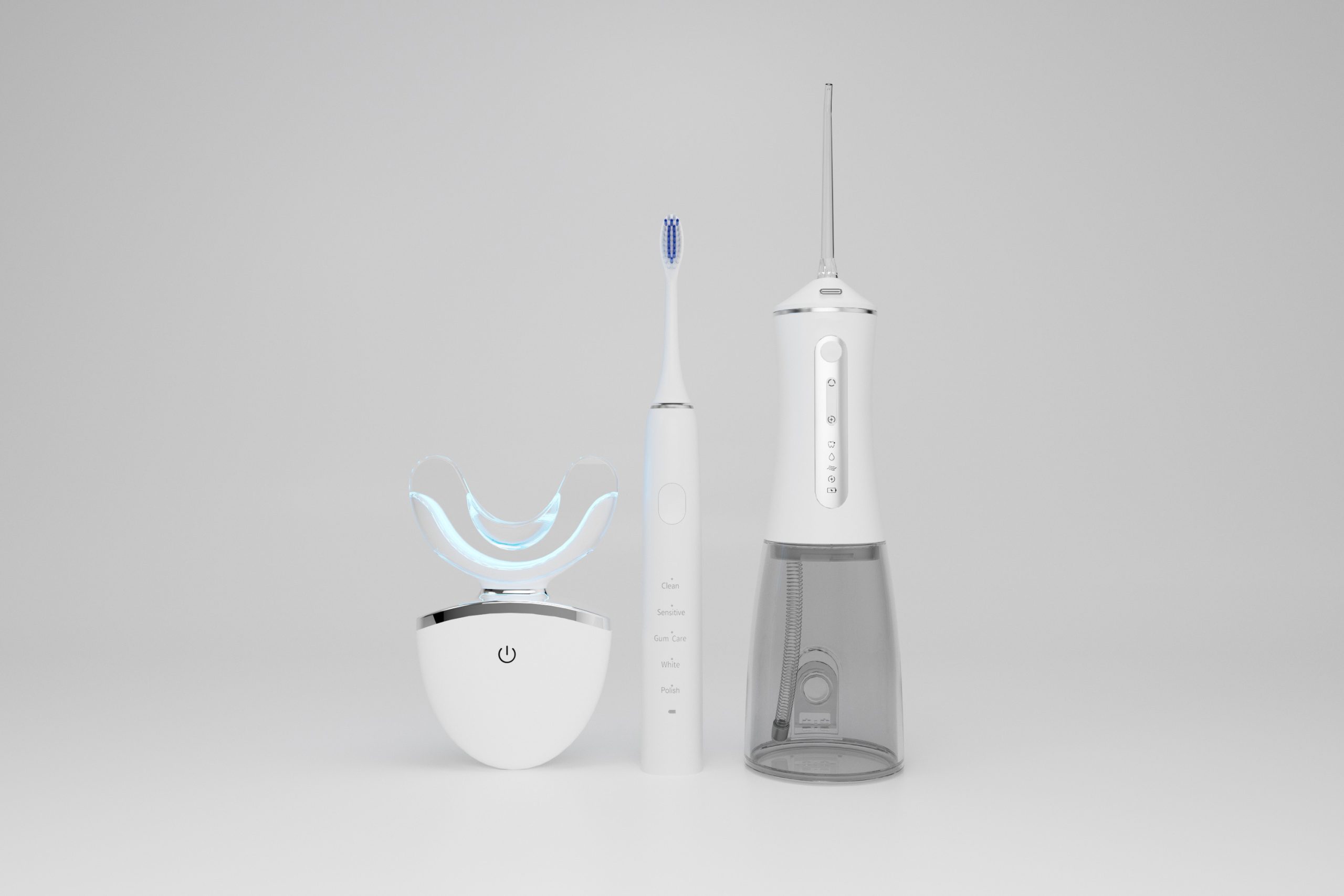
In today’s competitive market, electric toothbrush OEM production requires a delicate balance between cost control and maintaining high product quality. Manufacturers must adopt strategic approaches to optimize expenses while ensuring their products meet industry standards and consumer expectations. This article explores the best practices in achieving cost efficiency and quality assurance strategy of electric toothbrush manufacturing. Optimizing Raw Material Procurement The choice of raw materials significantly impacts both cost and quality. Collaborating with reliable suppliers and negotiating bulk purchase discounts can help reduce expenses. At the same time, selecting high-quality, durable materials ensures longevity and performance, aligning with an effective quality assurance strategy. Streamlining the Production Process Efficiency in production minimizes waste and reduces labor costs. Implementing automation in key stages such as molding, assembly, and packaging enhances precision and reduces human error. Lean manufacturing principles can be employed to improve workflow and eliminate inefficiencies in electric toothbrush OEM production. Implementing Rigorous Quality Control Measures A comprehensive quality assurance strategy is essential to prevent defects and maintain brand reputation. Utilizing advanced testing methods, such as vibration, waterproofing, and battery efficiency tests, ensures that each electric toothbrush meets industry standards before reaching the market. Establishing strict quality checkpoints at different production…
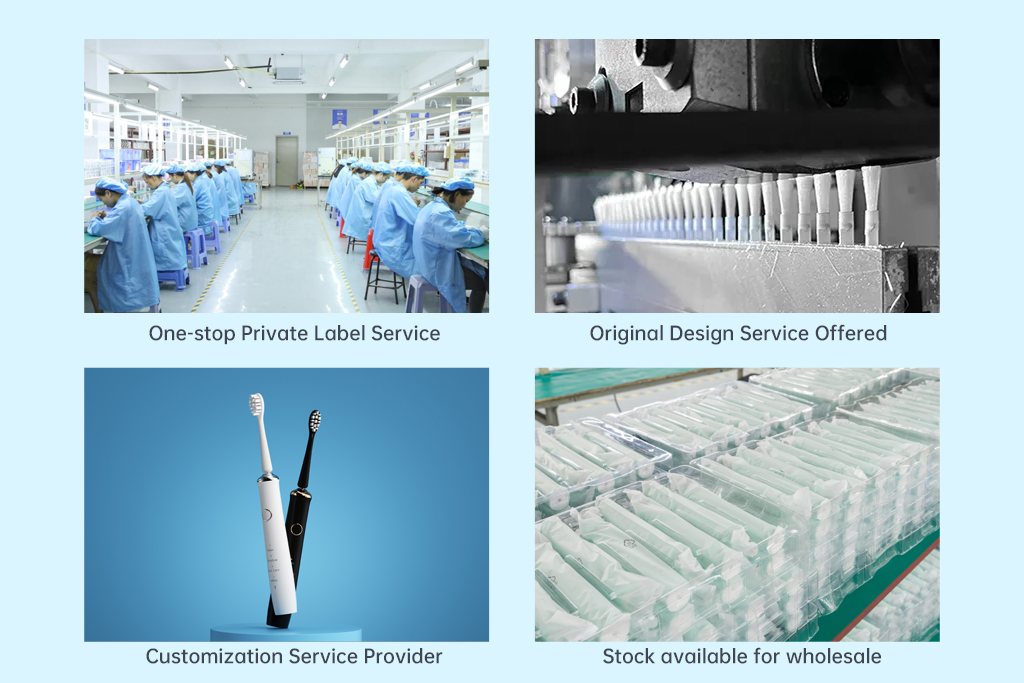
In the highly competitive oral care market, many brands seek differentiation through customization. Finding a reliable Electric Toothbrush Factory Customization service is crucial for building a successful product line that meets market demands. In this blog, we will share a successful brand customization experience to illustrate how a brand collaborated with an Electric Toothbrush Factory to create a unique, market-leading product. Case Background A rising oral care brand aimed to launch an exclusive line of electric toothbrushes targeting premium consumers. They needed a manufacturing partner capable of providing a fully customized solution, from design to final production. After evaluating several manufacturers, they chose our Electric Toothbrush Factory Customization service to bring their vision to life. Product Design and Innovation The client wanted a sleek, modern electric toothbrush with an ergonomic grip and premium materials. Our factory provided: Custom mold development High-quality material selection Unique color and texture customization Smart Technology Integration To align with market trends, the brand required smart technology features, including: Bluetooth connectivity for app integration Multiple brushing modes Pressure-sensitive sensors to protect gums Branding and Private Labeling A strong brand identity was essential for the client. We provided: Logo engraving and UV printing Custom packaging design Tailored user manuals and marketing…


.jpg)
.jpg)
.jpg)
.jpg)
.jpg)



.jpg)
.jpg)