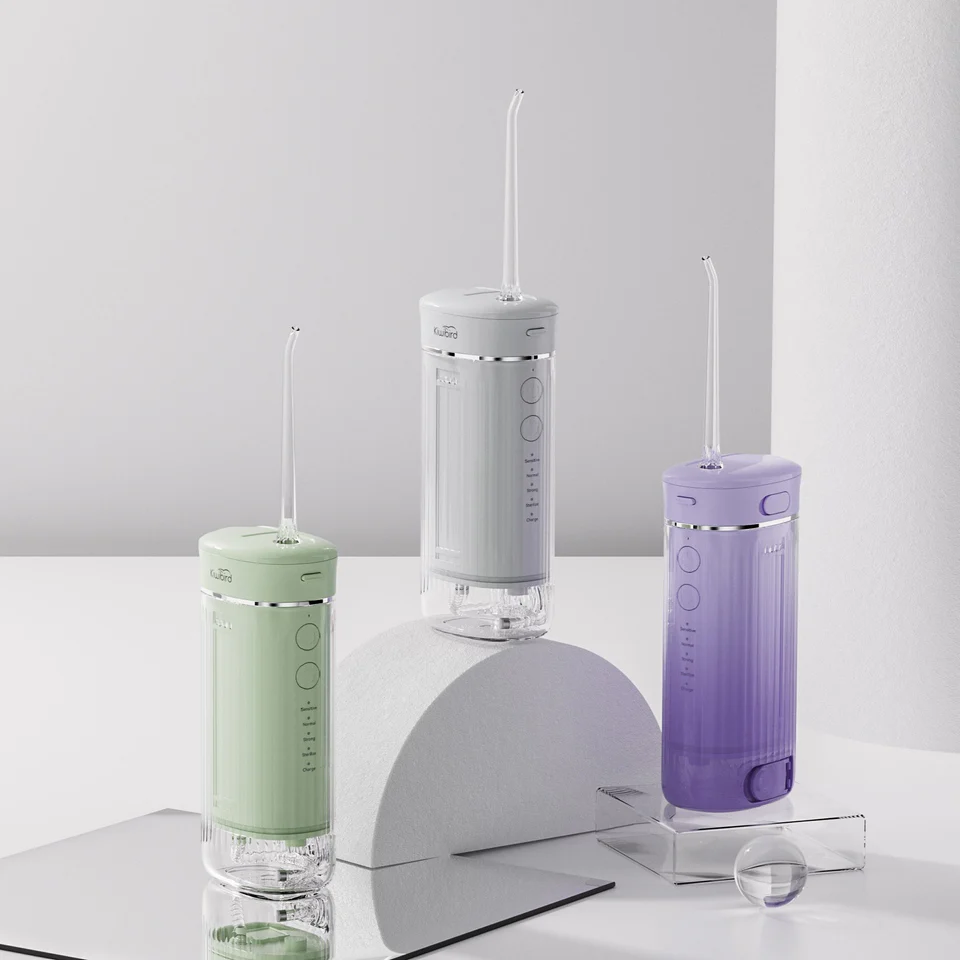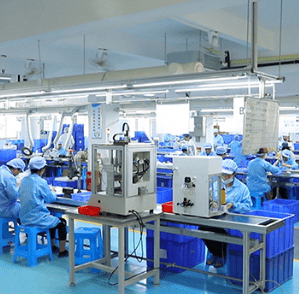
As consumer demand evolves, the electric toothbrush industry is undergoing significant transformations. Manufacturers are striving to integrate intelligent technologies, adopt environmentally friendly production methods, and enhance the core competitiveness of electric toothbrush products. This blog explores the key trends shaping the future of electric toothbrush production from the point of an electric toothbrush manufacturer. The Rise of Intelligent Electric Toothbrushes With advancements in artificial intelligence (AI) and the Internet of Things (IoT), the next generation of electric toothbrushes is becoming smarter. Future toothbrushes will feature: AI-powered brushing guidance: Sensors and real-time feedback help users improve brushing techniques. Personalized oral care plans: Integration with mobile apps provides tailored recommendations based on user habits. Voice and gesture control: Hands-free operation enhances convenience and accessibility. Manufacturers investing in these technologies can significantly boost their core competitiveness in the electric toothbrush market. Environmentally Friendly Production: A Sustainable Future Sustainability is a growing concern, and the electric toothbrush industry is no exception. Environmentally friendly production is becoming a key priority, focusing on: Biodegradable and recyclable materials: Reducing plastic waste by using plant-based or recyclable components. Energy-efficient manufacturing processes: Adopting green energy solutions such as solar and wind power. Eco-friendly packaging: Minimizing excessive packaging and utilizing sustainable materials. Manufacturers that…
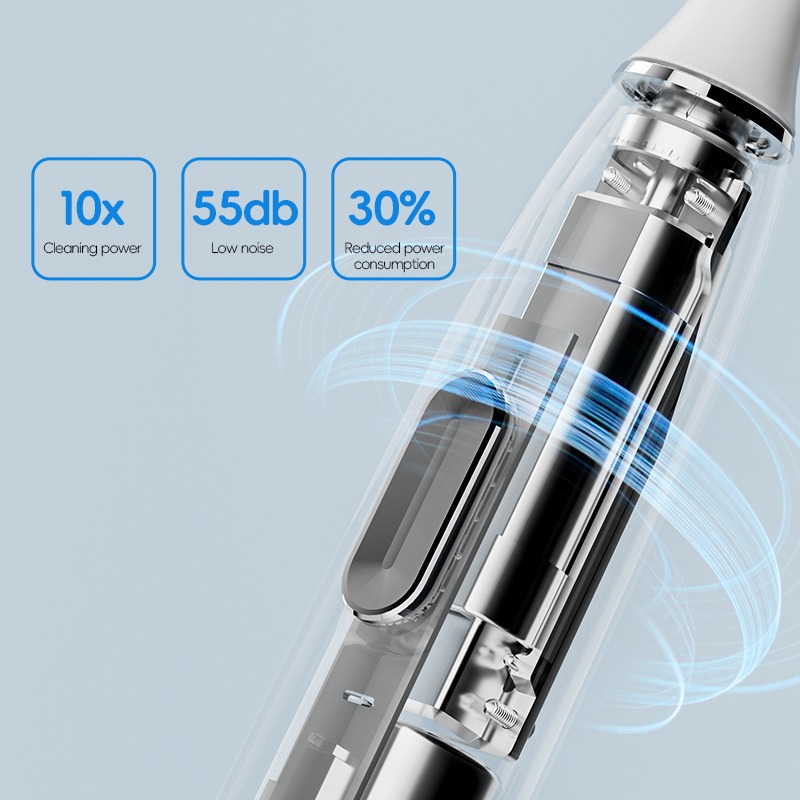
With the continuous evolution of electric toothbrush technology, the choice of motor plays a crucial role in performance, efficiency, and user experience. This article provides an Electric Toothbrush Motor Performance Comparison, focusing on the two main types of motors used in electric toothbrushes: Magnetic Levitation Motors and Traditional Motors. By understanding their advantages and disadvantages, manufacturers can make informed decisions when selecting motors for their electric toothbrush products. Working Principle of Magnetic Levitation Motors and Traditional Motors Magnetic Levitation Motors Magnetic levitation (maglev) motors utilize electromagnetic fields to suspend and drive the brush head without physical contact with moving parts. This technology minimizes friction, reduces noise, and improves energy efficiency. Powsmart's electric toothbrushes are all using the magnetic levitation motors, which deliver a quieter, stronger and more stable cleaning performance.https://www.powsmart.com/product/electric-toothbrush/ Traditional Motors Traditional motors, such as brushed and brushless DC motors, rely on mechanical components like gears and shafts to transfer power to the brush head. These motors have been used for decades and provide reliable performance but come with inherent mechanical limitations. Brushing Efficiency and Vibration Performance Magnetic Levitation Motors Deliver high-frequency and consistent vibrations, often reaching up to 40,000 strokes per minute. Offer smoother motion, enhancing cleaning efficiency and reducing gum…
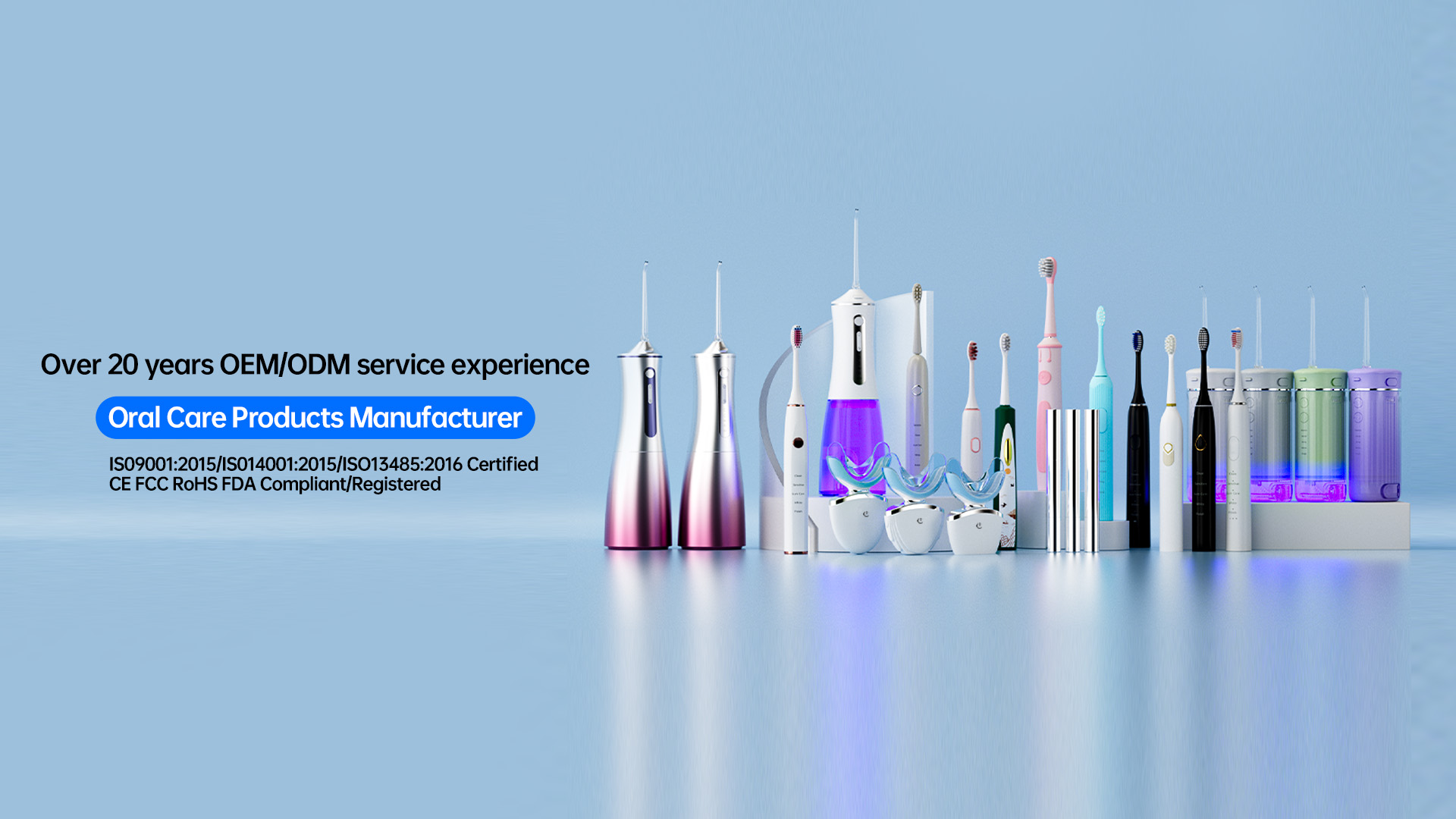
In today’s competitive oral care market, electric toothbrush OEM production has become a strategic approach for brands looking to deliver high-quality, innovative products without investing in their own manufacturing facilities. Understanding the complete process of electric toothbrush production helps businesses streamline development, reduce costs, and ensure a competitive edge. As an experienced oral care products manufacturer, Powsmart has been providing customization service for over 20 years. Market Research & Product Positioning Before beginning production, it is crucial to conduct thorough market research and define the product’s unique value proposition. Brands should analyze consumer preferences, industry trends, and competitor products to determine the key features and pricing strategy. This stage ensures that the final product aligns with market demand and stands out from competitors. Product Design & Prototyping The next step involves industrial design and engineering. Manufacturers work closely with brands to develop ergonomic, aesthetically pleasing, and functional designs. Prototyping is an essential part of the process, allowing for real-world testing and necessary refinements. Advanced 3D modeling and rapid prototyping technologies enable quick iterations and improvements before mass production. Selection of Materials & Components Choosing the right materials and components is vital to ensure product durability, safety, and performance. Key considerations…
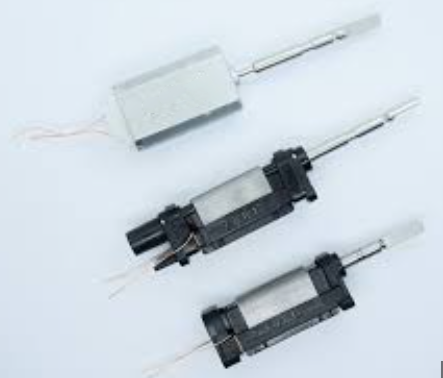
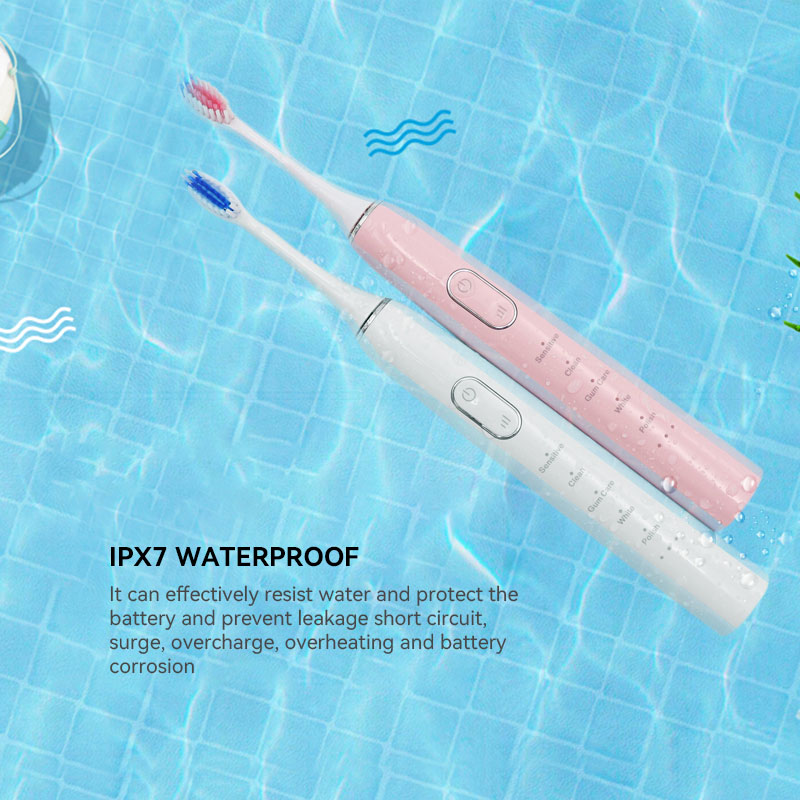
As the demand for high-quality oral care products continues to grow, manufacturers of electric toothbrushes must focus on key technological advancements to maintain a competitive edge. Among these, waterproof technology and motor performance analysis stand out as critical factors influencing product reliability and efficiency. This article explores the core technology of electric toothbrush production, delving into how waterproofing techniques and motor performance optimization shape the development of superior electric toothbrushes. Importance of Waterproof Technology in Electric Toothbrush Production Electric toothbrushes are exposed to water daily, making waterproof technology a fundamental aspect of their design. Manufacturers implement various waterproofing methods to ensure durability and user safety: Encapsulation and Sealing: The use of ultrasonic welding and adhesive sealing to prevent water ingress. IP Rating Standards: Compliance with IPX7 or higher ratings ensures that toothbrushes can withstand immersion in water. Protective Coatings: Application of nano-coatings to electronic components enhances moisture resistance. By perfecting waterproof technology, manufacturers can extend product lifespan and reduce failure rates, thereby enhancing customer satisfaction. Motor Performance Analysis: The Heart of an Electric Toothbrush The motor is the driving force behind an electric toothbrush, determining brushing efficiency and user experience. Motor performance analysis focuses on key elements such as: Torque and Speed: High…
.jpg)
In today’s competitive oral care market, brand owners are constantly seeking ways to differentiate their products and enhance their market position. One of the most effective strategies is leveraging electric toothbrush customization services through OEM/ODM services. This approach not only allows for brand-specific product development but also offers numerous advantages. When it comes to choosing a service provider, there are a few key factors that you need to consider. These include things like reliability, affordability, and of course, quality. At Powsmart, we understand the importance of timeliness & effectiveness of communication with clients and delivering high quality products to our clients, which is why we have made it our top priority. Here are five key reasons why brand owners prefer OEM/ODM for electric toothbrushes. Cost-Effective Production Developing an electric toothbrush from scratch requires significant investment in research, development, and manufacturing. OEM/ODM services enable brand owners to leverage the expertise and existing infrastructure of experienced manufacturers. This minimizes costs related to equipment, workforce, and material procurement, making it a highly cost-effective solution. Faster Time to Market Speed is crucial in the fast-evolving consumer goods industry. By utilizing electric toothbrush customization services, brand owners can bring new products to market much faster compared to…

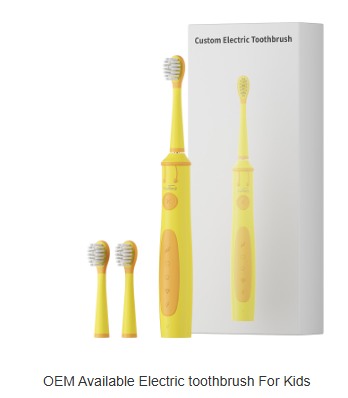
Introduction Oral care is an essential aspect of personal hygiene, and for individuals seeking whitening or sensitive care, the right products make all the difference. With the rising demand for electric toothbrush solutions tailored to different needs, manufacturers have a significant opportunity to provide high-quality, customized products. OEM manufacturing plays a crucial role in developing specialized oral care solutions that cater to diverse consumer preferences. The Growing Demand for Whitening and Sensitive Care Products Consumers today are more conscious about their smiles than ever. Whitening has become a key focus for many, while others struggle with tooth sensitivity and require specialized care. This dual demand is driving innovation in oral care products, including electric toothbrush designs that can cater to both segments. Why Electric Toothbrushes Are a Game-Changerhttps://www.powsmart.com/ Compared to manual brushing, an electric toothbrush offers superior plaque removal, improved gum health, and tailored settings for whitening and sensitive care. Through OEM manufacturing, brands can develop customized toothbrushes with features such as:https://www.powsmart.com/ Whitening modes for stain removal Gentle settings for sensitive teeth and gums Advanced bristle technology for better oral healthhttps://www.powsmart.com/simples/children-powered-toothbrush/ OEM Manufacturing: Tailoring Solutions for Whitening & Sensitivity As demand for specialized oral care grows, OEM manufacturing allows brands…
"Manual vs. Electric Toothbrush: Which is Better?" "Manual vs. Electric Toothbrush: Which is Better?" Introduction Maintaining good oral hygiene is a key aspect of daily health, and selecting the right toothbrush can greatly impact dental care. One of the most common debates in oral care revolves around . Many consumers struggle to decide which option is better suited for their needs. both consumers and oral care manufacturers can make more informed choices. For instance, an electric toothbrush often provides advanced cleaning technology, such as oscillating bristles and built-in timers, while a manual toothbrush relies on the user's brushing technique. Recognizing these distinctions helps ensure that individuals and companies alike can prioritize effective dental care solutions. Manual Toothbrush: A Traditional Yet Effective Tool Cleaning Effectiveness of Electric Toothbrush A manual toothbrush is the most common and accessible oral hygiene tool, widely used for decades. Key Features: Affordability: Manual toothbrushes are cost-effective and widely available. Portability: No need for charging or batteries, making them convenient for travel. Variety: Available in different bristle types, handle designs, and sizes to cater to individual needs. Pros and Cons: ✅ Easy to use and widely available ✅ Inexpensive and disposable ❌ Requires proper technique for effective cleaning…
.jpg)
Introduction: The Growing Market for Private Label Oral Care With growing awareness of oral hygiene and the demand for high-quality dental care products, launching your own brand has never been easier. Private label services provide businesses the opportunity to create a unique brand identity, customize designs, and scale production efficiently. Whether you're a startup, retailer, or distributor, Toothbrush Private Labelprivate labeling allows you to enter the oral care market with minimal hassle.Electric 1. Why Choose Electric Toothbrush Private Label Services? Private label manufacturing allows businesses to sell electric toothbrushes under their own brand without the need for in-house production. The benefits include: Full control over branding and packaging. Cost-effective bulk orders with competitive pricing. Access to high-quality, pre-tested products. Faster time-to-market compared to developing from scratch. 2. Custom Designs to Build Your Unique Brand A successful oral care brand requires a distinct identity. With electric toothbrush private label services, businesses can customize: Product colors, materials, and finishes. Brand logos and packaging. Bristle types, brush head designs, and motor specifications. Smart features such as timers and multiple brushing modes. Customization helps differentiate your brand and attract a loyal customer base. 3. Bulk Orders with Competitive Pricing Ordering in bulk is essential…
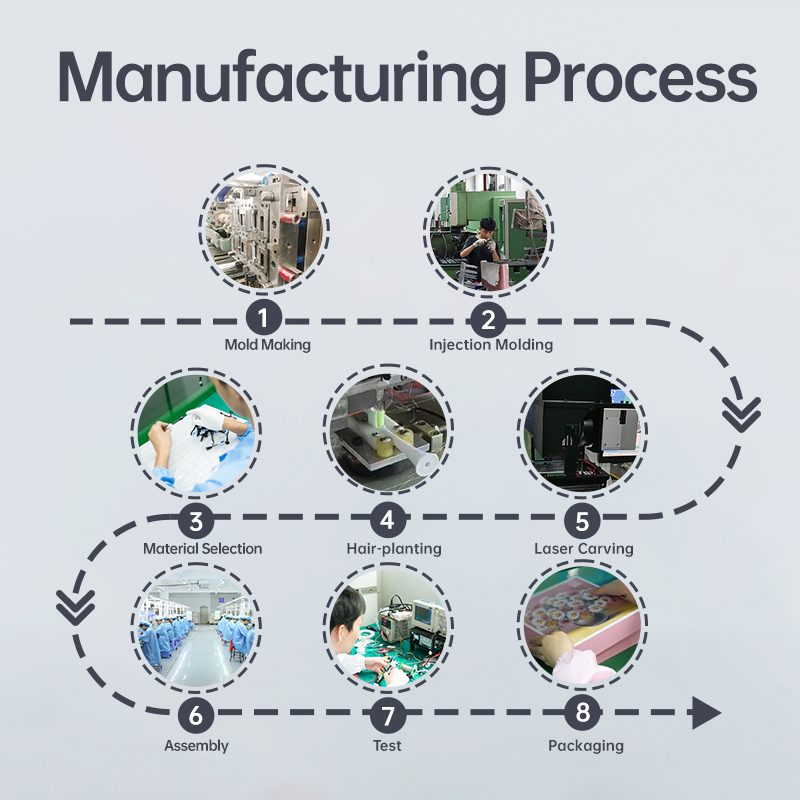
With the rapid development of the oral care industry, electric toothbrushes have become a household necessity. However, many manufacturers face challenges in optimize the production process of electric toothbrush while maintaining high quality and efficiency. The introduction of intelligent factory upgrade practices has revolutionized the industry by enhancing production capabilities, improving precision, and reducing costs. This blog explores how manufacturers can optimize the production process of electric toothbrushes by leveraging automation, digitalization, and intelligent management systems. Intelligent Production Line Automation The first step in optimize the production process of electric toothbrush is implementing automated production lines. Traditional manufacturing methods rely heavily on manual labor, leading to inconsistencies and inefficiencies. By integrating robotics and AI-driven machinery, manufacturers can achieve: Higher production efficiency and reduced cycle time. Improved product consistency with precise assembly and quality control. Reduced labor costs and minimized human error. Automation also plays a crucial role in streamlining the electric toothbrush technical secret by ensuring each component, from brush heads to motors, is assembled with high precision. Digital Twin Technology for Real-Time Monitoring A key component of the intelligent factory upgrade practice is the implementation of digital twin technology. This allows manufacturers to create a virtual replica of the…
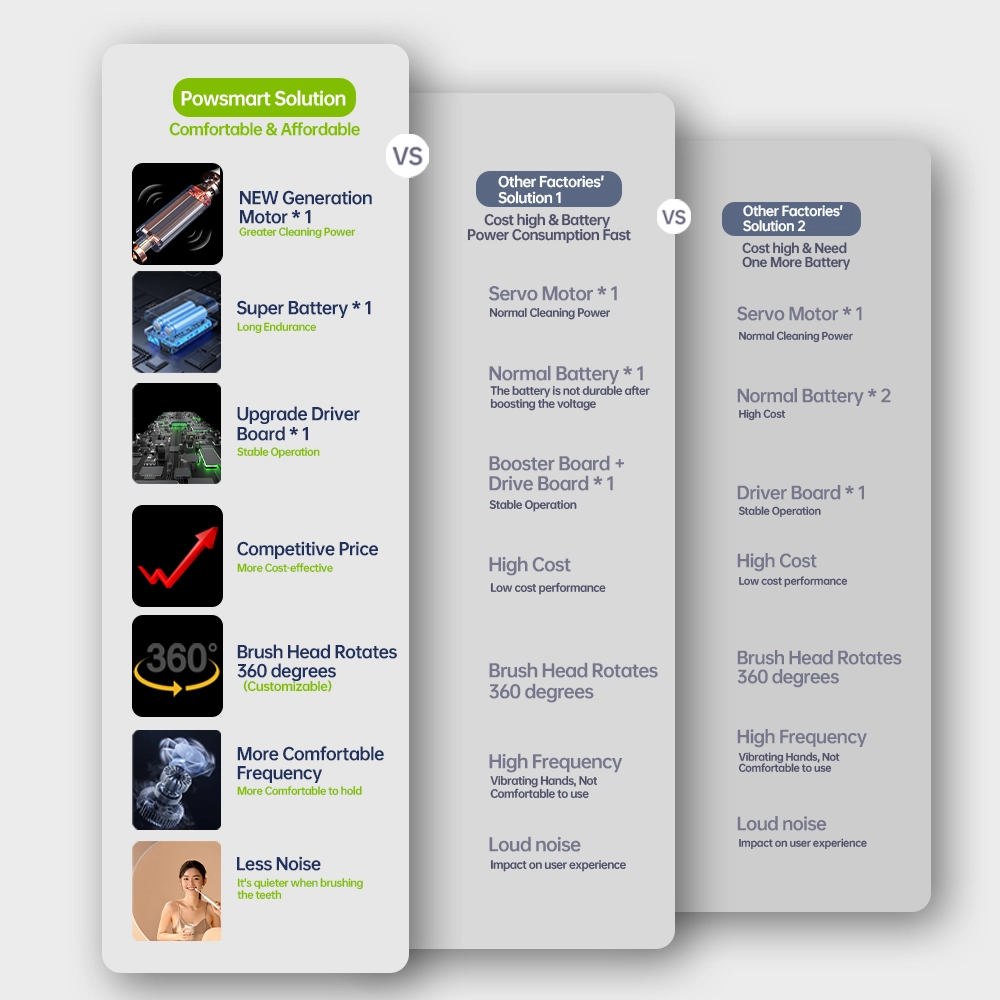
The electric toothbrush has revolutionized oral care with its efficiency and advanced technology. But what makes it work so effectively? This article will analyze the components of the electric toothbrush, unveiling the electric toothbrush technical secrets that enable superior cleaning performance. From the electric toothbrush motor to the electric toothbrush brush head, each element plays a crucial role in delivering a high-quality brushing experience.https://www.powsmart.com/product/electric-toothbrush/ The Heart of the Electric Toothbrush: The Motor The electric toothbrush motor is the key component that powers the device. Two primary types of motors are used: Rotary Motors: These create a spinning motion, commonly found in oscillating toothbrushes. Sonic Motors: These generate high-frequency vibrations to enhance plaque removal. Each motor type affects the toothbrush’s performance, efficiency, and user experience. Manufacturers continuously improve motor technology to optimize power consumption, speed, and durability. Power Supply and Battery Efficiency A reliable power source ensures long-lasting and efficient operation. Most electric toothbrushes use either: Rechargeable Lithium-ion Batteries: Offer long battery life, quick charging, and consistent power output. Alkaline Batteries: More common in budget-friendly models but require frequent replacements. Advanced models integrate smart charging solutions, such as wireless charging and fast-charge technology, to enhance user convenience. Control System and Smart Features Modern electric…
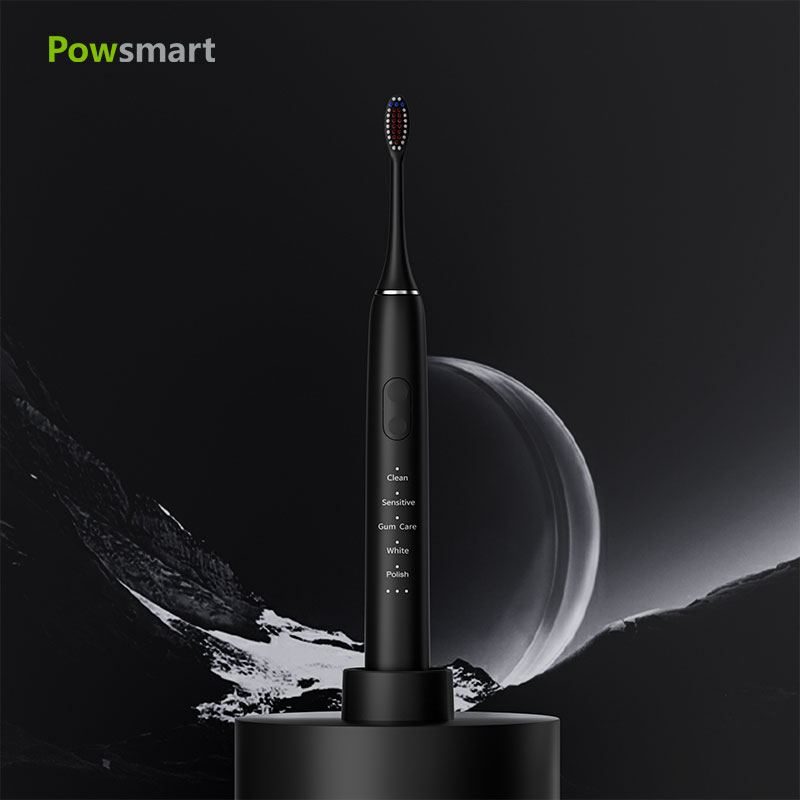
The electric toothbrush industry has seen significant growth in recent years, with innovations in technology and design continually shaping the market. However, one often overlooked aspect that plays a crucial role in the final product's quality and compliance is the electric toothbrush labeling process. Proper labeling not only ensures compliance with regulatory standards but also improves brand visibility and consumer trust. In this blog, we’ll provide a comprehensive analysis of the complete cycle of electric toothbrush labeling, exploring each stage of the production process from design to shipment. Initial Design and Label Conceptualization During the product’s initial design phase, manufacturers need to decide on the specific labels that will appear on the packaging and the product itself. These decisions are crucial for ensuring that the complete cycle of electric toothbrush labeling aligns with both regulatory requirements and marketing strategies. At this stage, the focus is on design aesthetics, as well as key regulatory elements such as: Brand logos Product information (e.g., model, type of bristles) Compliance symbols (e.g., CE, FCC) Instructions for use, including safety warnings The design should reflect the company’s brand image while also providing clear, concise, and easy-to-read information for the end consumer. Regulatory Compliance and Approval Once the…
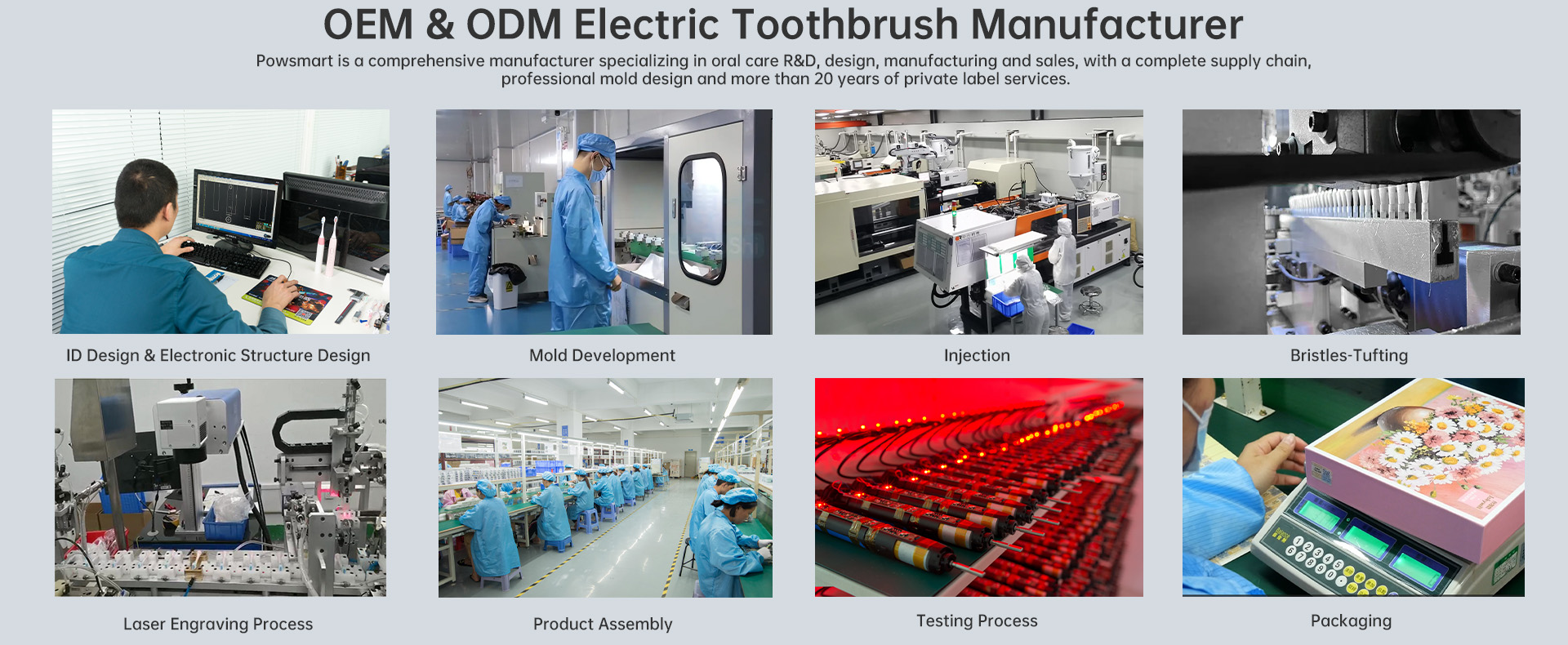
When sourcing an electric toothbrush OEM factory for your brand, partnering with a reliable electric toothbrush OEM factory is crucial to ensure the product quality, production efficiency, and overall customer satisfaction. However, navigating through the many options can be overwhelming. In this "Pit Avoidance Guide," we’ll walk you through key factors to consider to avoid common pitfalls and help you choose the right factory for your electric toothbrush manufacturing needs. Assess Factory Certification and Compliance A reliable electric toothbrush OEM factory should be compliant with industry standards and regulations. Look for certifications such as ISO 9001 for quality management, ISO 13485 for medical devices (if applicable), and CE certification for European markets. These certifications demonstrate the factory’s commitment to maintaining high standards of production and quality control. Pit to Avoid:Don’t be tempted by factories that claim certifications without providing the necessary documentation. Always ask for verifiable proof of compliance. Evaluate Product Quality Control Processes The core of any successful partnership with an OEM factory lies in the ability to produce high-quality products consistently. A reliable electric toothbrush OEM factory should have well-established quality control (QC) processes, including raw material inspection, in-process testing, and final product inspections. Pit to Avoid:Avoid factories…
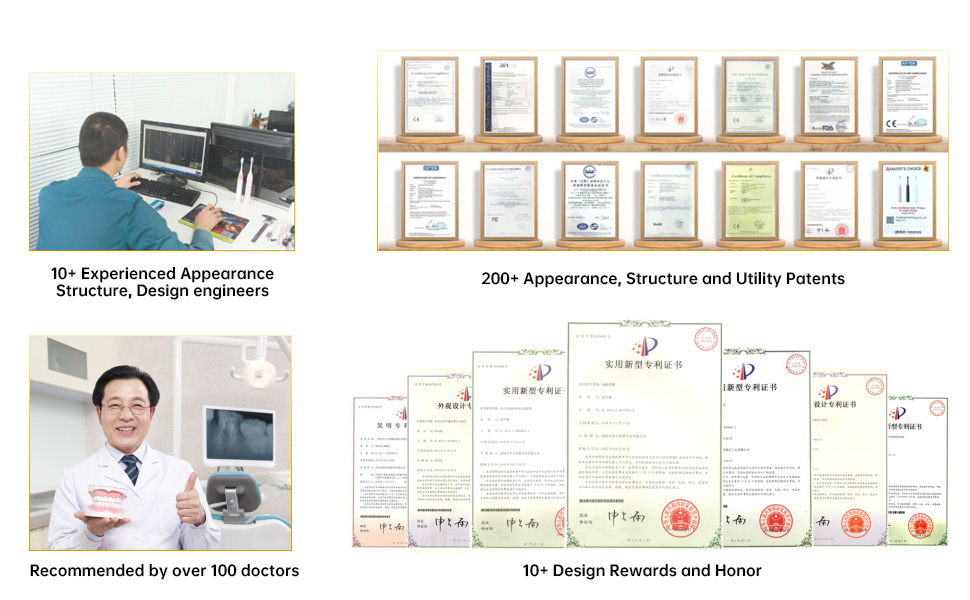
In recent years, the push for sustainability has gained significant traction across various industries, and the electric toothbrush manufacturing sector is no exception. With increasing environmental awareness and consumer demand for eco-friendly products, manufacturers are adapting by incorporating biodegradable materials and committing to green production processes. This blog explores how these trends are reshaping the electric toothbrush industry and why they're crucial for the future of consumer goods. The Rise of Sustainability in Electric Toothbrush Manufacturing As environmental concerns escalate, the electric toothbrush manufacturing industry is under increasing pressure to reduce its ecological footprint. Traditionally, these products have been made from plastics and other materials that contribute significantly to waste. However, manufacturers are now realizing the importance of shifting toward more sustainable practices. The key lies in integrating biodegradable materials and adopting green production techniques to minimize environmental impact throughout the product lifecycle—from design to disposal. Biodegradable Materials: A Game Changer in Product Design The shift towards biodegradable materials is one of the most significant developments in electric toothbrush manufacturing. Materials like plant-based bioplastics, bamboo, and recycled plastics are viable alternatives to conventional petroleum-based plastics. These materials not only reduce waste but also break down naturally in the environment, making them a much more sustainable…
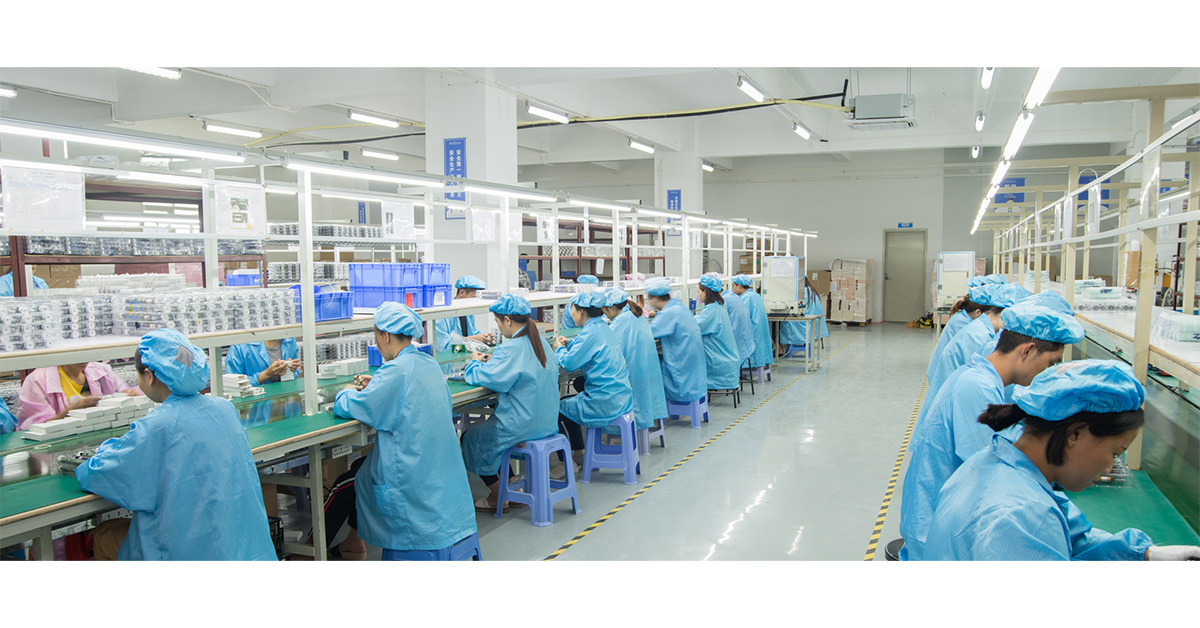
As global demand for electric toothbrushes continues to rise, the Chinese electric toothbrush industry is gaining significant momentum on the world stage. The ability of Chinese manufacturers to scale production while maintaining competitive pricing, technological innovation, and adaptability has made them key players in the global market. This blog will explore the unique strengths that have contributed to the success of Chinese electric toothbrush factories and how they are adapting to new trends in the electric toothbrush industry. The Rise of Chinese Manufacturers in the Global Electric Toothbrush Industry In the last decade, China has transformed from a low-cost manufacturing hub to a global leader in the electric toothbrush industry. With competitive pricing, high-quality production standards, and an ever-increasing focus on R&D, Chinese electric toothbrush factories are now able to meet the growing demands of consumers worldwide. From Asia to Europe, and North America, these manufacturers are providing a reliable supply chain that enables brands to enter markets at various price points. Technological Advancements Driving Competitiveness One of the secrets behind the success of Chinese electric toothbrush factories lies in their commitment to technology. The electric toothbrush industry, like many others, is undergoing significant changes as consumers increasingly demand more…
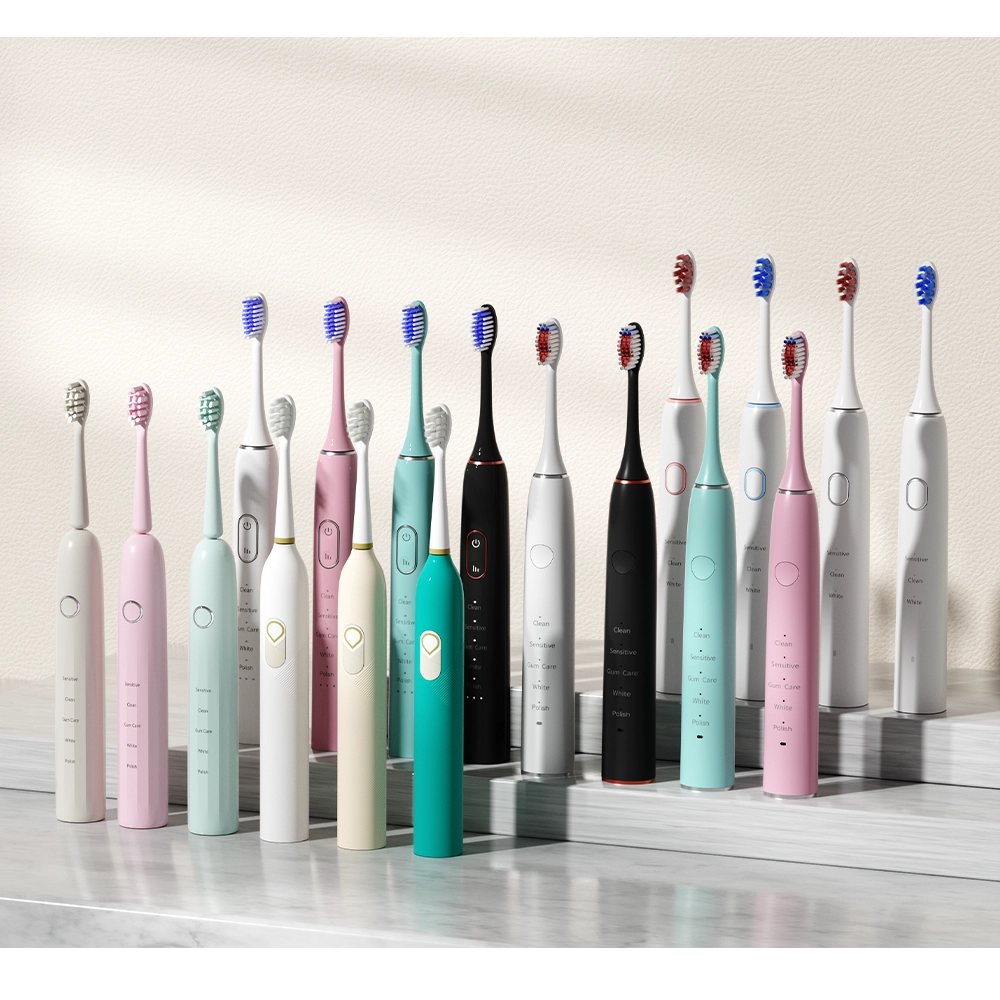
The growing demand for personalized products in various industries has led many manufacturers to explore small batch customization options. In particular, lower Moq for electric toothbrush labeling has become a hot topic in the oral care industry. But the question remains: is low moq feasible when it comes to maintaining an optimal balance between minimum order quantity and cost control? This blog explores the practicalities and challenges involved in small customization qty for electric toothbrush labeling and provides insights into how manufacturers can navigate these complexities. Understanding Small qty Customization in Electric Toothbrush Labeling Small qty customization refers to the ability to produce a limited number of uniquely labeled or branded electric toothbrushes. Unlike mass production, where large volumes of identical products are produced, small qty offers businesses the flexibility to tailor the products to specific customer needs or branding requirements. For electric toothbrush manufacturers, this could mean customizing the label with unique logos, designs, or even specific messaging targeted to a niche market. While small batch customization is increasingly appealing, it does introduce some challenges—especially regarding the minimum order quantity (MOQ) and cost control. Manufacturers need to balance the desire for personalization with the realities of production efficiency. The…
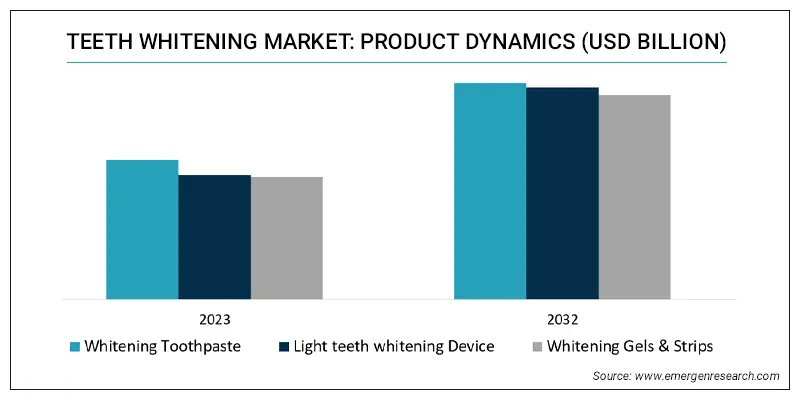
Global consumers pay more and more attention to oral health and personal care. And the Global Electric Toothbrush Market has become a rapidly growing industry. In recent years, the technology and design of electric toothbrushes have made significant progress, which has driven the rapid expansion of its market. This article will analyze the current growth trends of the global electric toothbrush market. Market Growth Drivers: Why Electric Toothbrushes Are Gaining Popularity The rapid growth of the electric toothbrush market can be attributed to several key factors. First, electric toothbrushes have significant advantages over traditional manual toothbrushes in terms of cleaning effect and ease of use. Many consumers believe that electric toothbrushes can provide more thorough teeth cleaning and reduce gum bleeding and other oral problems. Second, more and more people are paying attention to oral care, especially among the younger generation. Fastest Growing Regions in the Electric Toothbrush Market According to the latest market research, electric toothbrush manufacturing is mainly concentrated in several fast-growing regions. North America and Europe have been the main markets for electric toothbrushes. But demand has grown significantly in Asia and Latin America over the past few years. China and India have become the main markets…
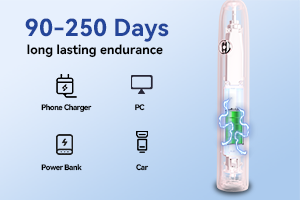
As consumers pay more and more attention to oral health, the electric toothbrush industry is also experiencing rapid development. In the next five years, the electric toothbrush industry will be deeply affected by technological innovation, policy changes, and changes in consumption trends. This blog will explore the electric toothbrush industry forecast, focusing on analyzing technological progress, changes in the electric toothbrush manufacturing industry, adjustments in the policy environment, and the evolution of consumption scenarios. Technological innovation and intelligent process: the core driving force of industry development In the next five years, one of the most important changes in the electric toothbrush industry will be technological progress, especially the integration of intelligent technology. Today, many brands have launched smart electric toothbrushes equipped with Bluetooth connectivity, app control, and personalized care recommendations. As technology continues to develop, these devices will become more accurate, personalized, and have a higher user experience. For example, future electric toothbrushes may not only be able to monitor users' brushing habits in real time, but also provide personalized care recommendations based on dental health conditions. These innovations will drive consumer demand for high-end electric toothbrushes and change the market structure. Therefore, electric toothbrush manufacturers will need to continue…
In the current electric toothbrush industry, with the continuous growth of market demand, the competition between brands has become more and more fierce. At the same time, the patent war on electric toothbrushes has also quietly unfolded. Many manufacturers compete with each other for technological innovation and design uniqueness, but at the same time, it has inevitably caused design infringement and technical disputes. So, as a manufacturer of electric toothbrushes, how can you effectively avoid design infringement and technical disputes? This article will provide you with valuable suggestions through several important aspects to help you gain a foothold in patent disputes. In-depth understanding of the status quo of electric toothbrush patents Before entering the electric toothbrush market, you must first understand the patent situation in the industry. As more and more companies are laying out the technical innovation of electric toothbrushes, the patent pool has gradually increased. The patent of electric toothbrush not only involves technical principles, but also covers multiple aspects such as appearance design, material selection, and functional configuration. Therefore, understanding the status quo of industry patents, knowing which patents have been registered and their validity periods will help avoid accidentally infringing on the patent rights of others.…


.jpg)
.jpg)
.jpg)
.jpg)
.jpg)
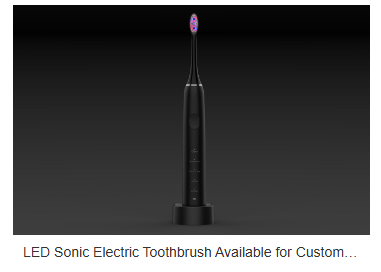



.jpg)

.jpg)