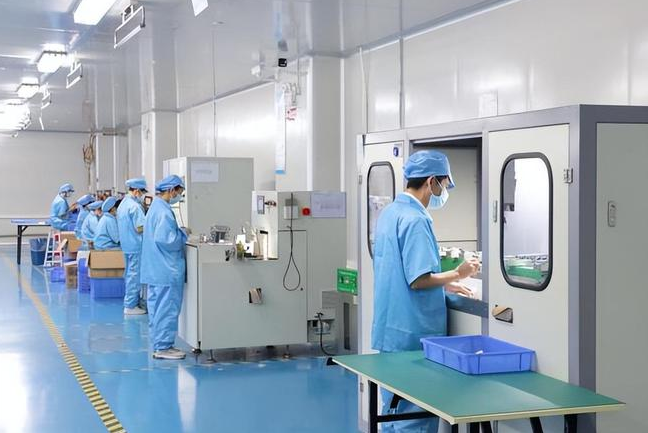
Electric toothbrushes have become an essential tool for maintaining oral hygiene, but like any electronic device, they occasionally experience problems. One common concern is when an electric toothbrush suddenly stop working. In this blog, we’ll explore the potential reasons behind this issue, discuss common electric toothbrush quality issues and solutions, and provide insights into how working with a reliable electric toothbrush factory can ensure long-lasting performance. Powsmart is an ISO certicated and FDA approved direct electric toothbrush factory with all complete certificates, Covering 3000㎡ workshop and carry R&D by itself. Common Reasons Why Electric Toothbrush suddenly Stop Working Battery Issues:Over time, rechargeable batteries in electric toothbrushes may lose their ability to hold a charge, leading to sudden stoppages. Faulty charging stations or incorrect charging habits can also contribute to this problem. Motor Malfunctions:The motor that powers the toothbrush head may wear out due to regular use or manufacturing defects. A failing motor often causes inconsistent vibrations or complete shutdown. Water Damage:While most electric toothbrushes are water-resistant, prolonged exposure to water or improper sealing can lead to internal component failures. User Handling Issues:Dropping the toothbrush or using excessive force during brushing can damage internal components, causing the toothbrush to stop working. Electric…
.jpg)
With advances in technology, the electric toothbrush industry has seen innovative features such as the smart screen. Many electric toothbrushes now come with screens that provide real-time brushing feedback, timers, and reminders. In this article, Powsmart, we will explore the “Pros and Cons of the smart screen” and its impact on the user experience, along with insights from an experienced electric toothbrush manufacturer. Pros of the Electric Toothbrush Smart Screen Enhanced User Guidance: The “electric toothbrush smart screen” displays real-time feedback, including brushing pressure, duration, and coverage. This feedback can help users maintain proper brushing technique, ensuring they brush for the recommended time and avoid excessive pressure. Personalized Settings: Many smart screens allow users to choose personalized brushing modes based on their specific needs (e.g., sensitive teeth or gum care). These settings help deliver a more comfortable and effective brushing experience. Improved User Engagement: A smart screen adds an element of interactivity that makes brushing more engaging, especially for children and users who may be less motivated to brush effectively. Studies show that users who receive visual feedback on their brushing habits are 40% more likely to improve their dental hygiene routines. Cons of the Smart Screen Function Increased Cost:…
For consumers and businesses alike, understanding the lifespan of an electric toothbrush is essential. Factors such as usage habits, maintenance, and quality play significant roles in determining the “electric toothbrush service life.” Average Lifespan of an Electric Toothbrush On average, a well-maintained electric toothbrush can last between three to five years, depending on the product quality, personal maintenance and usage frequency. According to data from several top electric toothbrush manufacturers, devices with quality components and advanced technology tend to have a longer lifespan. Powsmart conducts 37 quality tests for every electric toothbrushes. We have full confidence in the quality of our products. Factors Affecting Electric Toothbrush Endurance Several factors affect an electric toothbrush's endurance, including: Battery Quality: High-quality lithium-ion batteries generally extend the “electric toothbrush endurance” and provide consistent performance over time. Usage Frequency: Daily use and prolonged brushing sessions may decrease an electric toothbrush’s lifespan. Maintenance: Regular cleaning of the brush head and proper storage can prevent wear and tear, thus prolonging service life. Tips to Extend Electric Toothbrush Service Life To maximize the lifespan of an electric toothbrush, users can follow these steps: Regularly Replace Brush Heads: Changing brush heads every three months can prevent strain on the motor.…
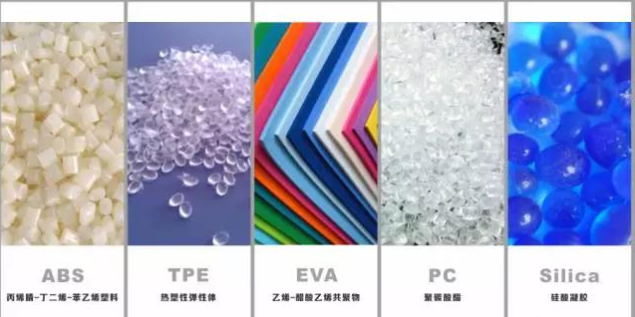
The Rise of Sustainability in Electric Toothbrush Manufacturing As environmental awareness grows, the demand for products made with sustainable materials has become a priority across industries, including oral care. More and more electric toothbrush factories are exploring eco-friendly materials and processes to reduce environmental impact. The shift is especially notable in the production of sonic toothbrushes, where the combination of effective performance and environmental responsibility is key. Why Sustainable Materials Matter in Electric Toothbrush Manufacturing For an electric toothbrush factory, using sustainable materials in manufacturing not only aligns with environmental goals but also meets customer demand for greener products. Conventional toothbrushes and electric toothbrushes contribute to plastic waste, as most parts are made from non-biodegradable materials. By incorporating recyclable and renewable resources, manufacturers can significantly reduce waste and carbon emissions, contributing to global sustainability goals. Additionally, sustainable material choices support a brand's image and appeal to consumers who prioritize eco-friendly options. Challenges and Innovations in Sourcing Sustainable Materials Using sustainable material in toothbrush manufacturing, however, presents some unique challenges. Factories must ensure these materials maintain the high quality, durability, and safety expected of oral care products. For example, bioplastics, recycled materials, and even bamboo composites are alternatives to replace traditional plastics. While these alternatives can…
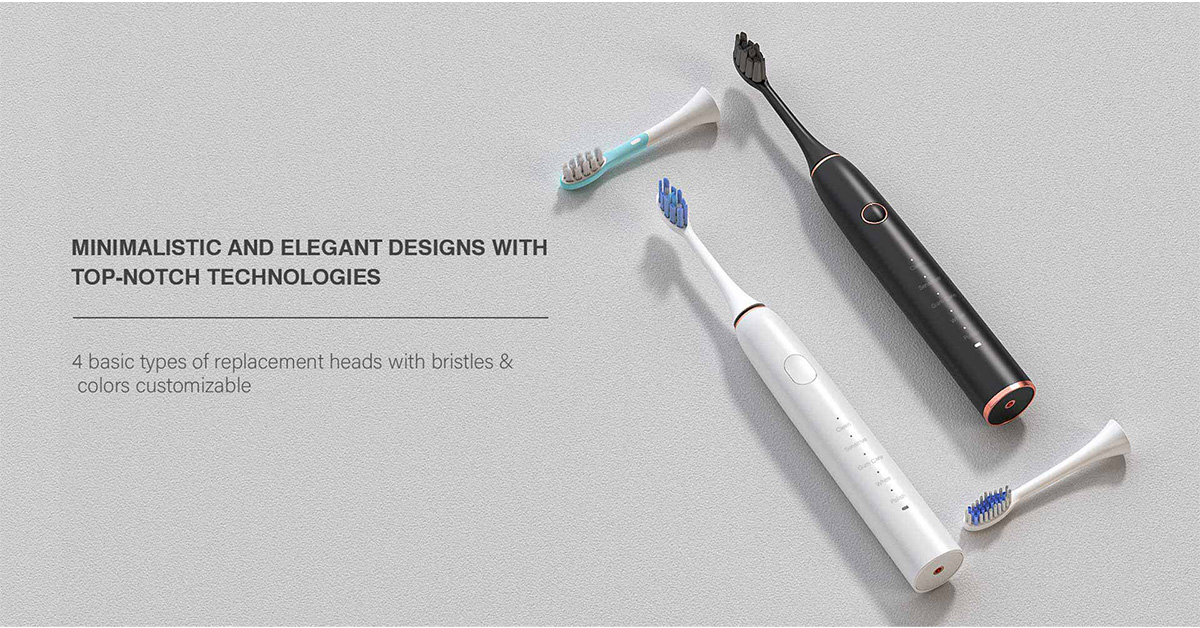
In recent years, the electric toothbrushes market trends have shown rapid growth due to increasing awareness of oral hygiene and advancements in dental technology. Consumers are seeking effective and convenient dental care solutions, leading to a surge in demand for electric toothbrushes. According to market research, the global electric toothbrush market is expected to grow at a steady rate. Because of rising disposable income, product innovation, and increased availability of premium products. The Rise of Sonic Toothbrushes and Specialized Products One significant trend within the market is the increasing popularity of sonic toothbrushes. These toothbrushes use high-frequency vibrations to provide efficient cleaning, making them a preferred choice among consumers. The sonic toothbrush business is experiencing a significant rise, as more manufacturers develop products catering to both high-end and budget-conscious segments. Powsmart released one type of SWEEP SONIC toothbrush this year, which can achieve 30-60°vibration, Imitating Bass brushing method. Contact us if you wanna ask for a quote or test the sample. Key Factors in the Competitiveness of Electric Toothbrushes The competitiveness of electric toothbrushes in the market is largely driven by innovation, pricing, brand reputation, and customer loyalty. Features like app connectivity, smart sensors, and personalized brushing modes have become essential in attracting customers.…
The demand for children electric toothbrushes is on the rise. Because more parents recognize the importance of oral hygiene from a young age. This growing awareness, combined with advancements in technology, is driving the market prospect of children’s electric toothbrush to new heights. In this blog, as an electric toothbrush factory, we will explore the current market landscape, the competitiveness of electric toothbrushes for kids, and how this sector presents promising opportunities. Rising Demand and Market Potential The children electric toothbrush market has shown steady growth over recent years. As oral health awareness continues to increase among parents, they seek efficient and engaging solutions to encourage kids to brush their teeth regularly. Many companies report a yearly growth rate in the sector, with some estimates predicting a compound annual growth rate (CAGR) of over 5% for children's electric toothbrushes in the coming years. This rise reflects a strong market prospect of children’s electric toothbrush products, particularly as they become more accessible globally. Competitiveness of Electric Toothbrushes for Kids One of the primary factors driving the success of children electric toothbrushes is their competitiveness. Unlike manual brushes, electric toothbrushes offer superior plaque removal and effective cleaning through advanced features. This competitiveness of electric…
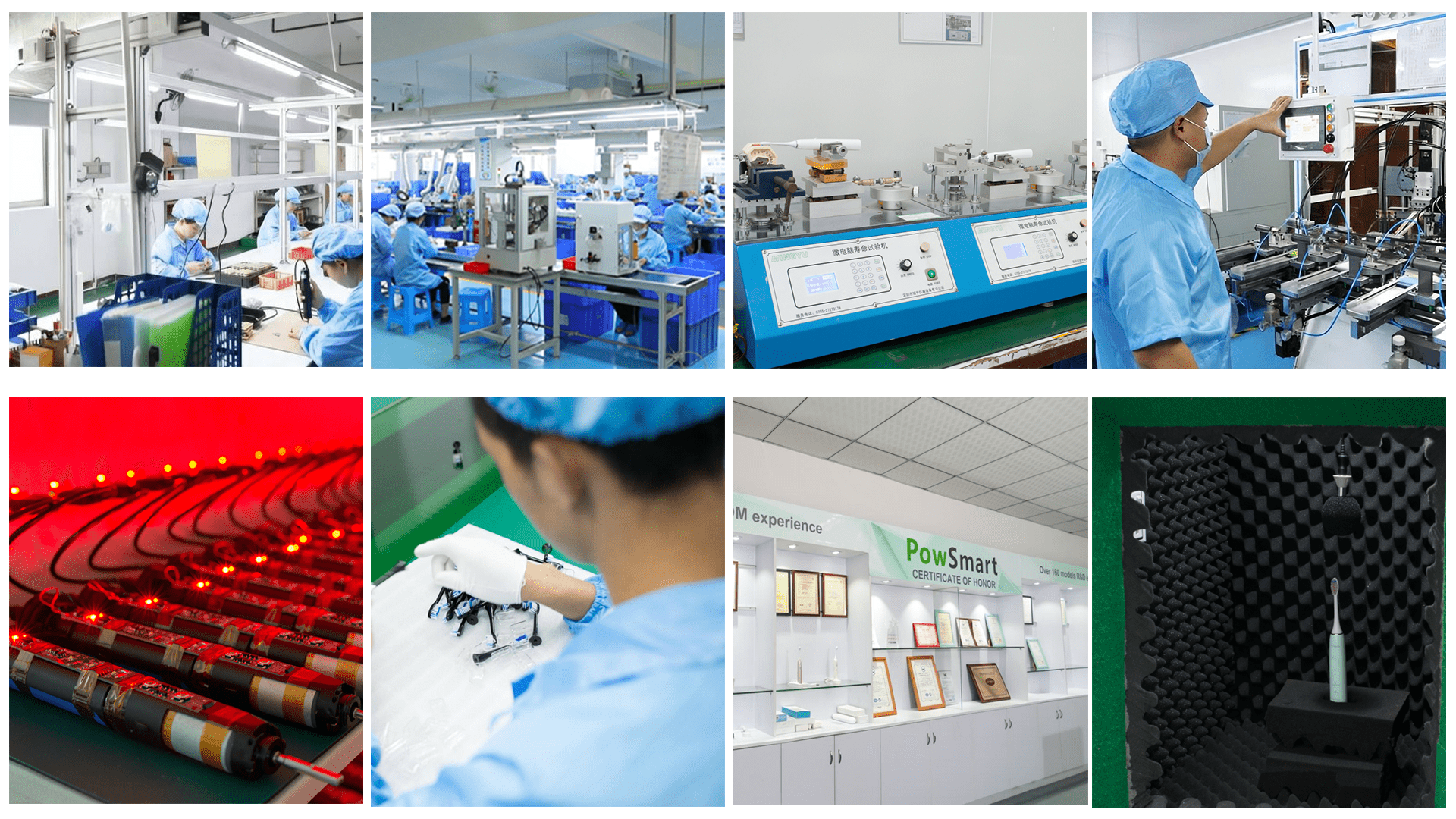
Electric toothbrushes have become an essential part of oral care, offering superior cleaning performance compared to manual brushes. However, like any electronic device, they may occasionally encounter issues. In this blog, we’ll share professional insights from electric toothbrush manufacturers and provide practical electric toothbrush repair tips. Common Electric Toothbrush Problems Before diving into repair methods, it’s crucial to identify common issues: Battery Issues: The toothbrush won't hold a charge or stops charging completely. Motor Malfunction: Reduced vibration or complete cessation of movement. Damaged Brush Head Connector: The brush head wobbles or detaches easily. Water Damage: Moisture infiltration leading to internal circuit issues. As one of the leading electric toothbrush manufacturers, Powsmart has been offering private labeling service for over 20 years. Generally, 70% of problems are related to battery and motor failures, emphasizing the importance of routine maintenance. https://www.powsmart.com/about-powsmart/ Essential Electric Toothbrush Repair Tips Here are some practical steps for addressing common issues: Battery Replacement: For models with non-replaceable batteries, We recommend professional service. For DIY enthusiasts, carefully open the casing, replace the battery with a compatible one, and reseal the unit to maintain waterproofing. Motor Troubleshooting: If the motor weakens, clean debris from internal parts. Persistent issues may require motor replacement, which…
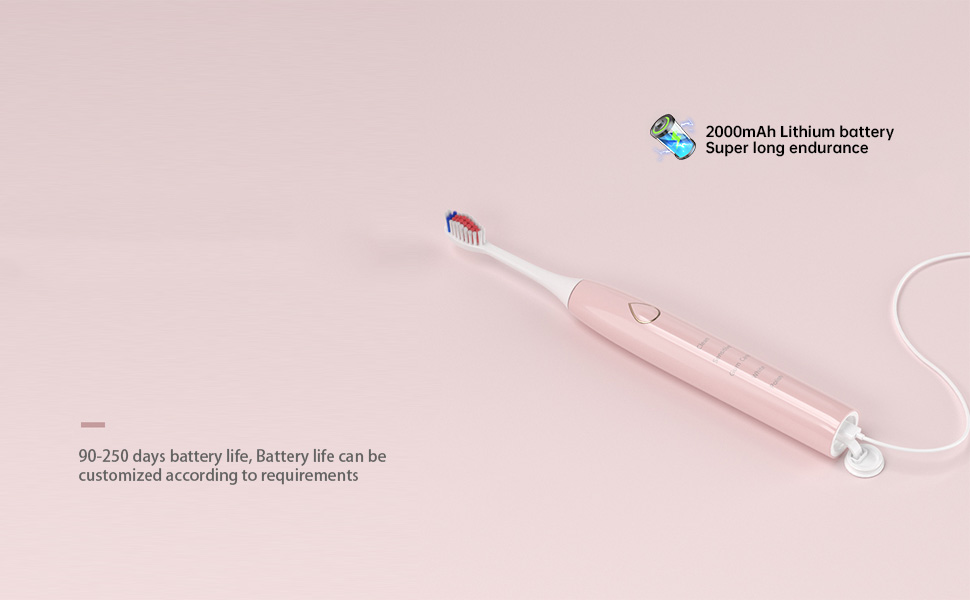
Electric toothbrushes have revolutionized oral care with their convenience and efficiency. However, many users face charging problems of electric toothbrushes that can disrupt their experience. From failing to charge properly to shortened battery life, these issues can often be frustrating. In this blog, Powsmart will explore common charging problems and provide professional solutions for charging problems from a leading electric toothbrush factory. Common Charging Problems A. Toothbrush Not ChargingOne of the most frequent complaints is when the toothbrush doesn’t charge at all. This could be due to a faulty charging dock, power source issues, or internal battery failure. B. Charging Takes Too LongSometimes, users notice that their toothbrush takes unusually long to charge. This can stem from an underperforming battery or damaged charging coils. C. Battery Drains Too QuicklyA toothbrush that drains power quickly may indicate battery degradation or electronic component failure. D. Charging Indicator Not WorkingThe charging light not turning on can cause confusion, leaving users unsure if their toothbrush is actually charging. Solutions for Charging Problems A. Regular MaintenanceTo prevent electric toothbrush charging problems, users should clean their charging docks and toothbrush bases regularly. Accumulated dust or water can hinder the charging process. B. Check for Compatible Power SourcesUsing non-compatible…
Sonic electric toothbrushes are renowned for their superior cleaning power and ability to deliver a deep clean while being gentle on your gums. However, to ensure the longevity and efficiency of your device, proper cleaning and maintenance are essential. In this blog, we’ll provide key electric toothbrush maintenance tips to help you maintain your electric toothbrush in top condition. Regular Cleaning of the Toothbrush Head The toothbrush head is the most important part of your sonic electric toothbrush, and it needs regular cleaning. After each use, rinse the brush head thoroughly with water to remove any toothpaste or debris. Periodically, use a soft cloth or brush to clean the bristles and the neck of the brush to prevent any buildup of toothpaste or bacteria. Maintaining your electric toothbrush in this manner will ensure that the bristles remain effective and the cleaning process stays hygienic. Most electric toothbrush factories recommend changing the toothbrush head every 3 months to ensure optimal performance. Clean the Handle Properly The handle of your sonic electric toothbrush also requires care. Wipe down the handle with a damp cloth after every use to remove any toothpaste residue or water spots. Avoid immersing the handle in hot water as it contains…
The electric toothbrush industry has seen remarkable advancements over the past few years, with innovation of electric toothbrush technology driving the market forward. From smart features to enhanced brushing techniques, these innovations are not only improving user experience but also reshaping the entire oral care sector. In this blog, we will explore the impact of innovation on the electric toothbrush market, highlighting key trends, the role of electric toothbrush factories, and how factory's innovation ideas are pushing the boundaries of what electric toothbrushes can do. Technological Advancements and Market Demand One of the main drivers behind the innovation of electric toothbrush technology is the growing demand for more efficient, user-friendly, and personalized oral care solutions. Consumers are increasingly looking for products that offer convenience, customization, and improved performance. Recent innovations like pressure sensors, smart timers, and mobile app connectivity have made electric toothbrushes more intelligent and adaptable to individual needs. The integration of AI-powered features that track brushing habits and provide feedback is an example of how innovation is enhancing the consumer experience. As a result, the market for electric toothbrushes continues to expand, with innovations leading to higher consumer satisfaction and brand loyalty. The Role of Electric Toothbrush Factories in Driving Innovation…
The brush head of an electric toothbrush is a vital consumable for electric toothbrushes. When purchasing an electric toothbrush, many users may pay attention to the price and compatibility of the brush head. Whether the brush heads of electric toothbrushes from different brands are interchangeable and the unit price of the brush head often directly affect the user experience and consumer purchasing decisions. Powsmart is a private label electric toothbrush manufacturer & factory, offering different types of brush heads for customization.https://www.powsmart.com/oral-care-products-private-label/ 1. Differences in brush head design There are differences in the design of electric toothbrush heads from different brands, mainly reflected in the shape, connection method and bristle type. These differences lead to compatibility issues of electric toothbrush heads, and users cannot ensure that a certain brand of brush head can be smoothly installed on a toothbrush of another brand. Studies have shown that about 60% of users find compatibility to be an important consideration when purchasing replacement brush heads. 2. Compatibility between brands In order to improve user experience, some electric toothbrush manufacturers may launch products that are compatible with multiple brush heads. However, the brush heads of most brands of electric toothbrushes are not interoperable. According to…
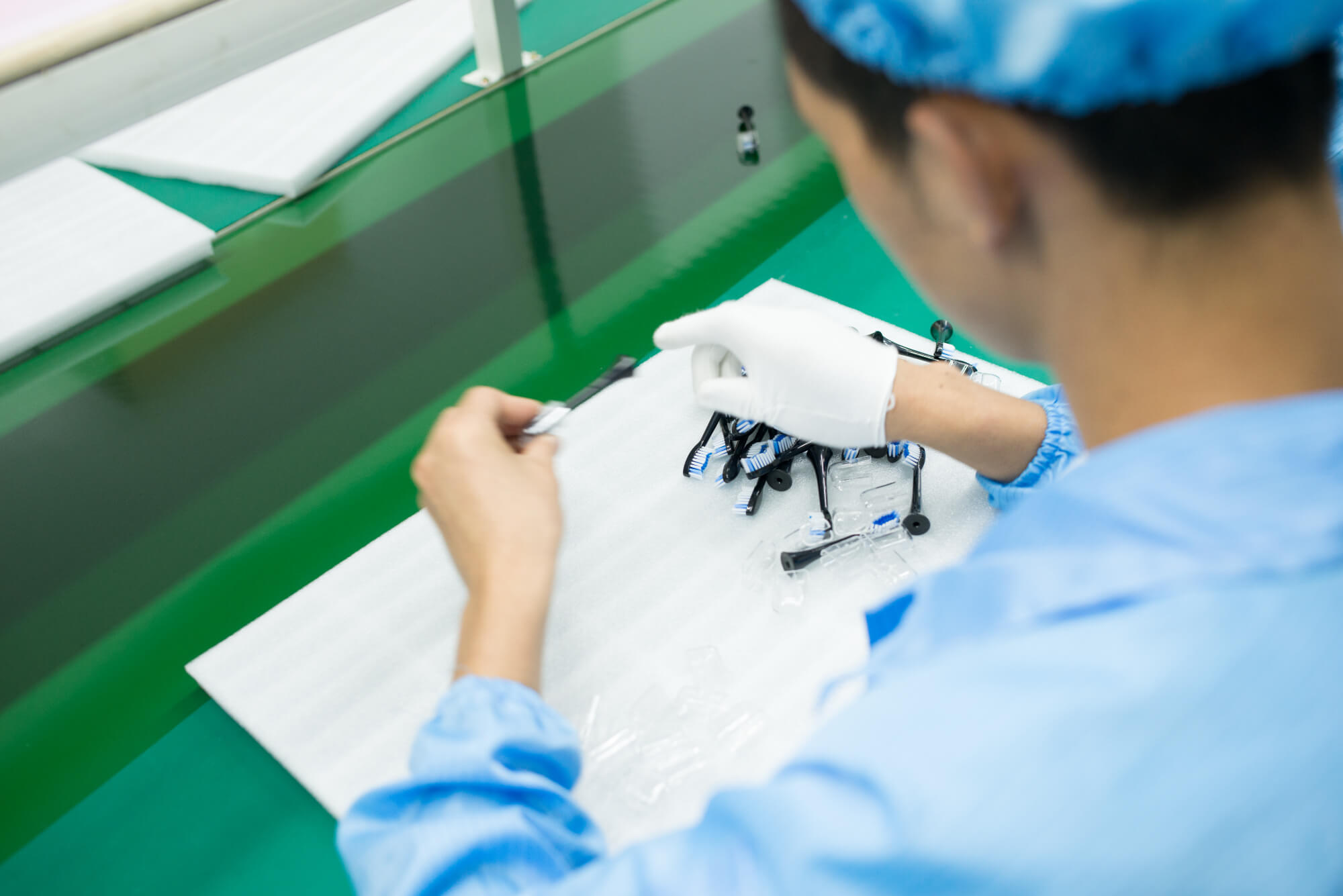
The variety of brush head types available in the market today means there is an option for almost every need, from sensitive gums to deep cleaning. Choosing the right brush head for your electric toothbrush can make a significant difference in your oral care routine. In this blog, we will explore the different types of brush heads, their benefits, and how to choose the one best suited to your dental needs. Understanding Different Types of Brush Heads The first step in choosing the right brush head is understanding the different types of brush heads available. Broadly, these can be categorized into: Standard Brush Heads: These are the most commonly used, designed for everyday brushing. They provide a balanced cleaning experience suitable for most users. Compact Brush Heads: These heads are smaller, which makes them easier to maneuver, especially for users with braces or those who need precision. Interdental Brush Heads: Designed to clean between teeth, these brush heads often feature bristles arranged in a V-shape to help remove plaque from tight spaces. Deep Cleaning Brush Heads: These typically have extra-long bristles that penetrate deeper into the gum line, providing a more thorough clean. Sensitive Brush Heads: With extra-soft bristles, these brush heads…
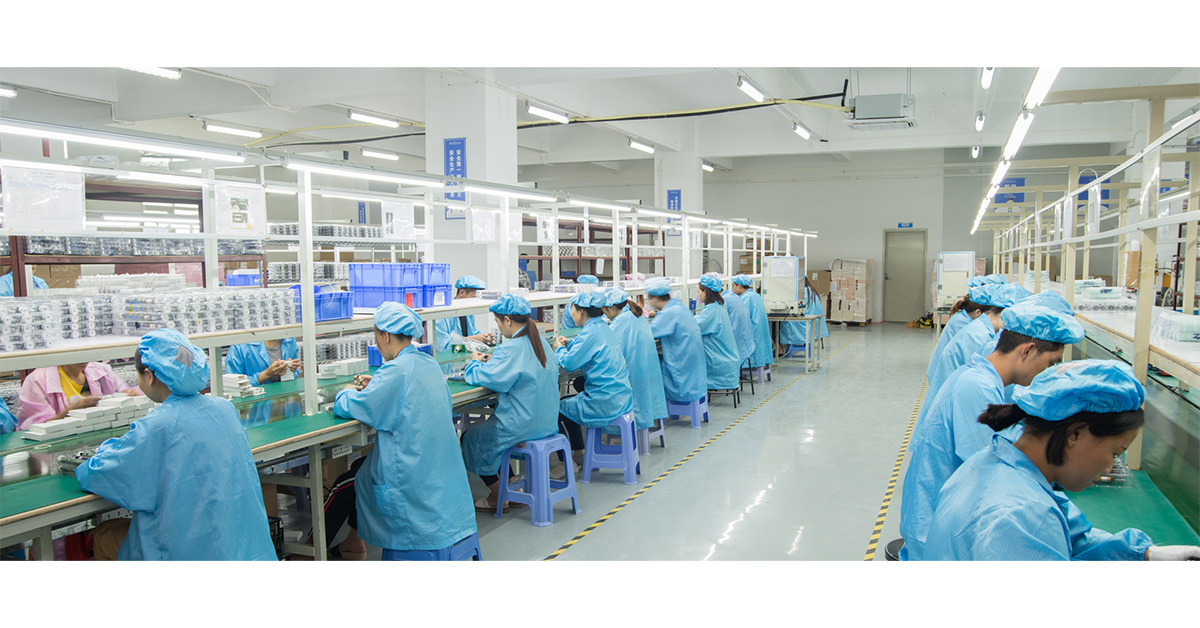
The production of electric toothbrush brush heads is a meticulous process that combines advanced technology, high-quality materials, and strict quality control to ensure optimal performance and safety. Powsmart is an experienced oral care products manufacturer in China offering OEM/ODM service for over 20 years. Covering 3000㎡workshop, our production capacity could reach to 30,0000pcs per month. We’ll explore the brush head production process, highlighting the steps involved, key components, and how an electric toothbrush factory manages quality assurance. Designing the Electric Toothbrush Brush Head The first step in the production of electric toothbrush brush heads is designing the brush head. As an OEM electric toothbrush producer, we work closely with clients to develop custom designs that meet the specific needs of the market. This involves selecting the bristle material, determining the shape of the head, and ensuring compatibility with different electric toothbrush models. Selecting Materials for Bristles and Brush Head The materials used in the brush head significantly impact both its performance and longevity. The bristles often use nylon or polyester, with varying hardness levels depending on the target market (e.g., soft, medium, or firm bristles). The handle and head housing are typically using high-quality plastics, such as ABS (Acrylonitrile Butadiene Styrene), which is durable and…
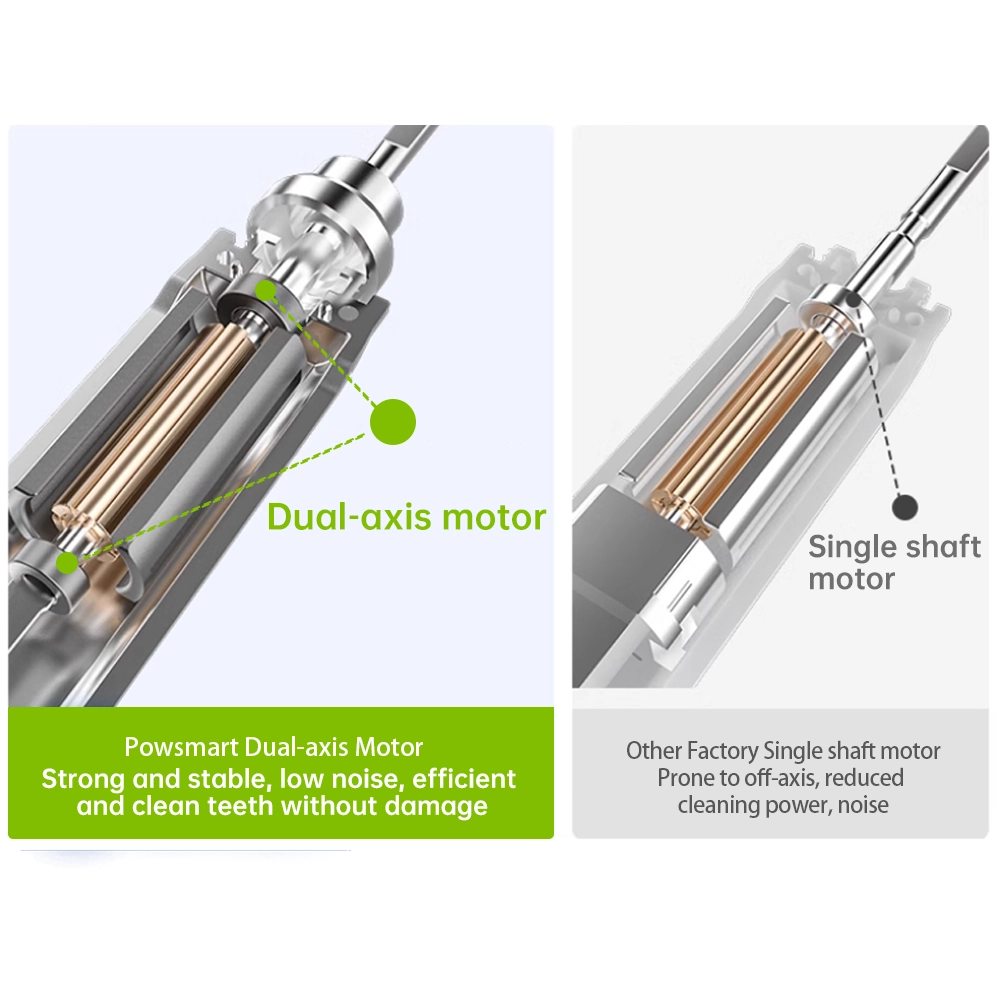
The internal structure of an electric toothbrush mainly includes electric motors, batteries, circuit boards, and brush heads. Among all the components of an electric toothbrush, the SONIC motor is considered to be one of its core components. This article will explore the importance of the electric motor, compare different motor types, and conduct a detailed analysis based on data and related information. Working Principle of the Motor The electric motor is characterized by its high-frequency vibration technology, which can produce tens of thousands of brush head movements per minute. When the switch of the electric toothbrush is pressed, the battery will supply power to the electric motor, which drives the motor to rotate. When the motor rotates, it will drive the brush head to vibrate at a high frequency, so that the toothpaste and foam quickly penetrate into the gaps between the teeth and remove dirt and bacteria on the surface of the teeth. According to research, the vibration frequency of the SONIC motor is usually between 20,000 and 40,000 times. This high-speed vibration can effectively remove plaque and food residues on the surface of the teeth and improve the cleaning effect. Compared with traditional manual toothbrushes, electric toothbrushes using…
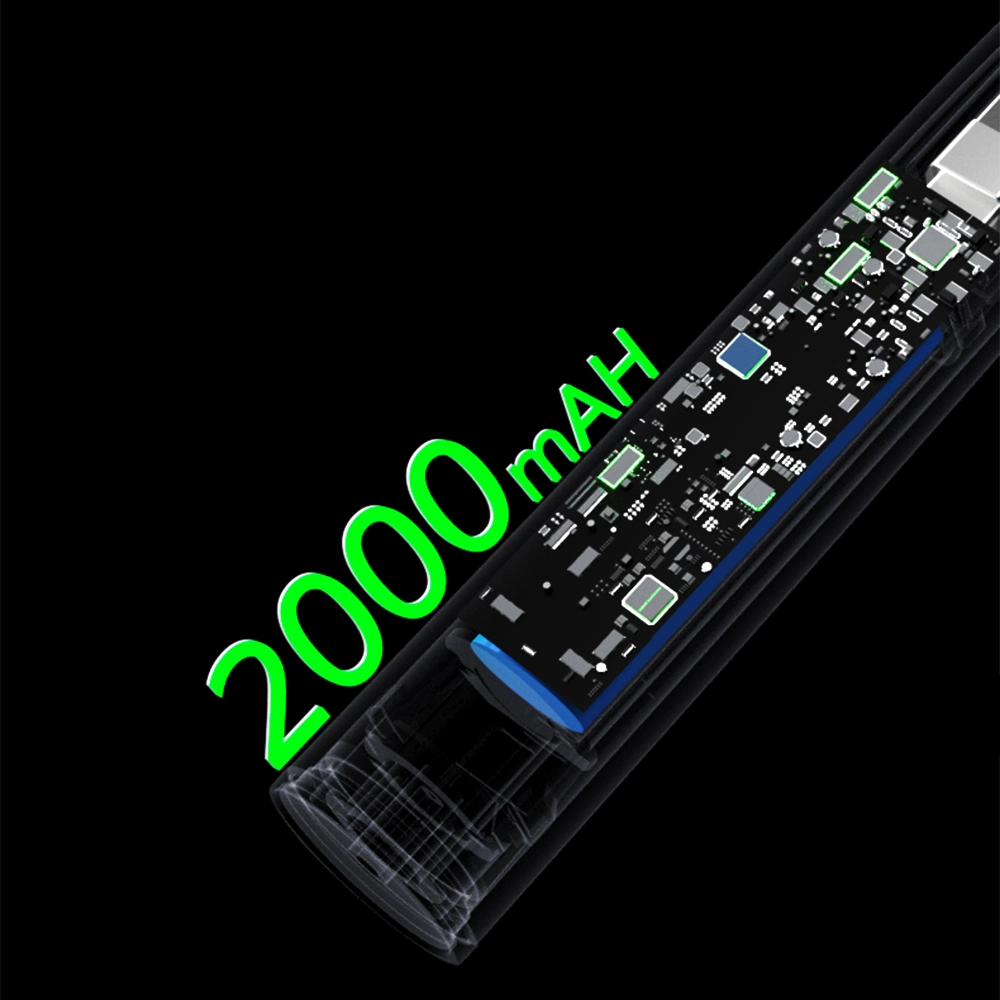
In a small electric toothbrush, electric toothbrush batteries is an important component. Choosing the right battery not only affects the performance and battery life of the product, but is also directly related to the user experience and purchase cost. This article will explore the different types of batteries commonly used in electric toothbrushes and their differences. Lithium-ion battery Lithium-ion batteries are the most common type of battery in electric toothbrushes today. Their advantages include high energy density, long battery life, and light weight. All Powsmart products use lithium batteries, 600-3000mAh. Using the strongest mode, the product can still last 45-250 days.When using a lithium battery electric toothbrush, you need to pay attention to the following points: Do not overcharge when charging. Ghe charging time should not exceed 24 hours. Do not use lithium batteries in a humid environment, as this may cause the battery to short-circuit. Do not expose lithium batteries to high temperatures, which may cause the battery to swell or explode. If you do not use the electric toothbrush for a long time, we recommend to charge the lithium battery regularly to maintain battery activity. Nickel Metal Hydride Batteries Nickel Metal Hydride (NiMH) batteries are another type of…

In the electric toothbrush market, the electric toothbrush cost difference vary significantly from different factories, and there are many complex factors behind this. Understanding the difference in the cost of electric toothbrushes and the factors that affect them can help brands make more informed decisions when choosing suppliers. Raw material cost The raw material cost of electric toothbrushes is an important factor affecting the overall production cost. The price of high-quality batteries, motors, plastic casings and other materials will directly affect the cost of electric toothbrushes. 1)Battery cost difference Common battery types are: alkaline batteries, nickel metal hydride batteries (NiMH) and lithium-ion batteries. Alkaline batteries Alkaline batteries are non-rechargeable batteries, but they have extremely low self-discharge rates and costs. NiMH batteries or lithium-ion batteries are rechargeable batteries. NiMH batteries cost less than lithium-ion batteries. Electric toothbrushes using lithium-ion batteries usually have higher raw material costs than products using nickel metal hydride batteries. Not only that, the design of portable devices like electric toothbrushes depends largely on the performance of the battery. The key indicator of the battery is of course the battery life. A good electric toothbrush does not need to replace the battery frequently, nor does it need to…
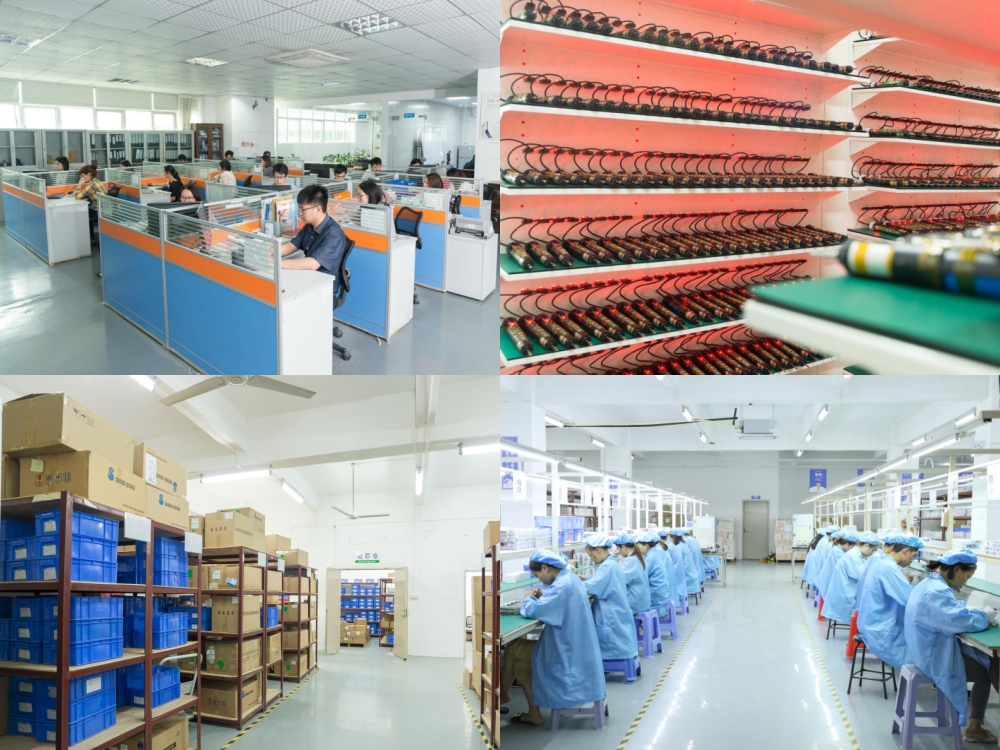
The quality tests in electric toothbrush is not only directly related to the consumer's experience, but also affects the brand's reputation and market competitiveness. Therefore, in the process of electric toothbrush manufacturing, it is crucial to ensure the quality of the finished product. We all know that waterproof problems and the inability to turn on and off the machine normally have always been common problems for many electric toothbrushes after using them for a period of time. So which link is wrong for these problems? Usually, in order to avoid such problems, electric toothbrush factories usually use air tightness testing equipment for air tightness testing during the manufacturing process to ensure the stable performance and long service life of electric toothbrushes. In this article, let's take a deeper look at this test. What is the air tightness testing equipment for electric toothbrushes? The air tightness quality tests in electric toothbrush production is a quality test tool that can help us test the air tightness ability of electric toothbrushes. The testing process applies specific pressure and airflow to simulate a series of situations that may be encountered during daily use, such as changes in water temperature, different degrees of force, and…
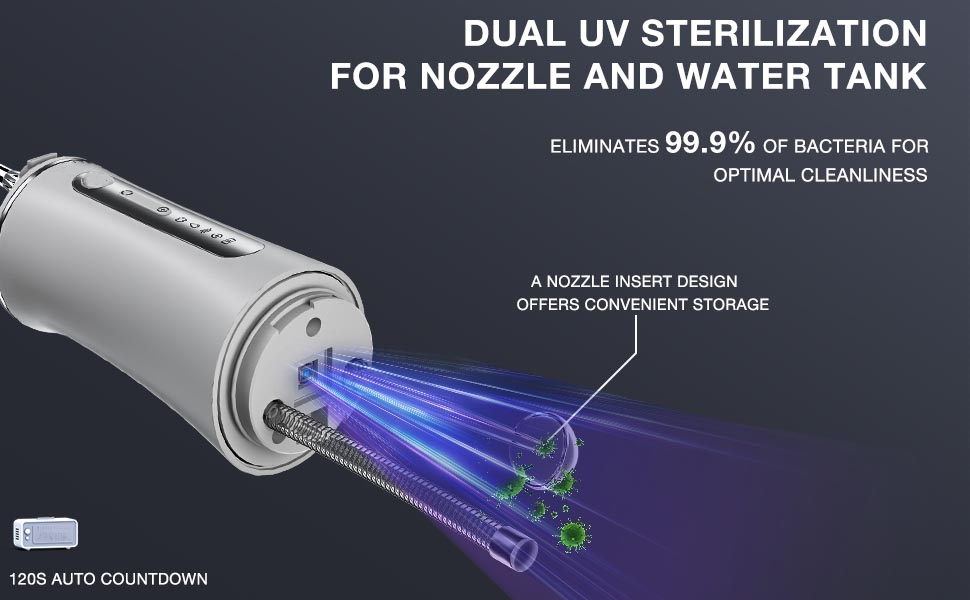
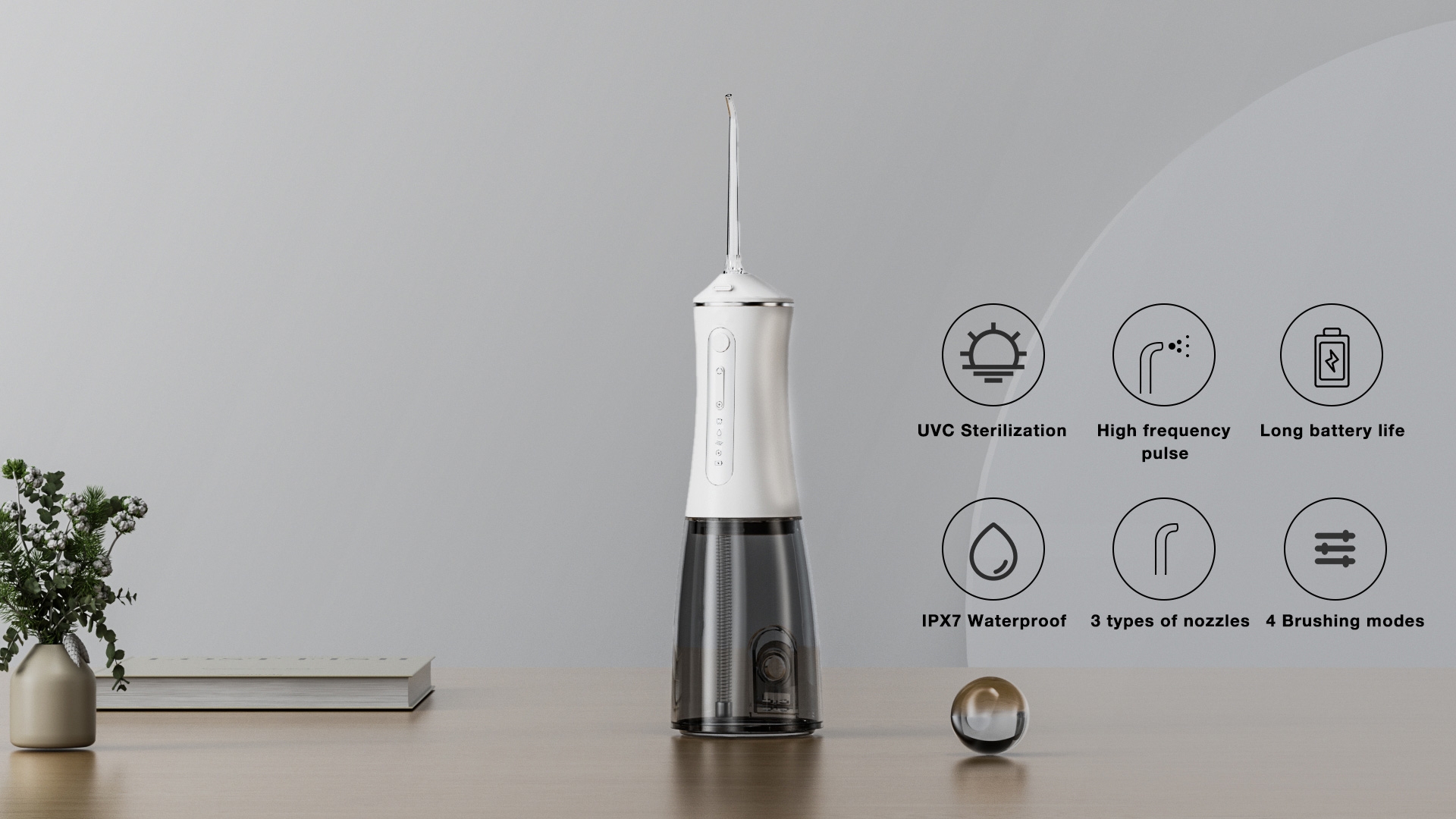
Oral hygiene is an important part of maintaining good health, and brushing and using an oral irrigator are the basis of oral hygiene. However, many people are not clear about the correct answer to the question of whether to use an oral irrigator or a toothbrush first. Today we will explore the answer to this question and provide you with some scientific advice to help you maintain good oral hygiene. Powsmart is one of the professional oral care products manufacturer in Shenzhen, offering OEM/ODM service for over 20 years. https://www.powsmart.com/about-powsmart/ Understand our mouth First, we need to understand the physiological structure of teeth and gums. The surface of the teeth itself is relatively hard, and general brushing can remove surface dirt and bacteria. However, bacteria and food residues in the gingival sulcus and teeth are more difficult to remove. This is because the gap between the teeth and gums in these areas is small, and there are a large number of capillaries and lymphatic tissues in the gingival sulcus, which are easy to breed bacteria and viruses. Therefore, using an oral irrigator can help better remove bacteria and food residues in these areas. Electric toothbrush and oral irrigator However, some…


.jpg)
.jpg)
.jpg)
.jpg)
.jpg)



.jpg)